Understanding the Importance of High-Quality Interior Photography
In the competitive landscape of real estate, the presentation of a property's interior can significantly influence prospective buyers' perceptions and decisions. High-quality interior photography serves as a vital tool in showcasing a property's best features, conveying space, light, and ambiance that appeal to potential buyers. Well-executed images can generate greater interest, increase online engagement, and ultimately lead to faster sales transactions.
Investing in professional interior photography reflects a property’s quality and enhances its marketability. These images act as a digital first impression, often determining whether a viewer will schedule an in-person inspection. Because most buyers begin their property search online, having visually compelling photos is essential for standing out in listings and attracting targeted inquiries.
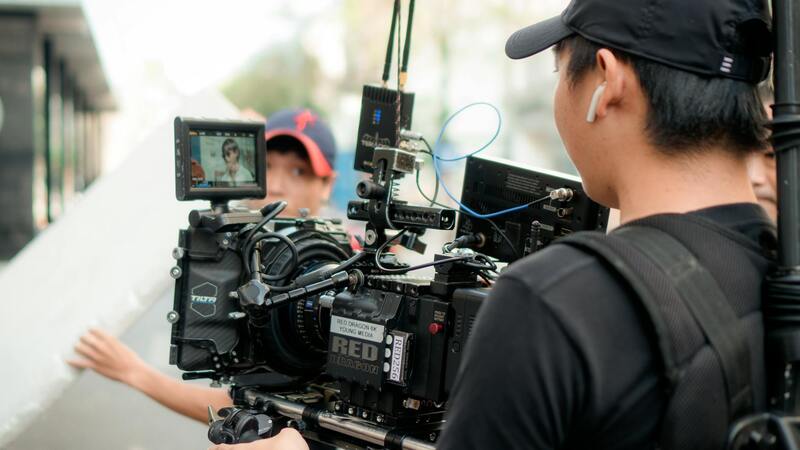
The Impact on Buyer Engagement and Interest
Numerous studies have shown that listings with professionally captured interior images receive higher traffic and engagement. Buyers develop mental impressions based on the photographs they see online; clear, vibrant, and accurately represented images create a sense of trust and confidence in the property's condition. When prospective buyers see inviting and well-composed pictures, they are more likely to schedule viewings promptly, reducing the property’s time on the market.
Enhancing Market Position and Competitive Edge
In markets saturated with listings, exceptional interior photography acts as a differentiator. It elevates a property above others with bland or poorly lit images. High-quality photos emphasize unique architectural features, highlight spaciousness, and portray a welcoming atmosphere, all of which resonate with today's visual-centric buyers.
Building Credibility and Professionalism
For real estate professionals, consistently providing premium visual content enhances credibility. It reflects a commitment to quality and a thorough marketing strategy, fostering trust among clients and prospective buyers alike. Professionally photographed interiors also support branding efforts, positioning agents and agencies as reliable and detail-oriented in their marketing approach.
Maximizing the Value of a Property
Properly captured interior images can also influence pricing strategies. Well-presented photos help justify listing prices by demonstrating the true potential of a space. Buyers are more inclined to perceive value in interiors that appear spacious, bright, and well-maintained, which can lead to more competitive offers and favorable sales outcomes.
Overall, the role of high-quality interior photography extends beyond aesthetics; it is a fundamental element that shapes buyer perceptions, boosts engagement, and improves sales efficiency. For real estate professionals aiming to maximize their marketing impact, mastering the art of photographing interiors is an essential and strategic investment.
Equipment and Camera Settings for Interior Photography
Capturing stunning interior images requires more than just a good camera; it hinges on selecting the appropriate equipment and optimizing camera settings to achieve the desired visual quality. Professional real estate photographers prioritize high-resolution digital cameras with full-frame sensors, which deliver excellent detail and dynamic range, vital for capturing the nuances within interior spaces.
Utilizing wide-angle lenses, typically between 14mm to 24mm, allows photographers to encompass more of a room in a single frame. This wide perspective is crucial in tight spaces to showcase the room's true dimensions without distortion. However, ensuring minimal distortion is essential, so lenses with low distortion profiles are recommended.

Regarding camera settings, shooting in manual mode offers full control over exposure parameters. A small aperture, such as f/8 or f/11, provides a greater depth of field, ensuring entire rooms stay in focus. An ISO setting kept as low as possible (ISO 100-400) minimizes grain and preserves image clarity. A slow shutter speed, often between 1/15 to 1/60 seconds, may be necessary for properly exposed images, especially in low-light conditions, but it requires the use of a tripod to eliminate motion blur.
Another critical aspect is balancing interior lighting. Since natural light can vary greatly, photographers often use external flash or off-camera lighting to fill shadows and create a natural, evenly lit environment. HDR (High Dynamic Range) shooting combines multiple exposures, enhancing details in both highlights and shadows, which is particularly effective in spaces with high contrast lighting scenarios.
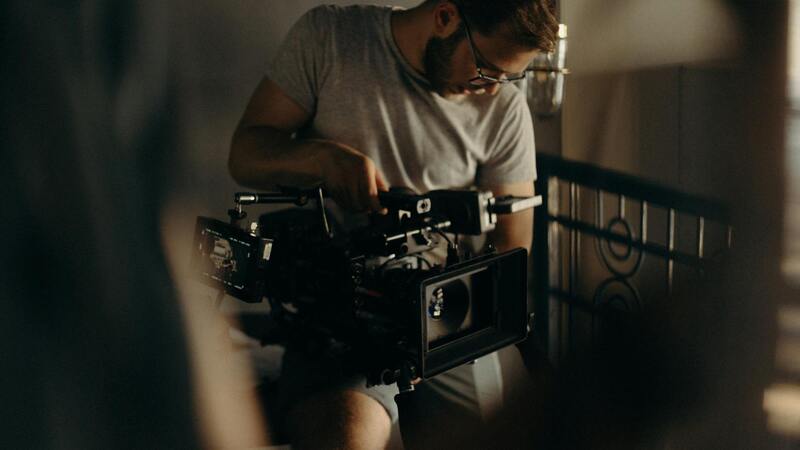
Maintaining consistency in camera exposure settings across different rooms ensures a cohesive look in the listing, helping potential buyers visualize the property as a harmonious space. Regular calibration of the camera and lens, along with understanding how different settings impact the final image, forms the backbone of a reliable and professional approach to interior photography.
Investing in quality gear and mastering camera settings enables photographers to produce images that truly represent the property's features, translating into more engaging listings and increasing the property's perceived value. For professionals aiming for excellence, staying updated with advancements in camera technology and techniques is essential for delivering top-tier visual content in the real estate market.
Techniques for Capturing Bright and Accurate Interior Photos
Achieving bright and accurate interior photographs requires a combination of strategic camera techniques and environmental adjustments. One of the most effective methods is utilizing a balanced combination of natural light and artificial lighting sources. To maximize natural light, photographers often shoot during the daytime when sunlight fills the space through windows. Proper use of window coverings, such as sheer curtains, can diffuse harsh sunlight, creating a softer, more even illumination that enhances the room's features.
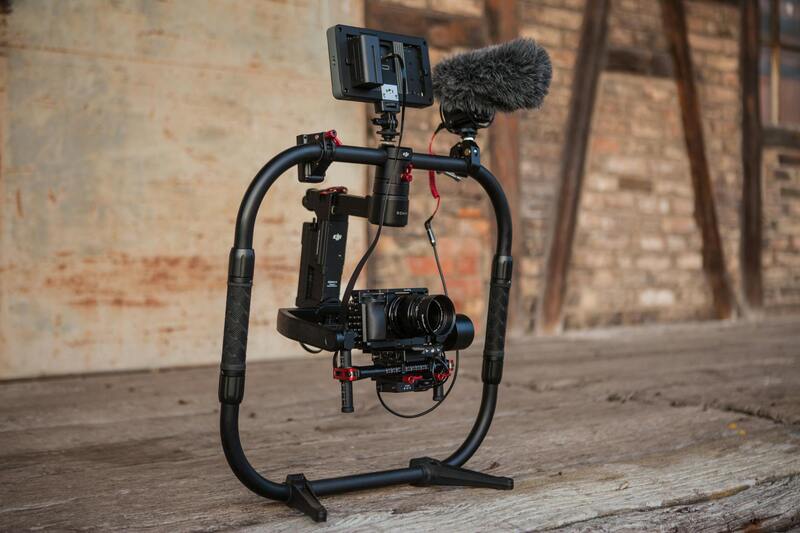
Complementing natural light with external flash or off-camera lighting helps fill shadows and ensure a uniformly lit scene. When adding artificial light, it's important to regulate intensity and direction to avoid unnatural color casts or hotspots. Light modifiers, such as softboxes or diffusers, help produce softer, more natural light that reflects the true colors and textures of interiors.
Adjusting camera settings is crucial. A smaller aperture (higher f-stop number) ensures greater depth of field, keeping the entire space in focus. A lower ISO reduces noise, producing cleaner images, especially in well-lit conditions. Shutter speed should be set to prevent motion blur, often requiring tripod stabilization for longer exposures, particularly in low-light areas. Using these settings in tandem with meticulous lighting control allows photographers to capture interiors that are both bright and true to life.
In addition to technical adjustments, the use of high dynamic range (HDR) photography can significantly improve image quality. By capturing multiple exposures and blending them in post-processing, HDR helps reveal details in both sunlit and shadowed areas simultaneously. This technique is especially useful in spaces with high contrast lighting, such as rooms with large windows or multiple light sources, ensuring the final photograph accurately represents what the eye perceives.
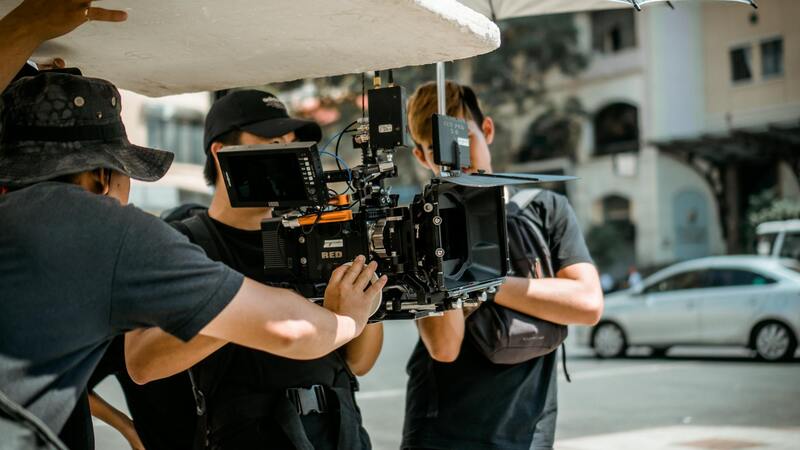
Furthermore, techniques such as maintaining consistent white balance, avoiding wide-angle distortions without exaggerating proportions, and ensuring minimal clutter or distractions in the framing contribute to a professional appearance that appeals to prospective buyers and tenants.
Enhancing Images Through Effective Post-Processing and Editing
Post-processing plays a pivotal role in transforming raw interior images into captivating visual assets that accurately represent a property's features. Effective editing begins with a balanced approach—aiming to enhance natural lighting, colors, and textures without overdoing the adjustments, which could mislead potential clients.
Key steps in post-processing include color correction to ensure that whites appear true and colors are vibrant but realistic. Adjusting contrast and clarity enhances the depth and detail within each image, making spaces feel more inviting. Correcting perspective distortion is equally important; walls that appear crooked or skewed due to lens effects can detract from an image's professionalism. Utilizing software tools for perspective correction ensures that lines remain straight and true to the real-world layout.
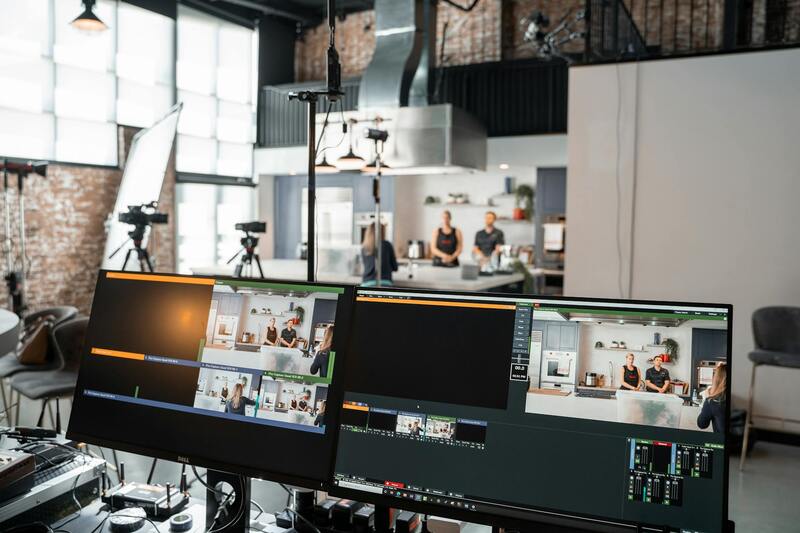
Selective editing allows for emphasizing certain elements—such as a stylish feature wall, a modern kitchen island, or a spacious living area—by subtly brightening these focal points. Retouching may also involve removing minor imperfections, such as clutter or distracting objects, to maintain a clean, appealing appearance.
Maintaining consistency across all images is crucial for creating a cohesive marketing presentation. This involves applying uniform adjustments to brightness, contrast, and color temperature, ensuring that each photograph aligns with the intended aesthetic of the property listing. The ultimate goal is to showcase each space in its best light, accurately reflecting its potential without exaggeration.
Additionally, high dynamic range (HDR) blending can be employed during post-processing to balance exposure levels between brightly lit windows and shadowed interior details. This technique ensures a comprehensive view of the space, capturing the full depth and ambiance of the environment. Final images should project a professional standard, combining technical precision with aesthetic appeal, helping prospective buyers or tenants form an accurate mental image of the property.
Techniques for Capturing Bright and Accurate Interior Photos
Achieving well-lit and true-to-life interior images requires a combination of appropriate camera settings and lighting techniques. One of the foundational aspects is controlling exposure to avoid overly dark shadows or washed-out highlights, which can distort the viewer's perception of space and quality. Utilizing a tripod stabilizes the camera, allowing for longer exposure times without motion blur, thereby capturing more light and detail.
A critical setting to consider is the aperture. Using a smaller aperture (higher f-number) increases depth of field, ensuring more of the scene remains in focus, from foreground to background. This approach is particularly beneficial in showcasing entire rooms or architectural features in sharp detail. Adjusting ISO settings to the lowest practical value minimizes noise, which can detract from a sleek, professional appearance.
Lighting balance is essential for interior photography. When natural light is available, shooting during daytime, especially near midday, allows for maximum illumination. However, interior spaces often suffer from uneven lighting due to limited windows or obstructive fixtures. In such cases, supplementing with artificial lighting—such as softboxes, umbrella lights, or portable strobes—can produce consistent, diffuse light that highlights features accurately.
The use of diffusers helps soften harsh shadows and reduce glare, creating a more inviting and accurate representation of the space. Light placement should be strategic, aiming to evenly illuminate key areas without causing unwanted reflections or hotspots. The goal is to produce imagery where light is evenly distributed, revealing textures, colors, and spatial relationships clearly.
Image placeholders:
Legal and Ethical Considerations in Real Estate Interior Photography
When engaging in professional interior photography for real estate, adherence to established guidelines and standards is essential to maintain credibility and protect all parties involved. High-quality images serve as a powerful tool in property marketing, but it is equally important to respect privacy, ownership rights, and explicit or implicit agreements with property owners.
Securing proper permissions before capturing images of an interior space ensures that both the photographer and the property owner are aligned on the intended use of the photographs. This includes consent to publicize the images across various marketing platforms, whether online listings, print advertisements, or social media channels. Clear communication about what will be photographed and how the images will be used can prevent misunderstandings and foster trust.
Respecting privacy considerations is equally critical. Sensitive areas not meant for public viewing, such as personal bedrooms or private offices, should be either omitted or documented with the owner’s approval. When photographing common areas, it's advisable to avoid capturing identifiable personal belongings or clutter that may infringe on personal privacy or create a misrepresentation of the space.
Attention to truthful and accurate representation is the cornerstone of ethical real estate interior photography. This involves avoiding misleading practices such as excessive digital manipulation that alter the true appearance of a space. While post-processing enhances visual appeal and corrects lighting issues, it should not distort the scale, layout, or key features of the property.
Additionally, adherence to copyright laws is crucial. Photographers should retain rights to their images or have explicit agreements in place to allow for their use in specific marketing channels. Proper documentation and licensing agreements protect the photographer’s work while enabling clients to utilize images legally in their promotional efforts.
Maintaining a professional standard also involves transparency about the capabilities and scope of the photography services offered. Providing clear terms regarding delivery timelines, image resolution, and revisions helps establish a trustworthy relationship with clients.
Advanced Techniques for Perfecting Interior Photographs
Achieving exceptional interior images involves mastering various technical skills and consistently refining your approach. One critical aspect is managing lighting effectively. This can be accomplished through the strategic use of natural light and artificial lighting, such as off-camera flash or continuous lights, to balance shadows and highlights. Proper light management ensures the space appears vibrant and inviting, accurately reflecting its true color palette and ambiance.
Utilizing a tripod is essential to maintain stability, particularly in low-light situations or when capturing multiple exposures for high dynamic range (HDR) imaging. HDR techniques combine several shots taken at different exposures to produce images that showcase both the brightest and darkest areas with clarity and detail. This approach is especially beneficial in interiors with complex lighting conditions, such as large windows or artificial light sources.
Implementing the correct camera settings is vital. A low ISO setting helps minimize noise, resulting in cleaner images, while an appropriate aperture ensures sufficient depth of field, keeping key features in sharp focus. Additionally, adjusting shutter speed based on lighting conditions ensures well-exposed photos without motion blur.
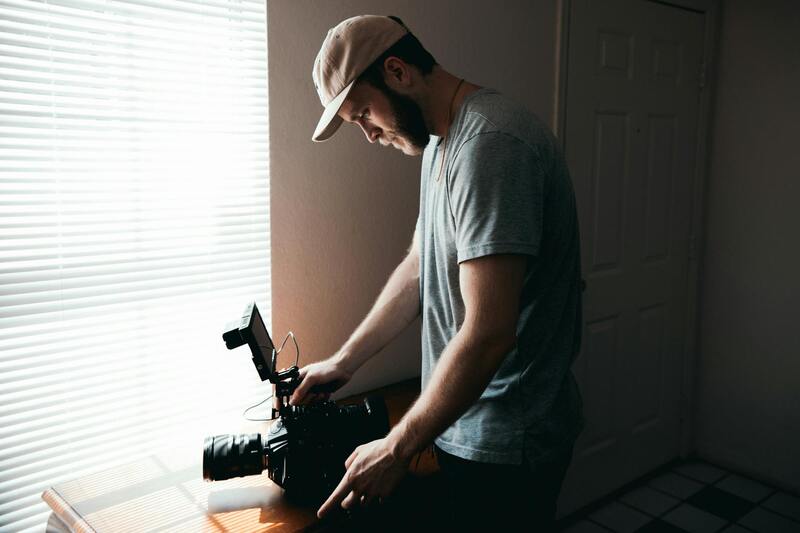
Mastering these methodologies allows photographers to produce images that genuinely represent the property's features, creating a compelling visual narrative that appeals to prospective buyers and helps real estate agents market the property more effectively.
Optimizing Composition and Framing for Interior Photos
Composition plays a pivotal role in creating captivating real estate interior photos. To achieve this, framing should highlight key features of each space while minimizing distractions. Using straight lines and symmetrical elements can guide the viewer's eye naturally through the image, emphasizing the architecture and layout.
Applying the 'rule of thirds' is a practical guideline, placing focal points off-center to add visual interest. When photographing rooms, capturing multiple angles offers viewers a comprehensive understanding of the space. Wide-angle lenses are particularly useful for portraying room size and layout accurately, but should be used judiciously to avoid distortion.
It's also important to consider the horizons and vertical lines to prevent tilting, which can detract from the professional appearance of images. Ensuring that furniture and architectural elements are aligned within the frame preserves the integrity of the visual story and facilitates an accurate perception of the space's proportions.
By carefully controlling composition and framing, photographers can effectively showcase the property’s unique features, from spacious living areas to intricate architectural elements, ultimately making listings more appealing and helping potential buyers visualize themselves in the space.
Legal and Ethical Considerations in Real Estate Interior Photography
When it comes to capturing images of real estate interiors, professionals must adhere to a set of practices that ensure respectful and accurate representation of the property. This commitment not only upholds standards within the industry but also fosters trust between photographers, property owners, and prospective buyers.
First and foremost, obtaining explicit permission from property owners or authorized agents before conducting a photoshoot is essential. This ensures all parties are aligned on the scope of the photography session and what images will be produced and published. Clear communication about the intended use of the images helps prevent misunderstandings and potential disputes.
Respecting the privacy of occupants and neighbors is another critical ethical aspect. Photographers should be cautious about capturing images that include personal belongings, private spaces, or neighboring properties without consent. If unavoidable, cropping or editing out such elements can mitigate privacy concerns and uphold the integrity of the images.
Accurate representation of the property is fundamental in real estate photography. This means avoiding manipulations that could mislead viewers regarding the size, layout, or condition of a space. Techniques such as strategic framing, proper lens selection, and minimal post-processing should be employed to reflect the true characteristics of the interior, fostering transparency and helping potential buyers make informed decisions.
Additionally, complying with local regulations and standards related to photography and advertising practices ensures that all images and marketing materials meet industry expectations. This includes respecting intellectual property rights, such as avoiding the use of copyrighted furniture or decor without permission, and adhering to any guidelines specified by listing platforms or real estate associations.
By following these authoritative, legitimate methods, photographers contribute to a professional and transparent real estate market. Their work not only highlights the property’s best features but also upholds the standards of honesty and responsibility that clients and consumers expect in the buying process.