Understanding the Importance of Professional Home Photography
In the competitive Miami real estate market, the presentation of a property can significantly influence its sale prospects. High-quality home photography has become an indispensable component of effective real estate marketing strategies. Professional photographs not only capture the aesthetic appeal and unique features of a property but also create a compelling visual narrative that resonates with potential buyers.
When prospective buyers browse online listings, the initial impression is predominantly shaped by the quality of the images. Clear, well-composed, and true-to-life photographs serve as an invitation for interested parties to explore further. Conversely, poorly taken images can deter viewers or lead to missed opportunities, regardless of how attractive the property truly is.
In Miami's vibrant real estate scene, where luxury homes, modern condos, and historic properties compete for attention, professional photography elevates a listing’s visibility and desirability. It reflects a level of professionalism and attention to detail that reassures prospective buyers about the quality of the property and the credibility of the seller or agent.
Furthermore, well-crafted images facilitate faster sales cycles. They attract more inquiries, increase viewing appointments, and often result in higher offers. In a city like Miami, where waterfront views, upscale interiors, and architectural details are key selling points, capturing these elements with precision enhances the property's appeal.
Beyond aesthetics, professional photography also ensures consistency in branding and marketing materials. When listings adhere to a standard of high-quality imagery, it creates a cohesive and memorable visual identity that can span online platforms, print advertisements, and social media campaigns.
Ultimately, investing in expert home photography is a strategic move that underpins successful real estate transactions. It transforms property listings from simple advertisements into captivating visual stories that attract serious buyers and facilitate quicker sales in Miami's dynamic market.
Essential Equipment for House Photography
Achieving high-quality images of residential properties relies heavily on the right tools. A professional photographer should equip themselves with a full-frame DSLR or mirrorless camera capable of capturing high-resolution images, which effectively showcase details and texture. Complementing the camera, a selection of versatile lenses enhances the ability to highlight different aspects of a property. A wide-angle lens, typically in the 14-24mm or 16-35mm range, is indispensable for capturing spacious interiors and architectural features without distortion. Additionally, a standard or macro lens can be useful for detail shots, such as hardware or decorative elements.
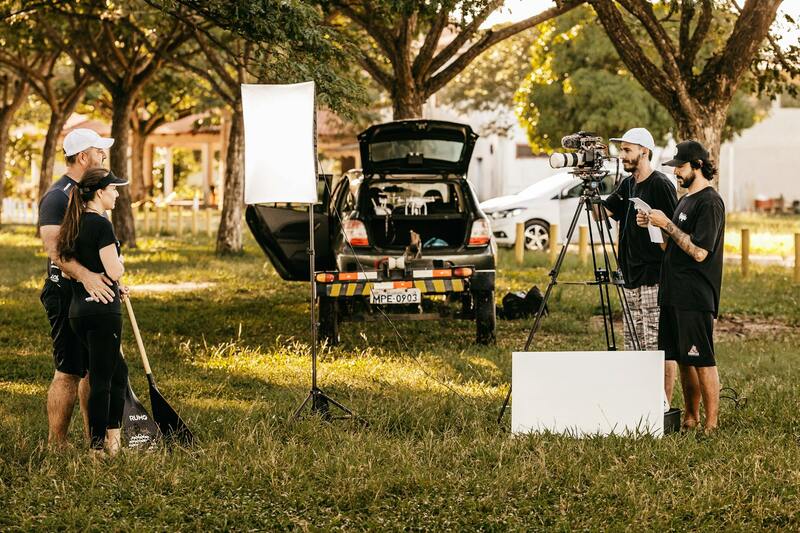
Other essential accessories include a sturdy tripod to ensure stability during long exposures, especially in interior spaces with less natural light. External flash units or portable lighting kits help illuminate darker corners and balance indoor lighting conditions. For exterior shots, reflectors and diffusers can modify natural light, reducing harsh shadows and glare. It’s also beneficial to use polarized filters to manage reflections and glare on windows and shiny surfaces, ensuring a clean, accurate representation of the property’s exterior.
Beyond equipment, mastering specific camera settings is vital. A common approach is to set your camera to aperture priority mode with an aperture between f/8 and f/11, providing sufficient depth of field to keep foreground and background elements sharp. ISO settings should be kept low (e.g., ISO 100–200) to minimize noise, while a tripod allows for longer shutter speeds without blur, capturing more light and detail. Shooting in RAW format preserves maximum image data, allowing extensive post-processing adjustments without quality loss. Proper white balance, based on the lighting conditions, ensures colors are rendered accurately, contributing to professional-quality photographs.
Preparing a Property for Capturing High-Quality Images
Preparation plays a critical role in producing compelling house photos. Before the scheduled shoot, homeowners should tidy up and declutter spaces, removing personal items and unnecessary furniture that can distract viewers. Ensuring windows are clean and free of smudges maximizes natural light entry and prevents glare or streaks on glass surfaces.
Snapshots of a well-prepared house often include strategic staging, such as opening curtains to let in light, adjusting furniture for optimal angles, and adding fresh flowers or subtle decor touches to frames. Additionally, scheduling shoots during the time of day when natural light is most abundant, often late morning or early afternoon, enhances the overall brightness and warmth of images. It’s recommended to scout the property beforehand, noting the best angles and lighting conditions, which can improve efficiency during the actual photography session.
Capturing Wide-Angle and Interior Shots
Wide-angle lenses are crucial for interior photography, allowing more of a room to be captured in a single frame. When using these lenses, setting the camera to a slight upward tilt can prevent distortion and exaggeration of ceiling heights, giving a more accurate representation. To avoid warping, it’s essential to keep the camera level and use tripod-mounted shots for consistency. For interior spaces, balancing ambient daylight with supplemental lighting ensures true color rendering and avoids dark shadows or washed-out highlights.
Multiple shots from various angles should be taken to showcase each room’s features thoroughly. Vertical shots highlight ceiling height, while horizontal compositions help communicate space and flow. Pay attention to details such as symmetry and horizontal lines, as these contribute significantly to a sense of order and spaciousness in images.
Lighting Techniques for Exterior and Interior Photography
Optimal lighting dramatically impacts the quality of home photography. For exterior shots, capturing during the golden hour—shortly after sunrise or before sunset—enhances the warmth and depth of the scene. Using natural light effectively involves positioning the house so that sunlight illuminates key features without causing harsh shadows. Overcast days can yield even, soft lighting, minimizing shadows and reflections.
Inside, combining natural light with artificial sources creates balanced and inviting images. Opening curtains to maximize daylight, then supplementing with portable lights or reflectors to fill in shadows, results in well-lit interiors. When dealing with mixed lighting conditions, adjusting white balance settings ensures colors look natural and cohesive across all images.
It's crucial to avoid shooting in extreme sunlight, which can create high contrast and dark shadows. Instead, diffusing harsh sunlight with umbrellas or diffusers, or shooting during times when the sun is lower, produces more flattering results. Maintaining consistent lighting conditions across multiple shots helps create a cohesive presentation of the property.
Ensuring Accurate Representation Through Composition and Framing
Capturing a property effectively involves a keen understanding of composition and framing techniques that highlight its best features while maintaining a truthful representation. When photographing houses, it is essential to use strategic vantage points that showcase the property's spatial dimensions and architectural details. Employing the rule of thirds can guide photographers to place key elements, such as entryways, windows, and focal points, along intersecting lines for balanced compositions.
Key to this process is perspective selection; shooting from corner angles often provides a comprehensive view of rooms and exteriors, illustrating depth and scale. Avoiding distortion is achieved through the use of tilt-shift or perspective correction tools during post-processing or by employing proper lens choices. Framing should always be concise, removing unnecessary elements that distract from the property's main features, ensuring each shot emphasizes space, light, and architectural integrity.
Including elements such as doorways, windows, or furniture in a way that leads the viewer's eye into the scene helps convey the flow and functionality of the space. Symmetry and horizontality also play vital roles, creating a sense of orderality that appeals to prospective buyers. Proper framing not only enhances visual interest but also preserves the authenticity of the property’s appearance.
Techniques for Capturing Wide-Angle and Interior Shots
Achieving compelling wide-angle and interior shots is fundamental to showcasing a property's full potential. Employing specialized lenses, such as ultra-wide-angle lenses with focal lengths typically spanning 10mm to 24mm, allows photographers to capture expansive spaces without distortion. These lenses enable the inclusion of more architectural details within a single frame, providing viewers with a comprehensive sense of room dimensions, flow, and layout.
When photographing interior spaces, strategic composition is essential. Start by choosing vantage points that emphasize openness and depth, such as corners of rooms, which naturally create an inviting sense of space. Utilizing the rule of thirds can help position key features—like a fireplace, window, or architectural detail—within the frame to draw attention and create visual balance.
To minimize distortion often associated with wide-angle lenses, it is advisable to keep the camera level and maintain proper vertical alignment. Employing a tripod equipped with a spirit level can assist in achieving this precision. Shooting at the right time of day to harness natural light enhances the brightness and warmth of the interior, reducing the need for extensive post-editing to correct color or exposure issues.
Composition techniques, such as leading lines—created by architectural elements like doorways or hallways—guide the viewer’s eye through the image, hinting at the property’s flow and connectivity. Additionally, capturing multiple exposures and blending them in post-production can ensure balanced lighting throughout the scene, preventing overexposed windows or shadowed corners. Proper framing combined with consistent perspective reduces visual distortion and provides potential buyers with an authentic and appealing view of the property's interior.
In exterior shots, wide-angle lenses help encapsulate the full facade, landscape, and surrounding environment, offering a comprehensive visual context. Elevating the camera to higher vantage points or utilizing drone photography can create dramatic and engaging exterior images that highlight curb appeal and outdoor features. Ensuring that horizontal lines—such as rooflines and fences—are level preserves the sense of realism and proportion in these images.
Advanced Techniques for Capturing Authentic House Images
To produce compelling and trustworthy representations of homes, leveraging advanced photographic methods is essential. This begins with careful composition, ensuring the images highlight key architectural features and spaciousness without exaggeration. Employing systematic camera setups, such as setting the correct aperture, ISO, and shutter speed, guarantees well-exposed photos that maintain detail in both bright and shadowed areas.
For interior shots, focus on maximizing the natural light intake. Positioning the camera to face windows or open doorways during daylight hours brings warmth and vibrancy to the images. When natural light is insufficient, strategic use of artificial lighting—such as diffused softboxes—can fill shadows without creating harsh spots. Volume and symmetry in the framing of rooms help to accurately convey size, while avoiding distortion is achieved through precise lens choice and camera positioning.
In exterior photography, capturing the property from multiple angles provides a comprehensive understanding of its facade and surroundings. Emphasizing the property’s best features—such as landscaped gardens, patios, or outdoor amenities—can significantly boost appeal. Elevating the camera height or choosing aerial perspectives via drone photography offers a fresh viewpoint that enhances the visual narrative and emphasizes the home’s external qualities.
To ensure precision and consistency, employing software tools for perspective correction helps maintain straight lines and proportional relationships. This is particularly useful when photographing symmetrical elements or large facades, helping to produce authentic and visually pleasing images. A good rule is to photograph each property under consistent conditions—such as similar times of day and weather—to facilitate cohesive marketing campaigns and online listings.
In addition to technical skill, establishing a thorough process for each shoot enhances results. This involves inspecting the property beforehand for clutter, optimizing lighting conditions, and planning the shot sequence to cover all relevant areas efficiently. Employing a tripod set with a spirit level minimizes alignment errors, while systematic review of images during the shoot helps identify any adjustments needed on the spot. These practices contribute to a collection of high-quality photographs that accurately and attractively represent the home’s features.
Post-Processing and Editing Tips
Beyond capturing high-quality images during a house photography session, the post-processing stage plays a crucial role in enhancing visual appeal and ensuring the photos effectively represent the property. Skilled editing not only improves clarity but also balances colors, adjusts exposure, and corrects perspective distortions, all while preserving the authenticity of the scene. This meticulous approach ensures potential buyers or renters see an accurate depiction of the home, fostering trust and interest.
When editing real estate photographs, prioritize consistency across images to establish a cohesive visual narrative. Use professional editing software to fine-tune brightness and contrast settings, emphasizing details that highlight the property’s assets. For example, enhancing natural light can make interior spaces appear more inviting, while sharpening exterior features can emphasize architectural details.
Color correction is vital in portraying the true hue of walls, flooring, and landscaping. Avoid over-saturation, which can lead to unrealistic images, by making subtle adjustments that increase vibrancy without sacrificing accuracy. Additionally, removing minor imperfections such as distracting reflections, uneven shadows, or temporary clutter can make an image cleaner and more appealing.
Perspective correction tools are essential for rectifying vertical and horizontal distortions in wide-angle shots, especially on facades or interior walls. Correcting skewed lines not only produces more professional images but also helps in accurately representing the property's scale and layout. This is particularly important when creating virtual tours or virtual staging images, where spatial accuracy influences potential buyers’ perception.
Finally, consider batch editing approaches when dealing with multiple images from a single property. Applying uniform settings ensures a consistent look across all photos, which is especially beneficial for online listings and promotional materials. This systematic editing process results in professional-grade photographs that highlight a property’s best features and attract higher interest.
Legal and Ethical Considerations in Real Estate Photography
Ensuring that house photographs are captured and presented with integrity is fundamental to maintaining professionalism in real estate marketing. High-quality images significantly influence buyers' perceptions, making it essential to adhere to established standards that respect privacy, property rights, and safety concerns.
One of the primary aspects involves obtaining proper permissions before photographing a property. This includes verifying that access has been granted by the property owner or authorized representatives. When photographing properties that are actively occupied, it is crucial to respect the residents' privacy and avoid capturing private areas or personal belongings without consent. Respecting the privacy of current occupants not only fosters trust but also upholds ethical standards within the industry.
Another vital consideration concerns the representation of the property. Photographers should aim for accuracy by avoiding image manipulation that misleads potential buyers. While post-processing enhances image quality, any adjustments should do so without distorting the true features of the home. For example, excessive cropping, misleading angles, or overly manipulated images can create a false impression of the space, ultimately leading to miscommunication and potential disputes.
Compliance with local regulations related to drone photography is also an increasingly important aspect, especially when capturing aerial shots. Following the appropriate guidelines ensures that aerial images are taken responsibly, respecting airspace regulations and avoiding invasions of privacy or safety hazards.
Additionally, accurate representation of the property’s condition is vital to uphold transparency. Avoiding the use of deceptive techniques such as staging that alters the appearance dramatically or concealing damages helps maintain integrity and fosters trust with prospective buyers.
In the context of online listings, it is also recommended to include honest descriptions and avoid embellishments that could inflate the property’s features beyond reality. This approach not only aligns with ethical standards but also contributes to a positive reputation for real estate professionals involved in the process.
Overall, adherence to legal and ethical standards in photographing houses protects all parties involved—buyers, sellers, and real estate professionals—and ensures that visual marketing tools serve as reliable representations of the properties they showcase.
Advanced Techniques for Showcasing Unique Architectural Features
Capturing the distinctive elements of a home requires a strategic approach that highlights its architectural character. Use lens choices such as tilt-shift lenses to minimize distortion and emphasize true proportions of intricate facades or ornate moldings. Incorporate angles that accentuate these features without exaggeration, ensuring they are represented accurately and attractively.
Lighting plays a crucial role in emphasizing textures and details of unique architectural aspects. Early morning or late afternoon light can cast soft shadows that add depth and dimension, while controlled interior lighting can reveal craftsmanship in detailed woodwork, decorative ceilings, or custom fixtures. Techniques such as side lighting can bring out surface textures, making these features stand out in photographs.
Consistency in Perspective and Composition
Maintaining consistency across shots ensures a professional presentation, especially when creating virtual tours or comprehensive property showcases. Use a tripod to control camera height and perspective, creating uniformity in vertical lines and preventing distortions. Employ grid lines and guides to keep horizon levels straight, making architectural features appear cohesive and well-balanced.
Composing photographs to align key features centrally or according to the rule of thirds enhances visual appeal and guides viewers’ attention effectively. Consistent framing of details such as doorways, windows, and decorative elements helps convey the home’s story without distracting inconsistencies.
Utilizing Drone Photography for Exterior Perspectives
Drone imagery provides compelling aerial views that complement ground-level shots, offering a comprehensive perspective of the property’s size, layout, and surrounding environment. These images are particularly advantageous for showcasing extensive land, unique landscaping, or proximity to amenities. When employing drone technology, precise flight planning and altitude settings ensure safety, quality, and adherence to the established guidelines for aerial photography.
Implementing Virtual Staging and Digital Enhancements
Incorporating virtual staging seamlessly complements professional photography by demonstrating the potential of unoccupied spaces without misrepresenting the property. Use sophisticated editing tools to add furniture, décor, and greenery that reflect realistic scale and style. This approach appeals to prospective buyers by providing visualization while preserving transparency.
Enhance images digitally to correct lighting imbalances, sharpen details, and ensure accurate color reproduction. Conducting subtle adjustments to contrast, brightness, and perspective can improve overall image clarity and appeal, helping the property stand out online without compromising authenticity.
Final Considerations for High-Impact Property Photography
The culmination of skilled techniques, proper equipment, and ethical practices results in compelling imagery that accurately portrays a property’s best features. Consistently updating your approach to leverage new technologies and staying informed about industry standards will ensure your house photography continues to meet the high expectations of clients and platforms.