Importance of Professional Real Estate Photography
In today’s competitive Miami real estate market, high-quality images have become essential for effective property marketing. Professional real estate photography not only captures the true essence and beauty of a property but also significantly enhances the appeal of listings. When prospective buyers browse online listings, compelling visuals serve as a primary driver of interest. Listings with expertly taken photographs often receive more views, generate more inquiries, and result in faster sales cycles.
Studies have consistently demonstrated that homes showcased with professional photography tend to sell at higher prices and within shorter timeframes compared to those with amateur images. This is particularly true in the vibrant Miami market, where the visual appeal of a property can make the difference between standing out and blending into the crowd. High-quality photographs help highlight unique architectural features, spacious interiors, scenic views, and desirable amenities that appeal to discerning buyers.
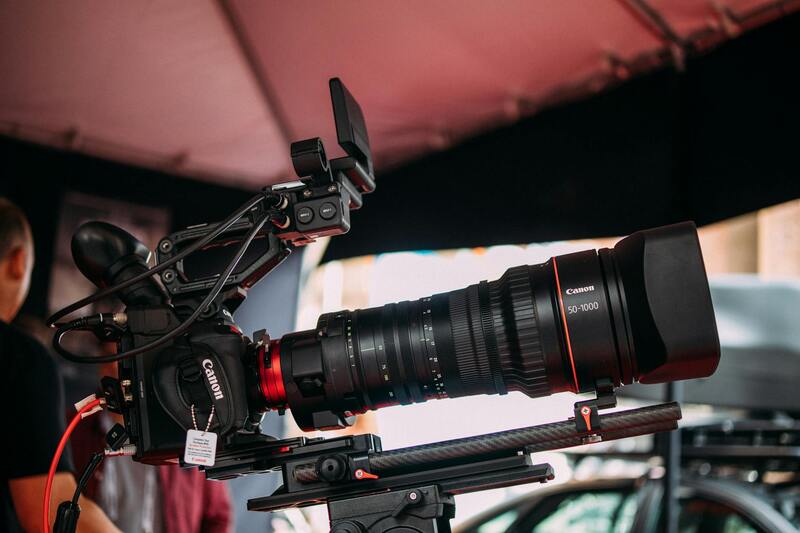
Furthermore, professional photography enhances the credibility and professionalism of a real estate listing. It reflects well on the agent’s brand, showing a commitment to quality and attention to detail. For real estate agents operating in Miami’s competitive environment, investing in professional photography is a strategic move that bolsters their market presence, attracts a broader audience, and ultimately leads to more closed sales.
Choosing the Right Photographer for Real Estate Agents
Selecting an experienced photographer who specializes in real estate imagery is crucial. The right professional understands how to optimally frame spaces, utilize lighting, and showcase a property’s best features. When evaluating potential photographers, agents should review portfolios to assess their style and quality, ensuring they align with the desired aesthetic for their listings.
Effective communication is also vital. A photographer who listens to client needs and offers tailored solutions can help achieve the specific goals of each property. Local expertise can make a difference, as Miami’s unique neighborhoods and architecture require specialized knowledge to capture images that resonate with target buyers.
Key Features of Effective Real Estate Photography
- Bright, well-lit images that accurately portray the property’s interior and exterior
- Wide-angle shots to showcase space and layout
- High-resolution images capable of printing and online display without loss of quality
- Consistency across all photos to establish a cohesive visual narrative
- Attention to detail, including staging and tidiness of spaces before photoshoot
Advantages of Using Drone and Aerial Photography
Drone photography offers a unique perspective that ground-level shots cannot provide. These images can highlight expansive outdoor spaces, lush landscaping, beachfront views, and neighborhood surroundings, giving prospective buyers a comprehensive understanding of the property and its context within Miami’s vibrant locale.
Implementing aerial shots not only elevates the presentation but also sets a listing apart in a crowded market. The ability to visually communicate property scale and environment attracts serious buyers seeking premium Miami estates and waterfront homes.
Best Practices for Scheduling and Preparing Photoshoots
Proper planning and timing are essential for a successful photo session. Scheduling during optimal lighting conditions, often early morning or late afternoon, ensures natural light enhances the property's features. Prior to the shoot, decluttering spaces, arranging furniture, and ensuring all areas are clean and tidy help produce polished images.
Communicating with the photographer about specific aspects to highlight can streamline the process. Additionally, coordinating access to the property and confirming availability minimizes disruptions and ensures a smooth photoshoot.
Post-Processing Techniques for Real Estate Photos
Editing plays a pivotal role in refining real estate images. Techniques such as adjusting brightness, contrast, and color balance enhance visual clarity and attractiveness. Skilled post-processing can straighten skewed lines, remove minor imperfections, and ensure the colors in the photographs authentically represent the property's appearance.
Legal and Ethical Considerations
Adhering to legal and ethical standards involves securing permissions for drone photography, respecting privacy boundaries, and accurately representing the property without exploiting or misleading potential buyers. Ethical photography maintains transparency, ensuring that all images reflect the true condition and features of the listing.
Integrating Photography with Marketing Strategies
High-quality images should be seamlessly integrated into broader marketing efforts. Coupled with compelling property descriptions and strategic online advertising, professional photographs can amplify outreach, increase engagement, and attract qualified buyers more efficiently. Visual content forms the foundation of virtual tours, social media campaigns, and print marketing, making it an indispensable asset for real estate professionals in Miami.
Key Features of Effective Real Estate Photography
To maximize the impact of property images, certain features define effective real estate photography. These characteristics help attract potential buyers and create a compelling visual narrative that highlights the property's best aspects.
- Lighting: Proper lighting is fundamental. Natural light should be maximized, and supplemental lighting can eliminate shadows, ensuring rooms appear bright and welcoming.
- Staging and Composition: Arranged furniture and minimized clutter allow viewers to envision living in the space. Composition techniques, such as the rule of thirds, guide the viewer’s eye toward focal points within the room.
- Wide-Angle Lenses: Utilizing wide-angle lenses captures more of the space in a single shot, making rooms appear larger and more open.
- High-Resolution Images: Sharp, detailed images are essential to showcase the property's features accurately. Using high-resolution equipment preserves quality across various platforms.
- Consistency: Maintaining a consistent style, lighting, and perspective throughout a listing provides a cohesive visual presentation that reinforces professionalism and trust.
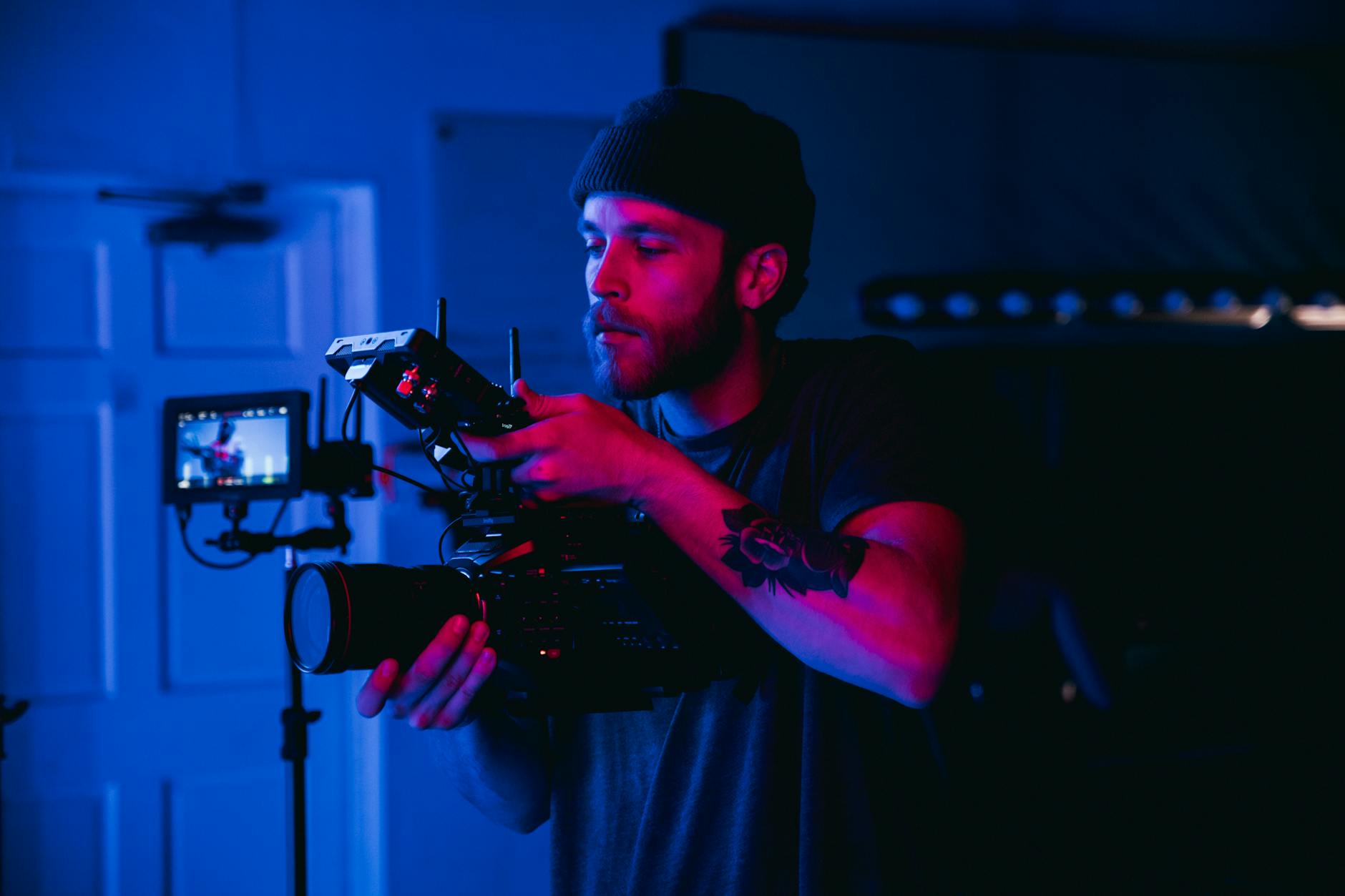
Adhering to these features ensures that real estate photographs are not only visually appealing but also effective tools in the marketing arsenal. The combination of expert technique and equipment knowledge creates images that stand out in competitive Miami markets.
Key Factors in Selecting a Professional Photographer for Real Estate Agents
Choosing an appropriate photographer for real estate agents involves evaluating several critical criteria to ensure your property listings are showcased effectively. Depth of experience in real estate photography is paramount. A seasoned professional understands the nuances of composition, lighting, and staging specific to property shoots, helping your listings stand out in a competitive market. Portfolio review is essential; it offers insight into their style, quality of work, and consistency. Look for a broad array of property types in their portfolio, which indicates versatility and expertise. Communication skills are equally important. An effective photographer should be able to understand your specific requirements, advise on staging or lighting adjustments, and work efficiently within your schedule. Clear communication prevents misunderstandings, ensuring your expectations align with the final images. Technical proficiency cannot be overstated. They should employ high-caliber equipment capable of capturing high-resolution images that maintain quality across various marketing platforms. Advanced gear, such as wide-angle lenses and professional lighting equipment, significantly enhances the visual appeal of property images. Scheduling flexibility and reliability also matter greatly. A photographer who can accommodate your deadlines and is prompt in their service delivery will help keep your marketing campaigns on track. Moreover, understanding the local market's unique demands—such as Miami's vibrant real estate scene—is invaluable. Pricing transparency is equally vital. An experienced professional provides a detailed quote upfront, encompassing pre-shoot preparation, the shooting process, and post-processing. This approach ensures no surprises and aligns your budget with expected outcomes. Lastly, consider testimonials and client references. Feedback from real estate agents who have previously worked with the photographer offers practical insights into their professionalism, punctuality, and the effectiveness of their images in closing deals. When seeking a photographer for real estate listings, prioritize those who demonstrate mastery in their craft, possess a robust understanding of real estate marketing, and communicate effectively throughout the process. This strategic approach guarantees high-quality imagery that accelerates your property sales efforts.

Legal and Ethical Considerations
When engaging a photographer for real estate agents, it is essential to understand the appropriate practices that uphold professionalism and respect for all parties involved. Authenticity in listing photographs directly influences buyer confidence and ensures a transparent representation of the property. It is crucial that images accurately depict the property's condition without manipulation that could mislead potential buyers.
Photographers should adhere to ethical standards that prioritize honesty and clarity. This includes clearly communicating what will be captured during the shoot, obtaining necessary permissions for photographing private areas or neighboring properties, and ensuring that any necessary consent forms are signed if required. Respecting privacy rights not only maintains integrity but also fosters trust between the photographer, real estate agent, and property owners.
Moreover, it is vital for photographers to stay informed about the regulations governing real estate imagery in your locality. This might involve guidelines related to drone usage for aerial shots or restrictions on certain types of imagery that could infringe on privacy or safety standards. Following these accepted practices safeguards against potential disputes and reinforces a professional reputation.

Using authentic, high-quality images that accurately reflect the property’s features enhances credibility and supports a smoother sales process. A professional photographer will prioritize these aspects, ensuring legal compliance and reinforcing the commitment to integrity in marketing efforts.
Legal and Ethical Considerations
When engaging a photographer for real estate agents, understanding the standards that uphold ethical practices and legal compliance is essential. These considerations serve to protect both the property owners and the professionals involved, fostering a trustworthy environment for all parties.
One fundamental aspect is obtaining proper permissions and consent prior to photography sessions. This includes securing written agreements from property owners or managers that specify the scope of the shoot, ensuring transparency about what images will be captured and used. Additionally, when incorporating aerial or drone photography, it's important to restrict operations to designated areas and adhere to local regulations concerning flight altitudes, restricted zones, and privacy concerns. This proactive approach minimizes potential conflicts or misunderstandings that can arise from unintentional privacy breaches.
Photographers should also be vigilant about privacy rights for neighboring properties, especially when images include private spaces or visible personnel. Respect for privacy helps maintain goodwill and prevents disputes that could hinder the sales process. Properly managing image editing is equally critical; photos should be authentic representations of the property. Digital enhancements that distort the true appearance can mislead prospective buyers, eventually damaging credibility and trust.
Furthermore, transparency regarding the usage rights of photographs is vital. Real estate professionals should clarify licensing terms, especially if images might be repurposed across different marketing channels. Clearly defined usage rights prevent misunderstandings and legal complications down the line.
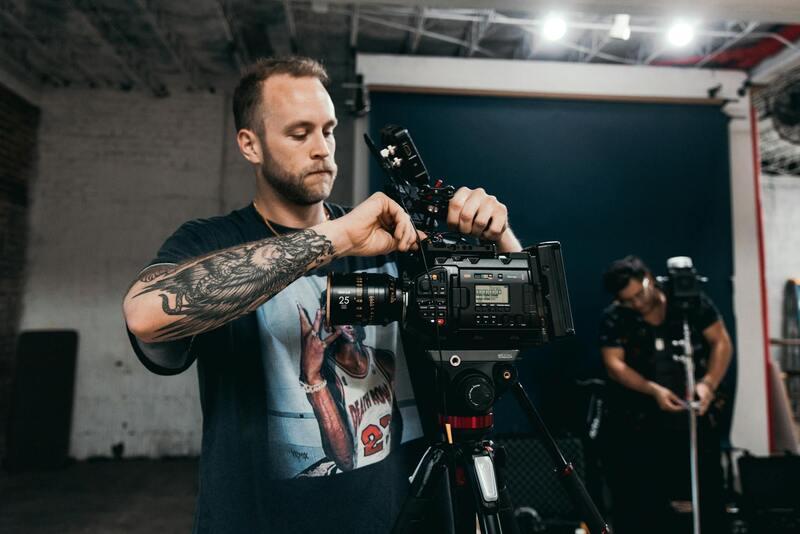
Compliance with local regulations regarding the employment of photography equipment, especially drones, is an important aspect of legal adherence. Many regions mandate licensing, special permits, or specific operational guidelines for drone flights, particularly in residential or urban areas. Staying informed and following these rules safeguards against penalties and ensures professional conduct.
Ultimately, ethical and legal practices in real estate photography highlight professionalism, protect stakeholder interests, and support a seamless transaction process. A committed approach to these standards not only enhances the reputation of the photographer but also reinforces the credibility of the listing, making the property more appealing to potential buyers.
Effective Use of Virtual Staging and 3D Tours
Integrating virtual staging and 3D tours into your real estate marketing strategy significantly enhances the property's appeal and provides prospective buyers with immersive viewing experiences. High-quality virtual staging allows potential buyers to visualize the space with tasteful furnishings and decor, helping them emotionally connect with the property. Unlike traditional staging, virtual staging is cost-effective and adaptable, enabling quick updates and customization tailored to different target audiences.
3D tours and virtual walkthroughs offer an interactive experience, allowing viewers to explore every corner of the property remotely. These tools are especially valuable in today’s digital-centric real estate market, where convenience and safety are paramount. A well-executed 3D tour provides a comprehensive view of the layout, dimensions, and spatial relationships within the home, reducing the need for multiple in-person showings and attracting serious buyers faster.

Utilizing Testimonials and Customer Feedback
Showcasing authentic testimonials from satisfied clients bolsters credibility and trust in your real estate listing. Positive reviews and feedback from previous clients, especially those noting the quality of real estate photography and the professionalism of the photographer, help build confidence among prospective buyers. Incorporating this feedback into your marketing materials, including your website and listing descriptions, provides social proof that your photography services are top-tier and reliable.
Encouraging clients to share detailed reviews about their experience — such as the clarity of images, the timeliness of delivery, and how the visuals contributed to their decision-making process — can significantly influence potential buyers. These testimonials serve as compelling endorsements, reinforcing the visual appeal of the property and the expertise of the real estate photographer.
Monitoring and Analyzing Marketing Performance
Employing analytics tools to track how your property images and listings perform across digital platforms offers valuable insights into viewer engagement and response. Metrics such as click-through rates, time spent viewing images, and inquiry rates help determine which visual content resonates most effectively with your target audience. This data-driven approach enables real estate agents to refine their marketing strategies by emphasizing the types of images and layouts that generate the highest interest.
Regular analysis facilitates better decision-making regarding investment in professional photography, virtual tours, and other visual assets. It also identifies areas where additional enhancements can be made, ensuring that marketing efforts remain dynamic and aligned with market preferences. Consistent monitoring and adjustment based on performance metrics ultimately lead to faster sales cycles and increased ROI for your property listings.
Legal and Ethical Considerations in Real Estate Photography
Ensuring compliance with industry standards and regulations is a fundamental aspect of professional real estate photography. Photographers must obtain all necessary permissions before capturing images of a property. This includes securing rights from property owners or authorized representatives, especially when shots involve private spaces or features that could infringe on privacy. Proper authorization not only secures legal protection but also fosters trust between the photographer, real estate agent, and client.
Adherence to standards also involves accurately representing the property. Overly edited images, misleading angles, or the omission of certain features can distort a property's true appearance and lead to potential disputes or dissatisfaction among buyers. Photographers should focus on capturing authentic visuals that highlight the property's best qualities without exaggeration, preserving integrity and transparency in marketing efforts.
Maintaining industry standards extends to respecting intellectual property rights and avoiding copyright infringements. Photographers should ensure they have clear agreements about image rights and usage terms, especially when working with multiple stakeholders or creating proprietary content for client listings.
Best Practices for Legal and Ethical Compliance
- Secure written consent from property owners or authorized personnel before conducting a photoshoot.
- Use authentic images that accurately depict the property to prevent misrepresentation.
- Respect privacy by avoiding intrusive shots of personal spaces or sensitive areas.
- Establish clear agreements regarding image rights, usage, and distribution with clients in advance.
- Stay informed about local regulations and industry guidelines related to real estate photography.
Implementing these practices not only aligns with ethical standards but also enhances the credibility of the real estate listing. It demonstrates professionalism and respect for all parties involved, fostering long-term relationships and repeat business.
Legal and Ethical Considerations
Adherence to established standards in real estate photography ensures transparency and trustworthiness in property marketing. Photographers should always obtain explicit consent from property owners or authorized representatives prior to any shoot. This step confirms that all parties are aware of and agree upon the use of images, facilitating smooth collaboration and preventing misunderstandings.
Utilizing authentic, unaltered images that accurately portray the property's features is paramount. This honesty in presentation helps maintain buyer trust and prevents potential disputes that can arise from exaggerated or misleading visuals. Respecting privacy is equally essential, with photographers avoiding intrusive shots of personal or sensitive areas that could infringe on individual rights or comfort.
Clear agreements regarding the rights of images, including their usage, distribution, and rights transfer, are critical before the shoot begins. These contracts should specify how images will be used, whether for online listings, print advertisements, or other marketing campaigns. Such clarity helps avoid future conflicts and ensures all stakeholders understand their rights and restrictions.
Familiarity with local regulations and guidelines governing real estate photography also plays a vital role. Different regions may have unique rules about drone usage, privacy expectations, or property disclosure requirements. Staying informed not only supports ethical compliance but also enhances the professional reputation of the photographer and the real estate agent.

Implementing best practices in these areas demonstrates a commitment to professionalism and integrity. It helps build long-term relationships with clients and encourages repeat business by establishing a reputation for reliable, honest, and respectful marketing efforts. Ultimately, the integrity of the visual content and adherence to industry standards safeguard the interests of all parties involved, fostering a transparent property transaction process.