Understanding the Importance of House Sale Photography
In the competitive Miami real estate market, compelling visual representation is a cornerstone for successful property transactions. High-quality house sale photography not only captures the unique features and ambiance of a residence but also significantly influences potential buyers' first impressions. Well-crafted images can transform listings from ordinary to extraordinary, encouraging prospective buyers to schedule viewings and fostering quicker sales. The value of professional photography extends beyond mere aesthetics; it plays a vital role in building trust and credibility, showcasing the property in its best light, and maximizing online visibility.
Investors and homeowners alike recognize that the initial viewing experience often begins online. In a bustling marketplace like Miami, where thousands of listings compete daily, outstanding visuals stand out, making a property memorable and enticing. High-resolution, professionally composed photos can highlight spacious interiors, desirable architectural details, vibrant outdoor areas, and natural light—elements that resonate strongly with buyers. Consequently, properties adorned with exceptional photos tend to attract more interest, reducing the time the property spends on the market.
Effective house sale photography also capitalizes on the current digital-first approach to real estate marketing. Buyers commonly start their property searches online, and captivating images serve as the primary gateway to a property's story. When images are strategically crafted to showcase each room's purpose and appeal, they create an emotional connection, increasing the likelihood of inquiries and viewings. Moreover, professional photography facilitates better online presentation, making listings compatible with various platforms and ensuring consistency across marketing channels.
Ultimately, investing in premium house sale photography is a strategic move for sellers aiming to expedite sales cycles and maximize return on investment. The attention to detail and quality that professional images provide set a listing apart in Miami's vibrant real estate scene, playing an essential role in turning potential interest into tangible sales outcomes.
Choosing the Right Equipment and Techniques
Effective house sale photography hinges on utilizing the appropriate equipment and applying techniques that highlight a property's best features. Professional photographers typically rely on high-quality digital cameras equipped with wide-angle lenses, which enable capturing expansive room interiors and architectural details without distortion. These lenses facilitate the inclusion of more elements within a single shot, creating a sense of space that appeals to potential buyers.
The use of tripods is essential for maintaining stability and ensuring sharp images, particularly in challenging lighting conditions. Advanced photographers often employ remote shutter releases or timer functions to prevent camera shake during exposure. Additionally, employing high dynamic range (HDR) photography allows capturing a balanced representation of both dark shadows and bright highlights, which is vital in rooms with natural light or complex lighting conditions.
Techniques such as optimal framing, vertical lines alignment, and strategic use of natural light help ensure each image accurately communicates the layout's flow and ambiance. Photographers also focus on capturing key areas like living rooms, kitchens, master bedrooms, and outdoor spaces, as these are primary decision-influencing features for buyers.
Best Practices for Shooting Residential Properties
- Scout the Property: Before shooting, walk through the property to identify the best angles, lighting conditions, and areas that need decluttering or staging.
- Timing is Critical: Shoot during the daytime to leverage natural light, preferably when the property is brightly lit yet free from harsh shadows.
- Declutter and Stage: Ensure spaces are tidy and staged to appear inviting, showcasing the potential of each room.
- Use Proper Lighting: Supplement natural light with professional lighting setups if needed to brighten darker areas and create a warm, welcoming atmosphere.
- Attention to Detail: Capture architectural features, such as molding, large windows, or unique design elements, that add value and character to the property.
- Consistency Across Shots: Maintain a consistent style and perspective to ensure a cohesive visual story that guides potential buyers through the property seamlessly.
Post-Processing and Image Enhancement
Post-processing is a critical step in house sale photography, where images are refined to ensure they accurately represent the property's appeal. Adjustments typically include correcting color balance, enhancing brightness and contrast, and removing minor distractions or imperfections. Skilled editing can also enhance the appearance of interior lighting and make outdoor views more vibrant, effectively drawing viewers into the space.
It is essential that post-processing remains authentic—over-editing can mislead potential buyers and diminish trust. The goal is to present a realistic, attractive portrayal of the property that aligns with viewers' expectations and experiences during physical visits.
High-quality images resulting from professional shooting and skillful editing create a polished, enticing presentation across all marketing channels. This consistency in visual storytelling helps establish a strong online presence, critical for attracting serious buyers in Miami’s competitive real estate market.
Choosing the Right Equipment and Techniques
To produce captivating and accurate house sale photographs, selecting the appropriate equipment and employing effective techniques are essential. The cornerstone of professional real estate photography begins with high-quality gear designed to capture the depth, detail, and ambiance of each property. Key tools include wide-angle lenses, typically ranging from 10 to 24mm, which enable photographers to encompass more of a room or exterior in a single shot, creating a sense of space and openness. A sturdy tripod is equally important, providing stability for long exposure shots, especially in areas with challenging lighting conditions or interior spaces with limited natural light.
Utilizing remote triggers or timers minimizes camera shake, ensuring sharp images. Additionally, external flashes, diffusers, and reflectors help control lighting, balance shadows, and highlight architectural features without overexposure. For exterior shots, a drone can be invaluable for capturing expansive property views or aerial perspectives, providing prospective buyers with a comprehensive overview of the estate.
Technique-wise, the focus should be on balancing natural and artificial lighting. Shooting during the day when sunlight filters through windows can enhance interior warmth, but supplementing with artificial lighting ensures consistent brightness in shadowed areas. Proper camera settings—such as a small aperture (f/8 to f/16)—improve depth of field, ensuring that all elements in the frame remain sharp. Adjusting ISO settings to the lowest possible value reduces noise, which is vital for clean, professional imagery.
Framing and perspective are equally critical. Shooting from eye level or slightly elevated angles helps foreground architectural details while maintaining a natural viewpoint. Ensuring vertical lines are straight and horizontal elements aligned gives a professional, polished appearance. Employing HDR (High Dynamic Range) techniques—taking multiple images at different exposure levels and blending them—allows for balanced exposures that reveal both bright outdoor views and interior details without overexposing or underexposing any part of the scene.
Effective Composition and Angles for Residential Properties
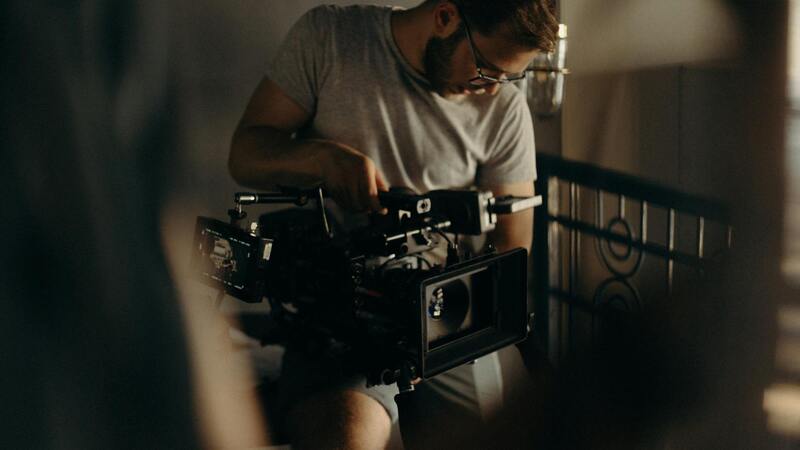
Achieving captivating house sale photography hinges on meticulous composition and strategic angles. Photographers should prioritize capturing rooms from multiple perspectives to showcase space and layout effectively. A key technique involves shooting from the doorway or corner of a room to convey a sense of scale, ensuring prospective buyers can visualize the environment accurately.
Utilizing vertical lines, especially in bedrooms, living rooms, and hallways, creates a sense of balance and symmetry that appeals aesthetically. To avoid distortion, it's advisable to employ a tripod and a lens with minimal distortion, particularly when capturing exterior facades or interior hallways.
In exterior shots, including the front and backyard angles can highlight curb appeal and outdoor living spaces. Elevated viewpoints, whether from a ladder, drone, or second-story window, can reveal landscape features or property boundaries that enhance the property's visual narrative.
Optimizing Lighting Conditions for Real Estate Photography
Lighting plays a significant role in creating inviting and true-to-life images. Photographers should aim to shoot during times of optimal natural light, often during the late morning or early afternoon, to ensure interiors are well-lit without harsh shadows.
For interior shots, opening blinds and curtains to allow natural sunlight enhances warmth and ambiance. When daylight is insufficient or shadows dominate, supplementary artificial lighting becomes essential. Softboxes, reflectors, and diffusers help control light intensity and distribute it evenly, minimizing glare and shadow issues.
Particularly in rooms with large windows, balancing exterior brightness with interior lighting can be achieved through HDR techniques, capturing multiple exposures and blending them to reveal details in both shaded and sunlit areas.
Utilizing Human Element and Detail Shots to Enhance Property Appeal
Incorporating human elements, such as a cozy seating arrangement or a breakfast nook with natural activity, introduces relatability and lifestyle context, helping prospective buyers envision themselves in the space. Focused detail shots of architectural elements, fixtures, and finishes further highlight quality craftsmanship.
Close-ups of unique features—such as ornate molding, backsplash tiles, or fireplace mantels—add visual interest and depth to the property’s story. These images should be sharp, well-lit, and framed to emphasize the details without clutter.
Capturing well-staged scenes with tasteful decor, fresh flowers, and intentional furniture placement can significantly improve the overall presentation, making the home more appealing and memorable.
Understanding the Importance of House Sale Photography
High-quality house sale photography plays a critical role in capturing the essence of a property and showcasing its best features. Visual appeal is often the first interaction potential buyers have with a listing, making professional imagery essential for standing out in a competitive market. Well-executed photographs can highlight the space, scale, and natural light, providing viewers with an accurate representation of what they can expect.
Strategic house sale photography enhances emotional connection, helping prospective buyers visualize themselves living in the space. It encourages engagement and increases the likelihood of inquiries and viewings. A dwelling photographed with attention to detail and professionalism communicates trustworthiness and quality, reinforcing the property’s value. Furthermore, compelling images facilitate faster sales, reduce time on the market, and potentially lead to higher offers, making photography an integral element of successful real estate marketing strategies.
Key Elements of Professional House Sale Photography
Effective house sale photography incorporates various elements that collectively elevate a listing. These include lighting, composition, staging, and editing. Proper lighting ensures that interiors appear bright, welcoming, and true to life. Composition involves framing scenes to emphasize spatial openness and architectural features and avoiding distortions that misrepresent the property.
Staging is crucial; scenes should be clean, styled, and inviting, demonstrating the property’s potential. Details such as decluttered spaces, tasteful decor, and seasonal accents make environments more appealing. Post-production editing refines images, corrects color balance, and highlights desirable features while maintaining authenticity. Each element contributes to creating a professional, engaging presentation that appeals to both the senses and the rational decision-making process of prospective buyers.
Image Placeholder
Choosing the Right Equipment and Techniques
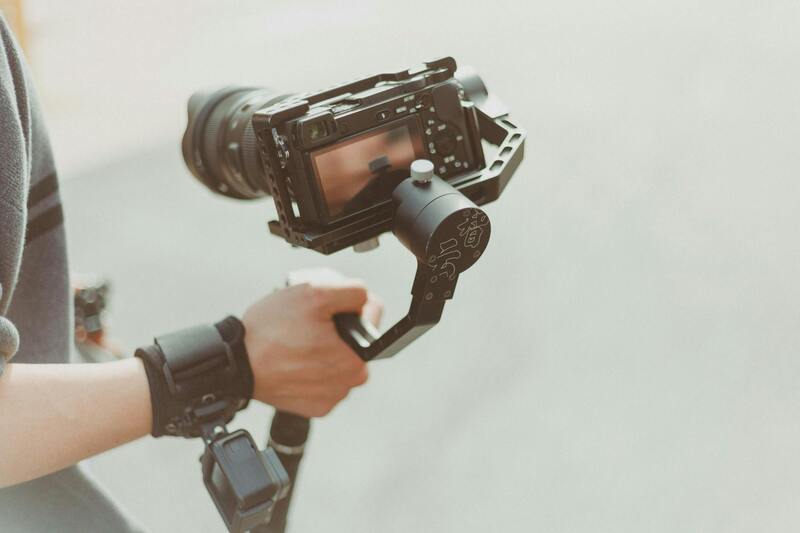
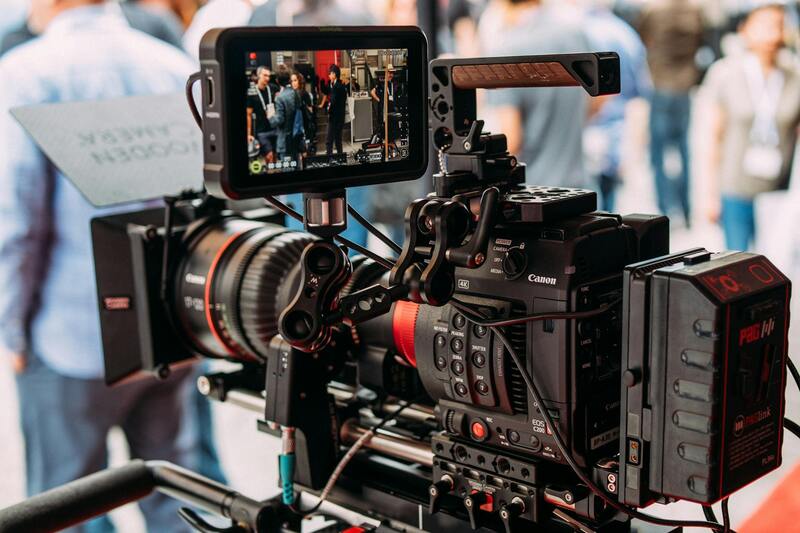
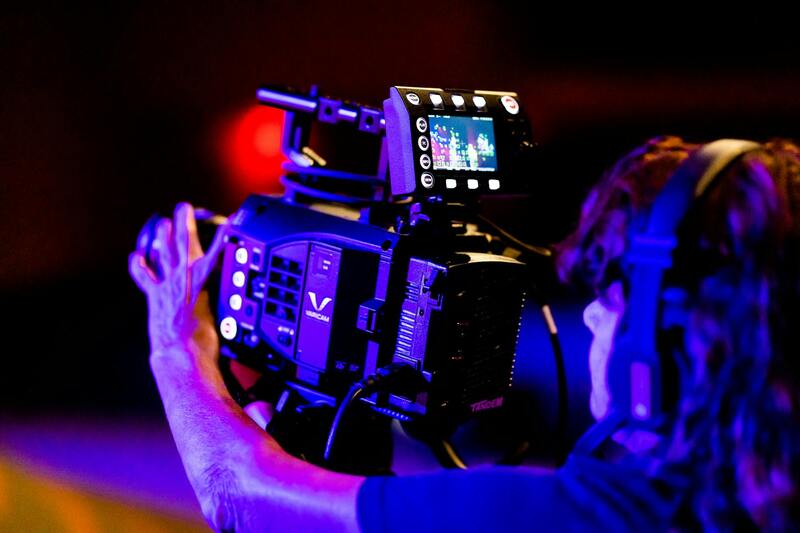
Selecting appropriate equipment and applying effective techniques are fundamental for achieving exceptional results in house sale photography. DSLR or mirrorless cameras equipped with wide-angle lenses allow capturing comprehensive views of rooms, emphasizing space and flow. A sturdy tripod ensures stability during long exposures, critical for indoor shots in low-light conditions.
Complementary tools like remote shutters minimize camera shake and enable precise framing. Using graduated ND filters can balance exposures between bright exteriors and interiors when shooting scenes with large windows. HDR (High Dynamic Range) techniques combine multiple exposures to reveal details in both shadows and highlights, ensuring images are vivid and realistic.
Furthermore, skillful use of natural light is paramount. Shooting during the golden hour when sunlight is soft and warm can significantly enhance the ambiance. Artificial lighting, including softboxes and reflectors, helps fill shadows and evenly illuminate interiors, making spaces appear more inviting. Attention to camera settings, such as aperture, ISO, and shutter speed, ensures sharpness and versatility across different scenes.
Image Placeholder
Best Practices for Shooting Residential Properties
Implementing best practices in house sale photography involves careful planning and execution. Pre-shoot organization includes cleaning, decluttering, and staging each space to highlight its features. Establishing a shot list ensures comprehensive coverage, focusing on key areas such as the main living spaces, kitchen, bathrooms, bedrooms, and outdoor amenities.
Timing is essential; shooting during optimal daylight hours maximizes natural light and minimizes shadows. Using a wide-angle lens allows viewers to perceive the full scope of rooms without distortion, but care should be taken to avoid fisheye effects that can mislead buyers. Ensuring the camera is level, maintaining proper exposure, and framing shots to include attractive viewpoints contribute to consistency and professionalism.
Post-shoot, reviewing images on a high-resolution monitor allows identification of color inconsistencies and compositional issues. Shooting multiple angles and variations provides options for editing and selection. Maintaining a workflow that emphasizes quality over quantity elevates the final presentation, ensuring each image effectively communicates the property's appeal and potential lifestyle.

Post-Processing and Image Enhancement
Effective post-processing is vital in transforming raw house sale photographs into compelling visual narratives that capture the property's essence. This stage involves meticulous editing to correct exposure imbalances, enhance colors, and sharpen details, ensuring each image accurately reflects the actual space while appealing to potential buyers. High-resolution editing software allows professionals to adjust contrast, brightness, and saturation, creating a balanced and inviting look.
One of the pivotal techniques in house sale photography is the use of color correction and white balance adjustments. These ensure that tones appear natural and true to life, preventing images from appearing overly warm or cool, which can distort visitors' perceptions. Additionally, removing distracting elements or minor imperfections can significantly elevate the quality of images, showcasing the property in its best light.
Image stitching and HDR (High Dynamic Range) processing often play a crucial role, especially in interiors with challenging lighting conditions. HDR techniques involve combining multiple exposures to produce an image with balanced highlights and shadows, allowing viewers to perceive intricate details regardless of lighting disparities. This approach produces vibrant, detailed visuals that accurately depict both bright and shadowed areas.
Furthermore, image cropping and framing are used strategically to guide viewers’ attention towards key features—such as unique architectural details or scenic outdoor spaces—while maintaining visual harmony. Consistency across all photographs ensures a cohesive presentation, reinforcing the professional quality of the listing.
Finally, the application of subtle vignetting or softening effects can help focus attention on focal points, adding depth and sophistication to the photographs without drifting into over-editing. Success in post-production hinges on a conservative approach, ensuring enhancements serve to authentically showcase the property while appealing to the aesthetic sensibilities of online viewers. Adopting such detailed editing practices enhances the overall presentation, increasing engagement and interest from potential buyers and agents alike.
Understanding the Importance of House Sale Photography
Effective house sale photography serves as a cornerstone in the real estate marketing process, profoundly impacting a property's appeal and marketability. High-quality images not only attract more prospective buyers but also establish an immediate emotional connection by showcasing the property's true potential. These photos serve as the first impression, often determining whether a viewer progresses to scheduling a visit or moves forward in the buying process. Consequently, investing in professional house sale photography is essential to stand out in a competitive market, ensuring that listings trigger interest and engagement across various online and offline channels.
Key Elements of Professional House Sale Photography
Several core elements contribute to compelling real estate images that captivate potential buyers:
- Lighting: Proper lighting enhances the clarity and vibrancy of photographs, highlighting the property's best features and making spaces appear more inviting.
- Composition: Strategic framing and angle selection direct attention toward key architectural features and optimize spatial perception, creating a balanced and appealing visual narrative.
- Staging: Presenting rooms with minimal clutter and tasteful decor ensures that spaces appear clean, welcoming, and well-maintained, guiding the viewer’s eye smoothly across the property.
- Authentic Representation: Accurate depiction of the property's dimensions, colors, and condition fosters transparency and builds trust with prospective buyers.
- Detail Shots: Including close-ups of unique design elements or noteworthy features enhances the overall presentation and highlights the property’s distinctive qualities.
Choosing the Right Equipment and Techniques
Professional house sale photography relies on advanced equipment such as high-resolution digital cameras, wide-angle lenses, and sturdy tripods. These tools allow photographers to capture expansive interiors and exteriors with precision and stability. Techniques like HDR imaging and panoramic stitching help overcome challenging lighting conditions and produce comprehensive visuals that convey an accurate representation of the space. Mastering these methods requires expertise and experience, ensuring every shot serves its purpose of appealing to online viewers and motivating them to inquire further.

Best Practices for Shooting Residential Properties
When photographing homes, certain best practices maximize visual impact:
- Timing: Choose the optimal time of day for shooting, typically late morning or early afternoon, to utilize natural light effectively without harsh shadows.
- Decluttering: Remove unnecessary items to create a clear, spacious feel that allows viewers to envision themselves living in the property.
- Angles and Perspectives: Capture multiple angles that showcase the flow and layout of each room, emphasizing space and functionality.
- Exterior Shots: Highlight curb appeal by photographing the property from various vantage points, including front, back, and side views, ideally during the golden hour for warm, inviting lighting.
- Indoor-Outdoor Connection: Demonstrate seamless transitions between indoor and outdoor spaces by featuring doors, patios, or balconies in photos.
Post-Processing and Image Enhancement
Post-processing plays a vital role in refining property images. Techniques such as color correction, exposure adjustments, and minor retouching enhance clarity while maintaining an authentic look. HDR merging, as previously mentioned, balances light and shadow, ensuring every detail is visible. Cropping and framing are used to improve composition, eliminate distractions, and draw focus to the property's key features. Subtle editing, such as vignette effects or softening, can add depth and focus without compromising realism. These enhancements result in stunning visuals that resonate with online viewers, increasing engagement and interest.
Integrating House Sale Photography into Marketing Strategies
High-quality images are integral to comprehensive property marketing. They should be incorporated across multiple platforms, including online listings, social media, email campaigns, and print advertisements. Effective presentation involves consistent styling, lighting, and image quality, reinforcing the property's appeal. Virtual tours or 360-degree views can be complemented with professional photographs to offer immersive experiences. Moreover, compelling visuals can elevate open house events, driving increased attendance and inquiries. Coordinating these efforts ensures that each property is showcased to its fullest potential, maximizing exposure and accelerating sales.
Choosing the Right Equipment and Techniques
Selecting appropriate equipment is crucial for capturing high-quality house sale photography that highlights a property's best features. Professional-grade DSLR or mirrorless cameras with full-frame sensors are preferred due to their ability to produce detailed, high-resolution images. Complementing these cameras with wide-angle lenses—typically between 14mm and 24mm—allows photographers to capture expansive interior spaces and showcase room layouts effectively. A sturdy tripod is essential for maintaining stability during shots, especially in low-light conditions or when employing longer exposures.
Moreover, ancillary gear such as remote shutters and panoramic heads can enhance image quality and versatility. Proper lighting plays a vital role; utilizing external flashes, portable diffusers, or continuous lighting solutions ensures well-balanced illumination, reducing harsh shadows and accentuating textures. For outdoor shots, reflectors and diffusers help manage natural light, creating inviting exteriors that complement indoor visuals.
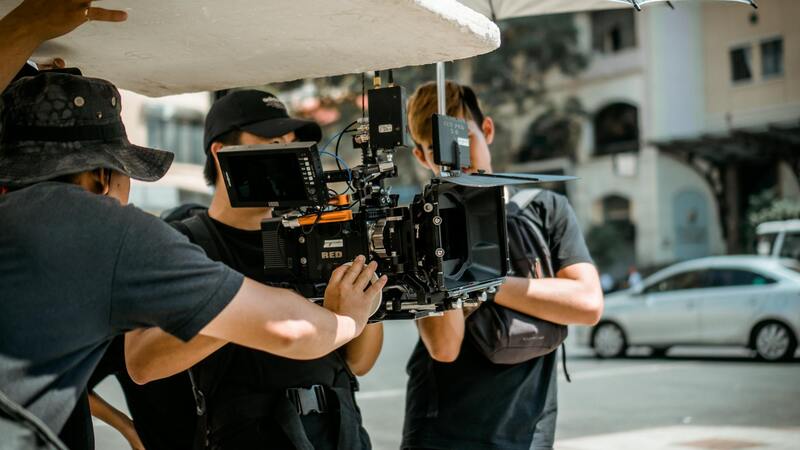
In terms of techniques, mastering the art of composition is essential. Employing the rule of thirds, leading lines, and strategic framing guides viewers' eyes to key features and creates visual interest. Properly managing exposure settings ensures that both bright and shadowed areas are visible, preventing loss of detail. Bracketing exposures for HDR processing helps balance the dynamic range of indoor and outdoor scenes. Consistent shooting angles and heights across all images promote a cohesive presentation, making listings more attractive and easier for potential buyers to interpret.
Best Practices for Shooting Residential Properties
- Schedule photography during optimal natural lighting conditions—usually mid-morning or late afternoon—to achieve warm, inviting interiors.
- Declutter and stage the property before shooting; simple arrangements and neat spaces improve visual appeal.
- Use a wide-angle lens to capture entire rooms without distortion, but avoid exaggeration that misrepresents the space.
- Ensure that all lights are functioning properly, and turn on every available light source to brighten rooms evenly.
- Maintain consistent exposure levels across images to streamline post-processing and ensure visual cohesion.
- Take multiple shots from varying angles to provide a comprehensive overview of each room and exterior.
Post-Processing and Image Enhancement
After capturing the images, post-processing refines these visuals, making them particularly compelling to prospective buyers. Using professional editing software, adjustments such as color correction and exposure balancing ensure that the colors are vibrant yet true-to-life. HDR merging can be employed to blend multiple exposures, revealing both interior details and exterior views seamlessly. Cropping should be used thoughtfully to eliminate distractions, straighten lines, and emphasize focal points.
Subtle enhancements—like softening shadows, adjusting contrast, and removing minor imperfections—can elevate the visual impact while maintaining authenticity. Vignette effects can draw viewers' focus towards the property's key features, especially when used sparingly. Overall, careful editing produces polished, attractive images that elevate online listings and marketing materials, increasing engagement and interest from potential buyers.