Importance of Professional Photography in Real Estate
In the competitive housing market, the quality of photographs can make a pivotal difference in attracting potential buyers. High-resolution, professionally composed images serve as the first impression of a property, often influencing a viewer's decision to explore further. Effective real estate photography can highlight the unique features of a home, showcase its spaciousness, and set the tone for the buying experience. As prospective buyers increasingly browse online listings, the visual appeal of a house for sale photo becomes a crucial component in marketing strategies.
Clear, well-lit images create a sense of transparency and trustworthiness, encouraging visitors to schedule viewings or request more information. Moreover, professionally captured photos can enhance a property's perceived value, sometimes leading to higher offers and quicker sales. In essence, the investment in quality house for sale photos translates into tangible benefits, driving more interest and facilitating a smoother sales process.
A photograph that accurately represents the property's ambiance and layout can also reduce misunderstandings or mismatched expectations. When images are misleading or poorly executed, it risks deterring genuine buyers or complicating negotiations. Therefore, employing experienced photographers who understand the nuances of real estate imagery ensures each shot emphasizes the property's strengths while maintaining authenticity.
In the digital age, where online listings serve as the primary contact point between sellers and buyers, the importance of professional house for sale photos cannot be overstated. They are a vital aspect of a comprehensive marketing approach that aims to attract serious inquiries and accelerate the sale timeline.

Key Elements of Effective House Photos
Creating compelling house for sale photos necessitates a focus on several fundamental elements that enhance visual appeal and ensure the property is presented in its best light. Proper lighting remains paramount; natural light, when harnessed correctly, can illuminate spaces, highlighting their volume and creating inviting atmospheres. Photographers often aim for shoot times during the day when sunlight is abundant, avoiding harsh shadows or overexposure that can distort room features.
Angles and perspectives are equally critical in showcasing a home's layout and spatial relationships. Wide-angle lenses are commonly used to capture entire rooms or expansive exteriors, making spaces appear larger and more open. Strategic positioning allows for an immersive experience, guiding viewers' eyes through the property and emphasizing its strengths.
Staging subtly enhances a property's appeal by arranging furnishings and décor to reflect its potential use and aesthetic. Even minimal adjustments such as decluttering, arranging furniture to maximize space, and adding touches like fresh flowers or neutral art can significantly uplift images. Proper staging helps viewers envision daily living while emphasizing architectural details and design features.
Focus precision ensures that key elements—such as countertops, fireplaces, or unique structural features—stand out clearly. Sharp focus throughout the frame is vital, with particular attention to ensuring that focal points are crisp and the depth of field is managed appropriately to keep the entire scene sharp.
Preparation Steps Before Shooting House Photos
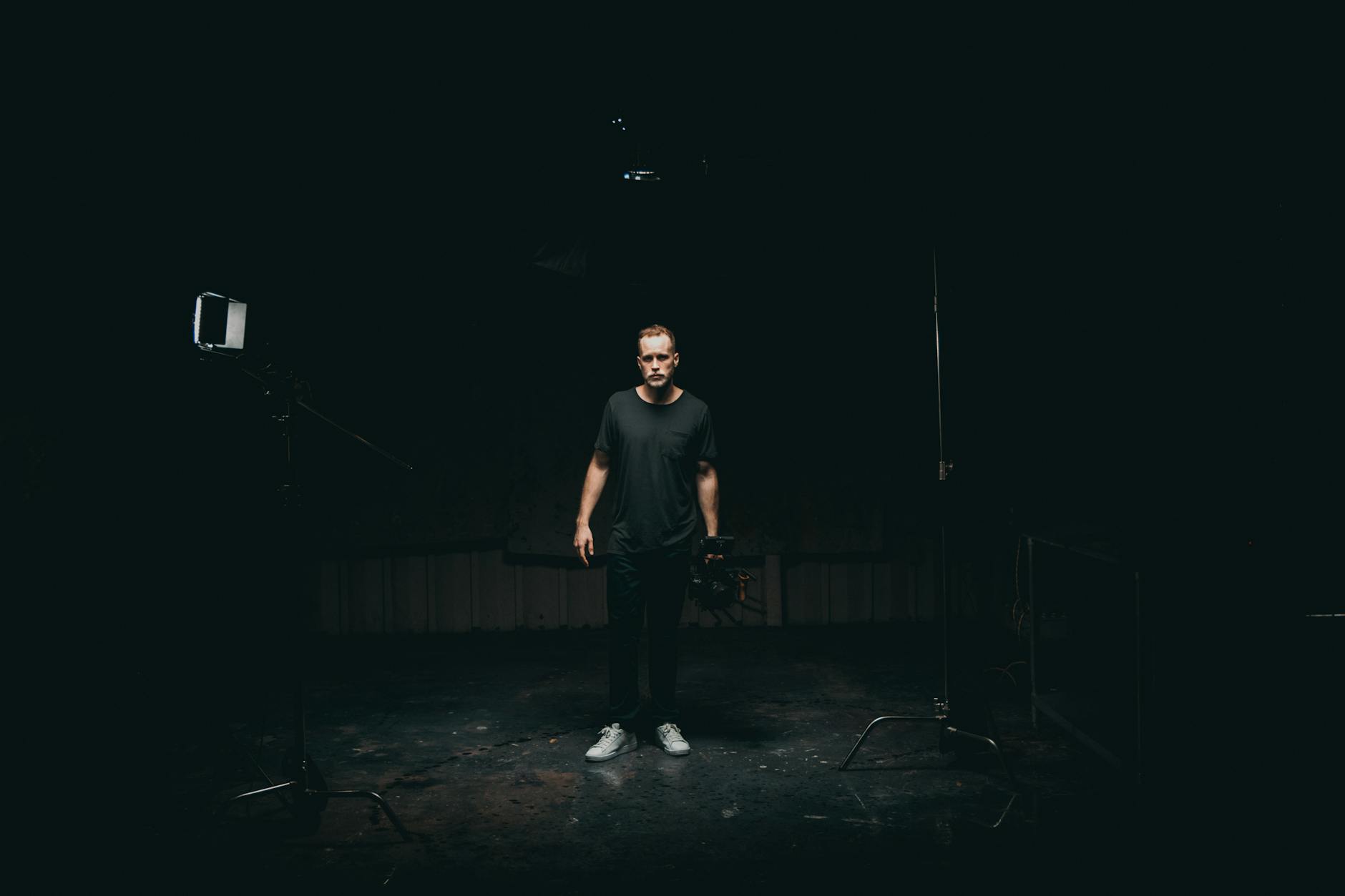
Effective real estate photography begins with meticulous preparation. Owners should ensure that the property is clean, well-organized, and free of clutter to prevent distractions within images. Small details—such as cleaning windows, washing floors, and ensuring fixtures are spotless—contribute to a polished look that appeals visually.
Staging the home to enhance its features can involve adding fresh linens, opening curtains to maximize natural light, and removing personal items that might interfere with potential buyers’ ability to imagine themselves living there. It’s also vital to consider the timing of the shoot; scheduling during daylight hours when natural light is abundant produces warmer, inviting photos.
Furthermore, identifying specific shots that highlight unique features—such as a renovated kitchen or scenic backyard—can guide the photographer to capture these elements more effectively, ensuring the key selling points are prominently displayed.

Choosing the Right Equipment for House Photography
The selection of equipment plays a significant role in producing high-quality house images. Using a camera with a high-resolution sensor allows for capturing detailed shots that can be enlarged without loss of quality, which is crucial for online listings. Wide-angle lenses—typically ranging from 10mm to 24mm—enable photographers to encompass entire rooms in a single shot, creating a sense of spaciousness.
Tripods are essential for stabilizing the camera during longer exposures, especially in low-light conditions or interior spaces with challenging lighting. External flash units or portable lighting kits can help brighten darker areas, ensuring consistent exposure and color balance across all images.
Additionally, drone photography has become increasingly popular for capturing expansive exteriors and surrounding landscapes, offering a comprehensive view of the property and its environment that can significantly elevate listing appeal.

Photographic Techniques for Real Estate Photos
To maximize impact, real estate photographers employ various techniques that bring out the fullest potential of a property. High dynamic range (HDR) photography involves capturing multiple exposures to balance interior brightness with exterior views, preventing blown-out windows or dark interiors. This technique results in well-exposed images that showcase both indoor and outdoor spaces effectively.
Careful composition and framing are used to emphasize architectural lines, focal points, and spatial relationships. Leading lines, symmetry, and the rule of thirds are common principles that help create balanced, engaging images.
Post-shoot considerations include ensuring vertical lines remain straight, correcting lens distortion, and adjusting brightness, contrast, and color temperature during editing. These adjustments help to produce images that are true-to-life and visually captivating.
Preparation Steps Before Shooting House Photos
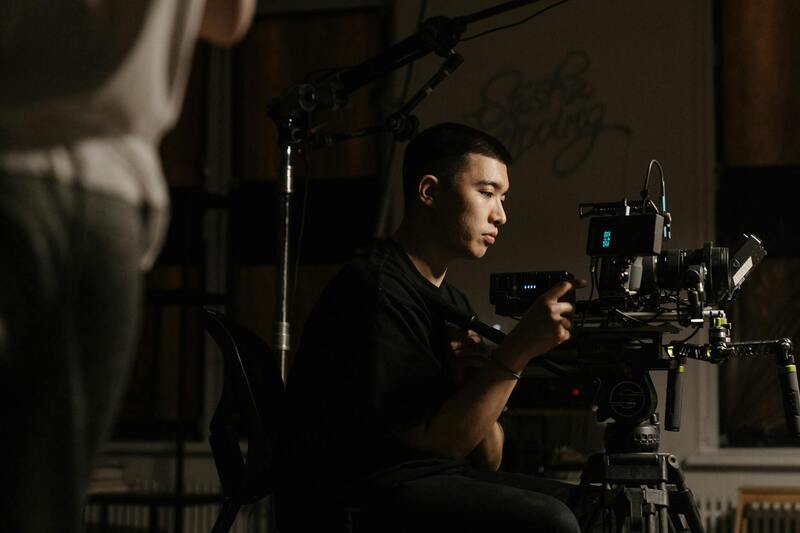
Achieving high-quality house for sale photos begins well before the camera clicks. Proper preparation is essential to highlight the property’s best features and create an inviting atmosphere for prospective buyers. Start by decluttering each space to ensure that surfaces are clear and focused on the home's architectural appeal. A tidy environment reduces visual noise and draws attention to the property's true potential, allowing viewers to envision themselves living there.
Thorough cleaning is the next critical step. Ensure that windows are spotless to maximize natural light and provide clear views of the exterior. Bathrooms and kitchens should be sanitized and polished to reflect meticulous care, which translates into a sense of quality and maintenance.
Staging plays a significant role in photography. Arrange furniture to enhance spatial flow, create inviting focal points, and accentuate room proportions. Use neutral, appealing decor that complements the property's style without overwhelming the space. The goal is to present the home in a way that resonates with diverse buyers.
Maximize natural lighting by shooting during daylight hours when sunlight can flood interiors, highlighting the space’s openness and vibrancy. Open curtains and blinds to let in maximum light, and consider scheduling photos around times when the light is softest, typically early morning or late afternoon.

Choosing the Right Equipment for House Photography
Investing in the appropriate gear is vital for capturing compelling house for sale photos. A high-quality DSLR or mirrorless camera provides the versatility and resolution needed to produce sharp, detailed images. Wide-angle lenses, typically ranging from 14mm to 24mm, are preferred for interior shots as they capture more of the room in a single frame, giving viewers a sense of space.
Tripods are indispensable for stabilizing the camera during longer exposures, especially in interior settings with tricky lighting conditions. Consider using a remote shutter release or a camera with a timer function to avoid camera shake.
Additional accessories such as circular polarizers can reduce glare from windows and reflective surfaces, ensuring that interior details are visible and the colors are accurately rendered. Drone photography equipment might also be utilized to showcase expansive exteriors and surrounding landscapes with compelling aerial perspectives.
Photographic Techniques for Real Estate Photos
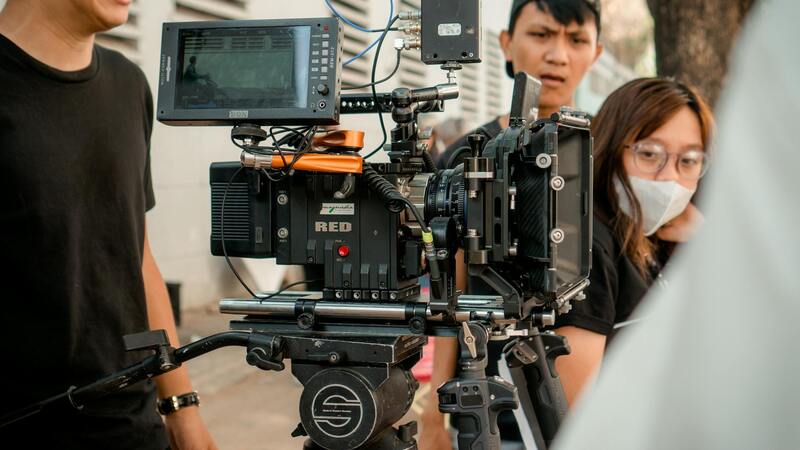
Employing effective techniques enhances the visual appeal of house for sale images. High dynamic range (HDR) photography involves capturing multiple exposures to balance the lighting contrast between bright exterior windows and darker interiors. This process results in images that accurately reflect what the eye sees.
Composition plays a crucial role in creating engaging photos. Use the rule of thirds to position key architectural elements and focal points, leading the viewer’s eye through the image. Symmetry can evoke a sense of harmony and balance, especially in architectural features.
Leading lines guide the viewer’s gaze toward the center of interest within a room, enhancing the depth and perspective of the photograph. Framing doorways, windows, and architectural details helps to add layers of visual interest.
During post-processing, ensure vertical lines such as walls and door frames are perfectly straight to maintain architectural accuracy. Correct lens distortion and enhance brightness, contrast, and color temperature to produce images that are true-to-life and visually captivating.
Post-Processing and Editing of Property Photos
After capturing high-quality images of a house, the editing process becomes pivotal in transforming raw photographs into compelling visual narratives. This stage involves refining the images to enhance their appeal while maintaining authenticity. Effective post-processing begins with correcting perspective distortions, ensuring walls, doorframes, and other structural elements are perfectly aligned. Vertical and horizontal lines should be straightened to reflect true architectural architecture, preventing images from appearing warped or skewed.
Adjusting brightness and contrast is essential to accentuate details that may appear subdued in the raw shot. Proper exposure levels ensure that both interior and exterior features are visible without overexposing bright areas or losing details in shadows. Color correction is equally vital in representing property features accurately, from the true hue of wall paint to the shade of natural light filtering through windows. A balanced color temperature prevents images from appearing unnaturally warm or cool.
Enhancement techniques such as sharpening and noise reduction should be employed judiciously. Sharpening adds crispness to the image, accentuating textures like hardwood floors or fabric upholstery, which helps buyers imagine living in the space. Conversely, noise reduction minimizes graininess, especially in low-light conditions, producing cleaner images that communicate quality and attention to detail.
Another key aspect of post-processing involves selective editing using masking tools. This technique allows specific areas of an image to be enhanced without affecting the entire photo. For example, brightening the kitchen counter or removing minor distractions from backgrounds can subtly emphasize the house’s best features. This process requires skill to ensure modifications appear seamless and natural.
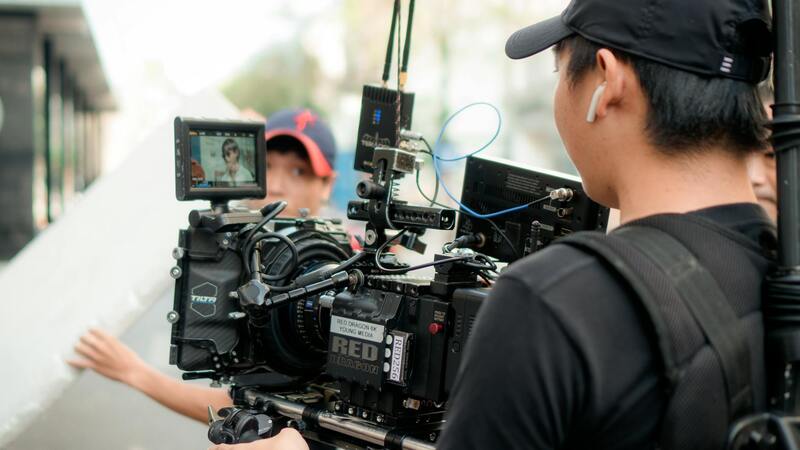
It is crucial during editing to preserve the integrity of the original shot, avoiding overly manipulated images that could mislead viewers. Authenticity plays a significant role in buyer trust and satisfaction. Once adjustments are complete, images should be reviewed on various devices and screens to verify they appear consistent and appealing across all viewing platforms.
Final exported images should meet specific file size and resolution requirements suitable for online listings, print marketing, and virtual tours. High-resolution images allow for detailed viewing, which is essential for prospective buyers conducting an initial online inspection of a property. Optimized images load faster on websites, ensuring a seamless browsing experience.
Photographic Techniques for Real Estate Photos
Achieving compelling house for sale photos relies heavily on mastering specific photographic techniques that emphasize the property's best features. Wide-angle lenses are essential tools in real estate photography, as they allow photographers to capture more of a room in a single shot, creating a sense of space and openness that appeals to prospective buyers. When using wide-angle lenses, it's important to maintain proper framing to avoid distortions that can misrepresent room dimensions, which might lead to misunderstandings during viewings.
Framing is equally significant, as it guides the viewer’s eye through the image and emphasizes focal points, such as a beautifully staged living room or a picturesque view from the window. Placing key features strategically within the frame, and keeping lines straight by using a tripod and level, ensures images appear professional and balanced. Adjustments to exposure are critical to accurately depict lighting conditions. Bright, well-exposed images highlight the space’s features without overexposing highlights or losing details in shadows. Balancing natural and artificial light sources often results in more accurate and inviting photographs.
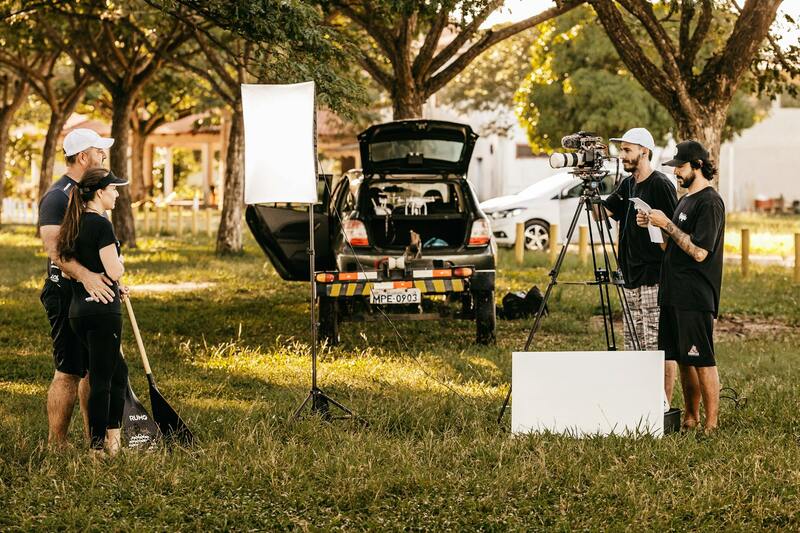
In addition to these core techniques, incorporating perspective and depth can further enhance visual interest. For example, photographing from a corner point can provide a comprehensive view of a room’s layout, making it easier for potential buyers to visualize themselves within the space. Blending these practices with consistent compositional strategies produces a cohesive, high-quality photo gallery that effectively highlights each property's unique qualities.
Post-Processing and Editing of Property Photos
Post-processing plays a vital role in transforming raw images into polished representations that attract buyers and generate interest. Effective editing begins with color correction to ensure that the hues accurately reflect the property's interior and exterior. Adjustments to brightness, contrast, and sharpness can further enhance details, making features such as countertops, flooring, and fixtures pop without appearing exaggerated.
Selective editing techniques, such as masking and retouching, help eliminate minor distractions like dust spots, reflections, or objects that don’t contribute to the property's visual narrative. Sometimes, minor adjustments in perspective correction are necessary to straighten skewed lines that occur due to lens distortion. Maintaining consistency across all images in a listing is crucial for a cohesive visual presentation.
When editing, it is important to preserve accuracy and naturalness, avoiding over-enhancement that could mislead viewers. The goal is to present a true-to-life portrayal that aligns with the physical space, fostering buyer trust. Final images should be optimized for various platforms, ensuring they load efficiently on websites, social media, and virtual tours. High-resolution images enable detailed inspections, giving viewers confidence in what they see online and supporting their decision-making process.
Legal and Ethical Considerations in Real Estate Photography
Maintaining transparency and honesty in real estate images is essential for building trust with potential buyers. When capturing house for sale photos, photographers should ensure that images are an accurate representation of the property. This involves representing the space without misleading distortions or overly edited elements that could create false expectations.
One core aspect involves respecting privacy rights, particularly when photographing occupied homes. It's vital to obtain informed consent from residents before taking images, especially in private or sensitive areas. This not only aligns with ethical standards but also fosters respect and professionalism.
Proper documentation and metadata management also contribute to ethical standards. Keeping records of the original images and edits, along with date stamps, helps maintain transparency and accountability throughout the listing process. A clear understanding of copyright laws is crucial; photographers should ensure they hold rights to their images and understand how they can be used or reused in marketing materials.
Additionally, incorporating honest descriptions alongside the photos helps provide context and prevents misinterpretation. For instance, if certain features require ongoing maintenance or renovations, acknowledging this in the listing ensures that prospective buyers have a complete picture. Avoiding manipulative techniques like photo stitching that creates unrealistic room sizes or perspectives helps uphold the integrity of the listing.
Ethical practices in real estate photography not only protect the reputation of the photographer and agent but also enhance the credibility of the property listing. A genuine, well-represented image set can accelerate the sales process by attracting serious buyers who appreciate transparency and accuracy.
Popular Platforms for Showcasing House Photos
Maximizing exposure for a property involves selecting appropriate online channels that attract targeted audiences. The most effective platforms include dedicated real estate websites and listing portals that prioritize visual content, allowing potential buyers to browse high-quality images seamlessly. These sites often incorporate virtual tour capabilities, interactive floor plans, and comprehensive property descriptions that complement the photos.
Social media platforms play a vital role in property marketing due to their vast reach and engagement features. Visual-centric networks like Instagram and Facebook enable real estate professionals to showcase house photos through posts, stories, and targeted advertisements, thereby increasing visibility across different demographics.
Real estate aggregators and local online classifieds also serve as helpful venues for distributing house for sale photo collections. Consistently updating listings with fresh, professionally shot images helps maintain buyer interest and improves engagement metrics. Additionally, leveraging email marketing campaigns that include high-resolution images captured by a trusted professional can drive targeted traffic directly to the property’s listing page.
For premium exposure, virtual tours combined with high-quality imagery are increasingly popular, offering immersive experiences that online viewers find highly engaging. These virtual experiences can be hosted directly on the property’s dedicated website or through specialized real estate platforms that support 3D walkthroughs and panoramic images, providing an extra dimension of detail to prospective buyers.
Legal and Ethical Considerations in Real Estate Photography
When photographing a house for sale, it is essential to adhere to established standards that respect property rights and the privacy of individuals. Securing explicit permissions from property owners or authorized representatives prior to capturing images ensures compliance with applicable guidelines and helps foster trust. This process typically involves obtaining written consent that details the scope of the photography, intended use, and distribution channels.
Respect for privacy is paramount, especially when the property contains personal belongings, private spaces, or confidential areas. Photographers should be vigilant to avoid capturing identifiable individuals or sensitive information unless explicit consent has been provided. This can be managed by scheduling shoots at appropriate times, guiding homeowners on what to declutter or conceal, and setting clear boundaries about the areas that will be photographed.
Additionally, it is good practice to be aware of property lines and any restrictions related to drone photography or aerial shots, which may require special permissions or compliance with local regulations. Ensuring all images are an accurate and truthful representation of the property also maintains transparency, avoiding practices that might mislead potential buyers.
Maintaining ethical standards extends to the editing process as well. Refraining from manipulative alterations that do not accurately depict the property's condition is important. Avoiding the use of filters or enhancements that could misrepresent the property's features ensures adherence to honest marketing practices.
Best Practices for Ethical Real Estate Photography
- Obtain written consent from property owners before photoshoots.
- Avoid capturing private or sensitive areas unless authorized.
- Ensure all images present an accurate representation of the property condition.
- Respect privacy rights by blurring or avoiding identifiable personal details.
- Follow local regulations concerning drone and aerial photography.
- Disclose if images have been digitally edited beyond basic adjustments for clarity and lighting.

Legal and Ethical Considerations in Real Estate Photography
Maintaining integrity in property imagery requires adherence to accepted standards that foster trust and transparency between sellers and buyers. Securing explicit permission from property owners prior to conducting a photoshoot not only demonstrates professionalism but also ensures that all parties are aligned on the intended use of the images. This step minimizes misunderstandings and reinforces a respectful approach to property representation.
During the photography session, it is essential to avoid capturing private or restricted areas unless explicit authorization has been obtained. Respecting the boundaries of the property, including personal spaces such as bedrooms or private gardens, ensures privacy is preserved and demonstrates ethical diligence. When using aerial or drone photography, operators should be aware of specific regulations governing airspace and privacy, as compliance helps uphold high standards of responsible marketing.

Accurate and Transparent Representation
It is paramount that all images depict the property accurately, avoiding the temptation of excessive enhancement or manipulation that could lead to misleading potential buyers. Adjustments for lighting, color correction, and perspective are acceptable when used judiciously, but any editing that significantly alters the property's appearance should be disclosed explicitly. This transparency safeguards the credibility of the listing and provides prospective buyers with a truthful view of the property.
When editing images, professionals should document any significant modifications, such as virtual staging or digital adjustments, and include disclosures when necessary. Doing so contributes to an honest presentation and respects the intelligence of the audience.
Privacy Rights and Digital Security
Respecting the privacy of current residents or occupants is essential. Blurring or avoiding capturing recognizable personal details ensures privacy rights are maintained and reduces potential security concerns. Additionally, storing and sharing images securely prevents unauthorized access or misuse, protecting all parties involved.
Guidelines for Ethical Editing
- Use basic adjustments for clarity and lighting without distorting the original features of the property.
- Disclose if images have undergone digital editing beyond standard enhancements.
- Avoid using filters or overlays that could misrepresent the property's actual condition.
- Refrain from 'Photoshopping' to alter the property's size or eliminate structural flaws.
Adhering to these principles preserves the integrity of the marketing process and fosters trustworthiness in property listings.