Importance of High-Quality Real Estate Photos
In the competitive Miami real estate market, the significance of high-quality photographs cannot be overstated. Exceptional images serve as the first point of contact between a property and potential buyers, often determining whether a viewer will explore further or scroll past. Professionally captured photos enhance the property's appeal, showcase its unique features, and evoke an emotional response that can accelerate the selling process.
High-resolution, well-composed images attract more online attention, boosting the property’s visibility across various listing platforms. They help create a compelling narrative about the property, emphasizing its best features—from spacious interiors to scenic outdoor areas. In a vibrant market like Miami, where properties compete for interest, striking visuals are essential for standing out.
Furthermore, high-quality photography minimizes the need for multiple showings by providing a clear and accurate representation of the property. Buyers who view polished images are more likely to schedule viewings, decreasing time on the market. Accurate, attractive photos mitigate mismatched expectations, fostering trust and transparency that facilitate smoother transactions.
Investing in professional photography reflects a commitment to quality and detail, elevating the property's perceived value. This can lead to higher offers and faster sales, maximizing return for sellers and empowering agents to position themselves as market leaders. Overall, great real estate photos are an indispensable part of a strategic marketing approach in Miami's bustling property scene.

Key Elements of Great Real Estate Photos
Achieving visually appealing and effective real estate photographs requires a keen focus on several fundamental components. These elements work together to produce images that not only showcase the property but also resonate emotionally with prospective buyers. The main aspects to consider include lighting, staging, composition, and angles.
- Lighting: Proper lighting is essential to highlight the space’s natural brightness and ambiance. Utilizing natural light during the day can create a warm and inviting atmosphere. Supplementing this with professional lighting equipment ensures shadows are minimized, and details in both bright and shadowed areas are preserved.
- Staging: Well-staged properties help buyers visualize the potential of each space. Decluttering, arranging furniture to promote flow, and adding subtle decorative elements can make interiors more appealing. This preparation ensures that the focus remains on the property's best features rather than distracting clutter or imperfections.
- Composition: Effective composition principles guide the framing of each shot. Applying the rule of thirds, maintaining horizontal and vertical lines, and keeping the camera level contribute to balanced images that are visually appealing and easy to interpret.
- Angles: Selecting the appropriate shooting angles is crucial for accentuating spaciousness and key features. Slightly elevated viewpoints can enhance room size perception, while wide-angle lenses capture more of the space in a single shot, providing a comprehensive view that appeals to viewers.
Best Practices for Photography Equipment and Settings
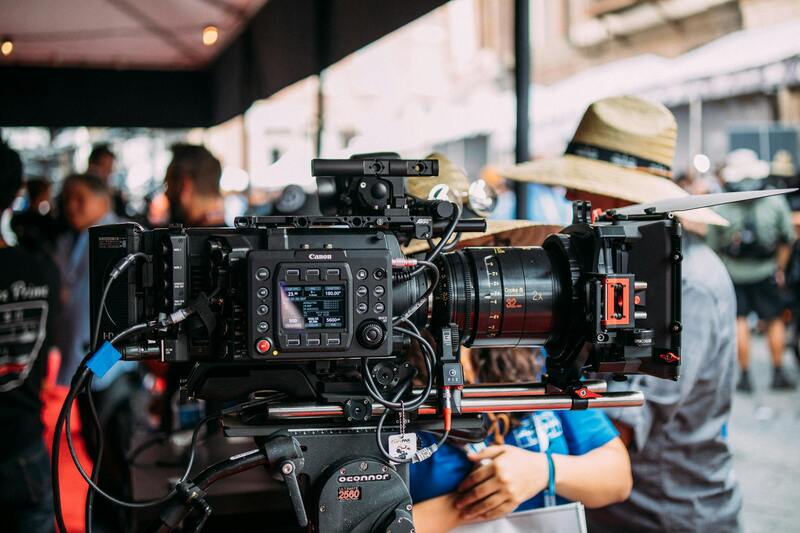
Achieving high-quality images depends significantly on using the right equipment and settings. Professional-grade cameras with high-resolution sensors are preferred for capturing detailed and vibrant photos. Wide-angle lenses are commonly used to encompass more of the scene in a single shot, giving viewers a sense of space without distortion.
Optimal camera settings involve balancing ISO, aperture, and shutter speed. A low ISO setting minimizes noise, ensuring crisp images. An aperture between f/8 and f/11 maintains sharpness throughout the scene, ideal for architectural shots. A tripod stabilizes the camera, allowing for longer exposure times without blur, particularly in lower light conditions.
In addition to these technical aspects, post-shoot adjustments such as correcting exposure and color balance help produce polished images that accurately reflect the property’s true appearance.
Technical Aspects for Capturing Great Real Estate Photos
To achieve outstanding images that highlight a property's unique features, the selection of appropriate photography equipment and meticulous attention to camera settings are essential. High-resolution professional cameras provide the detail and color accuracy necessary for compelling real estate photographs. These cameras often have larger sensors which contribute to better image quality, especially in challenging lighting conditions.
Wide-angle lenses are indispensable in real estate photography. They allow the capture of expansive interior and exterior views, giving prospective buyers a comprehensive perspective without the need for multiple shots. When choosing lenses, it’s important to select those with a focal length typically between 14mm and 24mm, which can capture wide spaces while minimizing distortion.
Proper camera settings further enhance image quality. A low ISO setting, generally between 100 and 200, reduces image noise, ensuring crisp, vibrant results. Optimal aperture settings around f/8 to f/11 provide sufficient depth of field, keeping both foreground and background in sharp focus—crucial for architectural shots. To prevent camera shake and maintain sharpness, using a tripod is recommended, especially in low-light environments or when dealing with longer exposure times.
Long exposures, stabilized with a tripod, help achieve balanced lighting in interior spaces, especially when natural light is limited. By adjusting shutter speed accordingly, photographers can prevent underexposure or overexposure, resulting in well-balanced images that accurately reflect the ambiance of each space. Consistency in white balance settings across images also contributes to a cohesive photo portfolio, making the property look professional and inviting.
Beyond technical settings, post-processing plays a vital role in refining the photographs. Enhancing exposure, adjusting contrast, and correcting color balance ensure the images look their best without overly altering the natural appearance of the property. These adjustments can be made using professional editing software, allowing photographers to produce polished, attention-grabbing photos that stand out in a competitive market.
Enhancing Photos Through Post-Processing Techniques
Post-processing is a crucial step in transforming high-resolution images into compelling visuals that effectively market a property. Skilled editing can highlight the property's best features while maintaining authenticity, which is essential for attracting serious buyers.
Begin with basic adjustments such as exposure correction to ensure the image accurately reflects the space's lighting conditions. Fine-tune contrast and clarity to add depth and make architectural details pop. Color correction is equally important; enhancing the vibrancy of natural colors and balancing white levels can make interiors feel warm and inviting. Overly saturated images can appear unnatural, so moderation is key.
Utilize perspective correction tools to straighten walls and align horizons, especially in rooms with wide-angle lenses that sometimes introduce distortion. This ensures the images present the property accurately, avoiding misleading representations that could lead to dissatisfaction or mistrust.
Selective editing techniques, like brightening shadowed areas or reducing glare, help reveal details that might be hidden in overly bright or dark parts of a photograph. For interior spaces, removing minor distractions such as clutter or imperfections can further elevate the property's appeal, but it's vital to do so subtly to preserve authenticity.

Advanced retouching may involve blending multiple exposures to achieve a balanced image, especially in challenging lighting scenarios. Such techniques ensure highlights and shadows are properly managed, producing a seamless photo that accurately conveys the space's atmosphere.
Additionally, adding a slight vignette or sharpening specific areas can direct viewers’ attention to key features like a fireplace, view, or unique architectural detail. However, all modifications should serve to support an authentic representation, fostering trust and encouraging inquiries from potential buyers.
Overall, effective post-processing enhances the initial camera work without overshadowing the true character of the property. It ensures your real estate photos are polished and professional, providing a captivating visual narrative that appeals to prospective buyers and stands out in online listings.
Types of Shots to Showcase Property Features
Capturing a property effectively requires a diverse array of shots that highlight its unique features and overall appeal. A well-rounded visual presentation includes exterior shots, interior views, and detailed close-ups, each serving a specific purpose in enticing potential buyers. These images should be planned to convey the property's layout, space, and character convincingly.
Exterior Shots
Exterior images form the initial impression and should feature the property's facade, gardens, driveways, and any standout architectural elements. The goal is to present the home as inviting and well-maintained, often best achieved during optimal lighting conditions such as early morning or late afternoon. Wide-angle shots of the front and rear exteriors help viewers grasp the property's scale and surrounding environment.
Interior Shots
Interior views should include key rooms such as the living room, kitchen, bedrooms, bathrooms, and any special features like a fireplace or built-in cabinetry. Proper lighting is critical; natural light enhances space perception, while supplementary lighting can eliminate shadows and highlight details. Use wide-angle lenses to depict room dimensions accurately, ensuring perspectives are clear and not distorted.
Detail and Focal Point Shots
Close-ups of architectural details, high-end finishes, fixtures, or unique design elements draw attention to features that add personality and value. These shots should be carefully composed to emphasize quality craftsmanship without clutter or distractions, reinforcing the property's desirability.
Mapping and Flow Shots
Visual representations of floor plans or flow shots, where adjacent rooms are captured in a single image, help buyers understand spatial relationships. Such images can improve the comprehensiveness of the listing, giving a sense of how spaces connect and function together.
Combining these various shot types ensures a comprehensive, authentic portrayal of the property that appeals to prospective buyers, providing a clear narrative about the home's features and potential.
Maintaining High Standards for Authenticity and Clarity
One of the fundamental aspects of capturing great real estate photos is ensuring that each image accurately represents the property. This involves meticulous attention to detail during the shoot process to prevent misrepresentation or over-enhancement that could mislead potential buyers. Clear, true-to-life visuals help foster trust and facilitate informed decision-making. Photographers should focus on showcasing the property's unique features without distortion, maintaining consistent exposure and color balance that reflect real conditions.
Lighting plays a crucial role in authenticity. Relying on natural daylight, supplemented with professional lighting equipment when necessary, ensures images emphasize the property's true ambiance. Shadows, reflections, and color tones must be managed carefully to avoid misleading appearances. When editing, subtle adjustments should aim to enhance clarity rather than alter the inherent qualities of the space, preserving the integrity of the listing.
Utilizing Proper Composition and Framing
Effective framing directs viewers’ attention to key property features while providing a comprehensive understanding of the space. Composition techniques such as the rule of thirds, leading lines, and symmetry help create balanced, engaging images. Including elements like furniture or decor can provide context and scale, offering viewers a feel for how the property integrates with their lifestyle.
Avoid clutter and distractions by tidying up spaces before the shoot. Clear countertops, organized furniture arrangements, and minimal decorative items ensure the focus remains on the property itself. Wide-angle lenses are highly effective but should be used judiciously to avoid distortion that could misrepresent room dimensions.
Consistency in Style and Perspective
Maintaining a consistent visual style across all photos enhances professionalism and coherence in property listings. This consistency involves uniform camera angles, perspectives, and lighting setups that showcase the property uniformly. Such thoroughness helps potential buyers compare listings more effectively and creates a polished, trustworthy appearance for the real estate agent or agency.
Leveraging Off-Hours and Optimal Weather Conditions
Timing the photoshoot during the property's best lighting conditions can significantly improve image quality. Early mornings or late afternoons, when daylight is softer, often yield warmer, more inviting photos. Overcast days can also be advantageous, providing even lighting that reduces harsh shadows and highlights. Additionally, scheduling during periods of clear weather ensures exterior shots of the property are vibrant and appealing, avoiding dull or rainy appearances that could detract from its appeal.
Authentic Representation Through Angles and Perspectives
Choosing the right camera angles is critical to conveying the property’s scale and layout effectively. Typically, shooting from eye level provides a natural perspective that resonates with viewers, making spaces feel inviting and realistic. Overhead shots or elevated perspectives can highlight larger areas or exterior features when appropriate, but they should be used sparingly to avoid misrepresenting the true experience of the space.
Multiple viewpoints of each room provide a comprehensive understanding for prospective buyers. Combining wide-angle images with close-ups of specific features balances the overall narrative, ensuring the potential is accurately portrayed without exaggeration. The goal is to provide buyers with an immersive experience that feels genuine and trustworthy.
Effective Methods for Achieving Great Real Estate Photos
Securing high-quality real estate images involves a combination of strategic planning, technical expertise, and proper presentation. While professional photography remains the gold standard, there are legitimate techniques property owners and agents can employ to maximize the visual appeal of their listings. These methods emphasize authenticity, clarity, and the accurate representation of the property's features, thereby fostering trust and interest among prospective buyers.
Optimizing Lighting with Natural and Artificial Sources
Proper lighting plays a pivotal role in capturing compelling real estate images. Whenever feasible, leveraging natural light is highly recommended due to its ability to deliver vibrant and true-to-life colors. Shooting during morning or late afternoon hours, when the sun’s rays are softer, can eliminate harsh shadows and produce warm, inviting images that enhance the property's best features.
In situations where natural lighting is limited or inconsistent, controlled artificial lighting can be employed. Using diffused light sources or softboxes ensures that the interior spaces are evenly lit, minimizing dark spots and glare. Adjusting the indoor lighting by opening blinds and turning on multiple light sources helps achieve a balanced and appealing scene without overexposure or excessive shadows.
Proper Use of Equipment and Settings
While high-end cameras are beneficial, the key lies in correct camera settings and technique. Using a wide-angle lens allows capturing more of each room, creating a sense of spaciousness essential for attracting buyers. Setting the camera to a low ISO reduces graininess, enhancing image clarity. Aperture adjustments should be timed to keep both foreground and background in sharp focus, particularly in shot compositions that highlight specific architectural features.
Posture stability is vital; a tripod stabilizes the camera, preventing blurry images and ensuring consistency across shots. When handholding the camera, employing proper stabilization techniques is essential to maintain sharpness.
Creating a Cohesive Portfolio through Composition
Effective composition centers around clean, clutter-free spaces that draw the viewer’s eye to the property’s highlights. Aligning shots to showcase flow—such as connecting the living room with adjacent areas—can help convey how spaces function together. Utilizing vertical and horizontal lines, like doorways and window frames, guides the viewer’s gaze naturally across the image.
Legitimate Techniques for Producing Great Real Estate Photos
- Utilize a Tripod: Ensures stability and consistency, especially in low-light conditions or interior shots requiring longer exposures.
- Employ Proper Framing and Angle Selection: Highlight key features, maintain proportional perspectives, and avoid distortion. Shooting from eye level typically offers the most authentic view.
- Maintain a Clutter-Free Space: Declutter to prevent distractions, and make the space appear larger and more inviting.
- Adjust Camera Settings for Brightness and Color Balance: Balance exposure settings to capture true colors and details without overexposing or underexposing areas of the property.
- Enhance with Editing: Post-processing techniques such as adjusting brightness, contrast, and sharpness can accentuate the property's best attributes. Correcting minor distortions and removing small imperfections further refines the images.
Authentic Representation and Ethical Practices
Achieving great real estate photos is fundamentally about authenticity. Each image should accurately represent the property’s conditions and features, avoiding misleading perspectives or excessive editing that could mislead potential buyers. Transparency and attention to detail foster credibility and facilitate informed decision-making, which benefits both sellers and prospective homeowners.
Effective Techniques for Authentic and Compelling Real Estate Photography
When it comes to showcasing properties through photography, authenticity remains paramount. Professional real estate photos must accurately reflect the true state of the property, highlighting its strengths without exaggeration. To achieve this, photographers should prioritize honest representations that do not rely on excessive post-processing or misleading angles. This approach cultivates trust with potential buyers, ensuring they receive a genuine impression of the property before visiting in person.
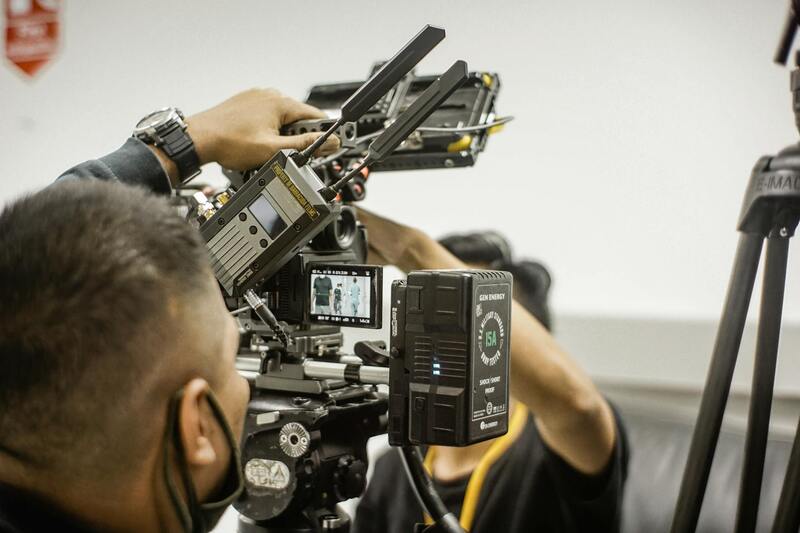
Proper lighting is a cornerstone of effective real estate photography. Natural light tends to be the most flattering and should be utilized whenever available. Photographers often schedule shoots during daylight hours, ideally in the late morning or early afternoon when sunlight filters evenly through windows. This natural illumination emphasizes the property’s true colors and textures, creating inviting images that resonate with viewers.
Equally important is the meticulous staging of the property. Decluttering spaces is essential to prevent distractions and present a clean, organized environment. Small touches such as fresh flowers, neatly arranged furniture, and a tidy yard can significantly enhance visual appeal. Ensuring that certain areas are well-maintained and free of personal clutter allows prospective buyers to envision themselves living in the space.
Strategic Use of Angles and Framing
The choice of shooting angles plays a critical role in depicting a property authentically and favorably. Wide-angle lenses are beneficial, but they must be used judiciously to avoid distortion that can exaggerate space or misrepresent dimensions. Shooting from eye level provides a natural perspective, while strategic framing draws attention to key features such as fireplaces, views, or architectural details.
Maintaining proportional perspectives ensures that the scale of rooms and furnishings appears realistic. Using doorway or corner shots helps to convey the flow and spatial relationships within the home. Every photograph should tell a cohesive visual story that accurately conveys the property's layout and personality.
Post-Processing with Purpose
Post-processing techniques should enhance, not alter, the authentic appearance of a property. Adjustments to brightness, contrast, and sharpness can highlight features and improve overall clarity. Minor corrections to distortions—particularly in walls or doorways—help to maintain a truthful perspective. Removing small imperfections, such as stains on carpets or clutter out of frame, can present a more polished yet honest image.
It is crucial to avoid over-editing or using filters that could create misrepresentations. Transparency in editing maintains integrity and supports the credibility of the listing. Clear, truthful photos foster a better connection with potential buyers, increasing the likelihood of a successful sale.
Comprehensive Approach for Ethical and Effective Photography
Ultimately, creating compelling real estate photos involves more than technical skill—it's about an ethical commitment to authenticity. Photographers should always aim to present a property as it appears, with accurate lighting, coloration, and perspective. Doing so not only builds trust but also aligns expectations, leading to a smoother sales process.