Importance of High-Quality Real Estate Photos
In the bustling Miami real estate market, where properties compete fiercely for attention, the impact of high-quality photos cannot be overstated. Potential buyers often begin their property search online, and the visual appeal of listings plays a crucial role in attracting interest. Clear, attractive images can showcase a property's best features, emphasize its unique aspects, and evoke an emotional response that motivates viewers to schedule a visit. In a city renowned for its vibrant lifestyle and luxurious properties, well-captured real estate photos serve as a powerful marketing tool to help listings stand out amidst the competition.
Moreover, high-quality images contribute to a professional brand image for real estate agents and agencies. They demonstrate attention to detail, commitment to excellence, and an understanding of modern marketing trends. This professionalism can build trust with potential clients, encouraging them to choose one agent over another. In Miami's fast-paced market, where first impressions are everything, the visual presentation of a property can influence decision-making processes significantly.
Investing in superior real estate photography translates directly into faster sales timelines and potentially higher sale prices. Properties with appealing images often receive more online views, showings, and offers. This increased engagement can reduce the time a property remains on the market, saving sellers time and resources. The importance of high-quality photos extends beyond attractiveness; they are integral to an effective marketing strategy that maximizes visibility and reaches the right buyers efficiently.
Key Elements of Good Real Estate Photos
- Lighting: Proper lighting highlights the property's best features and ensures images are bright, inviting, and true to life.
- Composition: Thoughtful framing and balanced shots emphasize important areas while maintaining a pleasing aesthetic.
- Decluttered Spaces: Removing unnecessary items and organizing rooms helps potential buyers visualize their future home.
- Accurate Colors: True-to-life color reproduction captures the authentic look and feel of each space.
- Diverse Angles: Multiple perspectives provide a comprehensive view, showcasing property size and layout effectively.
- Highlighting Unique Features: Focusing on aspects like views, architectural details, or modern finishes enhances appeal.
Best Practices for Real Estate Photography in Miami
- Scheduling at Optimal Times: Capture photos during daylight hours when natural light floods the property, accentuating bright and lively spaces.
- Using Wide-Angle Lenses: Wide lenses encompass more of a room, making spaces appear larger and more inviting.
- Ensuring Space Is Pristine: Prior to shooting, thoroughly clean and stage rooms to present them in their best light.
- Correcting Perspective and Distortion: Post-processing techniques help achieve accurate perspectives, avoiding fisheye effects that can mislead viewers.
- Incorporating Exterior Shots: Showcasing curb appeal and property surroundings helps buyers understand the full context and neighborhood.

Essential Techniques for Capturing Great Real Estate Photos
Achieving high-quality real estate images requires a combination of precise methods and professional equipment. When photographing Miami properties, practitioners emphasize several key techniques to ensure the images stand out in listings and marketing materials.
- Proper Lighting Setup: Consistent and well-balanced lighting is fundamental. Natural daylight should be utilized as much as possible, ideally during mid-morning or late afternoon when sunlight streams through windows, creating warm and inviting atmospheres. Supplementary lighting fixtures can fill in shadows, ensuring even illumination throughout indoor spaces.
- Utilizing the Correct Equipment: Cameras with high-resolution sensors and lenses specifically designed for interior photography are vital. Wide-angle lenses, typically ranging from 14mm to 24mm, allow for capturing expansive views, making rooms seem more spacious. Tripods stabilize shots, reducing blur and enabling longer exposure times, which improve image clarity in low-light conditions.
- Precise Composition and Framing: Carefully framing each shot, with a focus on key features like fireplaces, large windows, or architectural details, helps to highlight unique aspects of the property. Use the rule of thirds to create balanced and visually pleasing images, avoiding clutter and ensuring each shot emphasizes the space effectively.
- Post-Processing Techniques: Editing software can correct distortions common with wide-angle lenses and enhance colors for a vibrant yet natural appearance. Adjustments to contrast, brightness, and sharpness refine the images, making them more attractive without misrepresenting the property's true look.
- Ensuring Clean and Tidy Spaces: Before shooting, meticulous cleaning and staging are crucial. Remove personal items, clutter, and unnecessary furniture. Staging with neutral decor helps potential buyers imagine their own belongings fitting seamlessly into the space.
In addition to technical skills, understanding local market preferences plays a role. Miami's vibrant neighborhoods and diverse property styles demand tailored photography approaches. For example, capturing outdoor amenities like pools and scenic views requires strategic angles and timing to highlight their appeal. Similarly, capturing the nuances of architectural design calls for attention to light and perspective, ensuring these features are showcased authentically and effectively.
Anomalies and Solutions in Real Estate Photo-Taking
Despite best efforts, photographers may encounter challenges such as uneven lighting, reflections, or space distortions. Addressing these issues involves careful planning and post-processing. Bracketing exposures for high dynamic range (HDR) images helps balance bright and dark areas, especially in rooms with large windows. Perspective correction techniques mitigate the fisheye effect common with wide-angle shots, restoring realistic proportions and angles.
Effective Techniques for Capturing Good Real Estate Photos
Achieving consistently high-quality real estate images involves a combination of technical proficiency and strategic planning. Utilizing proper camera settings, such as a wide-angle lens, allows for capturing more of a room in a single shot, but it must be used judiciously to prevent distortion. Aperture settings should be chosen to ensure a wide depth of field, keeping the entire space in sharp focus, which helps potential buyers envision themselves in the property.
Timing plays a crucial role in real estate photography. Scheduling photo shoots during times of day when natural light floods the property—often mid-morning or late afternoon—maximizes brightness and warmth, creating inviting atmospheres that appeal to viewers. When natural light is insufficient, artificial lighting solutions—such as diffused flash or portable LED lights—can enhance illumination without casting unwanted shadows or creating glare.
Staging plays a significant role in elevating the quality of real estate photographs. Removing clutter, organizing furniture to highlight spaciousness, and accentuating focal points, like a beautiful fireplace or an outdoor view, ensures the space looks its best. Incorporating neutral or subtle decor helps potential buyers focus on the property's features without being distracted by personal belongings or bold colors.
Post-processing techniques are equally important. Adjustments in brightness, contrast, and sharpness can bring out the property's vibrancy and ensure the images are true to reality. Care should be taken to avoid over-editing, which might misrepresent the property or hinder the buyer's expectations upon viewing in person.
In addition, employing HDR (High Dynamic Range) photography techniques can be particularly beneficial in spaces with contrasting light conditions, such as rooms with large windows or outdoor views. By capturing multiple exposures and merging them, photographers can produce images that accurately represent both shadowed and brightly lit areas, creating compelling visuals that entice buyers.
Finally, the use of perspective correction in post-processing ensures that images accurately reflect the room's true proportions. Wide-angle images often produce skewed results; software tools can correct these distortions, providing more realistic views that help potential buyers assess the space accurately. Combining strategic shot composition with advanced editing techniques ultimately results in compelling, high-quality photos that promote quicker interest and improved marketing outcomes for real estate listings.
Equipment and Techniques for Creating Superior Photos
Achieving outstanding real estate photographs begins with the selection of the right equipment and application of effective techniques. Professional-grade cameras equipped with high-resolution sensors are essential for capturing detailed and vibrant images that appeal to prospective buyers. These cameras provide the flexibility needed to work in various lighting conditions and capture sharp, clear visuals.
One of the most critical pieces of equipment is the wide-angle lens. This lens allows photographers to capture more of a space within a single frame, emphasizing the room's dimensions and creating a sense of openness that is highly attractive in property marketing. It also minimizes the need for extensive photo stitching, resulting in more natural-looking images.
Post-processing tools play a vital role in refining real estate photos. Using editing software, photographers can adjust brightness, contrast, and color saturation to produce images that accurately reflect the property's appearance. Proper editing helps highlight the property's best features while maintaining authenticity, avoiding over-embellishment that could mislead buyers.
Employing HDR imaging techniques involves capturing multiple exposures of the same scene to balance lighting extremes. This approach is especially useful in properties with large windows or spots with intense sunlight and shadows. HDR processing produces evenly lit images with preserved details across shadowed and illuminated areas, making interiors look more appealing and true to life.
Another essential technique is perspective correction. Wide-angle images can sometimes create distortion, making walls appear curved or rooms disproportionate. Digital correction tools straighten lines and adjust proportions, resulting in more realistic representations of the space. These adjustments help buyers gain a clearer understanding of the property's true layout.
Finally, strategic shot composition is fundamental. Photographers should aim for optimal angles that showcase each room's best features, ensuring the property’s flow is evident. Attention to details such as decluttering spaces and arranging furniture can significantly enhance the visual appeal of photographs.
Enhancing Visual Appeal with Proper Lighting and Composition
One of the most important aspects of creating good real estate photos is mastering lighting techniques. Natural light tends to produce the most flattering images, so scheduling photos during the day when sunlight floods the interiors is highly recommended. Utilizing the golden hours—shortly after sunrise or before sunset—can result in warm, inviting photos that entice potential buyers. Nonetheless, supplemental lighting such as softboxes or portable strobes can be employed to fill in shadows or illuminate darker areas, ensuring that each space is evenly lit and details are clearly visible.
Proper composition is equally vital. Photographers should aim for a balanced framing that captures the essence of each room without distortion. Key elements include applying the rule of thirds to create visually engaging images and ensuring the horizon lines are level to avoid skewed perspectives. Wide-angle lenses are often used to showcase the spatial dimensions more effectively; however, they should be used judiciously to prevent exaggerated distortions that misrepresent room sizes.
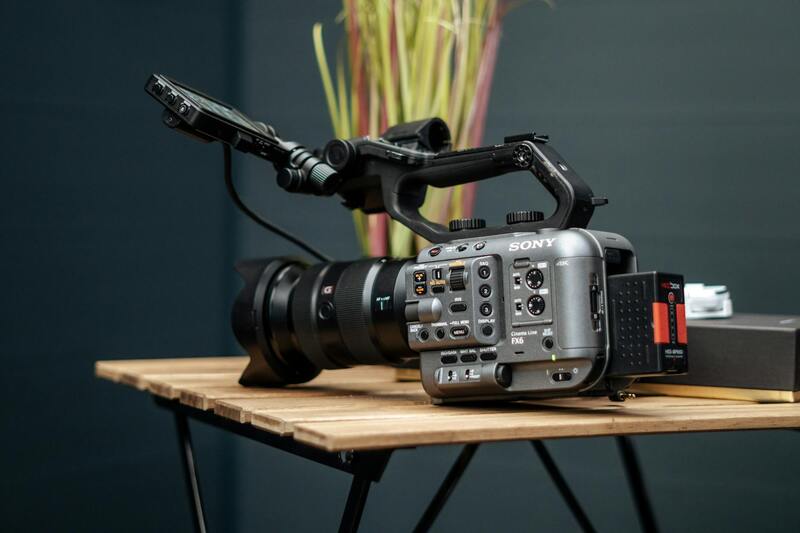
Orientation plays a role too—taking photos from the corners of rooms allows the viewer to perceive depth and space accurately. Ensuring all clutter is removed and furniture is arranged thoughtfully can transform ordinary spaces into welcoming environments. Small touches like opening curtains, turning on lights, and even adjusting window blinds help maximize the natural appeal and create a sense of openness that resonates with online viewers.
Utilizing Angles and Perspectives to Highlight Property Features
Choosing the right angles is crucial in emphasizing a property's best features. For instance, capturing the high ceilings of a living room from a lower vantage point accentuates spaciousness. Similarly, photographing kitchen counters or bathroom vanities at eye level can highlight modern finishes and details. Experimenting with different perspectives allows real estate professionals to present properties in diverse ways, emphasizing both their functionality and aesthetic qualities.
Another effective technique is the use of symmetrical compositions for focal rooms or architectural features, which can convey balance and harmony. When photographing outdoor spaces such as patios or gardens, shooting from multiple angles—both wide shots to showcase scale and close-ups of inviting details—can enhance the property's appeal from various viewpoints. Keeping the camera steady and avoiding unnecessary tilt ensures clarity and professionalism in the images.
Photo Editing and Post-Processing
Post-processing plays a significant role in achieving high-quality visuals. Adjustments to brightness, contrast, and color saturation should be subtle yet effective enough to produce true-to-life images. Over-editing can create an unrealistic expectation that may lead to buyer disappointment, so maintaining authenticity is key. Techniques such as perspective correction further refine images by straightening crooked lines caused by wide-angle lenses, resulting in more accurate representations of rooms and exteriors.
Adding finishing touches like removing minor imperfections, enhancing landscaping, or improving lighting consistency across images can be done using professional editing software. These enhancements should serve to showcase the property's true features without misrepresentation, ultimately instilling confidence in prospective buyers and aiding the marketing process.
Methods to Capture Authentic and Appealing Real Estate Photos
Achieving captivating and authentic images that truly represent a property involves meticulous attention to detail and adherence to proven strategies. Here are essential methods used by seasoned real estate photographers to produce images that resonate with potential buyers and enhance online listings.
Natural Lighting is Paramount
Utilizing natural light is fundamental in creating bright, inviting images. Photographers often schedule shoots during daylight hours when sunlight can illuminate spaces evenly. Avoiding harsh shadows and glare is crucial; thus, shooting on days with overcast skies can distribute light uniformly across interior and exterior spaces. Opening curtains and blinds before shooting allows natural light to flood rooms, highlighting their features and creating a welcoming atmosphere. Using window light to illuminate key areas ensures that photos remain true to the property’s ambiance without excessive editing.
Proper Composition and Framing
A well-composed photograph guides the viewer’s eye through the space, accentuating its best features. From a technical standpoint, this involves using the rule of thirds, leading lines, and strategic placement of objects within the frame. For instance, when photographing interiors, positioning the camera to capture the entire room, including architectural details and focal points, ensures completeness. Highlighting unique architectural elements or expansive windows can make spaces appear more spacious and appealing.
Utilization of Wide-Angle Lenses
Wide-angle lenses are vital optical tools that enable capturing expansive rooms and outdoor areas without distortion. They allow for a broader field of view, which is especially useful for showcasing open-concept living spaces, kitchens, and outdoor patios. When used correctly, these lenses produce images that feel both accurate and inviting, giving potential buyers a comprehensive view of the space. However, it’s important to calibrate lens settings and perspective to avoid distortion, which could misrepresent the property's actual dimensions.
Consistent and Minimal Post-Processing
While editing enhances visual quality, it’s essential to maintain consistency and authenticity. Subtle adjustments to brightness, contrast, and color saturation can improve image clarity without creating unrealistic expectations. Techniques such as straightening crooked lines, especially in exterior shots or ceiling photos, ensure the visual integrity of structures. Removing minor imperfections, like distracting objects or blemishes, should enhance the property’s true features, not mislead viewers. A balanced approach maintains viewer trust and aligns expectations with reality.
Effective Use of Space and Angle Selection
Choosing the right angles and shot distances makes a profound difference in how a property is perceived. Experimenting with multiple perspectives—such as shooting from corners or at eye level—captures depth and scale, making spaces feel more inviting. For outdoor areas, combining wide shots that showcase the property's entirety with close-ups of amenities, landscaping, or unique features provides prospective buyers with comprehensive visuals. Emphasizing focal points, like a stunning view or elegant fireplace, directs attention to the property’s strengths.
Preparation of the Property Before Photography
Ensuring the property is clean, decluttered, and well-staged prior to photography significantly influences the quality of images. Staging involves arranging furniture and decor to highlight a space’s potential, making it more attractive and memorable. Removing personal items, excessive clutter, or distractions creates an environment where viewers can envision themselves living there. Additionally, minor repairs, fresh paint, and styled accessories can improve the overall aesthetic, resulting in more compelling photos that showcase the property's best attributes.
Adopting these approaches ensures that the photography process produces imagery that accurately depicts the property, appeals to prospective buyers, and ultimately supports successful real estate transactions. Professionals focusing on authenticity and clarity avoid exaggerated representations, fostering trust and transparency in marketing efforts.
Legal and Ethical Considerations in Real Estate Photography
Understanding Fair Representation
For real estate photographers, maintaining an honest portrayal of the property is crucial. Accurate representation helps prospective buyers form realistic expectations, reducing potential misunderstandings or dissatisfaction after viewings. Photographers should focus on showcasing the property’s true conditions, avoiding the inclusion of misleading angles, over-processed images, or digital enhancements that could distort the reality of the space.
Using natural lighting and authentic perspectives ensures that photos reflect the property’s genuine appearance. It’s important to capture all significant features and avoid omitting elements that might influence a buyer’s decision. Transparency in the depiction of architectural details, finishes, and room sizes builds trust and enhances the reputation of the listing.
Respecting Privacy and Consent
Respecting the privacy of current residents and obtaining necessary permissions before photographing a property are fundamental ethical practices. Clear communication with homeowners about when the photos will be taken and how they will be used helps prevent misunderstandings. For properties in shared or multi-unit buildings, securing consent from all relevant parties ensures that the rights of residents are safeguarded.
In outdoor settings, photographers should be mindful of public and private boundaries, ensuring they do not intrude on private property while capturing shots. Ethical photographers avoid including identifiable images of neighbors or personal belongings in their photos to maintain respect and privacy.
Accuracy and Authenticity in Post-Processing
Post-processing tools should enhance the image quality without altering the actual features of the property. Adjustments like correcting lighting, removing minor blemishes, or color balancing are acceptable, provided they do not create misrepresentations. Overuse of filters or extensive editing can mislead potential buyers, leading to false expectations and potential disputes.
Photographers should maintain a balance between visual appeal and honesty, focusing on high-quality images that accurately represent the property’s true condition and features. This approach fosters trust with clients and prospective buyers while safeguarding the integrity of the real estate marketing process.

Enhanced Techniques for Capturing Good Real Estate Photos
To elevate the quality of real estate photography, professionals must adopt advanced techniques that highlight a property's best features while maintaining an authentic portrayal. Proper lighting is fundamental; utilizing natural light during daylight hours often produces the most inviting images. Supplementing ambient light with diffused artificial lighting can eliminate harsh shadows and ensure even illumination across rooms. The use of wide-angle lenses helps capture entire spaces in a single shot, creating a sense of spaciousness that appeals to potential buyers. Additionally, shooting from strategic vantage points—such as corners or doorways—can maximize the perception of room size and flow.

Post-processing plays a critical role in refining images. Adjusting brightness, contrast, and color balance enhances visual appeal without misleading viewers. Techniques like hdr (high dynamic range) imaging can improve detail in both shadows and highlights, especially in challenging lighting conditions. Maintaining a consistent style across all photos creates a cohesive visual narrative, reinforcing the property's attractiveness and professionalism in online listings.
Implementing Virtual Staging and 3D Tours
Incorporating virtual staging allows potential buyers to envision the space with modern furniture and decor, significantly boosting engagement. 3D tours and panoramic images provide an immersive experience, giving viewers the ability to explore the property interactively. These tools not only enhance online appeal but also reduce the need for in-person visits, saving time and resources for both agents and clients.
Mastering the Art of Photo Composition
Effective composition directs the viewer's focus toward key features such as architectural details, natural lighting, or unique design elements. Employing the rule of thirds, leading lines, and balanced framing can create compelling images that draw prospective buyers' attention. Paying close attention to clutter and ensuring spaces are tidy before shooting is essential, as neatness significantly impacts perceived value.
Understanding the importance of consistency across all images helps establish a professional and trustworthy online presence. This consistency can be achieved through careful planning, selecting optimal times of day for shooting, and adhering to an established visual style—factors that contribute to a cohesive and compelling property presentation.
Utilizing Modern Camera Equipment for Superior Results
Professional-grade DSLR or mirrorless cameras equipped with wide-angle lenses are preferred for their ability to capture detailed, distortion-free images. Tripods stabilize shots, reducing the risk of blur and allowing for precise framing. Some photographers employ drone photography to provide captivating aerial views that showcase property size and surrounding amenities, adding an extra layer of appeal in competitive markets like Miami.

Slow shutter speeds can be used in low-light conditions to gather more light and produce clearer images, while high dynamic range imaging captures a balanced exposure in scenes with varying light levels. Post-processing software allows for detailed editing, but must be used judiciously to preserve the authenticity and transparency vital in real estate marketing.
Investing in the right equipment and leveraging sophisticated techniques significantly improves the quality of real estate photos, making listings more appealing and effective at attracting motivated buyers in a competitive Miami market.