Importance of Good Real Estate Photography
In the competitive Miami real estate market, the visual presentation of a property plays a critical role in attracting potential buyers and securing quick sales. High-quality real estate photography serves as the first point of contact, offering a compelling glimpse into the property's features and ambiance. Well-executed images can significantly enhance online listings, making properties stand out amidst numerous competitors. They influence viewers’ perceptions, creating an emotional connection that encourages visiting the property in person.
Exceptional real estate photos not only increase the number of viewings but also improve marketing effectiveness. Buyers tend to make subconscious judgments based on visual cues, and clear, vibrant images can communicate the property’s unique qualities more effectively than text descriptions alone. In Miami’s dynamic market, where luxury waterfront homes, modern condos, and historic properties abound, stunning photography is a vital marketing tool for capturing attention and building trust.
Moreover, properties with professional photos typically experience faster sales cycles. According to industry data, listings with high-quality imagery tend to garner more inquiries and showings, leading to quicker negotiations and closing. This heightened visibility and appeal can also translate into a broader reach across digital platforms and social media channels, broadening the pool of prospective buyers.
The importance of good real estate photography extends beyond aesthetics; it directly impacts the perceived value of a property. Crisp, well-lit images can highlight features that justify premium pricing, while poor-quality photos risk undervaluing a property or deterring potential buyers altogether. For real estate professionals and homeowners seeking to maximize their investment, understanding and leveraging the power of professional photography is essential.

In sum, good real estate photography is not merely an accessory but a strategic asset in the marketing arsenal. It influences every stage of the sales process, from initial listing exposure to final negotiation, ensuring that a property leaves a lasting impression and appeals to the highest number of qualified buyers.
Key Elements of Effective Real Estate Photos
Achieving compelling real estate images hinges on mastering several core components that collectively enhance the property's visual appeal. The interplay of lighting, framing, composition, and focus creates an engaging narrative that draws potential buyers in and offers an authentic representation of the property’s environment. Each element must be carefully considered to produce images that not only look professional but also accurately highlight the property's best features.
Optimal Lighting
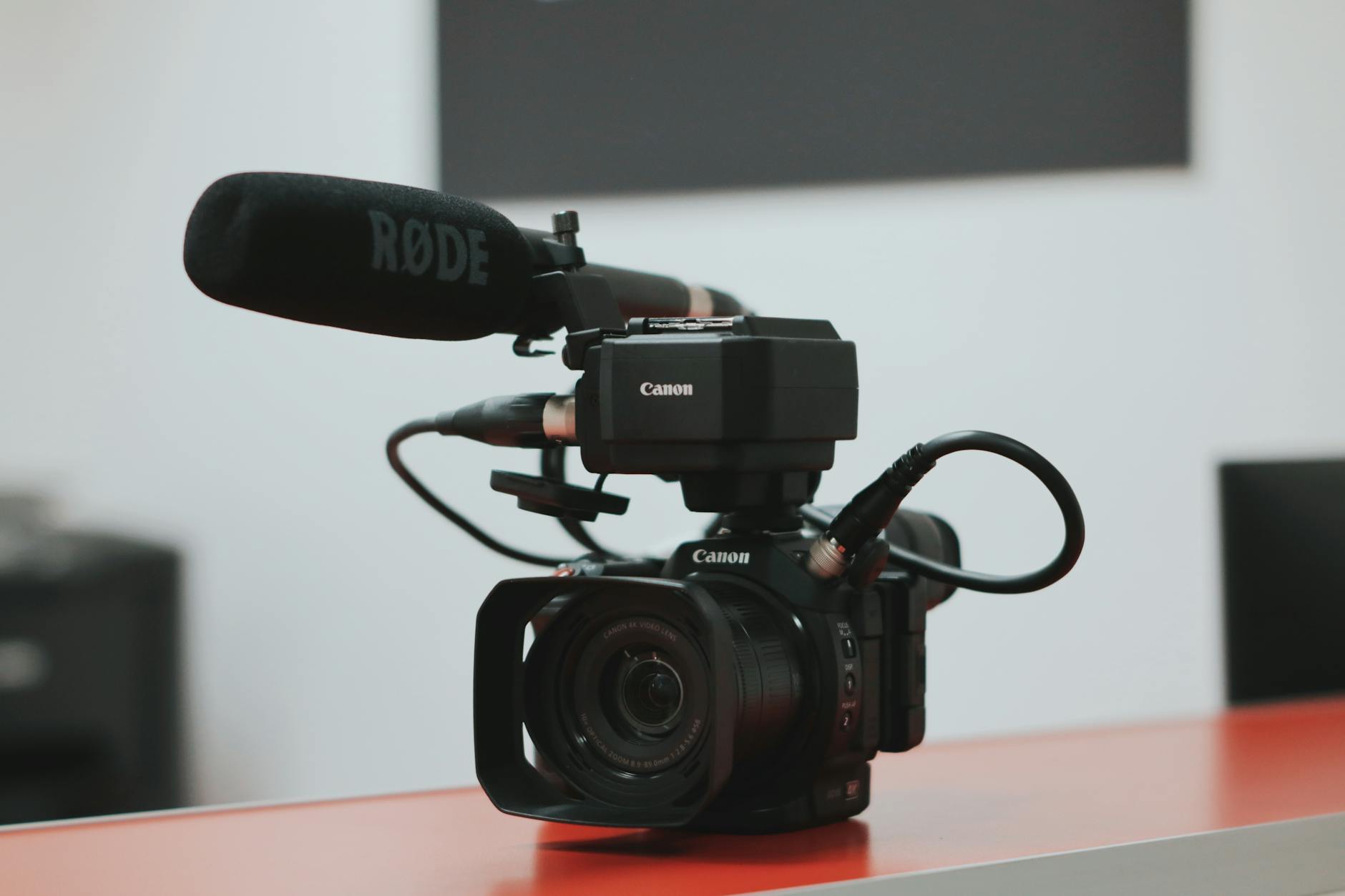
Lighting is fundamental to producing vivid, inviting images. Utilizing natural light effectively involves shooting during times when sunlight enhances the warmth and depth of rooms. For interiors, professional photographers often use diffused lighting to eliminate harsh shadows and balance brightness, ensuring details remain sharp. Proper lighting not only enhances the property's architectural details and color schemes but also sets the overall mood of the space.
Thoughtful Framing and Composition
Thoughtful framing ensures the key features of a space are emphasized. Utilizing techniques such as the rule of thirds guides the viewer’s eye to focal points within a room. Including leading lines or framing architectural elements directs attention and adds depth to images. Composition should aim for balance, showcasing the space’s flow and functional layout, helping prospective buyers envision themselves within the environment.
Sharp Focus and Clarity
Maintaining focus throughout the image guarantees that important features are well-defined, from intricate moldings to modern fixtures. High-resolution captures improve clarity, allowing viewers to scrutinize details that support the property’s value and appeal. Blurry or out-of-focus shots can diminish credibility and reduce interest, so meticulous attention to focus is essential.
Using these fundamental elements with precision ensures the property's best attributes are accentuated, creating a compelling portfolio of images that resonate with potential buyers. Combining technical skill with artistic sensibility transforms ordinary property photos into effective marketing tools, compelling viewers to take the next step in the buying process.
Choosing the Right Equipment for Property Photography
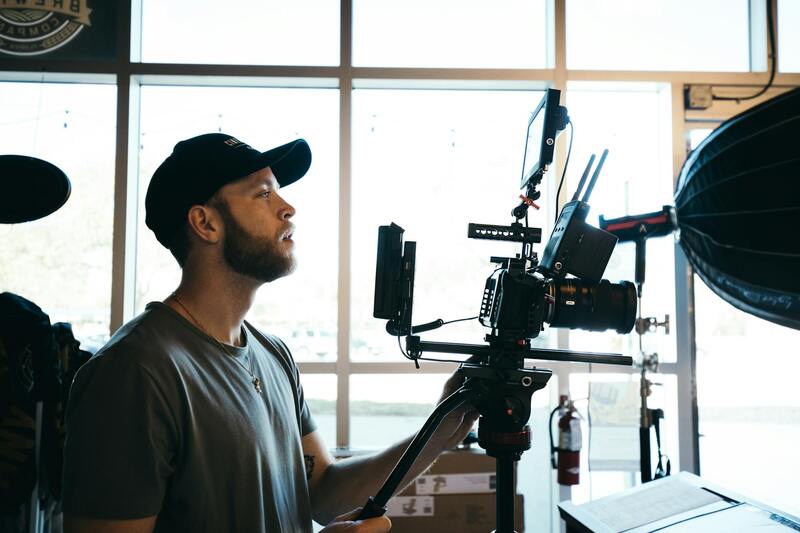
To effectively showcase Miami’s diverse real estate properties, selecting suitable photography equipment is essential. A high-quality digital single-lens reflex (DSLR) or mirrorless camera with a full-frame sensor is recommended. These cameras provide excellent image quality, better control over settings, and superior performance in various lighting conditions. For real estate photography, a camera with dynamic range capabilities helps capture both shadowed areas and bright highlights, ensuring a balanced exposure across the entire image.
Lenses and Accessories
Wide-angle lenses are crucial in real estate photography, allowing for expansive room shots that make spaces appear larger and more inviting. A lens with a focal length between 10mm and 24mm (for crop sensors) or 16mm to 35mm (for full-frame sensors) strikes a balance between capturing wide views and maintaining image quality. Additionally, a tilt-shift lens can be advantageous in reducing distortion, especially in architectural shots, and ensuring straight lines and true-to-life proportions.
Tripods are indispensable for stability, especially in low-light conditions or when shooting interior spaces where longer exposures are necessary. Remote shutters or camera timers help minimize vibrations and ensure sharp images. Extra batteries and memory cards should also be considered, given the often time-sensitive nature of property shoots. For Miami’s vibrant outdoor spaces, a drone with a high-resolution camera can provide aerial shots that add a unique perspective to listings.
Techniques for Capturing Attractive Interior Shots
Interior photography demands an eye for detail and understanding of space. To achieve compelling images:
- Use natural light whenever possible. Open curtains and blinds to flood the space with daylight, reducing the need for extensive post-processing. When natural light is limited, supplement with high-quality artificial lighting that mimics daylight.
- Employ HDR (High Dynamic Range) techniques by capturing multiple exposures. Combining these images in post-processing can reveal both shadowed and brightly lit areas, creating a balanced and vibrant final shot.
- Optimize camera settings by choosing a small aperture (high f-number) to get maximum depth of field, ensuring entire rooms are in sharp focus.
- Maintain a balanced composition, emphasizing architectural features or focal points in every room. Use a tripod to ensure consistency across shots and avoid camera shake.
- Pay attention to decluttering rooms before shooting. Clear all unnecessary items to create a clean, inviting space that appeals to prospective buyers.
Photographing Exterior and Outdoor Spaces
Exterior shots should highlight a property’s curb appeal and outdoor amenities. To enhance these photos:
- Choose the right time of day—early morning or late afternoon offers soft, warm light that enhances landscaping and architectural details without harsh shadows.
- Ensure the shot is level and that the horizon line is straight. Use a tripod with a bubble level if available.
- Capture multiple angles: front elevation, backyard vistas, pool areas, and any outdoor entertainment spaces. These provide a comprehensive view that appeals to buyers’ imaginations.
- Incorporate aerial drone photography to showcase larger properties or scenic coastal views unique to Miami. These shots can emphasize property size, landscape features, and proximity to beaches or parks.
- Ensure landscaping is well-maintained and staged to look vibrant and appealing in photographs. Consider staging outdoor furniture and adding decorative elements to create a welcoming atmosphere.
Post-Processing and Editing Tips
Post-processing is vital in refining images to reflect the property's best qualities. Use professional editing software to adjust brightness, contrast, and saturation, ensuring the images look natural yet vibrant. Correct lens distortions and straighten crooked lines, especially in architectural shots. Enhance interior lighting by subtly brightening shadowed areas without overexposing highlights. To maintain credibility, avoid excessive filters or unrealistic enhancements that could deceive viewers. Consistent color correction across all images ensures a cohesive portfolio that accurately depicts the property. Finally, crop images to eliminate distractions or unappealing elements, framing the scene to guide the viewer's eye toward key features.
Legal and Ethical Considerations in Real Estate Photography
Conducting real estate photography with professionalism and integrity is essential to maintaining credibility within the industry. Photographers must ensure that all images accurately represent the property, avoiding any manipulations that could mislead potential buyers. This transparency fosters trust and helps facilitate smooth transactions.
To uphold ethical standards, photographers should obtain proper permissions before photographing private property, especially when capturing aerial shots or drone footage. Clear agreements regarding image rights and usage rights should be established with clients beforehand, outlining how the photographs will be used and distributed. This prevents disputes and ensures compliance with relevant guidelines.
Respect for privacy is also paramount. Avoid capturing personal belongings or areas not intended for public view unless explicitly authorized. In cases of photographing interiors, ensure that culturally sensitive or private spaces are treated with discretion. When photographing outdoor spaces, consider the timing and angles to avoid infringing on neighbors' privacy.
Additionally, professional photographers should adhere to local regulations regarding drone usage if aerial photography is involved. This includes following prescribed altitude limits and respecting no-fly zones. Respecting laws related to privacy and airspace ensures that the photography process remains lawful and unobtrusive.
Ethical photography also involves honest representation. Photographers should avoid excessive retouching that significantly alters the reality of the property. The goal is to highlight the property's best features while providing an honest preview for potential buyers. This balanced approach helps set correct expectations and reduces the risk of disappointment during viewings.
Overall, embracing transparency, respecting privacy, and adhering to established guidelines not only enhances the reputation of the photographer but also contributes to a seamless and trustworthy real estate marketing process.
Techniques for Capturing Attractive Interior Shots
To produce compelling interior real estate photographs, it is vital to employ specific photographic techniques that highlight each space’s best features. Proper lighting is fundamental; utilizing natural light when possible helps bring out the warmth and openness of rooms, while supplementing with professional lighting fixtures ensures balanced illumination, especially in darker areas. Shooting during the day with ample sunlight can significantly enhance the vibrancy of interior views, making spaces appear more inviting and spacious.
Angles and composition also play a critical role. Shooting from a corner can create a sense of depth, providing a more comprehensive view of the space. Keep lines straight and ensure vertical surfaces such as walls and doors are aligned correctly to avoid distortion. Use wide-angle lenses judiciously to capture more of a room without causing excessive distortion, which could misrepresent the space’s true dimensions. Incorporating elements like furniture placement and decor can add context and warmth, helping prospective buyers visualize living in the property.
Maintaining a clean and clutter-free environment inside the home is essential before photographing. Decluttering removes distractions and emphasizes the features of the space, such as architectural details or modern finishes. Staging the property with minimal, elegant decor can elevate the aesthetic appeal. When photographing kitchens and bathrooms, ensure surfaces are spotless and gadgets or personal items are neatly arranged. Highlight unique features like a fireplace, large windows, or custom cabinetry to make the property stand out.

Posture and camera height are also crucial considerations. Shooting at eye level or slightly above generally provides the most natural perspective. For higher ceilings or spaces with impressive architectural elements, experimenting with different vantage points can add depth. Ensuring consistent color balance and exposure across all interior images facilitates a cohesive visual story that guides potential buyers through the property.
In addition to technical skills, understanding the flow of spaces and the story they tell is vital for creating a persuasive visual narrative. The goal is to evoke an emotional response by showcasing the property's best qualities authentically. Precision in capturing these details can significantly influence a viewer’s desire to explore further, increasing the likelihood of a property progressing to the next stage of the buying process.
Legal and Ethical Considerations
Successfully marketing a property through high-quality real estate photography hinges not only on technical skill and aesthetic judgment but also on adherence to established standards and practices that ensure transparency and honesty. When capturing images, it is essential to present the property accurately, avoiding any form of manipulation that could mislead prospective buyers. This commitment to integrity fosters trust between photographers, clients, and eventual buyers, ensuring the photographed property aligns with its actual condition.
One of the fundamental responsibilities involves safeguarding the authenticity of the images. This means capturing the property in a way that truly represents its features, scale, and condition without exaggeration. Overly edited images that distort reality can lead to misunderstandings or dissatisfaction during viewing, which undermines the reputation of the photographer and the trustworthiness of the listing.
Another critical aspect is respecting private property and personal privacy. Photographers should always seek permission before photographing private areas and avoid capturing images that might infringe on occupants' privacy or security. It is also prudent to disclose if any images have undergone post-processing that modifies elements of the scene, to maintain transparency with clients and viewers.
Furthermore, understanding and complying with local advertising standards and regulations is vital. This might include preventing the presentation of false or misleading information about the property’s features or condition. Photographers should provide honest representations that accurately highlight the property’s best qualities without creating false expectations.
Establishing clear communication with real estate agents and clients about the scope of work, the extent of post-production editing, and the intended use of images helps ensure alignment of expectations. Documentation of agreements or real estate photography contracts can clarify responsibilities, rights, and usage permissions, thereby protecting all parties involved.
Maintaining ethical standards not only preserves professional integrity but also contributes to a positive reputation in the real estate photography industry. Reliable, honest practices attract repeat clients and referrals, reinforcing a photographer's standing as a reputable provider in the competitive landscape of real estate marketing.
Post-Processing and Editing Tips
Effective post-processing is essential to enhance the visual appeal of real estate images while maintaining honesty and transparency. The primary goal is to produce photographs that accurately represent the property, helping prospective buyers visualize the space without deceptive alterations. When editing, focus on adjusting brightness, contrast, and color balance to create vibrant and inviting images that reflect the property's true condition.
Use professional editing software to correct distortions, especially those caused by wide-angle lenses, which can sometimes exaggerate space or misrepresent proportions. Correcting lens distortion ensures the photographs remain true to life, preventing potential misrepresentations that could lead to buyer distrust.
Retouching should be subtle; removing clutter or minor imperfections can make spaces appear more appealing but should not alter the fundamental features of the property. Highlight key architectural details or features using selective enhancements, such as sharpening or localized brightness adjustments, to draw attention to desirable elements.

It’s also beneficial to standardize editing practices, establishing a consistent look for property listings. Consistency reinforces branding and professional quality, which can help in building a reputation that clients trust.
Lastly, always keep original, unedited copies of your photos. This practice ensures that you can return to the original images if needed and provides a baseline for comparison or further adjustments, fostering transparency and accountability in your workflow.
Legal and Ethical Considerations in Real Estate Photography
Ensuring the integrity and accuracy of property images is fundamental in maintaining trust and transparency within the real estate market. Utilizing legitimate methods to capture and present property photos not only enhances credibility but also aligns with best practices for ethical marketing.
One of the primary aspects to consider is the accurate representation of a property's features. This involves capturing images that honestly showcase the space without exaggeration. Wide-angle lenses are commonly used to create a sense of spaciousness; however, they should be employed thoughtfully to avoid distortion that could mislead potential buyers or renters. Proper camera placement and lens choice are crucial to producing truthful visuals that accurately depict proportions and spatial relationships.
Authentic Use of Editing Techniques
Post-processing is an integral part of real estate photography, yet it must be approached with integrity. Adjustments to brightness, contrast, and color should aim to enhance visibility and appeal without altering the property's true appearance. Subtle retouching can help eliminate distracting elements like clutter or minor imperfections, but it should never create a deceptive image of the property’s condition.
- Color correction should reflect the actual hues of walls, flooring, and furnishings.
- Distortion correction is necessary to maintain proportional accuracy, especially after wide-angle shots.
- Retouching should be minimal and performed with precision to prevent misrepresentation.
Respect for Privacy and Property Boundaries
When photographing exterior spaces, it's important to respect property boundaries and neighbors' privacy. This includes avoiding capturing unintended private areas or individuals without permission. Clear understanding of the legal considerations surrounding property boundaries ensures photographers do not infringe upon individual rights or property rights.
Data Management and Copyright
Maintaining transparency with clients regarding image ownership is essential. Typically, property owners and real estate agents retain rights to the photographs, but photographers should establish clear agreements about usage rights and access. Properly watermarking images can protect intellectual property, especially when images are shared across various platforms. Additionally, storing original, unedited images securely ensures the ability to provide authentic visuals if disputes arise or further editing is required.
By adhering to these established standards, real estate photographers contribute positively to a trustworthy marketplace and uphold the professionalism that clients expect. When images truthfully and ethically represent properties, they foster informed decision-making and cultivate long-term client relationships built on integrity and confidence.