Overview of Drone Marketing in Real Estate
In recent years, drone technology has revolutionized the way real estate professionals showcase properties. The integration of drone photography and videography allows for a comprehensive and dynamic presentation of real estate listings. Unlike traditional methods, drone footage captures expansive views of property exteriors, surrounding neighborhoods, and unique landscape features, providing potential buyers with a perspective that was previously difficult to obtain.
This innovative approach enhances visual storytelling, making listings more engaging and informative. High-quality aerial imagery can highlight property size, layout, and proximity to amenities, positioning listings ahead of competitors. Furthermore, aerial videos can demonstrate the flow of outdoor spaces, the condition of rooftops, pools, gardens, and nearby community features, providing a 360-degree view that static images cannot match.
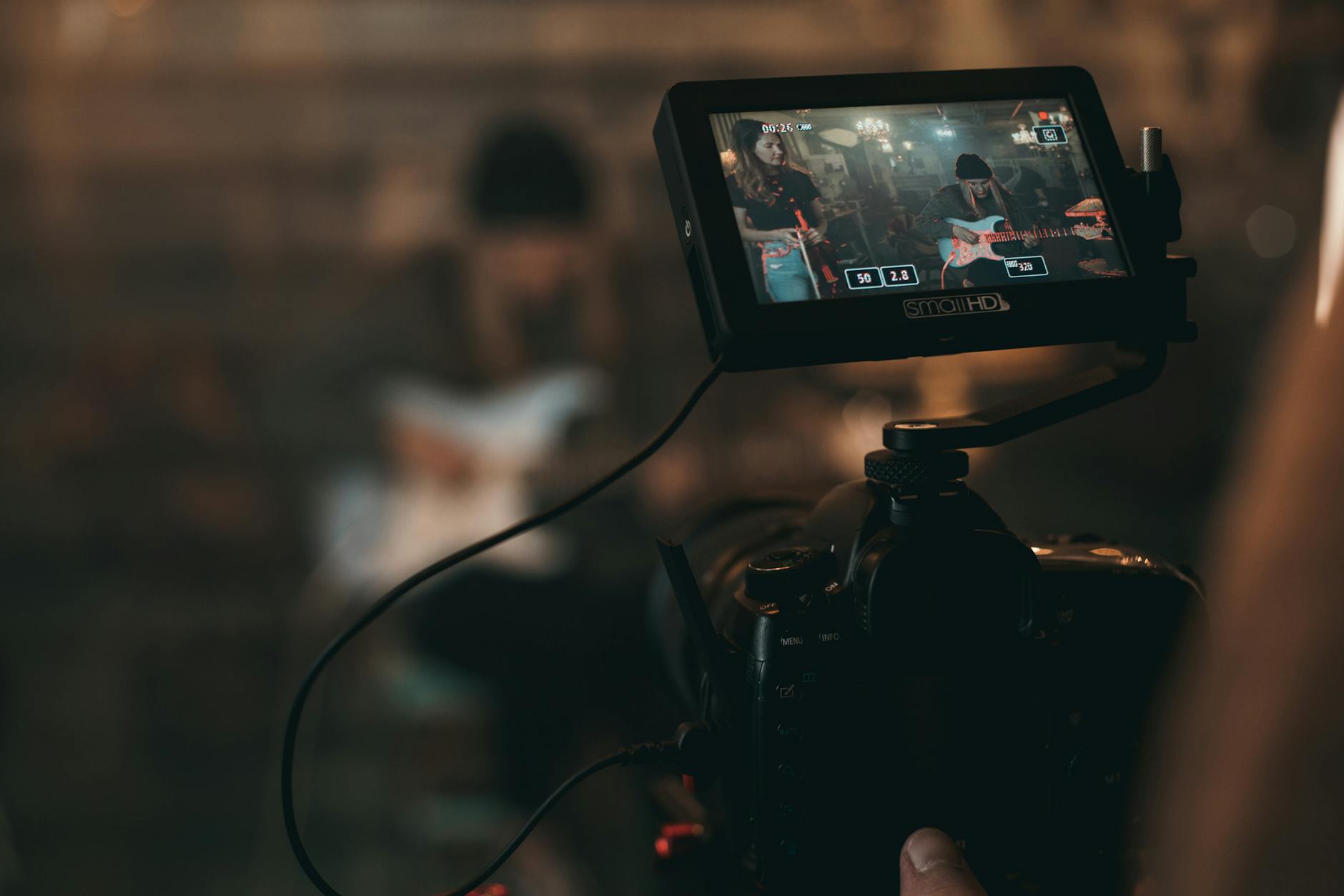
For real estate agents and marketers, incorporating drone content into listings enhances marketing effectiveness, expands reach through online platforms, and ultimately accelerates sale processes. The evolving capabilities of drone technology allow for stunning cinematography that elevates brand reputation and builds trust with prospective clients.
Advantages of Using Drones for Real Estate Listings
- Enhanced Property Presentation: Aerial footage provides a more comprehensive view of property features and location advantages.
- Increased Engagement: Visually compelling content attracts more views, shares, and inquiries through digital channels.
- Broader Market Reach: Drone videos are highly shareable on social media, expanding the audience base.
- Time Efficiency: High-quality drone footage can quickly showcase multiple property aspects, saving time for agents and clients.
- Competitive Differentiation: Listings with professional drone media stand out in a crowded market.
The adoption of drone marketing strategies is now a key component in modern real estate advertising, especially in highly competitive markets like Miami, where showcasing the exterior and surrounding environment can be the key to closing deals faster.
Legal and Regulatory Considerations in Miami
Implementing drone marketing in the Miami real estate market necessitates adherence to specific operational standards and protocols designed to ensure safety and privacy. Real estate professionals leveraging drone technology must stay informed about the established guidelines that govern drone flights over private property, public spaces, and during specific times of the day to minimize risks and disturbances.
Complying with local regulations involves securing clearances from relevant authorities, which may include registering drones, obtaining necessary permits, and adhering to designated flight distances from populated areas or critical infrastructure. Proper documentation and adherence to these regulations reflect a commitment to professionalism and responsible marketing practices.
Additionally, pilots should consistently assess weather conditions to avoid hazardous situations during drone operations. Maintaining up-to-date knowledge about airspace restrictions, temporary flight zones, and no-fly areas ensures that drone activities align with legal requirements while maximizing footage quality.
For real estate agencies and marketers, establishing protocols for pilot certification, operational safety checks, and flight planning not only safeguards the quality of the content produced but also demonstrates credibility to clients and stakeholders.
Besides operational compliance, respecting privacy norms is crucial when capturing footage in residential neighborhoods or densely populated areas. Ensuring that drone images focus on property features without infringing on neighboring privacy rights fosters trust and maintains a positive reputation within the community.
To effectively utilize drone footage within marketing campaigns, it is essential to develop a comprehensive understanding of the regulations unique to Miami. Collaborating with licensed drone operators who are well-versed in local rules provides a reliable foundation for acquiring high-quality aerial content without compromising compliance.
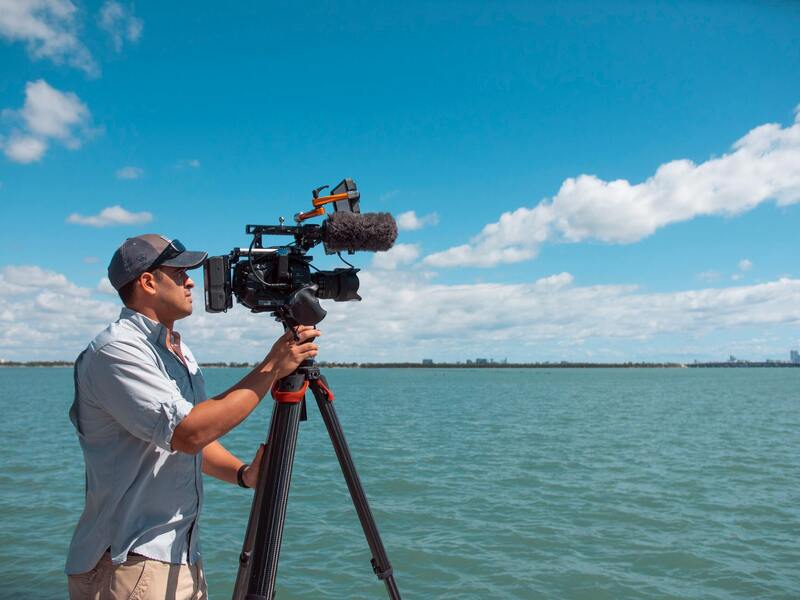
Legal and Regulatory Considerations in Miami
Implementing drone marketing strategies for real estate in Miami requires a comprehensive understanding of specific operational guidelines and compliance standards. These measures ensure that aerial content is captured within designated parameters, respecting both the environment and community standards. Real estate professionals and marketers should prioritize working with licensed drone operators who are familiar with local customs and regulatory frameworks. This collaboration guarantees that all footage is obtained legally and ethically, fostering trust among clients and residents alike.
Within the Miami region, drone operations must adhere to established flight restrictions and safety protocols designed to protect public safety and private property. Operators are typically required to obtain certifications demonstrating proficiency and knowledge of airspace management. These certifications often encompass understanding height limitations, restricted zones, and flight time restrictions, which vary depending on the specific neighborhood or area in question.
Privacy concerns are a central aspect of drone use in densely populated environments like Miami. Marketers need to ensure that drone flights focus solely on the properties of interest without infringing on neighbors’ privacy rights. Proper planning and pre-flight assessments help avoid capturing intrusive footage, thereby maintaining the company's reputation and fostering positive community relations.
Another important consideration involves the alignment of drone activities with local ordinances and regulations governing airspace use. Miami-Dade County, for example, may have specific rules related to altitude limits, flight windows, and no-fly zones, especially near airports, government buildings, or critical infrastructure. Regular updates from the Federal Aviation Administration (FAA) and local authorities should inform operational plans and flight schedules.
Documentation plays a vital role in demonstrating compliance during inspections or audits. Keeping records of flight plans, safety checks, and pilot certifications can mitigate potential issues and reinforce a professional, transparent approach to drone marketing. Additionally, verification of insurance coverage for drone operations can cover liabilities and safeguard investments.
In the context of real estate listing promotions, employing reputable drone service providers with a proven track record in Miami ensures adherence to all stipulated regulations. Such providers bring valuable expertise in navigating the complex regulatory landscape while delivering high-quality aerial footage tailored to the unique features of Miami’s diverse neighborhoods.
Utilizing Best Practices for Drone Content Creation
Developing impactful drone footage for real estate listings requires a strategic approach that emphasizes both technical precision and artistic storytelling. High-quality visuals should highlight the property's architectural features, surrounding landscape, and neighborhood amenities, creating an immersive experience for prospective buyers. To achieve this, operators should focus on optimal camera angles that showcase the property's unique selling points, such as panoramic views or spacious outdoor areas.
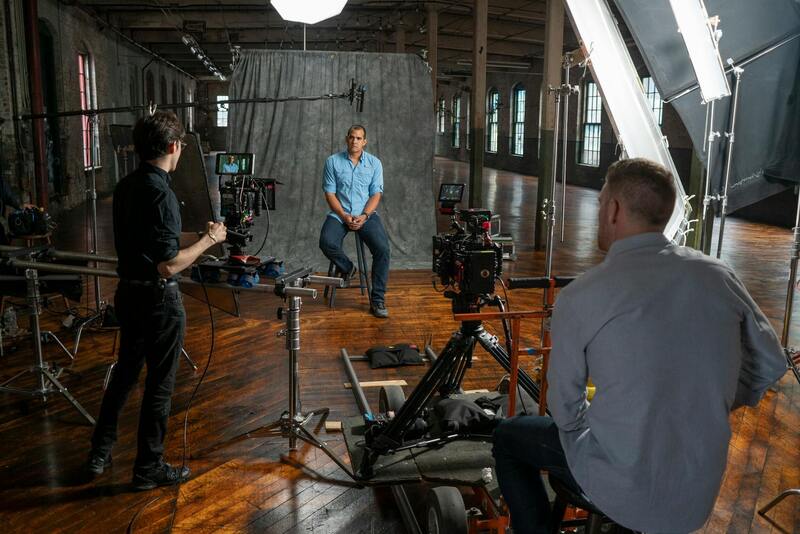
Lighting plays a crucial role in drone photography. Shooting during the golden hours—early morning or late afternoon—ensures natural, warm illumination that highlights textures and colors effectively. Overcast days can also be advantageous for avoiding harsh shadows, resulting in more balanced images.
Storytelling with drone footage involves crafting a narrative that guides viewers through the property, illustrating key aspects step-by-step. This can include starting with a wide shot of the neighborhood to set context, then zooming into the entrance, sweeping over the backyard, and finally showcasing interior transitions if possible. Combining aerial shots with ground-level footage can provide a comprehensive view, emphasizing layout flow and property scale.
Stability and smoothness are vital for professional-quality content. Utilizing gimbals or stabilized drones ensures footage remains clear and free from jitter, thereby maintaining viewer engagement. Additionally, incorporating various flight paths and perspective changes adds dynamic interest and depth to the visuals.
Sound quality, although less critical for aerial shots, can enhance the overall presentation when combined with narrative voiceovers or background music. Clear, professional narration can guide viewers through the property's features, highlighting benefits and inviting further inquiry.
Enhancing Engagement Through Drone-Based Storytelling
Effective drone content is not solely about capturing pretty pictures—it's about crafting a compelling story that resonates with potential buyers. Highlighting proximity to key Miami attractions, local parks, and coastal areas can strengthen the property's appeal. Additionally, showcasing neighborhood features like schools, shopping centers, and transportation hubs helps paint a comprehensive picture of the lifestyle on offer.
Incorporating high-quality drone footage into broader marketing channels—such as virtual tours, social media campaigns, and website listings—maximizes visibility. When viewers can experience the property from various perspectives, it fosters stronger emotional connections and increases the likelihood of engagement.
Creating Effective Drone Content for Real Estate
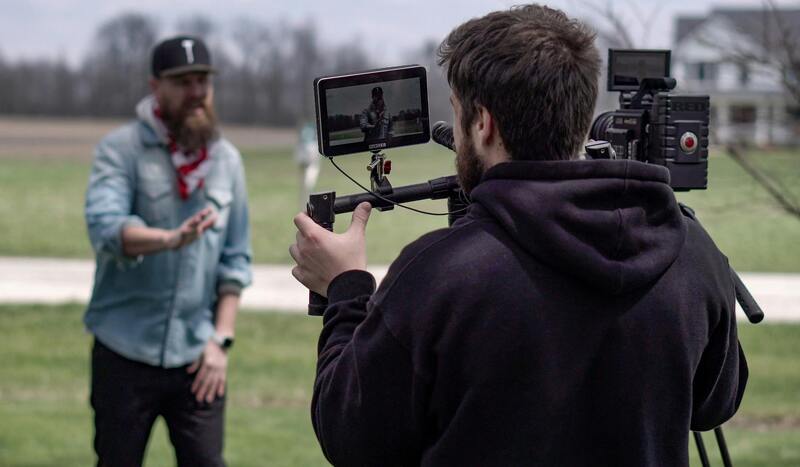
To maximize the impact of drone marketing for real estate, it is essential to develop compelling visual narratives that highlight the unique features of each property and its surroundings. High-quality drone footage can dramatically increase a property's appeal, but the key lies in how this footage is integrated into a cohesive storytelling approach. This involves strategic planning of flight paths and perspective shifts that accentuate architectural details, outdoor amenities, and the overall landscape.
When shooting drone content, focus on capturing multiple angles—overhead views, oblique shots, and panoramic sweeps—allowing prospective buyers to experience the property from various vantage points. Using stabilized gimbals ensures smooth footage, which contributes to a professional presentation that builds trust and credibility. Complementing aerial visuals with detailed ground shots can provide a comprehensive perspective, showcasing both the property's exterior and interior layout for a full appreciation of its potential.
Lighting conditions during flight should be carefully considered to enhance the property's visual appeal—early morning or late afternoon light, known as the golden hour, adds warmth and richness to footage. Additionally, dynamic flight paths that follow the property's contours or lead viewers through landscaped gardens and outdoor living spaces engage the audience by creating an immersive experience.
Incorporating narrative elements into drone footage—such as voiceovers or background music—can further elevate the storytelling. Highlighting neighborhood features like nearby parks, beaches, shops, and transportation hubs helps paint a vivid picture of the lifestyle that comes with the property. This contextual storytelling fosters emotional connections, making the listing more memorable and persuasive.
Peter preparation for drone shoots includes meticulous planning, ensuring all necessary permits and clearances are in place, as well as coordinating with property owners and stakeholders. Post-processing is equally important, where color correction, stabilization, and editing techniques refine footage for a polished delivery that aligns with the overall branding strategy.
Effective use of drone footage extends beyond individual property listings. Integrating these visuals into comprehensive marketing campaigns—such as virtual tours, property websites, and social media content—amplifies exposure and attracts a broader audience. When prospective buyers can virtually tour a property from their devices, it enhances engagement and accelerates the decision-making process.
In sum, creating compelling drone content hinges on thoughtful planning, technical precision, and strategic storytelling. A well-executed drone video showcases not just the property's features but also the lifestyle it offers, positioning it as a desirable choice in the competitive Miami real estate market.
Creating Effective Drone Content for Real Estate
Developing impactful drone content requires a comprehensive approach that combines technical skill with strategic storytelling. Successful drone videos and images should not only showcase the property's exterior and interior features but also highlight its surrounding environment, accessibility, and unique selling points. High-quality visuals can effectively convey the scale and grandeur of a property, while also providing potential buyers with a virtual sense of space and ambiance.
To achieve this, pre-production planning is essential. This involves selecting optimal times of day to capture natural lighting, such as early morning or late afternoon, to create warm, inviting visuals. It's also crucial to plan flight paths that encompass all key areas of the property, ensuring seamless coverage of the entire estate, including gardens, driveways, pools, and other amenities.
During the shoot, attention to camera angles and movement enhances storytelling. Dynamic shots, such as sweeping transitions from street level to aerial perspectives, can illustrate the property's size and scale more effectively. Utilizing different altitudes and perspectives helps to portray details that might be missed from static images, offering a comprehensive view of the property.
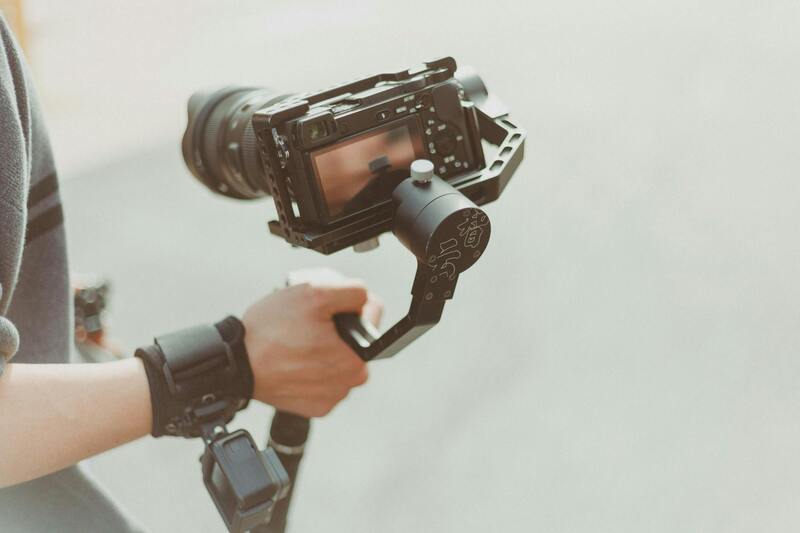
Post-production editing plays a vital role in refining drone footage. Color correction ensures visuals are vibrant and true to life, while stabilization eliminates shaky movements, producing smooth footage. Incorporating branded overlays or contact information subtly within the video can enhance marketing efforts. Additionally, adding engaging background music and narration helps convey the property's story and its lifestyle benefits.
Consistency in style and message across all content aligns visuals with the overall branding strategy, reinforcing professionalism and trustworthiness. When integrated with high-quality photographs and well-crafted captions, compelling drone visuals become central points of engagement on multiple marketing platforms.
In practice, posting a series of drone shots across social media channels, property websites, and email campaigns ensures maximum visibility. Interactive virtual tours that include drone footage allow prospective buyers to explore a listing remotely, fostering increased interest and faster decision-making. Ultimately, creating effective drone content is a meticulous process that, when executed with precision and creativity, elevates the property's appeal and significantly enhances overall marketing success.
Creating Effective Drone Content for Real Estate
Developing high-quality drone content requires a strategic approach that combines technical proficiency with creative storytelling. To maximize impact, real estate professionals should focus on capturing both broad property extents and intricate details through carefully planned flight paths and shot angles. This entails planning routes that highlight key property features, such as lush landscapes, architectural details, and overall layout, while maintaining optimal lighting conditions, typically during the golden hours of early morning or late afternoon.
Post-production editing is a crucial stage, involving color grading to enhance vibrancy and ensure true-to-life visuals. Stabilization software can smooth out any drone movement, providing seamless footage that doesn't distract viewers. Adding subtle branding overlays or contact details directly onto the video ensures viewers retain brand awareness without compromising visual appeal. Background music and narration further engage viewers, conveying the property's unique story and lifestyle context effectively.
In crafting compelling drone content, consistency across visuals and messaging is essential. This not only builds brand recognition but also reinforces professionalism across multiple marketing channels. A cohesive visual style—whether through color palettes, overlay designs, or editing techniques—ensures that all content aligns with the overall branding strategy.
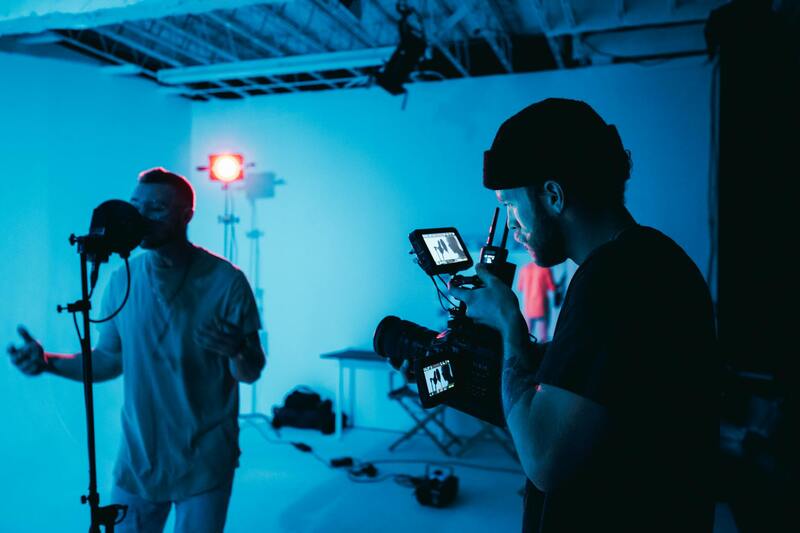
In addition to standalone videos, integrating drone footage into virtual property tours enhances the digital experience. Interactive virtual tours that combine ground-level shots with sweeping drone views allow prospective buyers to explore properties remotely, increasing engagement and interest. This layered approach provides a comprehensive perspective, helping buyers visualize spatial relationships and property details more vividly.
Furthermore, embedding drone visuals into social media campaigns, website galleries, and email marketing creates multiple touchpoints that expand reach and visibility. When employed thoughtfully, drone content elevates the overall presentation, helping listings stand out in a competitive market.
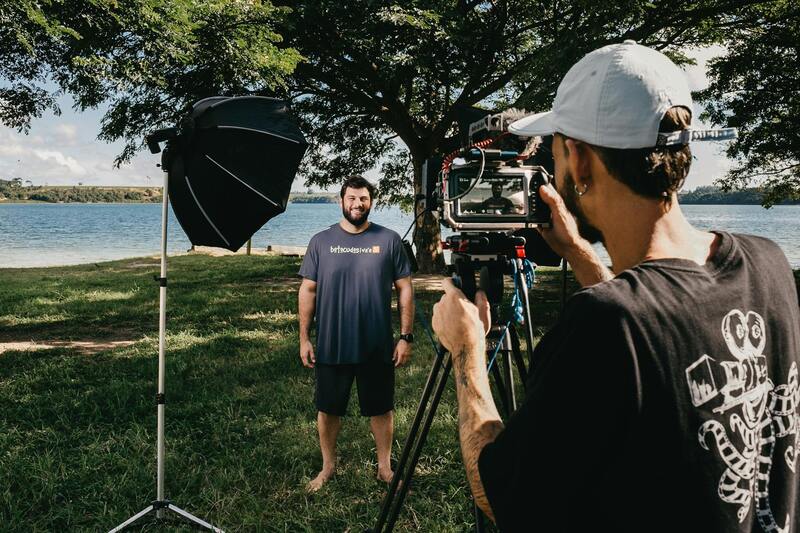
Overall, effective drone content creation is a meticulous process defined by strategic planning, technical execution, and storytelling finesse. When executed correctly, drone visuals serve as powerful tools that showcase properties in their best light, capturing attention and fostering quicker, more informed decision-making among prospective buyers.
Incorporating Drone Footage into Broader Marketing Strategies
To maximize the impact of drone marketing for real estate, it is essential to thoughtfully integrate aerial visuals into a comprehensive marketing framework. High-quality drone footage should not stand alone but rather complement other forms of content to create a cohesive narrative that resonates with prospective buyers. This approach ensures that each element—from professional photography and virtual tours to social media campaigns—works synergistically to elevate the property's appeal.
One effective method involves embedding drone videos into virtual property tours. These tours combine ground-level imagery with sweeping aerial shots, offering a layered viewing experience. Such integration allows potential buyers to appreciate both intimate details and overarching property layouts, fostering a deeper understanding of the property's layout and unique features. Additionally, interactive virtual tours that incorporate drone footage can simulate an in-person visit, making remote viewing more engaging and informative.
Social media platforms and website galleries serve as prime avenues for showcasing drone content. Strategically curated aerial videos and photographs not only attract attention but also reinforce branding consistency. For example, a real estate company might develop a dedicated social media campaign focused on highlighting neighborhood highlights such as parks, schools, or commercial districts, all captured visually through drone footage. This multi-platform strategy broadens exposure and consistently emphasizes the property's best features.
Leveraging Data and Analytics to Refine Drone Marketing Efforts
Successful drone marketing also includes monitoring engagement metrics to understand which visuals resonate most with viewers. Data such as view counts, engagement rates, and user interaction time can inform adjustments in content style, timing, and distribution channels. Regular analysis enables marketers to refine their strategies, ensuring that drone visuals contribute effectively to lead generation and property sales.
Implementing Customer-Centric Drone Campaigns
Incorporating feedback from potential buyers is another key component. Conducting surveys or engaging in direct conversations about what aspects of drone visuals enhance their understanding of the property can guide future content creation. This customer-centric approach ensures that drone marketing efforts remain aligned with buyer preferences and expectations, ultimately enhancing the effectiveness of campaigns in competitive markets like Miami.
Complementing Drone Marketing with Traditional Methods
While drone visuals are powerful, they should complement traditional marketing methods rather than replace them. High-quality ground photography, informational brochures, and personalized virtual consultations remain integral to a well-rounded marketing approach. Combining these elements with aerial footage creates a rich, layered presentation that appeals to a broad audience, helping properties stand out in Miami's dynamic real estate landscape.
Continued innovation in drone technology and marketing strategies will open new possibilities for showcasing properties. Staying informed about emerging tools and adapting these technologies into marketing plans will ensure that real estate professionals remain at the forefront of the industry while providing prospective buyers with compelling, immersive property experiences.