Importance of Creative Real Estate Photography
In the bustling Miami real estate market, capturing the attention of potential buyers requires more than just standard property images. Creative real estate photography plays a pivotal role in elevating property listings by showcasing spaces in an engaging and visually compelling manner. When photos stand out, they can evoke emotional responses, generate greater interest, and motivate quicker sales. High-quality, imaginative imagery sets properties apart from the competition and communicates the lifestyle, ambiance, and unique features of each space effectively.
Buyers increasingly rely on digital listings to make initial judgments about properties, making the quality of visual content crucial. Innovative photography techniques can highlight architectural details, utilize natural and artificial lighting creatively, and incorporate perspectives that allow viewers to visualize themselves in the space. For Miami properties, with their distinctive architecture, vibrant neighborhoods, and picturesque surroundings, creative imagery can vividly portray what makes each listing special.
Furthermore, well-executed creative photos can extend a property's reach in online marketing channels, social media shares, and real estate portals. They help generate buzz and attract more engagement, which is critical in Miami's competitive environment. Ultimately, creative real estate photography enhances the perception of value, accelerates the decision-making process, and elevates the overall sales performance of listings.

Key Elements of Creative Real Estate Photos
- Lighting: Utilizing natural light during the day and artificial lighting to enhance interiors
- Composition: Framing spaces to emphasize architecture and flow
- Angles: Shooting from perspectives that showcase spaciousness and design details
- Details: Highlighting unique features such as custom finishes, art, or landscape elements
- Color Harmony: Ensuring colors appear vibrant and true to life, adding appeal and mood
Techniques for Shooting Creative Real Estate Photos
Capturing compelling real estate images requires a strategic approach that combines technical mastery with artistic vision. Photographers focusing on creative real estate photos employ a range of techniques to enhance the visual appeal and storytelling quality of each property. One fundamental method is the use of multiple exposures to balance interior lighting and exterior views, ensuring that both are well-lit and detailed. This technique helps overcome challenges posed by complex lighting conditions often found in Miami properties, where bright sunlight and shaded areas coexist.
In addition, utilizing wide-angle lenses is common to depict spaciousness and architectural features effectively. Creative photographers often experiment with different focal lengths to emphasize specific elements, such as high ceilings or unique design features. Low and high angles are also frequently used to create a sense of grandeur or to highlight intricate details that might be overlooked from standard eye-level shots.
Another key technique involves the manipulation of perspective to guide viewers' attention towards focal points within a room or exterior landscape. Leading lines, natural frames, and balanced compositions direct the eye naturally through the photograph, elevating the visual narrative of each space. For Miami homes with lush outdoor environments, aerial shots captured via drone photography can significantly enhance the presentation by showcasing the full property and its surrounding landscape.
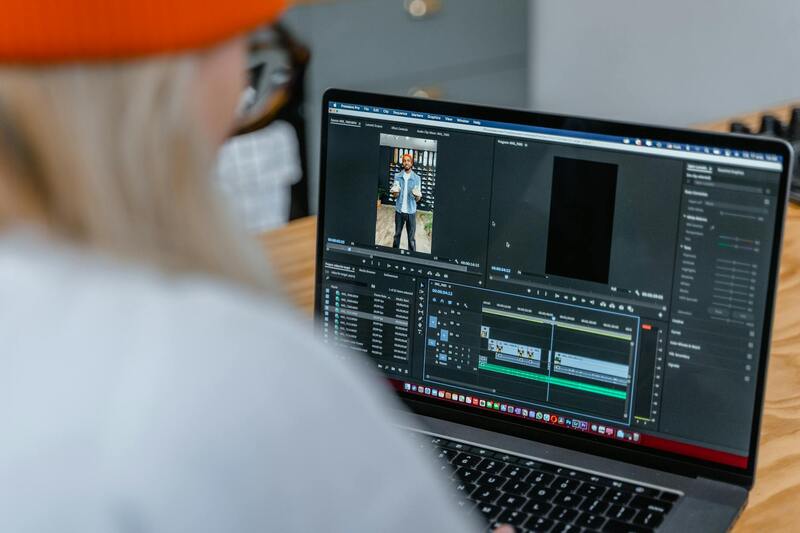
Finally, incorporating movement or dynamic elements, such as capturing the flow of light through windows during different times of the day, adds a lively, authentic feel to the images. This not only highlights the property's natural ambiance but also helps prospective buyers envision living there in real-world conditions.
Overall, combining technical expertise with a creative approach to framing and perspective allows real estate professionals to craft images that are both visually striking and effectively tailored to draw emotional responses from potential buyers.
Techniques for Shooting Creative Real Estate Photos
Achieving captivating and distinctive real estate images requires the implementation of specialized photography techniques that highlight each property's unique characteristics. One of the foundational methods involves the use of drone photography, which provides stunning aerial perspectives, especially effective in a vibrant city like Miami. These elevated shots not only reveal the full scope of a property’s layout but also emphasize outdoor spaces, gardens, and proximity to local attractions, offering prospective buyers a comprehensive visual experience.
Wide-angle lenses continue to be a staple in real estate imaging, enabling photographers to capture expansive interiors within a single shot. When used skillfully, wide-angle shots convey spaciousness and scale, making rooms appear larger and more inviting. Strategic positioning and proper lens correction eliminate distortion, ensuring that the architecture's proportions are preserved and the space is represented accurately.
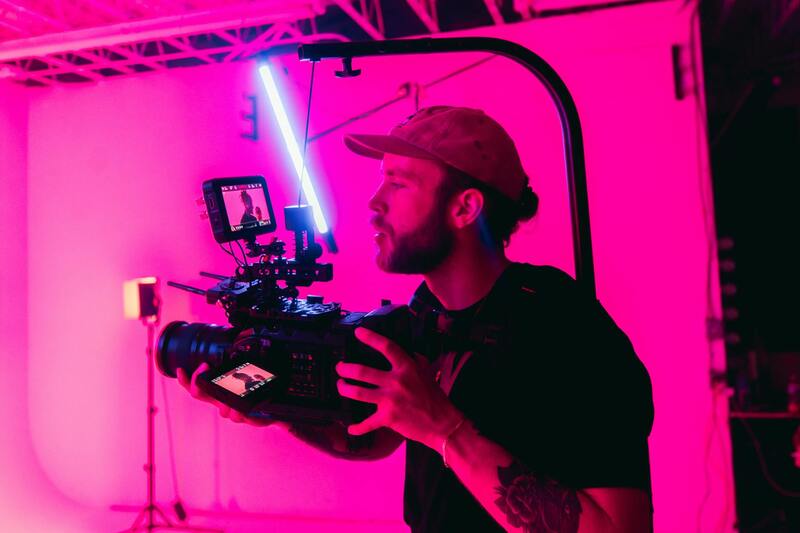
Twilight photography has gained popularity for its ability to create warm, inviting atmospheres. Shooting during the blue hour, just after sunset, allows the natural sky’s soft, diffuse light to complement interior lighting, resulting in images that exude warmth and depth. These photos are particularly effective in highlighting properties with impressive lighting features or views of vibrant cityscapes and water bodies, characteristic of Miami's picturesque environment.
Incorporating dynamic elements such as capturing movement—water flowing, curtains fluttering, or natural light casting patterns—adds life to the images. Such techniques evoke an emotional response and help viewers imagine themselves in the space. Additionally, experimenting with different angles and perspectives—low, high, or unusual viewpoints—can reveal architectural nuances and creative perspectives that standard shots often overlook.
Overall, combining these techniques with artistic vision enables real estate professionals to produce images that stand out in a competitive market, effectively communicating the property's essence and lifestyle appeal.
Techniques for Shooting Creative Real Estate Photos
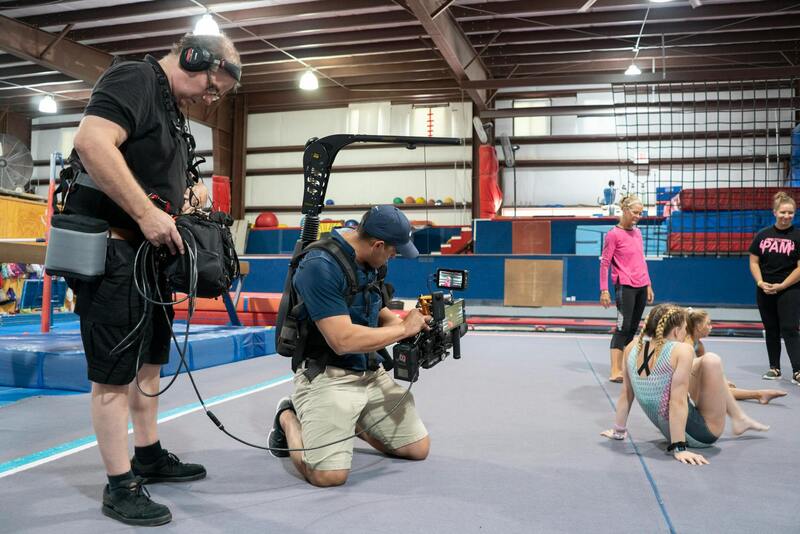
Capturing compelling creative real estate photos involves a blend of technical skill and artistic vision. To effectively showcase a property’s best features, photographers employ various strategies that enhance visual appeal while maintaining authenticity. One fundamental approach is the careful use of lighting and angle selection to highlight architectural details and interior features.
Utilizing natural light by shooting during the golden or blue hours can dramatically improve image warmth and depth, creating a welcoming atmosphere that resonates emotionally with viewers. Supplementing natural light with well-placed artificial lighting ensures that even shadowed areas are illuminated, revealing textures and surfaces in their true color and form. When appropriate, adding subtle lighting accents emphasizes focal points within the space, such as fireplaces, artwork, or interesting architectural elements.
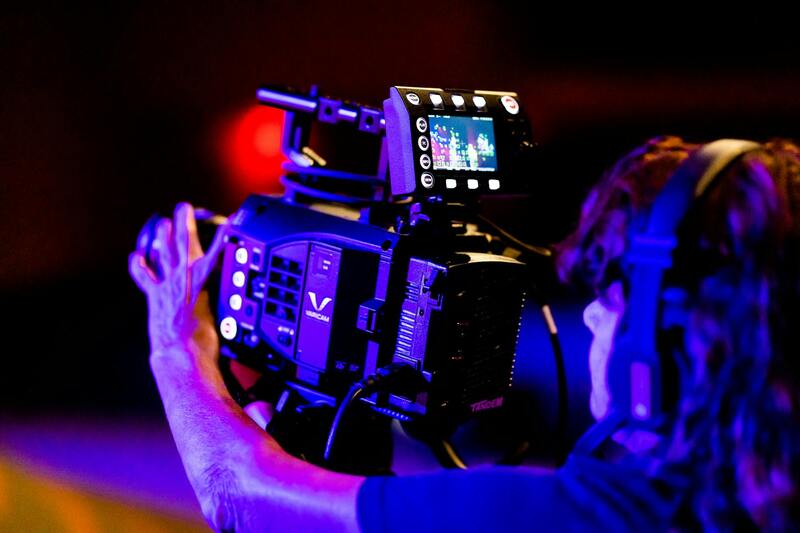
Choosing the right perspective is also vital. Low angles can accentuate ceiling height and spaciousness, making rooms appear larger and more impressive. Conversely, high vantage points capture a broader scope of the scene, providing context and demonstrating how spaces connect and flow. Experimenting with unconventional angles—such as shooting from a corner or through architectural elements—can offer fresh viewpoints that create striking visuals.
Incorporating movement into shots is an innovative technique to infuse energy and realism. For instance, capturing the flow of water in fountains, the sway of drapery, or natural sunlight filtering through windows introduces dynamic elements that evoke liveliness. These techniques highlight lifestyle possibilities and help prospective buyers visualize themselves in the space.
Meanwhile, experimenting with different lens choices and perspectives, such as tilt-shift or fisheye lenses, can imbue images with a distinctive look that makes listings stand out. Maintaining a balanced composition ensures that the visual storytelling remains honest while attracting attention through artistic flair. This careful combination of technical precision and creative insight is essential for producing photos that not only attract viewers but also faithfully represent the property’s unique qualities.
Techniques for Shooting Creative Real Estate Photos
Achieving compelling and innovative images requires the application of specialized techniques that elevate standard property photography into an art form. Utilizing natural light effectively is fundamental; shooting during golden hour, when the sunlight is warm and diffused, can dramatically enhance the ambiance of a space. This approach underscores the property's inviting atmosphere and highlights architectural details without creating harsh shadows.
Lens selection plays a crucial role in capturing unique perspectives. Wide-angle lenses are popular for showcasing interior volume and layout, but experimenting with tilt-shift lenses allows for precise control over perspective distortion, giving images a meticulously balanced appearance. Fisheye lenses introduce a creative distortion that can add a playful or artistic touch, especially suited for emphasizing large, open areas or outdoor features.
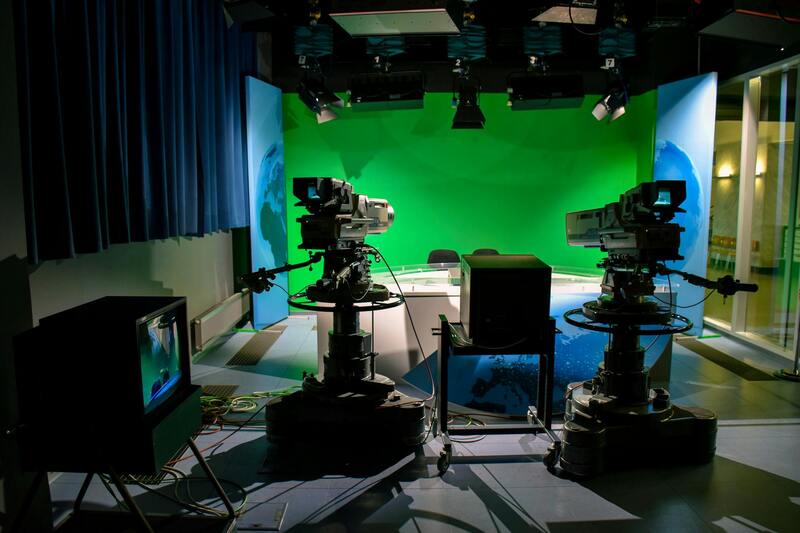
Incorporating movement within the frame can add a dynamic element that captures the viewer’s attention. This might involve photographing flowing water, fluttering curtains, or even a moving shadow cast by diffused sunlight. Employing slow shutter speeds to blur motion subtly enhances this effect, creating a sense of life and energy within the static image.
Varying camera angles can produce unexpected and engaging visuals. Shooting from low vantage points enhances the feeling of spaciousness and height, making the room seem larger and more inviting. Conversely, high shots from elevated positions can reveal the property’s layout, outdoor spaces, and surrounding environment, offering comprehensive context for prospective buyers.
Unconventional framing, such as capturing a scene through architectural elements or over furniture, introduces a layer of depth and storytelling. These techniques, when combined with meticulous composition, result in images that not only attract attention but also genuinely convey the essence of the property. Light painting and reflections are additional creative tools—by intentionally manipulating light and surfaces, photographers can create visually compelling narratives that differentiate listings in a crowded market.
Post-processing is the final step in transforming raw captures into polished images. Adjustments to brightness, contrast, and color saturation should be applied with care to maintain authenticity while emphasizing the property's best features. Advanced editing techniques, such as object removal or sky replacement, may be used judiciously to present the property in its best light without misrepresentation.
Below are some key tactics to ensure your creative real estate photos stand out:
- Optimize natural lighting by shooting during peak sunlight hours or using supplemental lighting strategically.
- Use innovative lens choices to explore different visual effects and perspectives.
- Apply movement and dynamic elements to infuse photos with energy and realism.
- Experiment with unconventional angles, framing, and scenes to craft unique visual stories.
- Refine images through subtle post-processing to enhance appeal while preserving authenticity.
Legal and Ethical Considerations
When pursuing creative techniques in real estate photography, it's essential to adhere to established standards that promote transparency and trust. Authenticity must be maintained throughout the process to ensure that potential buyers receive an accurate representation of the property. Using creative methods such as slight adjustments to lighting or perspective should never lead to misleading impressions about the property's dimensions, layout, or condition. Ensuring that all images are an honest depiction safeguards the integrity of your listings. This includes avoiding overly exaggerated angles that distort space perception or the use of digital enhancements that significantly alter the property's reality. The aim is to captivate viewers while providing a clear and truthful visual narrative. Furthermore, respecting intellectual property rights involves proper attribution if utilizing proprietary filters, editing tools, or stock imagery as elements within your photos. It's also advisable to disclose any modifications that may influence a viewer's understanding, such as staged furniture arrangements or enhancements designed to highlight specific features. Maintaining a high standard of ethics not only complies with industry best practices but also fosters long-term relationships with clients who value honesty and professionalism. By prioritizing authenticity alongside creative expression, real estate professionals can effectively attract serious buyers without compromising credibility. This responsible approach to creative real estate photography ensures that marketing efforts remain effective, trustworthy, and aligned with the expectations of the marketplace. When executed with integrity, innovative imagery becomes a powerful tool that elevates property listings while upholding the principles of fair representation.
Showcasing Miami's Unique Property Features
In Miami, the landscape provides a vivid backdrop that can be harnessed through creative real estate photography to highlight a property’s distinctiveness. Capturing panoramic views of the city skyline at sunset or emphasizing the sparkling coastline can immediately draw potential buyers' attention. Incorporating elements such as outdoor pools, rooftop terraces, and lush landscaping into compositions helps convey a luxurious lifestyle that Miami is renowned for.
Utilizing natural lighting during the golden hour enhances these features, creating warm tones and dynamic shadows that accentuate architectural details. Wide-angle lenses are effective for portraying spaciousness in living areas and outdoor entertainment zones, giving viewers a comprehensive visual experience of the property's scale.
Distinct architectural styles prevalent in Miami, from modern minimalism to Art Deco, deserve tailored photographic approaches. Emphasizing unique design elements—such as intricate moldings, vibrant color palettes, or innovative facade treatments—through creative angles and focal points can set a listing apart.
Using Creative Visual Storytelling
Beyond static images, incorporating a visual narrative through a series of thoughtfully composed photos helps potential buyers envision a lifestyle. Showcasing seamless indoor-outdoor flow, outdoor kitchen setups, or sunset views from the balcony can evoke an emotional connection. Using drone photography to capture aerial perspectives offers a comprehensive view of the property’s setting, emphasizing proximity to Miami’s hotspots.
Integrating lifestyle scenes, such as a family enjoying the backyard or a couple relaxing by the pool, further personalizes the property and appeals to the aspirations of prospective buyers.
Legal and Ethical Considerations
When leveraging creative real estate photography to market Miami properties, adhering to established standards of honesty and transparency is essential. Accurate representation of the property ensures prospective buyers receive an authentic impression of what is being offered, fostering trust and facilitating informed decision-making. Photographers should avoid manipulating images in a way that distorts the property’s true features or misleads viewers about the layout, size, or condition of the property.
Securing proper permissions is a critical component of ethical real estate marketing. This involves obtaining consent from property owners or authorized representatives before photographing interior spaces, outdoor areas, and any distinctive architectural elements. When drones or aerial equipment are employed, it is necessary to acquire clearance from relevant authorities and property managers to operate legally and responsibly.
Industry standards prescribe best practices in digital editing and post-processing. While enhancements such as adjusting brightness, contrast, and color saturation are generally acceptable to highlight a property's best features, excessive alterations that could misrepresent the actual state of the property should be avoided. This includes ensuring that virtual staging or image compositing does not create misconceptions that could impact a buyer’s expectations.
Additionally, disclosing any modifications made during editing reinforces transparency. Clear communication about the use of creative techniques not only aligns with best practices but also elevates the professionalism of your marketing efforts.