Overview of Commercial Real Estate Videography
In the competitive landscape of commercial property marketing, visual presentation plays a pivotal role in attracting prospective tenants, investors, and buyers. Commercial real estate videography serves as a dynamic tool to showcase properties in a compelling, immersive manner that static images alone cannot achieve. Through professionally crafted videos, real estate professionals can highlight the unique features of a property, demonstrate its spatial flow, and convey the ambiance and character that make it stand out in the market.
Utilizing high-quality video content allows for a comprehensive visual narrative that engages viewers more effectively than traditional photographs. It offers a virtual tour experience, providing audiences with a realistic sense of scale, layout, and environment. This method of presentation increases reach and engagement, particularly when integrated into digital marketing channels such as websites, social media, and email campaigns. As a result, commercial real estate videography enhances visibility, accelerates decision-making processes, and ultimately leads to quicker transactions and increased property exposure.
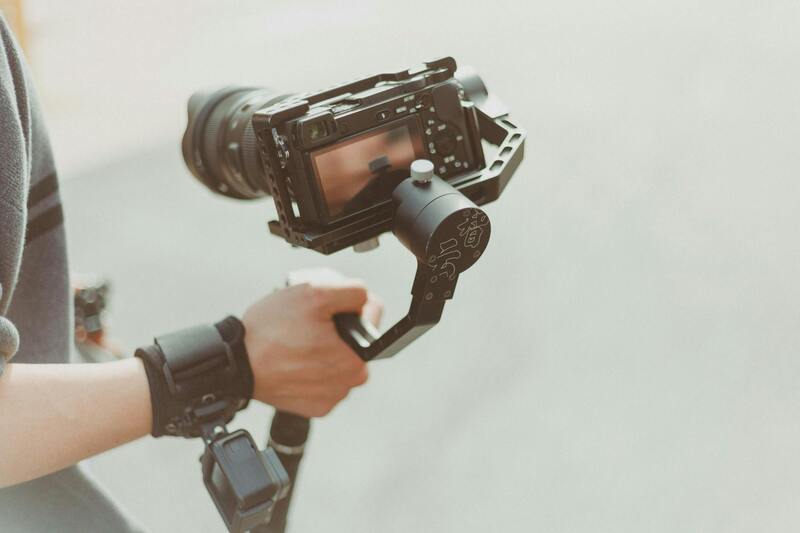
Effective videography in this sector requires a blend of technical skill and a strategic approach. Professional videographers employ advanced equipment, such as high-definition cameras, drone technology, and stabilized gimbals, to capture dynamic footage from multiple angles. Post-production editing further refines the visuals, adding elements like virtual walkthroughs, text overlays, and background music to elevate viewer experience. This comprehensive approach ensures that each property is presented in the best possible light, emphasizing key features and creating an emotional connection that motivates action.
In an era where digital presence significantly influences real estate success, investing in professional commercial real estate videography is not merely an option but a strategic necessity. It enriches marketing efforts, enhances brand credibility, and fosters trust among potential clients and partners. As the demand for engaging, authentic visual content continues to grow, businesses that prioritize professional videography will maintain a competitive edge in the vibrant Miami real estate market and beyond.
Legal and Ethical Considerations in Commercial Real Estate Videography
When producing professional videos for commercial properties, adherence to established legal and ethical standards is crucial to ensure smooth operations and uphold professional integrity. This includes respecting property rights, privacy regulations, and permissions necessary for filming on commercial sites. Securing proper consent from property owners and stakeholders is an essential step; it safeguards against any misunderstandings or disputes that may arise during or after the production process.
Furthermore, compliance with local zoning laws and filming regulations specific to Miami and surrounding areas must be observed. These regulations may govern drone operations, noise levels, and filming hours, among other factors. Working with a videography team familiar with regional restrictions minimizes the risk of legal complications and enhances the efficiency of the project.
Additionally, ensuring the truthful representation of the property is fundamental. This involves avoiding misrepresentation of features or conditions that could mislead viewers. Accurate descriptions paired with high-quality visuals foster transparency and build trust with potential clients and investors. For example, if a property has limited accessibility or certain restrictions, these details should be clearly communicated either within the video or accompanying marketing materials.
Lastly, ethical considerations extend to respectful portrayal of the property and its surroundings. Avoiding intrusive filming techniques or capturing images that could compromise privacy or security is vital. Respecting neighboring properties and maintaining professional conduct on-site uphold the reputation of the videography team and foster positive collaborations with clients.
Key Elements of Effective Commercial Real Estate Videos
Creating impactful commercial real estate videos involves a careful selection of components that highlight the property's most attractive features while delivering a seamless viewing experience. These elements work in tandem to showcase the property’s full potential and appeal to prospective investors, tenants, or buyers.
One of the primary aspects is the integration of high-quality drone footage. Drone shots provide an expansive view of the property’s exterior, surrounding neighborhood, and proximity to key amenities. They add a dynamic perspective that static images cannot achieve, offering viewers a sense of scale and spatial relationships that are crucial for decision-making.
Interior tours form the core of commercial real estate videos. These walkthroughs allow viewers to explore the layout, design features, and space utilization firsthand. Utilizing stabilizers and wide-angle lenses ensures smooth footage that highlights interior details without distortion, maintaining a professional appearance.
Architectural highlights such as unique design elements, structural innovations, or eco-friendly features should be accentuated. These aspects differentiate a property from competitors and can significantly influence a viewer’s interest. Close-up shots and detailed visuals effectively communicate the quality and craftsmanship involved.
Lastly, compelling narration and strategic background music enhance the storytelling aspect of the video. Clear, concise narration provides contextual information about the property, emphasizing its value propositions and potential uses. Background music should complement the visual tone while remaining unobtrusive, helping to evoke the right emotional response and retain viewer engagement.
Incorporating these elements thoughtfully results in a comprehensive video that captures attention, communicates key information effectively, and influences prospective clients' decision-making processes. High production standards, combined with strategic content inclusion, ensure the video stands out in a competitive market.
Legal and Ethical Considerations in Commercial Real Estate Videography
When producing commercial real estate videos, adherence to established guidelines ensures the content accurately represents the property and respects all involved parties. While explicit legal terminology is avoided, following best practices in the industry guarantees the integrity and credibility of the visual material.
One of the fundamental aspects involves obtaining proper permissions. Prior approval from property owners or authorized representatives is essential before filming. This ensures that all stakeholders are aware of and consent to the recording process, which helps foster transparency and trust.
Additionally, respecting the privacy of adjacent spaces or neighboring properties is crucial. This involves ensuring that footage does not inadvertently capture private areas or sensitive information, which helps maintain professionalism and respect for privacy boundaries.
Accuracy in representation is a key ethical concern. Videos should faithfully depict the property’s features without exaggeration or misrepresentation. Overstating the scope or condition of a space can mislead potential clients, leading to dissatisfaction and jeopardizing reputation. Clear, honest visuals combined with accurate descriptive narration build confidence and support informed decision-making.
Respect for intellectual property rights also plays a vital role. Using licensed music, graphics, or other multimedia elements avoids potential conflicts and underscores the professional standards of the production. Properly crediting sources or acquiring rights ensures content remains compliant with industry norms and copyright laws.
Furthermore, it’s important to prioritize safety during the filming process. Ensuring that the crew adheres to safety protocols and minimizes disruptions to ongoing property activities demonstrates responsibility and professionalism. This practice not only protects everyone involved but also preserves the property's integrity.
By aligning the production process with these fundamental principles—respect for permissions, privacy, accuracy, intellectual property, and safety—video creators reinforce their commitment to ethical practices. This approach enhances the credibility of the content and helps build lasting relationships with clients and stakeholders in the commercial real estate sector.
Legal and Ethical Considerations in Commercial Real Estate Videography
When producing videos of commercial properties in Miami, adherence to established standards and protocols is essential to maintain credibility and ensure a seamless client experience. This involves obtaining necessary permissions to film on the property, which confirms that the videographer has clear authorization from property owners or managers to access and capture visuals of the space. Documentation of such permissions helps prevent misunderstandings and reinforces transparency throughout the project lifecycle.
Disclosures regarding the use of copyrighted materials within the videos are equally important. This includes sourcing licensed music, graphics, and other multimedia elements that contribute to the video's quality. Proper licensing not only aligns with industry best practices but also defends against potential copyright infringement issues, safeguarding the reputation of the production company and the client.
Equally crucial is compliance with local regulations and ordinances that govern filming activities in Miami. Municipal codes may specify restrictions on drone photography, noise levels, or filming times, which must be respected to avoid penalties or disruptions. Consulting with local authorities or obtaining necessary permits prior to the shoot process demonstrates responsibility and professionalism.
Additionally, privacy considerations must be carefully managed. Avoid capturing confidential or sensitive areas that are not intended for public view, and ensure that all individuals depicted in the video have provided appropriate consent. This not only respects personal privacy but also aligns with industry standards for responsible content creation.
Implementing robust protocols for permissions, disclosures, and regulatory compliance ultimately fosters trust between videographers, property stakeholders, and potential clients. Upholding these principles contributes to a sustainable approach to commercial real estate videography — one grounded in transparency, integrity, and respect for the law.
Legal and Ethical Considerations in Commercial Real Estate Videography
Ensuring compliance with legal and ethical standards is paramount in producing effective commercial real estate videos that serve as valuable marketing tools. This involves adhering to established industry practices that respect privacy, property rights, and local regulations, thereby fostering trust and professionalism throughout the production process.
Respecting Privacy and Property Rights
Fundamental to ethical videography is obtaining explicit consent from property owners and any individuals who may be captured in the footage. This is especially pertinent in urban areas like Miami, where numerous properties are privately owned and potentially occupied during filming. Prior agreements should outline the scope of the shoot, the types of footage to be captured, and how the video will be used. Respect for privacy extends to avoiding the recording of sensitive areas or confidential information that could compromise a client’s reputation or violate privacy expectations.
From a property rights perspective, it’s essential to verify ownership details and secure permission to film on-site, especially when using drone footage or other specialized equipment. These permissions preempt disputes and demonstrate due diligence, reinforcing the credibility of the videography provider.
Compliance with Local Regulations and Permits
In Miami, regulated filming permits might be required for aerial shots, especially if operating drones or utilizing specific equipment that could impact public spaces. Filming activities should always align with municipal ordinances—including restrictions on noise levels, filming hours, and designated zones—to prevent disruptions or penalties.
Partnering with experienced local videographers who are familiar with Miami’s regulatory landscape ensures a smooth production process. These professionals typically have established connections with local authorities and can facilitate the permit applications needed for official approval. Moreover, maintaining accurate documentation of permissions and permits is vital for legal clarity and compliance during post-production or promotional use.
Transparency and Disclosure in Content Creation
Protecting stakeholders' interests involves clear communication about the scope and intent of the footage. Disclosing the nature of the production, the intended use of the video, and any associated disclosures promote transparency. This can mitigate misunderstandings and foster positive relationships between videographers, property owners, and viewers.
Furthermore, ensuring that the footage accurately represents the property without misleading potential clients or investors is a critical aspect of responsible marketing. Conveying clear, truthful information reinforces the integrity of the content and enhances its effectiveness in attracting interest and business.
Implementing Ethical Standards in Practice
Robust protocols should be established to address permissions, disclosures, and privacy concerns. This includes developing comprehensive consent forms, adhering to privacy policies, and routinely reviewing regulatory compliance. By upholding these principles, videographers demonstrate professional responsibility, mitigating risks and supporting sustainable business practices within the commercial real estate sector.
Legal and Ethical Considerations in Commercial Real Estate Videography
Executing commercial real estate videography within the Miami market demands a meticulous approach to legal and ethical standards. This ensures that all content is produced responsibly, safeguarding the interests of clients, property owners, and viewers alike. Adherence to proper procedures begins with securing the necessary permits and permissions before filming begins. Collaborating with local authorities and adhering to zoning regulations is essential for legally capturing footage, especially when drones or aerial shots are involved. It is equally important to keep comprehensive records of all permits obtained, which serve as documentation of compliance and can be referenced in future reviews or audits.
Another critical aspect is transparency in content creation. This involves clear disclosure of the purpose of the video, how it will be used, and any disclosures necessary to inform viewers and stakeholders. Disclosing the scope of the project and maintaining honesty about the features and condition of the property foster trust and uphold professional integrity. Misrepresentation—whether intentional or accidental—can lead to serious repercussions, including legal disputes or damage to reputation.
Protecting stakeholder interests also involves respecting privacy rights. When filming within commercial spaces, obtaining explicit consent from involved parties and ensuring that sensitive areas are not improperly exposed is vital. This approach not only aligns with best practices but also demonstrates respect for property tenants, employees, or visitors, promoting goodwill and a positive business relationship.
Implementing Ethical Standards in Practice
Videographers should establish comprehensive protocols to handle permissions, disclosures, and privacy concerns. This includes preparing detailed consent forms that clearly outline what footage will be captured and how it will be used. Moreover, adherence to privacy policies—both local and federal—is necessary to prevent unauthorized recording or dissemination of sensitive information.
Routine reviews of regulatory compliance help ensure ongoing adherence to established standards. Regular training for team members on ethical practices enhances awareness and accountability. Demonstrating a strong commitment to professionalism not only reduces potential risks but also boosts credibility in a competitive market. Businesses that prioritize transparent sourcing and responsible content creation position themselves as trustworthy and reputable players in the commercial real estate videography sector.
Legal and Ethical Considerations
In the domain of commercial real estate videography, adherence to legal standards and ethical practices is critical to maintaining credibility and fostering trust with clients and stakeholders. While explicit legal compliance involves thorough knowledge of property rights, privacy laws, and consent protocols, operational excellence centers on responsible content creation that respects all involved parties. Ensuring that footage captures only authorized areas and obtaining clear, written permissions prior to filming mitigates potential conflicts and safeguards the integrity of the property owners and tenants.
Respecting privacy rights extends beyond mere legal obligation; it reflects a commitment to professionalism. When videographers operate within commercial spaces, they must be cognizant of areas where individuals may have a reasonable expectation of privacy. This becomes especially pertinent in locations like office lobbies, conference rooms, or private offices. Explicit consent from individuals captured in the footage should be obtained when their identities or personal activities are visible, especially if the content is intended for marketing or promotional use.

Implementing comprehensive protocols to manage permissions, disclosures, and privacy concerns enhances transparency and fosters positive relationships. This involves using detailed consent forms that specify how footage will be utilized and providing clear communication about the scope of filming activities. Routine reviews of compliance policies ensure ongoing adherence to evolving standards and regulations, preventing unauthorized recordings or potential misuse of footage.
Training team members regularly on ethical standards and privacy protocols cultivates a culture of responsibility. Emphasizing the importance of professionalism, confidentiality, and respect in every project not only reduces risks but also enhances the reputation of the videography service provider. Ethical practices in commercial real estate videography serve as a cornerstone for long-term success, establishing trust as a key differentiator in a competitive market.
By prioritizing ethical standards and responsible content creation, videographers demonstrate their commitment to quality and professionalism. This approach ensures that marketing endeavors are grounded in integrity, thereby fostering sustainable business growth and fostering positive industry relationships.