Importance of Professional Commercial Real Estate Photography
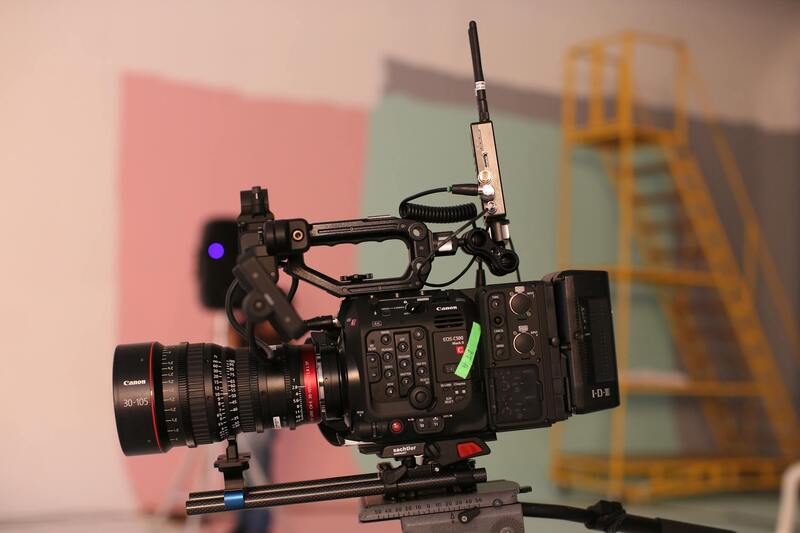
In the competitive landscape of commercial property marketing, the visual presentation of a space can dramatically influence its marketability. High-quality commercial real estate pictures serve as a vital tool in capturing the attention of prospective tenants and buyers, ultimately accelerating the leasing or sales process. Well-crafted images highlight the unique features and spatial dynamics of a property, providing viewers with an accurate and compelling glimpse of what the space offers.
Professionally captured photographs not only improve the overall visibility of a commercial property but also reinforce the credibility and professionalism of the listing. For property owners and leasing agents, investing in quality imagery fosters increased foot traffic, online engagement, and inquiries, setting their properties apart in a crowded marketplace. Additionally, effective imagery enhances digital listings, brochures, and advertisements, making each marketing channel more persuasive and effective.
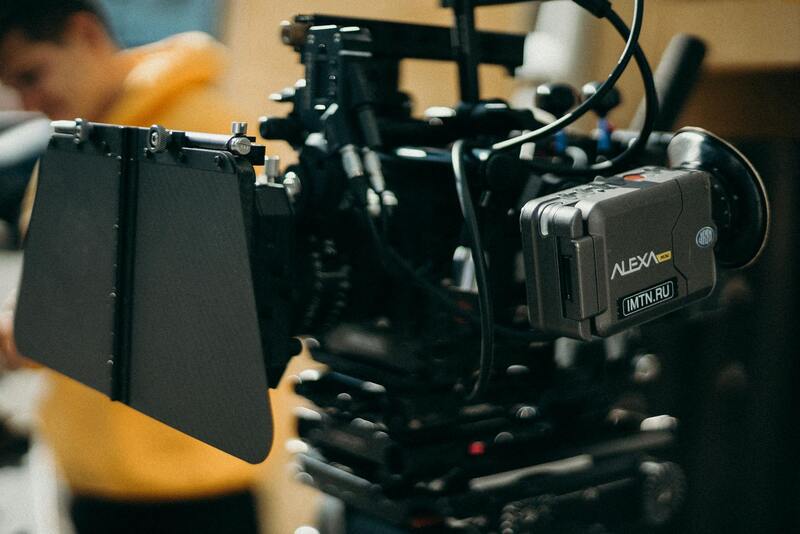
The impact of professional imagery extends beyond initial listing. Consistent, high-resolution photos build trust with customers, conveying transparency and attention to detail. They also serve as a critical asset in virtual tours and 3D visualization efforts, helping potential clients visualize themselves within the space without needing an onsite visit. This ability to showcase properties in the best possible light encourages quicker decision-making and facilitates smoother negotiations.
Furthermore, the integration of high-standard commercial real estate pictures into digital and print marketing campaigns can significantly improve search engine performance. Optimized images contribute to faster website loading times and better user experiences, leading to higher rankings and visibility in online searches. This convergence of visual appeal and technological efficiency underscores the importance of investing in professional photography as a cornerstone of effective commercial real estate marketing strategies.
Ultimately, commercial real estate photography is more than just capturing images; it's about telling a story that resonates with the target audience. It involves showcasing a property's potential and uniqueness through skilled technical execution and artistic vision. As the real estate market becomes increasingly digital, the importance of compelling, precise imagery continues to grow, making it an indispensable element in the successful promotion and positioning of commercial spaces.
Preparing Commercial Properties for Photoshoots
Preparing a commercial property effectively is crucial in capturing high-quality images that showcase its true potential. This process begins with a comprehensive clean-up and decluttering to ensure that the space appears neat, organized, and inviting. Removing any personal items, excess furniture, or unnecessary equipment helps highlight the property's architectural features and spatial flow without distractions.
Lighting plays a pivotal role in commercial real estate photography. Before the shoot, it’s essential to address both natural and artificial light sources. Opening curtains, blinds, and turning on all available lighting fixtures ensures the space is evenly illuminated. If necessary, supplementary lighting equipment can be used to eliminate shadows and enhance specific features, resulting in a balanced and appealing visual presentation.
Staging the property can greatly influence its visual impact. This involves arranging furniture and decor strategically to emphasize key areas, such as reception zones, conference rooms, or open workspaces. Effective staging creates a sense of scale and allows viewers to envision themselves within the environment, which is a powerful motivator for potential clients.
Additionally, the timing of the shoot should be carefully coordinated. Conducting photography during daylight hours with optimal weather conditions ensures abundant natural light and minimizes unwanted reflections or shadows. Properly scheduling shoots contributes to producing images with consistent tonal quality and clarity.
Choosing the Right Equipment and Techniques
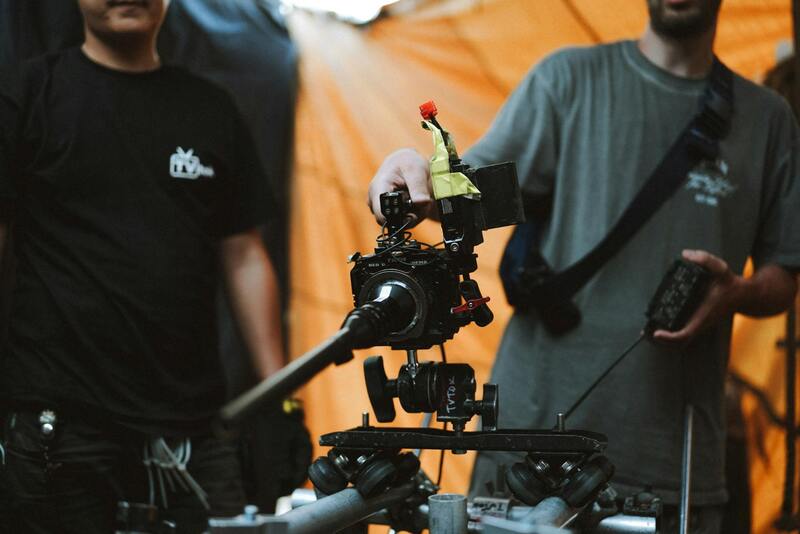
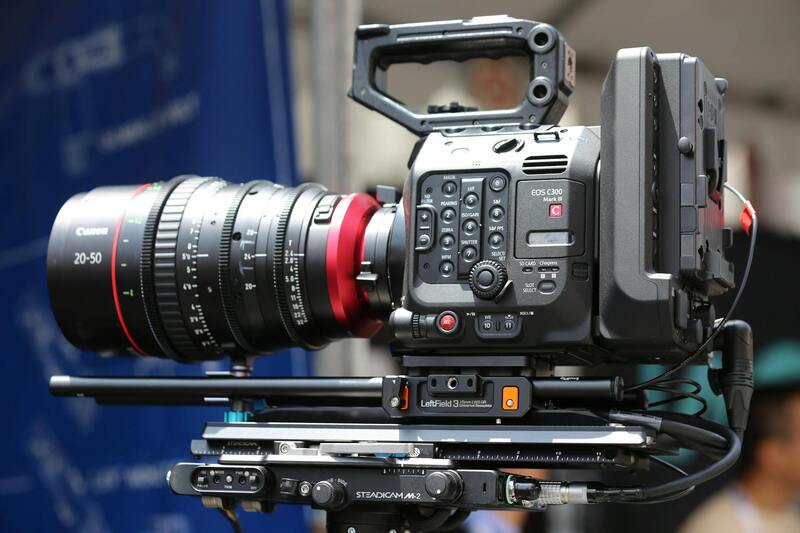
The selection of equipment significantly impacts the quality and accuracy of commercial real estate pictures. High-resolution digital cameras with full-frame sensors are preferred to capture intricate details and ensure clarity across all image sizes. Wide-angle lenses are indispensable for capturing expansive interior views and architectural features, offering viewers a comprehensive perspective of the space.
Tripods are essential for stabilizing the camera during long exposures, especially in low-light conditions or interiors with limited natural light. This stability results in sharper images and prevents distortions caused by hand movement.
To achieve optimal results, it’s essential to employ advanced techniques such as HDR (High Dynamic Range) photography. HDR involves combining multiple exposures to balance highlights and shadows, revealing details in both bright and dark areas of a room. This technique ensures that interior spaces appear true to life and inviting.
Proper camera settings, including appropriate aperture, ISO, and shutter speed, are vital for capturing crisp images with accurate color reproduction. Techniques like tilt-shift lenses may also be utilized to correct perspective distortions, particularly in exterior shots, preserving the true geometry of the building.
Post-Processing and Image Optimization
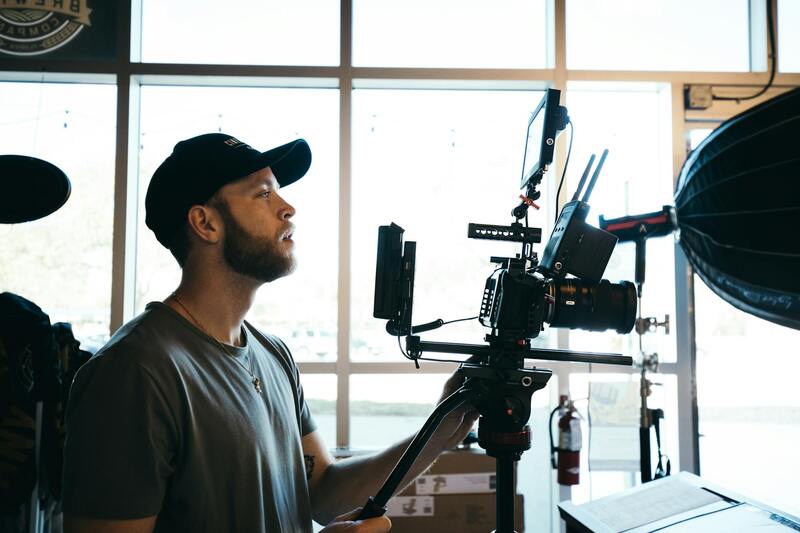
Post-processing is an integral step in transforming raw photographs into polished, professional images that effectively market commercial spaces. Software such as Adobe Lightroom or Photoshop allows for precise adjustments in color grading, contrast, and sharpness, enhancing visual appeal without compromising authenticity.
Correcting distortions, removing minor imperfections, and balancing exposure levels help create a cohesive and professional look across all images. It’s essential to maintain accuracy, ensuring that the property’s features are represented truthfully to preserve viewer trust.
Once editing is complete, optimizing images for digital use involves resizing and compressing files to ensure fast load times and a seamless user experience on websites and virtual tours. Properly optimized images contribute to better search engine performance, increasing the visibility of the property listing.
High-quality images also lend themselves well to print marketing materials, such as brochures and posters. Maintaining consistent color profiles and resolution standards across all images ensures branding cohesion and professionalism in all marketing channels.
Choosing the Right Equipment and Techniques
Capturing high-quality commercial real estate pictures necessitates the use of specialized equipment and refined techniques that highlight the property’s best features. Professional photographers typically utilize high-resolution DSLR or mirrorless cameras paired with wide-angle lenses, which are essential for showcasing expansive interior spaces and grand exteriors. Wide-angle lenses allow for a broader field of view, making rooms appear larger and more inviting, while also emphasizing architectural details that appeal to prospective buyers or tenants.
Beyond the camera, tripod stability is crucial for achieving sharp images with precise framing, especially in interior shots where lighting may be limited. Proper stabilization minimizes blur and ensures consistency across multiple images, which is particularly important when creating virtual tours or comprehensive property portfolios.
Adjusting aperture settings to achieve the optimal depth of field ensures both foreground and background elements are crisp and in focus. For interior shots, a smaller aperture (higher f-stop) is often preferred to maintain clarity across the scene, while exterior shots may benefit from a wider aperture to emphasize specific architecture against the skyline.
Lighting techniques significantly impact image quality. Photographers typically rely on natural light whenever possible, scheduling shoots during the day to take advantage of soft, diffused sunlight. Supplemental lighting, such as portable strobes or flash units, can be employed to fill shadows and balance exposure, especially in interior spaces with challenging lighting conditions.
HDR (High Dynamic Range) imaging is a pivotal technique in commercial real estate photography. By capturing multiple exposures and blending them seamlessly, HDR ensures that both dark and bright areas are adequately exposed, revealing intricate details that might otherwise be lost. This approach is invaluable for properties with large windows or complex lighting scenarios.
Tilt-shift lenses are also utilized to correct perspective distortions that occur when photographing tall structures or expansive interiors. Proper lens choice and technique preserve geometric accuracy, which is critical for presenting the property truthfully to viewers.
Additionally, post-capture techniques such as image stacking and perspective correction refine the final presentation. The goal is to produce images that are both visually compelling and true to life, thereby fostering trust and interest among potential clients.
Utilizing High-Quality Commercial Real Estate Pictures Across Multiple Marketing Channels
Effective dissemination of commercial real estate images plays a crucial role in attracting prospective tenants, buyers, and investors. High-resolution photos should be integrated into various marketing platforms to maximize property visibility. For instance, property listing websites benefit greatly from professional images, as they create an immediate visual impression that can influence decision-making. When made available on social media channels, these images can generate broader interest and engagement, especially when shared with strategic hashtags and targeted audiences.
Beyond online listings, incorporating compelling commercial real estate pictures into printed marketing materials such as brochures, flyers, and corporate presentations enhances credibility and provides tangible assets for outreach efforts. Well-crafted visual content communicates the property’s unique features effectively, making a strong case for its potential, whether in retail, office, or industrial sectors.
Enhancing Virtual and Augmented Reality Experiences
With technological advancements, high-quality images serve as a foundation for immersive experiences like virtual tours and augmented reality applications. These tools allow potential clients to explore the property remotely, gaining a real-world feel that static images may not fully convey. Incorporating panoramic shots, 3D renderings, and interactive visuals, all derived from professional photography, can significantly increase engagement and speed up the decision-making process.
Optimizing Commercial Real Estate Photos for Search Engine Performance
Properly optimized images not only improve viewer experience but also contribute to a property’s search engine performance. When photos are tagged with relevant keywords in file names and alt text that reflect details such as location, type of space, and key features, they become more discoverable in image searches. This targeted approach attracts more qualified traffic to property listings and enhances overall online visibility.
Maintaining Brand Consistency and Professionalism
Consistent visual branding through high-quality imagery imbues a sense of professionalism and reliability. When commercial properties are showcased with uniform style, tone, and quality, it reinforces the credibility of the real estate agency or property management firm. Consistency is also key in establishing a recognizable aesthetic, making the property stand out amidst competitors.
Legal and Ethical Considerations
In professional commercial real estate photography, adherence to established standards of conduct ensures a respectful and transparent collaboration with property owners and stakeholders. Prior to the photoshoot, obtaining explicit permission to photograph the property, especially when it involves secured or sensitive areas, is essential. This not only demonstrates professionalism but also fosters trust between the photographer and client.
Respecting privacy boundaries is fundamental; images should be captured in a manner that accurately reflects the property without infringing on personal or confidential spaces. This involves being mindful of areas that should remain private and ensuring that tenants or employees are aware of the photography session to avoid any misunderstandings or disruptions.
Precision and honesty in imagery are central to ethical practices. Photographers should avoid any form of image manipulation that misrepresent the property's appearance or features. While post-processing is valuable for enhancing visual quality, it must not alter the true characteristics of the space, ensuring potential clients receive an accurate depiction that aligns with on-site conditions.
Developing a transparent process, including clear contracts that outline the scope of work, usage rights for images, and confidentiality terms, further reinforces ethical standards. This documentation safeguards the interests of all parties involved and clarifies expectations regarding image rights and distribution.
Engaging with certified or experienced professionals not only adds to the credibility of the imagery but also aligns with best practices in the industry. These practices collectively uphold the integrity of the commercial real estate market and contribute to a trustworthy relationship between real estate professionals and their audiences.
Legal and Ethical Considerations
When capturing commercial real estate images, adherence to established guidelines and standards is essential to maintain professionalism and trustworthiness. Photographers must ensure that each image accurately reflects the property's features without any misleading alterations. This involves rigorous attention to detail during the shoot, including proper framing, lighting, and perspective, to present the property in the best possible light while preserving its true appearance.
Respect for privacy and confidentiality is a fundamental aspect of responsible commercial real estate photography. Photographers should avoid including any personal or sensitive information in images, such as private office spaces that are not intended for public view. When photographing occupied spaces, securing proper permissions from tenants and property managers is crucial, ensuring everyone is comfortable with the visual documentation process.
Maintaining ethical standards also extends into photo editing practices. Image enhancements should focus solely on improving visual clarity, brightness, and color accuracy without altering the inherent characteristics of the property. Overly manipulated photos can mislead prospective clients and undermine trust, so transparency about post-processing techniques is vital for credibility.
Developing formal agreements or contracts before conducting a photoshoot helps clarify the scope, usage rights, and confidentiality of the images. Such documentation not only fosters clear expectations but also legally protects all parties involved. When working with photography professionals, choosing those with a reputation for honesty and compliance ensures the imagery aligns with industry standards and ethical practices.
In the broader context, ethical commercial real estate photography supports a transparent marketplace. It enhances the reputation of agencies and property owners who prioritize integrity, thereby attracting more serious and qualified buyers or tenants. Moreover, consistent adherence to high standards in photographic practices contributes to the overall positive perception of the commercial real estate sector within the community.
Legal and Ethical Considerations
When engaging in commercial real estate photography, understanding the importance of proper permissions and rights management is essential. This approach not only safeguards the interests of property owners but also ensures that the marketing materials are produced within established professional standards. Prior approval from property stakeholders minimizes the risk of disputes and guarantees that the images are used in accordance with agreed terms.
Securing explicit consent before conducting a photoshoot involves clear communication about how the images will be utilized, distributed, and stored. It’s important to document this agreement, preferably through formal contracts, which outline specific rights and restrictions related to the imagery. This documentation aids in avoiding misunderstandings and provides a reference point if any issues arise later in the marketing process.
To uphold transparency and trust, photographers should restrict themselves to taking images of spaces for which they have obtained permission. Respect for privacy and proprietary information remains a core principle. For instance, photographing high-security areas or leased sections without prior approval can lead to complications or breaches of confidentiality. Therefore, each session should be preceded by a comprehensive review of the property to identify sensitive zones and secure necessary permissions.
Further, adhering to best practices includes respecting local regulations related to drone photography, if applicable. These rules often govern flight altitudes, designated zones, and privacy considerations, especially in urban environments. By following such guidelines, photographers help maintain a high standard of professionalism and operational integrity that bolsters trustworthiness among clients.
Maintaining ongoing communication with property owners and stakeholders throughout the process fosters cooperation and clarifies expectations. It’s also vital to keep detailed records of permissions, the scope of the shoot, and usage rights. This level of diligence not only minimizes potential conflicts but also aligns the photographer’s practices with industry best standards.
In the digital age, respecting copyright laws and licensing agreements is more crucial than ever. Photographers must avoid unauthorized use of protected content, such as artwork, signage, or proprietary branding visible within the property. When in doubt, obtaining explicit clearance helps maintain a compliant and ethical approach that emphasizes integrity and professionalism in the field.
Ensuring Proper Usage and Distribution of Commercial Real Estate Photos
Once high-quality commercial real estate images are captured and optimized, strategic distribution is essential to maximize their impact within the marketing ecosystem. Proper management and utilization of these visuals not only enhance brand credibility but also effectively attract prospective tenants, buyers, or investors.
Implementing a Controlled Distribution Strategy
Developing a controlled distribution approach helps ensure that images reach the right audience through appropriate channels. This involves segmenting target markets based on demographic and geographic data and selecting suitable platforms, such as professional real estate portals, social media channels, and email campaigns. Tailoring the presentation of images to each platform’s specifications guarantees clarity and visual appeal, increasing engagement rates.
Utilizing Secure Digital Assets
- Hosting images on secured, professional websites with access controls prevents unauthorized downloads and misuse.
- Using watermarks selectively during initial promotional phases maintains image integrity and discourages theft, while original, unfettered images are reserved for established channels and clients.
- Providing downloadable versions only to validated stakeholders with clear licensing terms avoids inadvertent misuse.
Monitoring and Analyzing Distribution Outcomes
Tracking engagement metrics such as view counts, click-through rates, and lead conversions provides insight into the effectiveness of image distribution. Regular analysis enables marketers to refine their strategies, focusing on high-performing channels and adjusting content presentation as needed.
Maintaining Ethical Standards in Image Use
Adherence to image rights and permissions remains paramount. Ensure that all images used in promotional materials have explicit consent, especially when representing private or restricted areas, to avoid potential conflicts. Proper attribution should be given when images are part of third-party publications or collaborations, reinforcing a professional reputation grounded in respect and transparency.