Importance of Professional Commercial Real Estate Photos
In the dynamic and bustling Miami commercial real estate market, visual presentation plays a crucial role in attracting potential tenants, buyers, and investors. High-quality commercial real estate photos serve as a first impression, often determining whether a property gains attention or is overlooked. Enhanced visuals increase the listing's visibility across digital platforms, attracting qualified inquiries and facilitating faster occupancy or sale. For property owners and brokers, investing in professional photography can significantly impact marketing success, ensuring each property stands out amid a competitive landscape.
Effective commercial photographs do more than just display a property; they communicate the space’s full potential, highlighting its unique features and architectural strengths. This presentation helps prospective clients envision how they might utilize the space, which can influence their decision-making process. In an area like Miami, where aesthetics and presentation are highly valued, the importance of professional commercial real estate photos cannot be overstated. For property managers and investors, employing a dedicated photographer ensures the images match the property’s true value and appeal, reinforcing credibility and trust.
Additionally, the use of professional images helps in branding efforts for real estate agencies and property owners, aligning visual content with their overall marketing strategies. With the digital transformation shaping property searches worldwide, especially in Miami’s thriving commercial zones, sharp and compelling photographs serve as a powerful marketing tool. They not only enhance listings on websites and social media but also contribute to creating a consistent, professional image that appeals to discerning clients.
In summary, the significance of professional commercial real estate photos extends beyond simple visual appeal; they are integral to achieving marketing excellence, fostering trust, and ultimately closing deals more efficiently in the competitive Miami marketplace.
Preparing Commercial Properties for Photoshoots
Effective commercial real estate photography begins long before the camera is set up. Proper preparation of the property ensures that it presents its best features and facilitates the capturing of high-quality images that resonate with prospective tenants, buyers, or investors. A crucial first step involves thorough cleaning and decluttering of the space, removing any excess items or personal belongings that may distract or obscure architectural details.
Structural repairs, minor touch-ups, and landscaping should be completed in advance. For outdoor shots, attention to landscaping, pavement cleanliness, and proper lighting enhances curb appeal. Inside the space, fixing minor issues such as broken fixtures, chipped paint, or dirty carpets can significantly improve the overall appearance. These details, while seemingly small, have a substantial impact on the perception of the property’s condition and value.
Additionally, the timing of the shoot plays a key role. Scheduling during optimal lighting conditions—preferably during the day when natural light floods the interiors—can dramatically improve the quality of the images. Coordinating access with property managers or tenants helps prevent disruptions and ensures that the space is presented in its best possible state.
Finally, coordination with your photography team regarding the specific areas you want to emphasize helps align expectations and results. Providing a list of focal points allows photographers to plan their shoot strategically, ensuring that each image delivers maximum impact and aligns with your marketing goals.
Types of Shots Used in Commercial Real Estate Photography
- Exterior Shots: Highlight the building’s facade, landscaping, signage, and parking areas to give viewers context and curb appeal.
- Interior Shots: Showcase key spaces such as lobbies, conference rooms, open-plan offices, and common areas, emphasizing natural lighting and spaciousness.
Capture distinctive design elements, materials, and craftsmanship that set the property apart. - Close-ups: Focus on unique features like entryways, custom finishes, or appliances that add value to the property.
- Aerial Shots: Use drone photography to present a comprehensive view of the property’s layout, surrounding neighborhood, and accessibility.
Lighting and Equipment for Effective Commercial Photography
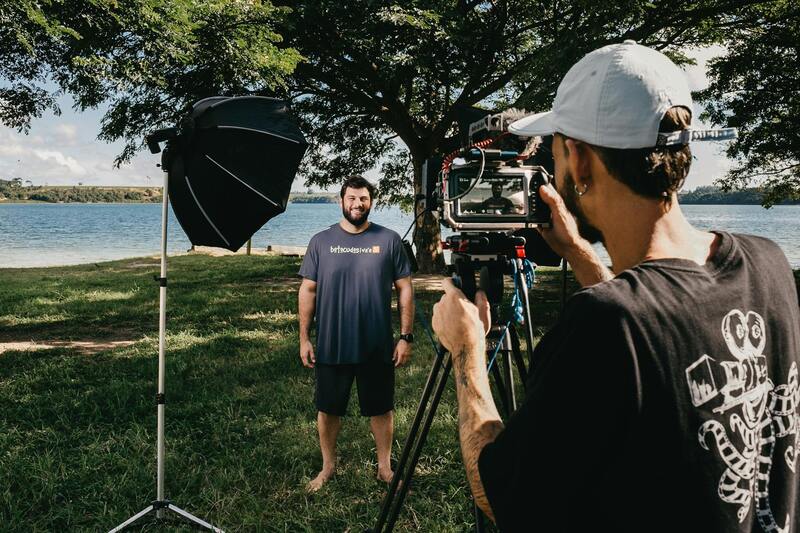
Achieving compelling commercial real estate photos hinges on the use of professional lighting and high-quality equipment. Natural light remains a vital element, especially during daylight hours when it can illuminate the space uniformly and enhance the property's best features. Photographers often utilize large windows and open doors to maximize sunlight, creating bright and inviting images that appeal to potential tenants or buyers.
However, relying solely on natural light isn't always sufficient, especially in spaces with limited daylight exposure or when shooting during cloudy days. In these cases, professional-grade artificial lighting helps fill shadows, balance color temperatures, and highlight specific features. Equipment such as strobes, softboxes, and reflectors ensures even illumination without harsh shadows or uneven lighting spots, resulting in crisp and professional images.

In addition to lighting, the choice of camera equipment significantly impacts image quality. High-resolution digital cameras equipped with wide-angle lenses are preferred to capture expansive interior spaces without distortion. Tripods are essential for stability, especially in low-light situations, to prevent blurry images and allow for longer exposure times if necessary.
Post-processing tools are also crucial for refining images, adjusting brightness, contrast, and color balance to ensure the photos accurately represent the property. Skilled photographers leverage advanced editing software to correct minor issues, remove imperfections, and enhance the overall presentation, aligning with the professional standards demanded by commercial real estate marketing.
Furthermore, specialized equipment such as drone cameras can be employed to capture aerial views of the property, providing potential clients with comprehensive perspectives that highlight the location, layout, and surrounding amenities.
Techniques for Capturing Authentic and Persuasive Images of Commercial Properties
Creating compelling commercial real estate photos involves more than just equipment; it requires employing specific techniques to ensure the images resonate with prospective clients and accurately depict the property's potential. Photographers utilize composition strategies that emphasize key spaces, such as grand entrance halls, spacious conference rooms, or attractive exterior facades, guiding viewers' attention to these focal points.
Effective use of natural light is paramount. Scheduling shoots during times when sunlight enhances the property’s features or supplementing with professional lighting ensures spaces appear inviting and vibrant. When shooting interiors, employing techniques like horizontal lines parallel to walls or floors prevents distortion, maintaining a realistic perspective of the property’s proportions.
Angles and perspectives play a vital role in showcasing the property's spaciousness. Wide-angle lenses allow capturing expansive areas within a single frame, offering viewers a comprehensive view without distortion. Combining exterior shots taken from strategic vantage points with detailed close-ups of architectural features or high-end finishes creates a balanced, engaging presentation.
Post-processing techniques such as color correction, perspective correction, and brightness adjustment further refine images, ensuring they are both eye-catching and true-to-life. The goal is to produce visuals that instill confidence and trust, encouraging viewers to explore the space further.
In addition to static images, incorporating dynamic elements like virtual tours or 3D walkthroughs can elevate property presentations. These immersive formats offer potential tenants or investors a detailed, interactive experience, enabling them to understand space layouts and design features more comprehensively.
Ultimately, employing these advanced methods and attention to detail results in commercial real estate photos that not only attract interest but also accurately reflect the property's value. Through well-executed photography, property owners and brokers can effectively communicate the uniqueness and suitability of their spaces, fostering faster, more successful leasing or sales processes.
Legal and Ethical Considerations in Commercial Property Photography
When capturing images of commercial real estate, adhering to established standards and ethical practices ensures the credibility of the photographs and maintains professionalism within the industry. This involves obtaining proper permissions for shooting, especially when the property is tenant-occupied or contains confidential areas. Securing explicit consent from property owners, managers, or tenants ahead of time helps prevent misunderstandings and respects the privacy rights of individuals present on the premises.
It's also essential to accurately represent the property without distortion or misrepresentation. Techniques such as perspective correction during post-processing help maintain geometric accuracy, preventing images from exaggerating space or misguiding potential clients. Clear and honest portrayal fosters trust and supports transparent marketing efforts.
Utilizing images that are free from unapproved modifications or enhancements aligns with professional standards. While minor adjustments like color correction or brightness enhancement are common, over-editing or misleading alterations can compromise the integrity of the visuals. Maintaining a balanced approach ensures images genuinely reflect the property’s features, providing potential tenants or buyers with realistic expectations.
Property shooters should be aware of any restrictions related to security or proprietary information. Shooting areas with sensitive equipment, proprietary technology, or confidential business operations requires caution and, in some cases, special permissions. Respect for the property’s operational aspects and confidentiality agreements upholds the professionalism of the photographic service and respects the client’s trust.
Furthermore, ensuring compliance with local regulations related to drone usage or aerial photography is crucial. When using UAVs to capture property exteriors, operators should adhere to height restrictions, no-fly zones, and other operational guidelines designed to preserve safety and privacy. Conducting a thorough review of such regulations before the shoot prevents unnecessary complications and supports a professional service delivery.
Engaging with clients in an open, communicative manner regarding the scope and purpose of the photoshoot guarantees mutual understanding. Clear agreements about image rights, usage rights, and distribution can prevent disputes later on. This clarity not only upholds ethical standards but also fosters long-term professional relationships based on mutual respect and transparency.
Respecting these principles and best practices not only elevates the quality and authenticity of the commercial real estate photos but also reinforces the credibility of the photography service provider within the marketplace. When clients see adherence to high ethical standards, they are more likely to trust in the service's professionalism and integrity, ultimately facilitating smoother marketing and leasing processes.
Legal and Ethical Considerations in Commercial Property Photography
Maintaining strict adherence to legal and ethical standards is fundamental in commercial real estate photography. This ensures that all images used in marketing materials, online listings, and promotional campaigns are obtained and utilized responsibly, reinforcing the professional integrity of the photographer and the client.
One of the core aspects involves securing proper permissions for all shots taken on property. This includes obtaining consent from property owners or authorized representatives before conducting the photoshoot. Clear documentation of these permissions reduces the risk of disputes over image rights, and establishes a record of authorized use.
Respecting privacy is equally important, particularly in densely developed areas or when photographing adjacent properties. Photographers should be aware of and comply with privacy standards, avoiding intrusive shots that reveal sensitive information or private areas. Thoughtful framing and selective focusing can help highlight the property’s features without infringing on others’ rights or privacy.
Additionally, photographers must ensure that all images accurately represent the property, avoiding manipulations or enhancements that could mislead viewers. Honest portrayals foster trust with prospective tenants, buyers, and collaborators who rely on these visuals for decision-making.
Legal considerations also extend to the proper usage of any included branding, trademarks, or copyrighted materials. Clear permissions and licensing rights should be secured to prevent infringement issues. This diligence safeguards the reputation of the photographer and the client, while also complying with intellectual property laws.
When employing aerial photography or drone footage, adherence to specific operational regulations and altitude restrictions safeguards safety and respects privacy, avoiding inadvertent violations that could lead to complications. Conducting thorough reviews of relevant guidelines before the shoot ensures compliance and smooth execution.
During the post-production phase, careful editing practices should be employed to enhance the visual appeal without altering the authenticity of the property’s features. Transparent communication with clients about editing boundaries fosters mutual understanding and preserves credibility.
Ultimately, ethical and responsible commercial real estate photography not only elevates the quality of visuals but also reinforces trust and professionalism within the industry. Clear communication, proper permissions, and strict adherence to relevant regulations form the foundation of reputable practices that benefit all parties involved.
Optimizing Photos for Marketing and Online Listings
Once professional commercial real estate photos are captured, the next critical step involves optimizing these images to ensure they deliver maximum impact across various marketing channels and online platforms. Properly optimized images attract potential tenants, buyers, and investors by presenting the property in the best possible light, both visually and contextually.
One of the primary considerations is image sizing. Photos should be resized appropriately to fit the specifications of the listing websites, social media platforms, and digital advertising campaigns. For web use, maintaining a balance between high resolution and fast loading times is essential. Large, uncompressed images can slow website performance, leading to higher bounce rates and diminished user experience. Conversely, images that are too small may lack detail and diminish visual appeal. Typically, a resolution of 1200 pixels on the longest side is recommended for general listing photos, while social media platforms often prefer specific aspect ratios and file sizes.
In addition to sizing, categorization plays a crucial role in effective image management. Organizing photos into clearly labeled folders based on locations within the property or specific features facilitates quick retrieval during the editing and posting process. Consistent naming conventions also help maintain clarity and streamline workflow.
The editing process should enhance the visual qualities of the photos without compromising authenticity. Adjustments in brightness, contrast, and color balance can highlight the property’s best features. Removing distracting elements or minor imperfections through careful retouching ensures the images are as appealing as possible, while still truthful to the actual space.
In categories like online listings or virtual tours, inclusion of tags and keyword-rich descriptions can further boost visibility. Incorporating relevant SEO keywords such as "Miami commercial real estate photos" and related terms enhances discoverability on search engines and attracts targeted audiences.
Furthermore, creating a variety of images—such as wide-angle shots, detailed close-ups, and perspective angles—enables comprehensive property showcases. These diverse visuals provide potential clients with a well-rounded understanding of the space and its potential uses. Additionally, including images of adjacent amenities, nearby infrastructure, and the surrounding environment can give a complete context of the property’s location, which is often a decisive factor in commercial real estate decisions.
Finally, employing consistent editing styles across all photos maintains a cohesive visual narrative, reinforcing brand identity and professionalism. Regular updates of images, reflecting any renovations or changes, keep listings fresh and relevant. This ongoing process of optimization ensures that commercial real estate visuals continue to serve as powerful tools for marketing and sales efforts in dynamic markets like Miami.
Legal and Ethical Considerations in Commercial Property Photography
To ensure that commercial real estate photography efforts are effective and respectful of all stakeholders involved, adhering to established permissions and property rights is essential. Securing consent from property owners or authorized representatives before conducting a photoshoot not only aligns with professional standards but also fosters trust between photographers and clients. Proper documentation of permissions helps in preventing misunderstandings and supports the integrity of marketing campaigns.
When capturing images within commercial spaces, it is crucial to respect the privacy of individuals who might be present on the premises. This includes obtaining clearance if people are depicted in photographs, especially in areas where privacy expectations are high. Photographers should also be aware of specific restrictions related to photographing in sensitive zones, such as areas with confidential operations or proprietary technology.
In terms of property rights, understanding legal boundaries concerning copyrighted elements, trademarks, and proprietary designs within the premises becomes vital. Using images for promotional purposes should avoid infringing on intellectual property rights, which can involve consulting with legal professionals or property managers when necessary. Maintaining transparency with clients about the scope and use of photographs helps ensure alignment and compliance with all applicable standards.
Additionally, in a vibrant market like Miami, where commercial properties often feature unique architectural details and branding elements, photographers must be cautious to obtain clearances for images that include such features. This approach mitigates potential disputes while reinforcing the public trust in your visual presentation.
By prioritizing permissions and respecting privacy and property rights, real estate professionals and photographers can produce compelling commercial real estate images that reflect integrity and professionalism. This responsible approach ultimately boosts the effectiveness of marketing campaigns and sustains long-term business relationships in the competitive Miami commercial property landscape.