Introduction to Commercial Real Estate Drone Video
Commercial real estate (CRE) has undergone a significant transformation with the integration of advanced imaging technologies. Among these, drone video footage has emerged as an essential tool for property showcasing. By capturing high-quality aerial perspectives, commercial real estate professionals can provide potential investors, tenants, and stakeholders with a comprehensive view of the property and its surroundings. Drone videos enable the visualization of vast property extents, neighboring infrastructure, and accessibility routes that are often difficult to convey through traditional photography or ground-based videos.
The use of drone video in CRE marketing elevates the presentation of commercial properties by offering dynamic, engaging content that highlights key features. Whether it’s a sprawling industrial complex, a retail center, or office buildings in a bustling urban environment, aerial footage provides a unique vantage point that emphasizes scale and location advantages. As a result, these videos facilitate a more compelling narrative for property promotion, helping to attract quality inquiries and expedite leasing or sales processes.
Incorporating drone video into your CRE promotional strategy not only improves aesthetic appeal but also demonstrates innovation and professionalism. The immersive perspectives accessible through aerial videography allow prospective clients to experience the property's context and potential in a way that static images or ground-level videos cannot replicate. This form of visual storytelling plays a critical role in current real estate marketing trends, making drone footage an invaluable asset in the competitive commercial property landscape.
Legal and Regulatory Considerations
When producing commercial real estate drone videos, understanding the regulatory environment is essential to ensure the safety, compliance, and professionalism of your project. Operating drones in commercial settings entails adhering to specific guidelines set forth by aviation authorities and local regulations. These guidelines include authorized operational areas, altitude restrictions, and requirements for maintaining visual line of sight with the drone. It's vital to stay informed about any temporary flight restrictions (TFRs) that may be in place due to special events, air shows, or emergencies, which could impact flight plans.
Compliance also involves obtaining necessary permits and approvals prior to flight activities. This typically involves submitting flight plans to relevant authorities or agencies, especially when operating in densely populated or sensitive zones. Responsible operators often coordinate with local jurisdictions to minimize disruptions and ensure that drone flights do not interfere with other airspace users. Additionally, operators should be aware of restrictions related to privacy, particularly when capturing footage in areas where nearby properties are sensitive or private.
Prior to each shoot, a thorough risk assessment should be conducted, considering environmental factors such as weather conditions, wind speeds, and potential obstacles. Proper pre-flight planning helps mitigate risks associated with drone operations in urban or complex environments.
Augmenting your drone video production with experienced pilots who are familiar with both the technical and legal aspects guarantees a smoothly executed shoot. Certification and training in drone operation are indicators of a pilot's proficiency and awareness of their responsibilities. For commercial projects, working with professionals who understand the legal landscape enhances the credibility of your visual content and safeguards your investment.
By proactively managing legal considerations, creators can avoid potential disruptions or penalties, leading to a more efficient and successful project delivery. This deliberate approach ensures that your commercial real estate drone videos are produced responsibly, aligning with industry standards and the unique requirements of each property and location.
Legal and Regulatory Considerations
When producing commercial real estate drone videos in Miami, understanding the framework that governs drone operations is essential for ensuring a seamless and compliant process. These regulations encompass a range of requirements, including the procurement of necessary permits, adherence to flight restrictions, and privacy safeguards. Securing appropriate authorizations prior to filming ensures that the project conforms to city, state, and federal guidelines.
Permits are often required for commercial drone activities, and obtaining these involves submitting detailed flight plans that outline the purpose, scope, and location of the footage. Miami's specific airspace designations, such as near airports or heliports, impose additional flight parameters that pilots must follow meticulously. Knowledge of these nuances is vital to avoid disruptions and maintain operational safety.
Operational restrictions may include altitude limits, no-fly zones, and restrictions on flying over populated or sensitive private properties. Accurate mapping and pre-flight planning can help identify potential no-fly areas, enabling pilots to plan alternative routes that capture the desired visuals without risk.
Privacy concerns are paramount when filming in urban environments with numerous private properties. Establishing clear boundaries and respecting nearby property rights ensures the production does not infringe on individuals’ privacy. It is advisable to communicate with property owners or relevant stakeholders when capturing footage in proximity to private residences or commercial sites.
Operators should familiarize themselves with the Miami-Dade County regulations and FAA guidelines to ensure compliance. The FAA's Part 107 rules provide a standardized framework for commercial drone operations, emphasizing responsibilities around safety, aircraft maintenance, and operational limitations. Regular training and certification for the drone pilots involved reinforce their understanding of these rules and enhance operational professionalism.
Maintaining meticulous records of flight logs, permits, and waiver approvals further supports transparency and accountability throughout the project. By aligning operational procedures with official standards, creators can mitigate risks, avoid potential penalties, and uphold a professional industry reputation.
This proactive, well-informed approach to legal and regulatory compliance not only protects the investment but also streamlines the production process, allowing for a focus on capturing high-quality imagery that highlights the unique attributes of each commercial property.
Utilizing Official Methods for Drone Operation in Commercial Real Estate
To ensure the creation of compliant and high-quality commercial real estate drone videos, operators must rely on recognized and established methods. These include thorough pre-flight planning, which encompasses site assessments, obtaining necessary permissions, and ensuring all equipment is functioning reliably. Detailed flight plans are drafted to specify the drone’s flight path, altitude, and duration, aligning with both operational safety standards and project goals. This planning minimizes risks and promotes smooth execution.
Additionally, deploying certified drone pilots trained in the latest operational protocols guarantees both safety and compliance. Certification programs validate that pilots understand current regulations, emergency procedures, and best practices for aerial videography. Regular training keeps operators updated on technological advances and regulatory changes, fostering professional development and operational excellence.
Employing advanced technology plays a pivotal role in producing compelling drone videos. State-of-the-art stabilization systems, such as gimbals, allow for smooth, cinematic shots even in challenging conditions. High-resolution cameras equipped with wide-angle lenses provide detailed imagery that highlights property features and surroundings effectively. Using drones with obstacle avoidance sensors further ensures the safety and precision of flight paths, which is crucial when operating in complex environments.
- Utilize FAA-approved drone models equipped with certified GPS modules for precise navigation.
- Operate with calibrated sensors to guarantee accurate positioning and stable footage.
- Incorporate software tools for flight planning and real-time monitoring, enabling adherence to designated parameters and immediate adjustments as needed.
- Maintain detailed logs of all flights, including locations, duration, and conditions, to support accountability and review.
Adopting these official methodologies and leveraging contemporary technological solutions ensures that commercial real estate drone videos are not only visually impressive but also produced within the framework of established protocols. This approach safeguards project integrity, enhances safety, and results in captivating visual content that effectively markets properties to prospective investors and tenants.
Legal and Regulatory Considerations for Commercial Real Estate Drone Videos
Producing high-quality drone footage for commercial real estate involves adhering to strict operational standards designed to ensure safety, professionalism, and consistency. Key practices include obtaining the necessary permits and authorizations from pertinent authorities, which involve clear documentation of flight plans, safety measures, and project objectives. Operators should conduct thorough risk assessments before each flight to identify potential obstacles and hazards, ensuring that drone operations are well-coordinated and incident-free.
Operator certification is a fundamental component of complying with established protocols. Certified drone pilots undergo rigorous training to master aerial maneuvering, airspace awareness, and emergency procedures. They are trained to operate within designated flight zones, particularly around sensitive or congested areas typical of commercial properties. Regular training updates and proficiency checks help maintain high standards and up-to-date knowledge of any regulatory adjustments.
Flight planning software plays a critical role in the preparation process. Such tools assist in creating comprehensive flight paths that maximize coverage while respecting altitude restrictions and no-fly zones. These systems often include features for real-time monitoring, enabling operators to make immediate adjustments and ensure that flights remain within approved parameters.
Maintaining detailed flight logs is another best practice. These logs record specific details such as flight times, locations, weather conditions, and any anomalies during operation. Proper documentation supports accountability, facilitates review processes, and can be invaluable if further review or validation is required.
Operating within an environment of established operational protocols not only enhances the safety and efficiency of drone flights but also ensures the production of compelling, compliant visuals that meet industry standards. This meticulous approach safeguards the integrity of the production process and ensures that all content aligns with professional expectations for commercial real estate marketing.
Ensuring Proper Equipment and Technology for Commercial Drone Video
When commissioning or producing commercial real estate drone videos, the selection of appropriate equipment is essential. High-quality aerial footage relies on advanced drone technology equipped with stable, high-resolution cameras capable of capturing detailed visuals. Professional-grade drones typically feature gimbal stabilization systems to ensure smooth footage even in challenging environmental conditions.
Investing in drones with GPS integration is advantageous for precise flight path execution and automated waypoint navigation. This capability allows for systematic coverage of large properties, ensuring comprehensive visual documentation. Additionally, drones with obstacle avoidance sensors help prevent accidents during complex flight maneuvers, safeguarding both equipment and surrounding structures.
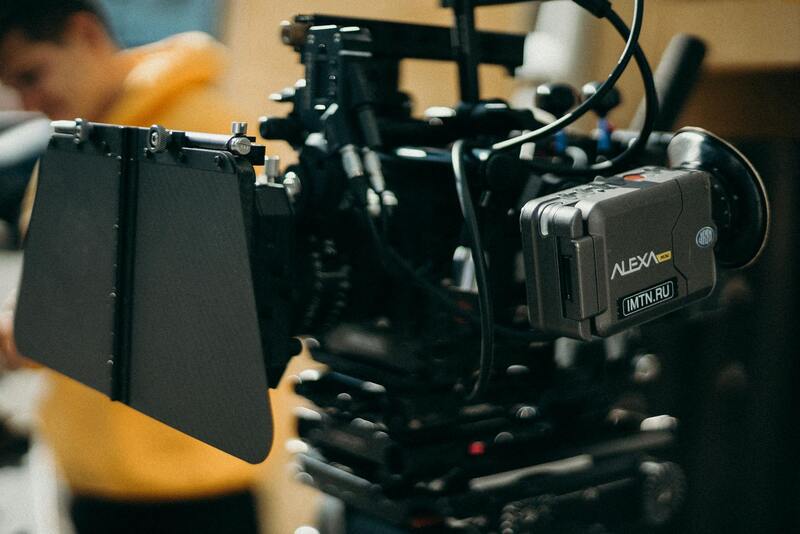
Camera specifications are vital—cameras with 4K or higher resolution, remote focus capabilities, and adjustable aperture settings ensure crisp, clear imagery that highlights property features and surrounding landscape. Wide-angle lenses help encompass extensive views, providing potential buyers or investors with a comprehensive perspective of the site.
For operations that demand detailed on-site inspections or interior shots, drones equipped with thermal imaging sensors or specialized cameras may be utilized to reveal structural issues or environmental considerations without invasive methods. These technological enhancements facilitate thorough assessments and add value to the marketing process.
Effective Techniques for Shooting Commercial Real Estate Videos
Strategic planning prior to flight is critical for capturing impactful drone footage. Establishing optimal shooting angles, considering the property's topography, and scouting for potential obstructions help produce polished visuals. Time of day influences lighting conditions; scheduling shoots during golden hour—shortly after sunrise or before sunset—can significantly enhance the property's appearance with warm, natural lighting.
During filming, smooth, controlled movements convey a sense of professionalism and provide viewers with clear, engaging views of the property. Employing cinematic techniques such as dolly shots or tracking sequences enhances visual storytelling, drawing attention to key features like building architecture, landscaping, or surrounding amenities.
Post-flight, raw footage should undergo meticulous review to select the best shots, ensuring consistency in framing and color balance. Use of camera stabilizers during shooting minimizes vibrations, resulting in footage that requires less stabilization in post-production.
Complementary Strategies for Maximizing the Impact of Commercial Drone Videos
- Incorporate Ground-Level Shots: Combining aerial views with ground footage creates a more comprehensive visual narrative.
- Embed Property Data: Overlaying essential information such as property size, zoning details, or recent renovations can inform and engage potential clients effectively.
- Utilize Virtual Tours: Integrate drone footage into interactive virtual walkthroughs to enhance online listings and attract remote investors.
- Optimize for Digital Platforms: Format videos for various channels, ensuring compatibility with social media, websites, and email marketing campaigns for wider reach and engagement.
Understanding and Managing Airspace Restrictions for Commercial Drone Operations
Executing a successful commercial real estate drone video campaign in Miami requires careful planning around airspace management. Drone operators must be aware of designated airspace zones, especially near sensitive locations such as airports, government buildings, and densely populated areas. Miami's metropolitan area includes several regulated zones, which may impose specific operational restrictions to ensure the safety and security of air traffic. Utilizing official airspace maps and alerts provided by aviation authorities helps in planning flights that comply with local airspace regulations.
Prior to filming, conducting a comprehensive pre-flight assessment is vital. This involves reviewing NOTAMs (Notice to Air Missions) and temporary flight restrictions, particularly for events or constructions that might impact airspace permissions. Advanced planning includes identifying alternate flight zones or creating contingency plans in case of unexpected restrictions. Employing drone models with geofencing capabilities can minimize accidental incursions into restricted zones, maintaining a compliant operational environment.
Additionally, establishing clear communication channels with local authorities and property owners can facilitate smoother access and permissions. Some jurisdictions in Miami might require notification or permits, even for aerial photography conducted over private or public land. Ensuring transparency with relevant agencies helps prevent disruptions during the shooting process and reinforces a commitment to responsible drone use.
Given the complexity of Miami's airspace and the importance of maintaining safety standards, partnering with experienced drone operators well-versed in local regulations is highly recommended. These professionals are equipped with the knowledge and tools necessary to navigate regulatory landscapes effectively, thereby ensuring the production of high-quality, compliant commercial real estate drone videos.
Key Techniques for Shooting High-Quality Commercial Real Estate Drone Videos
Maximizing the visual appeal and informational value of drone footage requires a strategic approach to shooting techniques. These methods ensure comprehensive coverage while highlighting the unique features and assets of commercial properties. A well-executed flight plan that considers optimal angles, timing, and equipment settings can significantly elevate the professionalism and effectiveness of the final video.
Pre-Flight Planning and Site Analysis
Prior to takeoff, a detailed site analysis is essential to identify key features that need to be showcased. This includes exterior architecture, landscaping, parking facilities, surrounding infrastructure, and access points. Planning various flight paths and camera angles enables the capture of multiple perspectives, providing a comprehensive visual story of the property. Additionally, understanding the property’s context within its neighborhood aids in highlighting its strategic advantages.
Utilization of Camera Movements and Angles
Dynamic camera movements such as orbit shots, vertical ascents, and tracking shots add depth and engagement to the footage. Transitioning smoothly between wide shots and close-ups helps reveal both the property’s grandeur and its detailed features. These camera techniques should be synchronized with the property’s narrative to emphasize its strengths effectively.
Optimal Flight Altitude and Timing
Choosing the right altitude is key to capturing the property thoroughly without sacrificing detail. Lower altitudes provide close-up views of architectural details, while higher flights offer contextual shots of the surrounding environment. Timing is equally important; golden hour lighting—shortly after sunrise or before sunset—produces warm tones and reduces harsh shadows, enhancing the property's presentation.
Utilization of Stabilization Equipment
To achieve smooth, professional footage, integrating gimbal stabilizers or drone-mounted stabilization systems helps eliminate jitters caused by wind or movement. These tools allow for precise camera control, resulting in seamless footage that maintains viewer engagement and conveys a polished appearance.
Maintaining Safe and Consistent Operation
Adhering to best practices for drone flight, such as maintaining consistent speeds, avoiding abrupt movements, and following predetermined flight paths, ensures footage quality and safety. Regular sensor calibration and battery management are also crucial to prevent technical disruptions during filming sessions.

Post-Flight Data Management
Immediately after completing a shoot, it’s vital to review the footage for quality and completeness. Proper data storage, backup, and organization facilitate efficient editing and reduce the risk of losing valuable visual assets. Detailed notes on each flight segment can aid in the editing process, ensuring the final product accurately reflects the property's highlights.
Conclusion
Implementing these techniques requires experience, technical knowledge, and meticulous planning. Collaborating with professional drone operators or production agencies that specialize in commercial real estate ensures that each flight session adheres to best practices, yielding footage that is both compelling and compliant with industry standards.