Importance of High-Quality Commercial Property Photography
In the competitive Miami real estate market, the visual presentation of commercial properties plays a crucial role in attracting prospective tenants, buyers, and investors. High-quality commercial property pictures serve as a powerful marketing tool that showcases the property's assets, emphasizes its unique features, and conveys a professional image. When potential clients browse listings, images are often the first point of contact, influencing their perception and decision-making process.
Professional images create a lasting impression by highlighting the strengths of commercial spaces, whether they are office buildings, retail centers, warehouses, or industrial facilities. Clear, well-composed photographs reveal the property's layout, condition, and amenities, providing viewers with an accurate representation that builds trust and confidence. This is particularly vital in Miami’s bustling marketplace, where eye-catching visuals can distinguish a listing from numerous competitors.

Investing in professional photography translates into higher engagement across online platforms, printed marketing materials, and social media channels. Effective imagery prompts more inquiries, site visits, and ultimately faster lease or sale agreements. Beyond immediate marketing benefits, detailed and visually appealing images help manage client expectations, reducing misunderstandings and enhancing overall satisfaction with the transaction process.
In Miami’s dynamic real estate environment, where rapid decision-making is common, having a portfolio of exceptional commercial property pictures becomes indispensable for property managers, developers, and brokers seeking to maximize their reach and impact. The importance of high-quality images extends beyond mere aesthetics; they are a strategic asset that influences market perception, competitiveness, and success rates.

Choosing the Right Equipment and Techniques
Capturing high-quality commercial property pictures requires precise selection of equipment and application of effective techniques. The use of professional-grade cameras with high-resolution sensors ensures that every detail of a property is crisply rendered, making images suitable for both digital displays and printed marketing collateral. Wide-angle lenses are crucial for showcasing expansive interiors and exteriors, providing viewers with a comprehensive perspective that emphasizes the property's space and layout.
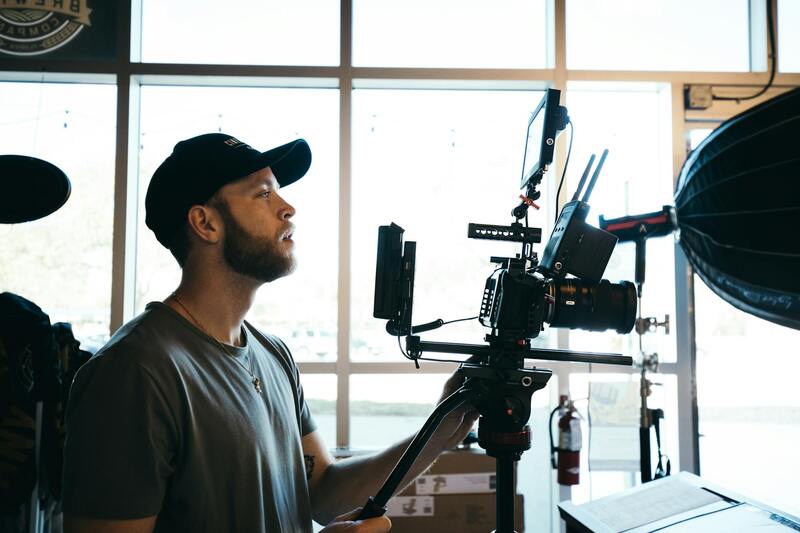
Proper lighting is fundamental; utilizing natural light during optimal times of the day minimizes shadows and highlights architectural features distinctly. When natural light is insufficient, additional lighting equipment such as umbrella softboxes or strobes can be employed to ensure even illumination, avoiding harsh shadows or glare.
Stability during shooting is vital to produce sharp images. Tripods eliminate camera shake, especially in low-light conditions or when using slower shutter speeds, preserving the clarity necessary for professional presentations.
The application of HDR (High Dynamic Range) techniques enhances images where contrasting lighting conditions exist, such as brightly lit windows against darker interiors. Merging multiple exposures captures a full range of brightness levels, revealing details both inside and outside the property.
Advanced techniques include perspective control, which prevents distortion in wide-angle shots, and panoramic stitching to portray expansive spaces convincingly. These methods contribute to creating visually compelling images that accurately represent the property's true scale and ambiance.
Furthermore, consistent color balance and proper white balance settings ensure that images depict true-to-life colors, accurately representing materials, finishes, and branding elements.

Optimal Techniques for Capturing Commercial Property Images
Achieving exceptional commercial property pictures hinges on employing a combination of precise techniques and suitable equipment. Utilizing a high-resolution digital camera with a wide-angle lens allows photographers to encompass more of the space in each shot, providing viewers with a comprehensive view of the property. A lens with a focal length around 16-24mm on a full-frame camera is ideal for capturing interior spaces without significant distortion, which can otherwise skew proportions and misrepresent the actual size of rooms.
Proper lighting is essential to highlight the property's best features. Natural light should be maximized by shooting during optimal times of day, such as late morning or late afternoon, when sunlight provides soft, even illumination. However, relying solely on ambient light may not suffice, especially for interiors with limited windows. Supplementing with professional lighting equipment, like umbrella softboxes or portable strobes, ensures consistent and balanced illumination, reducing harsh shadows or uneven light patches.
Stability in shooting is crucial for clear, professional images. Tripods provide this stability, especially when using slower shutter speeds to capture more light in dimly lit areas or to achieve precise framing. This stability ensures images are sharp and free from motion blur, which is particularly important in showcasing fine details or textures of building materials, fixtures, and finishes.
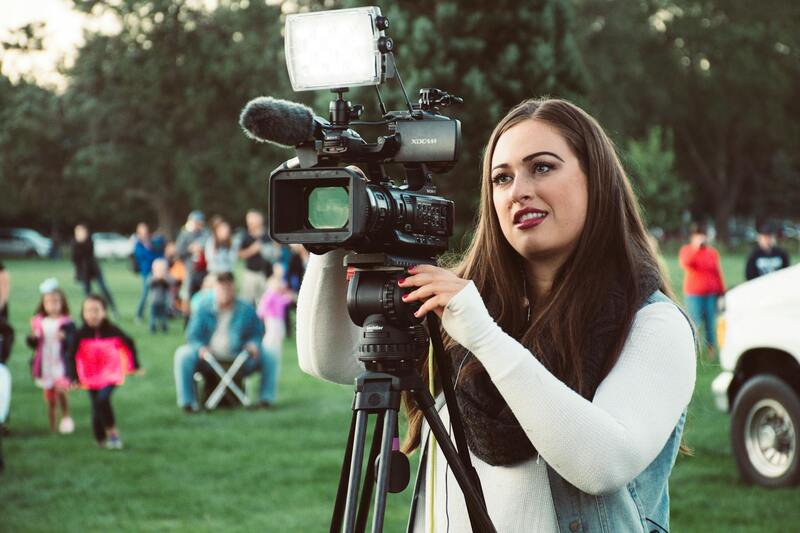
Enhancing image quality further involves employing high dynamic range (HDR) photography. By capturing multiple exposures and merging them during post-processing, HDR techniques reveal details in both shadows and highlights, offering a balanced, true-to-life representation of the space. This is especially valuable when photographing areas with large windows or glass facades that create contrasting lighting conditions.
Advanced techniques such as perspective control help prevent distortion in wide-angle shots, maintaining accurate proportions and a natural sense of space. Panoramic stitching can be used to depict expansive interiors or outdoor areas, providing a comprehensive view that engages potential tenants or buyers more effectively. Maintaining consistent color and white balance throughout a shoot ensures accurate depiction of materials, finishes, and branding elements, boosting the property's appeal and conveying professionalism.

These carefully selected methods and professional-grade tools culminate in commercial property photographs that are not only visually striking but also accurate representations of the spaces. They serve as vital assets in marketing strategies, helping properties stand out in competitive markets and facilitating informed decision-making by prospective clients.
Utilizing Professional Photography to Enhance Marketing Strategies
High-quality commercial property pictures play a central role in contemporary marketing strategies for real estate, particularly within competitive markets like Miami. Professional images do more than simply showcase a property's features; they serve as a powerful visual communication tool that can significantly influence prospective clients' perceptions and decision-making processes.
One fundamental application of premium commercial images is in digital marketing. When prospective tenants or buyers browse online listings, the first impression often hinges on the quality of the photographs. Crisp, well-lit images that accurately depict the space's layout, architectural details, and finishes attract more attention and generate increased engagement. Superior imagery helps differentiate properties from competitors, emphasizing unique selling points and fostering a sense of professionalism and trustworthiness.
In addition to online listings, high-resolution commercial property photos are invaluable in printed materials such as brochures, flyers, and presentation decks. These visuals provide tangible representations of the property that can be used in sales meetings, investor pitches, or marketing campaigns. Clear, compelling images facilitate a smoother communication process, allowing potential clients to visualize living or working in the space without physically being present.
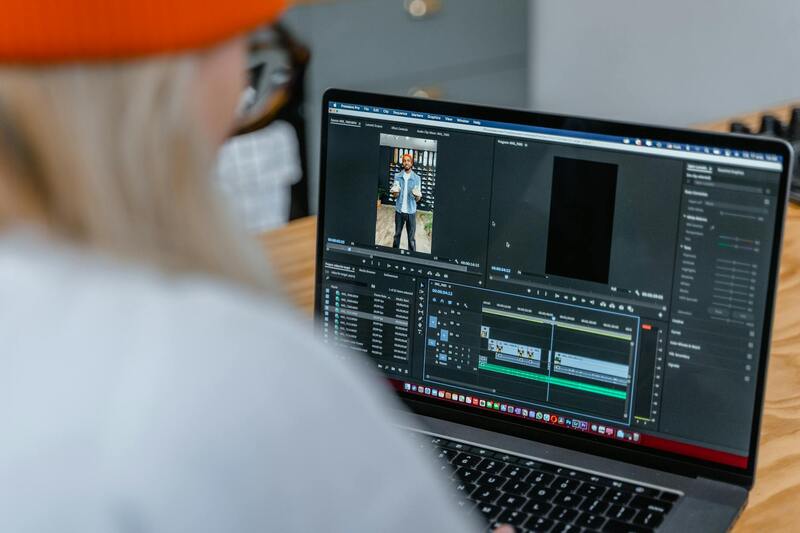
Social media platforms have also become crucial channels for property marketing, with visual content often serving as the primary medium for engagement. High-quality images can be featured in targeted advertising campaigns, enhancing visibility among specific demographics or geographic areas. The visual appeal of professional photographs increases shareability and encourages word-of-mouth referrals, broadening the property's reach.
Beyond direct marketing efforts, commercial property images support brand preservation and overall reputation management. Consistent use of high-caliber visuals across various platforms helps establish a professional and polished brand identity, reassuring clients of a business's standards and attention to detail. This consistency in presentation reinforces the property's value and appeals to discerning clients seeking spaces that meet rigorous standards of quality and aesthetic appeal.
Properly executed commercial property pictures also serve as a reference for future renovations, property management, and leasing activities. They create a comprehensive visual archive that can assist in planning upgrades or assessing property condition over time.
In essence, leveraging exquisite commercial property images effectively amplifies marketing efforts, enhances brand reputation, and supports sales and leasing objectives. Meticulous photography ensures that each property’s unique character is captured authentically, thereby attracting the right audience and fostering successful transactions.
Legal and Ethical Considerations in Commercial Property Photography
When capturing commercial property images, adherence to established standards and practices ensures that the photographs accurately represent the property while respecting the rights of all involved parties. Photographers must obtain proper permissions before photographing private or restricted areas, ensuring that all activities comply with local regulations and property guidelines. This not only fosters trust but also minimizes potential misunderstandings or disputes regarding image usage.
Maintaining transparency about how images will be used plays a critical role in professional commercial photography. Clear communication with property owners and stakeholders about image rights, licensing, and distribution rights helps uphold ethical standards. It is essential to clarify whether the images may be used for marketing, online listings, or promotional materials, and to secure agreements that specify the scope and duration of their use.
Respecting privacy is paramount when photographing commercial properties. This entails avoiding intrusive shots that may capture sensitive or private areas, and being mindful of nearby residences or neighboring businesses. Obtaining explicit consent for images that include identifiable individuals or private property ensures respect for personal and corporate privacy rights. Such diligence prevents potential conflicts and fosters positive relationships with clients and the community.

Furthermore, the use of editing techniques should be transparent, with any enhancements clearly distinguishable from original imagery. Over-editing or deceptive presentation can diminish credibility and confidence among potential clients. Striking a balance between aesthetic enhancement and honest representation is vital for maintaining professional integrity.
Legal and ethical considerations extend to copyright and intellectual property rights. Photographers and clients should agree on ownership terms of the images, including licensing, reproduction rights, and usage limitations. Proper documentation and clear contracts help prevent misunderstandings and safeguard the interests of all parties involved.
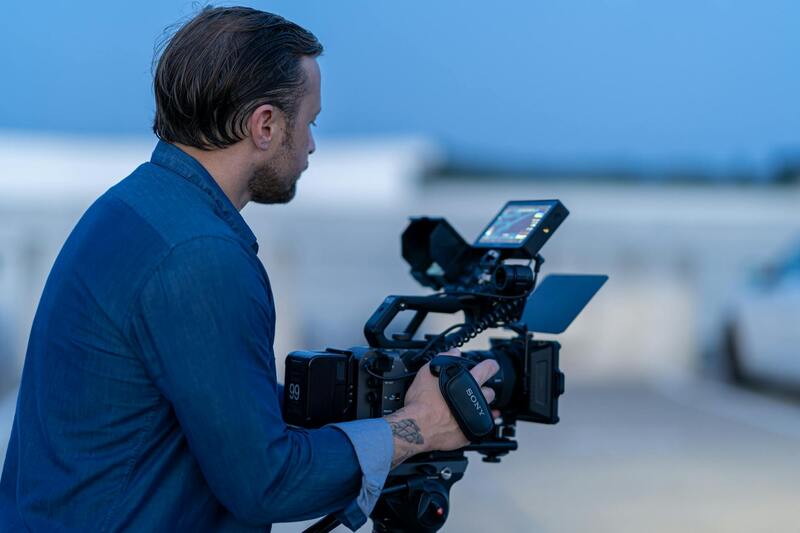
By adhering to these principles, professionals ensure that their work not only meets industry standards but also fosters trust and credibility in the marketplace. Ethical practices in commercial property photography contribute to sustainable marketing strategies, where the authenticity and integrity of images serve as a foundation for long-term success.
Effective Use of Commercial Property Pictures in Marketing
High-quality imagery plays a vital role in showcasing commercial properties to attract potential tenants, buyers, and investors. Professionally captured commercial property pictures serve as powerful marketing tools that highlight the distinct features and unique selling points of a property. When images are visually appealing, they can significantly enhance online property listings, brochures, and social media campaigns, making properties stand out in competitive markets.
One of the primary benefits of professional commercial property photography is the ability to convey a property's scale, layout, and ambiance accurately. Strategic framing and lighting ensure that every space appears inviting and functional. Clear, detailed images help prospective clients visualize the property’s potential, reducing unnecessary visits and streamlining the decision-making process.
Additionally, well-crafted images foster a sense of trust and credibility. A polished presentation of commercial spaces conveys professionalism and attention to detail, which can be decisive in closing deals. When commercial properties are promoted with high-quality pictures, they tend to receive more inquiries and generate higher interest levels from qualified buyers or tenants.

Optimizing images for different marketing channels enhances their impact. For example, wide-angle shots are suitable for online listings, providing viewers with a comprehensive view of the space, while close-ups of architectural details can be used to highlight craftsmanship and quality. Incorporating aerial photographs captured via drone technology offers a unique perspective of the property's exterior and surrounding environment, which can appeal to a broader audience.
Moreover, consistent visual branding across all marketing materials ensures that commercial properties are perceived as professional and reliable investments. Utilizing the same style, color palette, and lighting in photographs reinforces brand identity and helps establish a cohesive visual narrative that resonates with target audiences.
Best Practices for Leveraging Commercial Property Photos
- Update images regularly: Fresh visuals reflect the current state of a property and showcase recent improvements or changes.
- Highlight key features: Focus on critical selling points such as location advantages, interior upgrades, amenities, and outdoor spaces.
- Ensure accessibility: Use high-resolution images that load quickly on all devices to reach a wider audience.
- Complement photos with virtual tours: Providing 360-degree views or virtual walkthroughs enhances engagement and understanding of the property's layout.
- Use strategic captions and descriptions: Accompany images with informative text that emphasizes important aspects of the property and guides viewer attention.
Effectively utilizing commercial property pictures is essential for maximizing marketing efforts, engaging potential clients, and accelerating the sales or leasing process. Professionals specializing in commercial property photography possess the expertise to capture images that align with marketing strategies, ensuring properties leave a lasting impression on their target audience.
Legal and Ethical Considerations in Commercial Property Photography
When capturing commercial property images, adherence to certain standards and principles is essential to maintain professionalism and uphold industry best practices. Ensuring accurate representation of the property, respecting privacy rights, and obtaining necessary permissions are fundamental components of responsible commercial photography.
Accurately portraying a property’s features and condition is crucial. This involves highlighting its strengths without embellishing or misleading potential buyers or tenants. Clear, honest representations foster trust and transparency within the leasing or sales process, supporting informed decision-making.
Respect for privacy and property rights is equally important. Photographing interior spaces may require consent from occupants or property managers, particularly if personal or sensitive areas are involved. Securing permissions or notices prior to shooting helps avoid misunderstandings and demonstrates professionalism. Additionally, respecting restrictions on property access and respecting designated areas preserves relationships with clients and stakeholders.
Furthermore, maintaining integrity during the editing process is vital. Post-production enhancements should enhance the visual appeal without creating deceptive impressions of space, lighting, or features. Consistency between photographs and the actual property supports ethical marketing and prevents potential disputes.
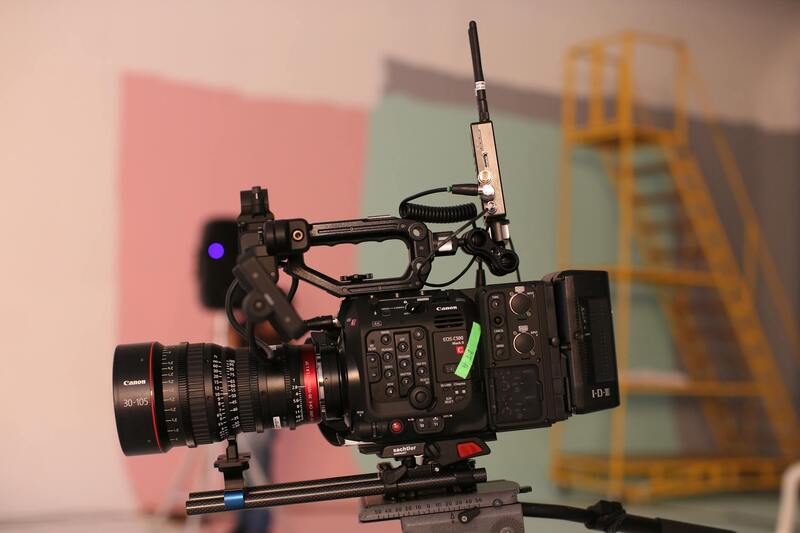
In the competitive realm of commercial real estate, professional photographic standards serve as a foundation for effective marketing strategies. By following ethical practices and industry guidelines, professionals demonstrate credibility and foster positive relationships with clients. Clear communication about the scope of photography, permissions obtained, and how images will be used consolidates a reputation for integrity.
Investing in robust policies for commercial property photography not only aligns with industry standards but also promotes transparency and respect for all parties involved. This responsible approach benefits all stakeholders and contributes to a sustainable, trustworthy market environment.
Legal and Ethical Considerations in Commercial Property Photography
When engaging in the professional documentation of commercial properties, adhering to established legal and ethical standards is essential. This ensures that all activities are conducted responsibly, maintaining trust with clients, property owners, and other stakeholders. Proper protocols involve obtaining necessary permissions and making clear disclosures about the scope and intent of the photography sessions.
Before capturing images, it is critical to secure explicit authorization from property owners or authorized representatives. This process involves clarifying which areas will be photographed, how the images will be used, and who will have access to them. Such transparency minimizes misunderstandings and aligns expectations from the outset. Maintaining documentation of permissions safeguards both parties and demonstrates professionalism.
Respect for privacy and confidentiality is paramount, especially when photographing inside commercial spaces that may contain sensitive or proprietary information. Professionals must avoid capturing images that could inadvertently reveal confidential business activities or confidential areas unless expressly permitted. Additionally, respecting restrictions on property access and designated sensitive zones fosters good relationships with clients and helps prevent potential disputes.
After the photoshoot, integrity in post-production editing is equally important. Enhancements should aim to accurately showcase the property’s features without creating misleading impressions. Overly manipulated images can misrepresent the actual conditions, leading to misinformed decision-making by potential tenants or buyers. Maintaining a balance between attractive visuals and honest representations reinforces the photographer's credibility and contributes to a trustworthy marketing environment.
Moreover, transparency about how images are edited and used supports a professional relationship built on honesty. When marketing commercial properties, accurate portrayal combined with ethical practices upholds the reputation of the photographer and the client. This approach not only aligns with industry standards but also fosters long-term trust and credibility within the commercial real estate sector.