Understanding Commercial Property Photography
Commercial property photography is a specialized aspect of real estate marketing that focuses on capturing high-quality images of commercial spaces such as office buildings, retail outlets, industrial facilities, and other business-related properties. The primary goal is to present these properties in a manner that highlights their best features, appeal, and overall potential for prospective tenants or buyers. In the competitive Miami market, where the real estate landscape is constantly evolving, professional commercial photography plays a crucial role in differentiating listings and attracting attention from interested parties.
Effective commercial property photography goes beyond simple snapshots; it demands a strategic approach to composition, lighting, and perspective to showcase properties in the best possible light. Quality imagery can significantly influence decision-making, helping investors, developers, and business owners visualize the space and understand its value. For real estate agencies and property managers, investing in professional photography means creating a compelling visual narrative that aligns with branding goals and marketing efforts, ultimately driving engagement and accelerating transactions.
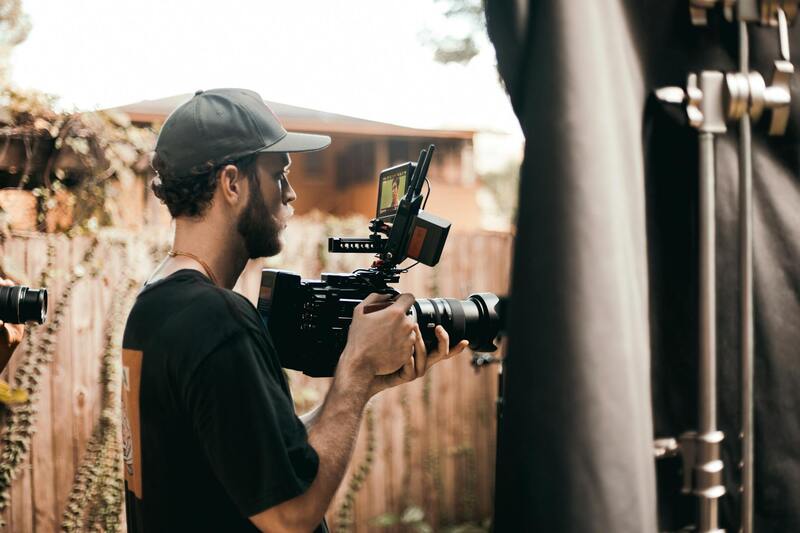
In Miami's vibrant real estate environment, where competition is fierce and visual presentation can make or break a deal, utilizing professional commercial property photography is more than a marketing tool—it is a strategic investment. Well-executed images not only boost online listings but also enhance physical marketing materials, including brochures, signage, and presentations. This comprehensive visual approach ensures that properties stand out, whether they are prime downtown office towers or sprawling industrial parks.
The importance of this photography extends to various sectors. For leasing agents, compelling visuals attract tenants quickly; for developers, they help secure funding and partnerships; for property owners, they add to the overall value and marketability of their assets. In Miami’s dynamic market, where aesthetics and presentation influence perceptions significantly, commercial property photography becomes an essential component of successful real estate strategies.
Key Elements of Commercial Property Photography
Capturing a compelling image of a commercial property requires careful attention to several fundamental elements that collectively enhance the visual appeal and convey the property's unique attributes. These elements include lighting, composition, perspective, and detail, each playing a crucial role in presenting the space in the most favorable light possible.

Lighting
Lighting is paramount in commercial property photography. Natural light should be utilized whenever possible to create a vibrant and inviting ambiance, especially during the golden hours of early morning or late afternoon. In interior shots, additional lighting equipment such as strobes and softboxes can be employed to eliminate shadows and balance the exposure, ensuring all features are clearly visible.
Composition and Perspective
The way a photograph is framed significantly impacts its effectiveness. Utilizing wide-angle lenses can help showcase large spaces, while strategic positioning from various angles offers viewers a comprehensive understanding of the property's layout. Symmetry and balance in composition convey professionalism and help prioritize the property's most attractive features.
Detail and Focus
Highlighting specific architectural elements, finishes, and high-quality fixtures can add depth and interest to the imagery. Selective focus techniques draw attention to key features, emphasizing the property's quality and unique aspects.
Color and Contrast
Accurate color rendering is vital to represent the true appearance of the property. Proper contrast ensures that elements stand out, creating a dynamic and engaging visual narrative. Post-processing should enhance these features without over-editing, maintaining realism and trustworthiness in the imagery.
Image Consistency
Maintaining a consistent style across all photographs enhances brand recognition and professional presentation. This includes harmonized color grading, perspective, and framing, which collectively reinforce the property's best features and create a cohesive visual story.

Secure Image Rights and Proper Usage
Obtaining appropriate permissions for all visual content used in commercial property photography is fundamental. This includes rights to any proprietary decor, artwork, or branded items within the property. Using authorized images guarantees adherence to intellectual property standards and prevents potential disputes that can interrupt marketing efforts.
Ensuring image rights extends to licensing or releasing images for specific uses, such as website galleries, print brochures, or virtual tours. Formal agreements or licenses clarify permissible applications, avoiding misunderstandings and preserving the integrity of the marketing campaign.
Implementing Consistent Branding and Style Guidelines
Maintaining a uniform visual style across all property images enhances brand recognition and professionalism. This involves establishing set color schemes, tone, and framing standards that reflect the property's market positioning. Consistency helps potential clients or investors recognize your listings instantly and associates your brand with quality and trustworthiness.
Style guidelines should be incorporated during the photo shoot and in post-processing. Elements such as color correction, cropping, and retouching should align with the established aesthetic to ensure visual coherence. This consistency allows for seamless integration into broader marketing platforms, including social media, online listings, and printed materials.
Adhering to Industry Standards for Image Quality
High-resolution imagery is critical for creating compelling visual content that portrays your property accurately and professionally. Using equipment capable of capturing detailed, high-quality photos ensures clarity whether images are viewed on large screens or printed in marketing collateral.
Proper focus, appropriate lighting, and minimal distortion or noise are necessary to meet industry standards. Regular calibration of cameras and monitors also ensures that color accuracy and image sharpness are preserved throughout the editing process. Adherence to these standards reinforces viewer confidence in your listings and underpins a premium brand image.
Implementing Image Optimization Techniques
Optimizing images for online platforms is essential for enhancing load times and search engine visibility. Techniques include compressing images without sacrificing quality, using the correct file formats, and implementing descriptive filenames and alt text. These practices contribute to a better user experience and improve the property's online exposure.

Proper image optimization ensures your commercial property listings stand out in web searches and across digital marketing channels, attracting potential tenants or buyers more effectively. When combined with high-quality, properly licensed images, these methods form the backbone of successful property marketing in today’s competitive real estate environment.
Understanding Commercial Property Photography
Effective commercial property photography involves more than just capturing images of a building; it is a strategic approach that highlights the property's best features, conveys its purpose, and appeals to targeted audiences. This specialized genre requires a keen understanding of architectural design, lighting conditions, and optimal angles to present the space authentically and compellingly. High-quality images not only enhance online listings but also serve as essential tools in marketing campaigns, investor presentations, and leasing negotiations. By emphasizing clarity, Detail, and visual appeal, professional commercial photography creates a strong visual narrative that can influence decision-making processes and accelerate sales or leasing efforts.

The goal is to produce a set of images that accurately reflect the property's size, layout, and unique features while maintaining an aesthetic that attracts prospective clients. Selecting the appropriate angles and lighting setups, including the use of natural light or supplementary lighting, can significantly impact how a space is perceived. This careful attention to detail ensures that images stand out in a crowded market, conveying professionalism and building trust with viewers.
Key Elements of Commercial Property Photography
Successful commercial property photography hinges on several critical aspects, including composition, lighting, and image consistency. These elements work together to create a polished, attractive portrayal of the property that aligns with branding and marketing objectives.
- Composition: Arranging the shot to highlight key features, utilizing leading lines, and ensuring that the framing accurately represents the space’s dimensions and flow.
- Lighting: Using available light effectively or supplementing with additional lighting to eliminate shadows and highlight architectural details.
- Image clarity and sharpness: Employing equipment capable of capturing high-resolution images with precise focus to ensure details are preserved.
- Color accuracy: Maintaining consistency in color tones to accurately depict the space's ambiance and materials.
- Post-processing: Refining images to correct minor imperfections, enhance visual appeal, and ensure consistency across the photoset.

Preparing Property for Professional Photography
Preparation is a fundamental step to ensure the property looks its best in photographs. Both interior and exterior spaces require strategic staging to maximize visual impact and convey the property's potential.
- Interior staging: Declutter spaces, remove personal items, and arrange furniture to showcase the property's functionality and appeal. Use neutral decor accents that resonate with a broad audience.
- Exterior tidiness: Mow lawns, trim hedges, and remove debris. Fresh paint, clean windows, and well-maintained landscaping contribute to a positive first impression.
- Lighting considerations: Schedule shoots during optimal times of day when natural light enhances the space, and consider supplementary lighting for darker areas.
- Access and timing: Coordinate with property managers to ensure access and minimize disruption during the photography session.
- Highlight special features: Focus on architectural uniqueness, modern finishes, or recent upgrades to add value to the visual story.
Properly preparing the property not only results in higher-quality images but also expedites the shoot process, leading to more efficient use of time and resources. When these elements are executed with precision, the resulting imagery creates a compelling narrative that aligns with marketing goals, attracting the right tenants or buyers and facilitating faster transactions.
Ensuring Accurate and Consistent Image Representation
One of the main objectives of commercial property photography is to present the property in a truthful manner that accurately reflects its condition and features. High-quality images should showcase the property’s true character, size, and layout without exaggeration or misrepresentation. This honest portrayal helps set correct expectations for potential clients or tenants and fosters trust in the marketing process.
Consistency in image style and quality also plays a critical role. When multiple images are used across various marketing channels, maintaining visual coherence ensures a professional look that reinforces brand identity and message clarity. Consistent lighting, color tones, and perspective choices convey a unified story about the property, making the listing more appealing and easier for viewers to relate to.
To achieve this, professional photographers leverage a standardized approach to image capture, including preset camera settings, staging techniques, and editing processes. This ensures that every shot aligns with the overall aesthetic and marketing objectives, resulting in a polished portfolio that enhances the property’s perceived value.
Applying Advanced Techniques for Superior Results
Beyond basic photography skills, utilizing advanced techniques can significantly elevate the visual quality of commercial property images. HDR (High Dynamic Range) photography captures a broader range of light and color, balancing interior and exterior exposures for a more vibrant and detailed presentation. Panoramic shots can offer immersive views of the property layout, providing prospective clients with a comprehensive understanding of the space.
Drone photography is increasingly popular in commercial real estate marketing. Aerial shots provide a unique perspective, highlighting surrounding amenities, landscaping, and the property’s spatial relationship with its environment. This overhead view can be especially effective in showcasing expansive commercial plots or complex developments.
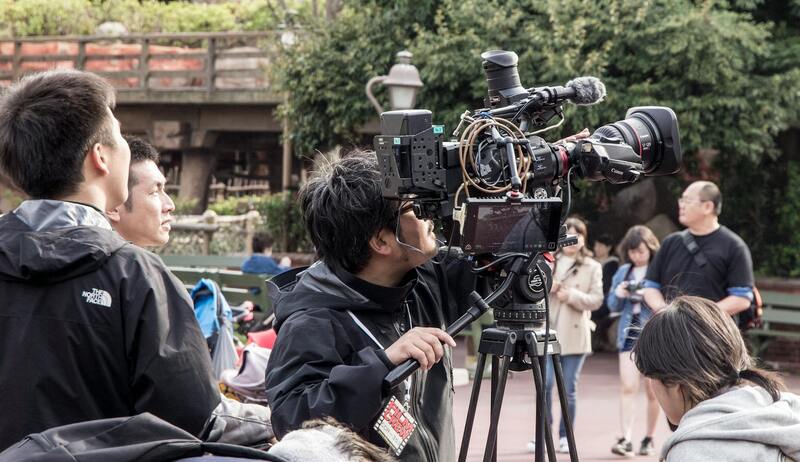
Incorporating these advanced methods requires a skilled professional familiar with the latest tools and techniques. Their expertise ensures that each image not only captures the essence of the property but also stands out in competitive listings, attracting attention from qualified prospects.
Maintaining Ethical Standards in Commercial Photography
While striving for stunning visuals, ethical practices are paramount. Photographers must accurately depict the property’s condition, avoiding any manipulation that could mislead viewers. This includes honest color correction, perspective correction, and balanced exposure adjustments that reflect reality without distorting features.
Transparency in editing reinforces credibility with clients and prospects alike. Clear communication about any enhancements or adjustments applied to images helps maintain confidence in the information being conveyed, ultimately supporting a trustworthy marketing approach.
Understanding Commercial Property Photography
Commercial property photography encompasses specialized techniques aimed at showcasing a property’s features to attract potential buyers, tenants, or investors. Unlike standard real estate photography, which primarily highlights residential spaces, commercial property photography emphasizes elements such as building architecture, interior layouts, parking facilities, and surrounding infrastructure. This visual storytelling is vital in the commercial real estate sector where first impressions heavily influence decision-making processes. High-quality images provide a tangible sense of the property’s scale, functionality, and appeal, helping to differentiate listings in a competitive market.

Key Elements of Commercial Property Photography
Effective commercial property photography hinges on several core elements that collectively create compelling visual narratives. The following aspects are critical for capturing the full potential of a commercial space:
- Lighting: Proper lighting illuminates the property’s features, creating a welcoming and professional appearance. Natural light is preferred where possible, supplemented by controlled artificial lighting to eliminate shadows and highlight key areas.
- Composition: Strategic framing and balanced composition ensure that the property’s most attractive aspects are prominently showcased. Attention to vertical and horizontal lines maintains architectural integrity and guides the viewer’s eye through the image.
- Perspective: Using different angles incorporates depth and dimension, illustrating the scale and spatial relationships within the property.
- Detail Shots: Close-up images of architectural details, fixtures, or unique features add interest and enhance understanding of the property’s quality and design.
- Aerial Views: Drone photography offers a comprehensive overview of large plots or complex developments, providing context and showcasing surroundings that might be less apparent from ground level.

Preparing Property for Professional Photography
Preparation is crucial for maximizing the visual impact of commercial property photos. Proper staging and maintenance ensure that the property appears its best in every shot. Key preparatory steps include:
- Cleaning and Decluttering: Clear out unnecessary items, personal belongings, or clutter that can detract from the space’s functionality and aesthetics.
- Repairs and Maintenance: Address any visible issues such as broken fixtures, chipped paint, or damaged flooring to present the property in prime condition.
- Styling: Furnishings, decorative elements, and strategic arrangements can enhance visual appeal and help prospective clients envision themselves within the space.
- Lighting Control: Open curtains to maximize natural light and switch on appropriate artificial lighting to create a bright, inviting atmosphere.
- Exterior Preparation: Landscaping, cleaning facades, and tidying outdoor areas contribute significantly to curb appeal, especially in exterior shots.

Choosing the Right Equipment and Techniques
Professional commercial property photography depends on the appropriate selection of equipment and methodologies. Essential tools include high-resolution cameras capable of capturing fine details and wide-angle lenses to showcase expansive interiors and exteriors. Tripods ensure stability for crisp images, especially in low-light conditions or interior shots with limited light sources.
Advanced techniques such as HDR (High Dynamic Range) imaging help balance exposure differences between light and shadow, rendering images with vibrant, accurate colors. Drones expand creative possibilities, allowing for aerial shots that reveal property layouts and surrounding landscapes effectively.
Utilizing tilt-shift lenses or perspective correction software can prevent distortion, providing true-to-life representations of architectural features. Employing a combination of these tools and techniques allows photographers to produce images that accurately convey the scale, condition, and appeal of commercial properties.

Editing and Post-Processing for Commercial Photography
Post-processing plays a vital role in delivering polished, professional images that meet high standards. Editing begins with adjusting the exposure, contrast, and color balance to create a natural, inviting appearance. Minor corrections like straightening lines and cropping improve composition and focus viewer attention on key areas.
Advanced editing may include perspective adjustments to correct distortion caused by lens characteristics or camera angles, ensuring architectural features appear true to scale. Removing distracting elements or imperfections enhances visual clarity; however, it is essential to maintain a focus on authenticity and avoid misleading representation.
Consistent editing styles across a portfolio reinforce branding and convey professionalism. When appropriate, subtle enhancements such as sharpening details or enhancing lighting accents can make images more compelling, drawing viewers’ attention and fostering interest.

Proper Methods for Authentic Commercial Property Photography
Securing authentic and effective commercial property images involves a meticulous process that combines technical expertise with strategic planning. Professional photographers utilize precise methods to ensure each photograph accurately reflects the property while highlighting its strengths, ultimately providing potential clients and investors with trustworthy visual representations.
One primary approach is adherence to controlled lighting techniques. Photographers often utilize natural light, supplemented by diffused artificial lighting, to evenly illuminate interiors and exteriors. This minimizes shadows and highlights architectural details without exaggeration or distortion. Additionally, the use of polarizing filters can reduce reflections on glass surfaces and wet areas, ensuring clarity and realism in the images.
Furthermore, high-dynamic-range (HDR) imaging is employed to capture the full range of light present in scenes, from bright highlights to deep shadows. This technique allows for composite images that reflect what the human eye perceives, rather than artificially darkened or overexposed photographs. This is particularly valuable when photographing facades and interiors with contrasting light conditions.
Another critical element is adherence to compositional standards, including the correct application of framing, perspective, and focal length. Photographers often choose the optimal lens to avoid distortion, especially when capturing large or tall structures. Maintaining consistent perspective and horizon levels ensures the representations are proportional and true to scale.
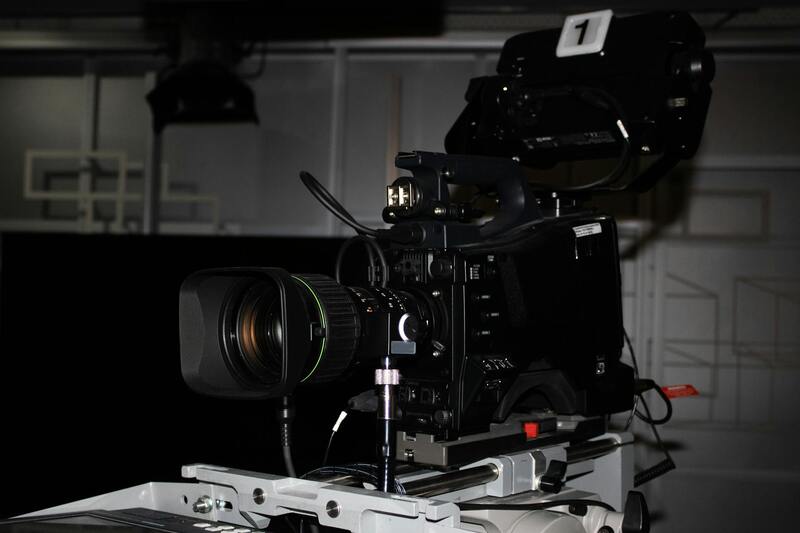
Consistency across image sets is crucial for fostering trust and professionalism. Photographers employ standardized shooting protocols—including calculated camera angles, exposure settings, and image dimensions—to create a cohesive visual presentation. This consistency enhances the credibility of marketing materials and reassures viewers of the property’s true condition and appeal.
In addition to photographic techniques, post-shoot review involves verifying the integrity of each image. Professionals meticulously assess photos for distortions, ensuring that perspective adjustments are made when necessary. Image correction tools help eliminate any visual anomalies, sharpening details without compromising authenticity. Such rigorous methods serve to produce high-quality, reliable visuals suitable for diverse marketing channels.
Implementation of these official practices in commercial property photography not only boosts visual appeal but also fosters transparency. It enables property owners and agents to present their listings with confidence, knowing the images accurately capture the property's real features. Precision in these methods ultimately plays a vital role in attracting qualified tenants, buyers, or investors, making commercial photography a strategic investment in real estate marketing endeavors.
Ensuring Visual Accuracy and Consistency in Commercial Property Photography
Achieving precision and uniformity in commercial property images is a critical element in producing high-quality promotional materials. This process involves careful attention to detail during both the photography session and post-processing phases, ensuring every shot faithfully represents the property's true appearance and features.
Adherence to Standardized Shooting Protocols
Professional photographers utilize detailed planning and standardized techniques to maintain consistency across all images. These protocols include selecting optimal camera angles, maintaining uniform exposure settings, and applying consistent framing and composition guidelines. By doing so, the visual narrative of the property remains coherent, enhancing the viewer's understanding and perception of its layout and space.
Maintaining Perspective and Horizon Levels
One of the fundamental practices involves keeping the perspective and horizon levels consistent. Accurate horizon lines and perspective control prevent distortions that could misrepresent the scale or proportions of the property. These measures ensure that external and internal features are portrayed realistically, aiding potential clients or investors in making informed decisions based on truthful visuals.
Rigorous Post-Processing Techniques
Beyond capturing images, professionals scrutinize each photo during the review phase. If discrepancies or distortions are identified, adjustments are made using specialized editing tools. Perspective correction, distortion removal, and color calibration are common procedures that refine the visuals, ensuring they align with the property's actual appearance.
Sharpness and clarity are optimized through targeted sharpening techniques, avoiding over-processing that could diminish realism. Color accuracy is also paramount, as it reflects the true hues of surfaces, finishes, and lighting conditions. The goal is to produce images that not only attract attention but also convey a trustworthy representation of the property.
Verifying Image Integrity and Authenticity
Final image review involves verifying that each photograph accurately depicts the property's conditions, dimensions, and features. This verification process minimizes the risk of misleading visuals and builds confidence among viewers, whether they are prospective tenants, buyers, or investors. Consistency in quality and authenticity across the image set amplifies the property’s appeal and supports strategic marketing efforts.
Impact on Marketing and Sales Efforts
Accurately captured and uniformly processed images serve as a foundation for various marketing channels, including online listings, brochures, virtual tours, and social media campaigns. High-quality visuals attract qualified leads, facilitate quick decisions, and foster trust in the property's presentation. Ensuring visual accuracy through these official practices significantly contributes to the effectiveness of commercial real estate marketing strategies, ultimately leading to successful transactions.