Understanding the Role of a Commercial Property Photographer
In the competitive landscape of real estate, the visual presentation of a commercial property can significantly influence its marketability and perceived value. A commercial property photographer specializes in capturing high-quality images that showcase the unique features and spatial dynamics of commercial spaces, including offices, retail outlets, warehouses, and industrial facilities. Their role extends beyond simple photography; it involves a strategic approach to highlight the property's best aspects, create an inviting visual narrative, and appeal to prospective tenants or buyers.
Effective commercial photography requires a keen understanding of lighting, perspective, and composition to produce images that are not only visually appealing but also accurate representations of the actual space. These images are vital assets in marketing materials such as online listings, brochures, and advertisements, often determining whether a potential client takes the next step to inquire or visit the property.
Beyond capturing static images, professional commercial photographers may also offer additional services like aerial shots, 360-degree virtual tours, and video walkthroughs, which provide a comprehensive view of the property. Their expertise can help to position a property competitively in the marketplace, opening up opportunities for faster leasing or sales.
The importance of a skilled commercial property photographer is reflected in their ability to produce images that enhance a property’s perceived value, attract qualified leads, and ultimately, support the client’s marketing goals. High-quality visuals serve as a critical element in establishing credibility and trust in the highly visual domain of real estate marketing.
Key Skills and Qualifications of a Commercial Property Photographer
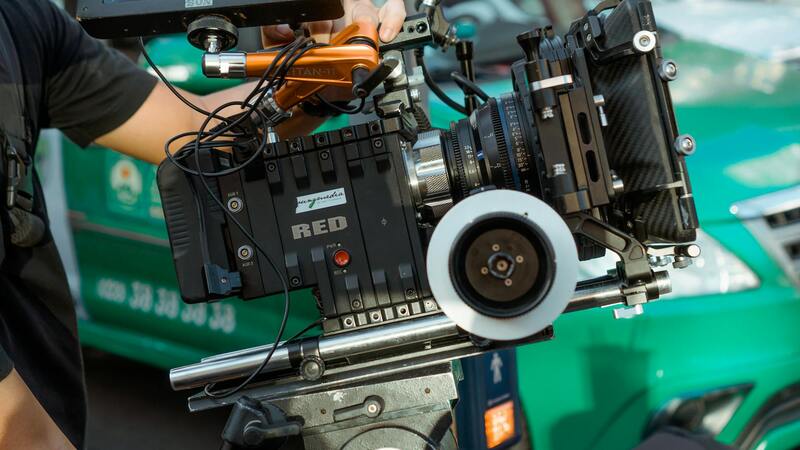
To excel in the specialized field of commercial property photography, a professional must possess a combination of technical expertise, artistic sensibility, and industry knowledge. First and foremost, mastery of camera equipment, including high-resolution digital cameras, wide-angle lenses, and advanced lighting systems, is essential. These tools enable precision in capturing the space's scale, depth, and details, ensuring every shot accurately reflects the property's layout and ambiance.
Beyond technical prowess, a commercial property photographer should have a keen eye for composition and spatial awareness. The ability to identify the most compelling angles, highlight architectural features, and create a sense of depth plays a pivotal role in producing engaging images. Knowledge of the principles of perspective and lighting helps to minimize distortions and shadows that can diminish the quality of the visual representation.
Experience in real estate and commercial photography enhances a photographer’s effectiveness in understanding market trends and client expectations. Familiarity with property staging, interior design, and branding strategies can guide the photographer toward images that align with marketing goals. Attention to detail, including color accuracy and image sharpness, ensures consistency across marketing assets and helps establish trust with clients.
Qualified commercial property photographers often hold professional certifications or possess extensive portfolios that demonstrate their proficiency across various property types. They typically utilize advanced editing software to enhance images, adjusting brightness, contrast, and color balance to achieve a polished, professional look. However, their editing process maintains strict adherence to the true appearance of the property to avoid misleading potential clients.
Equipment selection is also vital. Professional-grade cameras and lenses, drone technology for aerial shots, and 360-degree virtual tour equipment are often part of their toolkit. These tools, combined with technical skills, allow photographers to deliver comprehensive visual content that meets the diverse needs of commercial real estate marketing.
Overall, a competent commercial property photographer balances technical skill with creative vision, effectively translating physical spaces into compelling visual stories that resonate with prospective tenants and buyers, ultimately supporting the property’s marketability and sale or leasing goals.
Understanding the Role of a Commercial Property Photographer
A commercial property photographer specializes in capturing high-quality images of business-related properties such as office buildings, retail spaces, industrial facilities, and multi-family complexes. Their primary goal is to present the property in the most appealing and accurate manner, highlighting its features, layout, and ambiance to attract potential tenants or buyers. These professionals understand the nuances of real estate marketing and possess the technical expertise needed to produce both aesthetically striking and functionally detailed visuals.
Typical responsibilities include photographing interior and exterior spaces, capturing essential property details, and generating images that convey scale and context. They often work closely with real estate agents, property managers, and marketing teams to ensure that each shot aligns with overall branding and advertising strategies. Moreover, their expertise extends to utilizing various specialized techniques such as drone photography for aerial views and 360-degree virtual tours, which are increasingly important in the digital age.
Effective commercial property photography not only showcases the property’s physical attributes but also evokes a sense of space and potential. It involves strategic staging, optimal lighting, and careful composition to create inviting images that resonate with prospective clients. During the shoot, they adapt to the unique characteristics of each property and leverage advanced editing and post-processing tools to fine-tune images for maximum impact, while preserving the true quality and appearance of the property.
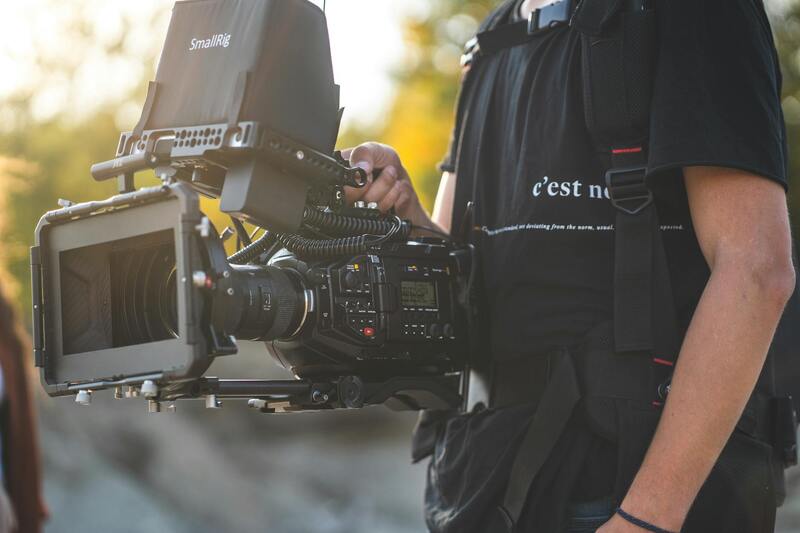
In essence, a commercial property photographer acts as a visual storyteller, translating physical spaces into compelling narratives that support marketing efforts and facilitate property transactions efficiently. Their work is essential in setting a property apart in competitive markets, especially through digital listings and online platforms where first impressions heavily influence decision-making.
Key Skills and Qualifications of a Commercial Property Photographer
Proficiency in professional camera operation and lighting techniques forms the foundation of a competent commercial property photographer’s skill set. They typically possess extensive experience with DSLR or mirrorless cameras, along with expertise in deploying various lenses to capture wide angles or intricate details. Their understanding of natural and artificial lighting is critical, enabling them to adjust for different property conditions and times of day to ensure well-lit, balanced images.
Beyond technical skills, successful photographers hold relevant certifications, often from professional associations or recognized training programs, demonstrating their commitment to excellence. A compelling portfolio showcasing a diverse array of property types underscores their versatility and proficiency in producing consistent, high-quality results.
Advanced post-processing capabilities are equally vital. Commercial property photographers utilize sophisticated editing software—such as Adobe Photoshop or Lightroom—to enhance images subtly. Adjustments are made to improve brightness, contrast, and color accuracy, helping to produce polished visuals without false representation. These edits support branding consistency and help to establish a professional aesthetic across marketing assets.
Equipment selection also plays a role in their effectiveness. Professional-grade cameras, wide-angle lenses, drone technology for aerial shots, and 360-degree virtual tour systems are instrumental tools used in capturing comprehensive and engaging content. The ability to adapt equipment choices based on the property type and shoot environment ensures the resulting images meet the specific needs of each project.
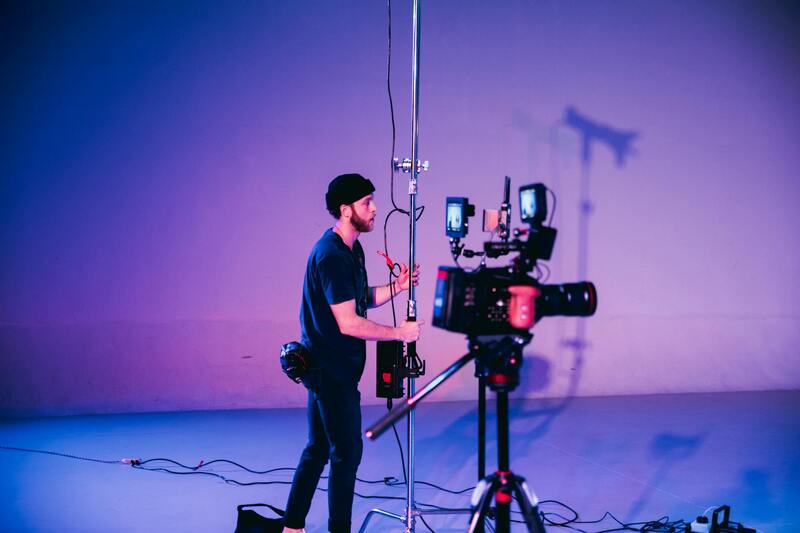
Balancing technical proficiency with a keen eye for aesthetics, a commercial property photographer transforms physical spaces into visually compelling assets. Their work directly influences the property's marketability, making their expertise indispensable in the competitive real estate landscape.
Legal and Property Access Considerations
Securing proper authorization to access and photograph commercial properties is essential for a smooth and professional photography session. Property owners and managers typically require clear agreements that outline the scope of the shoot, including the areas to be photographed, the intended use of images, and scheduling details. Establishing these parameters well in advance helps prevent misunderstandings and ensures compliance with property policies.
Preparing necessary documentation, such as property access permits or permissions, can facilitate seamless entry to various commercial sites. These documents often stipulate liability waivers, confidentiality clauses, and safety protocols that protect both the photographer and property stakeholders.
In cases involving multi-tenant or shared commercial spaces, coordination with building management or leasing agents becomes crucial. Gaining access outside regular business hours can minimize disruptions and allow unobstructed views that showcase the property's full potential.
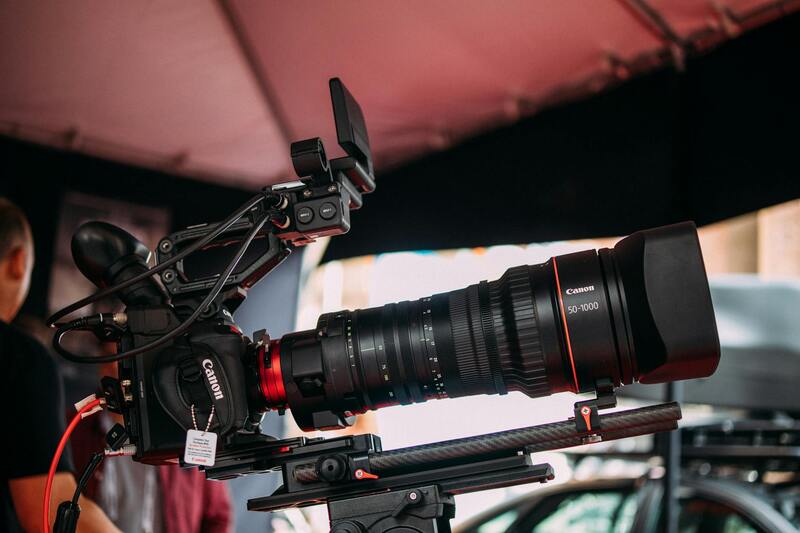
Additionally, photographers should be aware of any restrictions related to the use of drones or aerial photography equipment. Many commercial properties are located in areas with strict regulations governing drone flights, especially near airports, government facilities, or densely populated urban zones. Obtaining necessary permits and ensuring compliance with local airspace rules are vital steps to avoid legal complications.
Respecting privacy rights of tenants or neighboring businesses is another important consideration. Photographers and clients should collaborate to identify sensitive areas or private spaces that require avoiding or special treatment during the shoot. This understanding helps maintain professional relationships and safeguards the property's reputation.
By meticulously managing property access and adhering to established protocols, commercial property photographers can produce compelling visuals that accurately represent the space while maintaining respectful and lawful interactions with property stakeholders.
Legal and Property Access Considerations
Ensuring seamless access to commercial properties is fundamental for high-quality photography that accurately captures the essence of the space. Proper coordination with property managers, leasing agents, and tenants is essential to facilitate smooth entry, especially during off-peak hours or outside regular business operations. Clear communication prior to the shoot helps identify any access restrictions, safety protocols, or private areas that must be avoided. This proactive approach minimizes disruptions and upholds professional standards.
When planning for property access, it is critical to understand and adhere to applicable policies and regulations governing the premises. This includes obtaining necessary permissions for photography, especially when using advanced equipment like drones for aerial shots. Drone photography requires oversight of airspace restrictions, which can vary based on location and proximity to sensitive zones. Securing permits and consulting with relevant authorities ensures compliance and prevents potential legal entanglements.
Respect for tenant privacy remains a top priority. Photographers should be mindful of private workspaces, confidential areas, or sensitive equipment that should not be photographed. Establishing a mutual understanding with property stakeholders about which areas are off-limits preserves tenant relations and supports a professional environment.
Documentation of access arrangements and permissions in writing safeguards all parties involved, providing a clear record of agreements and commitments. Such diligence assists in avoiding misunderstandings and contributes to a smooth, efficient photography session.
Legal and Property Access Considerations
When engaging a commercial property photographer, understanding the importance of proper authorization and adherence to property access protocols is essential. It ensures the photography process aligns with property management policies and operational requirements, preventing disruptions to daily activities.
One key aspect involves obtaining explicit permissions from property owners or managing entities before the shoot begins. This typically includes securing written consent, outlining the scope of photography, and clarifying any restrictions or areas off-limits. Such documentation not only streamlines the process but also safeguards all involved parties against misunderstandings or disputes.
Additionally, a comprehensive schedule for accessing the property helps coordinate timing that minimizes interference with occupants and visitors. Coordinating with security staff or on-site management can facilitate smooth entry and exit, especially during non-peak hours or after hours when access to specific zones may be restricted.
Specific considerations involve the use of advanced photographic equipment, including aerial photography with drones, which necessitates additional permissions and compliance with airspace regulations. Securing permits for drone operations prior to the shoot is a vital step that conforms with established guidelines and prevents potential legal complications.
Respect for tenant privacy is paramount. Photographers should be aware of areas where confidential activities or sensitive equipment are located, avoiding intrusive shots that could compromise privacy or security. Establishing a mutual understanding with tenants and property managers about which areas are off-limits ensures a respectful and professional environment.
In some instances, photography may reveal proprietary or confidential information, making it vital to review lease agreements or confidentiality clauses beforehand. Proper authorization procedures mitigate risks associated with inadvertently capturing protected content and uphold the integrity of the property’s management protocols.
Documenting all agreements related to property access, permissions, and safety considerations in writing provides a clear record for future reference. This level of diligence expedites the photography process and fosters positive relationships with property stakeholders.
Legal and Property Access Considerations
Securing appropriate access to commercial properties is a fundamental aspect of professional photography that ensures a smooth and efficient shoot. Collaborating with property owners, managers, and leasing agents helps establish a clear understanding of the areas permitted for photography, as well as any restrictions or special requirements that must be observed. Prior arrangements often include scheduling the shoot during times that minimize disruption to ongoing activities and securing necessary permissions to access both interior and exterior spaces.
It is crucial to respect the property's operational protocols, which may involve specific entry procedures, safety guidelines, and privacy restrictions. Photographers should familiarize themselves with these procedures beforehand to prevent delays or conflicts during the shoot. For example, access to sensitive areas, such as data centers or confidential corporate spaces, should be carefully negotiated and only completed with authorized oversight.
To streamline the process and foster trust, many photographers prepare documentation that outlines the scope of the project, access details, and safety considerations. These documents, often including signed agreements or permission forms, serve as a record of authorized access and help avoid misunderstandings. Clear communication about these logistics also increases the likelihood of capturing all necessary shots within the scheduled timeframe.

Maintaining Confidentiality and Privacy
While capturing compelling visuals of commercial properties, photographers must be conscious of confidentiality and privacy concerns. Sensitive areas or proprietary equipment might be off-limits or require explicit consent to photograph. It’s essential to review lease agreements or confidentiality clauses that may restrict the visibility or portrayal of certain parts of the property.
Engaging in thorough pre-shoot discussions with property owners and tenants can prevent inadvertent exposure of confidential information. This proactive approach reduces the risk of privacy breaches and helps maintain positive relationships with all stakeholders.

Ensuring Safety and Compliance during Photography
Safety considerations are paramount when conducting commercial property photography. Photographers should be aware of and comply with all safety protocols specific to the location, such as wearing protective gear, avoiding restricted zones, or adhering to fire and OSHA regulations.
Risks associated with aerial photography, especially involving drones, require additional precautions and permissions. Ensuring proper licensing, adherence to airspace regulations, and awareness of no-fly zones contribute to a secure environment for everyone involved.
Proper training and familiarity with the property's operational environment minimize accidents and ensure a professional outcome. When necessary, engaging specialized personnel for complex shoots or hazardous environments can further elevate safety standards.
Ensuring Optimal Presentation of Commercial Properties Through Professional Photography
To maximize the visual appeal and marketability of commercial real estate, leveraging the expertise of a professional commercial property photographer is essential. These specialists utilize advanced techniques and equipment to capture the full potential of a property, highlighting its best features and creating compelling visual narratives that resonate with prospective clients and tenants.
One of the core advantages of employing a seasoned commercial property photographer is their ability to produce high-resolution images that exhibit sharpness, clarity, and accurate color representation. Such images not only attract attention but also foster trust in the property's quality and value. Moreover, professional photographers understand how to utilize lighting effectively, creating balanced exposures that reveal the depth and scale of interior and exterior spaces.
When photographing commercial sites, attention to detail plays a critical role in conveying spatial relationships and the flow of the environment. Photographers carefully select angles and vantage points that emphasize the property's strengths—for instance, showcasing expansive workspaces, modern amenities, or strategic location advantages. Strategic framing ensures that the images resonate with target audiences, whether they are retail investors, corporate tenants, or hospitality clients.
Consistency in style and presentation across marketing materials helps solidify brand identity and makes listings more recognizable. Professional photographers often provide image editing and enhancement services, ensuring that all visuals meet high standards before dissemination. This integrative approach results in a cohesive visual story, elevating the property's online and printed marketing efforts.
Furthermore, in a competitive market like Miami, where real estate trends are dynamic and diverse, high-quality images offer a significant edge. They can be used effectively across various channels—websites, social media platforms, brochures, and virtual tours—serving as powerful tools for attracting inquiries and closing deals faster.
Investing in professional commercial property photography is not just about aesthetic appeal; it’s a strategic move to increase visibility and perceived value. By showcasing properties in the best possible light, owners and brokers can attract more qualified prospects, reduce vacancy periods, and achieve better return on investment. When aligned with the overall marketing strategy, these visuals become an indispensable asset in the competitive landscape of Miami’s commercial real estate market.