The Importance of High-Quality Real Estate Photography
In today’s highly competitive Miami real estate market, the visual representation of a property can significantly influence its perceived value and appeal. Expertly crafted real estate photographs serve as a primary tool for attracting potential buyers, agents, and investors. They create a compelling narrative around the property, showcasing its best features and unique qualities. High-quality images not only increase the likelihood of online engagement but also foster emotional connections that can accelerate the decision-making process.
Effective real estate photography enhances listings by providing clear, vibrant, and detailed visuals that accurately depict a property’s layout and ambiance. Showcasing the full potential of each space through professional photographs draws in more viewers and encourages them to schedule viewings. In Miami's fast-paced market, properties with superior photography typically experience quicker sales cycles and often command higher asking prices.
Furthermore, visual content plays a crucial role in establishing trust and credibility. Buyers are more inclined to explore listings that present professional, well-composed images, reinforcing the impression of quality and value. As a result, real estate professionals and property owners who invest in high-caliber photography often achieve better marketing outcomes, making it a vital component of modern property promotion.
Implementing top-tier real estate photography directly correlates with increased online traffic, higher conversion rates, and ultimately, faster property sales. Strategic visual presentation not only captures attention in a crowded marketplace but also helps in establishing a strong first impression that encourages prospective buyers to envision themselves in the space. Given the importance of digital marketing in the Miami real estate sector, professional photography stands out as an indispensable aspect of effective property advertising.
Choosing the Right Equipment and Techniques
When aiming for the best real estate photography, the selection of equipment and application of proven techniques are fundamental. High-quality cameras with full-frame sensors are preferred, as they capture more detail and produce images with greater clarity and depth. Wide-angle lenses are particularly beneficial, allowing photographers to encompass more of a room in a single shot, which helps to convey space accurately. Filters and tripod support also play a role in ensuring crisp, distortion-free images with proper framing. Employing the appropriate technique entails understanding and utilizing exposure settings that balance light and shadow. Proper aperture, ISO, and shutter speed adjustments are essential to avoid underexposed or overexposed areas. Additionally, a photographer should master perspective control to prevent skewed lines, especially in rooms with tall ceilings or unique architectural features.
Importance of Professional Editing and Post-Processing
Post-processing is a critical phase in producing images that meet the highest standards of real estate marketing. Skilled editing enhances natural lighting, corrects color balance, and removes minor imperfections or distractions that might detract from the viewer’s focus on the property. These adjustments ensure the images appear vibrant, appealing, and true to life. Advanced software tools enable photographers to subtly optimize each photo, emphasizing key features and creating a cohesive visual narrative across all images of a listing. Consistency in editing styles also helps in establishing a recognizable brand identity for real estate professionals, contributing to a more polished overall presentation.
Maximizing Natural Light and Optimal Angles
Utilizing natural light is central to capturing inviting and well-balanced property photos. Photographers often schedule shoots during the day to take advantage of abundant sunlight, which illuminates interiors naturally and reduces the reliance on artificial lighting. When necessary, supplemental lighting should be used carefully to avoid creating harsh shadows or glare. Finding the best angles involves moving the camera to a vantage point that highlights a room’s most attractive features while minimizing distortions. Techniques such as shooting from a corner to showcase a room’s depth or at eye level for clarity contribute to creating images that resonate positively with viewers. Proper angle selection also ensures that furniture, architectural details, and views are accurately presented, helping prospective buyers envision themselves in the space.
Staging and Preparing Properties for Photography
A well-staged property translates into more compelling photographs. Clear, uncluttered spaces with thoughtfully arranged furniture help to showcase a property’s potential. Simple decor, neutral colors, and strategic placement of accessories create an inviting atmosphere that appeals to a broad audience. Property owners and agents should focus on cleaning thoroughly, depersonalizing spaces, and making necessary repairs before the shoot. Removing personal items and obvious imperfections ensures the images highlight the property's best features without distractions. Proper staging allows for a more streamlined, professional look that draws viewers’ attention and makes properties stand out in the Miami market.
Official Photography Techniques to Elevate Real Estate Listings
Professional real estate photography relies on a set of official, established methods that not only capture the true essence of a property but also enhance its visual appeal to potential buyers and investors. Employing standardized techniques ensures consistent outcomes that align with industry best practices, helping listings stand out in competitive markets such as Miami.
One fundamental approach involves the use of high dynamic range (HDR) photography. This technique combines multiple exposures of the same scene to produce images with balanced lighting, capturing details in both the bright and shadowed areas. HDR is particularly effective in situations where interior lighting contrasts sharply with natural sunlight pouring through windows, a common occurrence in Miami's sunny climate.
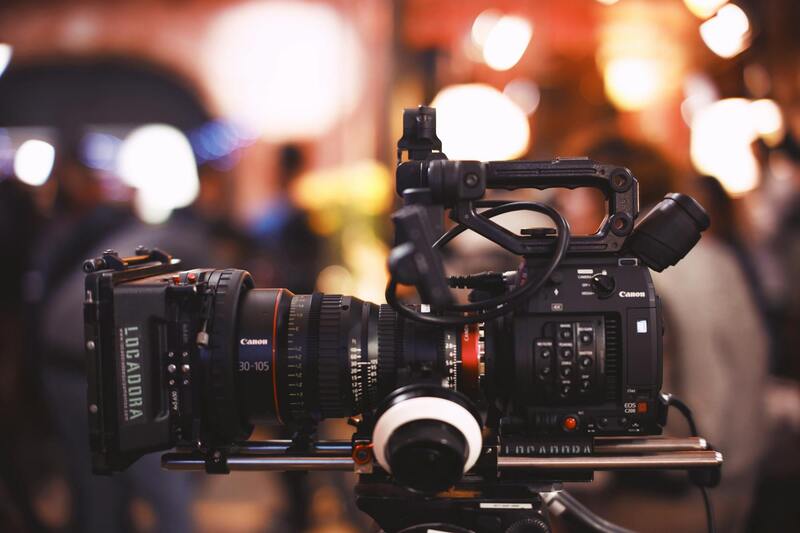
Tripod stabilization is another critical element in ensuring sharp, professional images. By preventing camera shake during long exposures, a tripod allows for clearer, more precise shots, especially when shooting in low-light conditions or utilizing slow shutter speeds to gather more natural light. This stability is essential for accurate representation of interior spaces and architectural features.
Utilizing proper lens selection enhances the quality and scope of real estate images. Wide-angle lenses, typically between 14mm and 24mm, allow photographers to capture more of a room within a single frame, making spaces appear larger and more inviting. However, using these lenses with caution to avoid distortion is crucial—straight lines should remain true to their form to maintain architectural integrity.
Adhering to Established Shooting Techniques
Consistency in camera settings, such as aperture, ISO, and shutter speed, promotes professional results across photoshoots. A narrow aperture (f/8 to f/11) increases depth of field, keeping entire rooms in focus. Lower ISO settings reduce noise, producing cleaner images. Shooting during the day when natural light floods the space, combined with controlled artificial lighting if necessary, illuminates interiors effectively and showcases the true color palette of the property.
Official techniques also include the strategic use of vertical and horizontal compositions. Vertical shots emphasize height and grandeur, while wide horizontal images displayed in virtual tours or slideshows guide prospective buyers through the property seamlessly. The key is to maintain correct proportions and avoid exaggerated distortions, preserving a realistic view of the property as potential buyers would see it in person.
Ensuring Authenticity and Clarity in Every Shot
Authentic representation builds trust and provides potential buyers with a clear understanding of what to expect. This involves meticulous alignment of the camera to prevent skewed images, consistent color rendering, and accurate depiction of spatial relationships within the space. The goal is to produce images that are truthful and compelling, encouraging viewers to envision themselves living in the property.
In addition, official standards include careful post-shoot review and selection. Only the best captures—those that accurately display lighting, space, and architectural details—should be used in marketing materials. This selective process ensures that listings are presented in a polished, professional manner that embodies the quality of the property and appeals directly to the market’s expectations in Miami.
Utilizing Proven Composition Techniques for Authenticity
When capturing real estate images, adhering to established compositional principles ensures the photos accurately reflect the property's true character. The application of the rule of thirds, symmetry, and leading lines guides the viewer's eye naturally through the space, emphasizing key features without distortions or misrepresentations. Proper framing is essential; for instance, photographing significant architectural elements like vaulted ceilings or custom fixtures with specific angles enhances their visual impact. These techniques not only bolster the aesthetic appeal but also reinforce the authenticity of each shot, building trust with prospective clients.
Another critical aspect involves maintaining spatial integrity. Wide-angle lenses are invaluable for capturing spacious interiors, but their misuse—such as exaggerated perspectives—can mislead viewers about a property's size. Official guidelines include the use of calibrated equipment and post-shoot checks to validate that images portray accurate proportions. Consistency across all photos ensures a cohesive presentation, making listings appear more professional and trustworthy to prospective buyers.
Implementing a Systematic Approach to Photography Standards
To ensure each image meets high standards, a systematic approach should be employed during the entire photography process. This starts with pre-shoot preparations, including thorough property staging and inspection for optimal lighting conditions. During the shoot, standardized camera settings, such as consistent apertures and ISO levels, minimize discrepancies between images, fostering a unified look for the property portfolio.
Post-production plays a vital role in consolidating image quality. This involves meticulous review, selecting the best captures that accurately represent the space, and performing professional enhancements. Adjustments should focus on correcting color balance, restoring natural light levels, and removing minor distractions, all while maintaining the authenticity of the scene. Such rigorous editing validates the images' credibility and bolsters buyer confidence.
Highlighting the Value of Official Industry Techniques
Official real estate photography standards include careful calibration of equipment and adherence to consistent shooting protocols. This ensures that each property is portrayed true to its real-life appearance while maximizing visual appeal. Techniques such as shooting during optimal natural light periods and utilizing specific lens settings contribute to accurate, inviting images. When executed methodically, these practices enhance the property's perceived value without relying on misleading visual manipulations.
Maximizing Natural Light and Optimal Angles
Achieving the best real estate photography hinges on harnessing available natural light and selecting accurate camera angles. Natural lighting enhances the openness and vibrancy of a space, making rooms appear more inviting and spacious. To optimize natural light, photographs should be scheduled during the property's peak daylight hours, typically mid-morning or late afternoon, when sunlight casts a warm glow without harsh shadows. Overcast days can also provide diffused lighting, reducing glare and uneven highlights.
Camera angle selection is crucial for highlighting a property's best features while maintaining an honest depiction. The goal is to choose perspectives that illustrate the room dimensions, focal points, and flow naturally. Low to mid-range angles are generally most effective, as they prevent distortion and multiple-point perspectives that can mislead viewers. Using wide-angle lenses can capture more of a space in a single shot, but they should be used judiciously to avoid exaggerated perspective that skews proportions. A consistent approach to angle selection across all images ensures a cohesive, professional presentation of the property.
Staging and Preparing Properties for Photography
Effective staging and preparation are fundamental steps in producing compelling real estate visuals. The goal is to curate an environment that accentuates the property's strengths and minimizes any flaws. Decluttering spaces ensures a clean, open feel that appeals to viewers. During staging, neutral decor and strategic placement of furniture help potential buyers envision themselves living in the space. Ensuring that all surfaces are spotless, linens are fresh, and fixtures are properly aligned enhances visual appeal.
Preparation also involves addressing minor repairs and touches, such as replacing burnt-out bulbs, fixing leaks, or restoring chipped paint. These details, while seemingly insignificant, contribute significantly to the perceived quality of the property. Additionally, arranging furniture to accentuate natural light flow and highlight architectural features can make a space more photogenic. Properly prepared properties result in images that are not only visually appealing but also provide an authentic sense of the space, aligning viewers' expectations with reality.
Utilizing Legal and Official Methods for High-Quality Photography
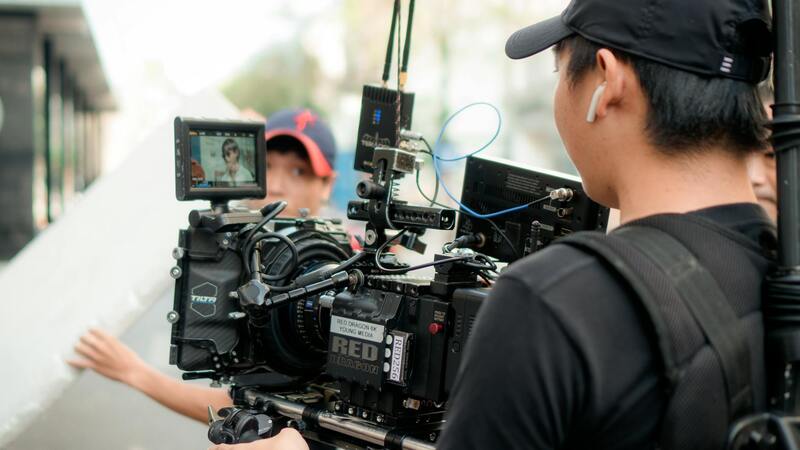
Achieving exceptional real estate photography requires adherence to established and legitimate practices that enhance the visual appeal without compromising integrity. Professional photography firms utilize standardized methods to produce consistent, high-quality images, ensuring that each shot accurately represents the property's features and dimensions. Employing modern equipment that complies with legal licensing for commercial use guarantees sharp, vibrant images. These methods include controlled lighting setups, use of proper stabilization techniques, and adherence to established framing rules, all central to producing professional-grade visuals.
When engaging in real estate photography, it is essential to employ only approved techniques and equipment that meet industry standards. Authorized drone operators, for instance, use certified UAVs with GPS stabilization and fail-safe systems to capture aerial shots legally and safely. Similarly, photographers utilize legally purchased or licensed software for post-processing, ensuring the authenticity and authenticity of images. These practices protect both the photographer's reputation and the client's interests by preventing copyright issues and maintaining high standards of image quality.
Using carriage of official permits or certifications where necessary, especially for aerial or extensive equipment setups, further ensures compliance with regulations. Employing legitimate editing software, such as Adobe Photoshop and Lightroom, not only enhances image quality but also ensures that all modifications are transparent and within the boundaries of accepted professional standards. These practices establish credibility, foster trust with clients, and deliver visually captivating images that effectively market the property.
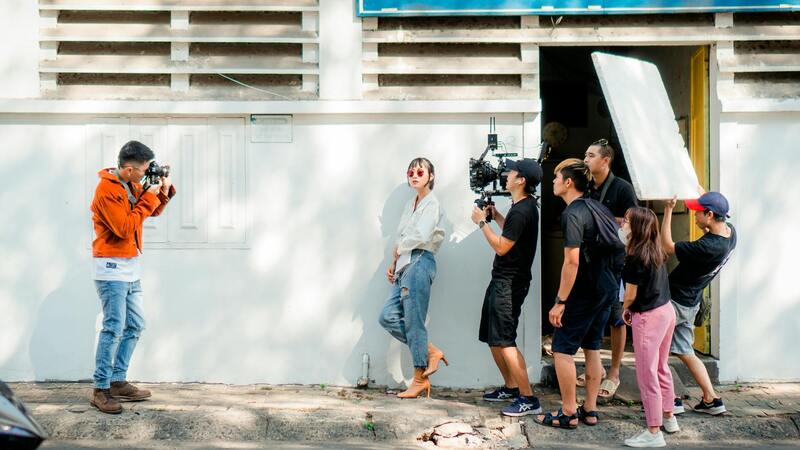
By exclusively adopting approved, regulated, and ethically sound practices, real estate professionals can provide clients with trustworthy, high-caliber visual content. This approach not only assures the quality of the images but also supports a transparent process that aligns with industry expectations and legal frameworks. As a result, real estate listings stand out in competitive markets like Miami, where professionalism and authenticity are paramount for attracting serious buyers and maximizing sales potential.
Utilizing Verified Methods for Capturing Authentic Real Estate Images
In the realm of high-quality real estate photography, employing only officially sanctioned methods is essential to maintain credibility and adhere to industry standards. Proper use of licensed equipment, authorized software, and adherence to safety protocols forms the backbone of professional image capture. Certified drones equipped with legally compliant licenses can provide breathtaking aerial views, highlighting the property’s prime features from vantage points that traditional ground photos cannot achieve. These devices are often subject to strict operational guidelines, ensuring safety and compliance with local regulations.
Similarly, the use of professional-grade cameras and lenses, obtained through reputable sources, guarantees that image quality consistently meets industry standards. Photographers should utilize equipment calibrated and maintained regularly to ensure optimal performance. Additionally, when employing lighting gear, off-camera flashes, and reflectors, their use should be consistent with safety guidelines and manufacturer instructions.

Adopting Legitimate Editing and Post-Processing Practices
Post-processing is a pivotal component of creating compelling real estate images that accurately represent a property’s appeal. Strictly licensed image editing software such as Adobe Photoshop and Lightroom should be employed to enhance lighting, correct distortions, and optimize color balance. Employing these tools within the boundaries of professional standards preserves the authenticity of the images while improving visual appeal.
Photographers must document all edits performed, ensuring transparency and accountability. This approach not only upholds the integrity of the visual content but also mitigates potential disputes over image authenticity. Using authorized plugins and filters from reputable sources further guarantees that enhancements meet industry criteria for quality and honesty.
Prioritizing Proper Lighting and Composition Techniques
Natural light remains one of the most cost-effective and impactful tools in real estate photography. Photographers should schedule shoots during times when sunlight is abundant, typically during early morning or late afternoon. Overcast days can also provide diffuse lighting that minimizes harsh shadows, creating an even and inviting appearance.
In addition to maximizing natural illumination, the strategic use of reflectors and diffusers can further soften shadows and enhance overall brightness. Optimal angles are typically achieved by shooting from a corner perspective, which captures more of the space and provides a sense of depth. High-quality tripods and leveling tools ensure that images are perfectly aligned, avoiding distortions that can detract from a property's appeal.
Preparing Properties to Achieve Authentic Presentation
Proper staging and meticulous cleaning are vital for ensuring that the property appears at its best without exaggeration. This includes decluttering, organizing furniture, and making minor repairs to eliminate distractions from the photography process. Neutral color palettes and minimal personal items help create a universal appeal that resonates with a broad audience.
When preparing a property for photography, it’s crucial to avoid overly staged or artificially enhanced scenes that could misrepresent the actual space. Instead, focus on highlighting genuine features and maintaining the natural ambiance of the property. This ensures that prospective buyers receive an honest and transparent view, facilitating trust and informed decision-making.
The Significance of Proper Documentation and Usage Rights in Real Estate Photography
Ensuring the appropriate documentation and understanding rights related to real estate photographs is an essential part of maintaining professionalism and safeguarding your investment as a real estate photographer or agency. Proper documentation not only clarifies ownership but also stipulates the permissible uses of the images, which is fundamental in preventing disputes and ensuring that photos are used ethically and legally.
One of the primary steps involves establishing clear agreements with property owners before the shoot begins. These agreements should specify the scope of usage rights, whether for online listings, print materials, or promotional campaigns. Well-drafted contracts help define the duration of use, geographic limitations, and whether the images can be modified or sublicensed. This transparency builds trust and provides a legal framework that benefits all parties involved.
Viewing images as intellectual property underscores the importance of copyright considerations. As the photographer, retaining rights or licensing images properly ensures that your work is protected and that you are compensated fairly for their use. When licensing images to real estate agencies or marketing firms, explicit licensing agreements should be in place, detailing exactly how and where images can be displayed or distributed.
In addition to contractual agreements, maintaining meticulous records — including date-stamped images, original files, and correspondence — helps reinforce ownership and rights. Metadata embedded within the digital files also plays a crucial role in verifying authenticity and origin, which can be invaluable in resolving any disputes related to image usage.
Furthermore, understanding the legal landscape surrounding image use is advantageous. Be familiar with local regulations and best practices concerning privacy and property rights. For example, obtaining consent to photograph private spaces or during sensitive circumstances ensures compliance and upholds professional integrity. When in doubt, consult a legal expert specializing in intellectual property or real estate law to develop comprehensive policies tailored to your operations.
In a competitive market like Miami, where high-quality images significantly influence property sales, adhering to rigorous documentation standards and usage rights enhances your reputation as a trustworthy and ethical professional. This not only fosters client confidence but also establishes your authority in delivering visually compelling, legally compliant real estate marketing materials.