Overview of 3d Real Estate Photography
3d real estate photography has revolutionized the way properties are presented and marketed in the digital age. Unlike traditional photography, which captures static images of a property, 3d photography employs advanced imaging techniques to create immersive, interactive visuals that allow prospective buyers to explore a property virtually. This technology leverages specialized cameras, software, and rendering techniques to produce highly detailed and accurate representations of physical spaces. In the competitive Miami real estate market, where properties often cater to discerning clients seeking premium experiences, 3d real estate photography offers a compelling advantage.
Through the use of 3d imaging, potential buyers can navigate through a property at their own pace, examining each room and feature from multiple angles without physically being present. This method enhances the online listing experience, offering a realistic and engaging preview that can significantly influence buying decisions. Miami's vibrant real estate scene — characterized by luxury condos, waterfront estates, and commercial properties — benefits immensely from the precise visualization capabilities that 3d photography provides.
Moreover, the growing importance of digital marketing channels necessitates visually compelling content. 3d real estate photography integrates seamlessly into virtual tours, online listings, and social media campaigns, making properties more accessible and appealing to a broader audience. As technology continues to advance, the role of 3d imaging in real estate will only strengthen, setting new standards for property presentation and buyer engagement.
Key Technologies and Equipment Used
Implementing high-quality 3d real estate photography requires specialized tools that ensure precision and clarity. The core technology involves the use of sophisticated 3D cameras, laser scanners, and software platforms that work together to capture detailed spatial data. These devices create accurate point clouds and volumetric datasets that serve as the foundation for generating realistic virtual models of properties.
Among the essential equipment are panoramic cameras equipped with multiple lenses, capable of capturing extensive fields of view in a single shot, which aids in creating seamless 3D panoramas. LiDAR (Light Detection and Ranging) scanners are also frequently employed to collect depth information, providing an exact representation of complex architectural features and outdoor landscapes. The data collected by these tools is processed using advanced software such as Matterport, CubiCasa, or Cupix, which convert raw scans into immersive virtual tours and detailed digital models.
High-performance computers with robust graphics processing capabilities are necessary to handle large datasets and run rendering software efficiently. This combination of hardware and software guarantees that the final 3D images are not only accurate but also visually compelling, offering potential buyers a clear and comprehensive view of the property's interior and exterior spaces.

Step-by-Step Process of 3d Property Visualization
Producing a compelling 3d visualization of a property involves a structured workflow, beginning with strategic planning. The process typically starts with pre-scan preparations, which include setting up the property to ensure optimal lighting and minimal obstructions. Photographers then position 3D scanners or panoramic cameras at predetermined points around the space, systematically capturing data from multiple angles.
Next, the raw data collected is uploaded into specialized software that processes the scans into detailed point clouds. These datasets are then cleaned and refined to eliminate inaccuracies or artifacts caused by movement or environmental factors. Once finalized, the data is used to generate high-resolution 3D models, virtual walkthroughs, and panoramic views.
Throughout this process, accuracy and detail are prioritized to create an engaging virtual experience. The models are then integrated into online property listings, virtual tours, or marketing platforms, allowing prospective buyers to explore the space interactively from anywhere in the world.
Key Technologies and Equipment Used
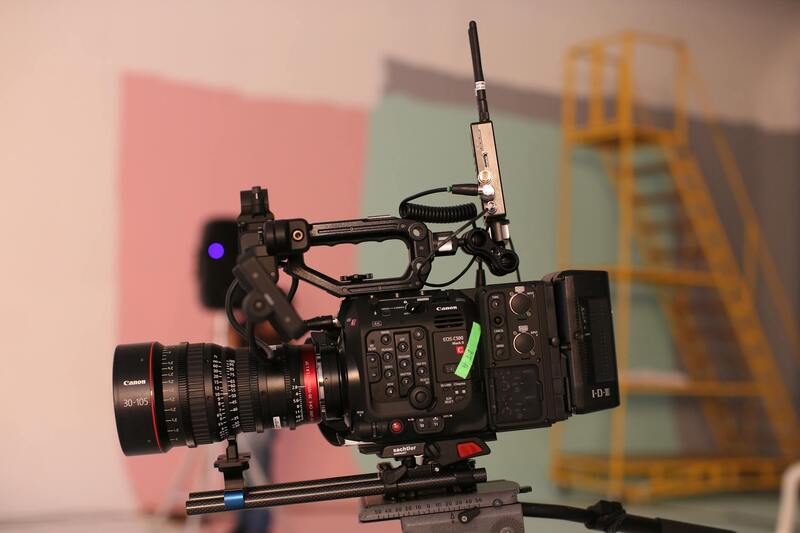
Implementing high-quality 3d real estate photography relies on a combination of advanced tools, sophisticated software, and specialized hardware. The foundational element is the use of professional-grade 3D scanners and panoramic cameras. These devices are capable of rapid data acquisition, capturing millions of data points with precision to construct detailed three-dimensional representations of both interior and exterior spaces.
Modern 3D scanners employ laser-based technology or structured light to scan environments efficiently, ensuring comprehensive coverage of all critical areas. The hardware should deliver high-resolution outputs that capture fine details such as textures, fixtures, and architectural nuances, which are essential for creating realistic virtual experiences.
Software platforms form the backbone of the visualization process. They process raw scan data into point clouds, which are then transformed into detailed meshes. Leading 3D modeling and rendering software allow for refinement, cleaning, and optimizing these models by removing noise or inaccuracies resulting from environmental factors or movement during scanning.
The integration of virtual staging and panoramic view tools further enhances the final output. These tools enable the addition of furnishings, décor, or landscaping elements to increase visual appeal and realism. High-capacity computers with robust graphics processing units (GPUs) are necessary to handle large datasets efficiently, ensuring smooth rendering and interaction for end-users.
When selecting equipment, industry standards emphasize precision, speed, and data integrity. For instance, laser scanners with range capabilities suitable for different property sizes ensure thorough coverage, while software with user-friendly interfaces and extensive editing options streamline the production workflow. The combination of these technologies guarantees that the final 3D visualization accurately reflects the real-world property, fostering greater confidence among prospective buyers and investors.
High-Quality Rendering and Post-Processing Techniques
Achieving a realistic and engaging 3D visualization of a property requires meticulous rendering and post-processing. High-quality rendering involves applying advanced algorithms to generate photorealistic images that accurately depict lighting, shadows, textures, and material properties within the virtual environment. These renderings serve as a crucial element in showcasing the property's features to prospective buyers without physically visiting the site.
Post-processing, on the other hand, refines these images further to enhance visual appeal and clarity. Skilled editors adjust color balance, contrast, and brightness to ensure the virtual images align with real-world appearances. They also perform noise reduction and sharpening techniques that accentuate fine details, making the virtual walkthroughs more immersive and credible. Attention to these aspects ensures that each visual detail contributes to the authenticity of the presentation, ultimately strengthening the property's market appeal.
Integral to this process is the use of specialized rendering software that can simulate real-world lighting conditions, including natural sunlight, artificial fixtures, and atmospheric effects. These tools enable creators to produce images that are virtually indistinguishable from photographs, providing a seamless viewing experience for potential clients. Additionally, virtual staging elements can be integrated during post-processing to add furniture or décor, allowing viewers to visualize a fully furnished space or alternative interior styles.
Interactive 3D Walkthroughs and Virtual Tours
One of the most compelling features of advanced 3D real estate visualization is the creation of interactive walkthroughs. These virtual tours allow prospective buyers to navigate freely through a property, viewing it from different angles and perspectives, as if physically present in the space. The interactivity is achieved through sophisticated software that links individual 3D images and models seamlessly.
This dynamic experience not only enhances the overall marketing strategy but also allows viewers to engage deeper with the property. They can assess spatial relationships, evaluate room sizes, and explore layout options efficiently. For Miami real estate markets, where competition is intense, such immersive experiences can significantly influence decision-making processes, leading to faster sales and increased buyer engagement.
The ability to incorporate detailed annotations, such as highlighting key features or offering additional information via clickable hotspots, further enriches the user experience. These features can be customized to suit specific marketing goals, whether to spotlight luxury finishes or to explain unique architectural elements. The technology behind these interactions relies on robust platform integration, ensuring smooth performance across devices and platforms for a broad reach in the Miami real estate scene.
Key Technologies and Equipment Used
Implementing 3D real estate photography relies on advanced hardware and sophisticated software tools that capture, process, and present virtual property models with high precision. The core equipment includes state-of-the-art laser scanners or structured light scanners, which facilitate rapid and accurate spatial data collection. These devices generate detailed point clouds that serve as the foundational data for creating realistic 3D models. Professional-grade DSLR or mirrorless cameras are also employed to capture high-resolution images that complement the 3D scans, ensuring that textures, finishes, and furnishings are depicted with optimal clarity.
Drones may be incorporated for exterior shots or hard-to-reach vantage points, providing aerial perspectives that enhance the depth and context of the virtual environment. On the software side, specialized applications such as Matterport, Cycloramic, or iGUIDE are used to stitch together scans and images into seamless, interactive 3D models. These platforms enable the addition of annotations, clickable hotspots, and virtual walkthroughs, contributing to an engaging virtual experience.
Furthermore, rendering engines are utilized to enhance textures, lighting, and shadow effects, creating photorealistic visualizations that accurately mimic natural and artificial lighting conditions within the property. The integration of these core technologies ensures that the final virtual tour or 3D model reflects the true essence of the property, facilitating realistic online presentations.
Proper calibration of equipment and adherence to best practices in data collection are essential for maintaining high quality and consistency across different listings. This meticulous approach guarantees that prospective buyers receive an immersive experience that is both visually appealing and informationally comprehensive, thereby elevating the overall marketing value of the property.
Integrating 3D Photography with Traditional Real Estate Marketing
Seamlessly incorporating 3D real estate photography into existing marketing strategies significantly elevates the property's presentation and outreach effectiveness. This integration is achieved through multiple channels, including online listings, social media campaigns, and virtual open houses, creating comprehensive exposure for potential buyers.
One of the most impactful methods involves embedding interactive 3D tours directly within property listings on real estate websites. These immersive experiences allow prospective buyers to navigate through the property at their own pace, examining spatial layouts and details without physical presence. High-quality 3D visualizations complement traditional photographs by offering a holistic view of the property, combining the emotional appeal of images with the functional benefits of virtual walkthroughs.
Additionally, 3D property scans can be shared across social media platforms, using engaging visual snippets that prompt user interaction and inquiry. This approach helps to attract a broader and more diverse audience, including remote buyers who rely heavily on virtual content when making purchasing decisions.
Real estate agents often enhance their marketing collateral with 3D floor plans and virtual staging, which can be integrated into email campaigns, brochures, and digital advertisements. These tools provide comprehensive insights into the property’s layout, size, and potential, making it easier for buyers to visualize themselves in the space.
Moreover, collaboration with professional 3D imaging providers ensures the quality, consistency, and accuracy of visual content used across all marketing channels. This professional approach maximizes the appeal of each listing, giving it a competitive edge in a bustling Miami real estate market.
The strategic combination of traditional photography with 3D visualization enables agents and sellers to showcase their properties in a compelling manner that resonates with modern homebuyers, especially those who prioritize convenience and digital engagement in their search process.
Choosing a 3d Real Estate Photography Provider in Miami
Selecting a reputable provider for 3D real estate photography in Miami involves evaluating several key factors to ensure you receive high-quality, accurate visual content that enhances your property listings. First, experience plays a critical role. An agency with a proven track record in creating immersive 3D visuals specifically for real estate can better understand the nuances of property presentation, lighting, and spatial accuracy. Look for providers that specialize in real estate and have a portfolio showcasing diverse properties, from luxury condos to spacious single-family homes.
Another essential consideration is the technology used by the provider. State-of-the-art equipment and software ensure that the 3D models and virtual tours are not only visually stunning but also reliable and interactive. The chosen provider should utilize advanced 3D scanners, high-resolution cameras, and powerful rendering software to deliver seamless and detailed virtual walkthroughs.
Reliability and turnaround time are also vital, especially within the fast-paced Miami property market. A professional agency should be able to provide prompt service without compromising quality, enabling agents and sellers to update listings quickly and efficiently. Transparent communication about the process, costs, and deliverables is equally important to set clear expectations.

Finally, client reviews and testimonials offer insights into the agency’s expertise and customer satisfaction. Engaging with providers who have positive feedback and case studies relevant to the Miami area ensures you are partnering with professionals who understand the local market dynamics and buyer preferences.
By thoroughly assessing experience, technological capabilities, reliability, and reputation, real estate professionals can choose a trusted partner capable of elevating their property marketing efforts through exceptional 3D visualization services tailored to Miami’s vibrant real estate landscape.
Overview of 3d Real Estate Photography
3D real estate photography has revolutionized property marketing by providing immersive, three-dimensional views of properties, allowing prospective buyers to explore spaces as if they were physically present. This technology captures spatial details with high precision, creating a comprehensive visual experience that surpasses traditional photography. Using specialized equipment, 3D imaging generates detailed models and virtual walkthroughs, enabling viewers to navigate multiple rooms seamlessly. This method not only enhances the visual appeal of listings but also provides a realistic sense of scale and layout, thereby reducing uncertainties for buyers. By translating static images into dynamic virtual environments, 3D real estate photography offers a strategic advantage in today's competitive market, especially in vibrant areas like Miami where property turnover is rapid and buyer expectations are high.

Advantages of 3d Photography for Property Listings
- Enhanced Visualization: 3D tours allow potential buyers to virtually walk through a property, providing a true sense of space and flow without visiting in person.
- Increased Engagement: Listings featuring 3D imagery tend to attract more views and inquiries, as they stand out among traditional photographs.
- Time-Saving: Buyers can narrow down their options early by exploring properties online extensively, which streamlines the decision-making process.
- Marketing Versatility: 3D images can be embedded in websites, shared on social media, and incorporated into email campaigns, expanding reach and visibility.
- Accurate Depiction of Property: The detailed virtual models minimize surprises during in-person visits, leading to more serious inquiries and fewer showings of unsuitable properties.
Key Technologies and Equipment Used
Modern 3D real estate photography relies on an integration of advanced hardware and software solutions. High-resolution 3D scanners form the backbone of the process, capturing precise spatial data across different parts of a property. These scanners are often combined with DSLR or mirrorless cameras to record detailed images and textures, which are then processed through sophisticated rendering software. The software synthesizes the data into interactive models that can be navigated effortlessly. Additionally, drone videography may complement interior scans by offering aerial perspectives, particularly beneficial for showcasing large estates, waterfront properties, or developments with extensive land parcels. This combination of tools ensures that every detail, from flooring to ceiling height, is accurately represented, providing a reliable and visually captivating virtual experience.
Step-by-Step Process of 3d Property Visualization
- Initial Consultation: Understanding the client's specific goals, property features, and what they wish to highlight within the virtual tour.
- Site Preparation: Ensuring the property is clean, well-lit, and staged appropriately to showcase its best features before capturing images.
- Scanning and Photography: Deploying 3D scanners and cameras to systematically record the interior and exterior spaces. Multiple angles and details are captured for accuracy.
- Data Processing: Transmitting the captured data to software platforms for processing, stitching images, and generating 3D models or virtual walkthroughs.
- Review and Edits: Providing clients with preliminary versions for review, allowing adjustments or additional captures if necessary.
- Delivery and Integration: Finalizing high-quality virtual tours, which are then integrated into property listings, websites, or digital marketing campaigns.
Integrating 3d Photography with Traditional Real Estate Marketing
The deployment of 3D virtual tours complements traditional methods such as still photos, open houses, and print advertising. By combining static images with interactive virtual experiences, agents can appeal to a broader audience, offering multiple touchpoints for engagement. For instance, 3D tours can serve as the primary visual element on a listing webpage, while still photography supports print ads and social media snippets for wider reach. This integration also enables real estate professionals to schedule personalized virtual tours or live walkthroughs, especially useful for remote buyers or international investors interested in Miami properties. Furthermore, data collected during virtual tour interactions can inform marketing strategies, highlighting the most viewed features and optimizing future campaigns.
Properly blending these methods enhances the overall marketing narrative, ensuring listings are both visually compelling and easily accessible across various channels, ultimately increasing the likelihood of a successful sale.