Understanding the Importance of High-Quality Real Estate Photos
Capturing the essence of a property through professional photography is an essential component of successful real estate marketing. High-quality images serve as the first point of contact for potential buyers browsing online listings, significantly influencing their decision to inquire about a property. Clear, well-composed, and visually appealing photos can dramatically increase the visibility of a listing, drawing in more traffic and fostering greater interest. In today's digital age, most property searches begin with online platforms where visuals are paramount. Properties with professionally taken photos typically receive higher engagement, leading to more views and inquiries. This heightened attention often results in reduced time on the market, saving sellers money and accelerating the closing process. Professional real estate photos not only highlight the best features of a property but also provide a true representation of the space, aiding buyers in visualizing living there. This accuracy helps to establish trust between buyers and sellers, as the images set realistic expectations. Moreover, high-quality photos can differentiate a listing from competitors, especially in highly saturated markets. Investing in quality imagery also has a ripple effect on marketing efforts. Enhanced photos can be used across various platforms — websites, social media, print advertisements — creating a cohesive and compelling property presentation. Overall, the strategic use of professional photography is a proven method to enhance property appeal, streamline sales processes, and achieve superior market positioning.
Choosing the Right Equipment and Techniques
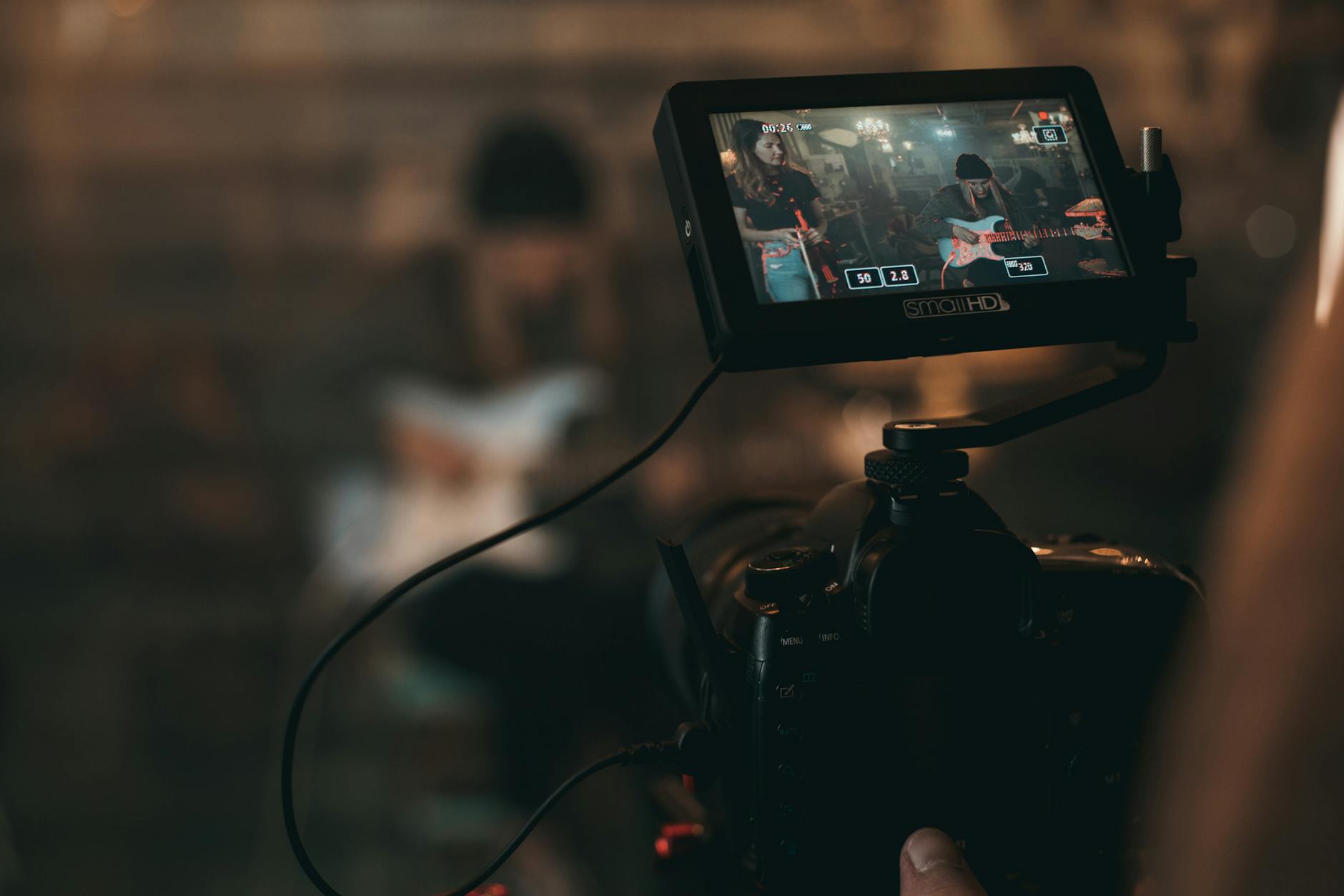
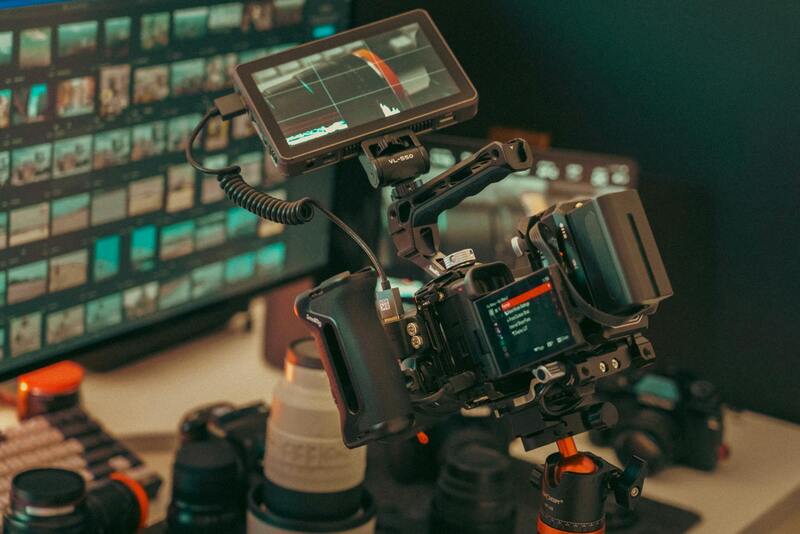
To ensure that real estate photos accurately represent a property’s appeal, selecting the appropriate equipment and techniques is essential. High-quality images are the result of a combination of advanced technology and skilled photographic methods. Typically, professional photographers utilize digital single-lens reflex (DSLR) or mirrorless cameras equipped with wide-angle lenses. Wide-angle lenses are particularly effective in capturing spacious interiors and expansive exteriors, providing viewers with a sense of the property's scale and flow.
Tripods are indispensable for achieving stability and sharpness in images, especially in low-light conditions or when striving for precise framing. Additionally, photographers often employ lighting equipment such as flash units, softboxes, or reflectors to eliminate shadows, highlight key features, and ensure uniform illumination throughout the space. Proper lighting not only enhances visual clarity but also creates inviting atmospheres that appeal to potential buyers.
Techniques such as HDR (High Dynamic Range) imaging are increasingly popular, allowing the blending of multiple exposures to retain detail in both bright and dark areas of a scene. This results in balanced, vibrant images that reflect the actual lighting conditions of the property. Proper aperture settings, typically between f/8 and f/11, are used to maintain sharpness across the entire scene, while careful focus ensures that critical features stand out clearly.

In terms of composition, perspectives are carefully chosen to emphasize room sizes and flow, using techniques such as vertical framing to avoid distortion. Photographers also pay close attention to cleaning and staging a space beforehand, ensuring that clutter doesn’t detract from the technical quality of the images.
For exterior shots, drone photography and panoramic captures can provide comprehensive views of the property and its surroundings, offering potential buyers a holistic understanding of the location and landscape. When combined with precise camera settings and professional editing, these strategies ensure the resulting images are compelling, clear, and true to life, providing a reliable visual foundation that supports the overall marketing efforts.
Choosing the Right Equipment and Techniques
Utilizing professional-grade camera gear is fundamental to capturing stunning real estate images that stand out. High-resolution DSLR or mirrorless cameras with full-frame sensors are preferred due to their superior image quality, dynamic range, and low-light performance. These features ensure that interior and exterior shots are sharp, vibrant, and true to life, regardless of the lighting conditions present during the shoot.
Lens selection plays a crucial role in real estate photography. Wide-angle lenses, typically ranging between 14mm and 24mm, allow photographers to capture more of a room in a single shot, emphasizing space and layout. However, caution must be exercised to prevent distortion—keeping vertical lines straight and proportionate. Tilt-shift lenses can also be employed to correct perspective distortions, especially in shots of tall structures or interior walls.
Lighting setup is equally critical. While natural light is often the preferred choice for its softness and authenticity, supplementary lighting such as portable flash units or continuous LED lights can fill shadows and balance exposure, especially in low-light or shadowed areas. Diffusers or softboxes help soften the light, avoiding harsh shadows and glare. Employing a combination of natural and artificial lighting techniques results in evenly illuminated spaces that highlight architectural details and textures effectively.
When it comes to shooting angles, shooting from a corner allows for a broader and more dynamic view of a room, highlighting its size and flow. Eye-level shots mimic how a person naturally perceives space, making the images more relatable. Additionally, using the tripod ensures consistent framing and sharpness, especially when using longer exposure times for interior shots in low light.
For exterior scenes, drone photography offers an expansive perspective, showcasing the property's surroundings, landscaping, and overall curb appeal. Panoramic captures can be valuable for presenting large outdoor areas and scenic views, giving potential buyers a comprehensive visual impression of the property.
Post-processing enhances these images further through careful editing. Adjustments such as color correction, brightness, contrast, and removal of minor imperfections refine the photos while preserving an authentic look. Professional editing software like Adobe Lightroom or Photoshop enables precise control over these elements, ensuring each image aligns with the property's true character.
Legal and Ethical Considerations in Real Estate Photoshoots
Ensuring that real estate photos are captured and utilized ethically and responsibly is a cornerstone of professional property marketing. It involves adhering to some fundamental practices that respect property rights, privacy, and the accuracy of representation. Clarity and truthfulness in photographs not only uphold the integrity of the listing but also foster trust with potential buyers and stakeholders.
One of the primary aspects is obtaining proper consent. This means securing permission from property owners before conducting a photoshoot. Owners should be informed about the scope of the shoot, the specific shots that will be taken, and how the images will be used across various marketing platforms. Transparency in this process builds a secure foundation for a successful collaboration.
Respect for privacy is equally essential. During a real estate photoshoot, it is important to avoid capturing personal belongings, private areas, or anything that might infringe upon the owner’s or tenants’ privacy rights. When shooting multi-unit buildings or properties with tenants, respectful coordination and explicit consent from all involved parties help maintain professionalism.
Accurate depiction of the property is another crucial element. This involves showcasing the property in a manner that aligns with reality, avoiding distortions or misrepresentations that could mislead potential buyers. Using wide-angle lenses responsibly, cropping photos thoughtfully, and refraining from digital alterations that alter the true appearance of the space ensure honesty in marketing visuals.
In addition, professional photographers and marketers should adhere to copyright laws and intellectual property rights. They must ensure that images are properly credited and that any copyrighted elements, such as artwork or branded items within the property, are used in accordance with applicable rights.
Finally, ethical considerations extend to the selection and editing of images. Editing should enhance images without creating false expectations. Brightening a poorly lit room to show its potential is acceptable, but fabricating elements or altering architectural features would undermine trust. Maintaining authenticity throughout the process demonstrates a commitment to honesty and professionalism.
Post-Processing and Photo Editing
After capturing the initial shots, the next crucial step is post-processing, which refines the images to present the property in its best light while respecting authenticity. High-quality real estate photos often undergo meticulous editing to correct color imbalances, enhance lighting, and ensure that each space appears inviting and true to real life. This process involves adjusting exposure, contrast, and sharpness to highlight key features without exaggeration. Color correction is essential to ensure that furniture, walls, and decor reflect their true colors, preventing misleading representations that can lead to mismatched expectations once potential buyers visit the site.
Retouching is employed thoughtfully to remove distracting elements such as dust, clutter, or minor imperfections. However, it is equally important that editing does not alter structural elements or the overall architecture of the property. For instance, enlarging windows or altering wall dimensions to create an illusion of space could compromise the integrity of the listing. Accordingly, professionals should aim to enhance natural lighting and make spaces appear more spacious and welcoming without fabricating the physical reality of the property.

Advanced techniques such as perspective correction and lens distortion removal can also be applied to ensure straight lines and accurate spatial representation. When used judiciously, these tools help create polished images that attract attention but still faithfully depict the property's actual features. Proper photo editing reinforces a transparent and professional presentation, instilling confidence in potential buyers and tenants.
Efficient Scheduling and Collaboration
Scheduling a real estate photoshoot requires strategic planning to maximize the property's appeal at its best. Coordinating with property owners, tenants, and the photography team ensures the space is accessible and cleared of distractions during the shoot. Timing the shoot during optimal lighting conditions—such as midday sunlight or golden hour—enhances visual appeal.
Effective communication facilitates a smooth workflow. Clear discussions about the desired shots, special features to highlight, and any concerns about privacy or access enable the photographer to prepare adequately. Collaborating with real estate agents or property managers ahead of time allows for adjustments in scheduling, ensuring that the property is tidy, well-lit, and free of clutter. This proactive approach minimizes disruptions and ensures consistent quality of images that capture the property's best aspects.

Marketing and Distribution of Property Photos
Once the high-quality images are finalized, effective marketing involves strategic distribution. These photos should be integrated into various listing platforms, social media channels, and email campaigns to reach the widest audience. Visual storytelling, supported by professional imagery, can significantly increase engagement and interest from potential buyers or renters.
Properly optimized images—such as ensuring they are appropriately sized and compressed without sacrificing quality—enhance website load times and user experience. Consistent, attractive visuals across all marketing channels reinforce brand professionalism and help the property stand out in competitive markets. When used thoughtfully, compelling photographs can elevate the property’s perceived value and accelerate the sales or leasing process.
Legal and Ethical Considerations
Maintaining transparency and integrity in real estate photography is essential to uphold trust and professionalism within the industry. Adhering to established standards during the photoshoot process helps ensure that images accurately represent the property, avoiding misleading portrayals that could harm your reputation or distort market perceptions.
Property owners and real estate professionals should obtain proper permissions beforehand, especially when photographing private spaces or areas with limited access. This includes securing the necessary consent to photograph and distribute images, which helps prevent potential conflicts or misunderstandings.
Additionally, it is crucial to respect the privacy and security of tenants or residents. Avoid capturing images of personal belongings or private details that could compromise privacy or violate preferences. Implementing guidelines during the shoot—such as framing shots to exclude sensitive areas—demonstrates a commitment to ethical practices.
Another vital aspect involves respecting copyright and intellectual property rights. Photographers must retain rights to their images unless explicitly transferred or licensed to clients. Proper attribution, licensing agreements, and clear terms of use help prevent legal disputes and clarify how images can be utilized across various marketing channels.
In many jurisdictions, there are specific regulations governing photography and advertising standards. Staying well-informed about local requirements and industry best practices ensures compliance and avoids potential liabilities.
Lastly, transparency regarding editing or enhancements contributes to honest marketing. When significant post-processing is applied, it’s important to disclose these modifications to maintain credibility with viewers and prospective buyers. Accurate representation through ethical photography not only supports a positive reputation but also aligns with broader industry standards that prioritize honesty and professionalism.

Legal and Ethical Considerations
When conducting a real estate photoshoot, adherence to legal and ethical standards is paramount to ensure a professional and trustworthy presentation of the property. Proper management of photographs involves respecting copyright laws, obtaining necessary permissions, and safeguarding privacy, creating a foundation of integrity that enhances reputation and client confidence.
Respecting Copyright and Intellectual Property Rights
Photographers must retain rights over their images unless explicitly transferred through contracts or licensing agreements. This means that the photographer retains ownership of the photographs, and clients receive specific usage rights as outlined. Clear documentation about image rights and licenses helps prevent misunderstandings regarding how images can be shared or reproduced. Moreover, photographers should include attribution requirements where applicable, especially when images are used across different marketing platforms.
Securing Permissions and Consents
Prior to the shoot, it is essential to secure permissions from property owners or managers. This includes consent for staging, access, and the presence of photography equipment. Additionally, obtaining consent from tenants or residents—especially when shooting interiors—is crucial to respecting their privacy. In multi-tenant buildings, clear agreements ensure everyone’s comfort and protect against potential disputes.
Protecting Privacy and Privacy-sensitive Content
During the shoot, photographers should be cautious to avoid capturing private or sensitive information inadvertently. This includes shielding personal items, documents, or private spaces from view. Framing shots carefully to exclude such details not only upholds ethical standards but also avoids issues that could arise from exposing confidential information. Respect for privacy extends beyond the shoot and involves responsible editing practices, removing or blurring identifiable private details if necessary.
Compliance with Local Regulations
Photographers need to stay informed about local regulations governing property photography, especially in public or semi-public areas. This ensures that images taken are compliant with local standards, avoiding potential legal complications. Understanding zoning laws, property access rights, and related standards helps maintain professionalism and reduce the risk of violations.
Honest Representation and Post-Processing Transparency
Authenticity is key in real estate marketing. Photos should portray the property accurately without misleading potential buyers or tenants. When significant editing or enhancements are applied, it's prudent to disclose these modifications transparently. This honesty fosters trust and complies with industry standards that emphasize truthful representation in marketing materials.
By adhering to these legal and ethical principles, real estate professionals and photographers create a credible and respectful environment that benefits all parties involved. Ethical photography practices not only protect legal interests but also contribute to a reputation built on integrity, ultimately supporting successful property marketing campaigns across various platforms.
Effective Utilization of Real Estate Photos in Marketing Strategies
Maximizing the impact of high-quality real estate photos involves strategic placement across various marketing channels. When properties are showcased using professionally captured images, they attract a broader audience and generate more genuine interest. Incorporating exceptional photos into online listings, social media campaigns, and email marketing efforts can significantly enhance visibility and engagement.
Property listings that feature compelling visuals tend to rank higher on search engine results pages, particularly when optimized with relevant keywords. This organic visibility leads to increased inquiries and site visits, helping potential buyers or tenants envision themselves within the space. Furthermore, integrating high-resolution images into virtual tours and 3D walkthroughs provides immersive experiences that can reduce the need for multiple physical showings, saving time and resources for agents and clients alike.
Consistency in image quality across all marketing platforms also bolsters brand professionalism. Establishing a standardized style, color palette, and photo formatting ensures that listings appear cohesive and trustworthy. This consistency builds recognition over time, making the property agency or individual real estate professional more memorable in the minds of potential clients.
Training and Collaboration with Marketing Teams
Collaborating closely with marketing teams or digital marketing specialists ensures that real estate photos are used optimally. These teams can advise on best practices for image placement and captioning, conducting A/B testing to determine which visuals generate the highest engagement. Providing content-rich descriptions complemented by descriptive alt text enhances accessibility and improves search engine ranking, ultimately driving more traffic to property listings.
Monitoring and Analytics
Tracking the performance of property photos on various channels offers valuable insights into their effectiveness. Analytics tools can measure click-through rates, time spent on listings, and conversion rates, guiding future photoshoot strategies. Adjustments based on these data points—such as tweaking image angles, lighting techniques, or editing styles—ensure continuous improvement and better results over time.
Investing in high-quality real estate photography is not a one-time effort but an ongoing process of refinement. By leveraging professional images across multiple marketing avenues and analyzing their impact, real estate professionals can significantly enhance their property sales and leasing outcomes.