Introduction to Real Estate Videography
In the competitive real estate landscape of Miami, leveraging high-quality visual content has become essential for effective property marketing. Real estate videography involves the creation of engaging, professionally produced videos that showcase properties in their best light, offering prospective buyers and renters an immersive experience that photographs alone cannot provide. As more clients turn to digital platforms to browse listings, the significance of compelling video content continues to grow.
Miami’s vibrant real estate market benefits immensely from a strategic approach to visual marketing. High-definition videos capture the spatial dynamics and unique features of properties, creating a virtual tour that conveys the ambiance, layout, and style—attributes critical in influencing a potential buyer’s decision. Moreover, the increasing popularity of social media, property listing websites, and virtual viewing platforms has elevated the demand for professional real estate videography to stand out amidst numerous competing listings.
Professionally produced videos also facilitate a broader reach, appealing to international investors and remote buyers who rely on digital content to assess properties before making in-person visits. The evolution of real estate marketing underscores a shift from static images to dynamic visual storytelling, making high-quality videos an indispensable tool for real estate agents and property owners in Miami who aim to attract serious buyers efficiently and effectively.
In addition, the integration of drone footage, 3D walkthroughs, and cinematic shots into real estate videos enhances the property's appeal by providing comprehensive and engaging visual narratives. With properties ranging from luxury waterfront estates to urban apartments, tailored videography ensures each listing highlights what makes it unique, ultimately accelerating sales timelines and increasing the perceived value of the property.
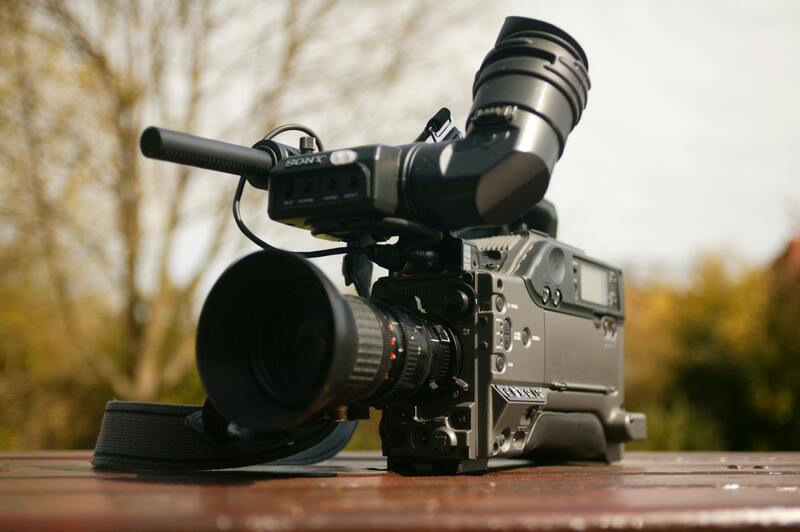
As Miami continues to grow as a prime real estate destination, the adoption of high-quality videography practices remains a critical factor in successful property marketing strategies. Utilizing professional skills and advanced technology, real estate videographers craft compelling visual stories that resonate with audiences, ultimately transforming listings into irresistible showcases of Miami’s diverse and luxurious properties.
Essential Equipment and Technology
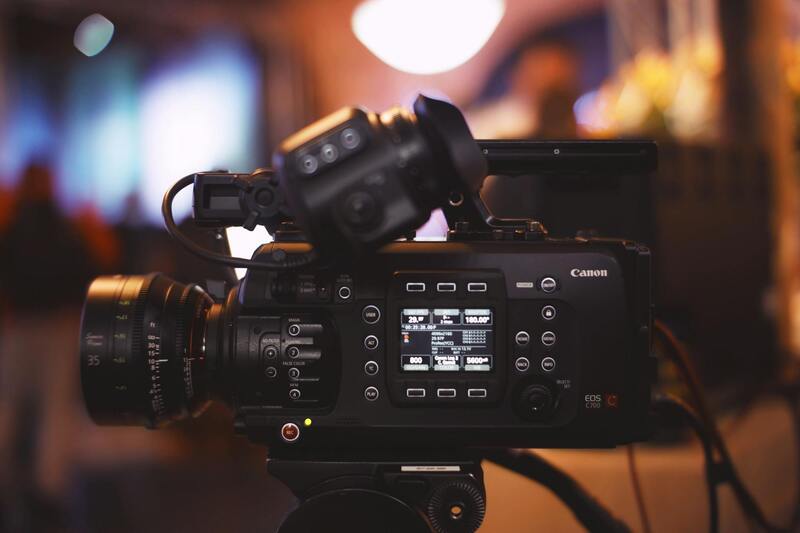
To produce compelling real estate videos that effectively showcase Miami properties, leveraging the right equipment and advanced technology is paramount. High-definition cameras are fundamental, capable of capturing sharp, detailed visuals that highlight a property's key features. Professional-grade lenses, including wide-angle options, enable videographers to capture expansive interior spaces and exterior landscapes, offering viewers a comprehensive perspective. For capturing dynamic scenes and establishing smooth movements, stabilizers such as gimbals and Steadicams ensure camera stability, producing polished footage free of shaking or jittering.
Drone technology has revolutionized real estate videography by providing aerial shots that reveal property layouts, surrounding neighborhoods, and local amenities from a captivating vantage point. High-quality drones equipped with 4K or even 8K cameras allow for crisp, clear footage that elevates the visual storytelling. Additionally, portable lighting equipment ensures well-lit shots, especially in interiors with limited natural light, accentuating the property's ambiance.
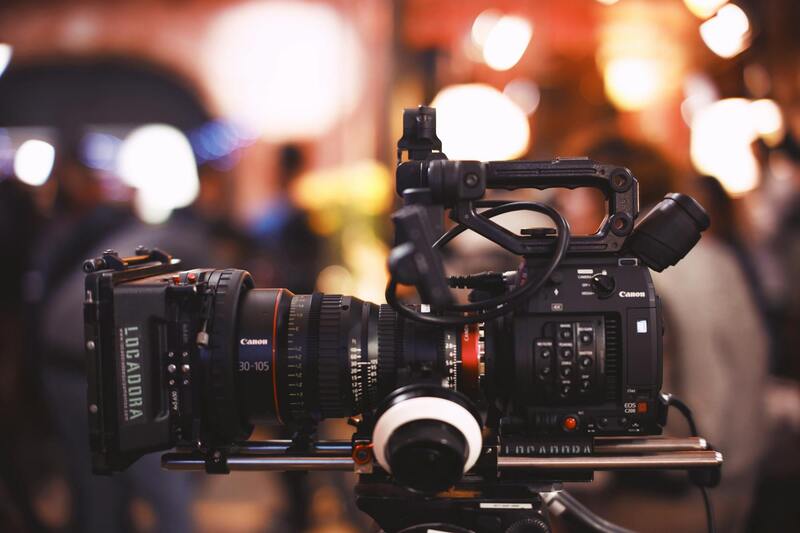
Latest technology also encompasses 3D mapping and virtual tour platforms, which enable immersive experiences that complement video content. These tools allow potential buyers to navigate through properties interactively, significantly enhancing engagement. As technology continues advancing, equipment such as high-speed editing hardware and software ensures post-production workflows are efficient, allowing for rapid turnaround times without sacrificing quality.
Best Shooting Practices for Miami Properties
Achieving the highest quality of real estate videos hinges on meticulous planning and execution. It begins with thorough site preparation, ensuring the property is clean, well-staged, and visually appealing. Scheduling shoots during optimal lighting conditions—typically during dawn or late afternoon—maximizes natural light and minimizes shadows, creating warm, inviting visuals.
For interior shots, wide-angle lenses should be used judiciously to avoid distortion while capturing entire rooms in a single frame. It is essential to maintain a steady camera horizon to prevent tilted footage, contributing to a professional look. When filming exterior scenes, capturing on a day with clear weather ensures vibrant, high-contrast visuals that highlight property features.
Practicing smooth camera movements, including panning and sliding shots, adds a cinematic quality to the footage. Thoughtful staging, including minor adjustments to furniture arrangement or decor, can transform a space into an inviting environment that resonates with prospective buyers. Remember to highlight unique selling points, such as waterfront access, luxury pools, or custom finishes, by framing these features prominently.
Editing and Post-Production Techniques
Post-production is where raw footage is transformed into a captivating visual story. The editing process involves selecting the best shots, trimming unnecessary segments, and sequencing scenes to flow seamlessly. Color grading plays a vital role in establishing a consistent aesthetic, enhancing the property's natural hues, and adding visual warmth or vibrancy aligned with the property's style.
To accentuate key features, overlays such as titles or brief captions can be integrated without disrupting the viewer’s experience. Incorporating background music that complements the property's vibe, whether tranquil or energetic, can elevate the emotional appeal. Additionally, stabilizing shaky footage and correcting exposure issues ensures a polished final product.
Advanced post-production techniques include cinematic transitions, motion graphics, and animated floor plans. These elements help clarify intricate layouts or highlight important attributes, making the video more engaging and informative. The goal is to deliver a professional, immersive experience that captures the essence of Miami properties with authenticity and flair.
Essential Equipment and Technology
Achieving exceptional real estate videography requires the right combination of equipment and technology. State-of-the-art cameras with high-resolution capabilities ensure every detail of Miami properties is captured with clarity and sharpness. DSLR and mirrorless cameras are popular choices, offering versatility and excellent image quality under varying lighting conditions typical of Miami’s bright and airy environments. For capturing dynamic exterior shots and panoramic views, drones equipped with 4K cameras provide sweeping aerial footage, showcasing property landscapes, waterfront access, and neighboring amenities from captivating perspectives.
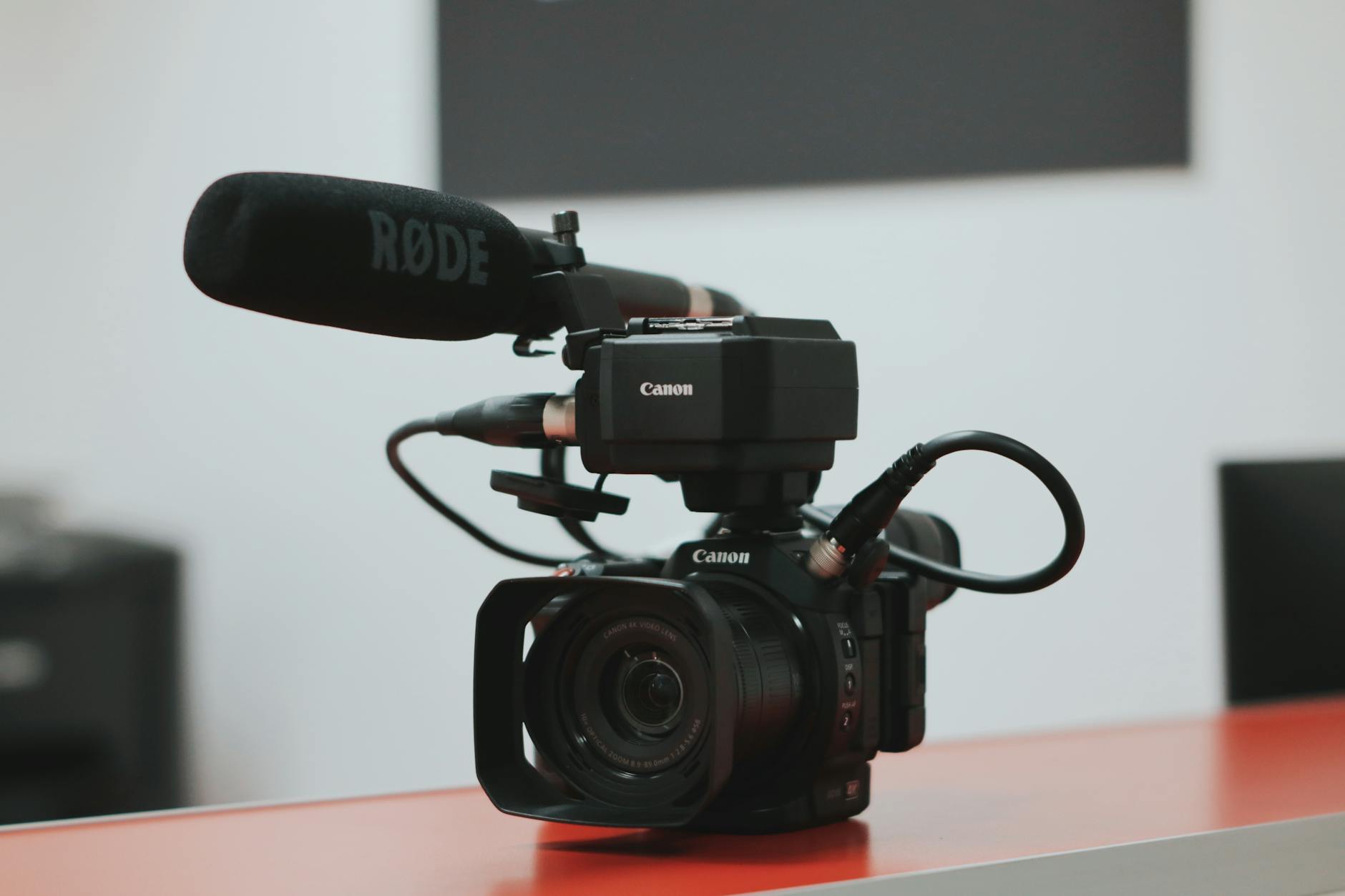
Stabilization equipment, such as gimbals and handheld stabilizers, are essential for smooth, professional footage, particularly during walkthroughs or moving shots. Proper lighting, including portable LED panels and reflectors, helps illuminate interiors evenly, reducing shadows and highlighting architectural details and interior design elements. High Dynamic Range (HDR) imaging can also be employed to manage the challenging lighting contrasts often found in Miami homes, ensuring both bright exteriors and shaded interiors are accurately represented.
In addition to hardware, software tools for editing and color correction are equally vital. Professional editing software allows for precise editing, color grading, and the addition of overlays or graphical elements that enhance storytelling. Leveraging the latest technology in video compression ensures videos are high quality while efficient for online distribution, facilitating smooth streaming and fast loading times on various devices.
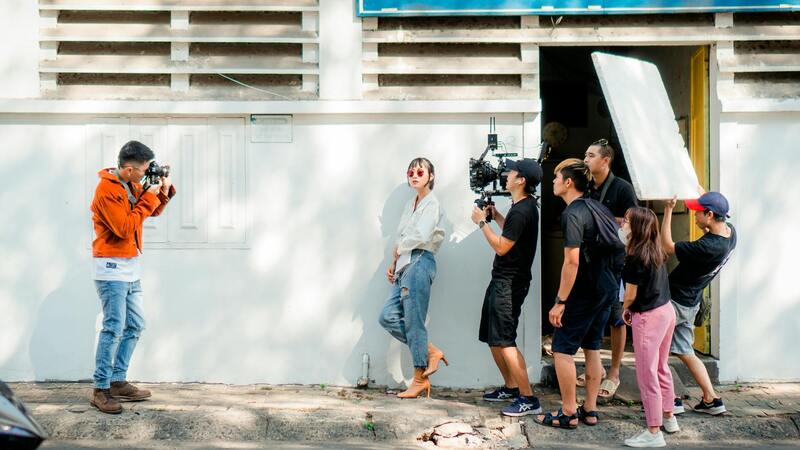
Integrating the right equipment streamlines the production process, guarantees visual consistency, and elevates the overall presentation of Miami real estate listings. When used effectively, this technology helps real estate professionals showcase properties authentically, emphasizing unique features while providing a vivid, immersive experience for prospective buyers and investors.
Advanced Techniques for Capturing Miami Real Estate
In the competitive Miami real estate market, employing advanced videography techniques ensures that property listings stand out to potential buyers. Precision in framing, consistent color temperature, and strategic use of camera angles contribute significantly to creating compelling visual narratives. High-quality footage captures not only the physical attributes of properties but also conveys the lifestyle and ambiance associated with Miami homes.
Utilizing drone footage is an effective method to showcase the scale and surroundings of large estates or waterfront properties. Aerial shots provide context, highlight proximity to notable landmarks, and enhance the overall presentation. When executed with professional-grade drones and flight stabilization technology, these perspectives add depth and a unique perspective to property videos.
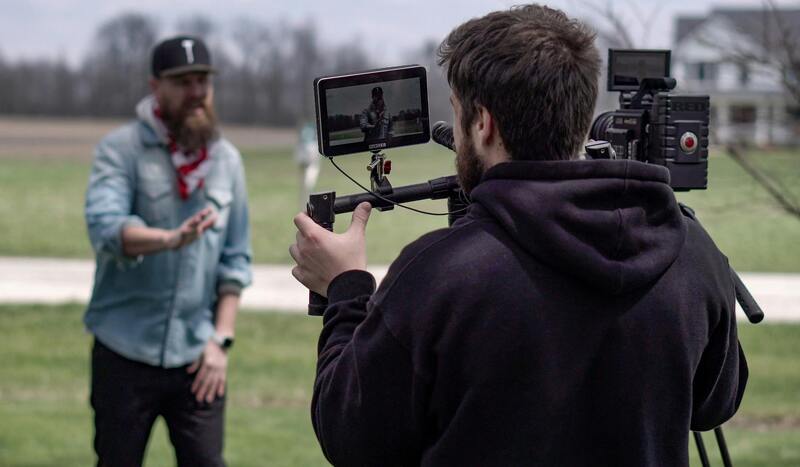
Low-light shooting techniques are essential for properties with unique lighting conditions, such as sunset views or properties with distinctive architectural features at night. Employing fast lenses and stable camera mounts allows videographers to capture sharp, high-quality footage under varied lighting conditions—ensuring the property's best features are visible regardless of time of day.
Effective Use of Lighting to Accentuate Property Features
Proper lighting plays a crucial role in rendering true-to-life colors and textures in videos. Natural lighting should be maximized wherever possible, aligning shots to utilize the best sunlight angles. Supplementing with professional lighting kits, such as portable LED panels, helps to fill shadows, illuminate interiors evenly, and emphasize details like high ceilings or decorative moldings.
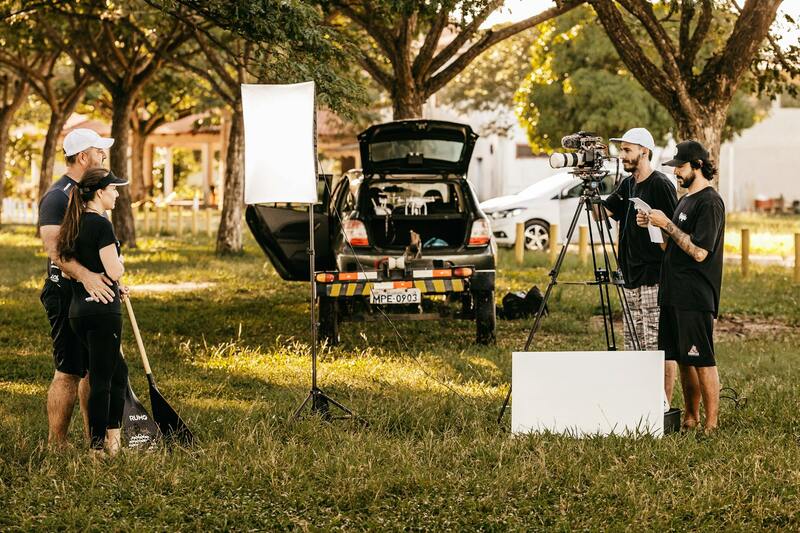
In interiors, diffused lighting eliminates harsh shadows and reflections that can distract viewers. Moving lights strategically can also add depth and dimension, making rooms appear more appealing while guiding the viewer’s eye toward key features such as custom cabinetry, unique tiling, or panoramic windows with Miami views.
Post-Production Workflow for Miami Properties
Post-production is where footage is transformed into a polished, captivating property tour. Professional editing involves color correction to ensure visual consistency between scenes and accurate representations of property hues. Color grading techniques can enhance the warm, inviting feel of Miami homes or highlight specific architectural styles.
Modern editing software enables adding graphical overlays, text descriptions, or virtual staging elements to provide context or further appeal. Incorporating aerial shots, interior walkthroughs, and stylistic cutaways into a cohesive narrative helps maintain viewer engagement and showcases the property’s unique selling points.
Efficient video compression techniques are vital for online distribution. They allow for high-quality streaming without buffering issues on various devices. Optimized videos load faster, reach a broader audience, and improve the overall marketing effectiveness of each listing.
Utilizing Off-Camera Sound and Voiceover Narration
Complementing high-quality visual footage with clear, professional sound design can significantly enhance the effectiveness of real estate videos. Incorporating off-camera sound effects—such as subtle ambient noises—adds a layer of realism and immerses viewers in the space, helping them visualize living in the property. Additionally, well-crafted voiceover narration provides valuable context, guiding viewers through the property's features, layout, and unique selling points. A knowledgeable voiceover can emphasize key architectural elements, highlight neighborhood amenities, and create a compelling story that resonates with prospective buyers or tenants.
When producing Miami real estate videos, the tone and clarity of the narration should match the property's style and target audience. Use a professional voice talent to achieve consistency and authenticity. The narration should be concise yet detailed, focusing on the property's standout aspects such as luxury finishes, outdoor living spaces, or panoramic city views. Proper voiceover scripting ensures that the message is coherent and compelling, encouraging viewers to engage further with the property.
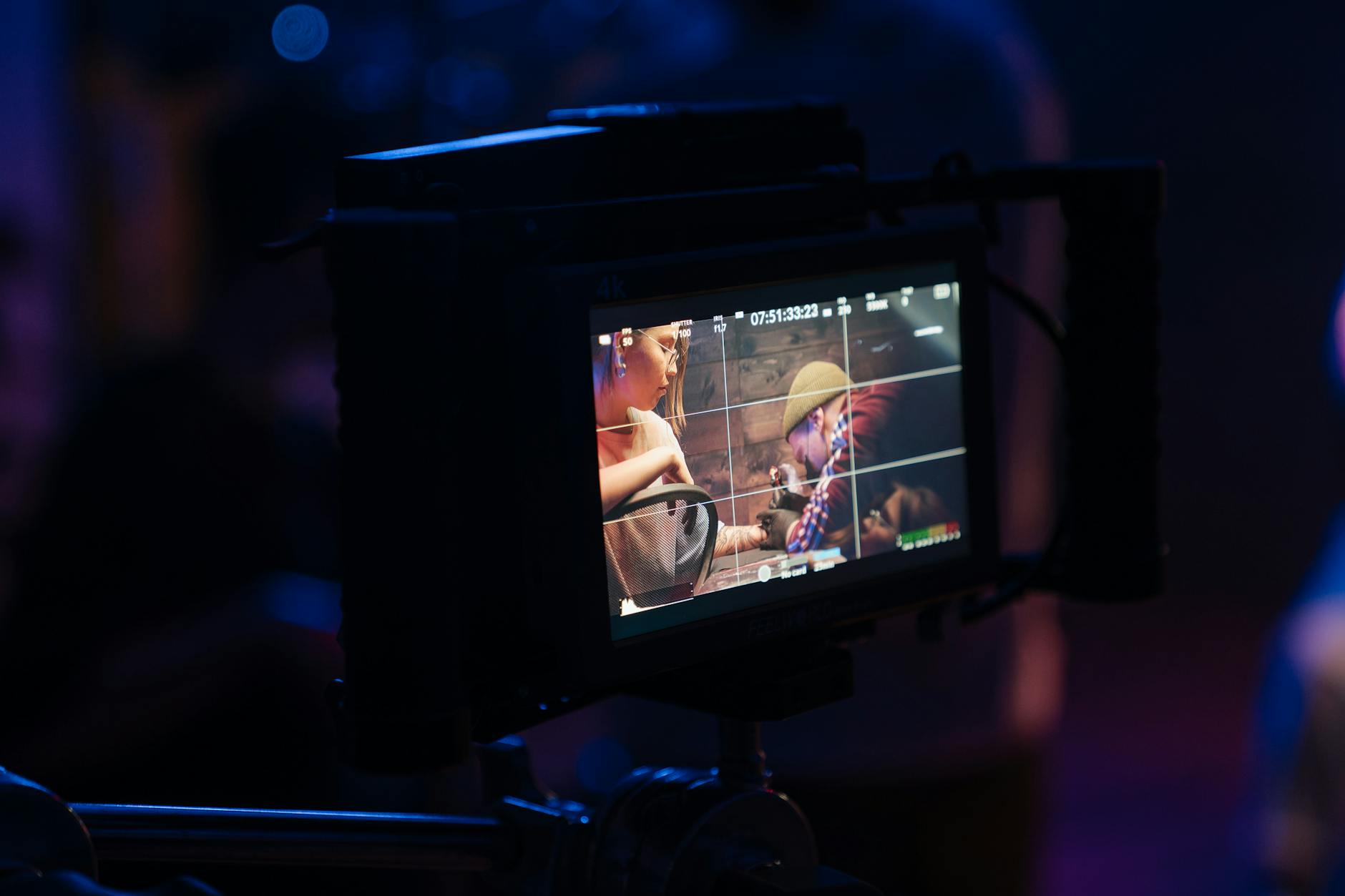
Furthermore, synchronized sound editing, including balancing background music with voiceover, prevents auditory distractions and maintains viewer focus on the property's features. Each audio element should complement the visuals seamlessly, creating a polished final product that stands out in the competitive Miami real estate market.
Investing in professional sound recording equipment, such as directional microphones and soundproof environments, ensures that audio quality remains crisp and free from background noise. For Miami properties, capturing the ambient sounds of outdoor spaces—like waves crashing or city sounds—can add unique local flavor to the video, helping prospective buyers associate the property with Miami's vibrant lifestyle.
Effective use of sound, combined with high-quality visuals, enhances viewers’ emotional connection and helps differentiate listings. It creates a comprehensive sensory experience that can inspire quicker decisions and attract a larger pool of interested buyers or renters.
Legal Considerations and Best Practices in Real Estate Videography
Adhering to Property and Privacy Regulations
When producing real estate videos in Miami, it is imperative to respect the rights of property owners and residents. This involves securing explicit permission before capturing footage, especially in multi-unit buildings or gated communities where access may be restricted. Clear communication about the purpose of the video and its intended use helps maintain transparency and fosters positive relationships with stakeholders.
In public spaces, such as streets or parks visible from the property, it’s important to ensure that shooting complies with local ordinances. Though general consent isn’t usually needed for capturing publicly accessible areas, avoiding intrusive or disruptive filming practices safeguards professional reputation and upholds respectful collaborations.
Managing Equipment and Filming Environment
Use of professional-grade equipment should align with safety guidelines, especially in unsupervised or restricted zones. Proper handling and setup of stabilizers, drones, and lighting gear prevent accidents and property damage. It’s crucial to operate drones within Miami’s regulations, including altitude limits and no-fly zones over private property or sensitive sites, ensuring responsible aerial shooting that respects local airspace policies.
Intellectual Property and Content Rights
Creating original footage and obtaining necessary clearances for music, graphics, or third-party visual elements is vital. Licensing appropriate music or utilizing royalty-free tracks prevents copyright infringement and enhances the video’s appeal. Additionally, including a discreet credit or acknowledgment when using copyrighted content or proprietary shots emphasizes ethical business practices and maintains legal compliance.
Ethical Marketing and Transparency
Accurately representing properties without overstating features or making misleading claims is fundamental. Incorporating authentic visuals and specifying notable details help set realistic expectations for potential buyers. It’s also recommended to disclose any special conditions or limitations, such as ongoing renovations or restricted areas within the property, to foster trust and avoid disputes.
Best Practices for a Consistent and Professional Portfolio
- Standardize video formats and resolutions to ensure compatibility across platforms.
- Use consistent branding elements, such as logos and color schemes, to reinforce brand identity.
- Maintain a comprehensive inventory of footage for quick updates or repurposing.
- Implement regular quality checks to uphold high standards in visual and audio clarity.
Legal Considerations and Best Practices
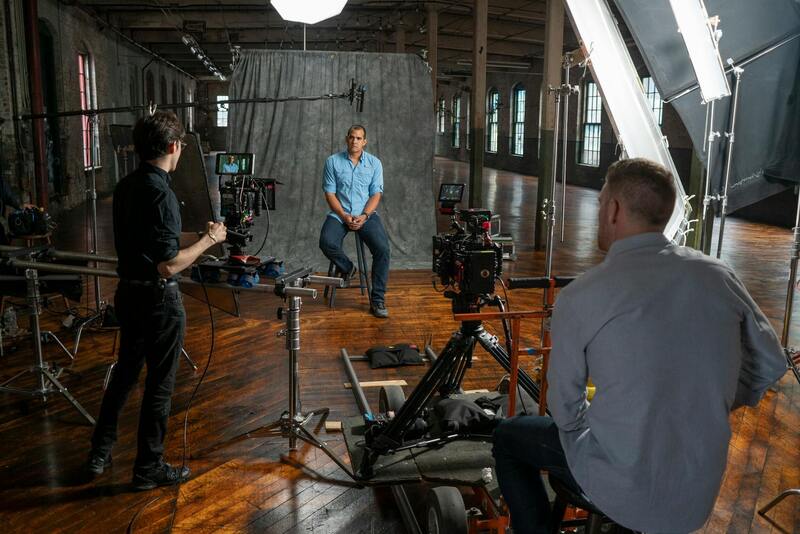
Remaining compliant with local regulations is essential when producing high-quality real estate videos in Miami. This involves securing appropriate permissions before filming, particularly when including private property or sensitive areas. Property owners’ consent should be documented to prevent misunderstandings, and clear agreements must outline the scope of the footage collection and usage. Additionally, it’s crucial to respect residents’ privacy by avoiding filming individuals without consent, especially in densely populated neighborhoods. Furthermore, adherence to Miami’s specific zoning and aerial operation regulations ensures that drone footage is captured safely and responsibly. Commercial drone pilots should verify that their operations align with FAA guidelines and Miami’s local airspace policies, obtaining necessary waivers or permits if required. This careful approach not only preserves safety but also reinforces an image of professionalism and respect within the industry. Transparency with clients about the nature of the footage, including any post-production modifications, fosters trust and aligns expectations. This openness ensures that all parties understand the scope and purpose of the video content, aiding smooth project execution and reinforcing ethical standards. Proper documentation of permissions and adherence to local filming policies act as safeguards against potential conflicts, enabling real estate videographers to operate smoothly within Miami’s vibrant property market while maintaining a solid reputation for quality and integrity.
Legal Rights and Responsibilities in Real Estate Videography
Successfully navigating the realm of real estate videography in Miami demands a comprehensive understanding of the official frameworks that govern property footage acquisition. Engaging with the appropriate permits and authorizations is a key component to ensuring that the production process aligns with local regulations and industry standards. These requirements often include obtaining explicit permissions from property owners, especially when employing drone technology or capturing footage in restricted areas. Documentation of consent not only clarifies the scope of usage but also acts as an essential record for any future reference, safeguarding all parties involved.
In Miami's bustling environment, respecting the privacy rights of residents and visitors is paramount. It is crucial to avoid filming individuals without their consent, particularly in public or semi-private spaces such as communal courtyards or entrances. These practices uphold the integrity and professional reputation of real estate videographers, fostering trust among clients and property owners alike. Clear communication about the purpose of the footage, how it will be used, and post-production modifications ensures transparency that benefits all stakeholders.
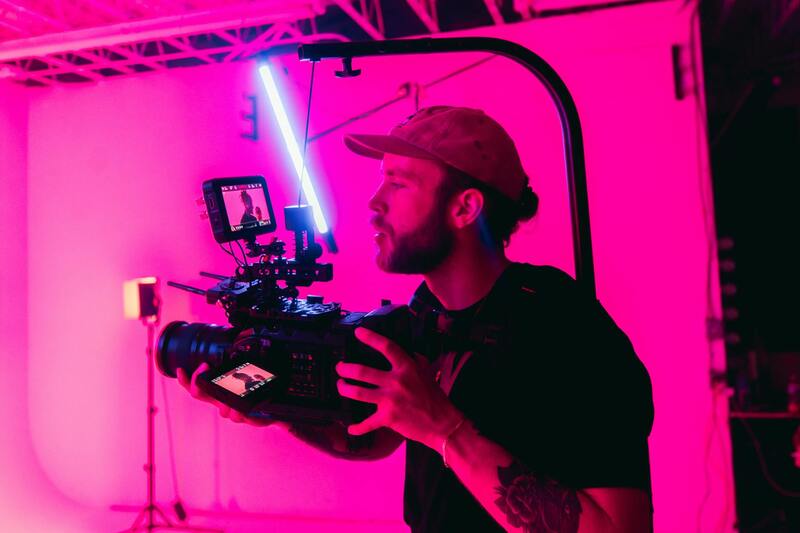
Miami’s diverse property landscape often requires adherence to specific zoning laws and aerial operation procedures. When utilizing drone footage, videographers should familiarize themselves with FAA guidelines and Miami’s local airspace policies. Securing the appropriate permits or waivers if required demonstrates a commitment to responsible filming practices, minimizing disruptions and potential conflicts with authorities.
Compliance extends beyond airspace regulations. For ground-based filming, it’s necessary to respect private property boundaries and adhere to local ordinances that may influence shooting locations or times. Incorporating these legal considerations into planning ensures a smooth production process while maintaining a high standard of professionalism.
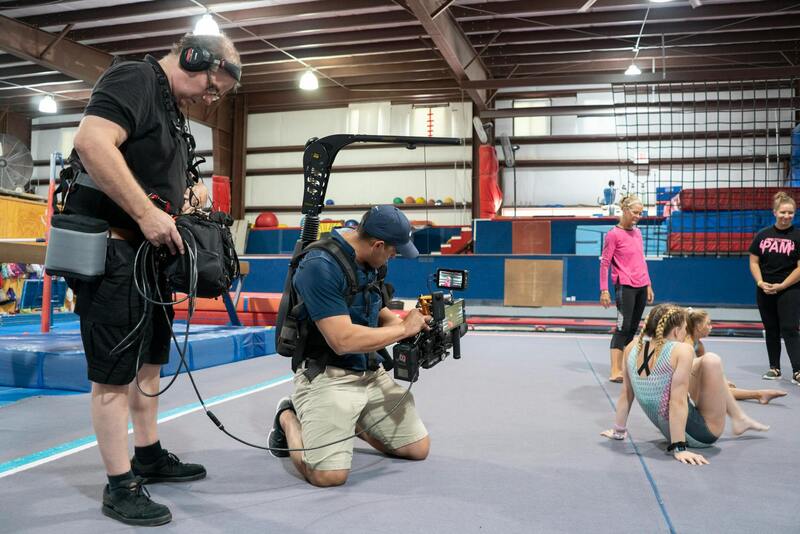
Developing a thorough understanding of these official methods enables real estate videographers to operate confidently within Miami’s vibrant market. Proper documentation, transparency, and compliance mechanisms help mitigate risks and promote a reputation for superior quality and ethical practice. Staying informed about evolving regulations and maintaining open lines of communication with property stakeholders foster long-term trust and success in the competitive Miami real estate landscape.