Understanding Event Cinematography
Event cinematography is a specialized branch of film and video production that focuses on capturing live gatherings, celebrations, and significant moments with high visual fidelity and storytelling precision. It involves the use of advanced filming techniques, equipment, and a keen understanding of the event’s dynamics to produce a compelling narrative. This discipline is vital for preserving memories, enhancing promotional efforts, and engaging audiences who may not be physically present. Whether it's a corporate conference, wedding, music festival, or community celebration, effective event cinematography ensures that the spirit and essence of the occasion are conveyed through expertly captured footage.
Choosing the right cinematographer for an event involves assessing their ability to adapt to rapidly changing environments and to use cinematic tools that elevate standard video recordings into visually impactful stories. This craft demands an understanding of lighting conditions, sound capture, camera movements, and pacing, all of which contribute to a polished and professional final product. When executed correctly, event cinematography provides a lasting visual legacy for clients and viewers alike, transforming fleeting moments into captivating visual stories that resonate long after the event has concluded.
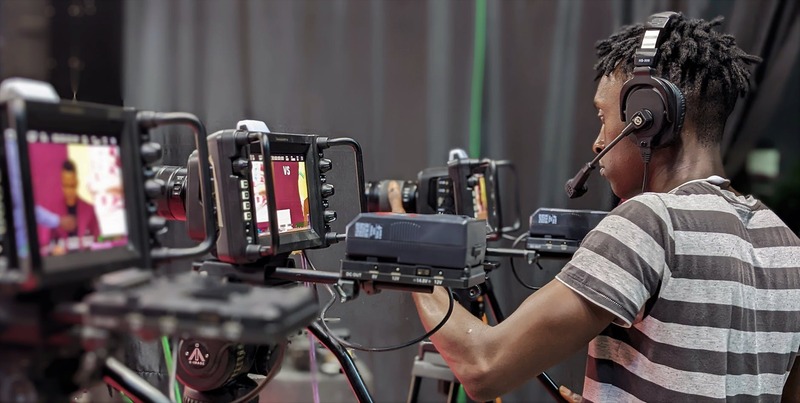
In a competitive media landscape, the importance of professional event cinematography cannot be overstated. It enhances branding, supports marketing campaigns, and allows event organizers to reach broader audiences through dynamic visual storytelling. As a result, choosing a skilled cinematographer is a critical decision that directly affects the impact and reach of the event’s coverage. Mastering this craft involves a combination of technical proficiency, creative vision, and meticulous planning to produce authentic, engaging, and visually stunning recordings that stand the test of time.
Legalities and Permissions
Securing appropriate authorizations is vital for capturing and distributing footage during any live event. This involves obtaining necessary permits from relevant authorities to operate filming equipment in public or private spaces. Event organizers often require filmmakers to have official permissions to record on-site, ensuring compliance with local regulations and respect for venue policies. Additionally, permissions to include certain performers, speakers, or specific segments in the footage may be needed, particularly when filming at venues with restricted access or sensitive areas.
Prior to shooting, it is essential to establish agreements with all involved parties. This includes drafting clear contracts that specify rights to the footage, usage rights, and distribution channels. Such documentation helps prevent misunderstandings and ensures that every stakeholder’s expectations are addressed. For event cinematography, securing releases from participants and subjects being filmed is equally important. These releases grant permission to use their image and voice in any post-event promotional materials or archives.
In the realm of legal considerations, copyright compliance remains a key focus. Filmmakers must be cautious about incorporating copyrighted music, symbols, or proprietary content into their footage. Using licensed music or obtaining proper synchronization rights is necessary to avoid infringing on intellectual property rights. Creative decisions around soundtrack choices, branding, and visual elements should adhere to these standards. This proactive approach minimizes potential disputes and safeguards the integrity of the production.
Adhering to established protocols for permissions and releases not only streamlines the production process but also enhances professionalism. It demonstrates respect for legal frameworks and the rights of all involved parties. For clients and event organizers, working with cinematographers who prioritize these legalities builds trust and ensures that the final product can be confidently shared across multiple platforms without complications.
Furthermore, digital documentation of permissions—such as scanned signed releases and official permits—serves as evidence of compliance. Maintaining meticulous records is an integral part of this process, especially when dealing with large-scale or high-profile events. Cultivating an understanding of these procedural necessities helps cinematographers navigate the complexities of event filming with confidence and integrity.
Understanding Event Cinematography
Event cinematography is a specialized branch of visual storytelling that captures the energy, emotion, and essence of live occasions, including corporate events, weddings, festivals, and conferences. The skill lies not only in recording moments but also in crafting a seamless narrative that conveys the significance of the event to viewers who may experience it remotely or in the future. This requires a combination of technical expertise, artistic sensibility, and an understanding of the event's context and purpose. Skilled cinematographers utilize a diverse set of techniques to enhance visual storytelling, employing multi-camera setups, strategic angles, and dynamic shot compositions that mirror the event’s mood and atmosphere.
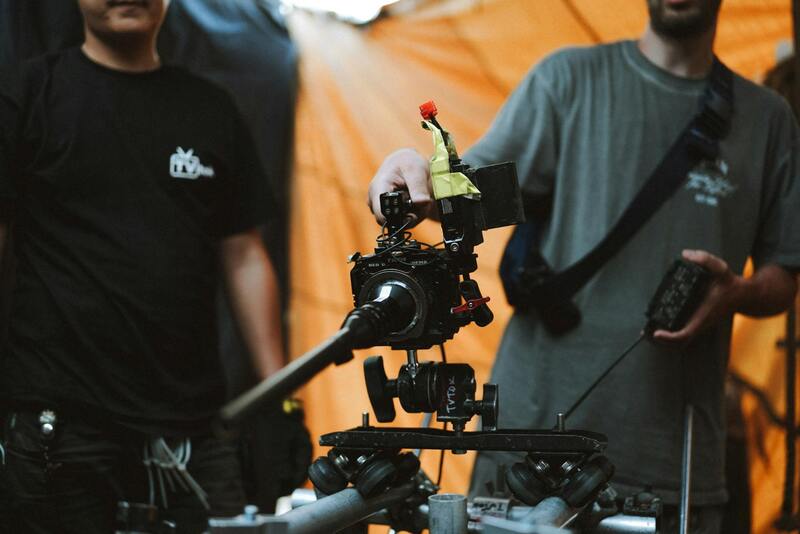
Efficient event cinematography involves meticulous planning and technical execution. It is essential to anticipate pivotal moments, coordinate with event organizers for access and timing, and adapt to changing conditions such as lighting and crowd movement. The goal is to create a comprehensive visual record that highlights key performances, interactions, and the overall ambiance. Precision in framing, focus, and timing ensures that the final footage reflects the event’s energy authentically and compellingly.
Modern advancements in equipment and technology significantly elevate the quality of event cinematography. High-definition cameras, portable gimbals, wireless microphones, and sophisticated lighting setups enable cinematographers to overcome typical challenges associated with live settings. Additionally, the integration of drone footage can add dramatic aerial perspectives, providing a unique overview of the event space. These tools, combined with the cinematographer's artistic vision and technical skill, help produce polished, engaging videos that resonate with audiences and fulfill client objectives.
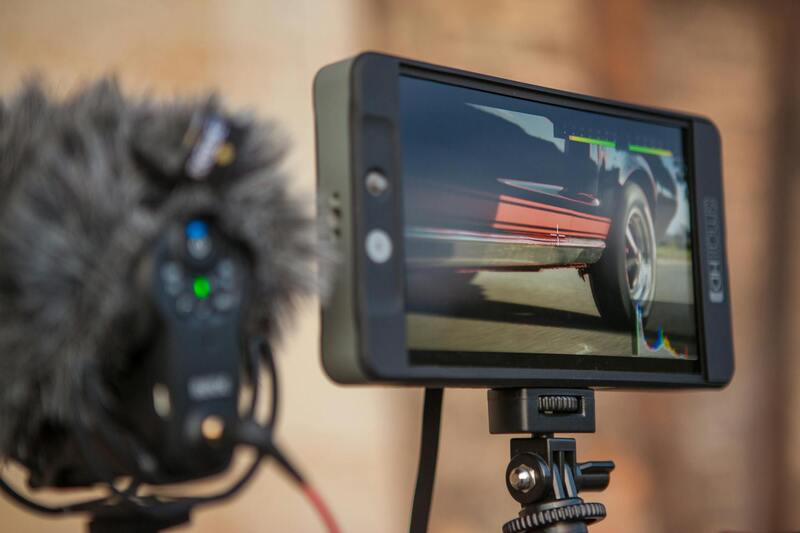
Effective event cinematography goes beyond just capturing footage; it involves strategic storytelling through editing, color grading, and sound design. Post-production processes refine raw recordings into cohesive narratives, emphasizing pivotal moments and enhancing visual appeal. Attention to detail—such as matching the tone with the event's theme and ensuring smooth transitions—creates a compelling final product capable of extending the event's impact beyond the day itself.
The rise of social media platforms and digital distribution channels further emphasizes the importance of high-quality event videos. Platforms like Instagram, Facebook, and YouTube demand content optimized for various formats, making cinematographers’ adaptability and technical proficiency vital. Delivering content that aligns with the client’s branding and promotional goals requires an understanding of both cinematic principles and digital media specifications. Through a combination of storytelling, technical mastery, and strategic distribution, event cinematography transforms fleeting moments into memorable visual stories.
Understanding Event Cinematography
Event cinematography encompasses the art of capturing live occasions with precision, creativity, and technical expertise. It involves more than just recording footage; it’s about telling a compelling story through visual elements that highlight the significance of each moment. Effective event videography requires a comprehensive understanding of timing, composition, lighting, and audio, as well as an ability to adapt to dynamic environments. This discipline merges artistic vision with technical skill, ensuring every pivotal moment — from heartfelt speeches to high-energy performances — is documented authentically and engagingly.
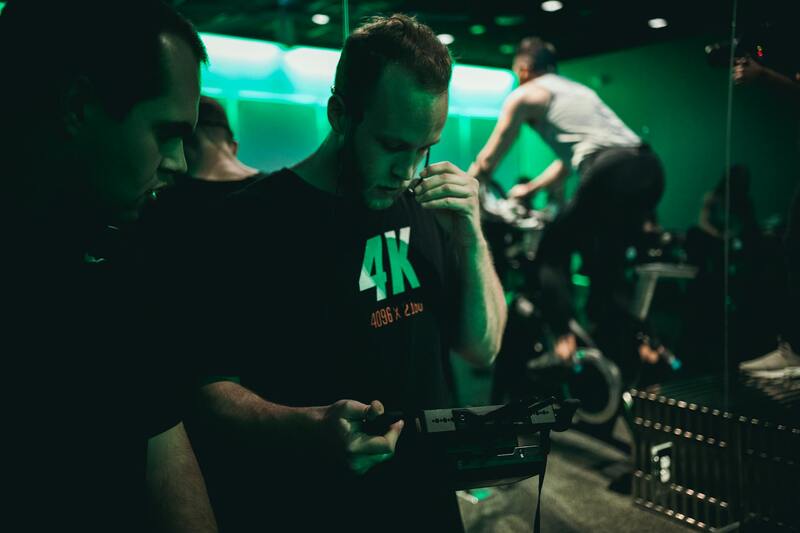
Comprehensive planning and adaptability are fundamental to successful event cinematography. Recognizing the unique aspects of each event, whether a corporate seminar or a lively wedding, allows cinematographers to tailor their approach. The goal is to capture the atmosphere, emotions, and key moments seamlessly, creating a documentary-style record that resonates with viewers long after the event concludes. This process hinges on the ability to anticipate pivotal moments, employ strategic camera work, and leverage technical tools to produce a fluid, cinematic narrative.
Pre-Production Planning for Event Filming
The foundation of excellent event cinematography is meticulous pre-production planning. It begins with a thorough understanding of the client's vision and objectives, followed by detailed coordination of logistics. Essential steps include site inspections to assess lighting and space constraints, determining ideal camera placements, and crafting a shot list that prioritizes critical moments. Engaging with the event organizer ensures alignment on schedules, special activities, and key moments to be captured.
Additionally, scouting the venue allows cinematographers to identify potential challenges such as restricted access, lighting limitations, or environmental conditions. Developing contingency plans for unpredictable scenarios, like weather changes or technical failures, ensures a smooth filming experience. Clear communication channels with the client and event staff enable efficient coordination during the event, reducing missed opportunities. Pre-planning also involves selecting appropriate equipment based on venue size, lighting conditions, and the desired aesthetic, laying the groundwork for a polished final product.
Essential Equipment and Technology
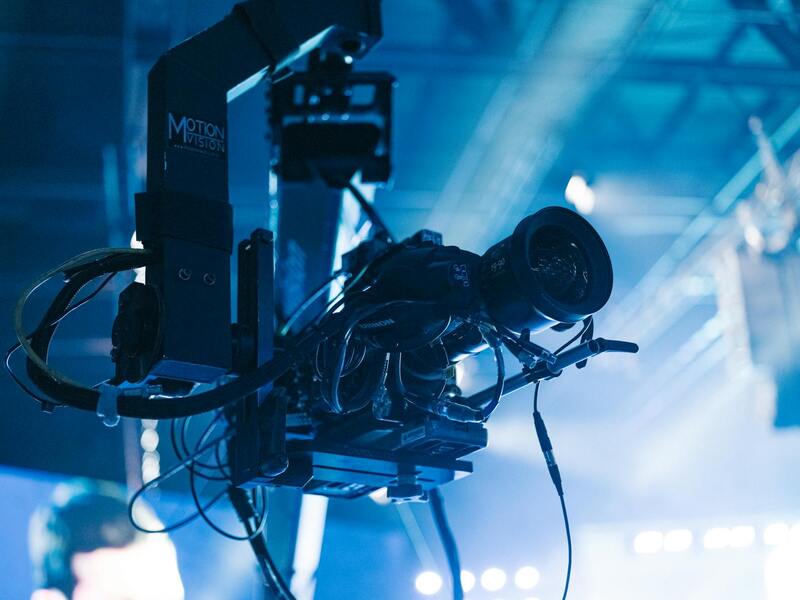
Achieving high-quality footage at live events necessitates a comprehensive array of professional equipment. High-definition cameras with versatile zoom lenses are fundamental for capturing both wide shots of the venue and close-ups of individual moments. Stabilization gear such as gimbals and tripods ensures smooth footage during movement, especially in dynamic environments. Proper lighting equipment is vital for indoor events or poorly lit venues, with portable LED panels and diffusers providing consistent illumination.
Sound recording equipment also plays a crucial role. Directional microphones and wireless audio systems enable clear capture of speeches, performances, and ambient sounds, which are essential for storytelling. For outdoor events, windshields and lavalier microphones help mitigate environmental noise. Modern technology integration, such as wireless monitors and live streaming tools, allows real-time oversight and broadcasting, adding flexibility. Drones introduce aerial perspectives, offering sweeping views that contextualize the event space and add dramatic flair.
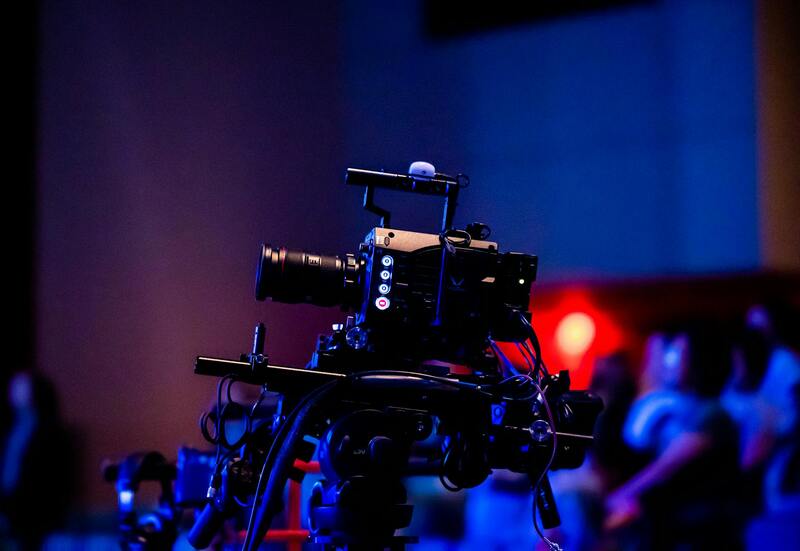
Choosing equipment tailored to the event’s scale and nature is key. For large-scale gatherings, multiple cameras and remote-controlled systems facilitate comprehensive coverage. For more intimate settings, compact, lightweight gear ensures mobility and unobtrusiveness. The integration of modern stabilization and high-quality audio gear enhances production value, guaranteeing that every detail contributes to a superior final product. Investing in reliable equipment and staying current with technological innovations directly translates into smoother production workflows and captivating visuals.
Utilizing Official Methods for Event Cinematography
To achieve high-quality event footage that reflects professionalism and adheres to industry standards, filmmakers rely on established, legitimate methods. These include thorough planning, employing certified equipment, and following best practices in both capture and post-production phases.
First and foremost, securing access to the event venue through approved channels ensures that filming can proceed smoothly without operational conflicts. This often involves coordinating with event organizers, obtaining necessary permissions from venue management, and adhering to any stipulated guidelines related to filming. Such coordination guarantees unobstructed coverage and respects the event's schedule and environment.
During the filming process, the use of certified, professional-grade equipment — such as high-definition cameras, quality stabilizers, and external audio gear — is essential to produce clean, sharp visuals and clear sound. Regular maintenance and calibration of equipment help maintain optimal performance, minimizing technical issues during the shoot. Employing authorized techniques like multi-camera setups and careful shot composition enhances the storytelling aspect while complying with industry standards.
Post-production workflows involve using licensed editing software that supports high-resolution formats and utilizes professional editing techniques. Color grading, sound mixing, and visual effects are applied in compliance with industry practices, transforming raw footage into a compelling final product. Ensuring the preservation of copyright and intellectual property rights during these processes also affirms the legitimacy of the content produced.
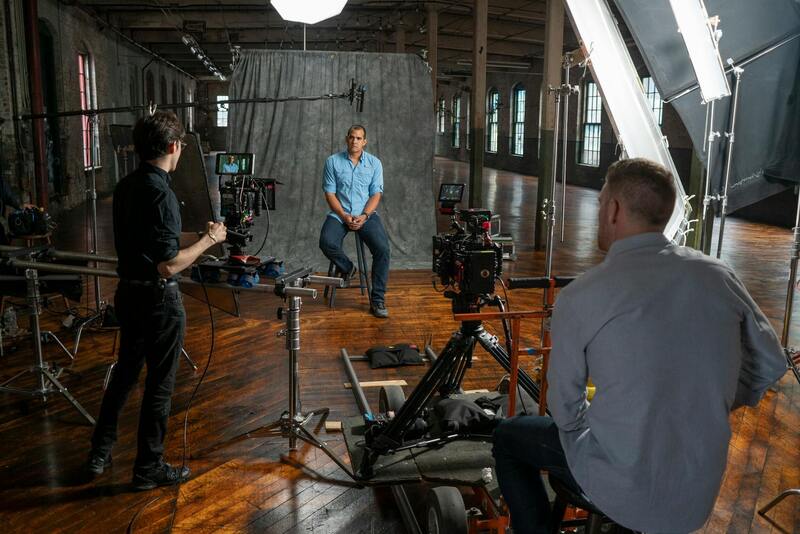
Moreover, certified drone operators and licensed personnel are often engaged for specialized shots, such as aerial views or high-angle perspectives, further affirming the adherence to official procedures. Maintaining comprehensive documentation of permissions, contracts, and technical standards throughout the project is vital for transparency and accountability, especially when the footage is intended for commercial or archival purposes.
By integrating these officially recognized methods—from obtaining proper permissions to employing compliant technology—event cinematographers can deliver impactful visual narratives while upholding the highest professional standards. This approach not only ensures smooth production workflows but also builds trust with clients and stakeholders involved in the event coverage.
Understanding Event Cinematography
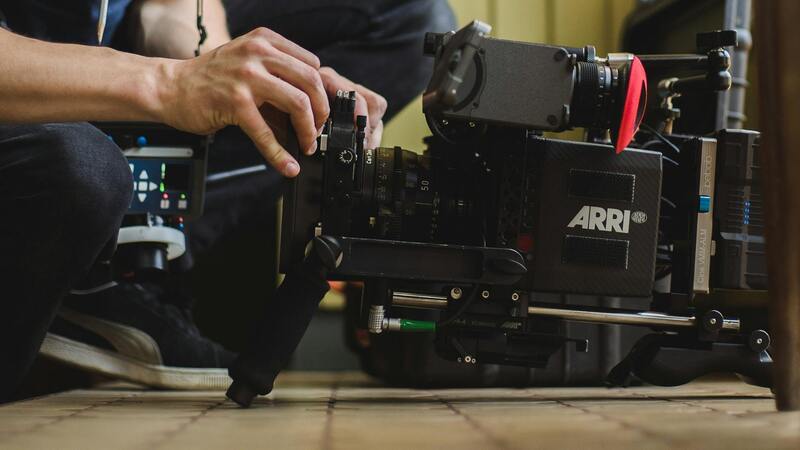
Event cinematography involves capturing live moments with technical precision and artistic vision, ensuring that the essence of the occasion is preserved accurately. Great event cinematography relies heavily on official methodologies and industry-standard practices that guarantee high-quality output while respecting the operational framework established for professional video production. It encompasses a comprehensive process—from detailed pre-production planning to the final edit—that adheres to established guidelines for safety, quality, and authenticity.
Pre-Production Planning for Event Filming
Thorough planning forms the backbone of successful event cinematography. An extensive pre-shoot consultation with clients helps to delineate the scope of coverage, specific moments to be captured, and desired final outputs. This planning phase involves meticulous scheduling to align filming times with event milestones, securing necessary permissions or permits for locations, and coordinating with event organizers to ensure smooth operation. A detailed shot list and storyboard are drafted to guide the filming process, ensuring coverage aligns with the client’s expectations and industry standards.
In addition, the planning phase incorporates technical assessments, such as evaluating venue lighting conditions, acoustics, and potential obstructions, which influence equipment choices. Confirming the availability of licensed personnel—including camera operators, sound engineers, and drone pilots—is critical to maintaining compliance. Having formal agreements in place with all team members and vendors, including equipment rental firms, guarantees a professional workflow aligned with contractual and regulatory guidelines. This approach fosters transparency, accountability, and minimizes disruptions during the event.
Essential Equipment and Technology
Official event cinematography depends on utilizing reputable, licensed equipment that meets industry standards. High-definition cameras capable of capturing detailed imagery in various lighting conditions are essential. Tripods, stabilizers, and gimbals ensure steady footage, while professional audio recorders and microphones guarantee clear sound capture. Using certified drone systems with licensed operators allows for captivating aerial shots—an increasingly popular element in modern event cinematography.
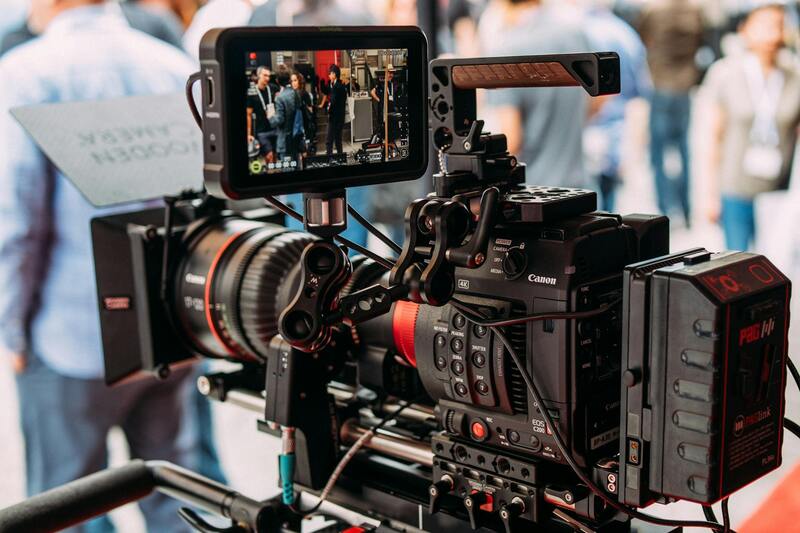
Supplementary tools like portable lighting kits, reflectors, and backup batteries are critical for adapting to unpredictable conditions. All equipment should be maintained and calibrated regularly, with documentation proving compliance and proper usage protocols. This ensures safety, optimal performance, and adherence to industry regulations, fostering trust with clients and stakeholders.
Cinematic Techniques for Live Events
Applying professional techniques enhances the storytelling aspect of event videos. Techniques such as strategic camera movement, smooth transitions, and precise framing help to convey emotions and highlight key moments. Using multiple camera angles provides dynamic perspectives that keep viewers engaged. For instance, wide shots establish context, while close-ups capture individual expressions, adding emotional depth.
Lighting techniques, including the use of professional-grade lighting equipment, are employed to ensure subjects are well-lit and visually appealing. For atmospheric events, capturing ambient light without disrupting the ambiance is crucial. Slow-motion footage can accentuate impactful moments, whereas time-lapse sequences effectively depict event progression or crowd reactions. All these methods rely on employing officially approved equipment and techniques, supporting both technical quality and industry standards.
Challenges of Event Cinematography
Event filming often presents unpredictable challenges, such as variable lighting conditions, crowd interference, and tight scheduling. To overcome these, event cinematographers rely on meticulous planning, professional-grade equipment, and precise execution. For instance, managing lighting variations requires versatile camera settings and portable lighting solutions that meet professional standards. Crowd management techniques must be employed discretely to avoid interference with filming, often involving coordination with event staff.
Time constraints demand flexibility and readiness to adapt the filming approach swiftly. This involves having backup equipment, including additional lenses, batteries, and memory cards, with documented maintenance history to ensure reliability. Employing certified personnel ensures adherence to safety protocols and technical standards, mitigating risks and maintaining quality. Continuous communication with event organizers and stakeholders facilitates the timely resolution of unforeseen issues, supporting a seamless filming process.
Legalities and Permissions
Securing the appropriate permits is a fundamental aspect of official event cinematography, especially in a city like Miami, where diverse locations and frequent event permits require careful documentation. Filmmakers and production teams must obtain authorization from relevant municipal or venue authorities before filming, ensuring compliance with local regulations. This process includes applying for filming permits that specify the scope, duration, and location of the shoot, and often involves submitting detailed plans and schedules.
In addition to permits, establishing clear release agreements with event organizers, performers, and participants safeguards the use of footage. These releases grant documented permission to record and utilize their likenesses, especially in promotional or commercial contexts. It is crucial to employ official contract templates that specify rights, usage scope, and compensation, aligning with industry practices.
Another critical consideration involves copyright and intellectual property rules, ensuring that any copyrighted material, such as music, logos, or proprietary visuals used in the footage, is officially licensed or properly cleared. Utilizing licensed elements not only maintains professional integrity but also avoids costly disputes or the need for post-production re-editing.
Adhering to these officially sanctioned methods of obtaining permissions and permits establishes a framework for professional, respectful, and compliant event coverage. This disciplined approach minimizes disruptions, enhances credibility, and guarantees that filmed content remains suitable for broad distribution and archival use.
Legalities and Permissions
Successfully capturing footage at live events requires more than just skilled videography. It involves obtaining official documentation and authorizations that facilitate a smooth filming process and uphold the rights of all parties involved. These measures are vital for maintaining professionalism and ensuring that all content produced can be used confidently across various platforms.
Primarily, securing filming permits through local authorities or event organizers is essential. These permits detail the specific location, timeframe, and scope of the shoot, providing an official acknowledgment that filming is sanctioned within those boundaries. They help prevent misunderstandings or disruptions during the event, allowing the videographer to concentrate fully on delivering quality footage.
Complementing permit acquisition, establishing comprehensive release agreements with event hosts, performers, participants, and any other individuals featured in the footage is equally important. These legal documents specify permissions granted to record and utilize their likenesses, particularly when the footage is intended for promotional, commercial, or archival purposes. Approved templates should clearly state rights, restrictions, and compensation terms, aligning with industry standards.
Implementing these official contractual arrangements facilitates transparency and mutual understanding, minimizing potential conflicts regarding footage usage. It is advisable to work with experienced legal professionals or industry-standard contract templates to ensure all specific scenarios are addressed adequately.
The use of licensed content, such as music tracks, logos, or visual elements that belong to other entities, further underscores professional integrity. Verification and documentation of license agreements prevent unauthorized use and protect against disputes that could hinder distribution or dissemination efforts.
In addition to permits and releases, adherence to intellectual property rights outlined by copyright laws ensures that content remains compliant and marketable. Utilizing properly licensed materials, securing clearances for copyrighted visuals, and maintaining detailed records of all permissions contribute to a seamless post-production process and defensible content rights management.
This disciplined approach to permissions not only safeguards all stakeholders' interests but also reinforces the filmmaker’s reputation for conducting ethically sound and legally compliant event cinematography. The process may involve liaising with local authorities, rights holders, and legal counsel, but these steps streamline the project’s progression from filming to final delivery, ensuring that the footage can be shared and archived without concerns.
Maintaining meticulous documentation throughout the event, including permits, release forms, and licensing agreements, builds a reliable record of compliance. This proactive management benefits post-production review, distribution, and any future referencing, establishing a foundation of trust and professionalism.