Understanding the Purpose of an Event Photoshoot
An event photoshoot serves as a vital component in documenting significant moments, enhancing brand visibility, and creating lasting memories of occasions hosted in Miami. Whether it’s a corporate gala, wedding, outdoor festival, or private celebration, capturing the essence of these events through professional photography ensures that every emotional detail and spirited atmosphere is preserved for future reflection and promotional use.
The primary goal of an event photoshoot is to provide high-quality visual content that accurately reflects the ambiance, interactions, and overall energy of the gathering. This visual storytelling is essential for event organizers, hosts, and stakeholders who want to communicate the success and vibrancy of their event to a broader audience. In Miami, a city renowned for its lively culture and diverse event scene, a well-executed photoshoot enhances an event’s prestige and creates compelling content for marketing, including social media, websites, and print materials.
Furthermore, documenting an event through professional photography can extend its impact beyond the actual day. Photos can be utilized in subsequent promotional efforts, serve as mementos for attendees, and build a visual portfolio for the event team or photographer. The objective is to capture genuine moments, candid interactions, and beautifully staged compositions that collectively narrate the event’s story in a way that resonates with viewers.
Achieving these goals requires careful planning, a skilled team, and an understanding of the event’s unique characteristics. The decision to undertake an event photoshoot should align with the overall event strategy, emphasizing the importance of visual documentation as a powerful communication tool. High-quality imagery not only celebrates the moment but also elevates the perceived significance of the event, making it memorable for attendees and impactful for future promotions.
In Miami’s dynamic event landscape, where every event aims to stand out and leave a lasting impression, the role of a dedicated event photoshoot becomes even more crucial. From capturing detailed close-ups to sweeping wide-angle shots, a professional approach ensures every dimension of the event is authentically represented, contributing to a comprehensive visual record that can be appreciated long after the event concludes.
Selecting the Right Photoshoot Team and Equipment
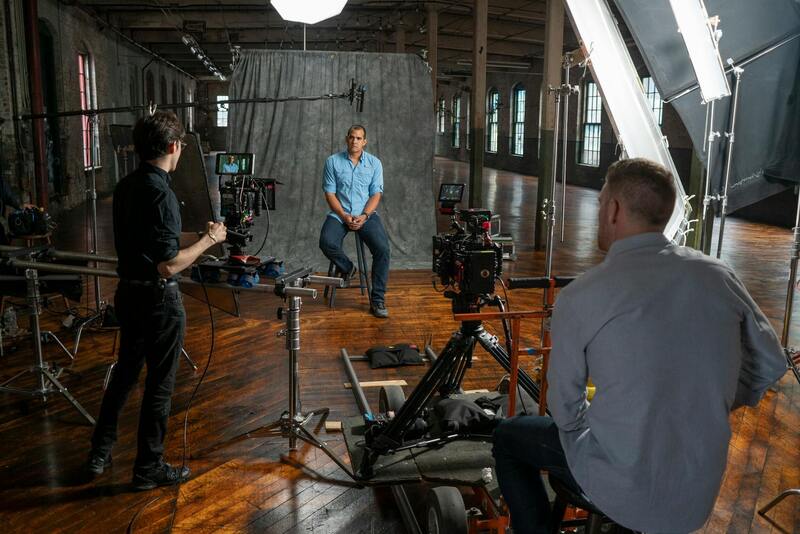
Choosing a proficient and experienced team of photographers and videographers is essential for capturing the essence of your event with precision and creativity. When selecting a professional, consider their portfolio, especially their previous work in similar event settings such as corporate gatherings, weddings, or social celebrations. An adept team understands how to adapt their approach based on the event’s scale, theme, and atmosphere, ensuring the imagery aligns with your vision.
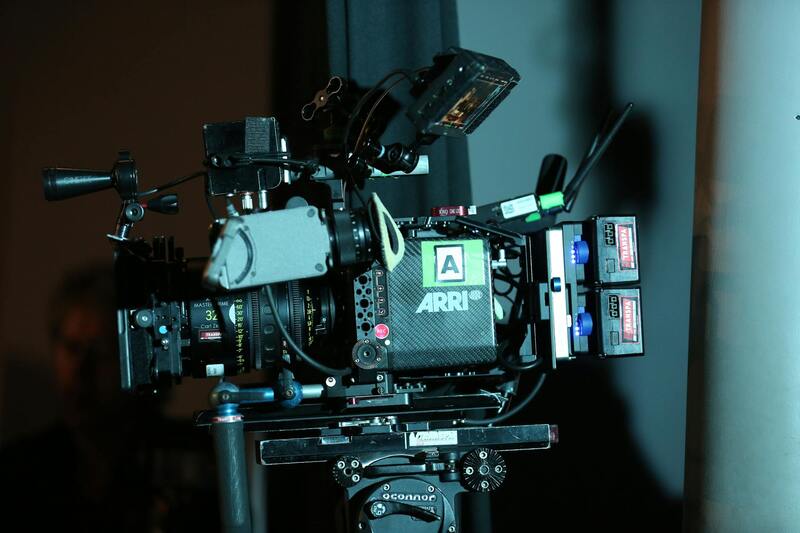
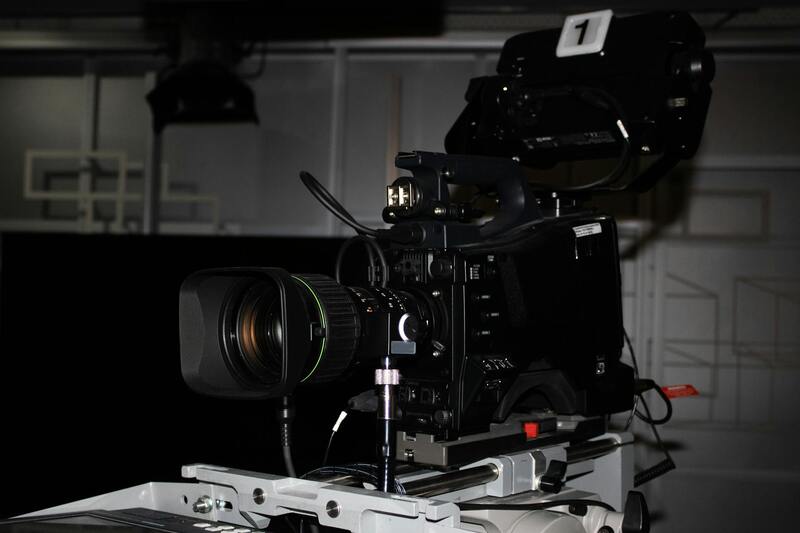
Equally important is the range of equipment used. High-resolution cameras equipped with versatile lenses, such as prime lenses for sharp portraits and wide-angle lenses for capturing expansive scenes, are fundamental in providing clarity and depth. Additionally, lighting gear, including portable flashes and reflectors, ensures well-lit images regardless of ambient conditions. For outdoor events or venues with variable lighting, photographic stabilizers like tripods or gimbals can help maintain shot stability and consistency.
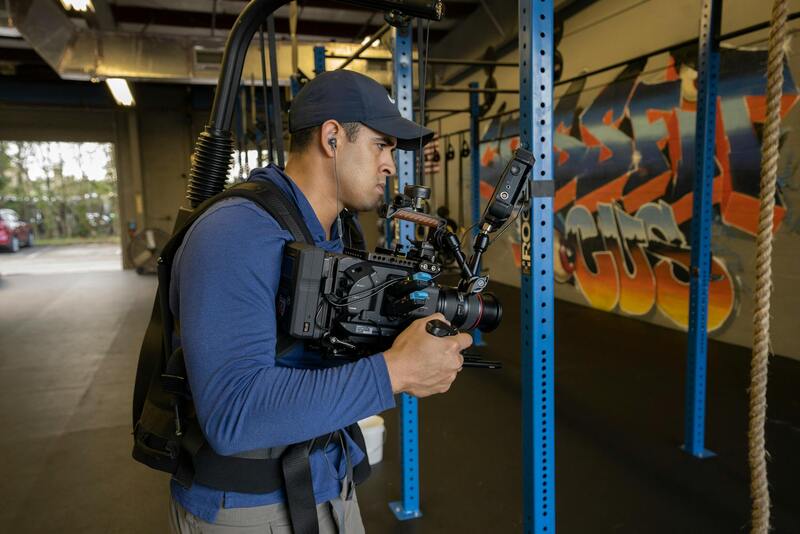
For dynamic event environments, seamless video equipment such as steadicams or drone technology can add a cinematic dimension to your coverage. These tools, combined with skilled operators, allow capturing sweeping panoramic shots or aerial views that highlight the venue and atmosphere uniquely.
Choosing the Perfect Location and Setting
Locating the ideal spot for your event photoshoot is pivotal in establishing a compelling visual narrative. Whether it’s a sophisticated indoor banquet hall, a scenic outdoor waterfront, or a trendy Miami rooftop, the chosen setting should complement the event's theme and facilitate optimal lighting and backdrop conditions.
When selecting a venue, consider accessibility, available space for staged and candid shots, and potential for natural light. An environment that reflects the event’s tone can bolster the overall aesthetic, whether formal, casual, or avant-garde. It’s essential to scout the location beforehand to identify prime spots for key moments, such as entrance shots, group photos, and candid interactions.
Strategic placement within the venue, consideration of background clutter, and the availability of natural features such as water views or lush greenery should all be evaluated to maximize visual impact.
Planning the Photoshoot Timeline and Shots
Developing a comprehensive timeline is essential to ensure no important moments are missed. Collaborate with event organizers to allocate specific time slots for capturing key segments, such as arrivals, speeches, or entertainment. Having a clear schedule helps the photography team coordinate effectively, avoiding disruptions and allowing for flexibility in capturing spontaneous moments.
Draft a shot list that encompasses essential images, including wide shots of the venue, group portraits, candid interactions, detail shots of décor and decorations, as well as close-ups of attendees’ expressions. For formal events, staged portraits of VIPs, sponsors, or families should be prioritized to create a well-rounded visual story.
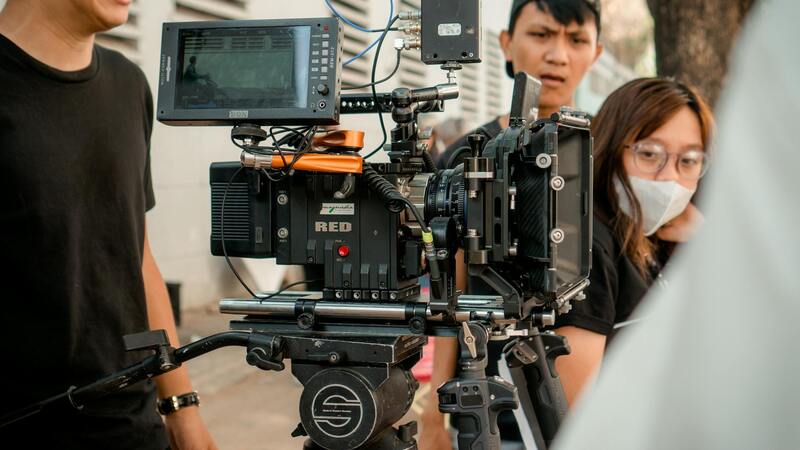
Incorporate buffer periods into the timeline to accommodate unexpected delays or spontaneous photo opportunities. This flexibility fosters natural, relaxed photographs that truly reflect the event’s spirit.
Ensuring Proper Lighting and Atmosphere
Lighting plays a pivotal role in defining the quality and mood of the photographs. When planning for lighting, consider both natural and artificial sources. During daytime, utilize available sunlight to achieve vibrant images, while at night or in indoor settings, stage lighting or portable flash units enhance visibility and highlight important features.
Creating a warm, inviting atmosphere involves more than just technical adjustments. Subtle enhancements like diffusing harsh light, managing shadows, and maintaining consistent color tones across images contribute to professional results. For events in outdoor or low-light venues, portable lighting solutions or reflectors can help balance illumination, ensuring no detail is lost.
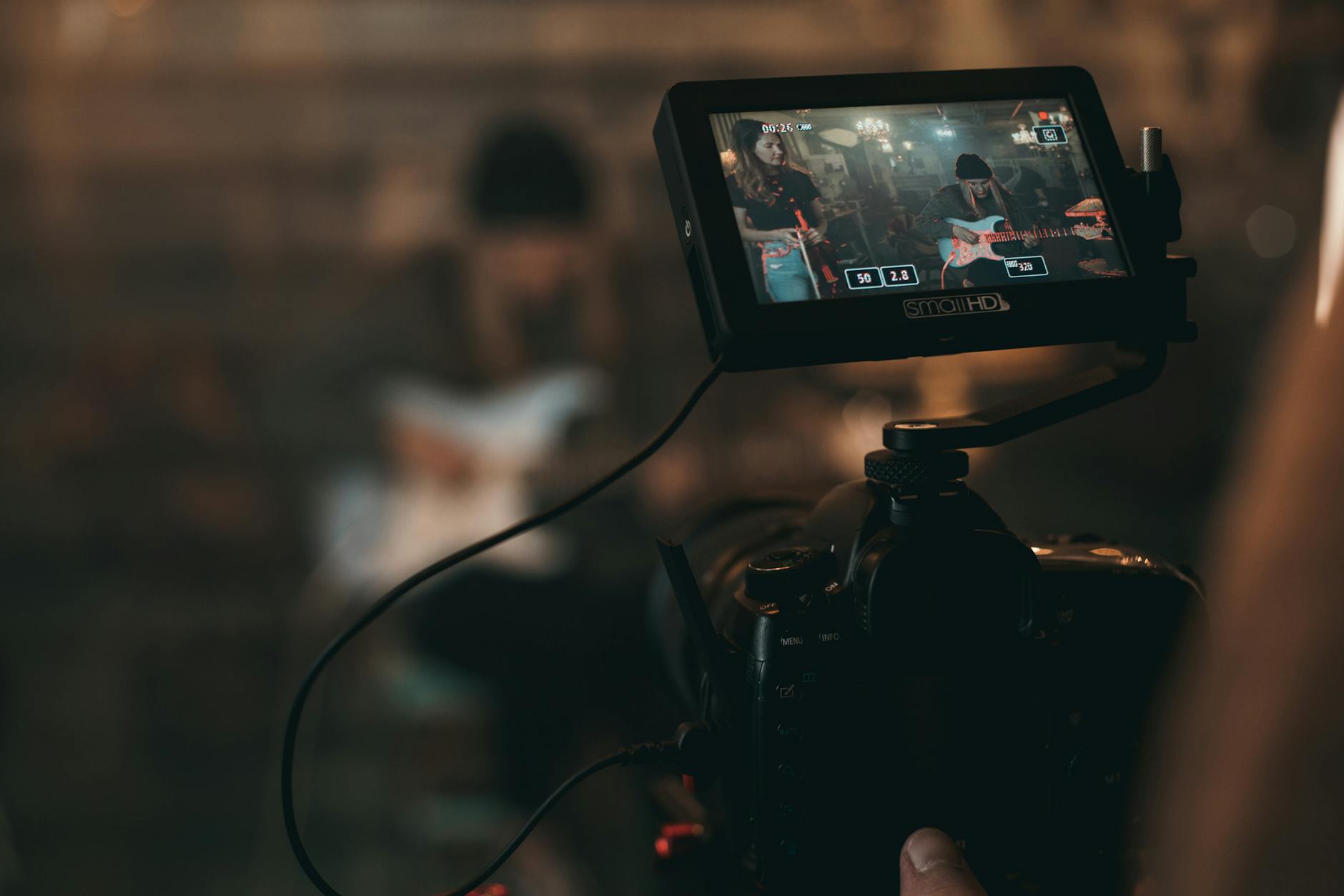
In addition, paying attention to ambient elements—such as decorative lighting, candles, or natural features—can add layers of depth and texture to your photos. A skilled photographer adjusts to the environment dynamically, capturing the scene’s atmosphere authentically.
Understanding the Purpose of an Event Photoshoot
An event photoshoot serves as a visual documentation of a special occasion, transforming fleeting moments into lasting memories. Its primary goal is to capture the essence, emotion, and atmosphere of the event, providing a comprehensive visual narrative that can be cherished for years to come. Every photograph should tell a story — from candid emotional reactions of guests to meticulously arranged group shots and detailed decor highlights.
One of the key aspects of a successful event photoshoot is aligning the photography approach with the event’s purpose and theme. For corporate gatherings, the focus might be on professionalism, branding, and guest interactions, whereas a wedding might prioritize romantic candid shots, family portraits, and celebration details. Understanding these nuances allows photographers to tailor their techniques and equipment to deliver images that accurately reflect the event’s tone.
Another significant aspect is ensuring coverage of all critical moments — from the beginning of the event, such as arrivals and welcome speeches, through to key activities like speeches, performances, and cake-cutting ceremonies. Dynamic and engaging visuals should also include spontaneous interactions, small details like table settings, and environmental elements that set the scene, creating a well-rounded record that conveys the event’s full atmosphere.
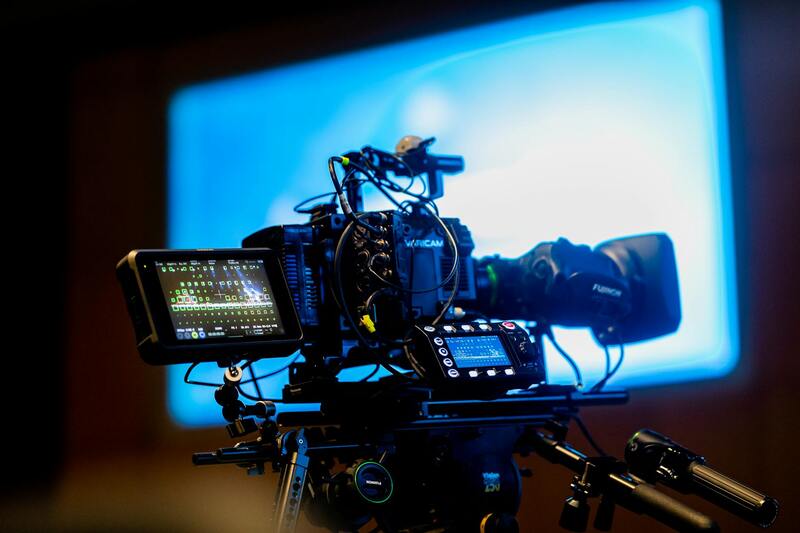
Beyond capturing the event itself, a purpose-driven photoshoot also considers the final use of these images — whether for promotional materials, social media, or personal keepsakes — and adapts the style and format accordingly. Clear communication between the client and photographer before the event ensures that expectations are aligned, and all important moments are documented with precision.
Selecting the Right Photoshoot Team and Equipment
Choosing a professional event photography team involves assessing their experience, portfolio, and technical expertise. A seasoned photographer should demonstrate versatility across various lighting conditions and environments, displaying a keen eye for composition and detail. An effective team also includes assistants or second shooters, who help capture multiple angles simultaneously, ensuring no key moment goes unnoticed.
Instrumentation plays a crucial role. High-quality cameras with fast lenses are essential for capturing sharp images in diverse lighting scenarios. Professional-grade flashes, reflectors, and diffusers allow photographers to control lighting effectively, especially in low-light or indoor settings. For outdoor events, equipment like portable lighting, stabilizers, and drones can enhance the range of shots and add impactful aerial perspectives.
Equipment also encompasses accessories like backup batteries, memory cards, and protective gear to prevent technical failures during the shoot. Educating mid-level or entry-level photographers on optimal equipment usage is vital in maintaining high standards of image quality throughout the event.
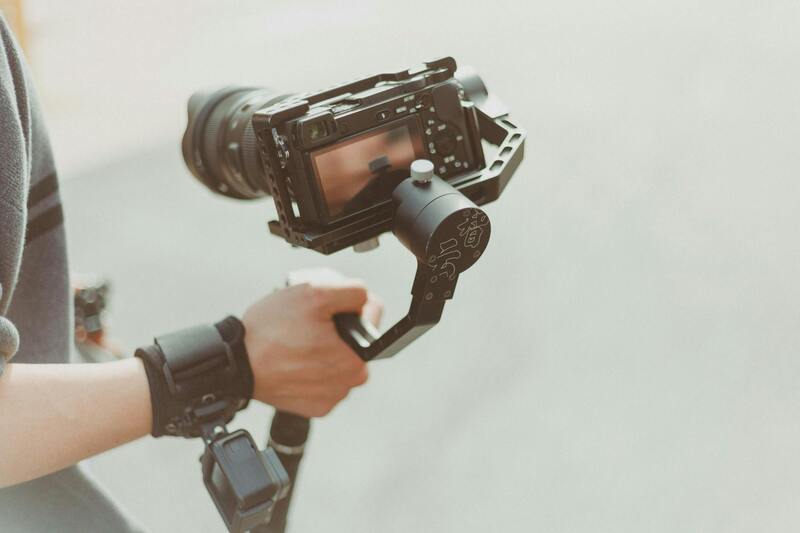
When selecting a team, consider their familiarity with the event type and venue. Experienced event photographers are adept at managing the flow of activities, adjusting their approach on the fly to capture spontaneous moments without disrupting the event’s natural progression. Open communication before the event helps identify specific shots desired by clients, such as groupings, decorations, or particular candid moments, enabling the team to prepare accordingly.
Understanding the Purpose of an Event Photoshoot
An event photoshoot serves as a visual storytelling tool that encapsulates the essence and significance of an occasion. It aims to preserve memories, highlight the atmosphere, and document interactions among attendees, all while aligning with the overall theme and purpose of the event. Whether it’s a corporate gathering, wedding, or social celebration, the primary goal is to produce a comprehensive collection of images that reflect the spirit and importance of the event.
One of the fundamental objectives of an event photoshoot is to capture authentic moments as they unfold naturally. This involves not only photographing posed arrangements but also candid interactions—laughter, emotional exchanges, and spontaneous reactions—that convey the true character of the event. Such candid shots often evoke more genuine emotions and serve as treasured keepsakes for clients.
In addition to moment documentation, an event photoshoot provides an opportunity for branding and promotion, especially during corporate or promotional events. High-quality images can be used in marketing materials, social media, and future event planning, making the photoshoot a strategic tool to enhance visibility and reputation.
To effectively meet these goals, detailed planning is crucial. Understanding the event’s purpose allows the photographer to anticipate key moments and determine the best angles and compositions. This focused approach ensures that every significant aspect—be it formal ceremonies, entertainment segments, or guest interactions—is thoroughly documented, enriching the visual narrative of the event.
Prioritize the Key Moments and Subjects
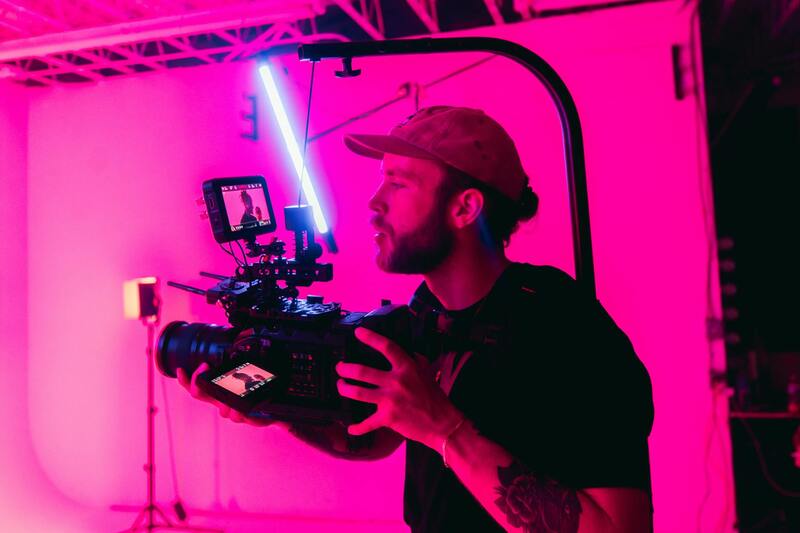
Identifying and prioritizing key moments ensures that critical elements are not missed. This includes speeches, cake-cutting ceremonies, awards, or any special activities specific to the event. Additionally, recognizing the importance of different subjects—speakers, performers, attendees—helps tailor the approach to highlight individuals or groups that contribute significantly to the event’s purpose.
Effective event photoshoots go beyond mere documentation; they aim to illustrate the story and emotional journey of the occasion. The resulting images should evoke feelings, showcase details, and demonstrate the event’s overall energy. By understanding the purpose behind the event, photographers can craft a compelling visual narrative that aligns with the client’s expectations, making the photos not just pictures, but meaningful representations of their experiences.
Ensuring Proper Lighting and Atmosphere
Lighting plays a critical role in capturing high-quality event photos that truly reflect the mood and vibrancy of the occasion. When planning the setup, determining whether natural or artificial lighting will be used is essential. For outdoor events, optimal natural light during the golden hours—shortly after sunrise or before sunset—provides warm, flattering illumination that enhances all subjects and details. Conversely, indoor events require careful management of artificial light sources to avoid harsh shadows or overexposed images.
Utilizing diffusers, reflectors, and softboxes can help create a balanced, inviting atmosphere, ensuring every shot is well-lit and visually appealing. For instance, diffusers soften bright overhead lights, while reflectors bounce light back onto subjects, reducing shadows and highlighting facial expressions. Adjusting light intensity and color temperature indoors helps maintain consistency and a cohesive look throughout the collection of photos.
Creating the right ambiance extends beyond technical lighting. Elements such as background décor, venue lighting fixtures, and ambient accessories contribute significantly to the overall mood. Coordinating these components with the photography plan ensures that images capture the event's energy authentically and artistically. For example, colorful uplighting or string lights can add warmth and vibrancy to evening celebrations, elevating the visual storytelling.
Post-Processing and Deliverables
Post-processing is a vital step in transforming raw images into polished, impactful photographs. Skilled editors focus on adjusting exposure, contrast, color balance, and sharpness to ensure the final images reflect the true atmosphere of the event while enhancing aesthetic appeal. This process also involves cropping and retouching to eliminate distractions and highlight key moments, individuals, or details.
Delivery formats depend on client requirements but typically include high-resolution files suitable for print and optimized versions for online use. A professional photographer provides both digital copies and, where appropriate, prints or albums that showcase the event comprehensively. Timely delivery ensures clients can share their memories promptly, whether for social media, post-event marketing, or personal keepsakes.
Maintaining the integrity and consistency of the images throughout post-processing is critical. Employing a consistent editing style that aligns with the event's mood and client expectations guarantees a cohesive visual story. Additionally, clear communication regarding editing preferences and delivery timelines helps ensure satisfaction with the final outcome.
Legal Considerations and Permissions
When planning an event photoshoot, adhering to appropriate legal protocols and securing necessary permissions constitute a fundamental part of the process. This ensures a smooth experience for both the photographer and the event attendees, and helps to protect the rights and interests of all parties involved.
Firstly, obtaining consent from all individuals who will appear in the photographs is crucial. This is typically facilitated through signed releases or permission forms prior to the shoot, especially when candid shots include guests or members of the public who may not be aware they are being photographed. These releases clarify the intended use of images and provide assurances regarding privacy and data handling.
Additionally, securing permission from venue authorities or event organizers is essential. Many venues require a formal agreement or approval before professional photography can commence. This prevents potential conflicts and ensures compliance with site policies related to photography equipment, access rights, and safety protocols.
Another significant aspect involves respecting copyright and intellectual property rights. Photographers should clearly communicate the scope of usage rights with clients at the outset, outlining whether images can be used for commercial purposes, promotional activities, or personal collections. Likewise, clients should understand their rights to reproduce or distribute the photographs, as well as any restrictions imposed by the photographer.
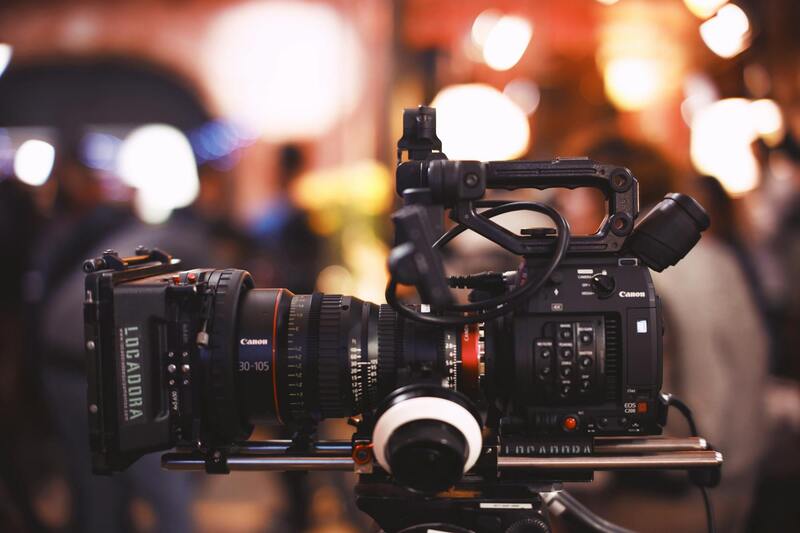
Coordination with legal and organizational protocols helps prevent misunderstandings or disputes post-event. Maintaining a record of consent forms, permissions, and communications related to rights management offers clear documentation that supports accountability and transparency throughout the event photography process.
Moreover, if the photoshoot involves minors, additional legal steps must be taken, such as obtaining parental consent. For events that include confidential or sensitive content, privacy considerations should be prioritized, ensuring images are handled and shared responsibly.
In some cases, specific permits or licenses might be required by local authorities, especially when shooting in public spaces or using certain equipment. Consulting with local regulations and professional associations can streamline this aspect smoothly, ensuring compliance and facilitating access to public or restricted areas without disruptions.
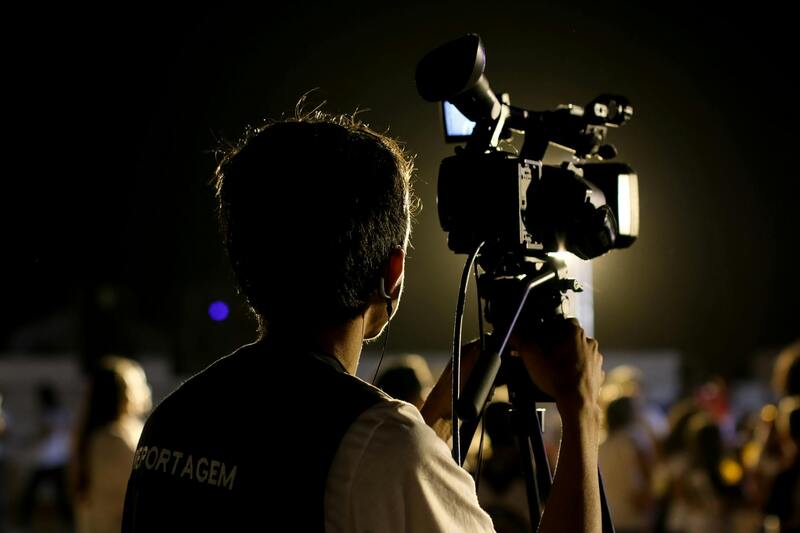
By thoroughly addressing these legal considerations and obtaining all necessary permissions ahead of time, event organizers and photographers set a foundation of trust and professionalism. This fosters a positive environment where the focus remains on capturing memorable moments, unencumbered by potential legal hurdles that could otherwise compromise the integrity or success of the event photoshoot.
Ensuring Proper Lighting and Atmosphere
Lighting plays a crucial role in capturing high-quality event photos that reflect the true essence and emotion of the occasion. Professional photographers utilize a combination of natural light and artificial lighting equipment to achieve the desired ambiance. For outdoor events, shoot during the golden hour—shortly after sunrise or before sunset—to benefit from soft, warm lighting that enhances skin tones and creates a vibrant atmosphere. Indoor venues may require additional lighting setups, such as diffused flash or continuous lighting, to eliminate shadows and highlight key moments.
Adjusting lighting dynamically throughout the event ensures consistency in photo quality. Skilled photographers often work with lighting modifiers, like softboxes, reflectors, and diffusers, to control light direction and intensity. This creates depth and dimension in portraits and candid shots, making emotions and details stand out vividly.
Beyond technical lighting, creating an inviting atmosphere encourages natural interactions among attendees. Incorporating background elements, such as ambient lights, decorative lighting, and suitable color themes, enhances the mood and visual appeal of photographs. A thoughtfully designed environment, combined with professional lighting techniques, produces an authentic and memorable visual record of the event.
Post-Processing and Deliverables
After the event, meticulous editing ensures that each image aligns with the client’s vision while maintaining a natural and professional aesthetic. Post-processing typically involves color correction, exposure adjustments, and retouching to enhance facial features and remove distractions. High-resolution images are curated and organized to facilitate easy viewing and access.
Deliverables can include a variety of formats tailored to the client’s needs, such as digital galleries, USB drives, or printed albums. Creating a secure online gallery with controlled access allows clients to conveniently view and download their photos while maintaining privacy. Timely delivery of final images, accompanied by proper metadata and descriptions, ensures clients receive a comprehensive collection that authentically reflects the event’s atmosphere and significance.
Legal Considerations and Permissions
Securing appropriate permissions is a critical element in orchestrating a successful event photoshoot. Prior to the day of the shoot, it is essential to obtain explicit consent from all individuals who will be featured prominently in the photographs. This is especially pertinent when capturing images of attendees, speakers, or performers, and helps ensure smooth access to the desired locations without interruptions.
For public venues and spaces, verifying any required permits or authorizations from local authorities or property owners is necessary. This minimizes potential disruptions and facilitates an unobstructed shoot, allowing the photographer to focus solely on capturing quality images.
In instances where private property is involved, coordination with the property owner or management is vital. Formal agreements or permissions should outline the scope of the photoshoot, duration, and potential use of images. Clear communication helps prevent misunderstandings and allows for any specific restrictions to be addressed upfront.
Additionally, when working in diverse Miami environments, understanding restrictions related to drone photography or the use of certain equipment can be beneficial. Some locations may have specific guidelines or require special permits for aerial shots or the deployment of advanced lighting systems.
Maintaining comprehensive records of all permissions and permissions-related communications ensures accountability and protects the interests of both the photographer and the client. This thorough approach not only upholds professionalism but also preserves the integrity of the event documentation process.
Remember that respecting individual rights and property regulations enhances the overall experience for everyone involved, fostering positive relationships and ensuring the event’s photographic highlights are captured without complications.