Importance of High-Quality Event Photos
Capturing events with high-quality photographs is an essential aspect of preserving memorable moments and conveying the significance of special occasions. Professional event photos serve as tangible records of gatherings, celebrations, conferences, and corporate functions, providing visual stories that can be cherished for years to come. These images not only document the aesthetics of the event but also reflect its atmosphere, emotions, and unique details that make each occasion distinctive.
High-caliber event photography enhances the overall perception of the event’s value. When well-composed photographs are utilized in promotional materials, social media, or internal archives, they extend the reach and impact of the occasion. Moreover, professional photos can elevate branding efforts, especially when capturing corporate events, conferences, or product launches, by showcasing a polished image to clients, partners, and stakeholders.
Investing in top-tier event photos ensures visual consistency and quality, avoiding the common pitfalls associated with amateur snapshots. It allows hosts and organizers to relive the moments vividly and to share meaningful images that evoke emotions and memories with attendees and audiences who were not present. The importance of high-quality event photography cannot be overstated, as it contributes to storytelling, promotional success, and the long-term legacy of the event.
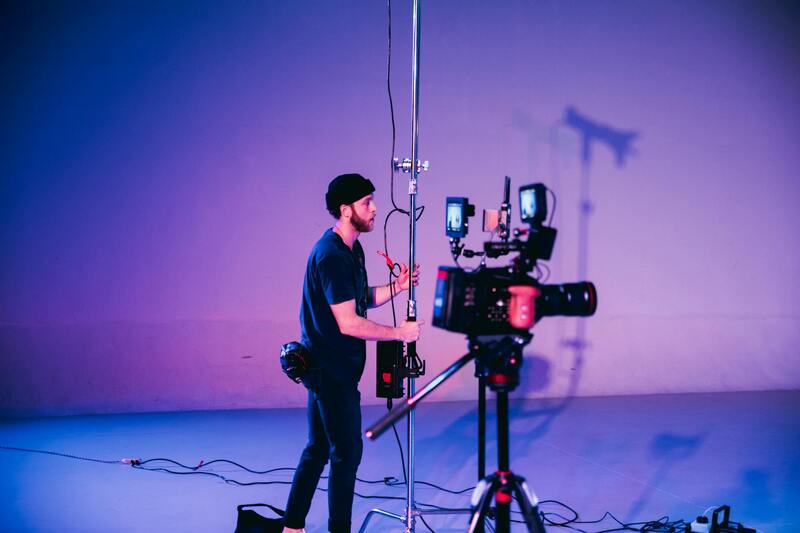
In today’s digital landscape, where visual content dominates, the quality of event photos significantly influences perceptions and engagement. Professional photography ensures clarity, proper lighting, and composition, which are often compromised in casual or untrained photography. Such attention to detail enhances the visual appeal and authenticity of the images, making them more impactful.
High-quality event photos serve various purposes, including personal keepsakes, promotional content, awards, and media coverage. They also provide a valuable resource for future marketing, allowing organizations to showcase their achievements and milestones effectively. Therefore, timely procurement of professional, high-resolution photos is a strategic investment with lasting benefits.
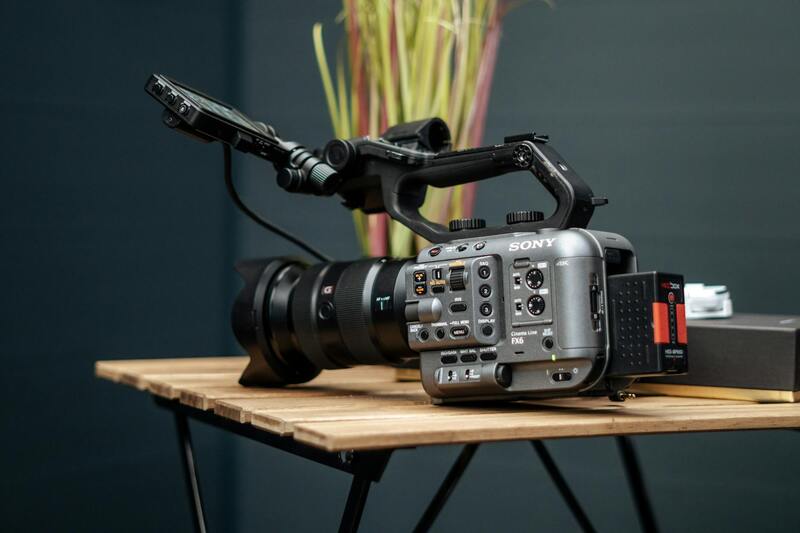
Types of Event Photos to Consider
When preparing for professional event photography, it is essential to identify the specific types of images that will best capture the event’s atmosphere, importance, and memorable moments. Different scenarios and event formats call for a variety of photo styles to create a comprehensive visual record that serves multiple purposes.
- Candid Shots: These spontaneous images capture genuine moments of emotion, interaction, and activity. They often reflect the true spirit of the event, showcasing attendees’ authentic reactions, expressions, and engagement. Candid photographs are particularly effective in conveying the lively and dynamic atmosphere of social gatherings, conferences, or celebrations.
- Posed Portraits: Formal or semi-formal portraits of key participants, speakers, or award recipients serve as professional documentation and enhance promotional materials. These images emphasize the individuals and their roles, often used for event programs, websites, and press releases.
- Detail Photos: Close-up images of décor, branding elements, awards, or significant objects help tell the story of the event’s theme and ambiance. Capturing details adds depth to the visual narrative and provides variety in the photo collection.
- Group Shots: Organized photos of groups, teams, or attendees pose a record of collective participation. These images foster a feeling of community and can be reused for post-event marketing, social media, or archival purposes.
- Action Shots: Images that showcase speakers engaging the audience, performers in the act, or interactive sessions emphasize the event’s vibrancy and momentum. Such photos are great for conveying energy and excitement.
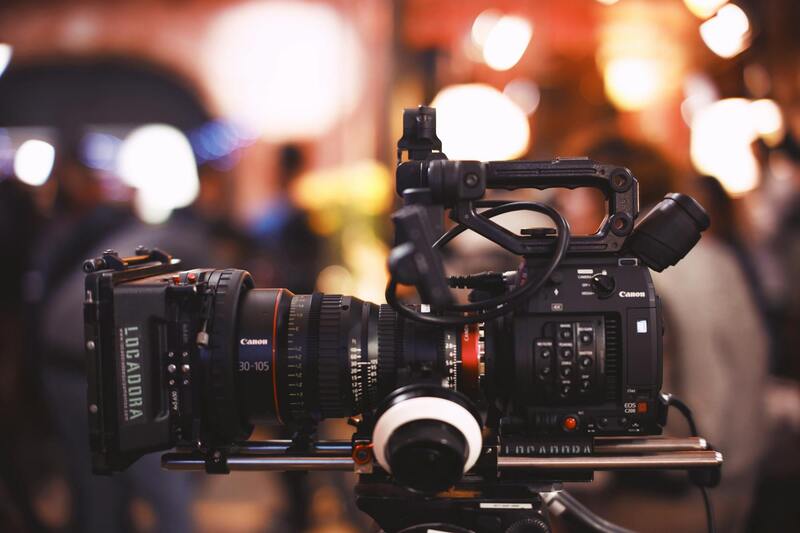
Strategically combining these various photography styles ensures a well-rounded visual documentation of the event. The selection depends on the event type, objectives, and desired audience engagement, ultimately contributing to a compelling visual story that resonates long after the event concludes. Investing in professional photographers who understand the nuances of each photo type guarantees high-quality results that enhance the event’s overall presentation and legacy.
Importance of High-Quality Event Photos
Capturing event photos with precision and clarity is essential for preserving the spirit and significance of any occasion. High-quality images serve as a visual legacy, documenting key moments, emotions, and interactions that define the event's success. They are instrumental in creating compelling promotional materials that attract future attendance and engagement. Moreover, professional event photos boost credibility and reflect the event's branding, ensuring consistency across marketing platforms.
Flawless images enhance storytelling by providing a vivid narrative of the event's flow, from keynote speeches to candid attendee interactions. They also facilitate post-event analysis, offering insights into attendee engagement and overall atmosphere. When carefully curated, these photos can be effectively used in press releases, social media campaigns, and internal communications, extending the event’s reach and impact well beyond its conclusion.
Investing in high-caliber event photography creates lasting impressions, reinforces professional standards, and showcases the event’s highlights in a manner that resonates with audiences. The visual documentation becomes not just a record but a strategic asset that elevates credibility and inspires interest in future endeavors.
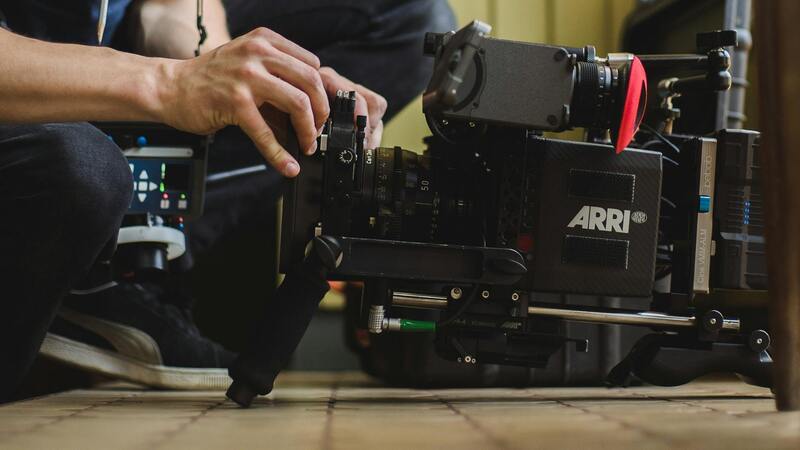
Types of Event Photos to Consider
A comprehensive collection of event photos involves various styles and perspectives that together tell a complete story of the occasion. Consider including the following types to enhance your visual documentation:
- Formal Portraits: Featuring key participants, speakers, or award recipients, these images serve as professional documentation and promotional tools. They are often used in event programs, on websites, and in press releases to highlight influential figures.
- Detail Photos: Close-up shots of décor, branding elements, awards, or objects embody the event's theme. These images add depth to the overall narrative and help convey the ambiance and aesthetic details that make the event memorable.
- Group Shots: Organized photos of teams, attendees, or special interest groups foster a sense of community and collective achievement. They are valuable for post-event marketing and serve as a visual archive.
- Action Shots: Capturing moments of speakers engaging the audience, performers in action, or interactive sessions, these photos radiate energy and vibrancy. They are effective in transmitting the lively atmosphere of the event.
Strategically blending these categories ensures a diverse and engaging visual story. High-quality images from different styles reinforce the event's message and appeal to a broad audience, whether for immediate promotional use or for archival purposes. The right photography approach depends on the event's goals, audience expectations, and the story you aim to tell.
Choosing the Right Photographer or Photography Team
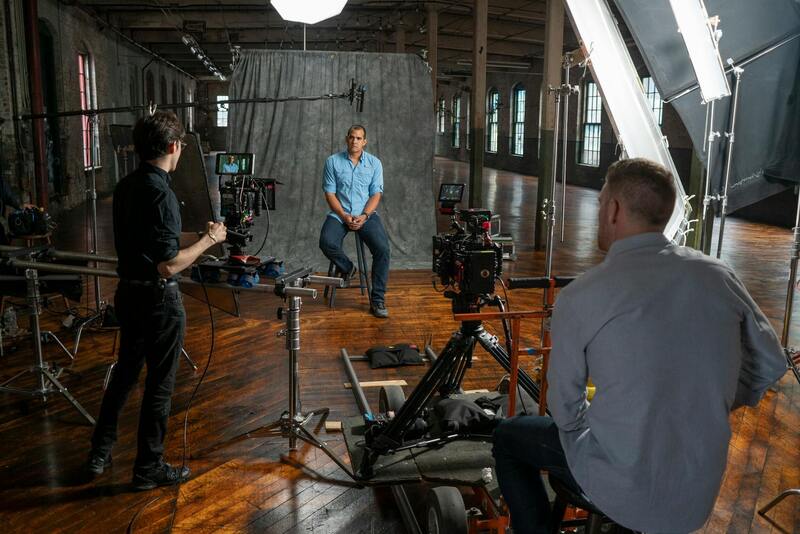
Selecting an experienced event photographer or a specialized team in Miami involves assessing their portfolio, reputation, and understanding of your event's needs. Look for professionals with extensive experience in capturing diverse event types, from corporate gatherings to social celebrations. A reliable photographer should demonstrate a versatility in style, technical skill, and the ability to adapt to changing environments.
Key factors include a proven track record of delivering high-quality images on schedule and a clear understanding of your objectives. Review their previous work to ensure their style aligns with your vision, whether it’s more candid and energetic or formal and polished. Effective communication and pre-event coordination are crucial in setting expectations and ensuring a seamless experience. Collaborating with a team familiar with the local Miami scene can also provide local insights that enhance the authenticity and relevance of the photos.
Opting for professionals who prioritize reliability and professionalism guarantees that your event’s visual documentation is handled with expertise, leaving you free to focus on the event itself.
Maximizing the Impact of Your Event Photos through Proper Post-Processing and Distribution
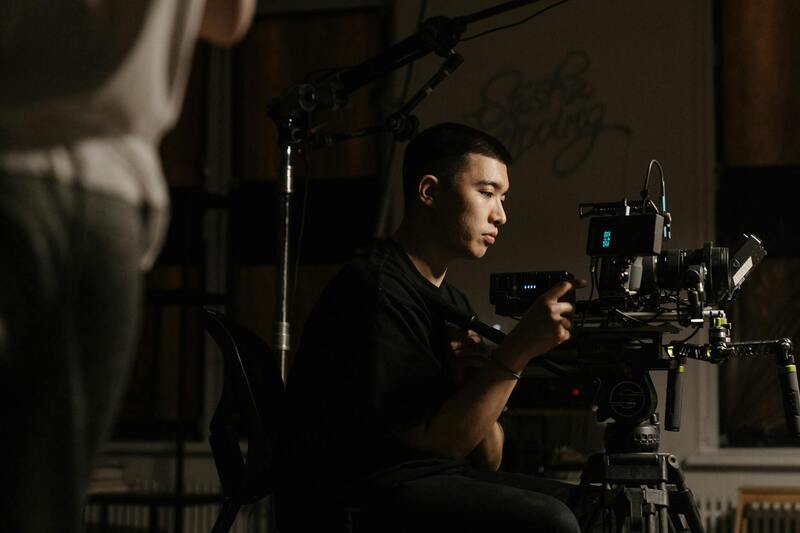
After the event has concluded and the photographs have been captured, the focus shifts to post-processing, as this stage significantly influences the final quality and presentation of your visual documentation. Skilled editing and strategic distribution ensure that your event photos resonate with your intended audience and serve their purpose effectively. The right approach not only enhances image quality but also helps in establishing a lasting impression of your event.
The Post-Processing Workflow for Event Photos
Efficient post-processing begins with careful culling—selecting the best images that best represent the moment and align with your event’s narrative. This step involves sorting through hundreds or thousands of photos to identify those that are properly composed, in focus, and well-lit. Once the best images are selected, professional editing can be employed to enhance their visual appeal.
- Color Correction and Enhancement: Adjusting white balance, contrast, and saturation ensures consistency across images and highlights the vibrant energy of your event.
- Retouching: Minor retouching can remove blemishes or distractions, presenting a polished appearance without altering the authenticity of the moment.
- Cropping and Composition: Proper cropping refines the focal point and removes unnecessary elements, drawing attention to key subjects or moments.
- Special Effects and Filters: Applying subtle effects can add a creative touch, aligning the photos with your branding or thematic style.
Strategic Distribution of Event Photos
Once the images are edited, developing a distribution plan ensures they reach the appropriate audiences effectively. Consider the following methods to maximize visibility:
- Event Galleries on Your Website: Hosting high-resolution galleries allows attendees and potential clients to view and download images conveniently.
- Social Media Platforms: Sharing select photos across platforms like Instagram, Facebook, or LinkedIn can boost engagement and showcase your event to a broader audience.
- Email Campaigns: Sending curated photo collections to your mailing list fosters community engagement and promotes upcoming events or services.
- Printed Albums and Media: Creating physical albums or photo books provides tangible keepsakes for attendees and enhances your professional portfolio.
Careful curation of images for different platforms is essential to maintain a consistent brand image. Additionally, leveraging metadata and SEO tags when uploading images to your website can improve discoverability through search engines, attracting more visitors interested in your event offerings.
Protecting and Sharing Your Event Photos Responsibly
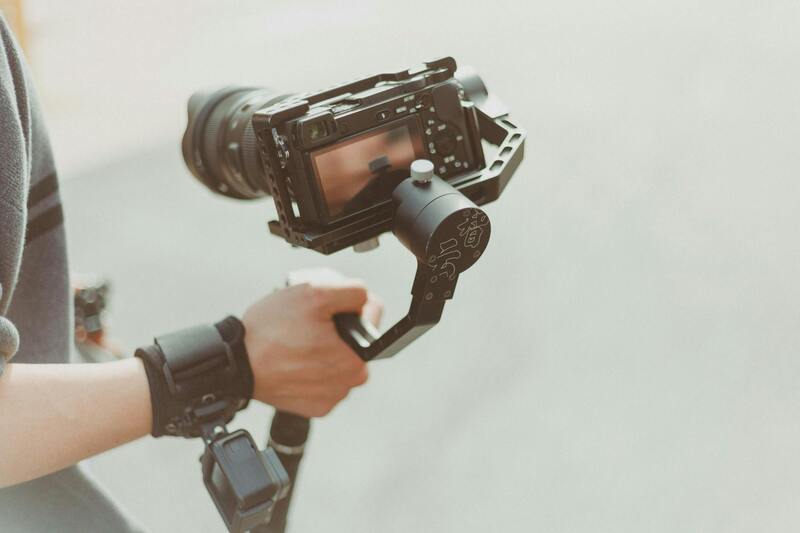
It is vital to ensure that your event photos are shared responsibly, respecting the privacy and permissions of individuals featured. Clear communication with your photographer about the intended use of images helps in managing rights and permissions. When distributing images publicly, watermarking or embedding branding can safeguard your content from unauthorized use, while also crediting your organization or event. Establishing a consistent visual identity through curated photo collections amplifies your message and reinforces brand recognition throughout all distribution channels.
Ultimately, the thoughtful post-processing and strategic sharing of event photos amplify their impact, turning memorable moments into powerful visual narratives that resonate long after the event ends. Skilled editing combined with targeted distribution channels ensures your event photos serve as a valuable asset for marketing, memorable keepsakes, or professional showcasing.
Photo Equipment and Techniques
Essential Equipment for Capturing Stunning Event Photos
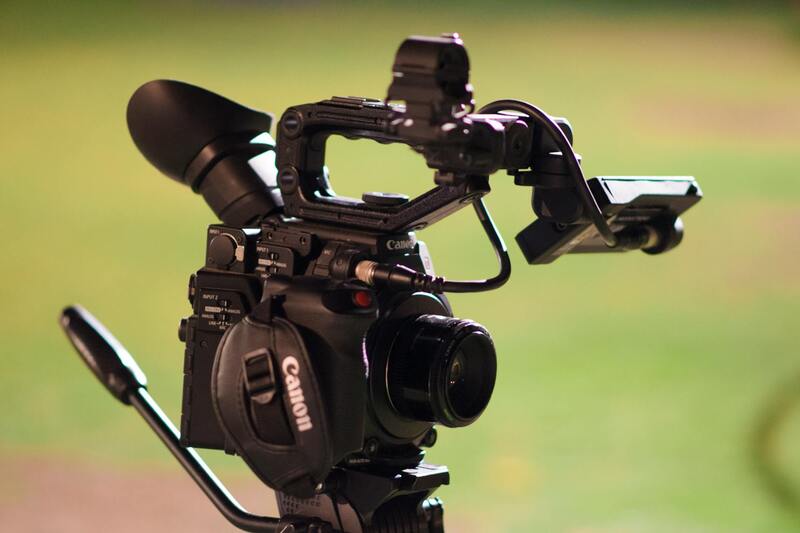
The foundation of high-quality event photography lies in the right equipment. Professional photographers typically rely on digital single-lens reflex (DSLR) or mirrorless cameras that offer versatility, speed, and superior image quality. These cameras are equipped with high-resolution sensors capable of capturing intricate details even in low-light environments common at events. Lenses are equally important, with wide-angle lenses ideal for group shots and capturing the venue ambiance, while telephoto lenses help in discreetly capturing candid moments from a distance.
Lighting equipment is another crucial element. Portable external flashes, softboxes, and diffusers enable photographers to manipulate light effectively, ensuring subjects are well-lit without harsh shadows or overexposure. In indoor settings or evening events, controlling ambient light through off-camera flash units enhances image clarity and color accuracy. Additionally, reflectors and LED panels can be employed to soften light and add a balanced fill, especially during portraits.
Techniques to Elevate Event Photography Quality
Beyond equipment, mastering specific techniques significantly improves the visual storytelling of an event. Angles play a vital role; shooting from various perspectives—such as low angles to emphasize grandeur or high angles to capture crowd dynamics—creates a dynamic visual narrative. During candid moments, a photographer's ability to remain unobtrusive encourages natural expressions and interactions, resulting in authentic images.
Focus is vital, with a preference for wide apertures that produce a pleasing depth of field, effectively isolating subjects against background distractions. Skilled photographers also pay close attention to composition, using the rule of thirds or leading lines to draw viewers’ attention to key moments. Rapid shutter speeds are essential to freeze motion, especially during lively activities or dance sequences. When capturing moments over extended periods, bracketing and continuous shooting modes ensure important moments are not missed.
Post-processing techniques further refine event photos. Color correction, contrast adjustment, and noise reduction help in achieving a polished final product. Skilled editing balances enhancement with authenticity, maintaining the genuine atmosphere of the event while elevating image quality.
Quality of Event Photos and Its Impact
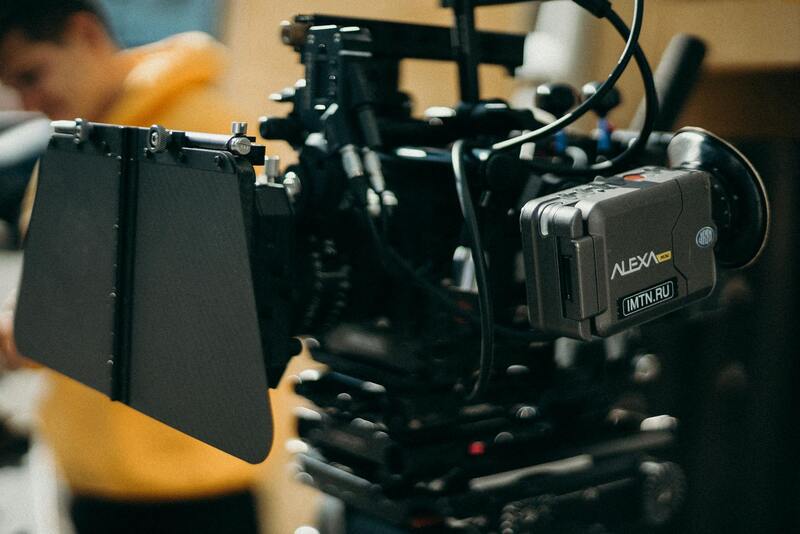
Delivering exceptional event photos hinges upon more than just capturing moments; it requires precision, expertise, and the right equipment. High-quality images serve as a lasting record of your occasion, preserving memories with clarity and vibrancy. When photos are sharp, well-lit, and properly composed, they convey the atmosphere of the event more vividly, making them invaluable for memories, sharing, and promotional purposes.
Professional-grade cameras and lenses enable photographers to perform well in varying lighting conditions, especially in environments where lighting is less than ideal. High-resolution sensors capture details with richness and depth that standard cameras often cannot reproduce, ensuring that every smile, gesture, and subtle expression is preserved with authenticity. The choice of lenses—from wide-angle for capturing entire scenes to telephoto for intimate moments—adds versatility in framing shots appropriately to the event's flow.
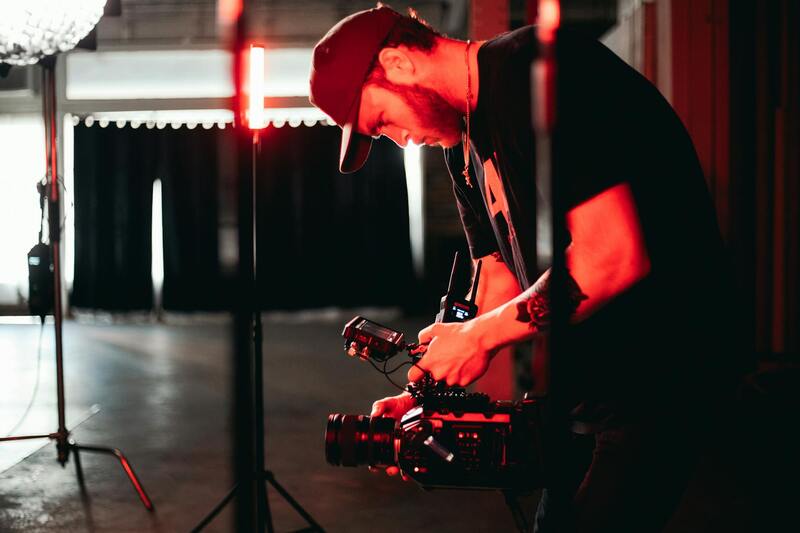
Post-processing plays a crucial role in elevating the quality of event photos. Skilled editing enhances color balance, adjusts contrast, and mitigates noise without compromising authenticity. Color correction ensures that skin tones appear natural and lively, while contrast adjustments contribute to a more engaging visual impact. Applying subtle sharpening techniques can help highlight key elements, drawing viewers’ eyes to focal points within the image.
Understanding Different Event Photo Types
- Formal Portraits: Classic and well-posed images of key individuals or groups, often used for keepsakes or official documentation.
- Candid Moments: Unobtrusively captured spontaneous interactions and genuine emotions that portray the true atmosphere of your event.
- Decor and Setup Shots: Photos showcasing venue details, decorations, and layout which contribute to the overall story and ambiance.
- Action Shots: Dynamic images capturing lively activities, performances, or dance sequences that showcase the event’s energy.
- Background and Atmosphere: Wide shots that set the scene, illustrating the scale and environment of the gathering.
Effective Use of Equipment and Techniques
Utilizing top-tier equipment is fundamental in achieving high-quality event photos. Professional photographers often employ DSLR or mirrorless cameras fitted with fast, versatile lenses to adapt to different moments. Flashes, reflectors, and continuous lighting help manage challenging lighting conditions, ensuring clarity and vibrancy in every shot.
Mastering techniques like framing, focus, and shutter speed is essential. For example, selecting a wide aperture creates a pleasing background blur that isolates subjects during portraits, while a fast shutter speed freezes motion during lively dance segments, preventing blur and capturing sharp details. Insufficiently lit venues may require the use of external lighting, such as portable flashes or diffusers, to soften shadows and enhance clarity.
Various angles and perspectives enrich the storytelling—low shots can emphasize grandeur, while high angles may capture the scope of a crowd. Close-up details highlight emotional expressions, making each photo more engaging and memorable. A prompt photographer’s ability to adapt their approach during the event ensures a comprehensive and compelling visual narrative that truly reflects the experience.
Ensuring Consistency and Cohesion
Consistency across all event images is crucial for a polished final product. This involves pre-setting camera parameters such as exposure and white balance, and adhering to a color grading style during post-processing. Maintaining a coherent aesthetic—especially if images are to be used collectively in albums, slideshows, or promotional materials—ensures visual harmony and enhances the overall impact of the photo collection.
Legal Considerations and Permissions for Event Photos
Securing appropriate permissions and understanding the process of managing rights are fundamental steps in professional event photography. It is essential to establish clear agreements with all parties involved, including event organizers, sponsors, and even guests, to delineate the usage rights of the captured images. Prior to the event, photographers should verify whether consent needs to be obtained from individuals or groups before taking photos, especially in settings where privacy concerns are paramount.
In settings such as corporate gatherings, concerts, or private parties, obtaining explicit consent helps safeguard the photographer and the client from potential disputes. Consent forms or releases should specify how images will be used, whether for promotional purposes, social media, or internal archives. These agreements provide a legal framework that ensures everyone’s rights and expectations are clearly communicated and respected.
Photographers must also familiarize themselves with local regulations that govern photography at specific venues or within public spaces. Some locations might have restrictions on photography or require permits, particularly for drone footage or the use of certain equipment. Checking these regulations beforehand minimizes the risk of disruptions during the event and ensures that all images are captured lawfully.
Another important consideration involves understanding intellectual property rights. Typically, the photographer holds rights over the images unless the contract states otherwise. When images are intended for commercial use, this should be explicitly included in the agreement. Such arrangements often specify licensing terms, ensuring that the client can utilize the photos without infringing any external copyrights.
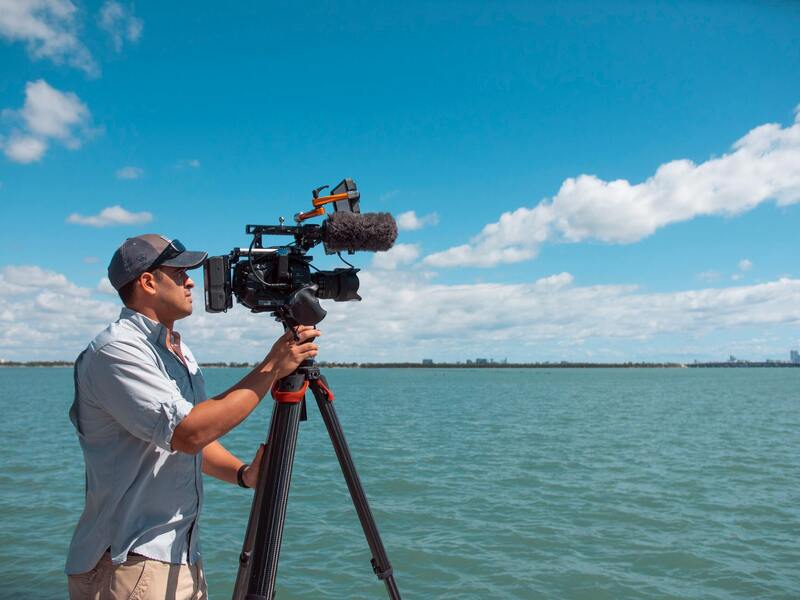
Managing rights effectively also extends to the storage and distribution of images. Digital backups should be secured with appropriate access controls, especially when images include sensitive or proprietary content. Clear communication about how images will be shared or archived helps maintain a professional relationship and prevents potential misunderstandings.
In summary, thorough planning around permissions and rights management not only facilitates smooth event coverage but also fortifies the legal and ethical standards essential for reputable event photography. By adhering to these practices, photographers protect their work and clients’ interests while fostering trust and professionalism in every assignment.
Legal Considerations and Permissions
Securing the appropriate permissions and understanding the necessary rights are crucial steps in professional event photography. To ensure that all images are captured and used within appropriate frameworks, it is essential to establish clear agreements with all involved parties prior to the event. This includes obtaining consent from individuals featured prominently, especially in private or sensitive environments, and confirming that photography activities are compliant with applicable regulations.
One of the foundational elements is gaining explicit permission from event organizers and venue owners, particularly if specialized equipment like drones is involved. This process may include submitting requests for airspace or venue access, which often require specific documentation or certifications. Doing so well in advance minimizes the likelihood of disruptions and guarantees that photography efforts proceed smoothly.
Intellectual property rights also play a key role in event photography. Typically, the photographer retains ownership of the images unless the contract specifies otherwise. When images are intended for commercial use or publication, drafting a licensing agreement that clearly delineates usage rights is paramount. This agreement should specify whether the client holds exclusive rights, non-exclusive licenses, or a limited period for usage.
Proper permission management extends beyond the immediate event. It encompasses secure storage and controlled distribution of digital images, especially if images include proprietary or confidential content. Employing secure servers with access restrictions helps prevent unauthorized sharing or misuse. Transparent communication about how images will be archived, shared, or reused fosters trust and ensures that all parties are aligned on the intended use.
Additionally, photographers should maintain comprehensive records of release forms, licensing agreements, and correspondence related to rights management. These documents provide clarity and legal protection, facilitating smooth distribution and utilization of photographs after the event.
By adhering to these structured permissions and rights management practices, event photography professionals reinforce their reputation for integrity and professionalism. Clients benefit from clear understanding and control over how their images are captured and employed, which contributes to a seamless and positive event photography experience.