Understanding Corporate Brand Films
Corporate brand films have become an essential tool for companies seeking to communicate their values, mission, and vision in a compelling and memorable manner. These films serve as dynamic visual narratives that encapsulate the essence of a brand, fostering deeper emotional connections with audiences. Their primary purpose is to enhance a company's reputation, differentiate it within a competitive marketplace, and support marketing and internal communication strategies.
Unlike traditional advertising, corporate brand films focus on storytelling that highlights a company's history, culture, leadership, and community engagement. They aim to create a lasting impression by showcasing authentic elements that resonate with viewers, including employees, clients, investors, and the broader public.
These films leverage high-quality production techniques, compelling narratives, and strategic messaging to reinforce the company's identity. They often serve as a foundational component in branding campaigns, corporate social responsibility initiatives, and stakeholder engagement efforts. When effectively produced, corporate brand films can significantly impact brand perception, establish authority within an industry, and facilitate meaningful connections with target audiences.
In today’s digital landscape, the reach and influence of corporate brand films are amplified through online platforms, social media, and corporate websites. They function not only as branding assets but also as tools for inspiring loyalty, attracting talent, and demonstrating corporate transparency and commitment.
Understanding the importance and multifaceted role of corporate brand films underscores their value in contemporary corporate communication strategies. They are vital in building an authentic brand presence that stands out and builds trust across multiple stakeholder groups.
Key Elements of a Successful Corporate Brand Film
Creating a compelling corporate brand film requires a strategic approach that combines authenticity, clarity, and visual storytelling mastery. Essential components include a well-defined narrative that aligns with the company's core message and values. The story should resonate emotionally with the target audience, fostering a genuine connection that encourages engagement and recall. Clear messaging is critical; every scene and element should reinforce the company’s identity, mission, and vision without ambiguity. Visual quality plays a pivotal role in establishing credibility and evoking the desired emotional response. High-definition visuals, thoughtful cinematography, and professional lighting help convey a polished, trustworthy image. Incorporating brand elements such as logos, color schemes, and motifs consistently enhances brand recognition. Sound design, including voiceovers, background music, and sound effects, complements visual storytelling by setting tone and mood. An authentic voiceover can articulate the company’s mission and values effectively, guiding viewers through the narrative with clarity. Authenticity is underscored through real stories, employee testimonials, and genuine portrayals of corporate culture. Deploying real staff and authentic locations fosters transparency and builds trust. Strategic pacing and editing are vital to maintain viewer interest. The narrative should flow smoothly, emphasizing key messages without overwhelming the audience with excessive information. Call-to-action elements, subtly integrated, can inspire viewers to take specific steps post-viewing, whether visiting a website, engaging on social media, or participating in community initiatives. Ultimately, a successful corporate brand film seamlessly integrates storytelling, visual aesthetics, and strategic messaging, ensuring it leaves a memorable impression that bolsters corporate reputation and stakeholder confidence.

The Production Process for Corporate Brand Films
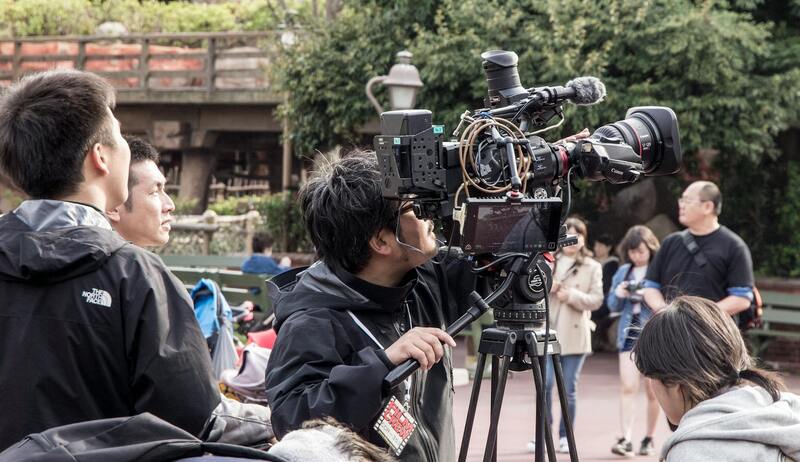
Developing a high-quality corporate brand film involves a meticulous production process that ensures the final product aligns with the company's branding goals. The process begins with comprehensive planning, where objectives are clearly defined, target audiences are identified, and key messages are outlined. This stage involves collaboration with stakeholders to establish a cohesive vision. Pre-production includes scripting, storyboarding, location scouting, casting, and logistical organization. A detailed script serves as the blueprint, guiding the visual and narrative flow of the film. Storyboards visualize scenes, ensuring alignment between creative ideas and execution. Once pre-production is complete, the production phase commences, involving filming with professional equipment, lighting, and sound. This stage demands technical expertise to capture high-quality footage that reflects the planned visual aesthetics. Post-production follows, focusing on editing, color correction, sound design, and graphic integration. This phase refines the footage into a polished, engaging story aligned with brand standards. Throughout the process, maintaining open communication between the production team and stakeholders ensures the project stays on schedule and within budget, while also allowing for creative adjustments. Final delivery involves format optimization for various platforms, whether online, broadcast, or internal use.

Legal and Ethical Methods for Producing Corporate Brand Films
Creating impactful corporate brand films hinges on adhering to proven and reputable methods that uphold professionalism and respect intellectual property rights. These legitimate techniques not only enhance the credibility of the final product but also safeguard the interests of all parties involved, including the company, creative team, and talent.
One fundamental approach involves engaging with certified production professionals or agencies that have an established record of delivering quality work within industry standards. These organizations possess the necessary expertise, equipment, and protocols to ensure each project meets high standards of visual and narrative excellence while respecting legal boundaries.
Another vital method is securing appropriate rights for all content used within the film. This includes obtaining licensed music tracks from authorized sources, using stock footage with verified permissions, and ensuring that any branded assets, trademarks, or proprietary information incorporated into the film are used in accordance with licensing agreements. Such diligent licensing practices prevent legal disputes and align the production process with ethical standards.
Furthermore, candid collaboration with talent and crews through clear, written agreements ensures that all parties understand their roles and rights. This encompasses rights to footage, residuals, and usage terms, which are mutually acknowledged before filming begins. This transparent approach promotes trust and prevents misunderstandings that could compromise the integrity of the project.

In addition to rights management, employing internationally recognized standards for filming and post-production enhances the film’s quality and compliance. This includes adherence to safety protocols on set, data management policies for digital assets, and quality control procedures during editing and finalization. These standards contribute to a seamless workflow while minimizing risks and ensuring the final product aligns with brand values.
Maintaining accurate documentation throughout the production process is crucial. This involves detailed records of licensing agreements, release forms, and project specifications, which serve as evidence of compliance. Such documentation facilitates transparent communication with stakeholders and provides clarity in case of audits or reviews.
Consistently opting for reputable suppliers and tools—such as certified camera equipment, licensed editing software, and authorized distribution channels—reinforces the integrity of the entire project lifecycle. These methods, rooted in professionalism and integrity, ultimately produce corporate brand films that resonate credibility and reliability in the marketplace.
Methods to Ensure Proper Usage and Distribution of Corporate Brand Films
Once a corporate brand film has been meticulously produced, deploying it through appropriate channels and ensuring its intended message reaches the target audience is paramount. Employing legitimate distribution methods not only safeguards the company's reputation but also maximizes return on investment through strategic dissemination.
To achieve optimal distribution, organizations typically leverage a combination of owned, earned, and paid media. Owned media includes the company's official website, social media profiles, and email newsletters, providing controlled environments for presenting the film. Earned media involves securing coverage in industry publications, media outlets, or influencer endorsements, which validate the brand’s credibility. Paid media encompasses targeted advertising campaigns across digital platforms, television, or out-of-home advertisements, designed to amplify reach.
Adhering to official channels for distribution ensures content integrity is maintained, safeguarding against unauthorized sharing or modification that could distort the intended message. Companies often utilize secure hosting platforms or digital asset management systems equipped with access controls, ensuring that only authorized personnel can distribute or modify the content. This approach preserves the film's quality and consistency across all platforms.

Additionally, establishing clear guidelines on how the film is handled during distribution sustains brand coherence. This includes specifying usage rights, format specifications, and duration of campaign runs. Regular audits of distribution channels and monitoring of how the film is used help identify any unauthorized or inappropriate utilization, which can be addressed swiftly to maintain alignment with brand standards.
Implementing performance tracking tools, such as analytics and engagement metrics, enables organizations to assess the reach and impact of their corporate films. This data offers invaluable insights into viewer demographics, engagement levels, and overall effectiveness, informing future distribution and content strategies.
- Control Access: Use of password-protected platforms or restricted access permissions.
- Watermarking: Embedding visible or invisible watermarks to track distribution and deter unauthorized sharing.
- Metadata Management: Properly tagging and categorizing files to ensure accurate identification and manage rights.
- Legal Documentation: Maintaining records of distribution agreements and licenses to verify authorized use.
Through the implementation of these official methods, organizations can ensure that their corporate brand films are presented accurately and professionally, reinforcing the brand image and fostering trust with stakeholders.
Understanding Corporate Brand Films
Corporate brand films serve as a dynamic communication tool designed to convey a company's values, vision, and culture through compelling visual storytelling. These films are crafted not merely as promotional content but as strategic assets that reinforce brand identity, foster stakeholder engagement, and distinguish a company in a competitive marketplace. The strategic deployment of these films involves meticulous planning around messaging, tone, and audience targeting to ensure that the narrative resonates powerfully and aligns with the overarching brand strategy. Modern corporate brand films often incorporate cinematic techniques, high-quality production values, and authentic storytelling to create an emotional connection with viewers, making brand messages memorable and impactful.

Benefits of Using Corporate Brand Films
- Enhanced Brand Recognition: Visually engaging storytelling helps establish a distinctive identity that resonates across various audiences.
- Improved Stakeholder Engagement: Authentic and transparent content fosters trust and loyalty among clients, employees, and partners.
- Versatile Communication Tool: Suitable for use in diverse channels, including social media, corporate websites, and presentations, amplifying message reach.
- Reinforces Corporate Values: Demonstrates commitment to corporate social responsibility, innovation, or community involvement, aligning external perceptions with internal values.
- Supports Recruitment and Employee Engagement: Showcasing the company culture attracts top talent and engages current employees by highlighting their contributions and the organizational ethos.
Key Elements of a Successful Corporate Brand Film
- Clear Objectives: Define what the film aims to achieve, whether it’s brand awareness, stakeholder trust, or product promotion.
- Authentic Storytelling: Use real stories, interviews, and testimonials to build credibility and emotional appeal.
- High-Quality Production: Invest in professional cinematography, sound design, and editing to ensure a polished final product that reflects the brand’s standards.
- Consistent Branding: Incorporate brand elements such as logos, colors, and messaging seamlessly into the narrative.
- Strong Call to Action: Encourage viewers to engage further with the brand through visits, inquiries, or social media interactions.

The Production Process for Corporate Brand Films
Producing a corporate brand film involves several rigorous stages to ensure the final product aligns with strategic goals and quality standards. The initial phase encompasses comprehensive planning, including script development, storyboard creation, and concept validation, with key stakeholders providing input to ensure the narrative accurately reflects the company's brand ethos. Following planning, the production phase involves capturing footage with professional equipment, focusing on lighting, sound, and framing to achieve cinematic quality. This stage often includes multiple shoots, interviews, and b-roll footage to supply diverse content for editing.
Post-production is a crucial phase where editing, color correction, sound design, and visual effects are applied to craft a cohesive story. During this period, feedback cycles with the client ensure the film meets expectations and aligns with branding standards. Final steps include color grading, sound mixing, and mastering, culminating in delivering a polished film ready for distribution across selected channels. The entire process emphasizes efficiency, quality control, and strategic alignment, making sure each stage contributes to a compelling brand narrative.
Ensuring Proper Use and Distribution
Once a corporate brand film has been produced and finalized, it is essential to utilize appropriate channels to maximize its impact. Effective distribution involves strategic placement across various digital and physical platforms, ensuring the film reaches the intended audience while reinforcing the brand's message and values.
Digital platforms such as the company's official website, YouTube, and Vimeo serve as primary channels for hosting and sharing corporate films. Embedding videos on the website increases visitor engagement, allowing visitors to connect more deeply with the brand's story. Social media channels, including LinkedIn, Facebook, Twitter, and Instagram, are powerful tools for broadening reach and encouraging sharing, which can amplify visibility among diverse demographics.
In addition to organic sharing, targeted advertising campaigns on social media and search engines can significantly boost viewer engagement and brand awareness. Utilizing sponsored posts or video ads ensures the film reaches specific audiences aligned with the company's marketing objectives.
Internal distribution within the organization is equally vital. Sharing the film with employees via internal portals, during corporate events, or in training sessions helps foster a unified understanding of the brand's vision and promotes a cohesive corporate culture. For external events such as conferences or industry expos, having a high-quality version of the film available on portable devices ensures consistent branding during presentations or client meetings.
For long-term branding efforts, integrating corporate films into email marketing campaigns can be highly effective. Embedding videos in newsletters or targeted communications can help maintain ongoing engagement with current and prospective clients, partners, and other stakeholders.
Overall, a well-structured distribution plan ensures that corporate brand films serve as active tools for storytelling, brand reinforcement, and stakeholder engagement. Tailoring the approach to each platform's unique features and audience expectations maximizes the video's effectiveness while maintaining a consistent and professional brand image.
Distribution and Usage of Corporate Brand Films
Effective distribution strategies are essential to maximize the reach and impact of corporate brand films. A comprehensive dissemination plan involves multiple channels, each tailored to specific audience segments and communication goals. These channels include corporate websites, social media platforms, internal communication platforms, industry events, and digital advertising campaigns.
On the corporate website, embedding the film on dedicated landing pages or within the multimedia sections helps visitors understand the company's mission and values quickly. This approach also enhances on-site engagement and can improve search engine visibility by utilizing optimized video content. In social media, platforms like LinkedIn, Facebook, and Instagram allow targeted sharing, enabling brands to connect directly with specific demographics, such as industry professionals, potential clients, or employees.
Internal distribution is a critical component. Sharing the film during team meetings, internal portals, or corporate training sessions fosters a shared understanding of the brand’s vision and elevates employee engagement. These internal efforts can strengthen corporate culture and ensure consistent messaging within the organization.
For external events like conferences, trade shows, and client meetings, having high-quality versions of the film accessible on portable devices guarantees seamless presentations and branding reinforcement. Strategic placement at these pivotal moments maximizes visibility and leaves a lasting impression.
Long-term brand positioning benefits significantly from embedding corporate films into email marketing efforts. Incorporating videos in newsletters and targeted communications captures audience attention, encourages sharing, and sustains ongoing brand engagement. Moreover, leveraging paid advertising options on social networks and search engines can significantly enhance the film's reach, ensuring that it reaches highly relevant audiences.

A well-structured dissemination plan combines these channels into an integrated distribution strategy. This approach guarantees that each touchpoint contributes to a cohesive storytelling process, reinforcing brand identity and values at every opportunity. Customizing content format, messaging, and timing to suit each platform's nuances increases viewer engagement and leads to more meaningful interactions with the brand’s narrative.

Strategies for Maximizing the Reach and Impact of Corporate Brand Films
Effectively deploying corporate brand films requires a comprehensive and strategic approach to distribution. Organizations must identify and utilize appropriate channels to ensure that their messaging resonates with the intended audience. This process involves several key considerations, from understanding where target viewers are most active to tailoring content for specific platforms, ultimately fostering stronger audience connections and amplifying brand visibility.
Developing a Cohesive Distribution Strategy
A structured dissemination plan integrates various delivery methods to create a synergy that enhances overall reach. This strategy should include:
- Website Integration: Embedding videos prominently on the company's homepage and relevant landing pages ensures immediate visibility to visitors. Creating dedicated sections for corporate films allows visitors to easily access and engage with the content, enhancing user experience.
- Social Media Platforms: Leveraging platforms such as LinkedIn, Facebook, Twitter, and Instagram helps target diverse audiences. Custom clips or snippets optimized for each platform can increase engagement and encourage sharing, expanding the film’s exposure.
- Email Campaigns: Incorporating videos into newsletters or targeted email outreach keeps existing contacts engaged. Personalized messaging that complements the video’s content can strengthen relationships and promote action.
- Internal Communication Channels: Sharing films through corporate intranet portals and internal email lists helps reinforce company values internally, fostering employee pride and alignment with brand messaging.
- Trade Shows and Industry Events: Presenting corporate films during live events amplifies their impact, providing a visual representation of brand story and values to industry peers and potential clients.
- Paid Advertising: Utilizing digital advertising options like social media ads, search engine marketing, and sponsored content allows for precise targeting. This approach ensures that the film reaches highly relevant audiences, increasing the likelihood of achieving desired impressions and engagement.
Optimizing Content for Different Channels
Customization is essential when distributing corporate films across varied platforms to maximize effectiveness. This involves adapting the format, duration, and messaging based on each platform’s unique characteristics:
- Short Clips for Social Media: Creating bite-sized versions of the film tailored for quick consumption helps capture attention within short attention spans.
- Long-Form Content on Website: Offering full-length films or behind-the-scenes footage on the corporate website enriches the user experience and provides comprehensive insights into the brand story.
- Email-Optimized Content: Embedding videos that are compatible across multiple email clients ensures seamless viewing within direct communication channels.
- Presentation Materials: Incorporating clips into PowerPoint presentations or pitch decks during meetings enhances visual storytelling and audience engagement.
Leveraging Data and Feedback for Continuous Improvement
Tracking performance metrics such as view counts, engagement rates, and audience feedback is vital to understanding how the corporate films resonate with viewers. Analytics help identify which channels and content styles are most effective, guiding future distribution efforts. Collecting qualitative feedback through surveys and focus groups can reveal deeper insights into audience perceptions, enabling refinements that enhance clarity, emotional impact, and brand alignment.
Collaborating with Distributors and Partners
Building relationships with external media outlets, industry partners, and digital influencers can broaden the reach of corporate films. These collaborations leverage established audiences and credibility, opening new pathways for brand storytelling. Co-hosted webinars, shared content initiatives, and sponsored placements facilitate authentic engagement with diverse communities.