Understanding Commercial Video Production
Commercial video production plays a vital role in modern marketing strategies by transforming brand messages into engaging visual stories. It involves the creation of professionally crafted videos tailored to promote products, services, or corporate messages to targeted audiences. This process encompasses various stages, from conceptualization and scripting to filming, editing, and final distribution, all aimed at maximizing brand visibility and impact.
For businesses aiming to establish a strong market presence, investing in high-quality commercial videos is a proven method to communicate effectively with consumers. These videos serve multiple functions, including product demonstrations, brand awareness campaigns, customer testimonials, and promotional advertisements. Their primary goal is to resonate with viewers, evoke emotional responses, and foster brand loyalty, ultimately translating visual engagement into tangible business results.
In the digital age, where multimedia content dominates online platforms, the importance of professionally produced commercial videos cannot be overstated. They help brands stand out in crowded markets by delivering messages in a concise, visually appealing manner. Successful commercial videos combine storytelling, compelling visuals, and strategic messaging to influence consumer decision-making processes. Consequently, businesses recognize the value of partnering with experienced production teams to ensure their videos adhere to industry standards and best practices.
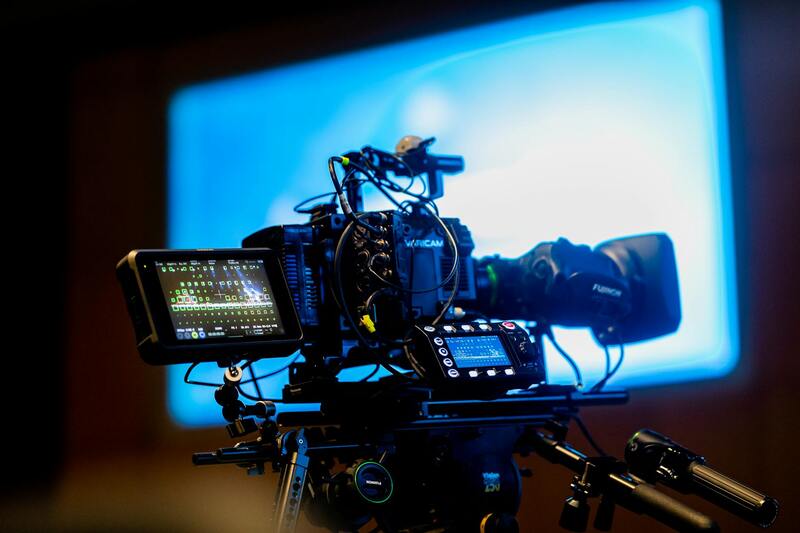
Leveraging professional commercial video production services ensures that content quality aligns with marketing objectives. These services encompass everything from initial planning, including market research and concept development, to post-production editing and distribution advice. Such comprehensive approaches guarantee that the final product resonates with its intended audience while adhering to brand guidelines and messaging strategies.
Industries from retail and technology to healthcare and hospitality recognize the value of well-produced videos in driving business growth. As a result, the demand for expert commercial video production services continues to rise, especially in vibrant markets like Miami, where local expertise and industry connections can significantly enhance the effectiveness of promotional content.
Types of Commercial Videos
Commercial video production encompasses a diverse range of formats tailored to meet specific marketing objectives and audience engagement strategies. Each type serves a unique purpose in the sales funnel, whether aiming to boost brand awareness, demonstrate product features, or foster customer interaction across digital platforms.
- Brand Awareness Videos: These videos focus on establishing a brand’s identity and values. Typically featuring storytelling elements, they aim to create emotional connections with viewers, making the brand memorable and fostering long-term loyalty.
- Product Demonstrations: Showcasing how a product works in real-time, these videos highlight key features and benefits. They are particularly effective in e-commerce settings, helping potential customers understand the product’s value proposition directly.
- Promotional Videos: Short-form content designed to generate immediate interest or drive specific actions such as sales, event attendance, or website visits. These videos often include calls-to-action that motivate viewers to engage further.
- Social Media Content: Crafted for platforms like Instagram, Facebook, and TikTok, these videos are optimized for fast consumption. They often include trending visuals, catchy music, and quick messaging to maximize shareability and audience reach.

Understanding the nuances of each format allows businesses in Miami and beyond to select the most effective content type aligned with their marketing strategy, target audience, and budget. A well-rounded video marketing campaign often integrates multiple formats to achieve comprehensive brand visibility and engagement.
Key Elements of Effective Commercial Videos
Crafting compelling commercial videos relies on a strategic blend of creative storytelling, technical proficiency, and audience understanding. These core elements ensure the final product resonates, persuades, and compels viewers to act.
- Clear Messaging: The message must be concise and aligned with the brand’s goals. It addresses the viewer's needs or pain points, presenting the product or service as the ideal solution.
- High-Quality Visuals: Professional cinematography, thoughtful lighting, and polished editing elevate the perceived value of the brand and ensure viewer engagement.
- Engaging Storytelling: Narratives that evoke emotion or curiosity can drastically increase viewer retention and brand recall.
- Strategic Call-to-Action (CTA): A well-placed CTA drives specific user behaviors, whether it’s visiting a website, making a purchase, or sharing content.
- Consistency with Brand Identity: Visual and messaging consistency across all marketing materials sustains brand recognition and fosters trust with the audience.
By meticulously integrating these elements, Miami-based businesses can create commercial videos that not only attract attention but also deliver measurable results. Employing a professional production team familiar with local market trends and industry best practices ensures that each video reflects the brand’s unique identity and appeals to the target demographic effectively.
Legal Considerations and Licensing in Commercial Video Production
Ensuring compliance with legal standards and obtaining necessary clearances is a fundamental aspect of creating impactful commercial videos. This process involves meticulous planning and adherence to established procedures to avoid potential disputes or delays during the production and distribution phases.
One primary step is securing rights for all visual and audio elements incorporated into the video. This includes obtaining licenses for copyrighted music, stock footage, and images, which are often essential components of professional commercial content. Utilizing properly licensed material not only safeguards the production from copyright infringement issues but also upholds the integrity of the project.
In addition, talent releases and property releases should be systematically managed. Talent releases grant authorization for the use of individuals' likenesses, voices, and performances, thereby eliminating concerns over model rights. Similarly, property releases are necessary when filming on private property or featuring recognizable private assets, ensuring that the usage rights are explicitly documented and approved.
Transporting and using equipment or content across different locations may require permits and adherence to local regulations, especially when working in public spaces or areas with specific restrictions. Comprehending and complying with these regulatory frameworks minimizes potential legal complications that can disrupt or delay production schedules.

Furthermore, contracts with production teams, freelancers, and vendors should be detailed, clearly outlining scope, deliverables, timelines, and compensation. These formal agreements help to establish expectations and protect the interests of all parties involved. A professional video production agency typically has standard agreements tailored to different project needs, ensuring clarity and legal soundness.
To uphold industry standards and best practices, it's also advisable to consult with legal experts experienced in media and entertainment law. Their guidance can assist in navigating complex licensing issues, contract negotiations, and compliance requirements effectively. This proactive approach minimizes risks, enhances the credibility of the project, and ensures that the final commercial video can be distributed confidently across various channels.
Ultimately, a comprehensive understanding of licensing procedures and legal obligations streamlines the production process, allowing the focus to remain on creative excellence and strategic messaging. Proper management of these aspects facilitates the delivery of a polished, compliant commercial video that resonates with audiences and aligns seamlessly with brand objectives.
Post-Production Editing and Finalization
After capturing the footage, the next critical phase involves meticulous post-production editing, where raw elements are transformed into a polished commercial video. This stage encompasses a variety of tasks, including video editing, color correction, sound design, visual effects, and graphic integration. Skilled editors work to ensure a seamless narrative flow that aligns with the original vision and marketing objectives, enhancing the overall impact of the video.
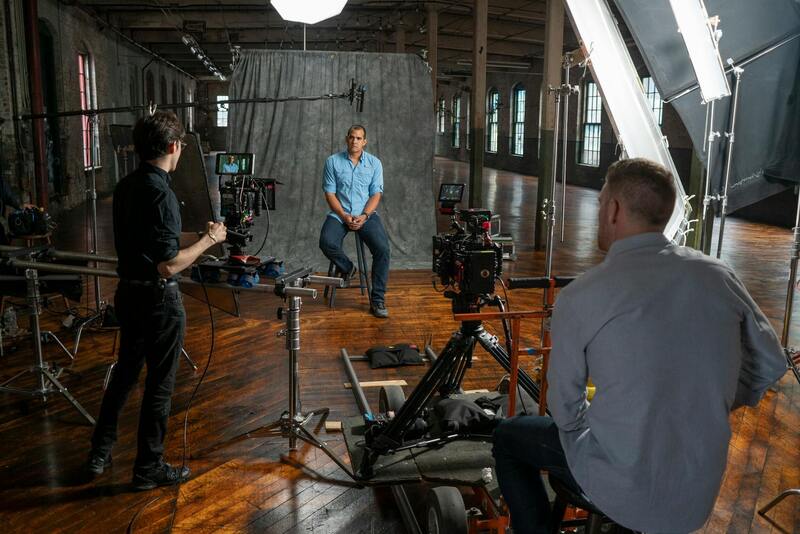
An effective commercial video not only captures attention but also sustains it, which is achieved through strategic editing choices. For instance, pacing can be adjusted to match the mood or urgency of the message, while visual effects can highlight key product features or brand elements. Sound design, including background music and voiceovers, is equally crucial for evoking emotional responses and reinforcing brand messaging.
Color grading plays an important role in establishing a consistent visual tone that complements brand identity. This process ensures that the color palette is harmonious and visually appealing, which enhances the professional appearance of the final product.
The finalization phase involves creating different versions or formats of the video tailored to various distribution channels. Whether for social media platforms, television broadcasts, or online advertising, each version might require specific aspect ratios, resolutions, or length adjustments. Paying close attention to these details guarantees optimal viewing experiences across all platforms.
Distribution Strategy and Implementation
Effective distribution is essential to maximize the reach and impact of commercial videos. Selecting appropriate channels based on target demographics and campaign goals ensures the content reaches the right audience at the right time. This involves scheduling releases on digital platforms like social media, video streaming sites, or paid advertising networks, as well as traditional outlets such as television or outdoor displays.
Integration with marketing campaigns requires synchronizing video release times with other promotional activities to amplify brand visibility. Additionally, optimizing video metadata and descriptions enhances discoverability through search engines and platform algorithms, thereby increasing organic reach.
Monitoring distribution performance provides valuable insights into audience engagement and content effectiveness. Using analytics tools, marketers can track metrics such as views, shares, click-through rates, and conversions. These data points inform future content strategies, enabling continuous refinement to achieve better engagement and return on investment.
In all stages of distribution, ensuring compatibility with platform specifications minimizes technical issues and preserves the visual and audio quality of the commercial videos. A well-planned and executed distribution strategy ensures that high-quality content resonates with viewers, strengthens brand positioning, and drives tangible business results.
Legal Considerations and Licensing in Commercial Video Production
Producing a high-impact commercial video involves comprehensive attention to legal considerations and licensing protocols to ensure smooth and compliant operations throughout the project lifecycle. From securing permissions to understanding intellectual property rights, each step safeguards the integrity of the content and minimizes potential risks that could affect campaign outcomes.
One of the primary aspects involves obtaining the necessary clearances for locations, music, and talent. When filming on private or public property, producers must secure permits or authorizations that specify the scope and duration of the shoot. This process often requires coordinated communication with local authorities or property owners to ensure compliance with regulations and safety standards.
Licensing music and visual content is equally crucial. Many commercial videos incorporate music tracks, stock footage, or proprietary visuals that require appropriate licenses to avoid copyright infringements. Producers must verify whether the pieces are royalty-free or if licensing rights need to be acquired, and maintain documentation as proof of legal usage.
In addition, clear contracts with talent, crew, and vendors establish ownership rights, usage rights, and confidentiality clauses. This prevents disputes over intellectual property or unauthorized dissemination of sensitive information. Contracts should specify the scope of usage, distribution channels, and duration of rights granted, ensuring all parties are aligned with the project's objectives.
Understanding the nuances of licensing also includes awareness of regional and international restrictions. When distributing commercial videos globally, compliance with various jurisdictional laws regarding advertising standards, content restrictions, and data privacy is essential. Tailoring content to meet specific regional requirements can enhance its effectiveness and reduce the risk of legal repercussions.
In the digital age, safeguarding digital rights involves implementing secure storage and handling procedures for all licensed materials. These practices help prevent illegal duplication or misuse post-production.
Attention to legal considerations extends to final delivery formats, ensuring compatibility with platforms’ technical specifications and licensing standards. Whether delivering content for online streaming, broadcast, or outdoor displays, adherence to these standards maintains the quality and compliance of the commercial video across various outlets.
Ultimately, a well-structured legal framework throughout the production process not only secures the integrity of the content but also enhances the credibility of the brand. It allows creators and clients to focus on crafting compelling narratives knowing they are protected against potential legal challenges, leading to smoother project execution and successful campaign deployment.
Legal Considerations and Licensing
In the realm of commercial video production, understanding the intricacies of legal considerations and licensing is crucial to ensure the seamless deployment and distribution of content. This involves acquiring appropriate permissions for all elements incorporated within the video, including music, images, footage, and branded assets. Securing clear licenses or rights for these components helps prevent copyright disputes and potential content takedowns, which can impede a campaign’s effectiveness.
When sourcing third-party materials, it is essential to verify licensing agreements explicitly state the scope of use, duration, and distribution channels. This clarity ensures that the usage aligns with the rights granted and that there are no unforeseen limitations that could restrict dissemination or require additional licensing. For example, using stock footage or music under a broad license allows for higher flexibility across various platforms, from social media to broadcast networks.
In addition, content creators should be aware of regional and international licensing standards, especially if the commercial video aims for a global audience. Different jurisdictions may have unique requirements concerning intellectual property rights, advertising disclosures, and data privacy. Compliance with these standards not only upholds legal integrity but also enhances the campaign's credibility and reception in diverse markets.
Another vital aspect involves the use of talent and model releases. Securing signed agreements from participants ensures their consent for the intended use of their likeness in commercial contexts. Such releases specify usage rights, longevity, and geographical scope and serve as protective documents that prevent disputes regarding the portrayal of individuals.
Moreover, licensing agreements should clearly outline the rights retained by content creators and the rights transferred to clients. This transparency facilitates smooth project execution and future application of the content, whether it involves repurposing in different campaigns or extending to new media outlets.
Safeguarding digital rights includes implementing secure storage and handling procedures for all licensed materials, preventing unauthorized duplication or misuse. Adhering to technical standards for delivery formats ensures the final product remains compliant with the specifications of distribution platforms, whether online streaming, broadcast, or outdoor displays. This attention to licensing details not only maintains legal compliance but also boosts audience trust, reinforcing the brand’s credibility.
Legal Considerations and Licensing in Commercial Video Production
When producing commercial videos, adhering to proper legal protocols is essential to ensure smooth distribution and protect all involved parties. This process involves meticulous management of contracts, rights, and permits, which collectively form the framework for legitimate and efficient video deployment.
Securing Clear Contracts
At the core of any professional commercial video project is a comprehensive agreement that delineates each party's roles, responsibilities, and expectations. These contracts specify ownership rights, usage limitations, distribution channels, and timelines. Clear contractual language prevents misunderstandings and provides a solid foundation for the production and subsequent use of the content.
Obtaining Necessary Permits and Clearances
Depending on the project's scope and location, specific permits may be required to film in public or private spaces. These permits ensure compliance with local regulations and facilitate unobstructed filming activities. Additionally, licenses might be necessary for the use of copyrighted music, stock footage, or third-party media assets incorporated into the commercial.
Rights Management and Licensing Agreements
Managing content rights is a critical component of legal compliance. Content creators must secure licensing rights for any external media used, such as music tracks, images, or footage. Licensing agreements specify the extent of use, geographic reach, and duration of rights granted, safeguarding both the producer’s and the client’s interests.
In situations involving talent, model, or location releases, signed documents ensure all parties consent to the use of their likeness or environment in promotional materials. These releases clarify the scope of use and protect against future disputes by establishing clear boundaries and permissions.
Copyright and Intellectual Property Rights
Understanding copyright rights in commercial video production is fundamental. Ownership of the final video typically belongs to the client, but rights to individual elements—such as music, stock footage, or proprietary graphics—must be explicitly transferred or licensed. Proper management of these rights maintains legal clarity and prevents infringement claims.
Ensuring Compliance with Distribution Standards
Finalizing a commercial video also involves adhering to technical guidelines set by distribution platforms—be it online streaming sites, broadcast networks, or outdoor advertising channels. Compliance includes formats, resolutions, and content restrictions, ensuring the video’s acceptance and optimal performance across all media outlets.

By meticulously managing contracts, rights, and permits, Miami-based production firms guarantee that commercial videos not only meet quality standards but also align with legal requirements. This comprehensive approach safeguards the creative investment, enhances brand credibility, and paves the way for successful marketing initiatives.
Legal Considerations and Licensing
When producing commercial videos, securing the appropriate permissions and rights is essential to ensure smooth deployment across various platforms. This process begins with obtaining model releases, location releases, and property releases, which serve to document authorization from individuals, property owners, or relevant authorities for the use of their likeness, environment, or assets. Proper documentation prevents misunderstandings and provides clear boundaries for usage, safeguarding the project from potential disputes.
In addition, a comprehensive understanding of copyright and intellectual property rights is critical. The rights to the final video typically belong to the client, assuming all content rights, including footage, music, graphics, and animations, are appropriately licensed or licensed before production commences. For instance, using stock footage or royalty-free music requires proper licensing agreements; otherwise, the project may inadvertently infringe on copyright laws, leading to legal complications and potential costly retractions.
Another vital aspect is compliance with distribution standards and technical specifications mandated by various media outlets and platforms. Whether publishing online, broadcasting on television, or displaying in public spaces, videos must meet specific format, resolution, and content guidelines. Failure to adhere to these standards can result in rejection or reduced quality of the broadcast, diminishing the commercial impact. Proper licensing for music, visuals, and other copyrighted elements must be verified, ensuring clear rights transfer or licensing arrangements are in place to avoid infringement claims.
Miami-based production companies prioritize meticulous management of all legal aspects—contracts, permits, and rights documentation. This diligence guarantees that each commercial video project complies with relevant laws and regulations, facilitating seamless distribution and promotion. By establishing robust licensing agreements and securing necessary permits beforehand, brands protect their investments, maintain creative freedom, and uphold their reputation in competitive markets.