Understanding Corporate Video Production
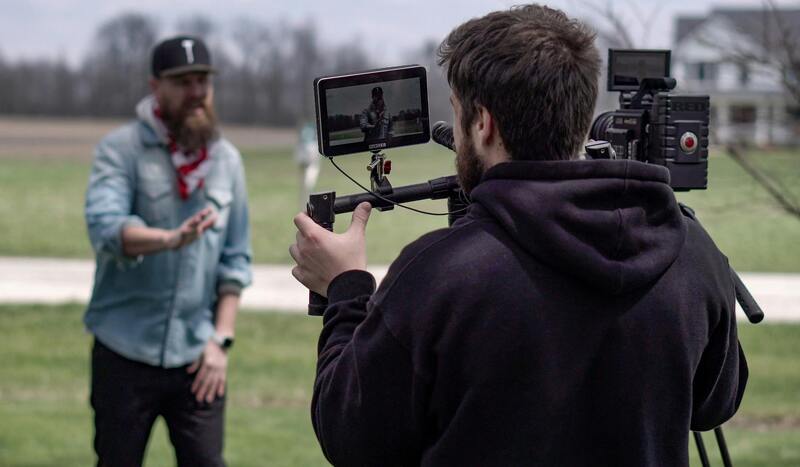
In the contemporary business landscape, corporate video production has become an essential tool for organizations aiming to communicate effectively with their target audience. This process involves the creation of video content tailored specifically to promote a company's brand, convey key messages, showcase products or services, and foster stronger relationships with clients and stakeholders. The importance of leveraging professional corporate videos lies in their ability to deliver a consistent, impactful message across multiple channels, thereby strengthening brand identity and enhancing overall market presence.
Corporate videos serve as versatile assets that can be used in various contexts, including website content, social media outreach, presentations, and trade show displays. They are instrumental for training purposes, internal communication, investor relations, and public relations campaigns. Such videos are designed to not only inform but also engage viewers, encouraging them to take desired actions—be it purchasing a product, signing up for a service, or simply building trust in the brand.
The production of corporate videos involves a strategic approach that combines storytelling, visual creativity, and technical expertise. This ensures that the final output aligns with the company's branding guidelines and communication goals. When executed professionally, corporate videos can significantly elevate a brand's credibility, differentiate it from competitors, and drive business growth. The development process begins with a comprehensive understanding of a company’s objectives, which guides the planning, scripting, filming, editing, and distribution stages.
Overall, investing in high-quality corporate video production is a strategic decision that provides long-term benefits. It fosters more authentic connections with audiences, increases visibility across digital platforms, and ultimately contributes to a stronger market presence. As businesses increasingly recognize the power of video content, partnering with experienced production teams ensures that the final product is both professional and impactful, paving the way for sustained communication success.
Planning and Pre-production Process
Once the objectives of the corporate video are clearly defined, the planning and pre-production stage begins, serving as the foundation for a successful project. This phase involves detailed strategizing to ensure that every element aligns with the company's goals and brand identity. Key activities during this stage include script development, storyboarding, location scouting, casting, and scheduling. Each step is crucial for visualizing the final product and identifying potential challenges early on.
Scriptwriting should focus on clarity and engagement, crafting a narrative that resonates with the target audience while conveying the intended message succinctly. The storyboard acts as a visual blueprint, mapping out scenes, camera angles, transitions, and key visual elements, thus streamlining communication between the production team and stakeholders. Careful location scouting ensures that filming occurs at ideal sites, considering factors such as lighting, accessibility, and background noise.
Casting involves selecting individuals who authentically represent the brand ethos, whether they are employees, clients, or professional actors. This step enhances credibility and relatability in the final video. Scheduling must accommodate everyone involved, aiming for efficiency and minimal disruption to daily operations.
Choosing the Appropriate Video Production Techniques for Business Needs
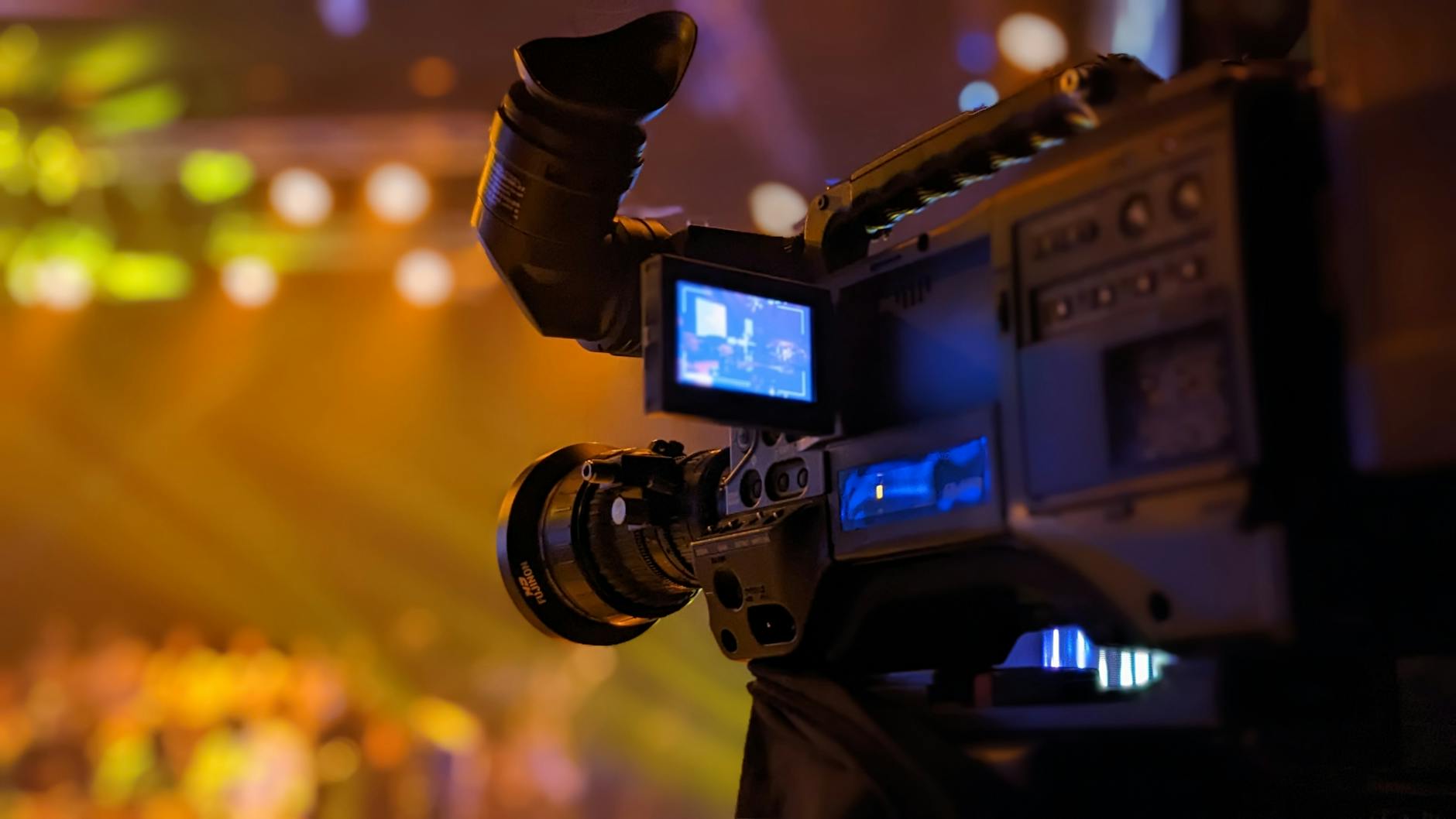
Effective corporate videos depend heavily on the selection of suitable production techniques that align with the company's objectives and target audience. Employing the right methods ensures that the message is conveyed clearly, engagement is maximized, and the final product resonates professionally. Several core techniques stand out in corporate video production, each serving distinct purposes and effectively capturing different aspects of storytelling.
- On-Camera Presentation: This technique involves a presenter or spokesperson directly engaging with viewers. It is particularly effective for explainer videos, product launches, or corporate updates where personalized communication enhances credibility. Proper lighting, body language, and audio clarity are essential to maintain professionalism and viewer trust.
- Motion Graphics and Visual Effects: Utilizing animated elements, typography, and dynamic visuals can bring complex ideas to life. These techniques are ideal for data-driven presentations, educational content, or brand storytelling where visual engagement helps simplify intricate concepts.
- Drone and Aerial Footage: Incorporating aerial shots can dramatically showcase corporate campuses, event venues, or geographical locations. High-quality drone footage adds a cinematic touch that captures expansive environments and creates a sense of scale and grandeur.
- Split-Screen and Multi-Panel Layouts: This approach allows simultaneous presentation of different scenes or perspectives, enriching storytelling and emphasizing contrasts or comparisons. It is effective in training videos, product comparisons, or interview segments.
- Live Action Filming with Multiple Angles: Employing various camera angles and shots during live shoots ensures dynamic and visually engaging content. Strategic use of close-ups, wide shots, and tracking shots enhances narrative depth and viewer immersion.
Adopting Best Practices to Optimize Production Quality
Implementing best practices in corporate video production guarantees a polished final product that effectively communicates the intended message. Attention to detail during every phase—from planning through post-production—fosters consistency and maintains brand integrity. Key practices include:
- Pre-visualization and Storyboarding: Developing detailed storyboards aligns visual concepts with narrative goals, saving time during filming and ensuring clarity among all team members.
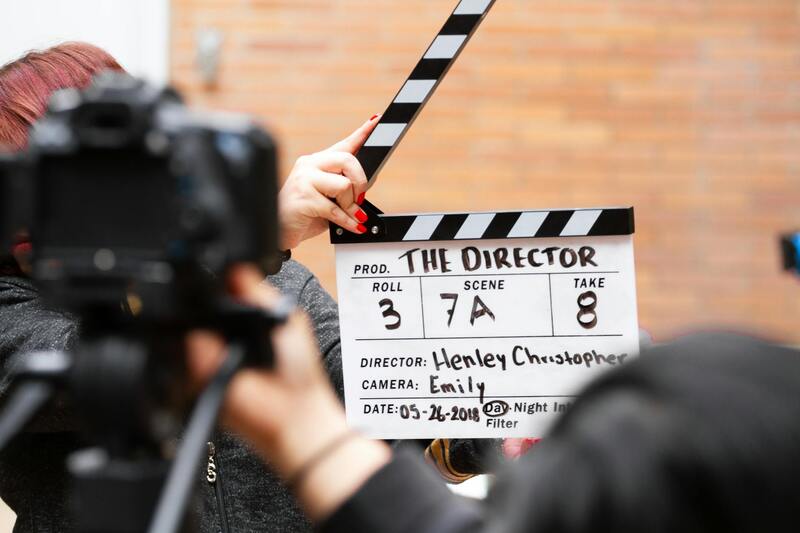
- High-Quality Equipment: Utilizing professional-grade cameras, lighting, and audio gear ensures crisp visuals and clear sound, which are crucial for a professional appearance and viewer engagement.
- Consistent Branding Elements: Incorporating logos, color schemes, and fonts throughout the video maintains brand consistency, reinforcing recognition and trust.
- Clear Audio and Sound Design: Good audio quality is often overlooked but is vital for delivering messages effectively. Incorporating background music, voice-overs, and sound effects enhances overall production quality.
- Lighting and Framing: Proper lighting setups and thoughtful framing improve visual appeal, highlight key subjects, and create a professional look.
- Post-production Precision: Editing should focus on pacing, continuity, and visual enhancements. Color grading and sound mixing refine the aesthetic quality, making the video visually appealing and engaging.

Adhering to these best practices throughout the production process ensures that your corporate video not only meets industry standards but also leaves a lasting impact on viewers. This approach also supports consistent messaging, elevates your brand’s professional image, and optimizes resource utilization, providing a solid return on investment for your business communication efforts.
Ensuring Officiant and Legitimate Methods in Corporate Video Production for Business
Producing a corporate video requires a multifaceted approach grounded in established practices that uphold professional standards and facilitate effective communication. The process begins with meticulous planning, including detailed scripting, storyboarding, and budgeting, which map out every step to ensure seamless execution. Such foundational activities enable stakeholders to align their vision with feasible execution strategies, minimizing costly errors and delays during production.
Another essential aspect involves selecting the right production team equipped with proven expertise in corporate content creation. This includes engaging skilled videographers, editors, sound engineers, and other specialists who adhere to industry best practices. Their experience guarantees high-caliber visual storytelling that resonates with target audiences and reflects the company’s brand image.
When it comes to the technical execution, professional-grade equipment is indispensable. High-quality cameras, lighting systems, and audio devices contribute to crystal-clear visuals and intelligible sound, which are vital for capturing viewers’ attention and reinforcing character and brand identity. Proper lighting setups, strategic framing, and sound design—using background music, voice-overs, and acoustic treatments—further enhance production value and viewer engagement.
Post-production plays a decisive role in refining footage, ensuring that the final product is polished and cohesive. Skilled editors employ techniques such as color grading, sound mixing, and visual effects to elevate the narrative and align it with strategic brand messaging. The editing process also involves removing inconsistencies, enhancing pacing, and optimizing visual continuity, which are critical for maintaining professional standards.
Adherence to a comprehensive distribution plan ensures the corporate video reaches the intended audience effectively. Utilizing official channels—such as company websites, verified social media platforms, and professional networks—amplifies viewership and engagement. Carefully tailored promotional strategies, including strategic timing and targeted outreach, maximize exposure and reinforce the communication goals.
Effectively measuring the impact of corporate videos involves analyzing viewer engagement metrics, such as watch time, shares, and comments, alongside conversion rates and feedback from stakeholders. These quantitative and qualitative insights guide future content strategies, ensuring ongoing alignment with business objectives and maximizing return on investment.
Ensuring Compliance with Industry Standards and Best Practices
Accurate and professional corporate video production relies heavily on adherence to established industry standards and proven best practices. Employing a systematic approach to every phase—planning, filming, editing, and distribution—ensures the final product meets organizational standards, resonates with the target audience, and effectively conveys the intended message.
From the initial concept development to the final cut, companies must prioritize authenticity, clarity, and consistency. Utilizing a comprehensive pre-production checklist, including scripting, storyboarding, and scheduling, assists in aligning the project with strategic objectives and operational requirements. This structured methodology reduces risks associated with miscommunication, delays, or oversights.
During filming, strict adherence to quality guidelines is essential. This includes the use of professional-grade equipment such as high-resolution cameras, sustainable lighting setups, and clear audio capture devices. Maintaining proper framing, appropriate lighting, and controlled sound levels are fundamental in producing visually appealing and sonically clean content.

Post-production significantly influences the professionalism of the final product. Editors should employ standardized editing workflows, including color correction, sound balancing, and the integration of graphics or animations that reinforce brand identity. Consistent use of these techniques ensures a cohesive narrative flow, maintains visual continuity, and enhances viewer engagement.
Distribution strategies must be crafted based on industry best practices to maximize reach and impact. This includes selecting official channels—such as the company's verified social media accounts, website, and email campaigns—and tailoring content formats to suit each platform's specifications. Timing releases to coincide with marketing campaigns or industry events can amplify visibility.
Measuring success involves utilizing metrics aligned with recognized standards, such as engagement rates, view duration, and conversion metrics. These insights inform adjustments in future productions, focusing on content that resonates most with audiences and drives desired business outcomes.
Ensuring Compliance with Industry Standards and Regulations
Adherence to established industry standards is fundamental in the process of corporate video production. This involves following authoritative guidelines for video quality, audio clarity, and content accuracy to ensure that the final product not only looks professional but also meets the expectations and requirements of stakeholders. Implementing standardized workflows from pre-production to post-production helps maintain consistency and quality throughout the project.
When capturing footage, it is crucial to utilize professional-grade equipment, including high-resolution cameras, effective lighting setups, and high-fidelity audio recording devices. Proper framing, focus, and composition are key elements that contribute to producing visually compelling content. Ensuring sound clarity through controlled sound levels and noise reduction techniques enhances viewer engagement and comprehension.
During post-production, meticulous editing practices are employed to refine the footage. This includes color grading to establish visual tone and consistency, sound editing for clear dialogue and balanced audio, and the addition of graphics or animations that align with brand identity. Utilizing industry-standard editing software and workflows ensures a polished and cohesive end result.
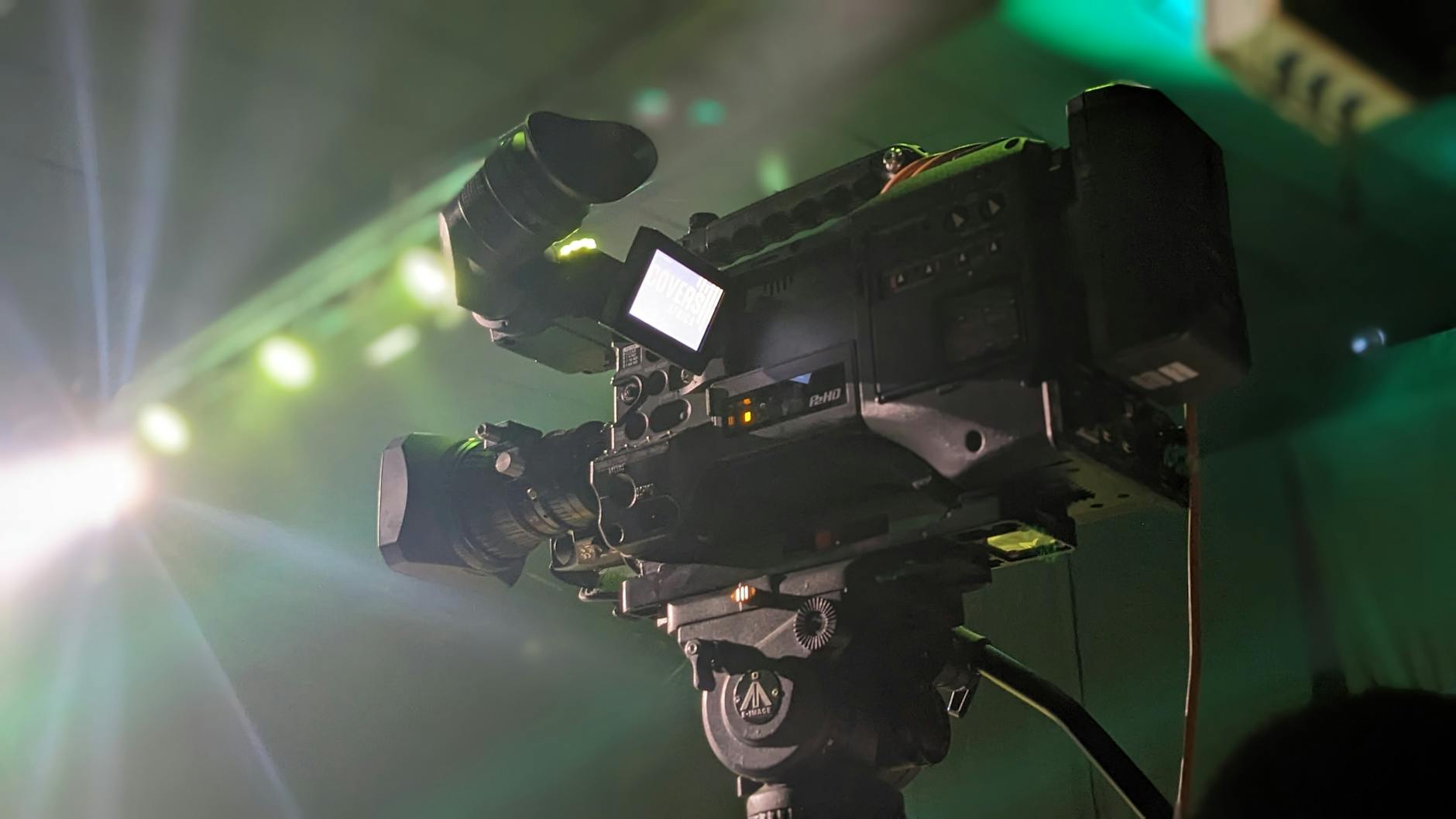
Distribution strategies should be designed based on best practices to maximize reach and engagement. Content should be shared through official channels such as a company’s verified social media profiles, website, and targeted email campaigns. Additionally, tailoring video formats for different platforms (e.g., square videos for social media, landscape for presentations) optimizes viewer experience and engagement across channels. Timing is also critical; aligning video releases with marketing campaigns, product launches, or industry events can significantly boost visibility and impact.
Monitoring the performance of distributed videos involves tracking key metrics such as view counts, engagement rates, and audience retention. Analyzing these data points provides valuable insights into content effectiveness and informs future production strategies to improve ROI. By focusing on measurable outcomes and maintaining compliance with visual and content standards, businesses can ensure that their corporate videos serve as powerful tools for brand communication and business growth.
Distribution and Promotion Strategies
Once a corporate video has been meticulously crafted and polished through professional editing, the next critical phase involves strategic distribution and promotion to maximize its reach and impact. Effective dissemination ensures that the intended audience engages with the content in meaningful ways, amplifying the message and supporting overall business objectives.
Optimizing Content for Various Platforms
Each digital platform has unique specifications and audience behaviors. Therefore, tailoring video formats to fit platform requirements is essential. For instance, shorter, square videos tend to perform well on social media channels like Instagram and Facebook, providing a visually appealing and easily digestible format. Landscape videos, on the other hand, are suitable for website embeds and presentations, offering a more immersive viewing experience. Vertical videos optimized for mobile viewing tap into the rise of smartphone usage, ensuring content is accessible where audiences spend most of their time.
Enhancing Visibility Through SEO
Embedding targeted keywords in video titles, descriptions, and tags enhances discoverability across search engines and video hosting platforms. Creating compelling thumbnails and utilizing relevant metadata also contributes to higher click-through rates. When videos are aligned with common search queries related to the business industry or specific products and services, they are more likely to appear at the top of search results, bringing organic traffic to company channels and website pages.
Targeted Promotion Tactics
- Social Media Advertising: Leveraging paid campaigns on platforms like LinkedIn, Facebook, and YouTube increases reach to specific demographics based on location, interests, and professional attributes.
- Email Campaigns: Incorporating videos into newsletters or dedicated email blasts fosters direct engagement with existing clients and potential leads.
- Website Integration: Embedding videos on landing pages, product pages, or within blogs enhances user experience and encourages longer site visits.
- Partnerships and Collaborations: Sharing videos through industry partners or influencers can extend brand visibility to new audiences.
Timing and Campaign Alignment
Strategically releasing videos to coincide with product launches, corporate events, or industry conferences can significantly drive viewer interest and participation. Coordinating content rollout with broader marketing campaigns maximizes exposure and reinforces brand messages across multiple channels.
Monitoring and Refining Promotion Efforts
Continuous analysis using analytics tools enables tracking of key performance indicators such as view counts, engagement rates, and audience retention. Understanding these metrics allows organizations to identify the most effective distribution methods and optimize future campaigns. Adjustments to targeting, content formats, or posting schedules further enhance overall ROI, ensuring corporate videos serve as dynamic assets in the company's marketing arsenal.
Effective Post-Production and Distribution: Ensuring Your Corporate Video Achieves Maximum Impact
Once the editing suite has refined your footage into a polished final product, the focus shifts to strategic distribution and ongoing performance evaluation. This phase is crucial for harnessing the full potential of your corporate video, reaching the intended audience, and achieving measurable business results.
Optimizing Video Distribution Channels
Choosing the right platforms to share your corporate video depends on your target demographic, business objectives, and the nature of your content. Prominent channels include:
- Official Websites: Embedding videos on dedicated landing pages, product pages, or within blog posts enhances visitor engagement and time spent on your site. Incorporate clear calls to action to guide viewers toward desired actions, such as requesting more information or making purchases.
- Social Media Platforms: Sharing videos on LinkedIn, Facebook, Twitter, and Instagram expands your reach within professional and consumer networks. Tailor content format and length to suit each platform's best practices and audience expectations.
- YouTube and Video Hosting Services: Utilizing these platforms enables broader visibility and SEO benefits. Optimize video titles, descriptions, and tags to improve discoverability in search results.
- Email Campaigns: Incorporating videos into newsletters or targeted email blasts fosters direct engagement with your existing client base and prospects. Personalized messaging aligned with video content can boost conversion rates.
- Industry Conferences and Webinars: Presenting videos during virtual or in-person events strengthens brand authority and leverages real-time viewer interactions.
Implementing Measurement and Feedback Tools
An effective distribution strategy includes ongoing monitoring of how your videos perform across selected channels. Employ analytics tools to track:
- View Counts: The number of times your video has been watched provides a baseline of reach.
- Engagement Metrics: Likes, shares, comments, and click-through rates indicate viewer interest and interaction levels.
- Audience Retention: Understanding at which points viewers drop off or re-watch helps refine content for future productions.
- Conversion Data: Tracking actions such as form submissions, downloads, or sales originating from video campaigns measures direct business impact.
Refining Strategies Based on Data
Incorporate insights gained from analytical tools to enhance future content and distribution tactics. For example, if data shows higher engagement on short-form videos shared on mobile platforms, prioritize creating quick, compelling clips tailored for mobile consumption. Regular review sessions enable adjustments in targeting, messaging, and timing, ensuring your corporate videos continue to serve as effective assets in your marketing efforts.