Understanding Corporate Video Production Costs
Corporate video production costs encompass a range of essential expenses that collectively determine the overall investment required for creating professional visual content. In Miami, a vibrant hub for commerce and media production, these costs can vary based on multiple factors. A comprehensive understanding of what contributes to these expenses helps businesses plan effectively and allocate resources efficiently. Central to this are the core components of production, which include pre-production, production, and post-production processes. Each stage incurs specific costs that influence the final budget.
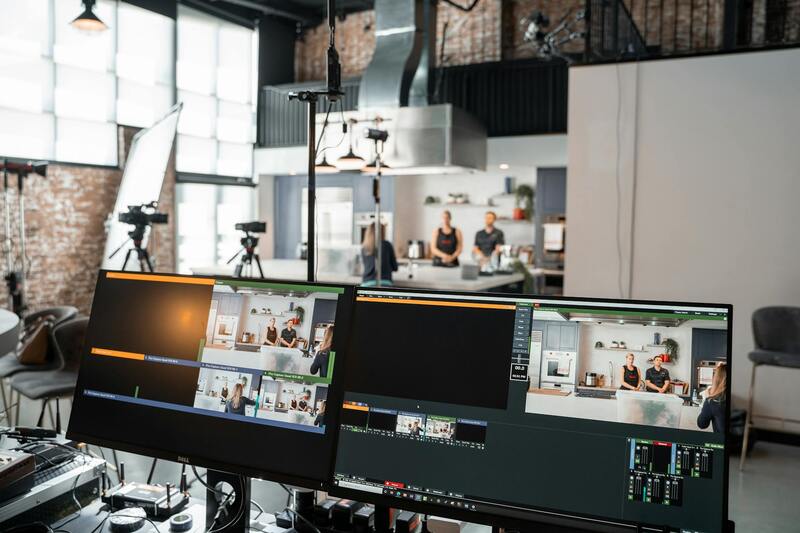
Key Components Influencing Overall Budget
- Pre-production Planning: Activities such as scriptwriting, storyboarding, location scouting, and scheduling require dedicated time and skilled personnel, all of which impact costs.
- Production: This phase involves filming, equipment deployment, and on-set crew management. The complexity of scenes, number of shooting days, and technical requirements directly influence expenses.
- Post-production: Editing, visual effects, sound design, and color correction are vital to shaping the final product. Quality post-production can significantly add to the overall budget depending on the project's scope.
- Talent and Crew: Hiring actors, presenters, videographers, directors, and other specialists entails their fees, which can vary based on experience and project demands.
- Equipment and Technology: Use of high-end cameras, drones, lighting, and editing software incurs costs, especially for cutting-edge technology often utilized in Miami's competitive market.
- Logistics and Location Fees: Securing permits, travel expenses, and location rentals are necessary considerations, particularly in Miami’s diverse urban and scenic settings.
Impact of Local Market Dynamics in Miami
Miami’s status as an international hub for media and entertainment can influence corporate video production costs. Competitive demand for high-quality content often leads to investment in advanced equipment and skilled professionals. Additionally, the availability of versatile locations, from urban landscapes to beachside settings, adds to the complexity and potential cost variations based on specific project needs.
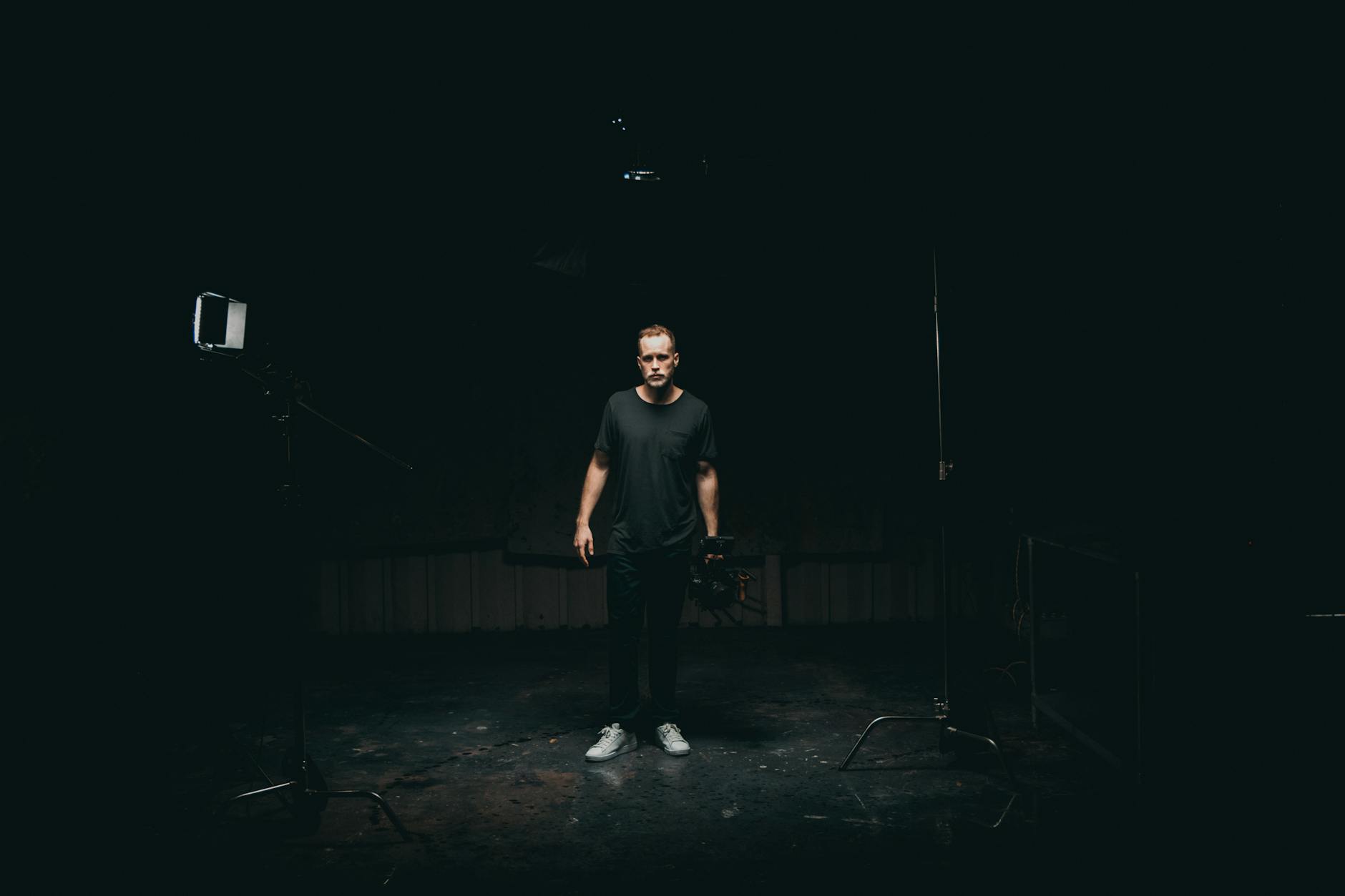
Understanding these foundational cost components allows businesses to prepare accurate budgets and ensure that investments align with their strategic objectives. By scrutinizing each element— from initial planning to final edits— Miami companies can effectively manage expenses while maintaining the quality standards expected in today’s competitive corporate video landscape.
Production Scale and Project Scope
One of the primary determinants of corporate video production cost is the scale and scope of the project. A comprehensive corporate video that involves multiple locations, advanced visual effects, and a large crew naturally incurs higher expenses. Conversely, a simpler production, such as an in-office testimonial or a product showcase with minimal setup, tends to be more budget-friendly. When planning your project, it’s essential to define clear objectives and desired outcomes to accurately estimate the resources needed.
In Miami, the variation in production scale significantly impacts costs due to the diverse range of available locations and talented professionals. Larger projects may require extensive logistics planning and higher talent fees, especially if the production incorporates renowned local personalities or industry specialists. Smaller scope projects, such as quick corporate testimonials or basic product videos, generally involve fewer resources, reducing overall expenses.
Equipment and Technology Expenses
Investment in state-of-the-art equipment and technology is a key element influencing production costs. High-definition cameras, drone footage, professional lighting setups, and advanced editing software are typical components of modern corporate videos. In Miami’s competitive market, the demand for cutting-edge visuals, especially for high-profile campaigns, necessitates utilizing premium equipment. This not only enhances video quality but also escalates costs through equipment rentals or purchases.

The choice between renting or purchasing the latest gear also affects the budget. Rentals are often preferred for one-off projects, allowing access to the best equipment without long-term investment. Additionally, incorporating specialized technology such as 4K cameras or virtual reality elements should be factored into the cost analysis, particularly when aiming for a high-impact corporate presentation.
Pre-production and Planning Costs
Thorough pre-production planning is crucial for ensuring the project aligns with strategic objectives and stays within budget. Activities such as storyboarding, scripting, location scouting, casting, and scheduling demand dedicated time and resources. In Miami, a bustling hub for media professionals, engaging experienced producers and strategists can streamline the process, but their expertise comes with associated costs. Effective planning can prevent costly delays or revisions during filming.
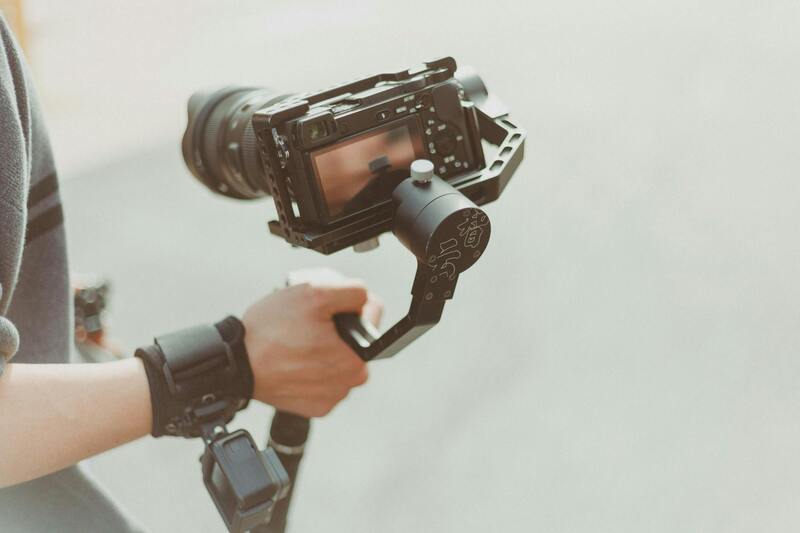
Investing in comprehensive pre-production efforts reduces unforeseen expenses during the filming phase, ensuring that the project progresses smoothly while staying aligned with financial expectations.
Post-production and Editing Expenses
Post-production is where raw footage transforms into the final polished video. High-quality editing, color grading, sound design, and special effects are vital elements that influence costs. Miami’s digital editing houses and freelancers offer a range of services, with prices varying based on complexity and turnaround time. Explaining your desired style and quality expectations upfront allows for more precise budgeting.
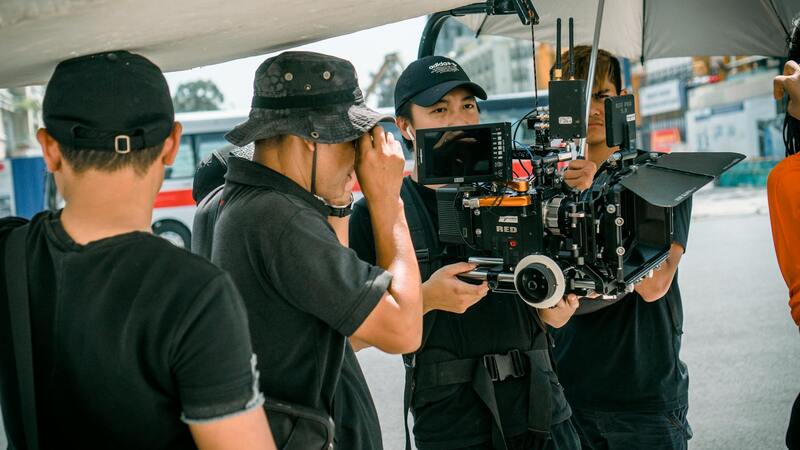
Advanced editing techniques, including animation or 3D effects, significantly increase expenses but also elevate the overall impact. Prompt communication with the editing team helps avoid costly revisions and ensures the project remains within budget.
Location, Permits, and Talent Fees
Miami’s scenic diversity offers numerous options, from urban cityscapes to beautiful beaches, each with different associated costs. Securing permits for shooting in public or private spaces can add to the expenses, especially in high-demand areas. Talent fees, whether for professional actors, voice-over artists, or local experts, contribute substantially to the budget depending on their experience and project prominence.

When approaching talent fees, it’s important to consider union rates, if applicable, and the scope of their involvement. Well-known personalities or industry leaders command higher fees but can significantly boost the video’s credibility and reach.
Budget Optimization Tips for Miami Businesses
To streamline costs without sacrificing quality, Miami-based companies should focus on strategic planning and resource allocation. Here are some effective tips:
- Leverage existing company assets, such as office spaces and staff testimonials, to reduce location and talent costs.
- Opt for modular production elements that can be expanded or refined post-filming, saving on initial filming complexity.
- Partner with local production companies that offer bundled packages, providing comprehensive services at competitive rates.
- Schedule shoots during off-peak times to secure lower location fees and availability of experienced crew members.
- Utilize efficient project management to prevent costly overruns and delays.
Meticulous budgeting combined with strategic resource use ensures that Miami businesses can produce impactful corporate videos while optimizing expenses and maximizing return on investment.
Understanding Corporate Video Production Costs
When evaluating the expenses associated with corporate video production, it’s vital to consider the comprehensive range of factors that influence overall costs. These encompass project logistics, technical requirements, and creative elements that collectively determine the investment needed for a successful video campaign. Companies aiming to manage their budgets effectively should understand these components thoroughly to make informed decisions, ensuring that each dollar spent contributes to achieving strategic communication goals.
Influence of Video Type and Purpose
The type of corporate video and its intended purpose directly shape the production cost structure. Different objectives, such as brand awareness, product launches, training, or investor relations, demand varying production complexities and resources.
- Brand Videos: Typically focus on storytelling and visual branding, requiring high-quality cinematography and creative direction. These often involve multiple shooting locations, talent, and elaborate set designs, leading to higher costs.
- Product Demonstrations: May necessitate specialized equipment, close-up shots, and CGI integrations, influencing technical expenses.
- Training Videos: Usually require lower production values but may need scripting, animations, or screencasts, which can vary costs based on complexity.
- Event Coverage: Involves capturing live moments, necessitating flexible scheduling and mobile equipment, potentially increasing equipment and crew costs.
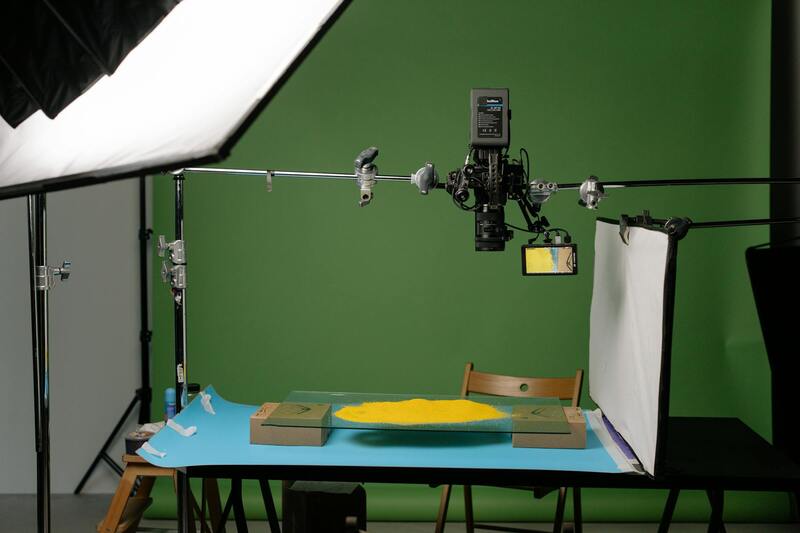
The purpose influences not only the technical and creative aspects but also the scale and duration of the project, which are key cost drivers. For instance, a high-profile promotional video with celebrity talent and elaborate effects will demand a significantly larger budget compared to a simple internal communication clip.
Additional Cost Considerations
Beyond the primary factors, other elements contribute to the total expense of corporate video production:
- Scriptwriting and Storyboarding: Crafting a compelling narrative requires skilled writers and detailed planning, impacting pre-production costs.
- Talent and Crew: Fees for actors, voice-over artists, directors, cinematographers, and technical staff vary based on experience and project scope.
- Equipment and Technology: High-end cameras, drones, lighting systems, and post-production software add to the expenses and depend on the technical demands of the project.
- Locations: Filming in diverse or restricted areas may incur location fees, permits, and additional logistical costs.
- Post-Production: Editing, color grading, effects, sound design, and animations all contribute to the final budget, especially if involving complex visual effects or multiple revision rounds.
Understanding the correlation between these factors and the desired video outcomes enables companies to allocate resources efficiently, ensuring that their investment aligns with strategic marketing or communication objectives.
Understanding Corporate Video Production Costs
Accurately estimating the expenses associated with corporate video production requires a comprehensive understanding of the various elements involved in the creation process. While some factors are straightforward, such as the length of the final video, others—like technical equipment, crew expertise, and post-production features—can significantly influence the overall budget.
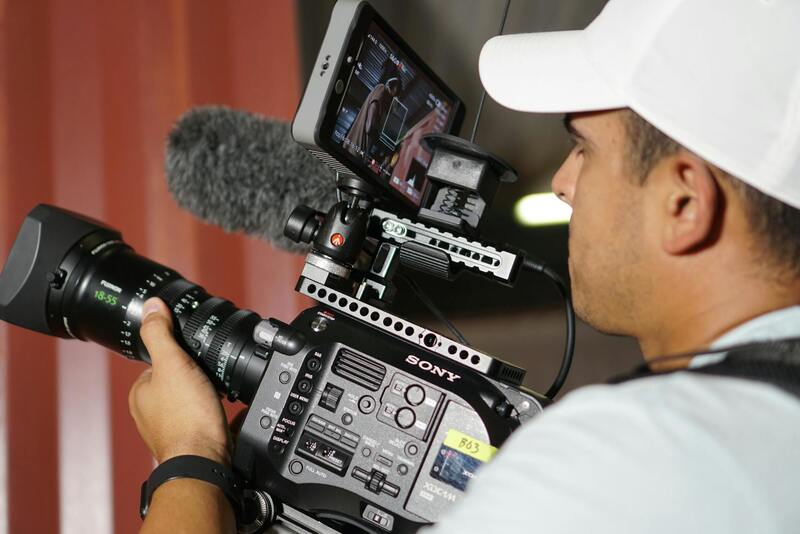
Influence of Video Type and Purpose
The specific purpose of a corporate video greatly impacts production costs. For instance, an engaging product demonstration or a compelling brand story might necessitate advanced visual effects, specialized talent, and sophisticated equipment, each adding to the total expense. Similarly, internal training videos typically have a more streamlined approach, often resulting in lower costs. The intended audience and distribution channels (such as social media, television, or internal networks) also shape the production quality and, consequently, the budget. A high-gloss promotional video with cinematic quality, for example, will require a larger investment compared to standard corporate communication clips.
Production Scale and Project Scope
Examining the scope of the project reveals the scale of resources needed. Longer videos with complex narratives demand more shooting days, multiple locations, and extensive editing. Projects involving multiple formats or versions for different platforms will predictably increase costs. Additionally, the inclusion of special effects, animations, or 3D graphics intensifies both the technical requirements and the time invested in post-production.

Additional Cost Considerations
Beyond core elements, other specific costs are integral to comprehensive budgeting:
- Scriptwriting and Storyboarding: Crafting a compelling narrative often involves experienced writers and meticulous planning, which can influence pre-production budgets.
- Talent and Crew: Fees for actors, voice-over artists, directors, and technical crew differ based on project requirements, experience levels, and the length of engagement.
- Equipment and Technology: Usage of high-end cameras, drones, lighting equipment, and advanced editing software constitutes a significant portion of the costs, especially as technical quality expectations rise.
- Locations and Permits: Choosing diverse or restricted filming locations might incur permits, location fees, and additional logistical expenses, especially in metropolitan or restricted zones like Miami.
- Post-Production: Editing, color correction, visual effects, sound design, and animations are often the most time-consuming and costly phases, especially when complex effects or multiple revision rounds are involved.
Understanding how these factors interplay ensures efficient resource allocation, aligning production investments with strategic communication goals while maintaining quality standards.
Equipment and Technology Expenses
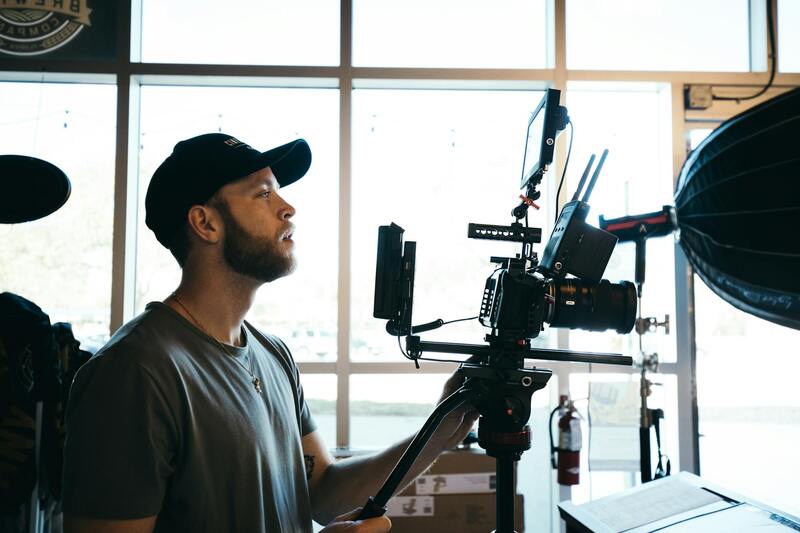
The technological backbone of a corporate video heavily influences costs. High-resolution cameras, professional lighting setups, drones for aerial shots, and state-of-the-art editing suites are essential for producing polished content. Investing in or renting the right equipment directly affects production quality and turnaround times, especially in Miami, where local access to advanced technology offers both advantages and cost considerations.
Pre-production and Planning Costs
Thorough planning is crucial for controlling expenses and ensuring smooth execution. Pre-production activities include concept development, scripting, storyboarding, location scouting, and scheduling. These stages require notable effort and expertise, especially for complex projects, and often necessitate detailed coordination between stakeholders to prevent costly delays or reworks during filming. Effective pre-visualization reduces wastage of resources and helps set realistic budgets aligned with creative visions.
Post-production and Editing Expenses
Once filming wraps, post-production transforms raw footage into a polished final product. This phase involves editing, color grading, sound mixing, and adding visual effects or animations—each demanding specialized skills and software licenses. The complexity of edit requirements directly correlates with the time and cost needed to refine the project, particularly for projects incorporating detailed visual effects and multiple revisions.
Location, Permits, and Talent Fees
In Miami, filming in certain public or restricted areas may involve permit fees and logistical costs. These expenses ensure smooth legal compliance and access to desired locations. Additionally, talent fees vary based on their experience, the duration of engagement, and the project’s scope. Employing local talent or extra crew members in Miami can help manage costs effectively while ensuring top-tier talent availability for high-profile projects.
Budget Optimization Tips for Miami Businesses
To maximize return on investment, local companies should consider strategies such as leveraging existing resources, scheduling shoots during off-peak times, and carefully selecting production partners with a reputation for efficient workflows. Moreover, clarifying project scope and targeted reach ensures that expenditures focus on high-impact elements rather than unnecessary extras. Establishing clear communication channels from the outset minimizes revisions and accelerates the overall timeline, reducing costs and enhancing project efficiency.
Equipment and Technology Expenses
Investing in high-quality equipment and cutting-edge technology forms a significant portion of the overall corporate video production cost. The type of equipment used directly impacts both the production quality and expenses incurred. Professional-grade cameras capable of capturing 4K or higher resolution footage are standard for corporate videos aiming for a polished, cinematic appearance. These cameras, along with stabilizers, drones, and specialized lenses, come with substantial rental or purchase costs, especially for projects requiring dynamic shooting angles or aerial footage.
Audio quality is equally vital, necessitating investment in advanced microphones, audio recorders, and soundproofing equipment, to ensure clear and professional sound capture. Lighting equipment, including softboxes, reflectors, and LED panels, is essential to create well-lit scenes, which often require additional power sources and setup time, further increasing costs.
In the post-production phase, the use of powerful editing software such as Adobe Premiere Pro, After Effects, or DaVinci Resolve necessitates affordable licensing or subscriptions. Professional editing work also involves the use of high-performance computers and storage systems to handle large video files efficiently.

Choosing between renting or purchasing equipment can influence your budget significantly. Renting is often more cost-effective for short-term projects, allowing access to the latest technology without the full purchase price. Additionally, the integration of visual effects and animations demands advanced software licenses and skilled specialists, which further contribute to the overall expense. Incorporating modern technology ensures your corporate video stands out with high production value, but it also requires meticulous planning to balance quality and budget Constraints.
Understanding Corporate Video Production Costs
When evaluating the expense of corporate video production, it’s essential to recognize the various components that contribute to the overall budget. Every project is unique, and costs can fluctuate based on the specific requirements, desired production quality, and targeted audience engagement. A thorough breakdown enables businesses to allocate resources efficiently and plan effectively for a successful production.
Influence of Video Type and Purpose
The primary determinant of cost is the type and purpose of the video. For instance, straightforward testimonial videos or product explainers tend to be less expensive due to simplified shoots and minimal post-production needs. Conversely, high-concept brand films, immersive virtual reality experiences, or training videos with advanced animations require specialized equipment, skilled talent, and substantial editing work, significantly increasing expenses. The goals of the video—whether to inform, promote, or inspire—also dictate production complexity, affecting the scope of needed resources and thus the overall cost.
Production Scale and Project Scope
The scale of the production directly influences the total cost. Small productions with minimalist crews, limited locations, and short durations tend to be more budget-friendly. Larger projects involving multiple shooting days, extensive locations, multiple actors, and complex logistical planning naturally incur higher costs. Defining the scope early is crucial for accurately estimating expenses, including travel, accommodations, permits, and additional personnel, all of which contribute to the total budget.
Equipment and Technology Expenses

Top-tier corporate videos demand high-quality equipment, including 4K or higher resolution cameras, professional lighting setups, and advanced audio capture devices. The decision to rent versus purchase equipment significantly impacts costs. Renting provides access to the latest technology for a fraction of the purchase price, making it ideal for short-term projects. Purchasing may be advantageous for ongoing needs but represents a larger upfront investment. Additionally, incorporating visual effects, motion graphics, and animations necessitates specialized software licenses and professional expertise, adding further to production expenses.
Pre-production and Planning Costs
Pre-production is a vital phase where strategizing and logistics unfold. This includes concept development, scriptwriting, storyboarding, location scouting, casting, and scheduling. Hiring experienced producers, scriptwriters, directors, and coordinators ensures a smooth process but also increases costs. Effective planning minimizes risks and unforeseen expenses during filming, yet the time and effort required for comprehensive planning contribute to the overall budget.
Post-production and Editing Expenses
Post-production encompasses editing, visual effects, color grading, sound design, and revisions. Skilled editors use advanced software such as Adobe Premiere Pro, After Effects, or DaVinci Resolve, which might involve subscription fees. High-performance computers and large storage capacities are necessary to handle large video files efficiently. The complexity of editing, especially when integrating animations or voiceovers, directly correlates with additional labor costs. Multiple review cycles can also extend the timeline and budget, ensuring the final product aligns with the client's vision.
Location, Permits, and Talent Fees
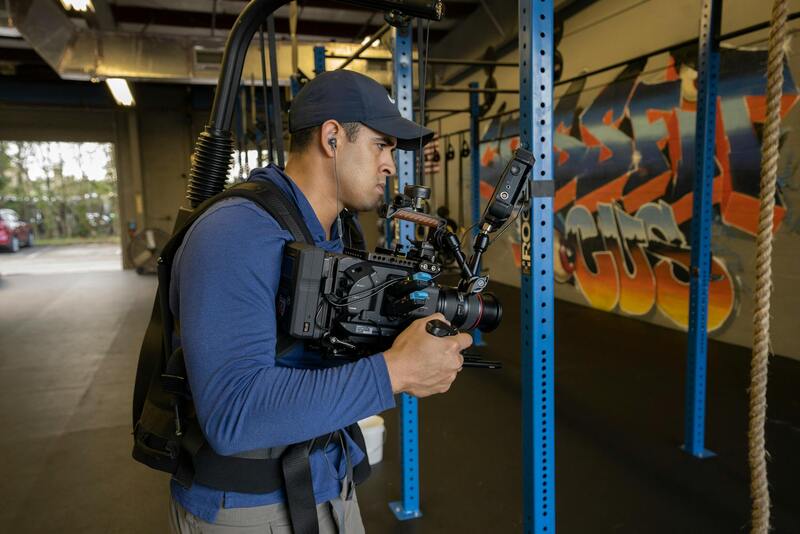
Shooting in various locations, especially in bustling urban centers like Miami, entails securing permits, which vary in cost depending on the location’s popularity and regulatory requirements. Additional costs include location fees, insurance, and logistical expenses such as transportation and accommodations. Talent fees also factor into the budget, encompassing professional actors, voice-over artists, or on-camera presenters. The experience and notoriety of talent influence their rates, with well-known personalities commanding higher fees. Moreover, union regulations or talent union affiliations can impact costs and scheduling flexibility.
Budget Optimization Tips for Miami Businesses
Despite the expenses, there are strategic avenues for cost management:
- Clear project scope and objectives to avoid scope creep.
- Leverage local talent and resources to reduce travel and accommodation costs.
- Opt for modular production elements that can be reused or repurposed across campaigns.
- Plan shoots during off-peak seasons or times to benefit from lower location and talent fees.
- Use detailed pre-visualization and storyboarding to minimize costly reshoots.
Understanding the intricacies of corporate video production costs enables Miami-based companies to make informed decisions that balance quality and budget, ensuring impactful content delivery tailored to organizational goals.
Understanding Corporate Video Production Costs
Accurately estimating the expenses involved in corporate video production is fundamental for effective budgeting and resource allocation. These costs encompass various components, ranging from pre-production planning to post-production editing, each contributing significantly to the total project expenditure. A detailed understanding of these elements allows organizations to align their creative ambitions with their financial constraints, ensuring that each dollar invested moves towards delivering impactful and professional content.
Influence of Video Type and Purpose
The specific type of corporate video and its intended purpose markedly influence production costs. For instance, a branded explainer video designed to clarify complex products or services requires a different approach and resource allocation compared to a high-stakes, executive profile video or a large-scale event coverage. Animated videos, which rely heavily on motion graphics and design, tend to incur higher expenses due to the demanding post-production processes involved. Conversely, straightforward testimonial videos or case studies might require less elaborate setups, thereby reducing costs. Understanding the core objectives helps tailor the production process efficiently without sacrificing quality.
Production Scale and Project Scope
The scope and scale of the project directly impact the overall cost. Large-scale productions with multiple shooting days, extensive locations, and numerous talent contracts naturally necessitate a bigger budget. Smaller, concise videos, perhaps aimed at social media or internal training, can be produced more economically. Key factors influencing scope include:
- Number of shooting days
- Complexity of the script and storyboard
- Number of locations involved
- Presence of special effects or animation
- Duration of the final video
Careful scope definition upfront helps prevent scope creep, which can unexpectedly inflate costs. Clear communication of project objectives ensures all involved parties understand the deliverables, aligning their efforts efficiently to meet deadlines and budget constraints.
Equipment and Technology Expenses
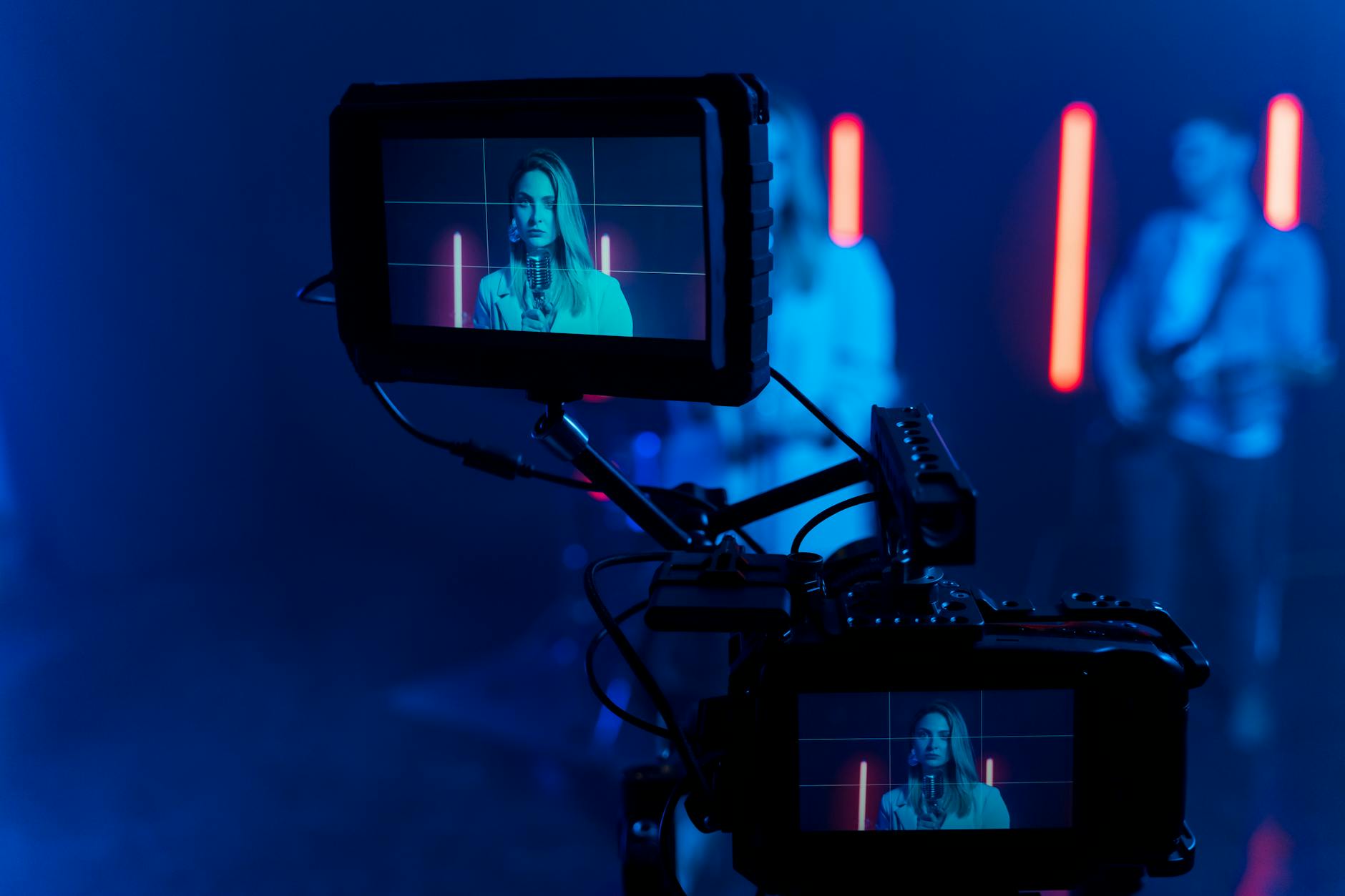
High-quality production demands advanced equipment and the latest technology, which represent substantial investment costs. Professional cameras, lighting setups, stabilization gear, and audio equipment are essential for capturing crisp visuals and clear sound. Additionally, emerging technologies like 4K cameras, drone footage, or virtual reality elements elevate the production value but increase expenses. Renting equipment, instead of purchasing, can mitigate costs for one-off projects, while investing in high-end gear may prove economical over repeated productions. Post-production technology, including editing software, color grading tools, and visual effects suites, also factors into the overall budget, especially when multiple revisions or complex effects are required.
Pre-production and Planning Costs
The foundation of a successful video lies in meticulous pre-production planning. This phase involves scriptwriting, storyboarding, casting decisions, location scouting, and scheduling. Engaging skilled professionals such as scriptwriters, directors, and producers incurs costs but significantly streamlines the filming process. Proper planning reduces the risk of unforeseen delays or reshoots, ultimately saving money. Budgeting for pre-production should also consider permits, insurance, and other logistical expenses associated with securing filming rights and ensuring compliance with local regulations, especially in urban settings like Miami where permits can vary in cost and complexity.
Post-production and Editing Expenses
Post-production phases are critical for transforming raw footage into a polished final product. Expenses include editing, sound design, color correction, visual effects, and licensing of music or stock footage. Skilled editors, graphic designers, and sound engineers are indispensable for achieving a professional outcome, and their rates reflect their expertise. Revisions requested by clients can also influence costs, especially if multiple iterations are necessary to meet expectations. Streamlined workflows, along with detailed pre-visualization, help control post-production expenses by minimizing the need for extensive edits and reshoots.
Understanding Corporate Video Production Costs
When evaluating the investment required for a corporate video, it’s essential to consider the comprehensive array of expenses involved. These costs encompass all stages of production, from initial concept development to the final delivery. Several key components influence the total cost, including pre-production planning, equipment usage, talent, location fees, and post-production activities. Accurate budgeting requires a thorough understanding of each element’s contribution to quality and effectiveness. Professional corporate videos serve as strategic assets that can enhance brand image, engagement, and communication effectiveness, making it crucial to allocate resources efficiently while maintaining high standards.
Factors Affecting Production Cost
Video Type and Purpose
The specific type of corporate video fundamentally impacts costs. For instance, a straightforward product overview or testimonial may require fewer resources and less elaborate production techniques, resulting in a lower overall expenditure. Conversely, high-impact marketing videos, brand stories, or cinematic-style productions demand advanced filming techniques, specialized equipment, and additional post-production work, leading to higher costs. The intended purpose directly influences the depth of storytelling, visual complexity, and overall quality standards, which should align with the strategic goals of the business.
Production Scale and Project Scope
The scale of the project determines staffing needs, equipment rental, and logistical arrangements. A single-location shoot with minimal crew differs significantly from a multi-day shoot involving multiple locations, drones, or live-action sequences. Larger projects often require detailed scheduling, multiple crew members such as directors, camera operators, lighting technicians, and more extensive post-production editing. Clearly defining the scope during the planning phases helps prevent unforeseen expenses and guarantees the project aligns with budget constraints without compromising quality.
Equipment and Technology Expenses
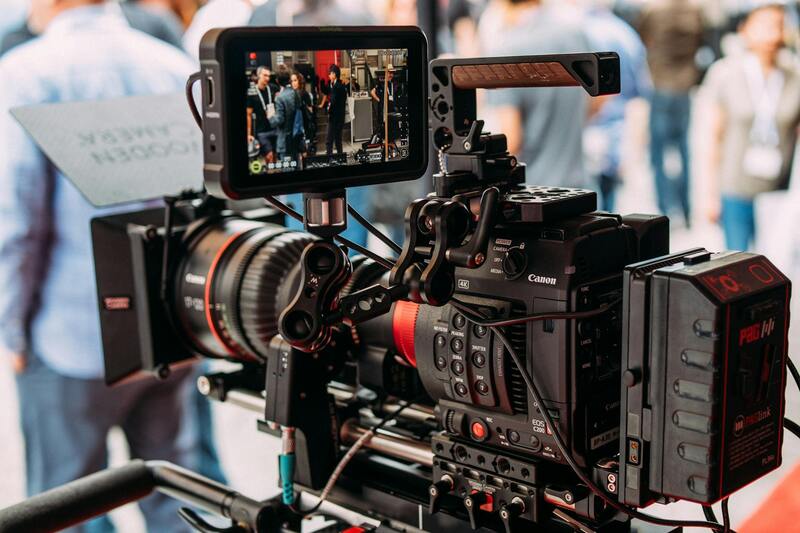
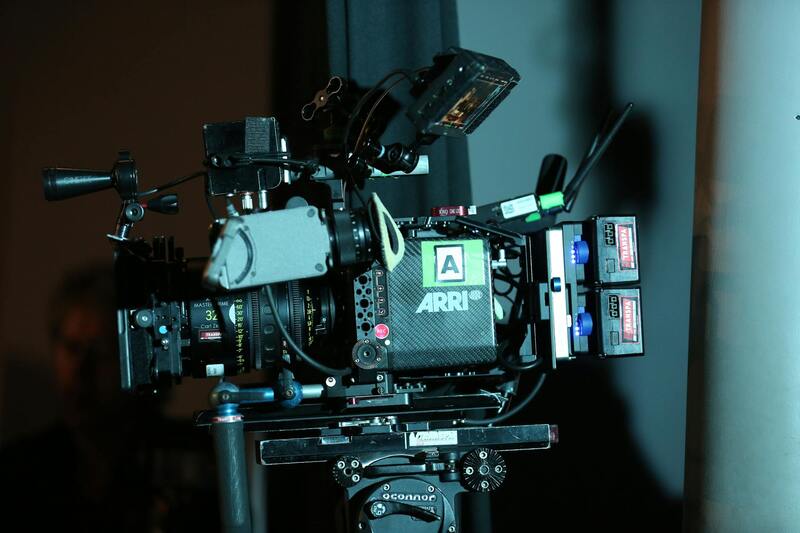
Utilizing sophisticated filming and editing equipment enhances the visual appeal of corporate videos. High-end cameras, drones for aerial shots, articulation rigs, and advanced lighting setups come with premium rental or purchase costs. Post-production technology, such as 4K editing suites, visual effects software, and sound engineering tools, also contributes to overall expenses. Employing cutting-edge technology ensures the final product is competitive and aligns with modern production standards, ultimately justifying its investment as it captures viewers’ attention more effectively.
Pre-production and Planning Costs
Thorough pre-production planning is vital for seamless execution. This phase involves creative development, scripting, storyboarding, casting, location scouting, and scheduling. Experienced professionals like creative directors, scriptwriters, and project managers are essential contributors whose fees reflect their expertise. Securing necessary permits, insurance, and logistical arrangements further add to costs, especially in urban settings like Miami, where local regulations can significantly influence budget planning. Effective pre-production reduces risks and minimizes costly reshoots or delays during the actual filming process, making it a wise investment for ensuring project efficiency and quality.
Post-production and Editing Expenses
Post-production transforms raw footage into a compelling finished product. Costs here include editing, color grading, sound design, visual effects, and music licensing. Skilled editors, motion graphic artists, and sound engineers command rates appropriate for their experience, directly affecting the final cost. Revisions and client feedback cycles can also influence expenses, particularly if multiple iterations are required. Investing in quality post-production ensures clarity, professionalism, and engagement, which are vital for brand perception and message delivery. Streamlined workflows, careful planning, and clear communication during this phase help control costs while preserving creative quality.
Additional Cost Considerations
Location, Permits, and Talent Fees
Choosing filming locations impacts the budget significantly. Urban centers like Miami often require permits to film in certain areas, which come with varying fees based on location, duration, and specificity of the shoot. Securing these permits is crucial to avoid disruptions and potential legal issues. Talent fees, whether for professional actors, voice-over artists, or on-camera presenters, also shape the overall budget. The level of experience and demand for particular talents influences their rates, with established professionals commanding higher fees. Additionally, incidental costs such as travel, accommodations, and catering for cast and crew further diversify the budget considerations.