Understanding Corporate Video Making
In the modern business landscape, corporate video making has become an essential tool for organizations aiming to enhance their branding, marketing efforts, and internal communication. A well-crafted corporate video serves multiple strategic purposes, from showcasing a company's values and products to attracting potential clients or talent. It enables brands to communicate complex messages in a concise, engaging manner that resonates with target audiences.
Corporate videos vary widely in format and purpose, including promotional videos, product demonstrations, employee training modules, testimonial videos, event coverage, and executive messages. The visual nature of video content ensures a higher level of engagement compared to written content, fostering a deeper emotional connection with viewers. This effectiveness underscores the importance of investing in high-quality production that accurately reflects a company's professionalism and identity.
Effective corporate videos contribute directly to brand recognition and trust-building by consistently conveying a company's core message and values. They help differentiate a business in a competitive market and create a memorable impression. Whether it's through storytelling, compelling visuals, or strategic messaging, a well-executed corporate video can significantly influence customer perceptions and decision-making processes.
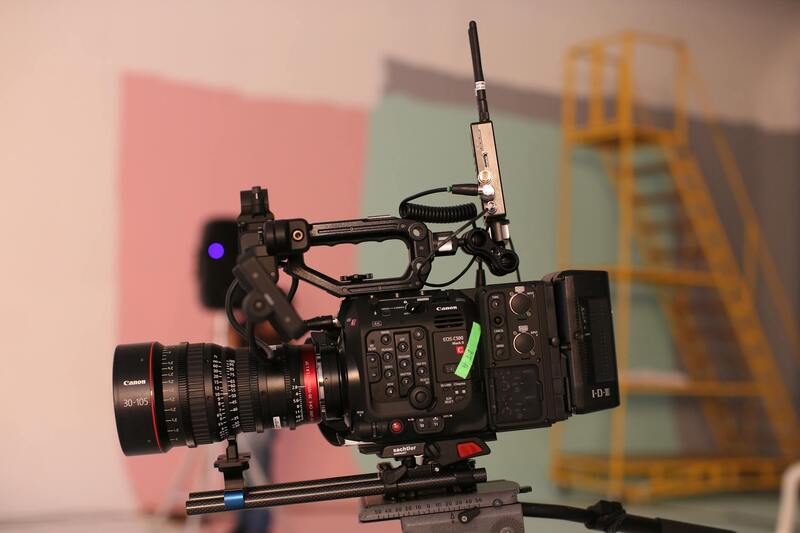
In addition to branding and marketing, corporate videos are instrumental in internal communication. They serve as an effective way to onboard new employees, share company updates, or foster a cohesive corporate culture across geographically dispersed teams. This multi-purpose utility underscores the importance of professional video production tailored specifically to organizational needs.
Investing in professional corporate video making ensures not only high production quality but also the strategic alignment of content with business objectives. As businesses increasingly recognize the value of visual storytelling, the demand for expert production services continues to grow, emphasizing the need for brands to partner with experienced creators who understand the nuances of effective corporate communication.
Choosing the Right Video Style and Format
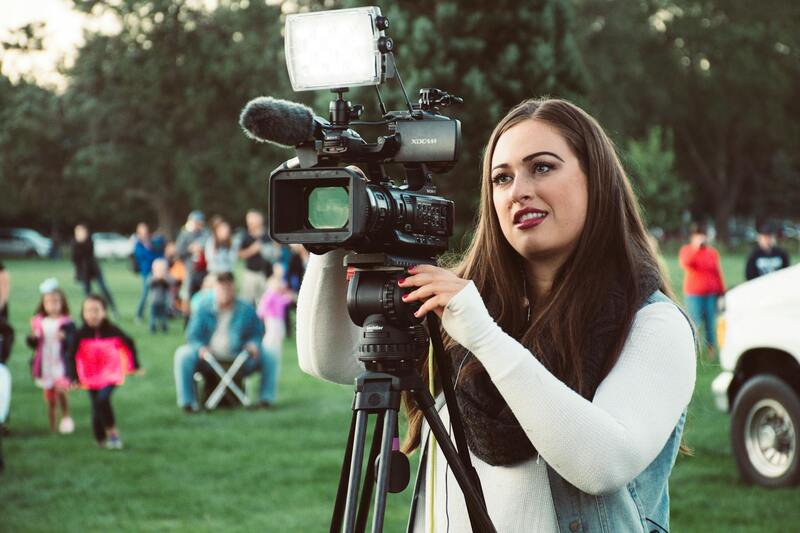
Selecting the appropriate style and format for a corporate video is crucial to effectively communicate your message and resonate with your target audience. Different formats serve distinct purposes, ranging from brand storytelling to product demonstrations or employee testimonials. To ensure alignment with your organizational goals, evaluate the message you want to deliver, the audience demographics, and the distribution channels.
Common corporate video styles include interview formats, animated videos, documentary-style narratives, and live-action recordings. Each style offers unique advantages: interviews can add credibility, animations can simplify complex information, and documentaries provide an immersive brand story. The chosen aesthetic and tone should reflect your company's identity and values.
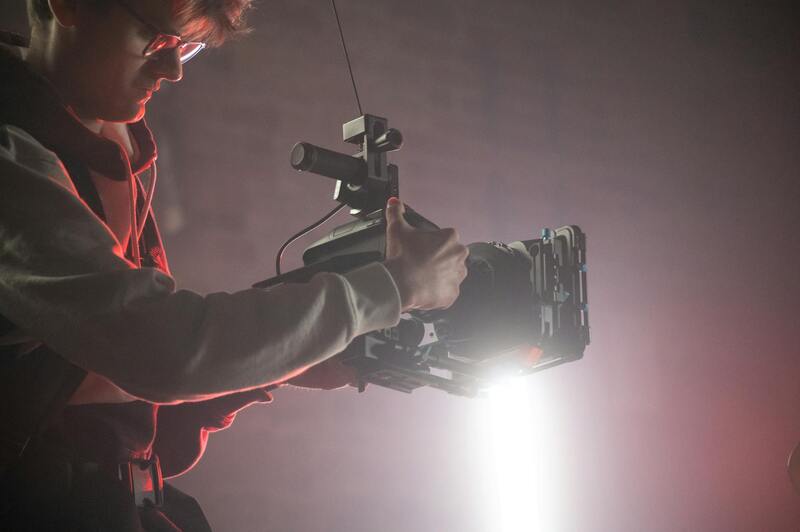
Regarding format, consider whether a shorter social media clip or a comprehensive presentation best suits your needs. For instance, social media videos often require concise, engaging content under two minutes, emphasizing strong visuals and clear messaging. Conversely, an in-depth company overview may warrant a longer format, such as a 5-10 minute presentation or documentary.
Understanding the technical specifications—such as aspect ratios, resolution standards, and captioning needs—is equally vital. With the proliferation of diverse platforms, ensuring your videos are optimized for various screens and devices enhances accessibility and viewer engagement.
Production Techniques and Shooting Tips
Executing high-quality footage requires mastery of various production techniques to highlight professionalism and authenticity. Employing steady camera work through tripods or gimbals minimizes distractions and maintains viewer focus. Proper lighting—both natural and artificial—helps showcase subjects clearly, avoiding unwanted shadows or overexposure.
Audio quality is paramount; using lapel microphones or directional mics ensures clarity, especially during interviews or narration segments. Incorporating multiple camera angles can add visual interest and provide flexibility during editing. Planning shot lists and frames in advance maximizes efficiency on set and ensures all essential footage is captured.
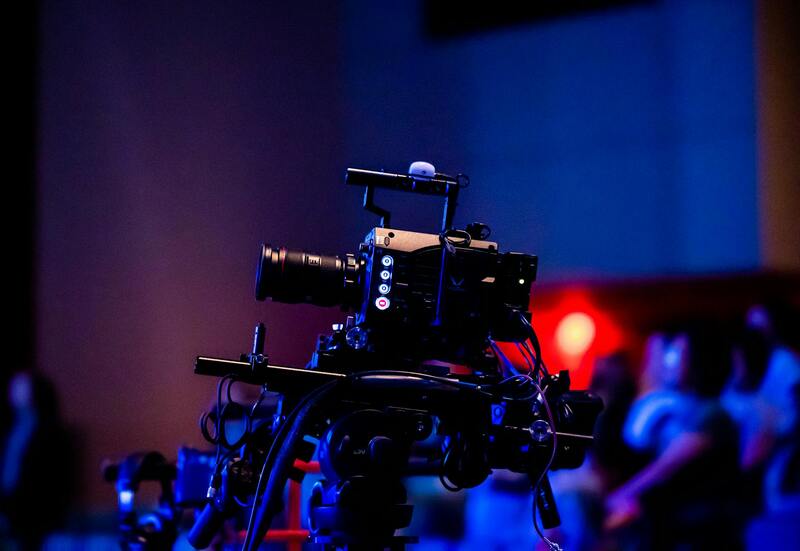
Pre-visualization techniques like storyboarding guide the filming process, ensuring scripts and scenes align seamlessly. Maintaining a professional approach on set, including clear communication and time management, minimizes delays and undercuts potential quality issues.
Post-Production and Editing
The editing stage is where raw footage transforms into a compelling narrative. Skilled editors focus on pacing, visual consistency, and storytelling flow, aligning footage with the original goals. Incorporating motion graphics, annotations, and branding elements reinforces your message and maintains visual consistency.
Color grading enhances the visual appeal, establishing a particular mood or tone that complements your brand aesthetic. Clear, high-quality sound editing—including background music and sound effects—enhances viewer engagement and comprehension.
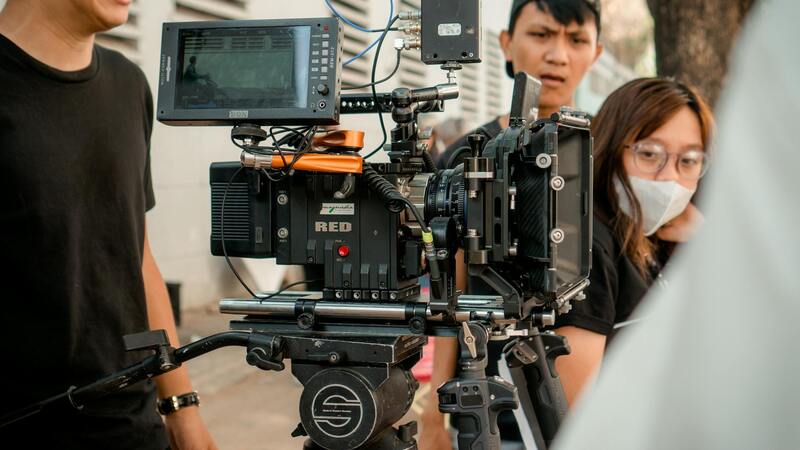
During post-production, review and refine your content to eliminate inconsistencies or errors. Subtitles and captions improve accessibility, allowing your message to reach a broader audience. Finally, exporting videos in various formats accommodates multiple platforms and ensures optimal playback quality.
Production Techniques and Shooting Tips
To achieve high-quality results in corporate video making, attention to detail during the shooting phase is essential. One of the primary objectives is to capture footage that is visually appealing and aligned with the intended message. This involves meticulous planning of each shot, considering factors such as framing, camera angles, and movement, which can dramatically influence the overall impact of the final product.
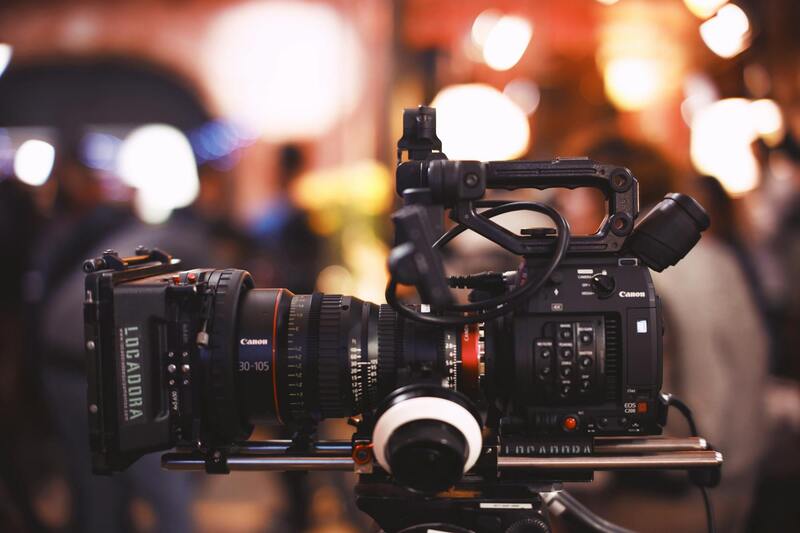
Proper use of camera equipment is crucial. Utilizing high-definition cameras with adjustable settings allows for capturing crisp, clear footage even in challenging lighting conditions. Employing professional-grade stabilization tools, such as tripods, gimbals, or steadicams, ensures smooth camera motion, avoiding distracting jitters or shakes. This enhances viewer immersion and lends a polished look to the footage.
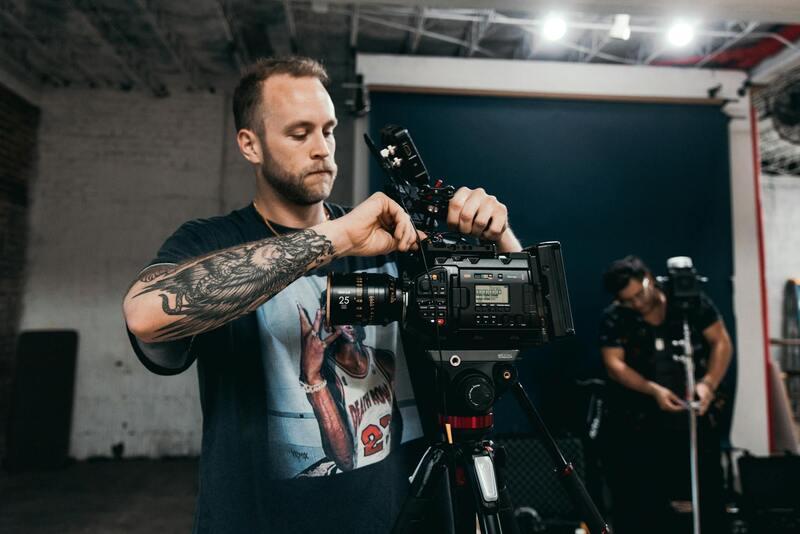
Lighting Mastery on Set
Lighting plays a pivotal role in establishing the mood and highlighting key subjects or branding elements within the video. Proper lighting setup ensures clarity of visuals and prevents scenes from appearing dull or overly harsh. Techniques such as three-point lighting — which involves key, fill, and back lights — create a balanced, professional look, accentuating the subjects without unwanted shadows.
Adjusting lighting based on the environment and scene requirements helps in achieving consistency across different shots. In locations like Miami, where natural sunlight can be intense, diffusers and reflectors are invaluable tools to control light effectively.
Sound Capture and Management
High-quality audio is just as important as visuals. During production, using professional microphones—lapel, shotgun, or boom mics—ensures clear dialogue and reduces ambient noise. Monitoring sound levels in real-time helps prevent issues like distortion or background hums, which can compromise the video's professionalism.
In outdoor settings, additional considerations such as windshields or protective coverings on microphones are vital, especially in Miami’s outdoor shoots where environmental noise varies. Recording room tone or ambient sounds separately offers options for richer sound design during post-production.
Effective Communication and Direction
Clear, consistent communication with talent and crew ensures everyone understands their roles and shot expectations. Providing detailed directions and mood references helps talent deliver authentic performances aligned with the brand message. Employment of visual aids like storyboards or shot lists streamlines production, saving time and reducing mistakes.
Time management on set prevents overshooting schedules, ensuring all planned shoots are completed without rushing or sacrificing quality. Delegating responsibilities to experienced crew members fosters an organized environment conducive to creative excellence.
Leveraging Miami’s Unique Environment
Utilizing Miami’s vibrant scenery can enrich your corporate video, making it more engaging and locally relevant. Capturing iconic cityscapes, beaches, or urban streets can accentuate your brand’s connection to the region. When shooting in outdoor locations, planning for weather contingencies and securing necessary permits ensures a smooth production process.
Additionally, working during the golden hour—shortly after sunrise or before sunset—offers naturally stunning lighting that enhances visual quality and creates warm, inviting tones perfect for fostering emotional connections.
Final Tips for a Successful Shoot
- Review shot lists thoroughly and conduct reconnaissance of the shoot location beforehand.
- Ensure all equipment is tested and ready before filming begins.
- Maintain an organized schedule to maximize shooting efficiency.
- Encourage a collaborative atmosphere to enable creative spontaneity.
- Stay adaptable—be prepared to adjust plans in response to unforeseen circumstances.
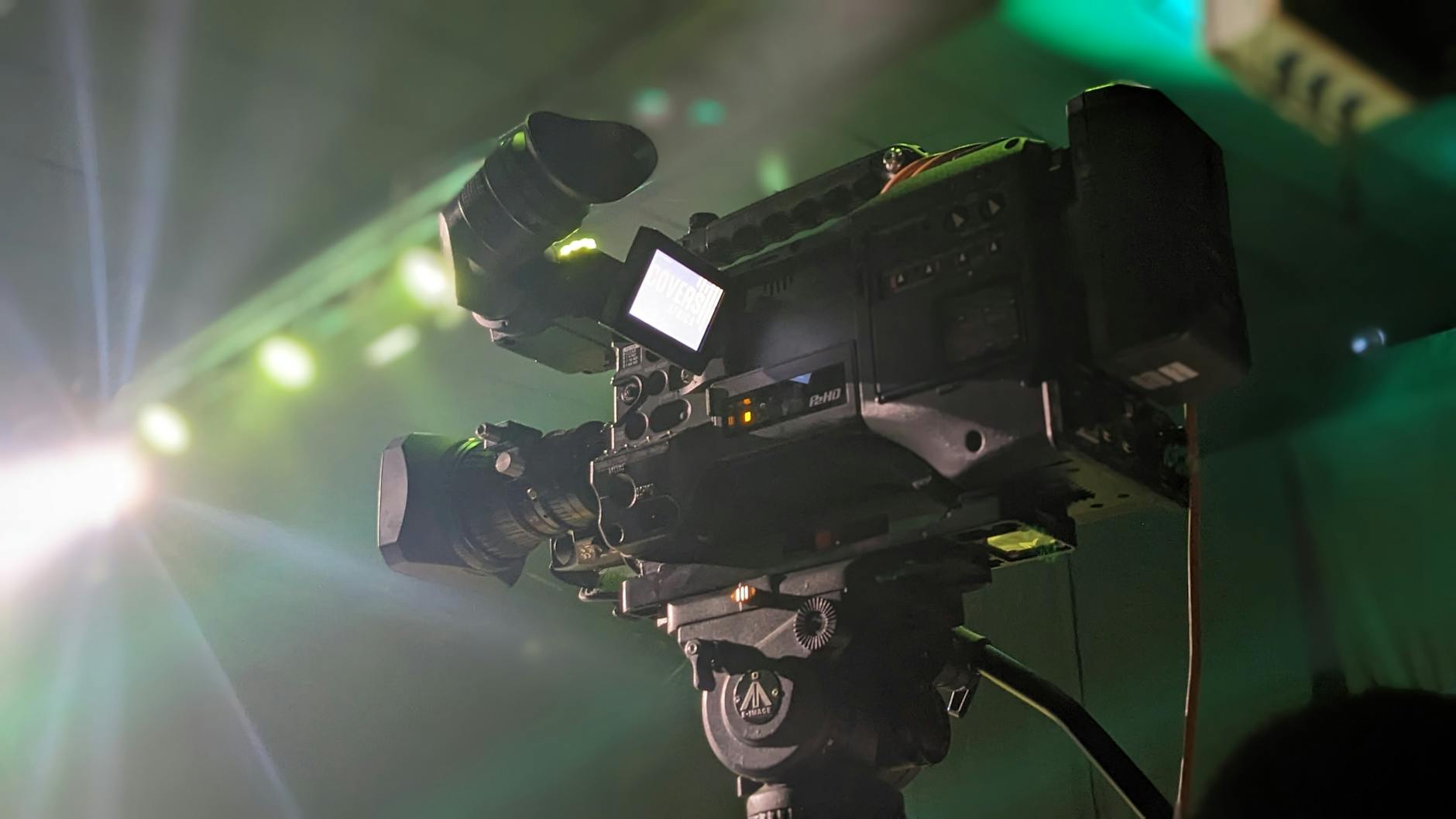
Production Techniques and Shooting Tips
Executing high-quality corporate videos in Miami requires meticulous attention to various production techniques that contribute to a polished final product. Proper lighting setup is essential to highlight key subjects and convey the desired mood. Utilizing both natural light and professional lighting equipment allows for versatility, especially considering Miami's dynamic outdoor environments. When shooting outdoors, diffusers and reflectors help control sunlight and prevent harsh shadows, ensuring consistent visual clarity throughout the footage. 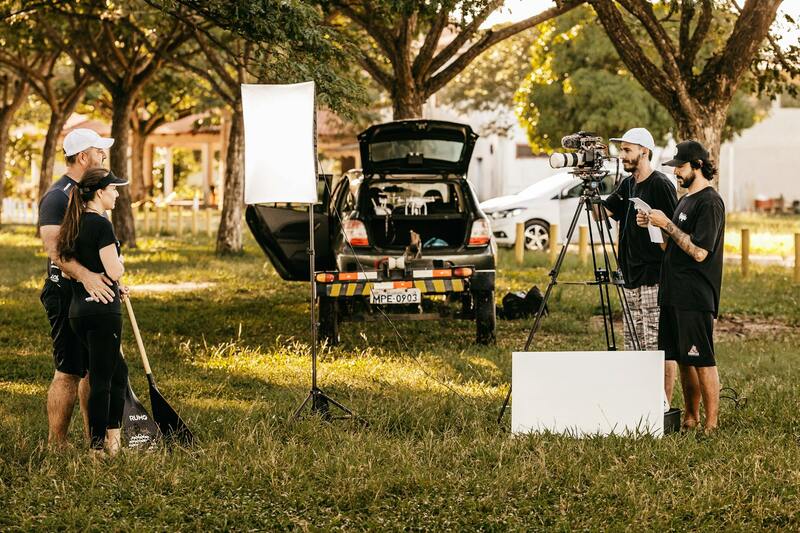
Sound quality plays a critical role in professional corporate videos. Utilizing high-quality microphones, such as shotgun or lapel mics, ensures clear audio capture even in noisy urban or outdoor settings. Employing windshields helps combat wind interference during outdoor filming, common in Miami’s breezy coastal areas. It’s advisable to monitor audio levels continuously and record ambient sound separately for potential use in post-production, adding depth and context to your video.
Effective camera angles and shot composition create visual interest and reinforce your message. Employing techniques like rule of thirds and leading lines enhances focus on the subject. Utilizing multiple camera angles offers versatility during editing, allowing for dynamic sequences that keep viewers engaged. Incorporating smooth camera movements, such as tracking shots or dolly-in/out, adds production value and contemporary aesthetics. Stability is crucial—using tripods and stabilizers prevents shaky footage, which can undermine perceived professionalism.
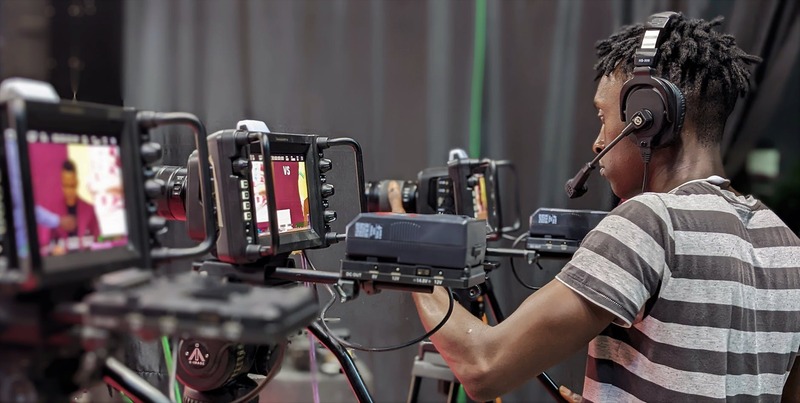
On-set coordination is pivotal for seamless shooting. Clear communication among crew members, from the director to the camera operators, ensures everyone understands their roles and shot schedules. Utilizing walkie-talkies or headsets facilitates real-time updates, enabling quick adjustments. Set organization—including marked positions for talent and equipment—reduces downtime and keeps the shoot on schedule. Regularly reviewing footage on-site guarantees that shots meet quality standards and allows for immediate retakes if necessary.
Post-shoot, reviewing all footage in meticulous detail helps identify the best takes for editing. Maintaining organized shot logs simplifies the editing process, ensuring no essential shots are overlooked. Attention to detail during this stage ensures the final video aligns with your brand’s objectives and maintains the integrity of your message.
Post-Production and Editing
After completing the filming process, the focus shifts to post-production, where the raw footage transforms into a coherent and compelling corporate video. This stage involves meticulous editing to ensure the visual narrative aligns with the company’s objectives and messaging standards. Editors work with specialized software to cut and arrange clips, choosing the most impactful takes to craft a seamless story. Color correction plays a vital role, enhancing the visual consistency throughout the video and emphasizing the desired mood or tone. Adjustments to brightness, contrast, and saturation help achieve a polished look that matches the brand’s aesthetic.
Sound editing is equally crucial, as clear audio quality enhances viewer engagement and comprehension. Background noise is minimized, dialogue is enhanced for clarity, and appropriate sound effects or music are added to evoke the intended emotional response. Sound balancing ensures dialogue, music, and ambient sounds are well-integrated, providing a professional auditory experience.
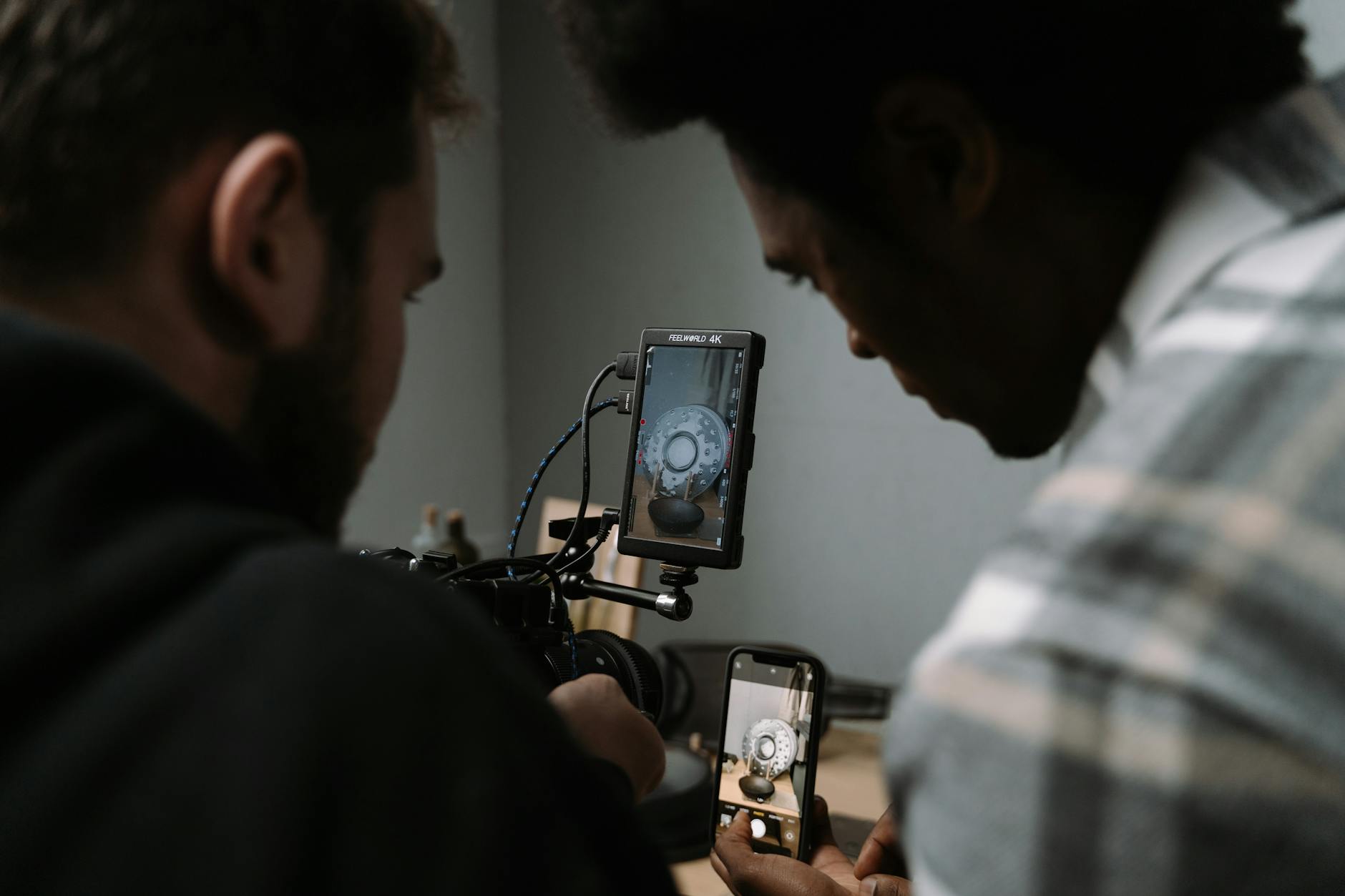
Incorporation of motion graphics and visual effects can elevate the final product, adding branding elements such as logos, lower thirds, and animated text. These graphics should complement the message and reinforce brand identity, making the content more engaging without overwhelming viewers.
During editing, it is essential to maintain consistency with brand guidelines, including color schemes, fonts, and overall style. Final review sessions should focus on ensuring all elements align perfectly with the company’s branding standards and messaging goals.
Once the editing process is finalized, the video undergoes formatting for various distribution channels. Different formats and resolutions are prepared for online platforms, presentations, or broadcast media. Quality assurance checks are conducted to address any remaining issues, ensuring the output meets high standards of clarity, visual appeal, and professionalism.
Local Considerations for Miami-based Corporate Videos
Producing corporate videos within Miami requires attention to regional nuances that can influence the overall impact of the final product. Miami's vibrant multicultural environment offers a unique opportunity to craft videos that resonate with diverse audiences, reflecting the city's dynamic energy and cultural richness. When planning a corporate video tailored for the Miami market, it is essential to consider local sights, landmarks, and community elements that can enhance the authenticity and relevance of the content.
Leveraging Miami's well-known aesthetics—such as iconic beaches, colorful art deco architecture, and lively cityscapes—can create visually compelling backgrounds that capture viewers’ attention. These elements not only showcase the local flavor but also reinforce the company’s connection to the Miami community.
Furthermore, understanding the local business climate and cultural sensitivities contributes to more effective messaging. Miami’s diverse demographic offers an opportunity to highlight inclusivity and cultural appreciation, improving engagement and fostering trust with a broader audience.
Weather considerations are also crucial. Miami's tropical climate means that outdoor shoots should be scheduled during periods with less rain and optimal lighting conditions to ensure high-quality footage. Having contingency plans for weather disruptions can prevent delays and ensure the seamless flow of production.
Another factor involves identifying appropriate venues that reflect the company’s brand image while providing practical settings for filming. Whether it’s a sleek downtown office, an innovative tech hub, or a popular local landmark, choosing the right location enhances the narrative and visual appeal of the corporate video.
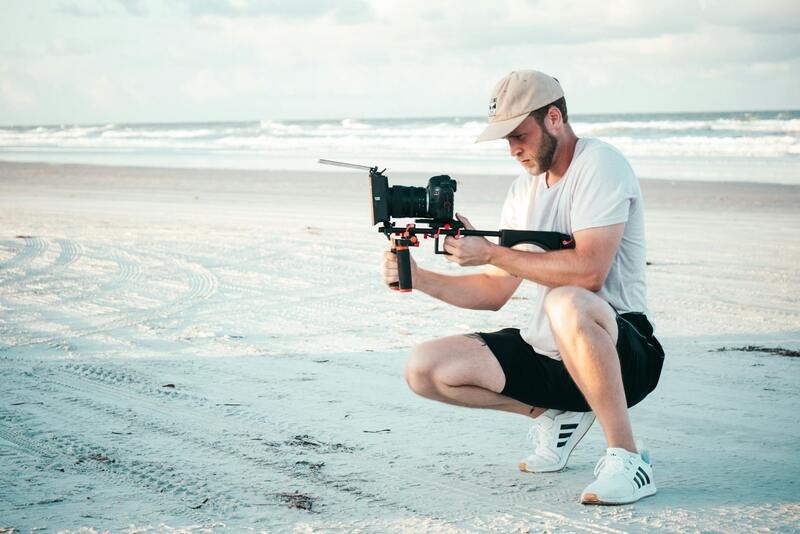
Integrating local elements with professional production techniques ensures that Miami-based corporate videos not only communicate the intended message effectively but also resonate with viewers on a cultural level. This localized approach helps strengthen brand presence within the Miami market, demonstrating an understanding and appreciation of the community’s identity.
Effective Use of On-Camera Talent and Voiceover
In corporate video making, selecting the right on-camera talent is vital for conveying professionalism and authenticity. Whether reviewing executive insights, product demonstrations, or customer testimonials, the individuals appearing on camera should be well-prepared and aligned with the company's brand voice. Proper coaching on delivery, body language, and attire can significantly enhance the video's overall impact. Moreover, considering diverse representation is essential for resonating with Miami’s multicultural audience, making inclusivity a priority during talent selection.
Ensuring Quality Audio and Visual Elements
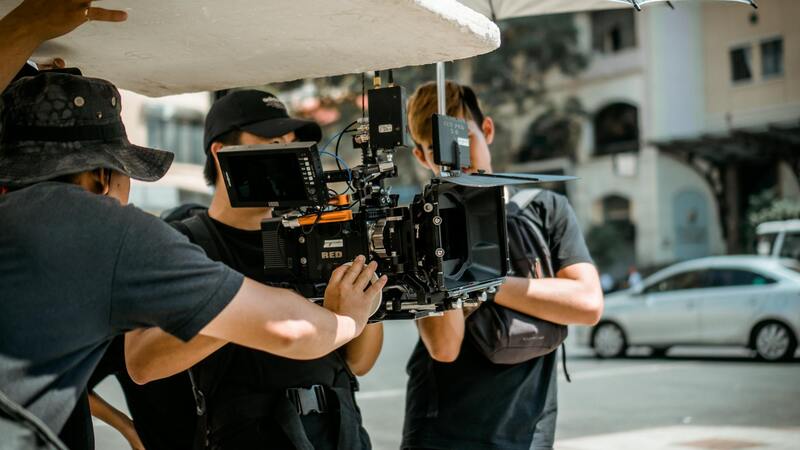
High production quality hinges on precise audio and visual capture. Utilizing professional-grade microphones, proper lighting setups, and camera equipment ensures that the message is clear and visually engaging. In outdoor settings, managing ambient noise and lighting can pose challenges, but this can be mitigated through soundproofing techniques and diffused lighting solutions. When shooting indoors, controlling light sources and reflections enhances clarity while avoiding distractions. These technical considerations are fundamental for creating corporate videos that appear polished and credible.
Incorporating B-Roll and Supporting Footage
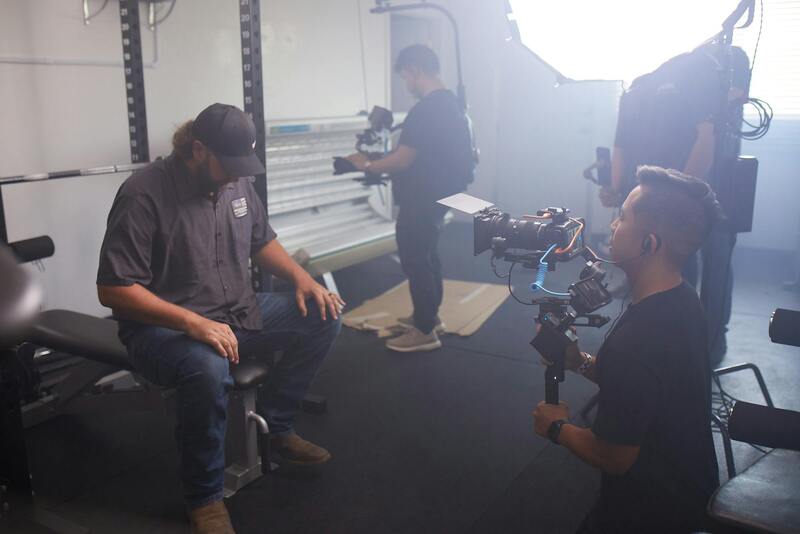
Complementing primary shots with B-roll footage enriches the storytelling process. B-roll can include scenes of the company's premises, employees at work, community involvement, or product usage in real-life scenarios. This supplementary footage provides context, enhances visual interest, and maintains viewer engagement. When planning the shoot, it’s crucial to identify key B-roll elements that support the narrative, ensuring they are captured efficiently without disrupting the main filming schedule. Proper integration of B-roll during editing allows for smooth transitions and a more dynamic final product.
Utilizing Captions, Graphics, and Call-to-Actions
Visual enhancements such as captions, animations, and graphics significantly boost the video's clarity and engagement levels. Captions aid viewers in understanding key messages, especially in noisy environments or when viewers watch without sound. Incorporating branded graphics and lower thirds underscores company identity and highlights important information. Additionally, strategically placing call-to-action (CTA) elements guides viewers toward desired outcomes, such as visiting a website or contacting the company. These elements, when thoughtfully integrated, turn a simple video into a powerful marketing tool that drives engagement and responses.
Understanding Corporate Video Making
Producing an effective corporate video requires a strategic approach that aligns with your company's goals, brand identity, and target audience. It involves a series of stages that ensure the final product resonates with viewers and delivers your core message persuasively. From concept development to final distribution, each phase plays a pivotal role in crafting a compelling narrative that elevates your company's image and supports marketing objectives.
Pre-Production Planning
Before filming begins, detailed planning sets the foundation for success. This phase includes defining the video's purpose, understanding the target demographic, and establishing clear objectives. A comprehensive script or storyboard guides the production process, ensuring that every shot aligns with your strategic goals. Selecting appropriate locations, casting personnel, and scheduling shoots are meticulously coordinated to optimize efficiency and resource use. Additionally, obtaining necessary permits and securing equipment rentals are part of this groundwork, reducing potential delays and complications during the filming process.
Shooting Techniques and Best Practices
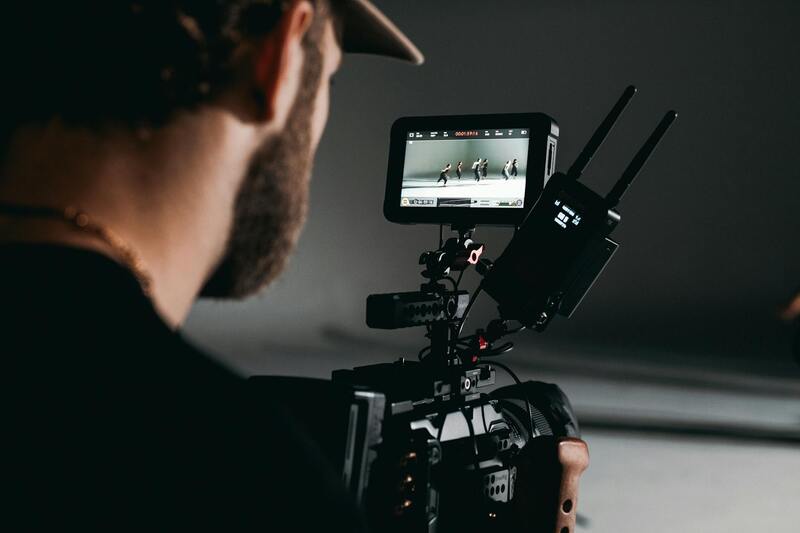
During production, employing professional filming techniques guarantees high-quality visuals. Consistent framing, careful lighting, and clear audio capture are vital. Utilizing a variety of shot types—such as close-ups, wide angles, and dynamic camera movements—adds visual interest and emphasizes key messages. In scenarios where interviews or testimonials are involved, framing subjects with proper background and lighting enhances credibility. Moreover, capturing ample B-roll footage—scenes of the work environment, product demonstrations, or community engagement—affords flexibility during editing, allowing for a more polished and engaging final product.
Image Placeholder
Post-Production Techniques
The editing process refines raw footage into a cohesive narrative. Effective editing involves selecting the strongest clips, arranging them in a logical sequence, and applying transitions that maintain viewer engagement. Color grading ensures visual consistency, while audio mixing enhances clarity and mood. Incorporating graphics, animated text, and branded elements improves storytelling, making complex information more digestible. Sound design, including background music and sound effects, adds depth and emotional resonance. Finalizing the video also involves compressing files to optimize playback across various platforms without compromising quality.
Image Placeholder
Distribution and Promotion
Once finalized, effectively distributing the corporate video maximizes its impact. Leveraging multiple channels—such as your website, social media platforms, email campaigns, and internal communication channels—ensures broad reach. Tailoring the content format to each platform enhances viewer engagement, whether through short clips for social media or detailed presentations for internal stakeholders. Incorporating analytics helps track viewership and engagement metrics, offering insights that inform future video strategies. Strategic timing of releases, coupled with targeted outreach, amplifies message penetration and facilitates audience interaction.
Enhancing Reach with Local Considerations in Miami
In Miami, adhering to regional preferences and cultural nuances enhances the effectiveness of corporate videos. Using local landmarks, multicultural elements, and regional accents helps forge authentic connections with the community. It’s essential to understand local regulations surrounding filming permits, location rights, and content distribution while working with Miami-based production teams. Integrating local stories or testimonials add credibility and relatability, resonating more deeply with regional audiences. Additionally, leveraging local media outlets and community networks can significantly boost visibility, ensuring that your message reaches the desired demographic with maximum impact.