Understanding Corporate Video Content
Corporate video content serves as a vital communication tool that helps organizations convey their messages, showcase their brand identity, and establish a strong connection with their audience. Unlike traditional marketing channels, these videos are crafted to deliver concise, impactful narratives tailored to various business contexts such as marketing campaigns, internal communications, investor relations, and training modules. Their primary goal is to articulate complex ideas clearly and engagingly, ensuring the message resonates with viewers across different platforms and devices.
In today’s digital landscape, corporate videos play an increasingly integral role in reinforcing brand recognition and credibility. They enable companies to visually tell their stories—highlighting achievements, demonstrating products or services, and sharing corporate values. This form of visual storytelling fosters trust and engagement, which are critical to building lasting relationships with clients, partners, and employees alike.

Effective corporate video content is characterized by its strategic approach, aligning with the organization’s overarching goals. Whether used for outreach, internal motivational purposes, or educational content, these videos serve as an extension of the company’s brand narrative. They provide a dynamic and accessible platform to deliver key messages, support marketing efforts, and foster a cohesive corporate identity.
Goals and Objectives of Corporate Videos
The fundamental purpose of corporate video content revolves around several core objectives. These include elevating brand visibility, engaging target audiences, educating stakeholders, and supporting sales initiatives. Clear articulation of these goals ensures that each video is purpose-driven, effectively contributing to the organization’s overall strategic aims.
- Enhance brand awareness by showcasing unique company attributes
- Drive engagement through compelling storytelling
- Demonstrate expertise and thought leadership in the industry
- Support sales and marketing initiatives with product or service highlights
- Improve internal communication and employee engagement
- Convey corporate social responsibility initiatives and community involvement
Types of Corporate Video Content
Corporate videos encompass a broad spectrum of formats designed to meet various communicative needs:
- Brand Videos: Focused on establishing brand identity and core values.
- Product Demos: Highlighting features and benefits of specific products or services.
- Training and Educational Videos: Designed to instruct employees or customers on processes and best practices.
- Event Coverage: Showcasing company events, conferences, or seminars.
- Testimonial Videos: Featuring clients or employees sharing positive experiences.
- Company Culture Videos: Providing insight into the organizational environment to attract talent and strengthen internal cohesion.
Planning and Pre-production Process
Successful corporate video projects begin long before filming starts. The planning and pre-production phase involves setting clear objectives, defining target audiences, and developing a detailed concept. This stage includes scriptwriting, storyboarding, location scouting, and assembling the necessary equipment and personnel. Establishing a timeline and budget at this stage ensures the project remains aligned with organizational expectations and resource availability.
Pre-production also requires collaboration across departments to gather insights and approval, ensuring that the messaging resonates accurately with the intended demographic. Proper planning mitigates risks during production and streamlines the filming process, ultimately resulting in a polished, impactful final product.

Understanding Corporate Video Content
Effective corporate video content plays a pivotal role in shaping a company's image and communicating its message to diverse audiences. Whether it's a compelling brand story or an instructional module, these videos serve as strategic tools that can enhance engagement, convey professionalism, and foster trust. The creation of such content demands adherence to established, reliable methods that uphold the integrity and clarity of the message, ensuring that it resonates with the target demographic.

Careful planning and execution are essential to produce content that aligns with organizational goals, communicates complex ideas effectively, and engages viewers authentically. These videos encompass various formats tailored to specific audiences and purposes, including promotional clips, educational tutorials, and stakeholder updates. To achieve these objectives, organizations must implement robust production workflows rooted in proven methodologies.
Adhering to Proven Methods in Corporate Video Production
Utilizing legitimate and well-established methods in the crafting of corporate videos is crucial for maintaining quality and credibility. Such approaches involve step-by-step processes that guarantee consistency and professionalism throughout the project lifecycle:
- Recognition of audience needs: Understanding the target demographic’s preferences and expectations informs content development, ensuring relevance and engagement.
- Clear messaging and scripting: Developing scripts that are concise, aligned with brand voice, and tailored to the audience enhances comprehension and retention.
- Pre-production planning: This phase includes detailed storyboarding, site selection, and resource allocation, which set the foundation for a smooth filming process.
- Professional filming practices: Employing industry-standard equipment and techniques helps capture high-quality visuals and audio, reflecting organizational professionalism.
- Rigorous editing protocols: Post-production involves meticulous editing to ensure coherence, branding consistency, and polished visuals, adhering to established editing standards.
- Strategic distribution planning: Selecting appropriate channels and formats ensures the video reaches its intended audience effectively.
Every phase of the process is grounded in authenticated methods that prioritize authenticity, clarity, and impact. This disciplined approach minimizes risks associated with inconsistency or subpar production quality, ultimately delivering a corporate video capable of reliably supporting organizational communication objectives.
Utilizing Official Techniques for Optimal Results
Employing official and industry-recognized techniques in corporate video content creation involves specific practices:
- Use of professional equipment: High-definition cameras, proper lighting, and quality sound equipment ensure visual and auditory excellence.
- Standardized scripting and storyboarding tools: Utilizing official templates and guidelines facilitates clarity and coordination among teams.
- Consistent branding elements: Applying official color schemes, fonts, and logos maintains brand integrity across all video content.
- Structured review and approvals: Implementing formal review stages with designated stakeholders ensures content accuracy and strategic alignment.
- Compliance with industry standards: Adhering to best practices in video production, including lighting, framing, and editing conventions, enhances professionalism and credibility.
By strictly following these legitimate techniques, organizations can produce corporate videos that are not only visually appealing but also effective in conveying their message reliably. This methodology builds trust, reinforces brand identity, and supports various strategic communication goals, from marketing campaigns to internal training initiatives.
Technical Aspects and Best Practices in Corporate Video Content Creation
Creating impactful corporate videos necessitates diligent attention to technical precision and adherence to established best practices. These elements ensure that the final product aligns with corporate standards and effectively communicates the intended message.
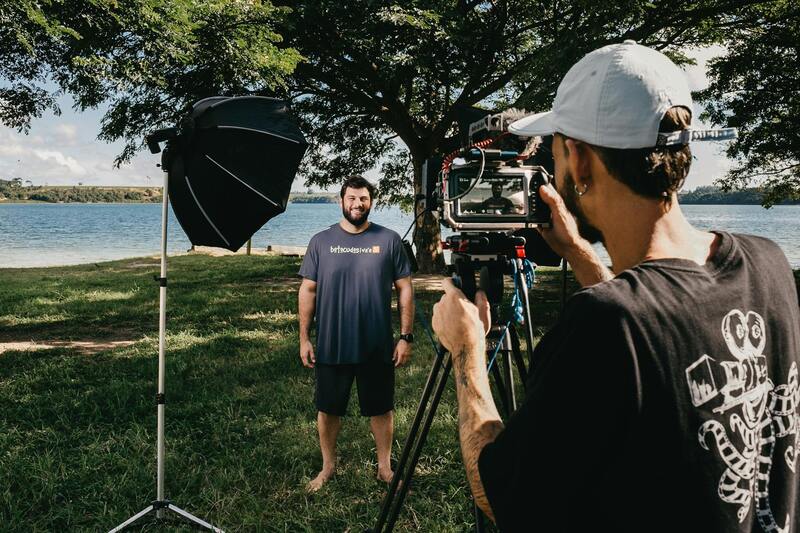
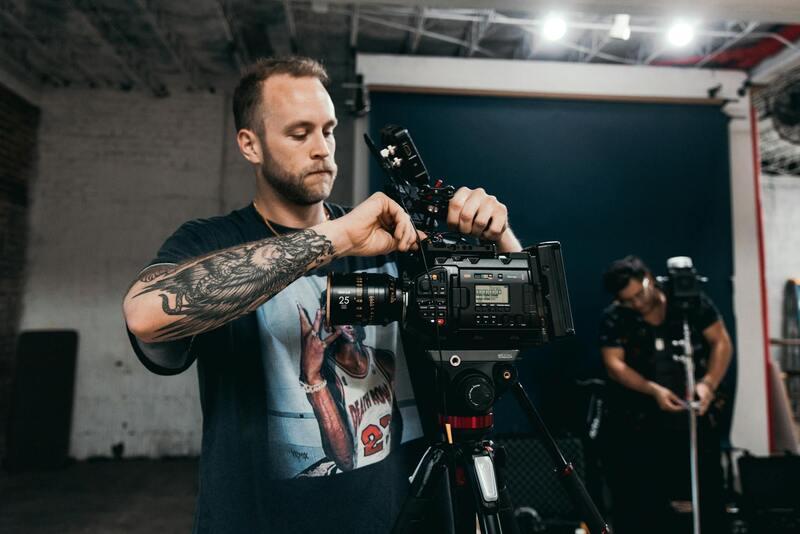
Employing high-quality equipment is fundamental. Professional-grade cameras capable of capturing high-definition footage provide clarity and detail that elevate the visual appeal of the video. Proper lighting setups are equally essential; they eliminate shadows and highlight key subjects, resulting in a polished appearance. Sound quality must not be overlooked, with the use of directional microphones and soundproof environments to minimize background noise and ensure clear audio delivery.
Pre-production planning involves meticulous scripting and storyboarding. Utilizing official templates and industry-standard guidelines facilitates clear communication among team members and ensures consistency in messaging. This stage also includes establishing branding elements, such as color schemes, fonts, and logo placements, which should be uniformly applied across all footage to maintain brand integrity.
Structured review and approval processes must be integrated into the workflow. Designated stakeholders review drafts to verify content accuracy, adherence to corporate messaging, and strategic objectives. This formal review process prevents errors and ensures that the final cut aligns with organizational standards.
Consistent application of industry standards during filming and editing, such as appropriate framing, color grading, and pacing, enhances professionalism. Standardized protocols for transitions, graphics, and captions contribute to a cohesive viewing experience, reinforcing the message effectively.

Implementing these legitimate techniques not only improves visual and auditory quality but also fosters trust with viewers by demonstrating a commitment to excellence. These practices also streamline the production process, minimizing revisions and accelerating delivery timelines.
Finally, distribution strategies must be aligned with organizational goals. Choosing appropriate platforms—such as internal portals, social media channels, or industry events—maximizes reach and engagement. Metrics and analytics tools are crucial in evaluating the video’s impact and return on investment, informing future content development.
Types of Corporate Video Content
Creating effective corporate videos involves selecting the appropriate content type to meet specific organizational objectives. These can be categorized into several distinct formats, each serving a unique purpose in conveying messages and engaging target audiences.
- Brand Awareness Videos: Designed to introduce and reinforce a company's brand identity, these videos highlight core values, mission statements, and the overall brand story. The focus is on building recognition and establishing a memorable impression among viewers.
- Product Demonstrations: These videos showcase product features, benefits, and usage instructions. They often include close-up shots, step-by-step guides, and testimonials to illustrate value and encourage purchase decisions.
- Corporate Testimonials: Featuring satisfied clients, partners, or employees, testimonial videos provide authentic insights into the company's reputation, work environment, or customer satisfaction levels, fostering trust among potential clients.
- Training and Educational Content: Used internally or externally, training videos facilitate onboarding, skill development, and compliance training. Well-structured educational content ensures clarity and engagement across diverse audiences.
- Event Coverage: Documenting corporate events, conferences, or product launches, these videos capture moments that demonstrate company vitality and stakeholder engagement.
- Internal Communications: These include executive messages, company updates, and motivational videos that enhance transparency and foster a cohesive organizational culture.
- Recruitment Videos: To attract top talent, organizations develop videos that highlight company culture, benefits, and career opportunities, making a compelling case for potential applicants.
Strategic Approaches to Corporate Video Content
Developing impactful corporate videos requires a strategic plan that aligns content types with overarching business objectives. This involves understanding target audiences, selecting appropriate messaging styles, and determining distribution channels to maximize reach. A comprehensive approach ensures consistency across all video assets, reinforcing brand identity and messaging continuity. It also involves leveraging storytelling techniques that resonate emotionally with viewers, creating memorable and persuasive content that drives action. Additionally, integrating analytics to monitor viewer engagement and feedback helps refine future video campaigns, ensuring continuous improvement and enhanced return on investment.
Understanding Corporate Video Content
Corporate video content serves as a dynamic tool for organizations to communicate their messages effectively across multiple platforms. By integrating visual storytelling with targeted messaging, these videos help build brand awareness, foster stakeholder trust, and communicate complex information in an accessible manner. Such content ranges from promotional pieces to detailed explainer videos, each crafted to meet specific organizational goals. The importance of using legitimate methods in creating corporate videos underscores the necessity of maintaining brand integrity, ensuring compliance with industry standards, and reaching audiences through credible, high-quality content. Recognizing the nuances of corporate video production enhances a company's ability to sustain a professional image and establish lasting connections with viewers. When executed correctly, corporate video content becomes an integral part of an organization’s overarching communication strategy, reinforcing key values, showcasing achievements, and supporting marketing initiatives.
Goals and Objectives of Corporate Videos
Establishing clear objectives is essential for creating impactful corporate videos. Typical goals encompass increasing brand awareness, demonstrating thought leadership, supporting internal communication, and driving lead generation. Each objective requires a tailored approach to content development, ensuring that messages resonate authentically with target audiences. For instance, videos aimed at enhancing brand reputation should focus on storytelling that highlights company values and success stories, while recruitment videos must showcase company culture and career growth opportunities convincingly.
Operational transparency and stakeholder engagement are also primary objectives, often achieved through behind-the-scenes footage, interviews, and corporate social responsibility programs. These videos help foster loyalty and trust by offering a genuine glimpse into organizational practices and social commitments. Ultimately, well-defined goals guide the entire production process, from scripting and filming to distribution, ensuring cohesive messaging aligned with strategic organizational outcomes.
Types of Corporate Video Content
Corporate videos encompass a diverse array of formats, each serving distinct communication needs:
- Branding Videos: Focused on cultivating a strong brand identity, these videos often include brand stories, mission statements, and visual branding elements that communicate company values.
- Product Explainer Videos: These demonstrate product features, benefits, and usage instructions, helping potential customers understand offerings comprehensively.
- Corporate Testimonials: Featuring client or employee testimonials, these videos build credibility and trust by showcasing authentic experiences.
- Training and Educational Content: Designed to enhance employee skills and knowledge, such videos include tutorials, safety instructions, and onboarding materials.
- Event Coverage: Documenting corporate events, conferences, or product launches, these videos capture moments that demonstrate company vitality and stakeholder engagement.
- Internal Communications: These include executive messages, company updates, and motivational videos that enhance transparency and foster a cohesive organizational culture.
- Recruitment Videos: To attract top talent, organizations develop videos that highlight company culture, benefits, and career opportunities, making a compelling case for potential applicants.

Planning and Pre-production Process
Effective corporate video creation begins with meticulous planning and pre-production efforts. This phase involves defining the target audience, establishing the key messaging, and selecting appropriate content formats aligned with strategic goals. Developing a detailed script and storyboard is crucial, ensuring clarity and coherence throughout the video. Once the content blueprint is ready, logistical arrangements such as location scouting, casting, and scheduling are undertaken. Contracting a reputable production agency adept in corporate filming ensures adherence to industry standards and quality benchmarks.
Furthermore, considering legal permissions and rights, securing necessary permits, and ensuring compliance with privacy policies are vital steps. This comprehensive planning minimizes disruptions during production and facilitates a smoother workflow, ultimately resulting in a polished, professional final product accessible via legitimate distribution channels. A well-organized pre-production process guarantees that each component aligns, enabling seamless execution and maximized impact of the resulting corporate video.
Production and Filming Considerations
During the production phase of corporate video content, several critical factors ensure the delivery of a high-quality final product that resonates with its target audience. One of the foremost considerations is the selection of suitable locations, which should complement the video's narrative and reinforce the brand image. Selecting accessible, visually appealing, and controlled environments minimizes disruptions and enhances the overall aesthetic of the footage. Additionally, the importance of professional lighting and sound equipment cannot be overstated, as these elements directly influence the clarity of messaging and viewer engagement.
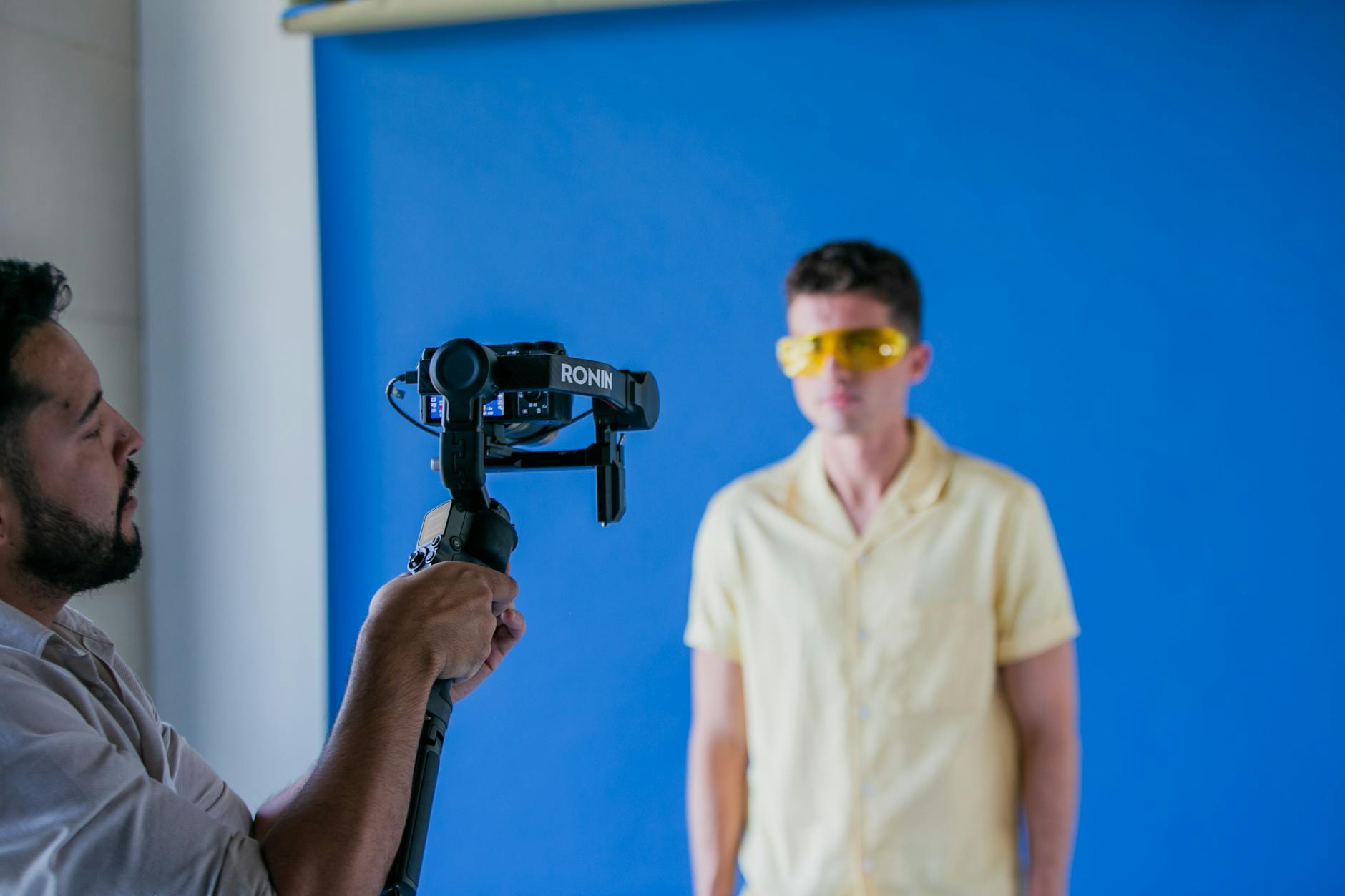
A well-coordinated team of filming professionals, including camera operators, lighting technicians, and sound engineers, work in unison to capture footage with precision. They utilize advanced equipment such as high-definition cameras, stabilization tools, and lapel or shotgun microphones, which collectively ensure the production values meet industry standards. This technical expertise results in sharp visuals, clear audio, and dynamic compositions that effectively communicate the intended message.
Content-specific considerations vary depending on the type of corporate video being produced. For instance, interview-based videos benefit from multiple camera angles, well-designed backdrop settings, and seamless editing to maintain viewer interest. Product demonstrations or service overviews require close-up shots, professional lighting to highlight features, and detailed shot lists to ensure all key points are covered.
Furthermore, the filming process emphasizes adherence to the pre-approved script and storyboard developed during pre-production. Maintaining consistency with branding elements such as logos, color schemes, and messaging guidelines ensures the output aligns with corporate identity. Effective communication among team members and continuous monitoring during filming facilitate real-time adjustments, securing high standards for the captured footage.
Post-filming, the footage is meticulously reviewed and organized for editing. This phase involves selecting the best takes, trimming unnecessary segments, and aligning visuals with the planned narrative structure. The use of professional editing software allows for precise adjustments, transitions, and synchronization of audio and visual components. Incorporating visual effects and branding elements during editing reinforces brand recognition and enhances the overall quality. Sound design also plays a pivotal role, including background music, voiceovers, and sound effects, all of which contribute to the viewer's emotional engagement. Final revisions involve stakeholder reviews, enabling continual refinement to ensure the content meets strategic objectives and maintains a high standard of professionalism. Engaging in a thorough review process before distribution ensures the corporate video content is polished, consistent with brand standards, and ready for deployment through appropriate channels. Deploying official and credible distribution pathways guarantees that the video reaches the target audience effectively, achieving maximum impact and fostering the desired organizational message.
Distribution and Promotion Strategies
Once the corporate video content has been meticulously crafted and finalized, strategic distribution and promotion become essential to maximize its impact. Leveraging official channels ensures that the content reaches the intended audience effectively while maintaining professional standards. Prioritizing platforms such as the company's official website, verified social media accounts, and targeted email campaigns guarantees that the messaging is delivered through trusted and reputable avenues.
Social media channels, including LinkedIn, Twitter, Facebook, and Instagram, provide a dynamic environment for sharing corporate videos. Tailoring content formats to suit each platform can augment engagement; this includes shorter clips for social feeds, behind-the-scenes snippets, or extended versions for more in-depth storytelling. Embedding videos within blog posts or news updates on the corporate website enhances SEO by reinforcing relevant keywords and improving organic search visibility.
Internal channels such as employee portals, intranet pages, or internal broadcasts are equally vital. They ensure the message reaches employees directly, fostering engagement and internal brand advocates. Moreover, hosting videos on dedicated landing pages with optimized metadata creates a centralized hub for all corporate video content, making it easier for stakeholders to access and share pertinent information.

To enhance visibility, establishing a content calendar for ongoing video releases maintains consistent communication and keeps audiences engaged over time. Collaborating with industry partners or media outlets for official press releases and features can further amplify the reach of highly impactful videos. Employing targeted advertising campaigns with precise demographic controls and geo-fencing options allows organizations to connect with specific audience segments, maximizing the return on promotional investments.
Ensuring that all promotional efforts adhere to branding guidelines helps preserve the professional image and reinforces brand identity across all channels. Utilizing analytics tools to monitor viewing patterns, engagement rates, and audience feedback provides valuable insights. This data can inform adjustments to distribution tactics, optimizing future video campaigns for better outreach and message resonance.
By systematically combining official distribution mechanisms with targeted promotional strategies, organizations can significantly enhance the effectiveness of their visual communication efforts, ensuring the corporate message is conveyed clearly, professionally, and with maximum reach.
Strategies for Effective Distribution of Corporate Video Content
Distributing corporate video content through official channels is essential for maximizing reach and impact. Establishing a well-structured distribution plan ensures that the right audience receives the message at the right time, reinforcing brand values and fostering engagement.
Utilizing Corporate Website and Internal Platforms
The corporate website serves as a central hub for showcasing professionally produced videos. Embedding videos on landing pages dedicated to specific campaigns or products not only enhances visitor experience but also improves search engine visibility. Internal platforms such as intranet portals or employee portals facilitate engagement within the organization, fostering a sense of community and aligning employees with company goals.
Leveraging Social Media Channels
Social media platforms offer targeted outreach options, allowing companies to tailor content to specific demographics. Regular posting on platforms like LinkedIn, YouTube, Facebook, and Instagram enables consistent engagement and broadens the audience base. Optimizing videos with relevant tags, compelling thumbnails, and clear calls to action increases click-through rates and viewer retention.
Partnering with Industry Media and Influencers
Collaborating with industry-specific media outlets and influencers extends the reach of corporate videos beyond existing audiences. Press releases highlighting significant video releases can generate media coverage, while influencer promotion amplifies authenticity and trust among potential viewers. These partnerships often lead to higher engagement rates and greater brand visibility.

Implementing Targeted Advertising Campaigns
Paid advertising options, such as paid social media campaigns and search engine marketing, enable precise audience targeting based on demographics, interests, and geographic locations. Geo-fencing techniques provide further precision by delivering content to users within specific physical areas, making campaigns more relevant and increasing conversion potential.
Maintaining Consistency with Branding Guidelines
All promotional activities should align with established branding standards to uphold a professional image. Consistent visual themes, messaging, and tone reinforce brand identity and foster trust among viewers. This consistency helps position the company as a credible authority within the industry.
Monitoring and Analyzing Performance Metrics
Data-driven insights from analytics tools provide valuable feedback on how videos perform across various platforms. Key indicators include view counts, engagement rates, share metrics, and audience demographics. Regular analysis enables marketers to fine-tune distribution strategies, optimizing future campaigns for better engagement and resource allocation.