Understanding Corporate Promotional Videos
Corporate promotional videos serve as a vital tool in today’s competitive business landscape, especially for companies based in Miami seeking to enhance their visibility and communicate their brand message effectively. These videos are crafted with the aim of showcasing a company’s values, products, or services to a targeted audience through visually compelling and strategically designed content. Their primary purpose is to attract potential clients, investors, or partners by delivering a persuasive narrative that resonates emotionally and intellectually.
The role of corporate promotional videos extends beyond mere advertisement; they act as a dynamic platform for storytelling that captures the essence of a brand’s identity. In Miami, a city characterized by diversity and innovation, such videos are instrumental in differentiating businesses within saturated markets. By leveraging high-quality visual production, companies can showcase their unique offerings, corporate culture, and community involvement, thus fostering trust and recognition among viewers.
These videos are versatile assets that can be utilized across multiple channels—including social media, websites, trade shows, and internal communications. They serve as powerful branding tools that help establish a company’s authority and credibility in its industry. High-caliber corporate promotional content not only amplifies brand visibility but also enhances customer engagement, leading to increased sales and long-term business relationships.
Key Objectives of Corporate Video Production
- Building brand awareness and recognition
- Showcasing products, services, or company culture
- Engaging target audiences through compelling storytelling
- Generating leads and driving sales
- Enhancing internal communications and corporate training
- Establishing authority and credibility within the industry
Planning and Strategy Development
Effectively producing a corporate promotional video begins with meticulous planning and strategic development. This phase involves understanding the core objectives of the business, identifying the target audience, and defining the key messages that need to be communicated. A comprehensive strategy ensures that each element of the video aligns with the overall brand narrative and marketing goals.
During this stage, companies should conduct thorough market research to understand audience preferences, competitor positioning, and industry trends. This insight guides the creative concept, tone, and style of the video, ensuring it resonates with viewers and stands out in a crowded marketplace. Clearly outlining the video's purpose—whether to boost brand awareness, demonstrate product features, or highlight company values—is essential for guiding subsequent production steps.
As part of strategic development, establishing measurable objectives helps determine success criteria. These can include metrics such as viewer engagement rates, lead generation, or brand recognition assessments. Developing a timeline and budget plan is also critical, enabling teams to allocate resources effectively and adhere to project milestones without compromising quality.
Pre-Production Processes
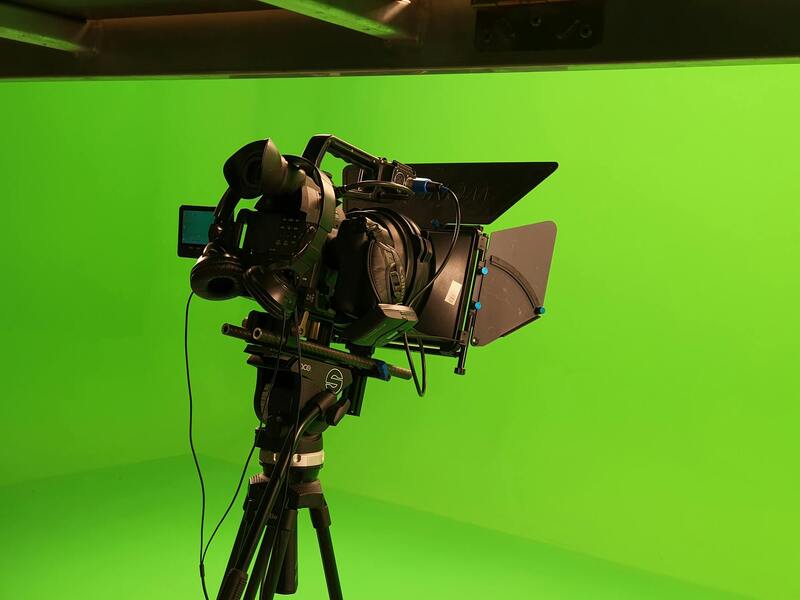
Pre-production forms the foundation of a seamless video creation process. This phase encompasses scriptwriting, storyboarding, location scouting, casting, and scheduling. Crafting a compelling script involves encapsulating the brand’s message into clear, engaging dialogue and visuals that resonate authentically with the target audience.
Storyboarding visualizes the narrative structure, scene layout, and camera angles, providing a blueprint for filming. Selecting suitable locations and cast members enhances authenticity and aligns with the brand image, especially when highlighting company culture or community involvement in Miami's vibrant settings.
Effective planning at this stage minimizes disruptions during production, as well-prepared crews and well-organized schedules help maximize filming efficiency. Securing permits and coordinating logistics are also crucial steps to ensure compliance with local regulations and smooth operations on shooting days.
Video Production Techniques
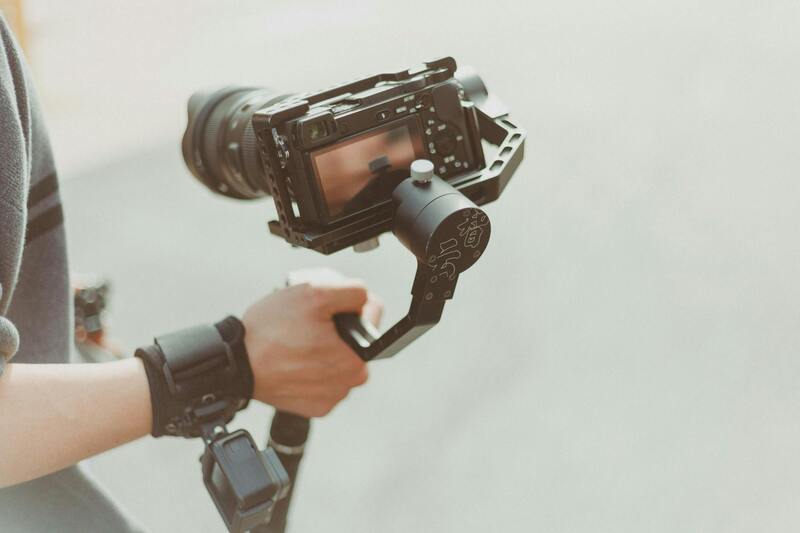
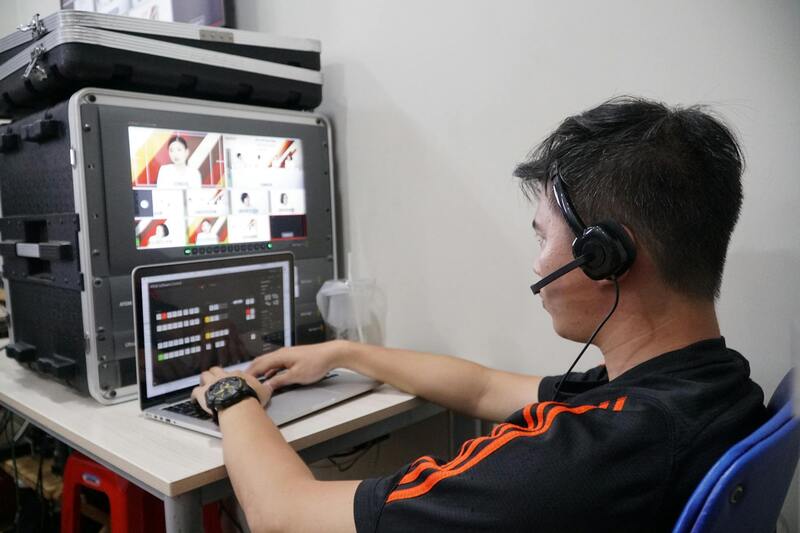
Executing the production phase involves deploying advanced filming techniques, state-of-the-art equipment, and skilled professionals. High-quality video production often utilizes 4K cameras, professional lighting, and stabilizing gear to enhance visual clarity and aesthetic appeal. Incorporating drone footage can add dynamic perspectives, especially in scenic Miami settings, emphasizing the city’s vibrant landscapes and urban environments.
Effective lighting enhances subject visibility and mood, while strategic camera movements create engaging visuals that captivate viewers. Directorial decisions regarding framing, depth of field, and motion graphics are crucial in conveying the desired message and maintaining viewer interest throughout the video.
In production, capturing authentic performances is key to establishing an emotional connection. On-site interviews, candid clips of team members, or client testimonials should be filmed with spontaneity and professionalism to enhance credibility and engagement.

Post-Production and Editing
The post-production phase involves editing footage to craft a cohesive narrative that aligns with strategic objectives. Skilled editors utilize advanced software to perform color grading, sound design, motion graphics, and visual effects that elevate the final product. Consistency in branding elements—such as logo placement, color schemes, and typography—ensures the video reinforces corporate identity.
Sound editing is equally important; clear voiceovers, balanced background music, and sound effects contribute to an immersive viewing experience. Revisions and client feedback loops are integral in refining the video to meet expectations and market standards.
Deliverables should be optimized for various platforms, including social media, corporate websites, presentations, and broadcast, with specifications suited for each medium. Ensuring compatibility and high-resolution output maintains visual integrity across devices and distribution channels.

Planning and Strategy Development
Developing a comprehensive plan is essential prior to embarking on the filming process for your corporate promotional video. Clear objectives serve as the foundation, guiding content creation and ensuring the final product meets business goals. Whether the aim is brand awareness, product launch, or corporate reputation enhancement, articulation of these goals influences every subsequent step.
Understanding your target audience is equally crucial. Detailed demographic analysis, including industry affiliation, job roles, and interests, helps tailor the message to resonate effectively. A well-defined audience profile determines tone, language, and visual style, making the content more engaging and impactful.
Message development involves crafting compelling narratives that align with the company's core values and strategic messaging. Consistent messaging reinforces brand recognition, builds trust, and invokes emotional connections with viewers. Creating a storyline that highlights unique selling propositions and corporate strengths ensures that viewers are both informed and motivated to engage further with the brand.
Incorporating competitive analysis also plays a role in strategy formulation. Analyzing industry competitors’ promotional videos helps identify opportunities for differentiation and highlights content gaps, enabling your company to position itself uniquely in the marketplace.
Establishing a detailed project timeline from inception through final delivery optimizes workflow and resource allocation. This includes setting milestones for script approval, filming schedules, review periods, and post-production deadlines, which collectively contribute to a smooth production process.
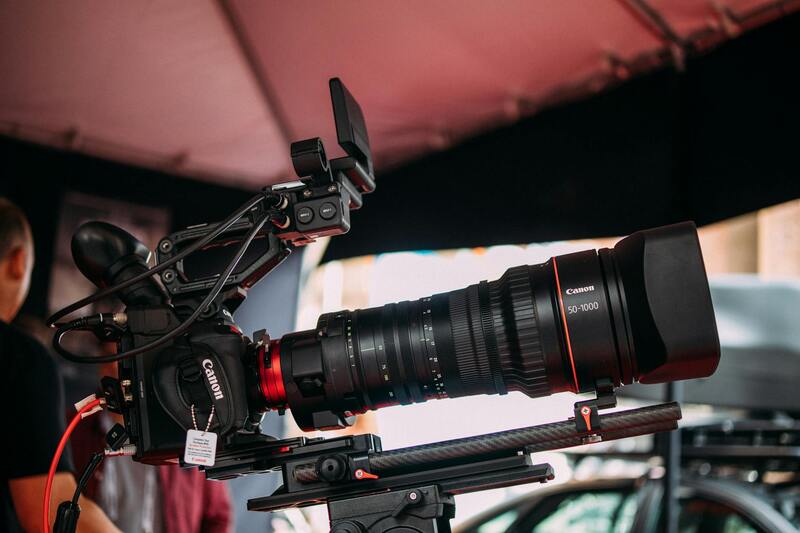
Budgeting is a fundamental aspect of planning, encompassing filming costs, talent fees, location expenses, equipment rentals, and post-production services. A well-structured budget aligned with anticipated outcomes helps prevent overspending and ensures resource efficiency.
Finally, risk management planning anticipates potential challenges, from logistical issues to scheduling conflicts. Including contingency measures ensures that production stays on track, preventing delays and maintaining quality standards. By establishing a well-considered strategy rooted in clear objectives and thorough analysis, your corporate promotional video will be better positioned to achieve its intended impact and deliver measurable results.
Methods to Obtain Official Footage for Corporate Promotional Videos
When producing a corporate promotional video, securing authentic and high-quality footage is paramount to convey professionalism and credibility. It is essential to rely exclusively on legitimate sources that uphold the highest standards of integrity and authenticity. These sources ensure that the visuals used accurately represent your brand, facilities, and offerings, fostering trust with your audience.
Utilizing Company-Owned Content
The most straightforward and trustworthy method involves leveraging footage and images captured in-house. This includes videos and photographs taken during corporate events, product launches, facility tours, or employee testimonials. By utilizing content directly produced by your team, you retain full control over the narrative and presentation, ensuring alignment with your brand’s messaging and standards.
Engaging Professional Videographers and Photographers
Partnering with reputable media production firms or freelance professionals with proven experience in corporate content guarantees access to high-quality, legitimate footage. These experts possess the technical skills and equipment necessary to produce original visuals tailored to your specific objectives. They can provide comprehensive shoots that capture your brand’s essence while adhering to industry best practices for lighting, sound, and camera operation.
Stock Footage and Image Libraries
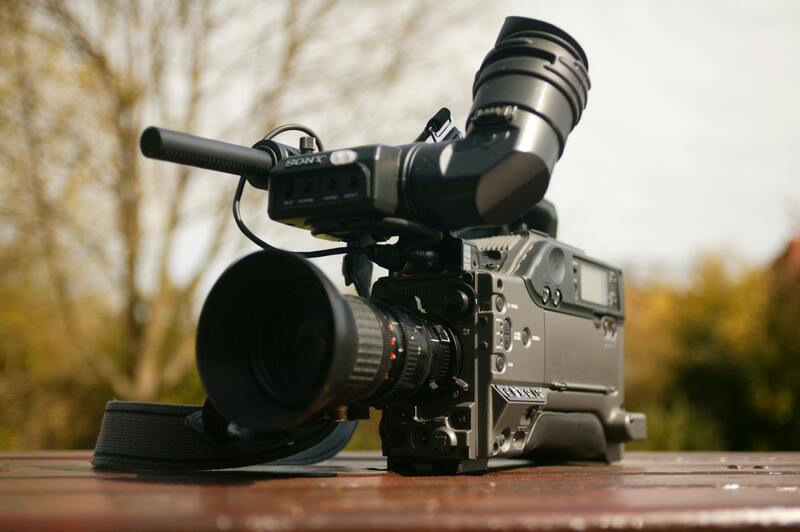
Though stock footage should supplement original content, it remains a valuable resource for authentic-looking scenes that are difficult or impractical to film internally. Reputable stock libraries offer footage shot under controlled conditions, ensuring clarity, consistency, and adherence to legal standards. When selecting stock clips, prioritize licensing agreements that permit commercial use, and opt for footage that authentically aligns with your brand’s story.
Official Footage from External Partners
Collaborating with recognized industry partners, event organizers, or local authorities can provide access to official footage. This might include footage of partnered events, community initiatives, or facility footage captured during official visits. Ensuring you have proper permissions and documented rights to such footage is critical to maintain integrity and avoid content disputes.
Legal Considerations for Acquiring Footage
All visual content used in your corporate promotional video must be obtained through legitimate means. This includes verifying licensing agreements for stock footage, securing permissions from proprietary content owners, and ensuring compliance with data protection and privacy regulations. Proper documentation of rights and licenses is essential to mitigate risks associated with unauthorized use and to reinforce your commitment to ethical content practices.
Implementing Quality Control Measures
Before incorporating footage into your final production, it is vital to perform thorough quality checks. Confirm that all visuals are properly licensed, align with your branding guidelines, and are of high resolution. Editing for consistency in tone, style, and color grading further guarantees that the footage seamlessly integrates into your overall video narrative, presenting a cohesive and professional image.

By adhering strictly to official channels and proven methods for sourcing footage, your corporate promotional video will resonate authenticity and trustworthiness, ultimately supporting your strategic branding objectives effectively.
Understanding Corporate Promotional Videos
Corporate promotional videos serve as dynamic tools to communicate a company's brand message, showcase offerings, and reflect its values to target audiences. These videos function as visual representations of a company's identity, often highlighting key achievements, corporate culture, and community engagement initiatives. In the competitive Miami business landscape, producing high-quality corporate videos helps organizations stand out by visually conveying professionalism and authenticity. Effective corporate videos are crafted with strategic clarity, ensuring that each element—from scripting to visuals—aligns with overarching branding goals. They are utilized across multiple channels, including company websites, social media platforms, live events, and internal communications, to maximize reach and impact. The foundation of a compelling corporate promotional video lies in its ability to resonate emotionally while delivering clear, concise messages that reinforce the company's value proposition.

Key Objectives of Corporate Video Production
The primary goals of corporate promotional videos include establishing brand awareness, fostering trust with clients and stakeholders, and illustrating the company's expertise and community involvement. These videos aim to create an emotional connection that encourages viewer interaction and brand loyalty. They can also serve as educational resources, demonstrating product functionalities or sharing testimonials from satisfied clients. In densely populated markets like Miami, where businesses vie for attention, a professionally produced corporate video enhances credibility and differentiates an organization from competitors. Additionally, videos support investor relations and internal communications by presenting company milestones and employee initiatives in an engaging format. Ultimately, each aspect of the video must work cohesively to reinforce the company's strategic branding and marketing objectives.
Strategic Alignment and Messaging
Effective corporate videos are rooted in a thorough understanding of targeted audiences. Message clarity and visual consistency are essential to ensure viewers derive meaningful insights from the content. Objectives should be clearly delineated during the planning phase, whether that involves increasing brand recognition, driving sales, or enhancing internal morale. Aligning content with the company's core values and market positioning guarantees that the video reflects an authentic image. Thoughtful storytelling, supported by compelling visuals and a strong call-to-action, ensures that the video resonates with viewers and produces measurable impact. Employing storytelling techniques tailored to the Miami demographic and corporate culture optimizes audience engagement and fosters a positive brand identity.
Planning and Strategy Development
Successful corporate promotional videos originate from meticulous planning and strategic development. This phase involves defining target audiences, setting clear objectives, and determining the core message. A comprehensive content outline guides the production process, ensuring consistency in storytelling and visual elements. It is crucial to analyze competitors' videos to identify gaps and opportunities that can differentiate your brand. Collaborating with stakeholders—including marketing teams, executives, and creative professionals—facilitates alignment and buy-in. Establishing key performance indicators (KPIs) during this phase enables effective assessment of the video's success post-launch. Detailed timelines, budget allocations, and distribution channels are also predetermined to streamline operations and maximize resource utilization.
Content Development and Scriptwriting
Developing engaging and authentic content is vital. Scripts should be crafted to communicate core messages succinctly while maintaining an engaging tone. The narrative must be aligned with brand voice and targeted towards the intended audience, whether local Miami businesses, international clients, or internal staff. Incorporating testimonials, success stories, and behind-the-scenes insights adds authenticity and emotional appeal. Visual storyboarding accompanies script development, offering a clear blueprint for shot composition and scene transitions. Attention to detail during this phase ensures the final product accurately reflects the company's identity and strategic objectives, creating a compelling, memorable viewer experience.
Legal and Ethical Guidelines for Corporate Promotional Video Production
Creating a corporate promotional video involves adhering to established practices that uphold transparency, integrity, and respect for intellectual property. Ensuring that all content used within the video aligns with legal standards is fundamental. This includes verifying rights for any third-party footage, music, or images incorporated into the final product. Licensing agreements should be clearly documented, and any proprietary materials must be used with proper authorization to avoid potential disputes.
Furthermore, it is essential to respect privacy and obtain necessary consents when featuring individuals or private property. Consent forms should be secured from all participants whose likenesses or personal information appear in the video. This not only protects the company legally but also demonstrates respect for personal rights and enhances credibility.
Transparency in messaging is another vital component. All representations should accurately reflect the company's offerings, capabilities, and commitments. Avoiding exaggeration, misleading claims, or unsubstantiated assertions maintains trust with viewers and supports ethical marketing practices.
Maintaining proper documentation and following best practices in content creation help establish a reliable foundation for your corporate promotional video. Regular reviews and adherence to industry standards ensure that the final product remains compliant with all relevant regulations and expectations, ultimately strengthening the company's reputation and stakeholder confidence.
Implementing Effective Distribution and Promotion Strategies
Successfully distributing a corporate promotional video requires a strategic approach tailored to reach the intended audience effectively. Leveraging various channels ensures that the content gains maximum visibility and engagement, ultimately contributing to the company's business objectives.
Optimizing for Digital Platforms
In the digital space, the focus should be on customizing video content for each platform. For social media channels such as LinkedIn, Instagram, and Twitter, shorter clips or teaser versions can generate intrigue and direct viewers to the full video. Embedding videos on the company website enhances user engagement and provides visitors with a comprehensive understanding of the brand's offerings. Ensuring that the video is responsive and displays correctly across devices increases accessibility and viewer retention.
Utilizing Email Campaigns and Newsletters
Email marketing remains a powerful tool for targeted dissemination. Embedding the corporate video within newsletters or personalized email campaigns reaches existing clients, partners, and stakeholders. Clear call-to-actions encourage recipients to share the video further, expanding its reach organically. Including descriptions that highlight the video's value proposition enhances viewer interest and click-through rates.
Leveraging Live Events and Industry Conferences
Presenting the promotional video during live events or corporate presentations can create a memorable impression. Using event-specific displays or screening sessions allows direct engagement with a targeted audience. Supplementary materials such as brochures or digital handouts reinforce key messages showcased in the video. This face-to-face engagement fosters trust and provides immediate opportunities for feedback and dialogue.
Applying Search Engine Optimization (SEO) Techniques
Optimizing video titles, descriptions, and tags with relevant keywords enhances visibility in search engine results. Incorporating location-specific keywords can attract local audiences, which is particularly valuable for Miami-based campaigns. Transcripts and closed captions improve accessibility and contribute to more comprehensive SEO strategies by providing additional keyword-rich content.
Engaging with Influencers and Industry Experts
Partnerships with key influencers or industry figures can amplify the reach of corporate videos. When credible voices endorse or share your content, it elevates brand authority and attracts diverse audiences. Collaborative initiatives such as interviews, testimonials, or joint campaigns generate additional interest and generate viral potential.
Monitoring and Adjusting Promotion Efforts
Continuous analysis of engagement metrics and viewer feedback informs the effectiveness of distribution strategies. Tracking metrics like view counts, shares, comments, and conversion rates enables the adjustment of promotional tactics to maximize impact. Regularly updating content and experimenting with new channels or formats ensures the ongoing relevance and resonance of your corporate promotional videos.
Summary
By systematically deploying videos across tailored channels—digital, social, email, and live events—and employing SEO best practices, organizations can significantly increase their promotional reach within Miami's vibrant market. A balanced approach combining digital targeting, strategic partnerships, and ongoing performance evaluation fosters growth and maximizes return on investment.
Implementing Secure Methods for Corporate Promotional Video Production
Establishing Clear Permissions and Rights
To ensure the integrity and professionalism of your corporate promotional videos, securing explicit permissions for all content used is paramount. This includes obtaining rights for images, music, and footage from legitimate sources or copyright holders. Establishing formal agreements with talent, crew, or content providers prevents intellectual property disputes and ensures the content aligns with your brand standards. Maintaining comprehensive documentation of these rights not only facilitates compliance but also streamlines the production process.
Utilizing Licensed and Original Content
The foundation of responsible corporate video production hinges on the exclusive use of licensed or original content. Sourcing stock footage, music, and graphics from reputable providers guarantees legal usage and high-quality results. Producing original content through in-house teams or vetted vendors fosters authenticity and provides tailored messaging that resonates with your target audience. These practices help uphold the professionalism of your corporate image while protecting against potential legal concerns.
Implementing Contractual Safeguards
Robust contracts with all involved parties—be it freelancers, production companies, or voice-over artists—are essential. Clear contractual language delineates the scope of work, usage rights, confidentiality clauses, and project timelines. This formalizes expectations and minimizes misunderstandings, ensuring all parties adhere to agreed standards. Proper legal safeguards in contracts serve as a foundation for ethical and compliant content creation, reinforcing your organization’s reputation.
Adopting Industry-Standard Data and Security Protocols
Handling sensitive or confidential information during production requires strict data security measures. Using encrypted storage solutions, secure file-sharing platforms, and access controls mitigates risks associated with unauthorized data breaches. Training team members on secure handling practices and implementing multi-factor authentication bolster your security posture. These measures protect your proprietary strategies, client data, and proprietary content throughout the production lifecycle.
Verifying Authenticity Through Diligent Research
To reinforce content credibility, invest in diligent research to verify facts, figures, and sources incorporated into your promotional videos. Cross-referencing data with authoritative industry reports and official publications adds reliability. Incorporating verified testimonials and case studies further enhances trustworthiness. A rigorous fact-checking process ensures your content reflects accurate, current information, establishing your organization as a reputable voice within your industry.
Ensuring Content Compliance with Standards and Guidelines
Compliance extends beyond legal rights to include adherence to industry standards and platform-specific guidelines. This entails conforming to content policies related to advertising, trademarks, and intellectual property rights. Regular review of these standards ensures that your videos meet all necessary criteria, avoiding content removal, penalties, or reputational damage. Engaging with experts or consultants familiar with these requirements helps maintain continuous compliance throughout the production and distribution processes.
Conclusion: Best Practices for Safe and Authentic Corporate Video Content
Adopting a comprehensive approach rooted in securing proper rights, utilizing licensed content, enforcing contractual safeguards, and verifying data integrity creates a solid foundation for corporate promotional video production. These measures uphold legal standards, protect your organization’s reputation, and foster trust with your audience. Implementing rigorous data security, compliance checks, and transparent workflows ensures your promotional content fulfills its strategic objectives while maintaining ethical integrity. When executed responsibly, professional corporate videos serve as powerful tools for brand expansion, stakeholder engagement, and market differentiation within competitive environments.