Understanding Corporate Films
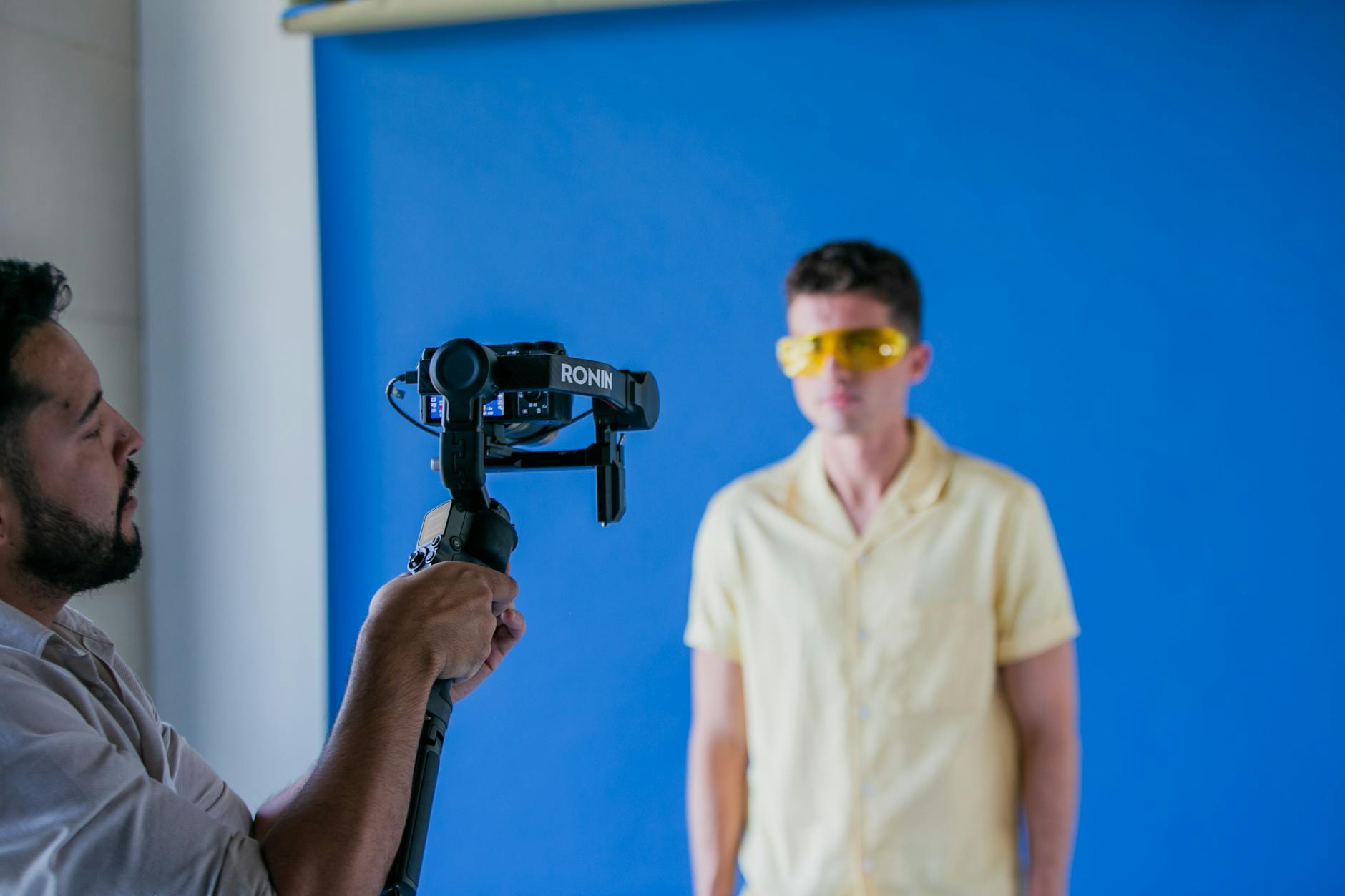
Corporate films are specialized visual storytelling tools crafted to communicate a company's message, values, products, or services to a targeted audience. These films serve as dynamic mediums that transcend traditional advertising, offering a comprehensive view of an organization’s ethos and capabilities. They are pivotal in shaping brand identity, fostering trust, and establishing a professional reputation in a competitive marketplace.
The primary purpose of corporate films is to enhance brand awareness and engagement. They are used in a variety of strategic settings, including corporate presentations, investor relations, internal communications, trade shows, and digital marketing campaigns. Unlike standard advertisements, corporate films often delve deeper into organizational narratives, showcasing company history, culture, and customer success stories, thereby creating an emotional connection with viewers.
Furthermore, well-executed corporate films are valuable assets for business development. They help articulate complex products or services clearly, demonstrating credibility and expertise. When effectively aligned with a brand’s vision, these films significantly influence audience perception, facilitate stakeholder understanding, and support lead generation strategies.
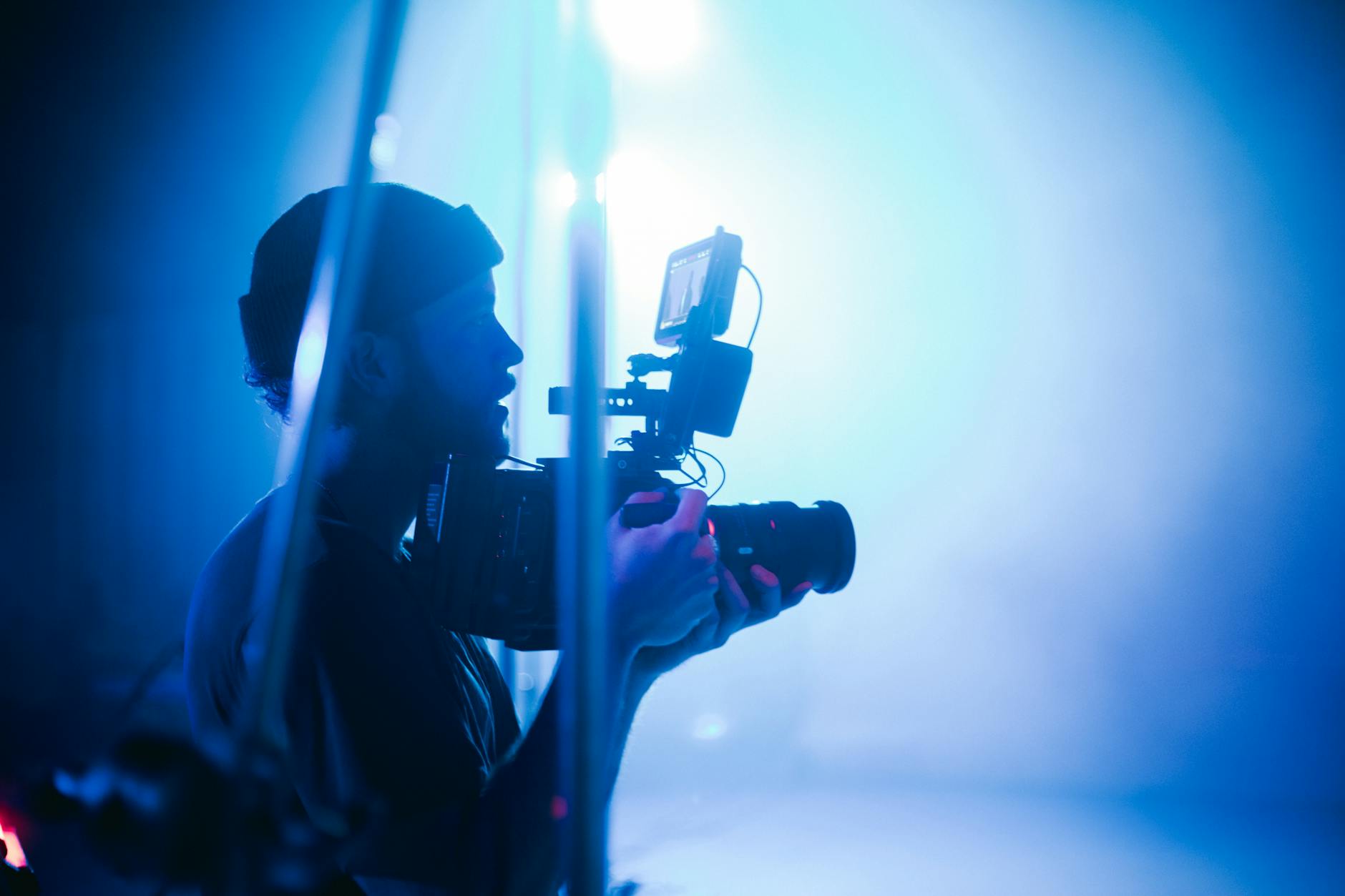
In today’s digital environment, corporate films are essential tools that allow organizations to stand out amid an overcrowded content landscape. They leverage visuals, sound, and storytelling techniques to communicate messages powerfully and memorably. As visual content continues to dominate online platforms, professionally produced corporate films offer a competitive advantage by making brand messages impactful and accessible across multiple channels.
Effective corporate films are crafted through meticulous planning and execution, ensuring that each visual, script, and sound element aligns with strategic business objectives. When done properly, these films not only serve immediate marketing goals but also lay the foundation for long-term brand recognition and consumer trust.
Creating a corporate film involves a comprehensive approach that emphasizes clarity, professionalism, and authenticity. It requires a clear understanding of the target audience, a compelling narrative, and technical excellence, all aimed at delivering a message that resonates, informs, and influences perceptions.
Ultimately, corporate films are a testament to a company’s commitment to quality, innovation, and transparency. They exemplify how visual storytelling can elevate a business’s profile and forge stronger connections with stakeholders, clients, and employees alike.
Types of Corporate Films
Corporate films encompass a broad spectrum of formats, each designed to serve specific organizational goals and communication strategies. Understanding the different types allows businesses to select the most appropriate style that aligns with their brand message and target audience.
Promotional Videos
Promotional videos are crafted to highlight a company's products, services, or unique selling propositions. These films are concise yet impactful, often used in advertising campaigns, on company websites, or across social media platforms to drive engagement and conversions. They focus on creating an emotional appeal that connects viewers with the brand.
Brand Stories
Brand storytelling films delve into the company's origin, mission, values, and culture. These films foster a sense of authenticity and trust, allowing viewers to connect on a deeper level. They are often utilized in corporate presentations, investor relations, or as part of corporate social responsibility initiatives to reinforce brand identity.
Training and Educational Videos
Training films are essential for internal communication, providing employees with essential knowledge about policies, procedures, and safety protocols. They are designed to be engaging and easy to understand, often featuring animations, real-life footage, or interactive elements to enhance learning outcomes.
Event Coverage
Event videos document corporate functions, conferences, product launches, or community events. These films serve multiple purposes: showcasing the company's active engagement with its community, capturing key moments for future promotional use, and sharing successes with external stakeholders. High-quality event coverage can significantly boost a company’s image and reputation.
Key Elements of a Successful Corporate Film
Creating effective corporate films requires attention to several core components that ensure the final product embodies professionalism, clarity, and authenticity.
Pre-Production Planning
Thorough planning is the backbone of a successful corporate film. This includes defining clear objectives, identifying the target audience, developing a compelling narrative, and creating a detailed storyboard. Engaging stakeholders early in this process ensures alignment and sets realistic expectations for the project's scope and budget.
Filming and Production Techniques
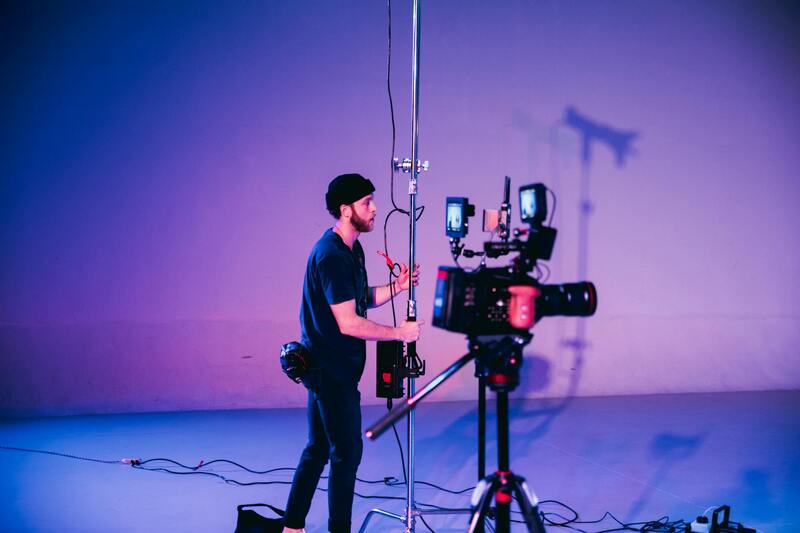
Executing the shoot with technical expertise is vital for producing visually appealing content. It involves selecting appropriate locations, lighting, camera equipment, and audio gear while employing best practices such as smooth camera movements and high-quality sound recording. The use of professional-grade equipment and skilled crew members enhances the film's overall quality.
Post-Production and Editing
Post-production transforms raw footage into a polished final piece. This stage involves editing for narrative flow, color grading, sound design, and incorporating graphics or animations to emphasize key messages. Effective editing ensures the film is engaging and aligns with the strategic goals, while retaining a professional aesthetic that reflects the company's brand image.
Distribution and Promotion
Distributing corporate films through appropriate channels maximizes reach and impact. This includes uploading to company websites, sharing via social media, embedding in email campaigns, or utilizing internal channels for employee engagement. Tailored promotion strategies ensure the right audience views the film, thereby increasing its effectiveness in achieving communication objectives.
Choosing a Miami Production Agency
Selecting a reliable production partner in Miami involves evaluating their expertise, portfolio, and understanding of corporate storytelling. A proficient agency can guide the process from concept development to final delivery, ensuring the film aligns with branding standards and reaches target audiences effectively. Local agencies often have an inherent understanding of regional nuances, which can add authenticity and relevance to the corporate message conveyed.
Key Elements of a Successful Corporate Film
Creating an impactful corporate film hinges on several core elements that work together to communicate the intended message effectively. These components serve as the foundation for producing a film that resonates with its audience while reinforcing the company's brand identity.
- Compelling Storytelling: A well-crafted narrative captures attention and evokes emotional connection. Clear storytelling presents the company's vision, values, or key messages in a way that is relatable and memorable. Integrating real-life examples, customer testimonials, or case studies enhances authenticity and credibility.
- High-Quality Visuals: Visual storytelling is crucial in engaging viewers. The use of professional cinematography, appropriate lighting, and creative shot composition ensures that the imagery aligns with the brand aesthetic. Visual consistency and attention to detail help maintain a cohesive look throughout the film.
- Consistent Branding: Incorporating the company’s branding elements—such as logos, color schemes, and fonts—reinforces brand recognition. Consistent visual branding across the film fosters trust and reinforces the company's identity in the viewer's mind.
- Clarity of Message: The core message should be straightforward and easily understood. Avoiding unnecessary jargon and focusing on key points ensures that viewers retain the intended information. Clear call-to-actions guide the audience toward the desired response, whether it’s to learn more, collaborate, or participate.
- Strategic Content Delivery: Tailoring the content to the target audience’s interests and preferences maximizes engagement. Understanding the viewers' needs allows the creation of relevant content that delivers value and persuades effectively.
- Sound Design and Music: Proper audio quality and background music enhance emotional impact. Sound design supports the narrative’s tone and can evoke the appropriate response, emphasizing key moments within the film.
- Authentism and Credibility: Showcasing real people, authentic business practices, and tangible results build trust. Avoiding overly promotional tactics in favor of genuine storytelling fosters a reputable image that resonates with viewers.
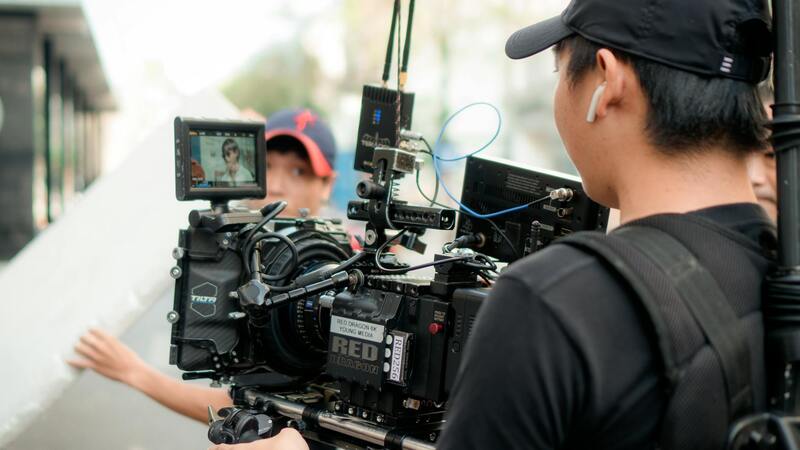
Achieving these key elements requires meticulous planning, creative execution, and strategic post-production work. The integration of these components produces a corporate film that not only delivers its message clearly but also builds a long-lasting emotional connection with its audience, enhancing the company's reputation and outreach efforts.
Methods for Creating Authentic and Impactful Corporate Films
Creating corporate films that genuinely resonate with viewers requires a focus on authenticity and meticulous production techniques. For companies seeking to enhance their brand image, the production process begins with a robust planning phase that emphasizes clarity of purpose and audience engagement strategies. Recognizing that the story conveyed through the film must reflect genuine business practices, values, and achievements ensures credibility and builds trust with the audience.
To achieve this, organizations should employ official storytelling methods such as interviews with key personnel, behind-the-scenes footage of daily operations, and testimonials from satisfied clients or partners. These elements serve to humanize the brand, making it relatable and trustworthy. Incorporating real-life scenarios and tangible results demonstrates transparency and authenticity, which are critical in establishing a reputable corporate image.

When filming, leveraging professional techniques such as precise lighting, stable camera work, and clear audio is essential for maintaining a high production quality. Using cinematic camera movements, high-definition visuals, and strategic framing draws viewers into the story and accentuates key messages. A well-structured visual narrative guides the audience seamlessly, ensuring they remain engaged from start to finish.
Post-production plays a pivotal role in refining the raw footage into a compelling story. This involves careful editing to maintain pacing, color grading to evoke the desired emotional response, and seamless integration of graphics and subtitles that enhance understanding. Sound design, including background music and voiceovers, should complement the visual narrative without overpowering it. Thoughtful editing ensures a coherent flow, captures attention, and reinforces the core message.
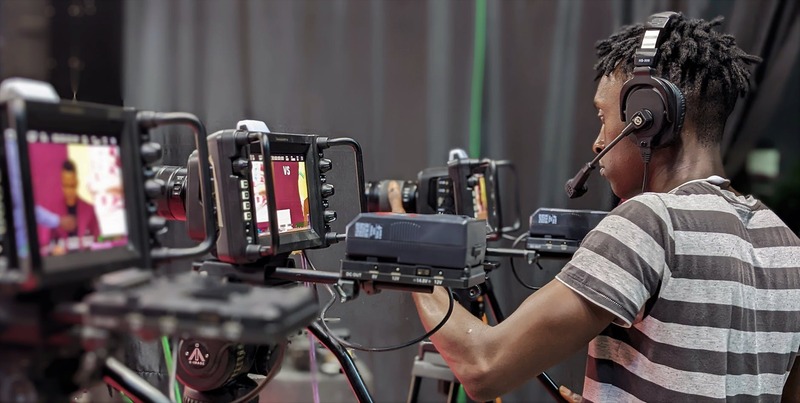
Legitimate methods also include strategic distribution, where selecting the right platforms—such as the company's website, social media channels, and industry events—maximizes reach. Material should be tailored to each platform’s specifications and audience preferences to boost engagement and visibility. Consistent branding across all channels reinforces the company's identity, aiding in the building of a unified corporate image that aligns with the video content.
Incorporating official distribution channels through email campaigns, industry conferences, and media outreach extends the film's impact and ensures it reaches the intended audience effectively. Tracking engagement metrics, such as viewership numbers and audience feedback, can provide insights into the film's performance, allowing for ongoing optimization of future content.
Choosing a Miami-based production agency with proven expertise ensures access to advanced equipment, creative talent, and strategic insights. A reputable agency will adhere to industry standards, delivering a product that is both professionally crafted and aligned with the company's objectives. Their experience in corporate filmmaking ensures optimal execution of technical and storytelling aspects, resulting in a film that enhances reputation and supports outreach efforts.
Filming and Production Techniques
Executing a corporate film requires meticulous planning and execution during the production phase to ensure a professional and polished final product. The choice of filming techniques and equipment directly influences the visual quality and credibility of the film. High-definition cameras, stabilizers, professional lighting, and sound recording equipment are essential tools that contribute to capturing crisp visuals and clear audio, which are vital for maintaining the company's authoritative image.
Location selection plays a crucial role in establishing context and reinforcing the brand message. For corporate films, choosing environments that reflect the company's industry, values, or core message enhances authenticity. In Miami, a vibrant backdrop can add dynamic visuals, whether shooting on-site at headquarters, manufacturing facilities, or external cityscapes. Collaborating with local Miami production crews ensures access to experienced professionals familiar with the area's permits, logistics, and optimal filming spots, streamlining the entire process and avoiding common logistical setbacks.
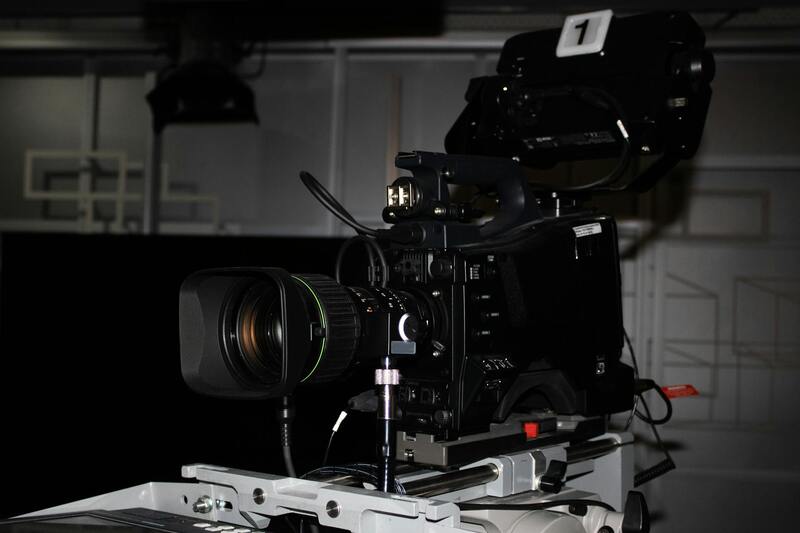
Working with skilled local crews also affords the advantage of understanding Miami’s unique lighting conditions and environmental factors, enabling the team to adapt filming techniques accordingly. Dynamic drone shots can add a modern, innovative touch, capturing sweeping views of Miami’s iconic skyline or scenic outdoor settings. Additionally, conducting thorough planning for each shot, including storyboarding and shot lists, ensures efficient use of time and resources during the shoot.
Post-Production and Editing
The post-production phase is where all elements come together to create a cohesive and impactful narrative. Professional editing involves cutting footage to maintain a smooth flow, color grading to achieve visual consistency, and sound design to enhance clarity and emotional engagement. Incorporating motion graphics, subtitles, and branding elements is often necessary to emphasize key messages and align with the company’s visual identity.
Advanced editing software allows for precise control over visual effects, transitions, and audio synchronization. An expert editing team reviews the material to ensure that the final product effectively communicates the intended message while maintaining a professional appearance. High-quality editing not only elevates the film’s aesthetic appeal but also reinforces the company's commitment to excellence, which is vital for building trust with viewers.
Distribution and Promotion
Distributing corporate films through official and legitimate channels maximizes their reach and impact. The primary platforms include the company's website, dedicated social media pages, and targeted email campaigns. Posting the film on the official website boosts search engine visibility and provides an authoritative source for stakeholders and potential clients. Social media platforms like LinkedIn, YouTube, and Vimeo offer targeted audiences and facilitate greater engagement.
Strategic deployment during industry events, conferences, and media outreach ensures that the film reaches relevant audiences in a controlled and professional manner. Tailoring the content to fit each platform’s specifications maximizes viewer retention and interaction. Consistent branding across all channels solidifies the company's identity and reinforces the message to viewers.
Professionally executed corporate films are also used to support internal communications, investor relations, and brand positioning efforts. Measuring engagement through metrics such as view counts, audience feedback, and social shares provides insights for refining future content and distribution strategies. This ongoing process ensures that the film continues to serve as an effective tool for brand enhancement and corporate communication.
Understanding Corporate Films
Creating effective corporate films involves a systematic approach that ensures the message resonates with the target audience while aligning with the company's strategic goals. These films serve as a visual narrative that showcases a company's values, achievements, services, or products, with an emphasis on professionalism and authenticity. The key to producing impactful corporate content lies in maintaining transparency and adhering to best practices, which not only heighten credibility but also strengthen stakeholder confidence.
Authenticity and Transparency
Authentic portrayals that accurately reflect the company's mission and culture foster trust among viewers. Transparency in presentation—highlighting real client testimonials, genuine case studies, and honest testimonials—can significantly boost the audience's perception of the company’s integrity. It’s essential to focus on verifiable messaging that aligns with the company's core identity.
Utilizing Visual and Audio Elements
High-quality visuals and sound are fundamental components of credible corporate films. Clear, professional cinematography combined with sharp sound design ensures the content's clarity and engagement level. Incorporating consistent branding elements enhances recognition and reinforces the company's image. Every visual detail, from color schemes to font choices, should be meticulously planned to uphold a coherent and polished appearance across all platforms.
Focus on Audience-Centric Content
Understanding the target audience's preferences and expectations is critical for producing films that resonate. Whether aiming to attract potential clients, partners, or investors, the content should address their specific interests and concerns. Providing relevant data, success stories, and future outlooks tailored to the viewers’ perspectives enriches the overall impact of the film.
Legal and Ethical Best Practices
To ensure clarity, all content must be based on officially obtained permissions, consent, and verifiable information. This includes sourcing footage legally, securing rights for music and visuals, and accurately representing data and testimonials. These practices safeguard the company’s reputation by fostering trust through adherence to established industry standards. Using official channels and respecting intellectual property rights are fundamental steps to produce legitimate corporate films that serve as trustworthy representation of the organization.
Understanding Corporate Films
Corporate films are crafted visual narratives that effectively communicate a company's mission, values, achievements, and objectives. They serve as powerful tools to build brand awareness, showcase organizational culture, and foster stakeholder engagement. When developing a corporate film, it’s essential to focus on authenticity and clarity, ensuring the message resonates with the intended audience. These productions go beyond traditional advertising by offering an in-depth view of the company's story, often featuring testimonials, behind-the-scenes footage, and detailed service or product demonstrations. The aim is to establish trust, demonstrate industry expertise, and create emotional connections that translate into business opportunities.

Types of Corporate Films
Within the corporate filming landscape, various types serve specific communication objectives. Each type is tailored to different audiences and strategic goals, ensuring that the message is delivered effectively and with appropriate tone.
- Brand Films: Focused on telling the company's origin story, values, and vision, these films aim to strengthen brand identity and emotional connection with viewers.
- Product Demonstration Films: These videos showcase product features, usage, and benefits, helping to educate potential clients and support sales efforts.
- Training and Educational Videos: Designed for internal or external audiences, these films provide instructions, tutorials, or professional development content.
- Event Coverage Films: Capture corporate events, conferences, or product launches, highlighting the company's active engagement in the industry.
- Investor Relations Films: Inform stakeholders about company performance, growth strategies, and future outlooks, fostering transparency and trust.
Key Elements of a Successful Corporate Film
Producing impactful corporate films requires careful attention to several core components. These elements ensure the final product is compelling, professional, and aligned with strategic goals.
- Clear Objectives: Define what the film aims to achieve, whether it’s brand positioning, product education, or stakeholder engagement.
- Authentic Storytelling: Craft narratives that genuinely reflect the company’s values, culture, and achievements, which helps to foster authenticity and trust.
- High Production Quality: Utilize professional equipment and skilled crew to ensure visuals, sound, and editing meet industry standards.
- Consistent Branding: Incorporate existing brand elements such as logos, color schemes, fonts, and messaging to reinforce brand recognition.
- Audience Engagement: Tailor the content to meet the interests and expectations of the target viewers, enhancing relatability and impact.
- Call to Action: Include a clear and persuasive next step, whether it's visiting a website, contacting the company, or attending an event.
Pre-Production Planning
Meticulous planning during the pre-production phase is vital for a smooth filming process and a successful outcome. Typical steps include script development, storyboarding, location scouting, and scheduling. It is also important to evaluate the required permits, source necessary permissions, and organize talent or spokesperson availability. Budget allocation should be clearly outlined, covering equipment, crew, post-production, and miscellaneous expenses. Creating a comprehensive production plan minimizes disruptions and ensures that every element aligns with the intended message and project timeline.
Filming and Production Techniques
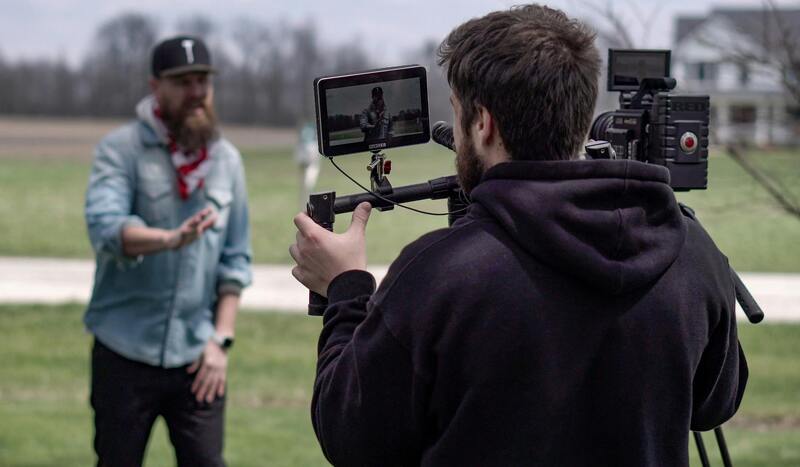
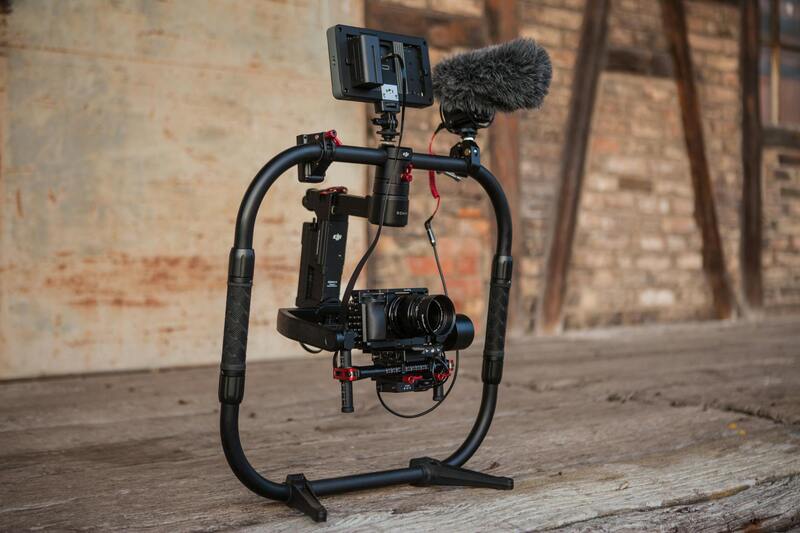
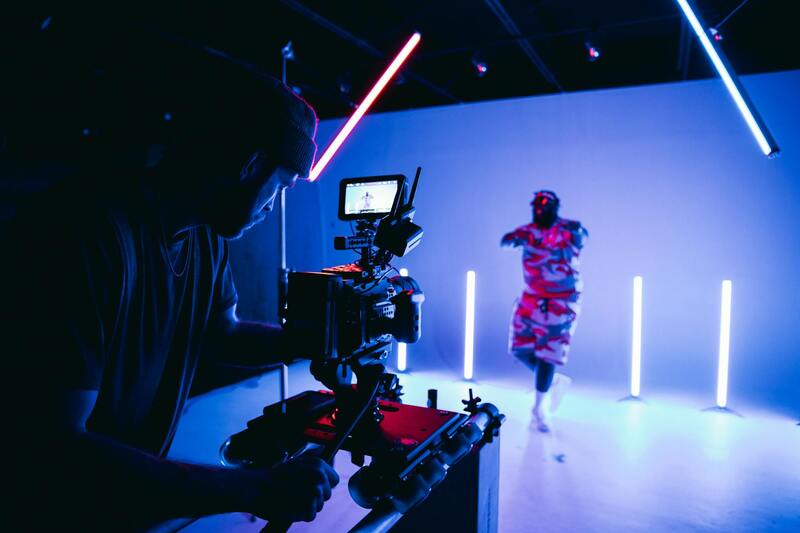
During the filming phase, employing advanced techniques enhances the visual storytelling. Camera stabilization tools, such as gimbals and dollies, bring smooth movement that adds professionalism. Utilizing various shots, including close-ups, wide angles, and aerial views, creates dynamic visuals that retain viewer interest. Proper lighting is crucial for ensuring clarity and mood, while sound quality must be prioritized through professional microphones and acoustic considerations. Incorporating drone footage can offer impressive perspectives, elevating the overall production quality. The director's role is vital in guiding the crew to capture authentic performances and carefully follow the storyboard, ensuring every scene contributes meaningfully to the narrative.
Efficient communication among all team members—camera operators, sound technicians, and directors—ensures creative goals are met without unnecessary delays. Safety protocols must be strictly enforced, especially on location shoots, to guarantee a secure filmmaking environment.
Ensuring Ethical and Professional Distribution of Corporate Films
When it comes to distributing corporate films, organizations must adhere to recognized professional standards that maximize their reach while maintaining their integrity. Reliable avenues include engaging with recognized and reputable media outlets, such as established television networks, respected online streaming platforms, and official social media channels. These options offer targeted exposure and provide content control to ensure the brand’s message is consistently conveyed.
Utilizing direct communication channels, such as corporate websites and email newsletters, allows for targeted dissemination to key stakeholders, clients, and employees. This direct approach not only enhances engagement but also ensures that the film reaches an audience precisely aligned with the company’s strategic objectives.
Organizing screening events or corporate presentations presents an impactful method to showcase films to specific audiences. These events foster meaningful interactions, offering opportunities for real-time feedback and strengthening relationships with partners, investors, and potential clients. It is advisable to coordinate with media professionals and event organizers to align the presentation with promotional goals.
Embedding corporate videos on company websites boosts online visibility and aligns with search engine optimization strategies. Proper implementation involves integrating the films in a way that complements the website’s architecture, ensuring fast loading times and mobile responsiveness.
Another critical aspect involves managing rights and permissions meticulously. Ensuring that all necessary clearances are obtained for music, footage, and other proprietary content used in the film prevents any infringement issues that could compromise the project’s credibility.
Achieving widespread visibility of corporate films requires a strategic blend of traditional and digital distribution methods. By deploying content through reputable broadcast partners, leveraging targeted online advertising, and optimizing for search engines, organizations can ensure their message resonates with the intended audience.
Moreover, tracking the performance of distributed content through analytics tools provides valuable insights. Monitoring viewer engagement, completion rates, and feedback helps refine future distribution strategies, ensuring continuous improvement.
It is crucial to maintain consistent messaging and branding throughout all distribution channels. Uniformity ensures that the company’s image remains coherent and professional, fostering trust and reinforcing the core values portrayed in the film.