Understanding Commercial Video Production Costs
Commercial video production is a multifaceted process that involves various stages, each contributing to the overall project expense. When evaluating the cost of producing a professional commercial, it is essential to understand what elements are included and how different project parameters influence the final budget. The total cost is not solely determined by the length of the video but also by the complexity, scope, and quality requirements of the project. These costs encompass everything from conceptualization to final delivery, ensuring that each aspect aligns with strategic marketing objectives and brand standards.

Typically, commercial video production costs include pre-production planning, equipment and crew during shooting, post-production editing, and sometimes distribution. Each component has its distinct pricing structure which can fluctuate significantly depending on project specifications. Variations in project parameters such as shot complexity, location, talent requirements, and deliverables directly influence the overall budget. Consequently, understanding how these parameters impact costs helps clients and production teams plan effectively, ensuring expectations are aligned with available resources and intended outcomes.
Key Factors Affecting Production Costs
Several critical elements determine the final pricing of a commercial video. Recognizing these factors provides clarity when estimating expenses and planning your project budget:
- Project Scope and Length: Longer videos and more detailed concepts typically require additional resources, filming days, and editing time.
- Equipment and Technology: Advanced camera systems, drone footage, or specialized visual effects increase production expenses.
- Talent and Crew: Hiring professional actors, presenters, voice-over artists, and skilled crew members, including directors, cinematographers, and makeup artists, influences costs.
- Locations and Permits: Shooting at multiple or high-profile locations can add to costs, especially when permits or logistical arrangements are involved.
- Post-Production Requirements: Extensive editing, color grading, animations, and sound design contribute significantly to final expenses.
Pre-Production Expenses
Pre-production forms the foundation of a successful commercial video and involves crucial planning activities. These expenses encompass script development, storyboarding, casting, scouting locations, obtaining permits, and scheduling. Adequate planning ensures smooth filming days, minimizing unforeseen costs and delays. Costs associated with pre-production are often fixed but can escalate with the complexity of the concept or the need for custom sets and special equipment.
Production Expenses
This phase involves actual shooting and is generally the most resource-intensive part of the process. Key expenses include hiring a crew, renting camera and lighting equipment, set construction, wardrobe, makeup, and catering. Location fees, transportation, and accommodations for cast and crew are also significant contributors. The duration of filming directly impacts costs; more elaborate scenes with multiple setups or special effects will require additional days and resources.
Post-Production Costs
Post-production transforms raw footage into a polished final product. It includes editing, visual effects, motion graphics, sound editing, and color correction. The depth of post-production work reflects the intricacy of the project, with higher budgets allocated for custom animations, special effects, or licensed music. Quality sound design and color grading are integral to producing a high-end commercial and contribute notably to post-production expenses.
Factors Unique to Miami Market
The Miami market offers unique opportunities and challenges that influence commercial video production costs. Local talent and crew rates may affect budgeting, as well as specific location fees and permits required for shooting in high-profile or environmentally sensitive areas. Additionally, the vibrant local culture and diverse settings can lead to creative advantages, though they may also necessitate specific logistical considerations that impact overall budgeting.
Budgeting Strategies for Commercial Video Production
Effective budgeting begins with clear project objectives and an understanding of areas where costs can be optimized. Establishing priorities—whether extending production quality or limiting scope—guides resource allocation. Working closely with experienced producers ensures that elements are scaled appropriately, and potential overspending is mitigated through detailed cost estimates and contingency planning.
Cost Savings Tips and Industry Standards
To manage expenses effectively, consider industry-standard practices such as batching shooting days, utilizing local talent, and choosing versatile locations. Pre-planning reduces unexpected costs, and negotiating package deals with vendors can lead to savings. Understanding the typical cost ranges for various production elements in the Miami market helps set realistic budgets and avoid surprises, ensuring the delivery of a high-quality commercial within financial expectations.
Pre-Production Expenses
Pre-production lays the foundational groundwork for any successful commercial video. It involves several vital activities that can significantly influence the overall production cost. These include script development, storyboard creation, talent casting, location scouting, and obtaining necessary permits. Engaging a skilled producer early in the process is essential for accurately estimating expenses and aligning them with project goals.
A detailed planning phase ensures resources are allocated efficiently, reducing the likelihood of costly revisions during filming. During pre-production, detailed shot lists and storyboards help visualize the project scope, enabling better negotiation and scheduling. Casting talent—whether hiring freelance actors, models, or voice-over artists—depends on the project's scale, with local Miami talent often providing cost-effective options.
Furthermore, securing locations requires careful consideration of permit fees, access fees, and logistical arrangements. Miami’s diverse environments—from urban cityscapes to scenic beaches—offer varied options, but each location comes with its own set of costs and regulatory requirements. Proper planning and early engagement with local authorities streamline the permitting process and avoid potential delays that could inflate the overall budget.
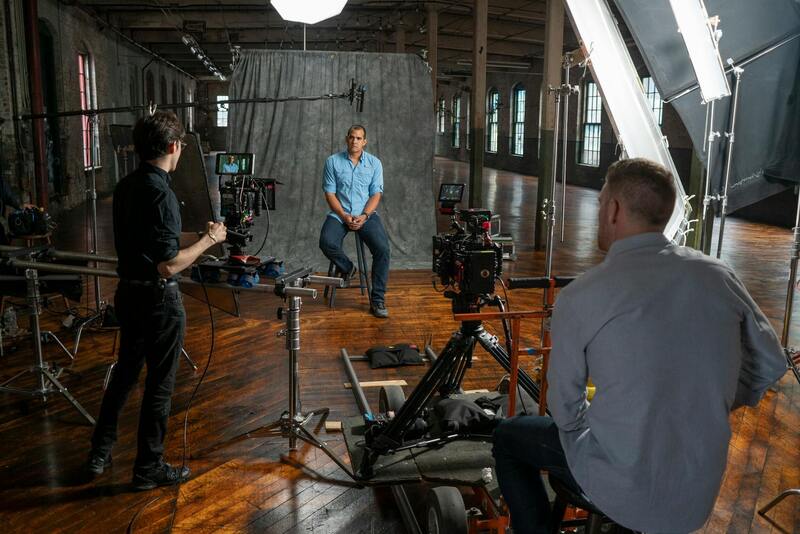
- Script development and revisions
- Storyboard and shot list creation
- Talent casting and negotiations
- Location scouting and permit procurement
- Scheduling and logistical planning
Production Expenses
The production phase encompasses the actual filming process, which accounts for a significant portion of the commercial video cost. Key factors include crew salaries, equipment rental, set design, costumes, and transportation. The size and experience level of the crew directly impact costs; experienced, local Miami crews tend to offer efficiency and quality, often at competitive rates.
Equipment rental, including cameras, lighting, and sound gear, constitutes a major expenditure. Opting for high-end equipment enhances visual quality but increases costs; however, equipment packages tailored for commercial productions can provide cost-effective solutions.
On-location filming may also require additional logistical arrangements, such as traffic control, security, and environmental considerations, especially in busy or environmentally sensitive Miami areas. These factors necessitate careful budgeting to avoid unforeseen expenses.
Utilizing versatile locations and efficient shooting schedules can reduce overall costs. For instance, combining scenes shot in the same location or optimizing shooting sequences minimizes travel and setup times.
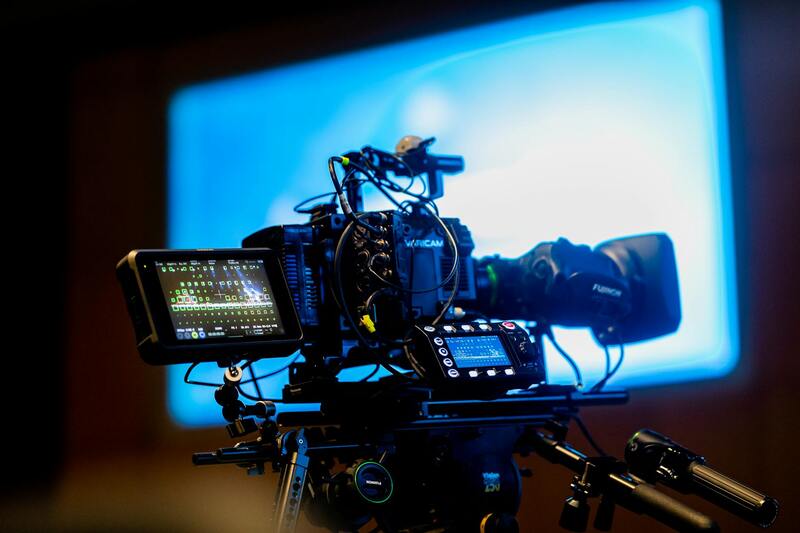
- Crew wages and daily rates
- Equipment rentals and site set-up
- On-location logistics and permit fees
- Catering and on-site facilities
- Transportation and accommodation for cast and crew
Post-Production Costs
Post-production is critical for refining the raw footage into a compelling commercial. Key cost components include editing, visual effects, color grading, sound design, music licensing, and voice-over recording. Investing in quality post-production ensures the final product aligns with brand standards and campaign goals.
Editing costs are influenced by the length and complexity of the commercial, with high-quality sequences requiring meticulous editing to maintain viewer engagement. Visual effects or motion graphics can enhance the message but may require specialized talent, impacting the budget.
Color grading ensures consistency and enhances visual appeal, especially in Miami’s vibrant settings. Sound design and music licensing add another layer of professionalism, with licensing fees varying based on usage scope.
Streamlining post-production workflows and collaborating with experienced editors can deliver high-quality results within specified budgets. Proper planning and clear communication of project expectations help avoid costly revisions.

- Editing and revision costs
- Visual effects and motion graphics
- Color correction and grading
- Sound editing and licensing
- Music rights and scoring
Understanding Commercial Video Production Costs
Estimating the overall investment for a commercial video production in Miami involves dissecting various essential components. Unlike simple video filming, producing high-impact commercials requires precise planning, skilled talent, and sophisticated post-production techniques. Each phase contributes uniquely to the total cost, and understanding these elements empowers brands and marketers to allocate their budget effectively.
Key Factors Affecting Production Costs
Several core factors influence the final expense of a commercial video project. These include pre-production planning, on-set activities, and post-production refinement, all tailored to meet the specific demands of the Miami market.
Pre-Production Expenses
This initial stage encompasses meticulous planning that sets the foundation for a successful shoot. Costs here involve developing concepts, scripting, casting talent, scouting ideal locations, and obtaining the necessary permits for filming in Miami's vibrant locales. Location fees vary significantly depending on the exclusivity and popularity of sites, while casting costs fluctuate based on talent experience and union affiliations. Additionally, early-stage expenses involve securing equipment rentals, storyboarding, and scheduling logistics, which, although often overlooked, significantly impact the overall budget.
Production Expenses
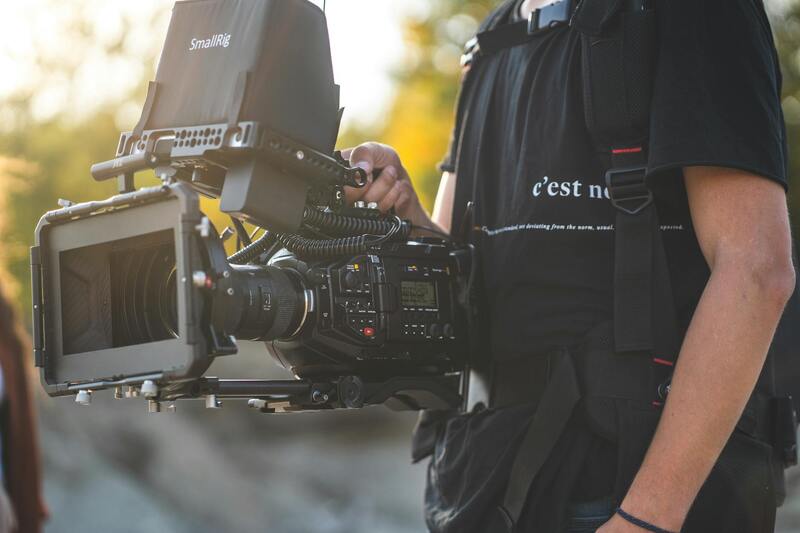
The on-set phase accounts for a substantial part of the commercial video production cost. This includes expenses related to crew wages, equipment usage, wardrobe, makeup, and set design. Miami's diverse settings may require additional permits or insurance, which can increase costs. Transportation and accommodation for cast and crew also factor into the budget, especially if shooting extends over multiple days or involves remote locations. Lighting, sound recording, and camera operation are specialized services that demand experienced professionals, thereby influencing overall spending.
Post-Production Costs
Refinement of the raw footage into a compelling commercial is a critical and often variable phase. Costs associated with editing, visual effects, and color grading are directly linked to the project's complexity. High-quality visual effects, such as motion graphics, can enhance storytelling but may require talented specialists, thereby adding to expenses. Color correction ensures visual consistency, especially important for maintaining brand integrity across vibrant Miami backdrops. Sound editing, music licensing, and voice-over recordings complement the visual narrative, making them integral to achieving a professional final product.

Factors Unique to Miami Market
Miami’s distinctive landscape, vibrant culture, and exceptional lighting conditions influence production costs. Regional permits may involve fees and bureaucratic processes that differ from other markets. The city's appeal to high-profile talent and agencies can elevate casting expenses, especially for well-known personalities. Additionally, securing prime shooting locations often comes with premium fees, reflecting Miami’s status as a desirable hub for creative content. Seasonality and weather conditions also play a role, sometimes requiring additional planning or contingency funds.
Budgeting Strategies for Commercial Video Production
Effective budgeting in Miami involves a clear understanding of project scope, prioritization of key creative elements, and negotiating with vendors. It’s important to distinguish between must-have features and optional enhancements, calibrating expectations accordingly. Developing a comprehensive project timeline that accommodates permit acquisition, location availability, and post-production turnaround times minimizes unexpected costs. Engaging experienced production managers can lead to significant cost efficiencies, ensuring resources are allocated appropriately.
Cost Savings Tips and Industry Standards
Adhering to industry best practices helps control expenses without compromising quality. For instance, scheduling shoots during off-peak seasons can reduce location and talent fees. Consolidating multiple scenes into fewer shoot days minimizes setup and teardown costs. Utilizing digital assets and stock footage judiciously can also cut expenses, provided they align with campaign goals. Establishing fixed-rate contracts or packages with vendors secures predictable expenses and avoids overruns. Leveraging local Miami talent and equipment providers often results in favorable rates compared to out-of-town options, adding further savings.
Production Expenses
During the filming phase of a commercial video, production expenses constitute a significant portion of the overall budget. These costs encompass equipment rentals, which include high-definition cameras, lighting setups, sound recording gear, and specialized filming apparatus. The choice and quality of equipment directly influence the visual and auditory fidelity of the final product, impacting client satisfaction and campaign effectiveness.
In addition to technical assets, crew wages are a major budget consideration. This includes salaries or daily rates for directors, camera operators, lighting technicians, sound engineers, production assistants, and safety personnel. Skilled crew members command higher rates, but their expertise is essential to achieve professional results efficiently.
Set design and construction costs also contribute to the production budget. Depending on the script and conceptual requirements, these expenses cover designing, building, and decorating sets or on-location modifications. When shooting in Miami, leveraging existing locations can reduce set design costs, but may introduce logistical considerations such as permits and accessibility.
Logistics on-site, including transportation, accommodations, and catering, also influence the budget. Coordinating these elements effectively ensures smooth operations and minimizes delays, which can escalate costs. Secure transportation for equipment and personnel, along with efficient scheduling, helps keep expenses in check.
Post-Production Costs
Following the completion of filming, post-production consolidates the visual and auditory elements into a cohesive final product. This phase involves video editing, color grading, visual effects, sound design, and music licensing. High-quality editing software and skilled editors are crucial for achieving a polished look that resonates with the intended audience.
Color grading adjusts the visual tone and mood, emphasizing brand identity or campaign themes. VFX and CGI might be necessary for incorporating elements that cannot be filmed practically, adding to the costs. Sound editing ensures clarity and synchronization, while licensing or original composition of music completes the auditory dimension.
Post-production costs can vary depending on the length and complexity of the project, as well as turnaround times. Rush edits or revisions requested after initial approval may incur additional fees, so clear communication and detailed planning during pre-production are vital to prevent budget overruns.
Post-Production Expenses
After the filming phase, post-production becomes the pivotal stage where raw footage transforms into a compelling commercial. This process encompasses a wide array of specialized tasks that significantly influence the overall commercial video production cost. High-quality editing requires skilled editors with expertise in narrative flow, pacing, and visual storytelling to ensure the final product aligns with strategic objectives. The editing process includes assembling footage, trimming scenes, and creating seamless transitions to maintain viewer engagement.
Color grading plays a crucial role in establishing the visual tone and reinforcing brand identity. Skilled colorists utilize advanced software to adjust hues, contrast, and saturation, crafting a mood that resonates with the target audience. This step is especially vital for commercials that aim to evoke specific emotions or highlight particular product features.
Visual effects (VFX) and computer-generated imagery (CGI) are sometimes essential, particularly when integrating elements that cannot be captured during filming. Incorporating VFX can enhance storytelling—adding dynamic graphics, animations, or simulated environments—yet it requires substantial technical expertise and resources, consequently impacting costs.
Sound design involves more than just background music; it encompasses sound effects, dialogue enhancements, and ambient noise adjustments, ensuring clarity and emotional resonance. Licensing popular music tracks may incur additional expenses, or original compositions can be commissioned to meet specific branding needs.
Revisions are an inevitable aspect of post-production, with many projects including client-requested changes after initial completion. These revisions, especially last-minute ones, can increase expenses depending on their scope and complexity. Precise planning and clear communication during early stages mitigate unexpected costs and streamline the editing process.

Overall, post-production costs are directly influenced by the length and intricacy of the project, the necessity for special effects, and the tightness of deadlines. Opting for experienced post-production studios in Miami can provide high-quality results that justify the investment, ensuring that every dollar spent contributes to a polished and effective commercial.
Additional Considerations Impacting Commercial Video Production Cost
Beyond the core stages of pre-production, production, and post-production, several auxiliary factors can influence the overall commercial video production cost. These variables often hinge on the specific requirements of the project, geographic location, and client expectations, necessitating detailed planning and negotiation to ensure transparency and value.
One significant aspect is the scope and complexity of the project. Larger-scale videos that involve multiple locations, elaborate set constructions, or complex choreography naturally escalate expenses. For example, extensive drone footage, underwater shoots, or scenes requiring specialized equipment like cranes or gimbals increase operational costs. Additionally, the inclusion of complex animations, graphics, or 3D modeling during post-production demands highly skilled technical personnel and advanced software, further elevating costs.
Another key factor is talent and crew payment. Regional rate variations can considerably affect the budget. Miami’s vibrant media industry offers access to experienced actors, models, and crew members, but competitive rates are common. Utilizing local talent reduces travel and accommodation expenses, yet negotiations around day rates or talent restrictions can impact the budget. In some cases, high-profile personalities or specialty skills, such as aerial cinematography or stunt coordination, carry premium fees.
Location permits and logistical arrangements represent additional monetary considerations. Filming in Miami’s popular or exclusive areas may require acquiring permits, which can include fees based on the shooting scope and duration. Securing permissions for public or private spaces ensures compliance with local regulations and avoids potential delays or fines. Additionally, transportation, accommodation for cast and crew, and catering services are elements that should be incorporated into the budget, especially for multi-day shoots.
Equipment rental costs, particularly for high-end cameras, lighting, and sound gear, can also significantly influence the overall expenses. Opting for the latest technology ensures superior quality but may add to rental fees, especially when specialized or rare equipment is involved. Integration of green screens, motion capture, or 360-degree filming involves additional expenditures that must be considered during planning.
Post-production costs are also affected by the intricacy of editing timelines and revision cycles. Tight deadlines often require extended studio hours or additional editors, which can escalate costs. Clear communication about project scope from the beginning helps mitigate the risk of unforeseen expenses and ensures a smooth workflow.
Finally, embedding regional considerations—such as Miami’s climate for outdoor shoots or unique cultural elements—can influence both costs and creative approaches. Planning around weather conditions or local festivals, events, and holidays ensures smooth production schedules while adhering to budget constraints.
Understanding Commercial Video Production Costs
When estimating the total expenditure for a commercial video project, it is essential to consider the comprehensive range of expenses that contribute to the final price. Commercial video production costs encompass several phases, each with its own set of financial requirements, from initial conceptualization to final delivery. Knowing how to break down these costs allows producers and clients to allocate resources efficiently, ensuring that every dollar spent contributes to achieving the desired outcome.
One of the primary considerations involves differentiating between fixed and variable costs. Fixed costs tend to include equipment rentals, licensing fees, and personnel salaries, which remain relatively stable regardless of the project's scope. Variable costs, on the other hand, fluctuate based on the complexity of the shoot, the scope of post-production editing, and logistical requirements. For instance, a project with extensive visual effects or on-location shoots in multiple sites will generally incur higher expenses than simpler indoor studio productions.
Many clients often underestimate the overall project budget because they focus solely on visible expenses like filming equipment or actor fees. However, a comprehensive understanding reveals additional layers, such as insurance, permits, transportation, accommodation, and catering. These elements, though sometimes overlooked initially, can significantly influence the overall commercial video production cost.
With a detailed budget plan that accounts for all conceivable expenses, stakeholders make informed decisions about the project timeline, scope, and creative elements. This proactive approach reduces unexpected financial surprises, ensuring a smoother production process and adherence to the initial financial plan.
Key Factors Affecting Production Costs
- Project Scope and Complexity: Larger, more elaborate productions with numerous shooting days, special effects, or multiple locations typically demand higher budgets.
- Talent and Crew: Skilled professionals, including directors, cinematographers, and actors, command varied rates based on experience and project demands.
- Equipment Needs: High-end cameras, drones, lighting rigs, and sound equipment can substantially impact rental costs, especially if specialized gear like green screens or motion capture technology is involved.
- Location and Permits: Shooting in popular or restricted areas may require permits, which come with associated fees, and may also entail travel and accommodation costs for cast and crew.
- Post-Production: Editing, color grading, visual effects, and sound design are labour-intensive components that can significantly influence the overall budget, especially if multiple revision cycles are planned.
- Technical and Creative Requirements: Projects that require advanced animation, CGI, or 3D modeling invariably increase costs due to the specialised talent and technology involved.
Pre-Production Expenses
Pre-production costs include concept development, scriptwriting, storyboarding, location scouting, and securing necessary permits. These steps are fundamental to laying a solid foundation for the entire project, and investing appropriately ensures smoother filming and fewer costly adjustments later. Additionally, casting calls, talent negotiations, and wardrobe preparation are vital components that can add to the pre-production expenses. Proper planning at this stage helps prevent delays and unanticipated costs during the principal filming phase.
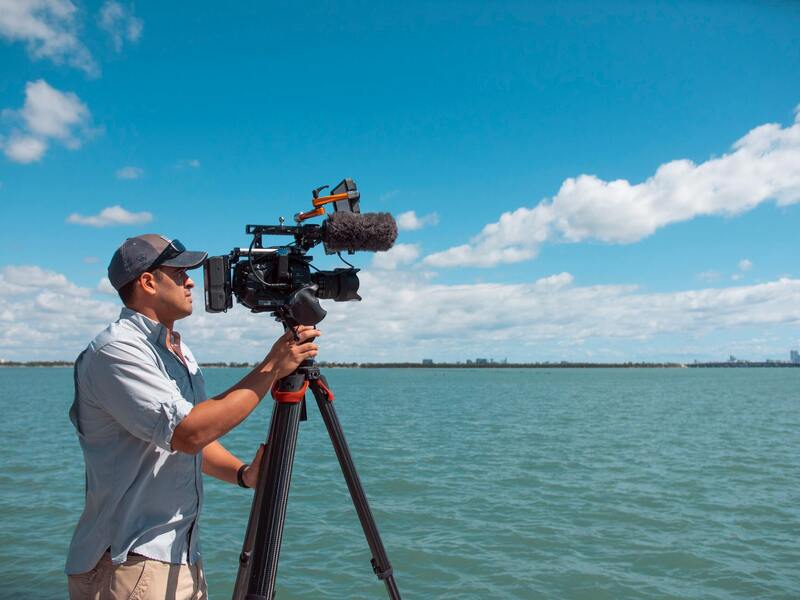
Allocating sufficient resources during pre-production can directly influence the efficiency and quality of the final output, making it one of the most critical stages in managing commercial video production cost.
Production Expenses
The actual filming process is often the most visibly resource-intensive phase. Expenses include equipment rentals, on-site logistics, talent and crew wages, motion control or drone operation costs, and location fees. For outdoor shoots in Miami, considerations like weather, lighting conditions, and local permissions are critical factors that can add to the budget. Multi-day shoots require careful planning to optimize the use of hired resources and ensure that every shoot day delivers maximum productivity.

Effective coordination and adherence to the plan help prevent overspending. Centralized communication and comprehensive scheduling also play pivotal roles in managing production expenses, making sure each dollar contributes towards the desired visual and narrative outcomes.
Post-Production Costs
Post-production accounts for editing, visual effects, sound design, music licensing, and final mastering. The complexity of these tasks varies significantly based on the project's creative demands. Tight deadlines or extensive revisions can increase personnel hours, particularly if additional editors or specialists are required. Quality post-production work is crucial for achieving a polished final product that meets branding standards and creative expectations, but it also requires careful budget management to avoid escalating costs.
In environments like Miami, where creative trends and regional talent can influence costs, selecting the right post-production team is essential. Local editing houses may offer competitive rates without compromising quality, especially when they understand regional cultural elements and audience preferences. This strategic decision allows for budget optimization while maintaining high standards for the final output.
Factors Influencing Post-Production Costs in Commercial Video Projects
Post-production is often regarded as the most flexible phase in commercial video production, but it is also one of the most variable in terms of expense. The costs here are primarily driven by the complexity of the editing process, the level of visual effects required, sound design intricacies, music licensing fees, and the final mastering process. Each element contributes to the overall budget, and understanding these factors aids in efficient financial planning.
Key Components of Post-Production Expenses
- Editing: The editing process involves assembling footage, color correction, and ensuring narrative coherence. Complex edits, multiple takes, or extensive revisions can extend editing hours, raising costs.
- Visual Effects (VFX): Adding or enhancing scenes with digital effects can involve costly software and skilled artists. The depth of VFX required directly impacts the budget, especially for scenes demanding advanced compositing or CGI integration.
- Sound Design and Mixing: Sound effects, voiceovers, and music complement visual storytelling. Detailed sound design demands specialized personnel, and high-quality mixing ensures clarity and balance, both contributing to the project's total expense.
- Music Licensing: Utilizing commercially available music requires licensing fees, which vary with the prominence of the track. Custom compositions, while more expensive initially, can provide unique branding opportunities but also influence costs significantly.
- Final Mastering: The last step ensures the video meets broadcast standards and digital platform requirements. This process involves color grading and format conversions, which, depending on complexity, add to the overall cost.
Regional Influences on Post-Production Pricing in Miami
Miami's vibrant creative landscape and diverse talent pool can affect post-production costs notably. Local editing and VFX houses often offer competitive rates, particularly if they possess in-depth understanding of regional cultural nuances and audience expectations. Collaborating with regional professionals enables producers to maintain high quality while optimizing expenses. Furthermore, the regional demand for innovative visual techniques can influence pricing structures, encouraging strategic negotiations to achieve budget goals.
Strategies for Managing Post-Production Expenses Effectively
- Define Clear Creative Briefs: Precise guidance reduces revisions, saving time and money.
- Prioritize Essential Elements: Focus on impactful visual effects and sound design that align with campaign goals to avoid overextending the budget.
- Leverage Local Expertise: Engage skilled Miami-based professionals familiar with the regional aesthetic, which can prevent costly rework due to cultural misalignment.
- Utilize Efficient Software and Workflows: Adopt industry-standard tools and project management practices to streamline post-production processes.
- Plan for Revisions: Budget adequately for revisions based on initial feedback to prevent overruns in later stages.