Understanding Corporate Production Video
A corporate production video is a professionally crafted visual narrative that encapsulates a company's brand, values, products, or services. These videos serve as powerful communication tools tailored to various objectives, including marketing campaigns, brand positioning, employee training, and stakeholder engagement. They function as dynamic mediums capable of conveying complex messages clearly and engagingly, making them invaluable assets in a company's communication arsenal.
In the digital age, the prominence of video content continues to grow, driven by its ability to foster emotional connections and enhance audience engagement. Businesses leverage corporate videos to build brand authority, explain their offerings more effectively, and reach a wider audience through various distribution channels. Whether used on websites, social media platforms, or internal portals, these videos strengthen a company's presence and credibility in competitive markets.
Crafting an impactful corporate production video involves strategic storytelling, high-quality visuals, and targeted messaging. It reflects a company's professional image and demonstrates its commitment to excellence and authenticity. With a compelling narrative, clear call-to-action, and visually appealing content, corporate videos can significantly influence viewers' perceptions and decisions.
From a branding perspective, a well-produced corporate video helps establish a consistent visual identity, making the brand memorable and recognizable. Internally, such videos enhance communication efficiency, training processes, and employee engagement by providing clear and engaging informational content. As organizations increasingly adopt digital strategies, investing in professional corporate production videos becomes not only advantageous but essential for long-term growth and success.

Planning and Pre-Production Process
Effective planning and pre-production are vital for the success of a corporate production video. This stage involves defining clear objectives, understanding target audiences, and establishing a compelling message that aligns with the company’s brand identity. A comprehensive script serves as the foundation, outlining key messages, call-to-actions, and visual storytelling elements that will resonate with viewers. During this phase, storyboarding is employed to visualize scenes, plan camera angles, and determine the flow of the narrative, ensuring that every shot supports the overall message.
Pre-production also encompasses logistical considerations such as securing filming locations, assembling the production team, scheduling shoots, and arranging necessary permits or permissions. An organized approach minimizes delays and unforeseen complications during filming, facilitating a smooth process. Additionally, selecting appropriate talent—including spokespersons or actors—helps to convey the company’s message authentically. All preparatory efforts aim to maximize efficiency on the day of filming, reducing costs and optimizing footage quality.

To effectively manage pre-production, many businesses develop detailed production timelines and checklists. These tools facilitate communication between stakeholders and ensure key milestones are met. This meticulous planning creates a solid foundation for the subsequent production stages, leading to a polished final product that meets or exceeds expectations.
Production Techniques and Best Practices
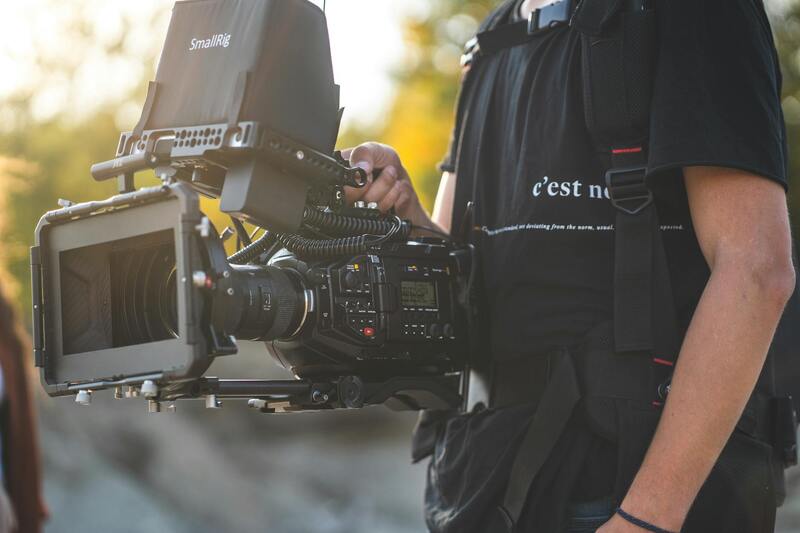
During production, employing industry-standard techniques guarantees high-quality visuals and audio essential for a professional corporate video. Utilizing stable camera rigs, like tripods, gimbals, or dollies, ensures smooth footage, while proper lighting enhances visibility and mood. Shooting in optimal conditions, with controlled lighting setups, illuminates subject focus and reduces post-production adjustments.
Opting for multiple camera angles offers dynamic visuals, capturing reactions and detailed shots that enrich storytelling. Capturing high-quality audio, either through lavalier microphones, boom mics, or studio setups, ensures clarity of spoken content and reduces background noise. A well-trained crew, familiar with the script and storyboard, can efficiently manage on-set activities, ensuring seamless execution.
Post-shoot, immediately backing up footage is critical to protect valuable content. Data management and organized storage streamline the editing process. Establishing continuity in shots and ensuring all visual elements align with the script maintains coherence and professionalism in the final piece.
Adopting best practices such as adherence to production schedules, maintaining clear communication among team members, and conducting routine check-ins reinforces efficiency and quality control. These strategies result in a visually compelling and engaging corporate video capable of aligning with company branding and storytelling goals.
Production Techniques and Best Practices
Executing a corporate production video requires adherence to refined techniques that ensure the final product meets professional standards. One of the fundamental approaches involves meticulous planning of shot composition and camera movements. Utilizing steady camera support devices, such as stabilizers or mounts, minimizes unwanted motion and enhances visual clarity. A combination of wide establishing shots, medium frames, and close-ups provides depth to the narrative, allowing viewers to connect with the company’s message more effectively.
Lighting remains a crucial component during filming, with an emphasis on achieving consistent illumination that complements the environment and highlights key subjects. Employing diffusers, reflectors, and controlled light sources prevents harsh shadows and ensures the subject’s features are well-defined. When shooting in different locations, adjusting lighting setups to match the ambient conditions maintains visual cohesion.
Sound quality is equally vital, necessitating the use of professional-grade microphones and sound recording equipment. Directional microphones like shotgun mics capture clear dialogue without extraneous noise, while lavalier microphones placed close to speakers further enhance audio clarity. Incorporating sound checks and monitoring audio levels throughout production minimizes post-production editing needs.
Post-Production and Editing
After capturing footage, a systematic approach to editing is essential for achieving a polished corporate video. This process begins with selecting the best takes, followed by organizing clips into a coherent sequence aligned with the script and storyboard. High-resolution editing software allows for precise trimming, color correction, and visual enhancements that maintain brand consistency.
Audio synchronization and enhancement play a pivotal role, with noise reduction, equalization, and balanced sound levels ensuring clarity and professionalism. Incorporating graphical elements such as captions, lower thirds, and branded overlays adds informational value and reinforces branding efforts.
Rigorous review cycles involving feedback from key stakeholders enable iterative improvements, ensuring the final product resonates with the intended audience and meets organizational goals. Exporting the finished video in multiple formats facilitates optimal playback across diverse platforms, from internal presentations to social media channels.

Production Techniques and Best Practices
Executing a corporate production video with a high level of professionalism involves meticulous attention to shooting methods and equipment choices. Selecting the appropriate filming techniques and gear can significantly influence the final output quality, ensuring that the video effectively communicates the client's message.
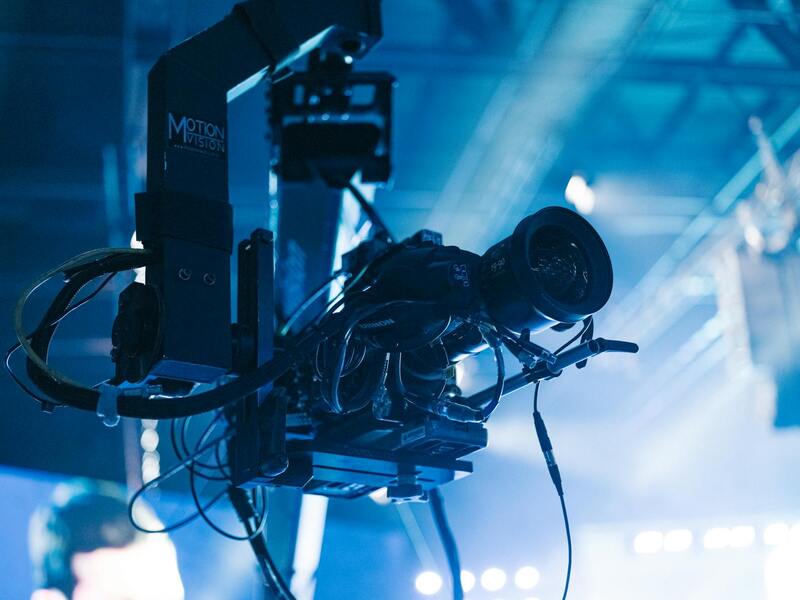
Optimal camera selection is fundamental. Professional-grade cameras with high-resolution capabilities provide crisp, clear footage that captures intricate details and vibrant colors. Employing stabilized rigs, such as gimbals and dollies, ensures smooth motion shots, which are essential for dynamic presentations or interviews.
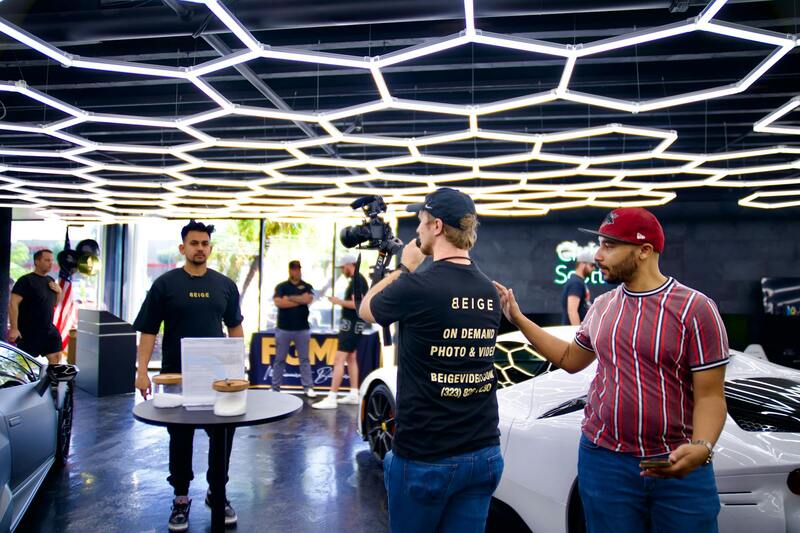
Lighting plays a pivotal role in setting the tone and enhancing the visual appeal of corporate videos. Using a combination of key lights, fill lights, and backlights allows videographers to sculpt the shot, eliminate unwanted shadows, and create a professional aesthetic. Portable LED panels with adjustable color temperature are especially versatile in various indoor and outdoor environments.
Sound quality is equally critical. Directional microphones such as shotgun mics capture clear audio from speakers, minimizing background noise. Wireless lavalier microphones are ideal for capturing dialogue in interviews or presenter segments, offering mobility and unobtrusive placement. Regular sound checks and monitoring during filming prevent issues like audio clipping or imbalance, reducing extensive editing later.
Filming techniques should also include strategic shot framing and composition. Utilizing the rule of thirds, leading lines, and depth of field emphasizes key subjects and guides viewers' focus. Shooting from multiple angles provides a variety of footage options during editing, enabling more dynamic storytelling.

Moreover, pre-visualization planning through storyboards or shot lists ensures efficiency on set. Communicating the vision clearly to all crew members helps streamline the process and guarantees that footage aligns with the overall messaging framework.
Embracing these industry-standard filming techniques and equipment considerations results in high-caliber content capable of engaging audiences and elevating brand presence. Proper execution during production also reduces the need for extensive corrections in post-production, saving time and resources.
Understanding Corporate Production Video
Creating a compelling corporate production video requires a systematic approach that emphasizes storytelling, visual engagement, and clear messaging. These videos serve as powerful tools for brand promotion, internal communication, product launches, and stakeholder engagement. The goal is to craft content that resonates with the target audience, reinforces brand identity, and effectively conveys the intended message. Achieving this involves comprehensive planning, professional execution, and a strategic distribution plan.
Pre-Production Planning and Strategy
Before filming begins, meticulous preparation lays the foundation for a successful corporate video. This phase includes defining the target audience, outlining the core message, and establishing key performance indicators (KPIs). Content scripting and storyboard development translate conceptual ideas into visual sequences, ensuring that each scene aligns with the overarching narrative. Selecting suitable locations, casting, and gathering necessary resources—such as equipment and personnel—are integral steps. Additionally, logistical planning such as scheduling, obtaining permits, and coordinating shoot dates helps prevent delays and budget overruns.
The project’s scope should also be aligned with the intended distribution channels. For example, videos aimed for social media may require shorter, more dynamic formats, while in-depth corporate videos may benefit from detailed storytelling and high production values. This strategic alignment ensures that the final product maximizes engagement and meets audience expectations.
Scriptwriting and Storyboarding
The script serves as the blueprint for the entire video, capturing scripts for voiceovers, dialogues, and narration. It should be concise, aligned with the brand tone, and tailored to resonate with the target audience. Visual storyboards complement the script by illustrating key scenes, camera angles, and transitions, providing a visual roadmap for the production team. This planning fosters effective communication among directors, cinematographers, and clients, minimizing misunderstandings and optimizing shot composition.
Choosing the Right Equipment and Crew
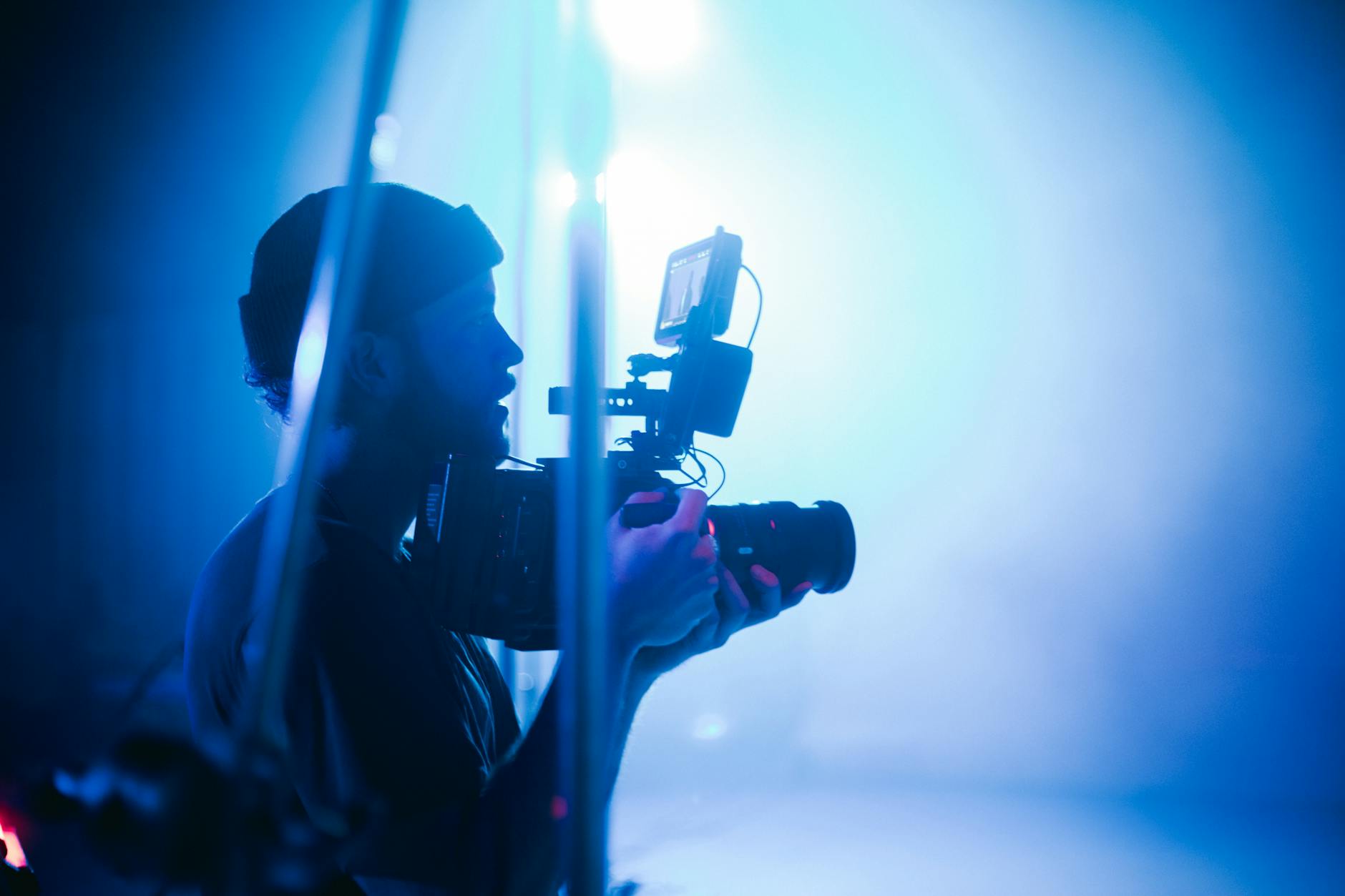
Quality equipment is pivotal to capturing high-fidelity visuals and sound. Professional-grade cameras capable of recording in 4K or higher ensure crisp imagery. Investment in various lenses allows for creative flexibility in framing shots, from wide landscapes to close-up details. Lighting equipment, such as softboxes and LED panels, help create a polished look, eliminating unsightly shadows and ensuring consistent illumination. High-quality microphones, including shotgun mics and wireless lavaliers, guarantee clear audio capture, essential for conveying messages effectively.
Equally important is assembling a skilled crew—including directors, camera operators, sound technicians, and production assistants—who bring technical expertise and creative insight to the project. A seasoned team ensures adherence to the planned vision, efficient use of resources, and high-caliber outcomes.
Filming and On-Site Execution
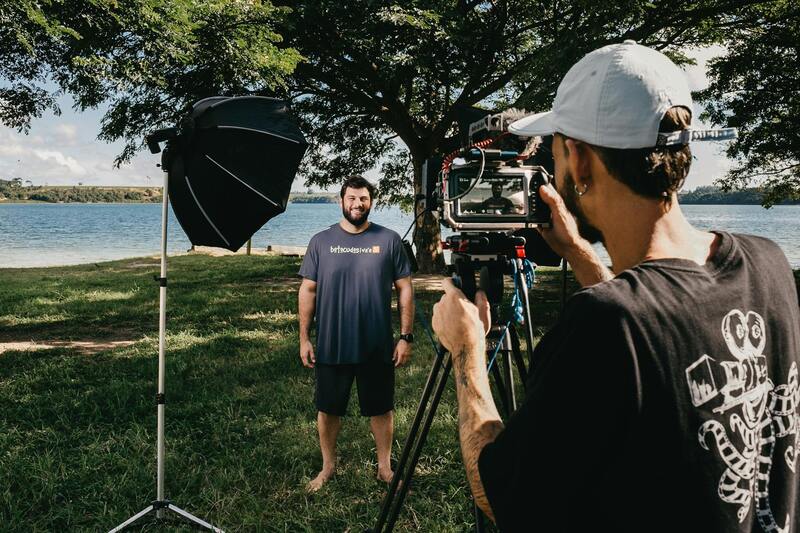
During production, adherence to the shot list and storyboards is critical to maintaining consistency and efficiency. Proper framing and composition—such as the rule of thirds and leading lines—guide viewers' focus and add visual interest. Strategic use of lighting enhances mood and highlights key subjects, while camera movements like panning or tracking add dynamism to scenes.
Multiple takes from different angles provide versatile footage options in post-production, enabling editors to craft engaging sequences that hold viewers’ attention. Coordinating with the crew ensures that all technical elements—lighting, sound, and set design—operate seamlessly to produce polished results.
Post-Production Workflows
Once filming is complete, the post-production phase begins with editing footage into a cohesive story. This involves selecting the best takes, trimming excess material, and aligning visuals with the script. Color correction enhances visual appeal, ensuring color consistency and mood alignment. Sound design— including mixing, background music, and sound effects—adds depth and clarity to the narrative, improving viewer engagement.
Visual effects and graphics can be integrated to reinforce branding or illustrate complex concepts. For corporate training videos, animations and infographics simplify information delivery, making content more digestible. Throughout this process, collaboration with clients or stakeholders is vital to refine the final cut and ensure it meets strategic objectives.
Understanding Corporate Production Video
Corporate production videos are comprehensive visual tools designed to communicate a company's message, showcase products or services, and reinforce brand identity. These videos serve diverse functions, including internal training, marketing campaigns, stakeholder communications, and event coverage. Effective corporate videos achieve a clear narrative, professional quality, and alignment with strategic objectives, often translating complex ideas into engaging visual stories. Understanding the nuances of official production methods ensures the final product reflects credibility, authority, and trustworthiness, qualities essential in the corporate landscape.
Official Filming Techniques and Equipment
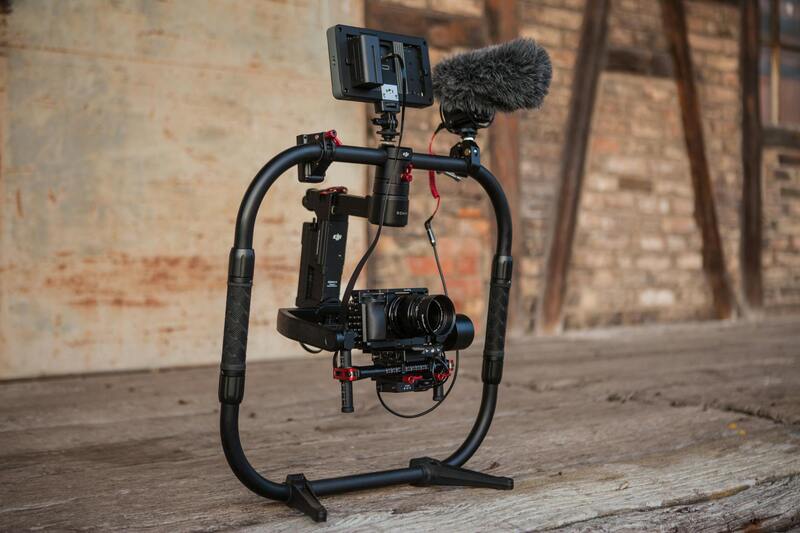
Producing a corporate video involves meticulous planning and the use of industry-standard equipment. High-definition cameras are employed to capture crisp visuals that enhance the professionalism of the content. Tripods, gimbals, and dollies are used for steady, smooth shots, while drones can provide aerial perspectives for added visual impact. Proper lens selection and focal lengths are crucial for achieving the desired depth of field and clarity, especially when filming with multiple subjects or detailed products. Additionally, professional lighting setups—such as softboxes, LED panels, and reflectors—are used to ensure consistent illumination, eliminate shadows, and highlight key elements, thereby maintaining visual quality regardless of location or environmental conditions.
Sound Recording and Audio Clarity
Audio quality significantly influences the effectiveness of corporate videos. High-fidelity microphones, such as lavaliers, shotgun mics, and boom poles, are standard tools used during filming. These capture clear voice recordings while minimizing background noise. Sound recording equipment should be tested and calibrated before shoots to ensure optimal performance. Ambient sound should be controlled or recorded separately for post-production editing, where it can be balanced and enhanced. Clear and professional audio not only improves viewer engagement but also enhances the message’s authority, making the content more persuasive and memorable.
Authentic Talent and Subject Representation
Official methods prioritize genuine representation of the company's personnel, clients, and stakeholders. This involves selecting participants who naturally embody the brand’s values and message. Professional direction ensures that talent delivery is confident and authentic, aligning with visual and narrative goals. Using legitimate casting processes and rehearsing key segments helps secure natural performances. Capturing candid interactions or testimonials adds credibility, reinforcing the trustworthiness and relatability of the corporate message.
Location Scouting and Set Design
Choosing appropriate filming locations is essential for conveying the desired corporate image. Locations should align with the company's branding, whether they are modern office spaces, manufacturing facilities, or outdoor environments. Official procedures include thorough scouting to assess lighting conditions, noise levels, and logistical considerations. When necessary, set design and staging are implemented to create controlled environments that reflect professionalism. This approach minimizes disruptions during filming and ensures the footage consistently portrays the company in the best light.
Adherence to Safe and Ethical Standards
Transparency and integrity are integral to official corporate production processes. This involves obtaining necessary permissions, respecting privacy policies, and ensuring safety protocols on set. Regulations regarding location use, talent release forms, and equipment handling are rigorously followed to avoid issues that could compromise the project's legitimacy. Ethical practices further include honest representation of the company's capabilities and services, which builds trust with stakeholders and viewers alike.
Understanding Corporate Production Video
Creating a corporate production video involves a multifaceted approach that ensures the final product accurately conveys the company's message while engaging its target audience. From initial concept development to final delivery, every step must align with the company’s branding and strategic goals. Official methods emphasize meticulous planning, adherence to industry standards, and the use of legitimate tools and resources to produce a high-quality video. These practices not only uphold professionalism but also enhance credibility and trustworthiness among viewers and stakeholders.
Official Pre-Production Planning
The process begins with comprehensive planning sessions where the core objectives of the video are defined. This includes identifying the target audience, key messages, and desired tone. A detailed script is drafted, capturing the narrative flow, language style, and visual cues. Storyboarding is employed to visualize each shot, facilitating effective communication among the production team and stakeholders. During this phase, location scouting is performed systematically, with official procedures such as obtaining permissions, assessing lighting and sound conditions, and ensuring accessibility. Budgeting and scheduling are meticulously planned to optimize resources and timelines.
Pre-Production Documentation and Permits
Securing necessary documentation forms a core component of legitimate film production. This may include location permits issued by relevant authorities, talent releases confirming consent, and insurance certificates to cover potential liabilities. All contracts with cast, crew, and vendors are formalized through official agreements, detailing the scope of work, compensation, and confidentiality clauses. Such documentation ensures clarity, protects all parties involved, and maintains the integrity of the production process.
Choosing the Right Equipment and Resources
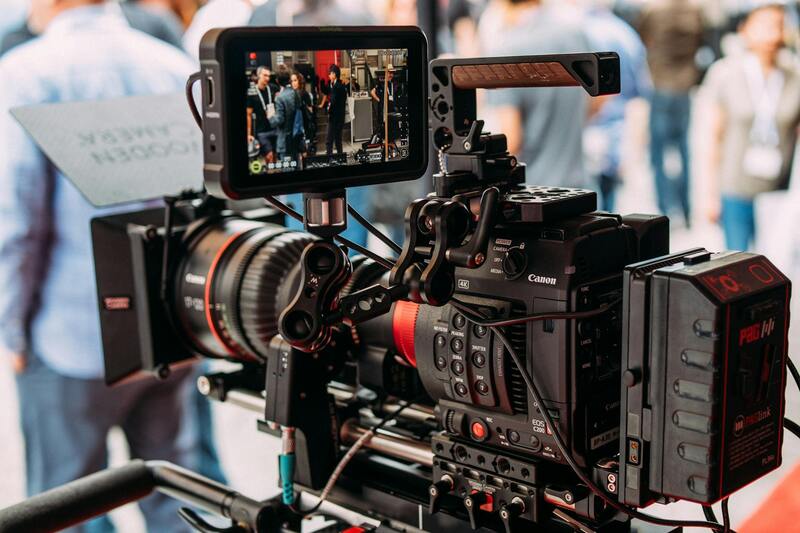
Using approved, high-quality equipment is essential to produce crisp visuals and clear audio. Professional-grade cameras, lighting, and sound recording devices are selected based on the project's requirements. Off-the-shelf or rented equipment should meet industry standards for reliability and performance. Additionally, employing skilled technicians and production assistants ensures that technical operations adhere to best practices, minimizing errors and delays.
Safety and Ethical Compliance
Strict adherence to safety protocols is an inherent part of official corporate production. This includes conducting risk assessments, ensuring proper handling of equipment, and following OSHA guidelines or relevant safety standards. Respecting privacy policies, securing permissions for footage, and avoiding unauthorized use of copyrighted material uphold ethical standards. Proactive communication with all participants reinforces transparency, thereby fostering a positive and professional working environment.
Segregating Stakeholders’ Expectations
Clear communication channels among clients, production teams, and subject matter experts prevent misunderstandings. Regular updates through official meetings or documented reports help align the project's direction with the company's objectives. Feedback loops are established to refine content, and any adjustments are handled through formal change orders, preserving the project’s integrity.
Effective Distribution and Marketing Strategies for Corporate Production Videos
Maximizing the impact of a corporate production video extends beyond the creation process. A well-executed distribution plan ensures that the created content reaches the intended audience efficiently, resonates with viewers, and contributes to achieving the company’s strategic goals. It's essential to deploy targeted marketing strategies that leverage various channels to enhance visibility and engagement.
Strategic Channel Selection
Identifying and selecting appropriate channels for distribution is a fundamental step. Companies should consider where their target audience consumes content — whether through social media platforms, email campaigns, corporate websites, or industry-specific portals. For instance, LinkedIn is highly effective for B2B communication, while platforms like YouTube or Vimeo are ideal for broader outreach. Integrating distribution efforts across multiple channels ensures a wider reach and reinforces brand messaging.
Optimizing Content for Search Engines
Implementing SEO best practices enhances the discoverability of corporate videos. Including relevant keywords in titles, descriptions, and tags helps improve search engine rankings. Producing engaging thumbnail images and compelling captions can also attract clicks. Embedding videos within blog posts or landing pages with optimized content further amplifies visibility and encourages viewers to engage with the company’s offerings.
Leveraging Paid Advertising
paid media strategies such as sponsored content, social media ads, and targeted email campaigns significantly increase exposure. Defining precise audience parameters, including industry, location, interests, and behavior, ensures that campaigns reach decision-makers and stakeholders effectively. Regular monitoring and adjustment of ad campaigns optimize performance, generate leads, and promote brand recognition.
Utilizing Internal Networks and Stakeholders
Encouraging employees, partners, and clients to share the video content expands organic reach. Internal newsletters, corporate email signatures, and stakeholder engagement events can serve as additional avenues for dissemination. Such advocacy helps build credibility and reinforces the company’s message through trusted channels.
Monitoring and Analytics
Tracking the performance of distribution efforts provides insights into audience behavior and content engagement. Key metrics include view counts, watch duration, click-through rates, and conversions. Analyzing this data allows for refinements in future distribution tactics, ensuring continuous improvement in outreach effectiveness.
Consistency and Branding
Consistent branding in all distributed content enhances brand recognition and reinforces corporate identity. Incorporating pre-approved logos, color schemes, and messaging across all channels maintains a professional image and fosters trust among viewers.