Understanding Testimonial Video Content
Testimonial video content has become an essential component of modern marketing strategies, especially within the realm of event photography services. These videos feature genuine clients sharing their experiences, highlighting the quality, professionalism, and overall satisfaction with the service provided. Unlike written reviews, testimonial videos offer a dynamic and authentic representation of customer feedback, allowing potential clients to connect on a personal level and gain confidence in choosing a particular service provider.
At its core, testimonial video content serves to build trust and credibility. It provides social proof—showcasing real clients articulating their positive experiences, which can influence the decision-making process of prospective customers. When potential clients see and hear from satisfied customers, they develop a sense of familiarity and assurance about the service quality, making testimonial videos a powerful tool in the marketing arsenal.

Creating effective testimonial videos requires a strategic approach to ensure the message resonates with viewers. These videos typically include candid interviews, heartfelt expressions of satisfaction, and examples of the service in action. They should emphasize key attributes such as professionalism, attention to detail, and memorable moments captured during events. When well-produced, testimonial videos not only serve as endorsements but also as compelling storytelling that conveys the emotional impact of the service provided.
Effective testimonial videos are characterized by authenticity, clarity, and relatability. They often feature diverse clients to appeal to a broad audience and include specific details about the experience, which help to personalize the message. Additionally, high-quality visuals and sound are critical to maintaining engagement and conveying a professional image. Ultimately, testimonial videos are a vital tool to showcase credibility, foster trust, and influence potential clients' decisions through honest and impactful storytelling.
Key Elements of Effective Testimonial Videos
Crafting impactful testimonial videos hinges on several fundamental components that work together to deliver a compelling message. Authenticity is paramount; viewers can discern genuine feedback from rehearsed statements, which significantly enhances trust and rapport. To achieve this, selecting clients who had a positive experience and are willing to share their story openly is essential. Their spontaneous reactions and heartfelt testimonials resonate more deeply with prospective customers.
Clarity and coherence also play vital roles. Testimonials should focus on specific aspects of the service or product that highlight its value. Clear storytelling, with a logical flow, ensures the audience connects with the narrative and understands the benefits effectively. Incorporating detailed anecdotes about memorable moments during the event helps personalize the experience, making the story relatable and memorable.
Visual and auditory quality are critical components for professional testimonial videos. High-resolution footage with steady camera work, balanced lighting, and crisp audio elevate the overall perception of quality. These elements reflect positively on the service provider, implying a commitment to excellence. Including visuals of the event or service in action—such as candid shots of clients enjoying moments or showcasing the setup—adds authenticity and context that heighten viewer engagement.

Non-verbal cues, such as genuine smiles, eye contact, and body language, also bolster the sincerity of the message. When clients exhibit authentic emotions, it reinforces the credibility of their feedback. Furthermore, keeping testimonials concise and focused helps retain viewer interest and ensures the key message is delivered effortlessly.
Strategies for Creating Compelling Testimonial Content
Developing compelling testimonial videos involves deliberate planning and strategic execution. The first step is to formulate a set of guiding questions that elicit meaningful and specific responses. These questions should prompt clients to discuss their overall experience, highlight standout moments, and articulate how the service exceeded their expectations.
Scheduling interviews in environments with good lighting and minimal background noise can drastically improve audio and video quality. Allowing clients to speak naturally, rather than scripted, encourages genuine emotion and spontaneity, which are more persuasive for viewers. Cinematic techniques such as close-ups of facial expressions and capturing ambient sounds contribute to creating an immersive experience.
Incorporating behind-the-scenes footage or snippets of the event setup can add depth to the testimonial, showcasing the effort and professionalism behind the scenes. Storytelling should follow a narrative arc—beginning with the challenge or need, moving through the decision-making process, and culminating in a satisfied resolution. This structure helps viewers relate to the client’s journey and underscores the value delivered.

Finally, editing plays a crucial role in emphasizing the most impactful moments, removing any superfluous content, and maintaining a natural flow. Including subtitles ensures accessibility and allows viewers to follow the message even without sound. Overall, investing in thoughtful content creation enhances the authenticity and persuasive power of testimonial videos.
Professional Methods for Collecting Genuine Testimonial Videos
To ensure the testimonial content remains authentic and powerful, relying on structured collection methods is crucial. One highly effective approach involves conducting scheduled interviews with clients in controlled environments. These interviews should be facilitated in settings where lighting is optimal and ambient noise is minimized, which significantly enhances both audio clarity and visual quality. Audio equipment such as lavalier microphones can further improve sound fidelity, capturing clear and natural speech.
Encouraging clients to speak freely about their experiences while providing guided prompts ensures that the narrative remains coherent and compelling. Instead of scripted responses, the focus should be on eliciting genuine stories that highlight specific moments of satisfaction, challenges overcome, and the overall impact of the service or product. This method unlocks heartfelt testimonials that resonate deeply with potential clients.

Another legitimate strategy involves leveraging user-generated content through organized campaigns or contests. Clients and customers can be invited to share their experiences voluntarily, using their smartphones or other recording devices. To maximize production value, providing simple guidelines—such as camera angles, framing, and background considerations—helps in collecting videos that are suitable for professional use without extensive editing. These videos can then be curated and polished for presentation.
Finally, collaborating with professional videographers or production teams guarantees technical excellence. They bring expertise in framing, lighting, and editing, which ensures the testimonials align with brand standards and convey authenticity effectively. Such collaborations also allow for the integration of cinematic techniques, like close-ups or environmental shots, which enhance emotional connection and viewer engagement.
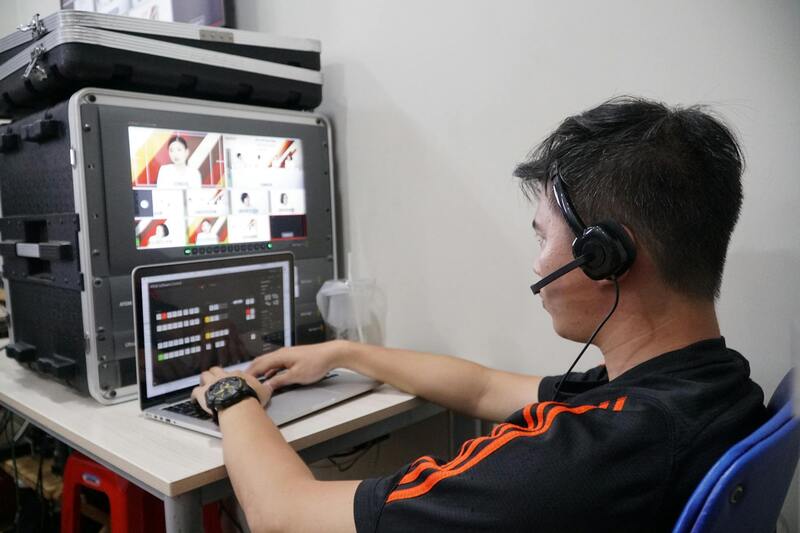
Implementing these methods ensures testimonial videos are both authentic and effective, ultimately serving as powerful tools that build credibility and trust through legitimate, quality-driven content.
Legal Considerations and Best Practices for Collecting Testimonial Videos
When incorporating testimonial video content on your website, adhering to recognized procedures ensures that your content remains credible and compliant with industry standards. The process begins with obtaining explicit permission from clients or customers before recording or publishing their videos. This approach not only respects individual rights but also enhances the authenticity of the testimonial, as clients are aware of how their content will be used.
It is advisable to use clear, written consent forms that outline the scope of use, including publication platforms and promotional connections. These forms should specify that the individual willingly shares their experience and understands its intended purpose. Once consent is secured, organizations should implement internal review procedures to verify that all content aligns with brand messaging and quality standards.
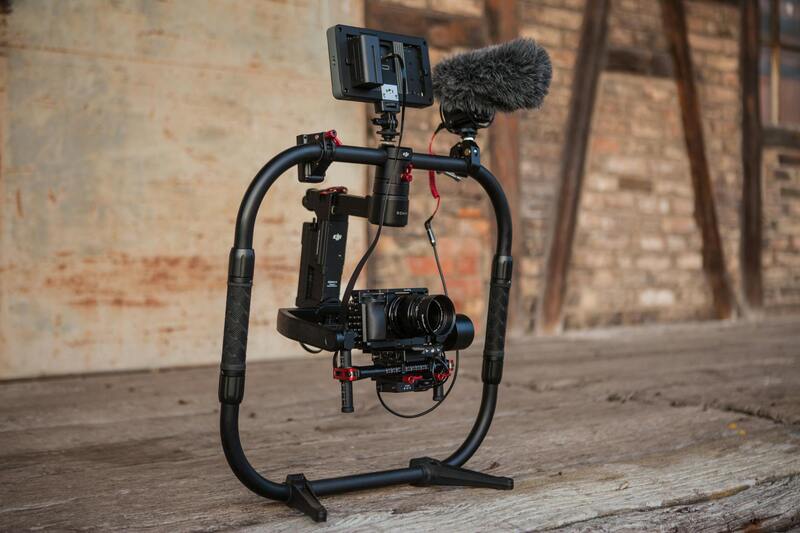
Additionally, establishing a uniform process for collecting testimonial videos helps maintain consistency. This includes providing clients with guidelines on how to record their videos, such as recommended camera angles, lighting tips, and background considerations. Such guidance ensures that even videos shot with smartphones or basic recording devices achieve a professional appearance suitable for public sharing.
Another important practice involves regularly auditing existing testimonial videos to ensure they remain relevant and compliant with evolving standards. Removing or updating content as needed helps sustain the credibility of the testimonials displayed on your site. This ongoing oversight demonstrates a commitment to transparency and high-quality content creation.

Employing these legitimate collection methods fosters trust with your audience by showcasing genuine, responsibly obtained testimonials. When viewers see that your organization values transparency and adheres to ethical content practices, it enhances your overall reputation and builds long-term relationships with clients.
Strategies for Creating Compelling Testimonial Content
Developing testimonial videos that resonate with audiences and authentically represent client experiences requires meticulous planning and execution. To achieve this, organizations must adhere to established practices that focus on authenticity, clarity, and relevance, ensuring each testimonial effectively serves its intended marketing purpose.
One of the primary considerations is the acquisition of testimonial videos through official channels. This involves selecting reputable clients who have experienced your services firsthand and are willing to share their positive reflections. Prior to recording, organizations should provide clear instructions on recording quality, emphasizing the importance of good lighting, stable camera positioning, and minimal background noise. Offering guidance on framing and background elements can yield more professional-looking content that maintains the viewer’s focus on the client’s message.
It is essential to implement a structured process for collecting testimonials. This process may include an initial screening to confirm the client’s consent and understanding of how their testimonial will be used. To uphold transparency and build trust, organizations often formalize this with written authorization, ensuring that clients are fully aware of how their stories will appear publicly. The use of standardized questionnaires can help clients articulate their experiences more clearly, ensuring consistency across testimonial videos while preserving the uniqueness of each story.

Authenticity should remain at the core of testimonial content. This means avoiding overly scripted or manufactured stories, instead encouraging genuine, spontaneous expressions of client satisfaction. Simple prompts or open-ended questions can facilitate authentic responses, capturing the client’s true voice and emotions. Authenticity enhances credibility and fosters a stronger emotional connection with prospective clients.
To further ensure the quality and integrity of testimonial videos, organizations should consider the following best practices:
- Verification of Content: Confirm that the testimonial accurately reflects the client’s experience without embellishments or misleading statements.
- Consistent Branding: While preserving authenticity, ensure the visual presentation aligns with brand standards, including logo placement, color schemes, and overall tone.
- Professional Editing: Edit videos to improve clarity and flow, removing unnecessary pauses or distractions, while maintaining the natural tone of the testimonial.
- Secure Storage and Archiving: Store testimonial videos securely with appropriate metadata to facilitate easy retrieval and review for ongoing use.
Implementing official procurement and review procedures enhances the authenticity and professionalism of testimonial content. This not only bolsters credibility but also underscores your organization’s commitment to responsible content management. By adhering to these methods, organizations can build a repository of trustworthy testimonial videos that effectively showcase genuine client experiences, thereby strengthening trust and engagement with prospective customers.

Implementing Secure and Authentic Collection Methods
To ensure the legitimacy of testimonial videos, organizations should adopt structured and official procedures for collecting client feedback. This involves obtaining explicit consent from clients prior to recording or publishing their statements. Clear communication about how the testimonial will be used, stored, and shared fosters transparency and trust. Documented consent forms and release agreements serve as formal records and reinforce ethical standards.
Employing verified contact channels, such as official email addresses or verified client portals, helps confirm the identity of participants. When requesting testimonials, use standardized prompts to ensure consistency and relevance. Additionally, organizations can implement a review process where testimonials are vetted by a designated team or compliance officer before publication. This step ensures the content aligns with organizational standards while preserving authenticity.
Furthermore, utilizing secure storage solutions, such as encrypted servers or third-party cloud platforms with access controls, protects testimonial content from unauthorized use or tampering. Metadata tagging, including client details, recording date, and context, facilitates efficient management and retrieval. Regular audits of stored testimonials reinforce the integrity and accuracy of the collection process. This systematic approach to gathering and managing testimonial videos helps maintain their authenticity and supports the organization’s reputation.
Implementing Official and Verifiable Methods for Testimonial Video Collection
To maintain high standards for testimonial video content, organizations should rely solely on processes that are transparent and verifiable. This involves establishing structured protocols that confirm the identity of clients providing testimonials, ensuring that the feedback genuinely originates from the intended source. One effective approach is to utilize verified communication channels, such as official email addresses or client portals, to initiate testimonial requests. When contacting clients, organizations should provide clear instructions and standardized prompts that help guide the testimonial content, ensuring consistency and relevance across submissions.
Before recording a testimonial, obtaining explicit consent through formal documentation is essential. These documents typically include a release form where the client affirms their approval for the organization to use their video for promotional purposes. The form should specify how the video will be used, stored, and shared, fostering transparency. Additionally, review processes are vital, wherein a designated team or compliance officer evaluates each testimonial before publication to verify accuracy and appropriateness. This step helps prevent misrepresentation and maintains the credibility of the content.
Secure storage of testimonial videos is another fundamental component. Employing encrypted servers or reputable third-party cloud storage solutions with strict access controls safeguards the content from unauthorized access or tampering. Incorporating metadata tagging—such as client details, recording dates, and context—facilitates organized management and easy retrieval of testimonial materials. Regular audits of stored videos help verify their integrity, ensuring that they remain authentic and unaltered over time. These systemic measures collectively uphold the authenticity and professionalism of testimonial video content while reinforcing the organization’s trustworthiness.

Organizations should also utilize official channels when requesting testimonials—from follow-up emails to dedicated client portals—to affirm identities and secure proof of consent. Implementing such procedures not only complies with best practices but also supports a transparent relationship with clients. When clients are informed of how their testimonials will be used and are provided with an easy mechanism for providing feedback, the likelihood of authentic, high-quality content increases. Moreover, by documenting each step—from initial contact and consent to recording and storage—companies create an audit trail that can be referenced for quality assurance and verification purposes.
Overall, the combination of verified contact methods, formal consent procedures, secure storage, metadata management, and review protocols constitutes a comprehensive approach to collecting testimonial videos ethically and responsibly. This systematic approach enhances credibility, fosters trust, and ensures that testimonial content accurately reflects genuine client experiences while complying with established organizational standards.
Best Practices for Collecting Testimonial Video Content
Securing high-quality, authentic testimonial videos requires a strategic approach that emphasizes professionalism and consistency. Organizations should establish official channels for testimonial collection to maintain control over the process. This includes creating dedicated email templates, client portals, or survey platforms designed specifically for gathering video feedback. These channels serve as secure and reliable points of contact, helping to verify identities and streamline the submission process. Incorporating clear instructions on video specifications, such as duration, format, and content focus, ensures that testimonials are uniform and easy to integrate into marketing materials.
When requesting testimonial videos, it’s crucial to provide clients with comprehensive consent forms that outline how their videos will be used, stored, and shared. These documents should be easily accessible and straightforward to understand, fostering transparency and trust. Digital signature solutions can be employed to obtain verified consent quickly and efficiently. Additionally, maintaining an organized database of testimonials—including metadata like date, client details, and context—facilitates easy retrieval and ensures accountability.
Ensuring Authenticity and Quality in Testimonial Content
To obtain genuine and high-quality testimonial videos, organizations should prefer direct engagement methods. For instance, guiding clients through a structured interview process—as opposed to simply requesting raw recordings—can significantly enhance the authenticity and relevance of content. Conducting virtual interviews via reputable conferencing tools can help verify identities and allow for real-time quality control. These sessions can be recorded for accuracy and consistency, ensuring the testimonial accurately reflects the client’s experience.
Providing clients with clear guidelines on filming conditions also contributes to production quality. Advising on proper lighting, sound, and framing helps create professional-looking videos that resonate with prospective audiences. It’s important to remind clients to speak naturally and share specific details about their positive experience, which adds credibility and emotional appeal.
Implementing Security and Verification Measures
Securing testimonial videos involves rigorous verification steps, including identity proofing and consent confirmation. Utilizing official identification checks—such as matching video appearances with official documents—can reinforce authenticity. Some organizations implement a multi-step verification process, where clients submit their consent forms and identification before recording their testimonials. Maintaining an audit trail that documents each stage—from initial contact through video submission—supports transparency and quality assurance.
Moreover, using encrypted transmission channels for file uploads and storage devices enhances data protection. Regular audits of testimonial content and associated metadata help identify and address potential discrepancies, further preserving the integrity of the collection process.
Leveraging Official Platforms for Continuous Improvement
To streamline testimonial collection and ensure ongoing compliance, organizations should integrate official platforms with their customer relationship management (CRM) systems. These platforms facilitate standardized input, centralize data management, and simplify follow-up procedures. Automated prompts and reminders can encourage clients to update or renew testimonials periodically, keeping content fresh and relevant.
Furthermore, establishing feedback loops where clients can review and approve their testimonials before publication minimizes misunderstandings. This collaborative approach enhances trust and guarantees that content aligns with both client expectations and organizational standards.