Understanding the Role of Video Testimonials in Business
In the competitive landscape of modern commerce, establishing trust and credibility has become paramount for local businesses seeking sustainable growth. Video testimonials have emerged as a compelling tool to influence consumer decision-making effectively. Unlike written reviews, video content provides a dynamic and authentic glimpse into customer experiences, allowing potential clients to see genuine reactions and hear firsthand accounts of service quality.
Consumers tend to trust peer opinions more than traditional advertising. When prospective clients see real customers sharing positive experiences via video, it enhances perceived trustworthiness and transparency. These testimonials serve as social proof, reassuring potential buyers that their investment will meet expectations. As a result, businesses leveraging video testimonials can foster emotional connections, showcase the human side of their brand, and theoretically reduce the hesitation new customers might have when choosing their services.
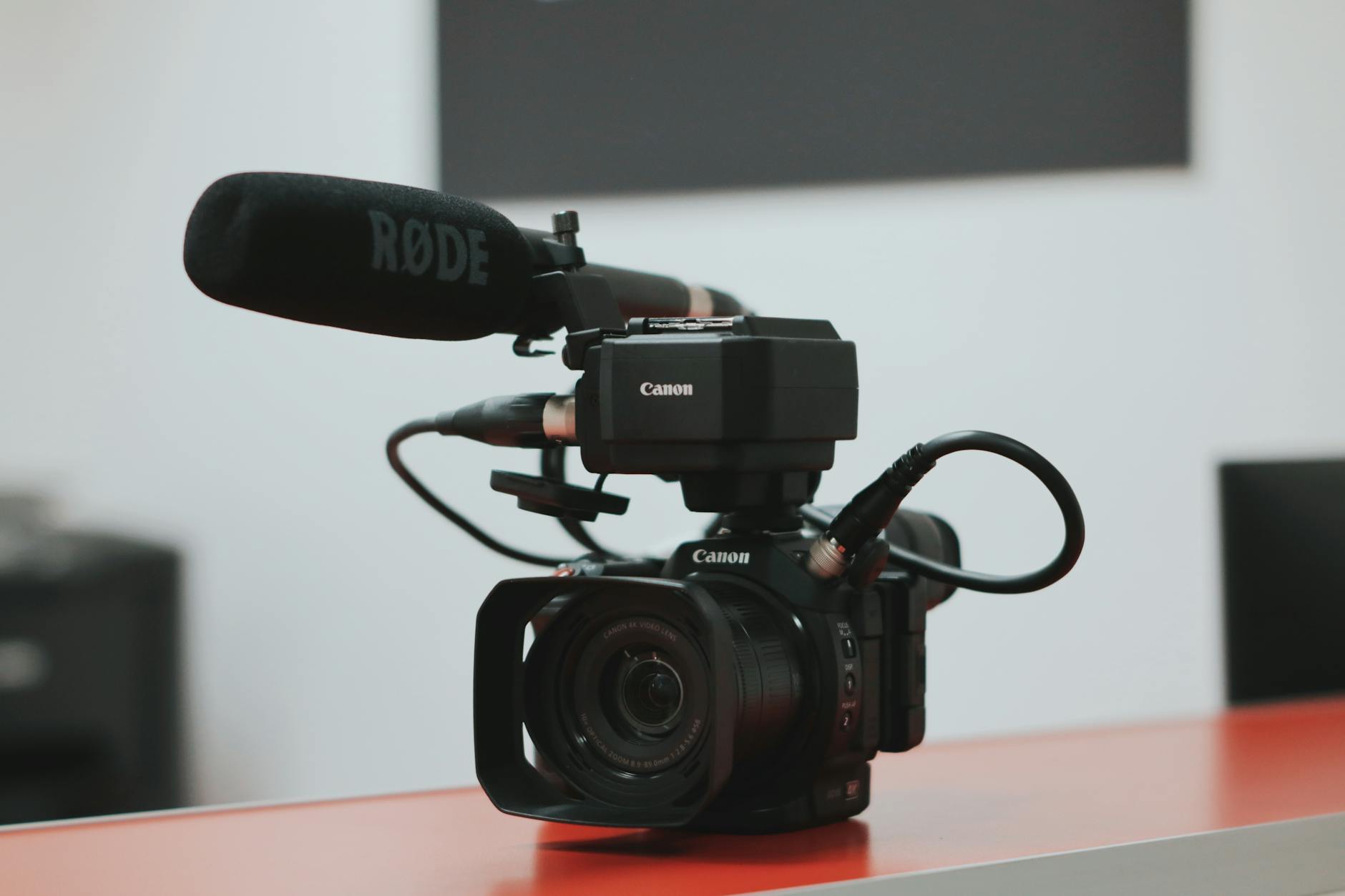
Moreover, well-produced video testimonials have the power to highlight unique aspects of a business that static reviews cannot fully convey—such as the ambiance of a venue, the professionalism of staff, or the effectiveness of a service. When framed by professional visuals and compelling narratives, these testimonials become powerful marketing assets that can stand at the core of a local business’s online presence.
In essence, incorporating authentic video testimonials into marketing strategies bridges the gap between customer expectations and actual service delivery. They serve as a bridge to trust, fostering client loyalty and encouraging word-of-mouth promotion that can translate into increased visibility and revenue. For businesses in Miami and beyond, mastering the craft of authentic, high-quality video testimonials is a strategic step toward elevating brand reputation and expanding market reach.
Creating Authentic and Impactful Video Testimonials
Capturing genuine customer experiences is fundamental to producing video testimonials that resonate with prospective clients. Businesses should prioritize authenticity over scripted content, allowing customers to speak naturally about their positive interactions with the brand. Authenticity fosters trust and helps potential customers relate to the testimonials on a personal level, making the message more compelling and credible.
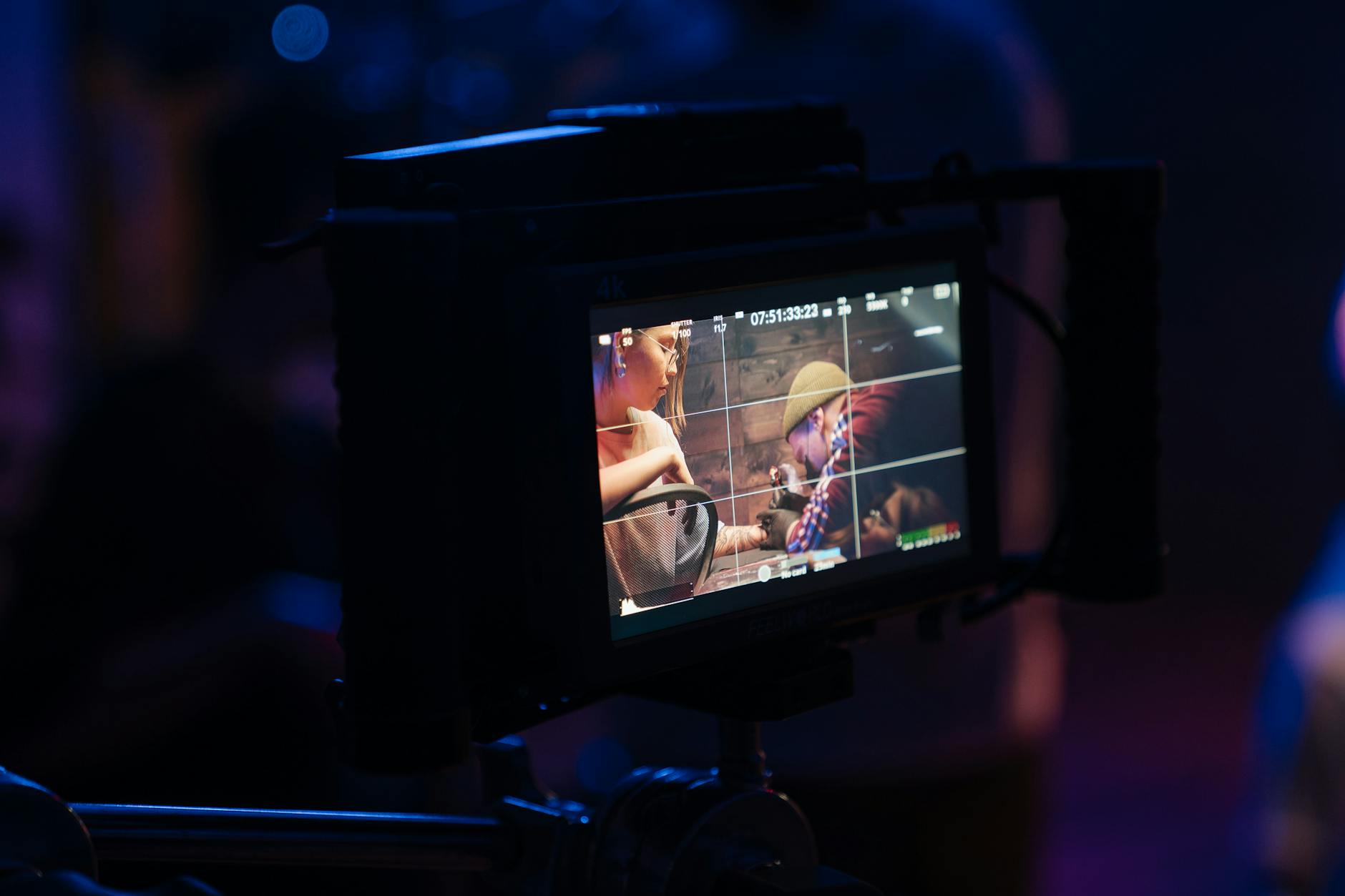
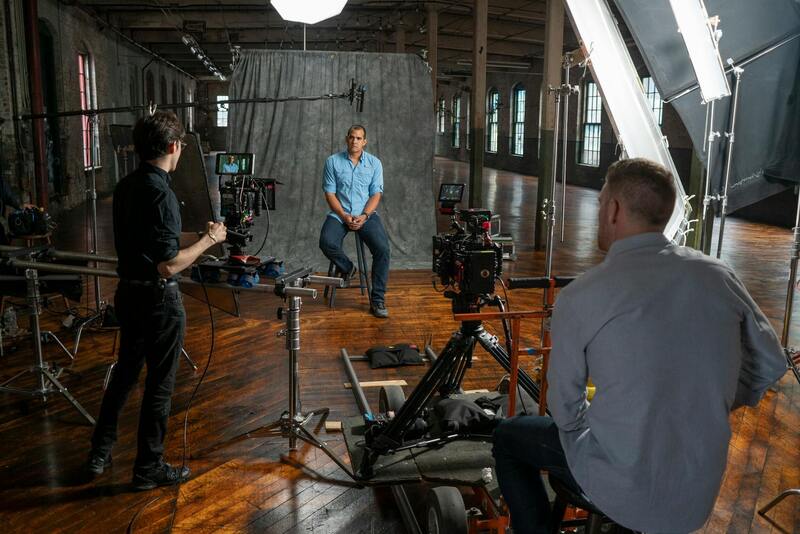
When planning a video testimonial recording, it is essential to create a comfortable environment for the interviewee. Proper lighting, clear audio, and well-thought-out framing ensure that the focus remains on the client's story. This professional presentation enhances the overall quality of the testimonial, making it more likely to engage viewers and leave a lasting impression.
Incorporating storytelling elements into the testimonial can deepen emotional connections. Encourage customers to describe specific challenges they faced, how the business addressed those issues, and the tangible benefits they received. This narrative structure provides context and highlights the value proposition effectively.
Key Components of a Successful Video Testimonial
- Authentic Customer Narratives: The core of a compelling testimonial is a relatable story that highlights genuine experiences.
- Clear Visual and Audio Quality: Using professional equipment ensures the message isn’t lost due to technical issues.
- Concise Messaging: Keeping testimonials focused on specific benefits helps maintain viewer engagement.
- Brand Alignment: The content should reflect the brand’s values and messaging tone to reinforce consistency.
- Call to Action: End with a subtle prompt for viewers to explore further or connect with the business.
Best Practices for Filming Customer Testimonials in Miami
When conducting testimonial recordings in Miami, consider the local environment to add contextual richness. Bright, lively outdoor settings or well-lit indoor venues can enhance the visual appeal. Securing permission for shooting at specific locations is crucial, especially for venues or public areas. It’s important to work with clients who are comfortable on camera, guiding them through the process to ensure their stories are communicated naturally. Additionally, scheduling sessions during optimal lighting times or arranging portable lighting solutions can significantly improve the visual quality of the recordings.
Leveraging Professional Editing for Impact
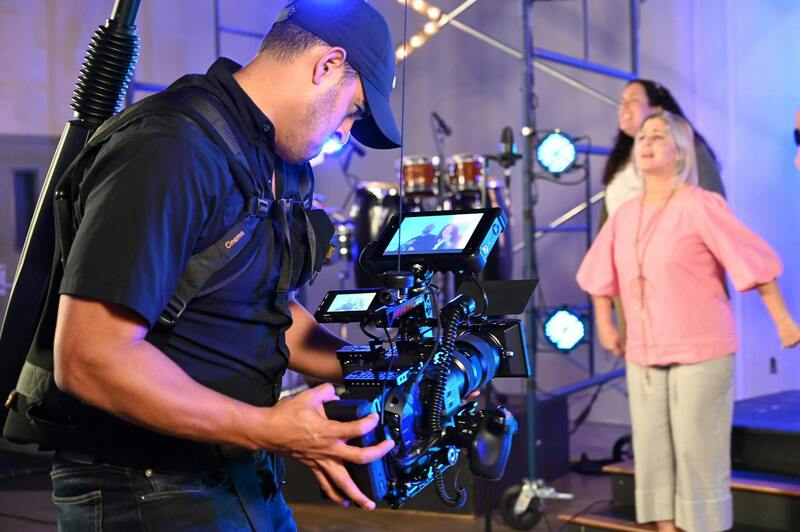
Post-production is a vital step in crafting testimonials that captivate audiences. Professional editing can refine the footage, enhance audio clarity, and incorporate branding elements like logos, color schemes, and captions that reinforce messaging. Incorporating background music subtly can also evoke emotions aligned with the testimonial’s intent. The final cut should flow smoothly, highlighting the most compelling parts of the customer’s story while maintaining a concise structure that respects viewers’ attention span.
Ensuring the edited testimonial maintains authenticity while enhancing professionalism is essential for reinforcing the credibility of the content. High-quality edits add polish and make the testimonial versatile for use across websites, social media, and digital advertising campaigns, creating a cohesive brand narrative that speaks directly to the target audience.
Methods to Collect Video Testimonials through Official Channels
Securing authentic and high-quality video testimonials from clients requires a structured approach that emphasizes professionalism and transparency. The most effective method involves establishing clear communication with clients, explaining the purpose of the testimonial, and requesting their participation through official channels such as formal email invitations or through a dedicated onboarding process. Providing clients with comprehensive guidelines on recording their videos, including recommended framing, lighting, and sound quality, ensures consistency and professionalism across submissions.
Another legitimate method involves scheduling in-person recording sessions at the client’s convenience, ideally at a neutral or controlled environment to ensure optimal lighting and acoustics. This approach allows for direct interaction with clients, enabling interviewers to ask targeted questions that elicit meaningful responses while maintaining the client’s comfort and authenticity. Such sessions should be conducted with the client’s consent, clearly outlining how the footage will be used to uphold ethical standards.
Additionally, employing official consent forms is a crucial step in the collection process. These documents explicitly specify the rights for using the testimonial footage across various marketing channels. By obtaining written consent, businesses safeguard their use of client-generated content, ensuring clarity and professionalism. This process also reinforces the importance of respecting the client’s privacy and ownership of their testimonial.
In the age of digital communication, secure cloud-based platforms provide a trusted and organized way to gather video testimonials. Clients can upload their videos directly via secure links, ensuring the security of their data and adherence to privacy standards. These platforms often include features for tracking submissions and managing licensing rights, allowing businesses to maintain a clear record of how each testimonial was obtained and intended for use.

By combining direct outreach, professional recording environments, clear consent procedures, and secure digital tools, businesses can gather genuine, high-quality video testimonials through legitimate channels. These practices foster trust, ensure legal compliance, and ultimately contribute to authentic storytelling that resonates with prospective customers.
Official Outreach and Direct Customer Engagement
To gather authentic and impactful video testimonials, establishing direct communication with satisfied clients is essential. Businesses can initiate contact through personalized emails or phone calls, explaining the purpose of the testimonial and how it can benefit both parties. This approach reinforces professionalism and demonstrates respect for the client's time and consent. Clear instructions should be provided on how to record the video, including recommended setting, lighting, sound quality, and key points to highlight about their positive experience.

Additionally, businesses should prepare a confirmation process to ensure clients are fully aware of how their testimonials will be used. This can involve providing guidelines on content expectations and offering templates or prompts to help clients craft their messages effectively. Encouraging clients to speak naturally and share genuine experiences results in more relatable and compelling testimonials.
Providing Professional Recording Options
Facilitating high-quality recordings is a key factor in producing effective video testimonials. Organized efforts might include setting up dedicated recording stations or partnering with professional videographers who can capture testimonials in a controlled environment. This ensures imagery, audio, and overall presentation meet industry standards, which reflects positively on the credibility of the business.

Offering clients the option to record their videos at a nearby studio, or providing comprehensive technical guidelines for home recordings, helps maintain consistency and professionalism. Regardless of the method, ensuring clarity in the recorded content supports subsequent editing and integration into marketing campaigns.
Implementing a Structured Consent and Rights Management Process
Legal and proper use of client-created content begins with obtaining explicit permissions. Businesses should utilize official consent forms that detail the scope of the testimonial’s use, including online platforms, print materials, and social media. These documents help prevent misunderstandings and provide a clear record of agreement.

In parallel, businesses should employ secure digital platforms for submission and storage of testimonial videos. These platforms enable streamlined management, with features for tracking approvals, managing licensing rights, and maintaining organized records. Such practices uphold transparency, respect client privacy, and facilitate responsible use of testimonial content across all marketing channels.
Best Practices for Video Testimonial Collection in Business
- Initiate direct and personalized outreach to genuine clients.
- Provide clear recording guidelines to ensure high quality and authenticity.
- Use professional environments or technical assistance to enhance video production value.
- Obtain explicit, written consent outlining intended uses of the testimonial.
- Leverage secure digital tools to manage submissions and rights clearly.
By adopting these formalized methods, businesses strengthen trust with their clients, ensure ethical content use, and produce testimonials that effectively showcase their value proposition. These legitimate channels not only add to the credibility of the testimonials but also contribute to an authentic storytelling approach that resonates effectively with prospective customers.
Legal and Ethical Considerations
Incorporating video testimonials into business marketing strategies necessitates adherence to multiple standards designed to uphold transparency, honesty, and respect for client rights. Ensuring that testimonials accurately reflect the client's experiences is paramount. This involves verifying that the content shared by clients genuinely represents their perspectives and that they have provided informed consent for its use across various platforms, including websites, social media, and promotional materials.
Businesses should utilize comprehensive consent procedures that clearly outline how testimonial videos will be used, stored, and shared. These procedures typically involve providing clients with detailed information about the scope of the testimonial’s application, along with documentation such as signed consent forms. Such forms serve to formalize agreement and outline rights and responsibilities, fostering trust and clarity in the relationship.
Respect for privacy and proprietary content is also critical. This means avoiding edits that could misrepresent the client’s message or alter the core testimonial's essence without prior approval. When necessary, clients should be given the opportunity to review the final version of their testimonial before publication, ensuring their comfort and agreement with how their story is shared.

Practicing transparency extends to the management of testimonial videos through secure digital platforms. These platforms facilitate organized storage, access control, and clear documentation of consent, further supporting an ethical approach. Regular audits and updates to testimonial content and consent records are recommended to account for changes in client preferences or testimonial relevance.
By maintaining high standards in how testimonial content is collected, stored, and used, businesses build trust with their audience. Ethical practices not only protect the business legally but also enhance credibility, fostering more meaningful engagement with potential clients. Ultimately, responsible management of video testimonials reinforces a brand’s integrity and demonstrates commitment to honest representation.
Ensuring Proper Use and Storage of Video Testimonials
Meticulous management of video testimonials is essential to uphold authenticity and trustworthiness in your business narrative. After collecting testimonial videos, organizations must implement standardized procedures for secure storage and organized cataloging. Digital asset management systems can facilitate efficient retrieval, ensuring each video is correctly labeled with relevant metadata such as client name, date of recording, and key themes addressed.
Secure storage involves restricting access to authorized personnel only, preventing unauthorized viewing or editing. This practice not only preserves the integrity of the content but also reassures clients that their shared stories are handled with confidentiality. Opting for encrypted cloud-based solutions offers robust protection, allowing seamless access for authorized team members while maintaining high security standards.
Maintaining Transparent Documentation
Accurate and comprehensive documentation is vital for tracking consent, usage rights, and any restrictions set by the clients. When testimonial videos are collected, detailed records should include signed consent forms, the scope of use, and any specific client requests regarding the content's distribution. This paperwork not only formalizes the agreement but also serves as a reference for future media use. Regular audits of these records help ensure ongoing compliance with evolving standards and client preferences.
Implementing Clear Usage Policies
Establishing clear policies on how testimonials are employed across various marketing channels protects both the business and the client's interests. Such policies should outline where and how videos will be published, whether on social media platforms, websites, or promotional materials. Transparent communication about intended usage fosters trust and ensures clients remain informed and comfortable with how their stories are shared.
Ethical Editing Practices
Editing testimonial videos should be approached with honesty, avoiding alterations that could distort the client's message. Any modifications or trimming must preserve the core intent and authenticity of the testimonial. When edits are necessary, clients should be consulted and granted the opportunity to review changes prior to publication. This collaborative process maintains the credibility of the testimonial and reinforces the relationship of trust between the business and its clients.
Regular Review and Updating
Over time, the relevance of testimonial videos may change, especially if client circumstances or opinions evolve. Regularly reviewing testimonial content ensures that published videos remain accurate and representative of current sentiments. Outdated or inaccurate testimonials should be updated or removed to reflect ongoing authenticity, which bolsters the overall trustworthiness of your marketing efforts.
Implementing Official Collection Methods for Video Testimonials
To ensure the authenticity and reliability of video testimonials, businesses must adopt official procedures for their collection. This involves establishing clear channels and methods that facilitate the genuine capture of client stories while maintaining consistency and professionalism. One effective approach is through structured interviews conducted by trained professionals. These interviews provide a controlled environment where clients can share their experiences openly and confidently, ensuring the content aligns with the company's messaging and standards.
Another legitimate method involves leveraging consent forms that explicitly outline the purpose of the testimonial, how it will be used, and the rights of the client. These forms serve as formal documentation that any shared content has been authorized, safeguarding all parties involved. Ensuring that clients fully understand the scope and intent of their participation enhances transparency and fosters trust.
Digital approval workflows also play a prominent role in official testimonial collection. After recording, clients should review and approve the final cut, affirming that their message is accurately represented. This step not only upholds the client's voice but also adds a layer of validation that the testimonial is both genuine and compliant with internal standards.

In addition to direct collection, businesses may also incorporate third-party verification for added credibility. For instance, leveraging reputable review platforms or employing certified feedback providers can bolster the authenticity of testimonials. All of these methods should be grounded in transparency and adherence to established protocols, creating a reliable framework for collecting and utilizing video testimonials that resonate with prospective clients and uphold professional standards.
Legal and Ethical Considerations in Collecting Video Testimonials for Business
Ensuring the authenticity and transparency of video testimonials is fundamental for maintaining credibility and fostering trust with prospective clients. One of the most robust approaches involves obtaining written consent from clients before any footage is recorded or published. This consent should clearly explain the intended use of the testimonial, the platforms where it will be shared, and the rights of the client regarding content modification or withdrawal.
To formalize this process, organizations commonly utilize well-structured consent forms that delineate these parameters. These documents serve as official records, confirming that the client has understood and agreed to the use of their testimonial. Such practices demonstrate a commitment to ethical standards and reinforce the importance of mutual respect and honesty in testimonial collection.
Another key element is the digital approval workflow, where clients review and approve the final testimonial before distribution. This step ensures the recorded message accurately reflects their sentiments and provides an additional layer of transparency. It also helps prevent future misunderstandings or misrepresentations that could arise from unreviewed content.
Implementing Transparent Processes
- Explicit Consent: Obtain written agreements detailing the scope and use of testimonials.
- Clear Communication: Explain the purpose, distribution channels, and rights involved when requesting testimonials.
- Review and Approval: Allow clients to view and approve content before publication to ensure accuracy and comfort.
- Third-party Verification: Elevate credibility by utilizing review platforms or certified feedback providers, presented within the context of honest client experiences.
Maintaining Ethical Standards
Adhering to these practices not only aligns with professional standards but also enhances the authenticity of the testimonials. When clients feel confident that their participation is voluntary and transparent, the resulting content is more convincing and better received by target audiences. Upholding such ethical standards is crucial in cultivating long-term trust and fostering positive brand reputation.
By integrating thorough consent protocols and transparent approval procedures, businesses can confidently leverage video testimonials that genuinely reflect client experiences, resonate with prospective customers, and adhere to the highest professional standards in testimonial collection and usage.