Understanding Video Interviews Production
Video interviews production involves the comprehensive process of planning, capturing, editing, and distributing interview content through video formats. This form of media has become an integral strategy for businesses, organizations, and content creators looking to connect with their audiences more effectively. For companies based in Miami, leveraging professional video interviews can enhance branding, facilitate transparent communication, and support various operational objectives such as recruitment, marketing, and client engagement.
The significance of high-quality video interviews extends across many sectors. In marketing, compelling interview content can showcase thought leadership and build trust with prospective customers. In recruitment, these videos enable employers to present their corporate culture authentically, attracting top talent. Content creation benefits as well; interviews can provide valuable insights and humanize brands, leading to increased viewership and engagement.
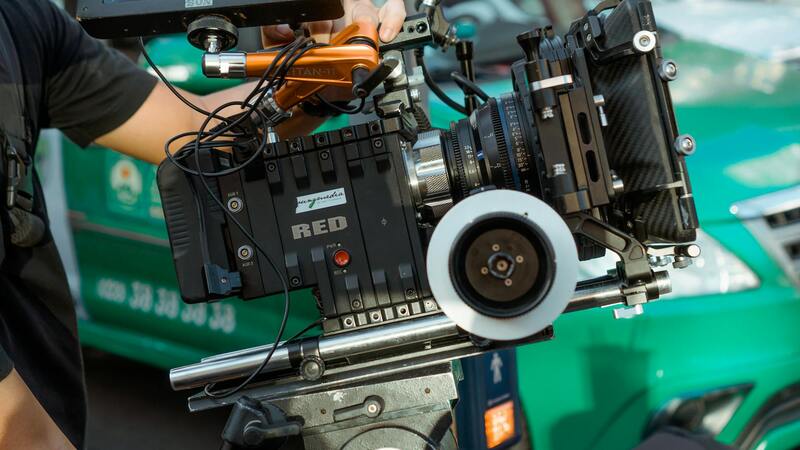
Accurate and professional video interviews demand meticulous planning and execution. They are more than simple conversations; they are strategic tools designed to convey a specific message with clarity and impact. This process involves multiple phases, each crucial for ensuring the final product meets established goals and standards. By understanding the core aspects of video interviews production, Miami-based businesses can better harness this powerful media form to support their growth and communication strategies.
Choosing the Right Equipment and Technology
For executing high-quality video interviews, selecting the appropriate equipment and technological tools is essential. This choice directly influences the clarity, professionalism, and overall impact of the final content. In Miami's vibrant media environment, utilizing state-of-the-art technology ensures that the production values meet or exceed industry standards, appealing to sophisticated audiences and clients.
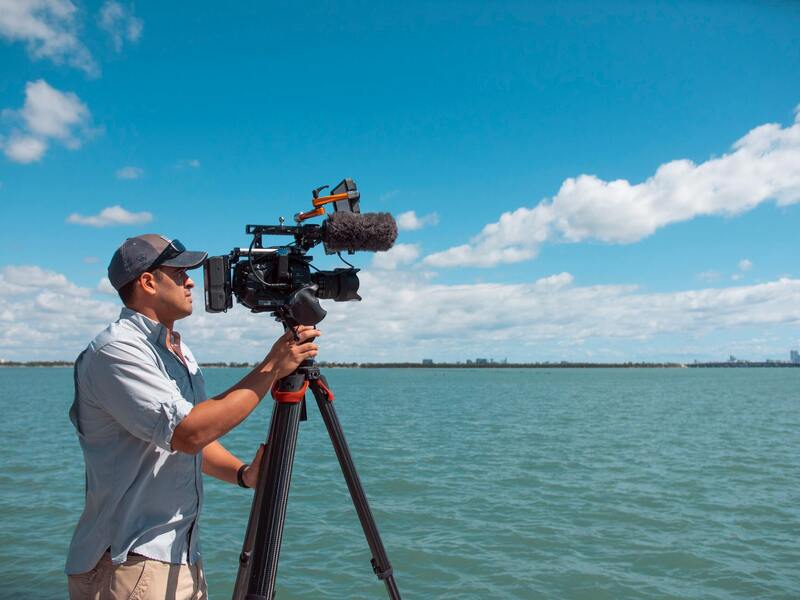
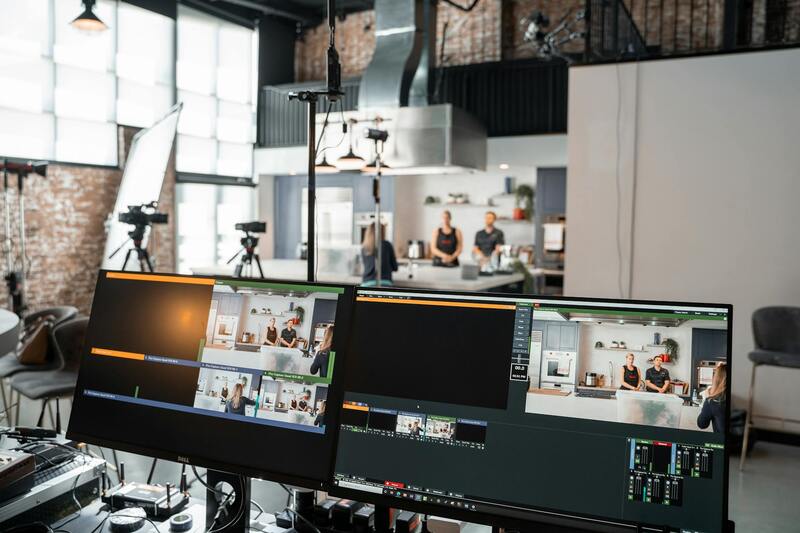
High-definition cameras are fundamental to capturing crisp, detailed visuals that highlight interviewees and settings effectively. Employing multiple camera setups allows for varied angles, fostering a dynamic viewing experience that maintains viewer engagement. Additionally, professional audio equipment, including directional microphones and wireless lapels, is crucial for capturing clear dialogue without background noise interference, which is particularly important in ambient environments or busy locations.
Lighting technology also plays a pivotal role. Proper lighting setups help create a polished look, eliminate shadows, and emphasize facial expressions, which are vital for conveying emotion and authenticity in interviews. Hybrid lighting configurations, combining natural light with adjustable LED panels, are often employed to adapt to Miami’s diverse locations and lighting conditions.
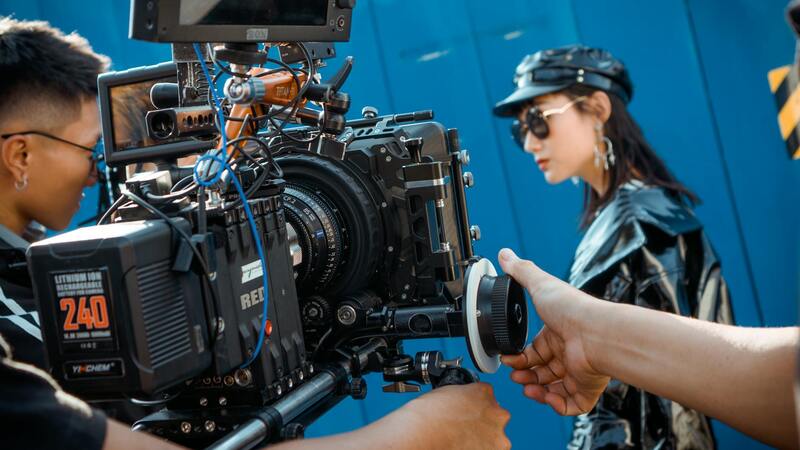
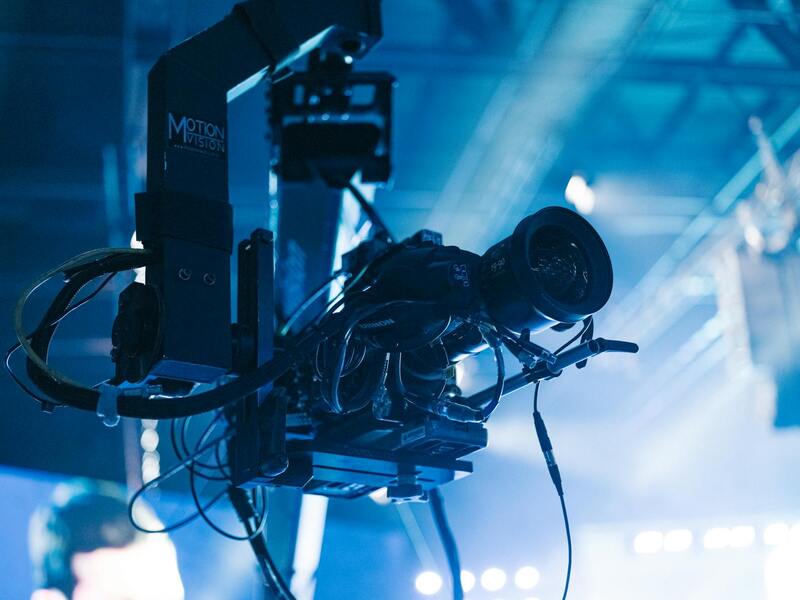
Furthermore, investing in stable, reliable tripods and gimbals ensures smooth footage, especially during mobile shoots or on uneven surfaces. For editing and post-production, robust computers with high-performance editing software enable precise color correction, sound balancing, and visual effects that elevate the final product.
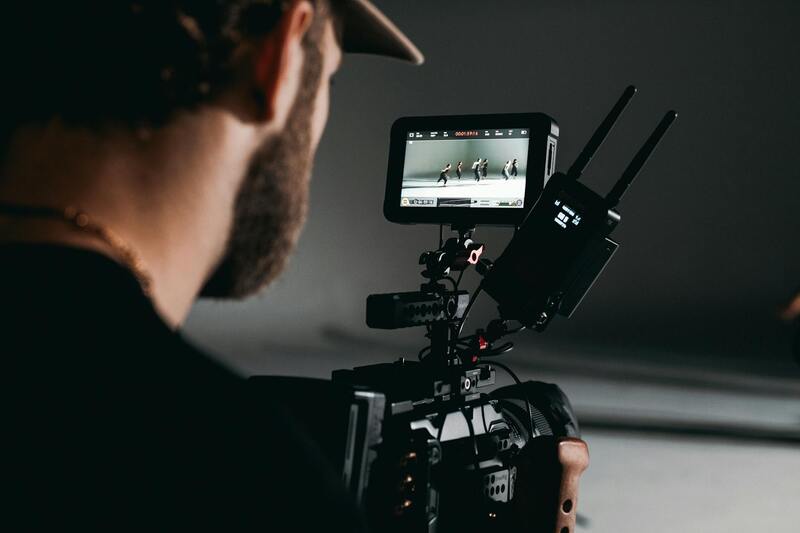
Technological advancements such as wireless transmission systems facilitate real-time monitoring and adjustments during shoots, ensuring optimal results without the restriction of physical cables. Additionally, incorporating live streaming capabilities can expand the reach of interview content to broader audiences, which is particularly advantageous for webinars, virtual events, or promotional campaigns in Miami's digital-centric market.
Overall, matching your equipment choices with the specific requirements of each project and location ensures the production process runs smoothly, minimizes retakes, and enhances the overall quality of the finished interview. Professionals in Miami often prioritize versatile, reliable technology to navigate the city's diverse venues and dynamic environment effectively.
Conducting Professional Video Interviews
Executing a successful video interview goes beyond having the right equipment; it requires a well-trained, confident host and well-prepared interviewees. The conduct during filming significantly impacts the authenticity and professionalism of the final content.
Preparation begins with comprehensive briefings to interviewees, familiarizing them with the format, key topics, and expected delivery style. Conductors must foster a relaxed atmosphere to help subjects feel comfortable, allowing genuine expressions and spontaneous insights to emerge. This approach is vital for creating relatable content that resonates with viewers.
During the shoot, maintaining a clear, engaging communication style is critical. interviewers should pose questions succinctly, listen attentively, and follow up with prompts that deepen the conversation. It's essential to manage pacing, allowing enough time for meaningful answers without prolonged pauses that could disrupt the flow.
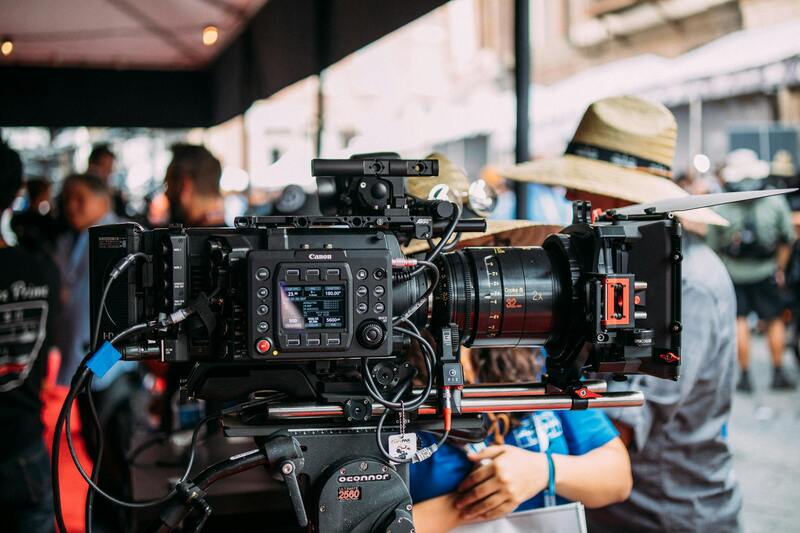
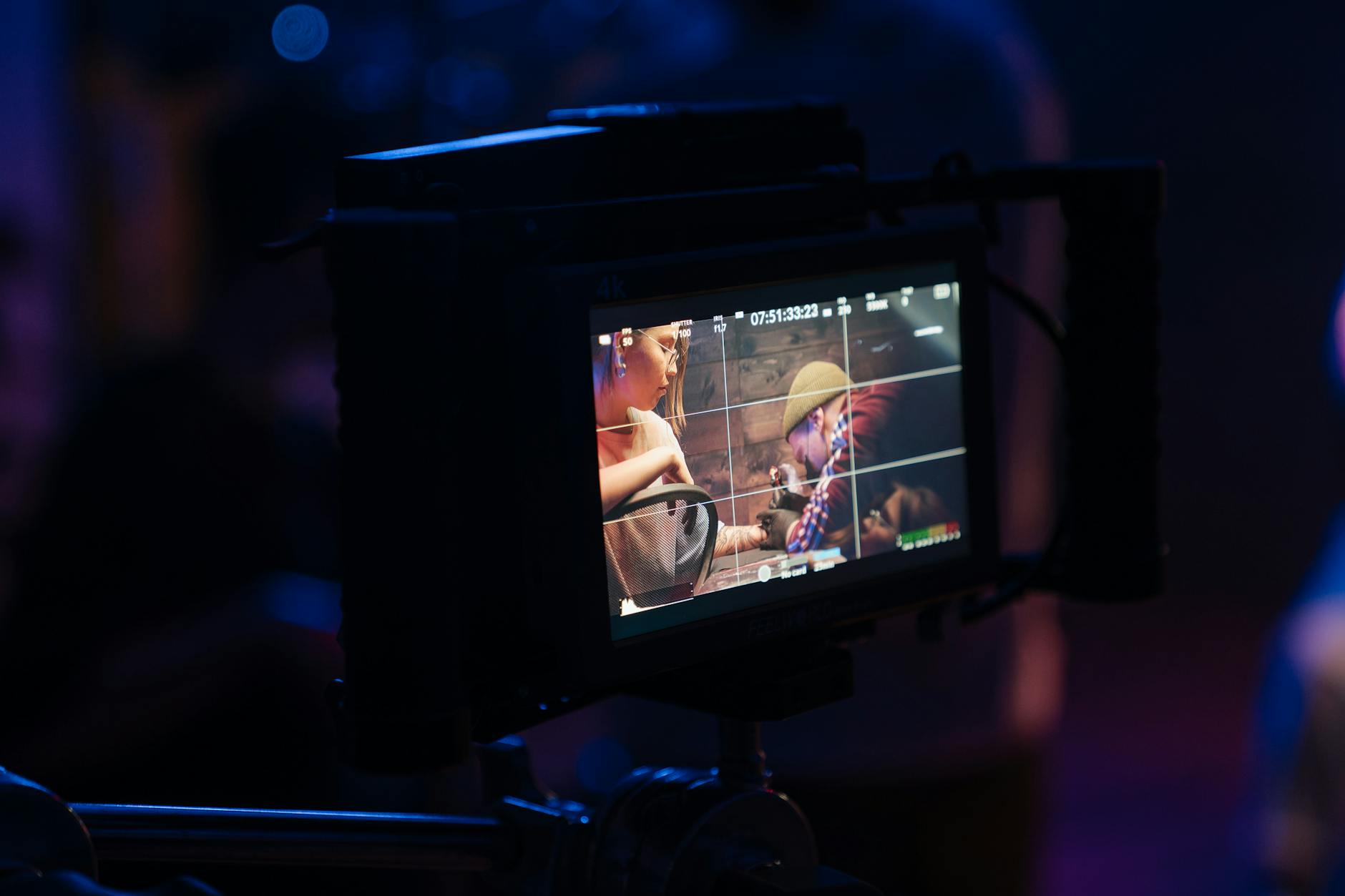
Technical coordination is also crucial during filming. Ensuring that sound levels are balanced, lighting remains consistent, and cameras are focused helps maintain a polished aesthetic. Real-time monitoring of footage allows for immediate adjustments, preventing potential issues such as audio distortions or visual distractions.
In locations around Miami, particular attention should be paid to ambient noise and environmental factors. Outdoor shoots may require windshields for microphones or soundproofing measures, while indoor venues should be checked for lighting compatibility and background clutter that could detract from the interview subject.
Effective conduct during the interview not only contributes to the quality of visual and audio recordings but also influences the rapport between host and interviewee. This rapport can lead to more authentic responses, enriching the content’s credibility. Skilled interviewers understand how to steer conversations purposefully, ensuring that key messages are conveyed clearly while maintaining the natural flow of dialogue.
Necessary Post-Production Techniques to Enhance Video Interviews
Once the filming has been completed, the post-production phase becomes vital in transforming raw footage into a compelling, polished final product. This stage involves several key processes that ensure the video interview meets high-quality standards and resonates with the intended audience.
Editing forms the foundation of post-production, where footage is reviewed, organized, and cut to highlight the most engaging and relevant segments. Precision cutting helps in removing redundant content, mistakes, or distractions, creating a smooth narrative flow that aligns with the interview’s objectives. Incorporating B-roll footage—such as shots of the interview environment, related visuals, or supplementary graphics—can add depth and contextual understanding, making the content more engaging.
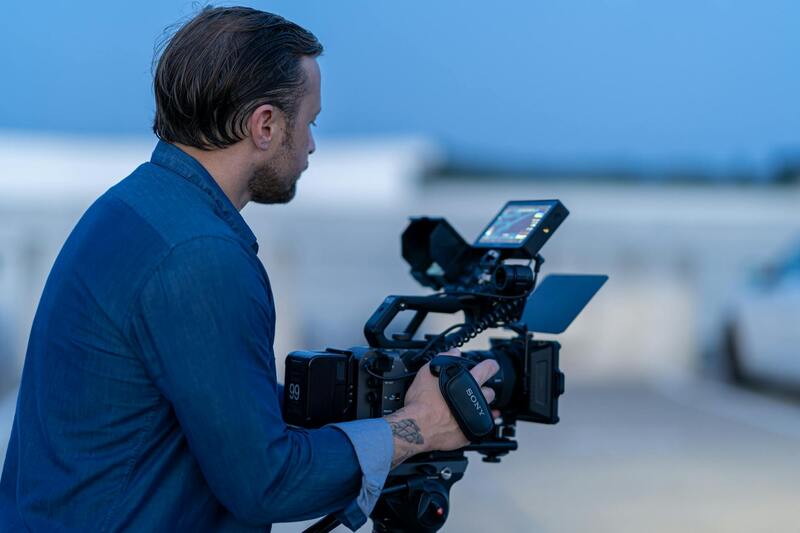
Color grading is an integral part of the post-production process. Proper color correction ensures consistent look and feel across all shots, enhances visual appeal, and reinforces the mood or tone of the interview. Adjustments to brightness, contrast, and saturation can make the footage appear more professional and visually striking.
Audio refinement is equally important. Post-production involves cleaning up audio tracks by removing background noise, balancing sound levels, and adding ambient effects or music if appropriate. Clear, balanced audio is fundamental in ensuring that viewers can easily comprehend and connect with the interviewee’s message.
Adding titles, lower thirds, and graphics enhances the informational value of the video. These elements can introduce the interviewee, display key points, or provide contact information, all of which contribute to a more informative and professional presentation.
When finalizing the project, rendering the video in formats suitable for different platforms—such as social media, websites, or broadcast—is essential. Optimizing file size and quality ensures compatibility and quick loading times, improving viewer experience across various devices and internet connections.
An advanced approach to post-production may include incorporating motion graphics, animations, or subtitles for increased accessibility and engagement. These additions are especially useful for content intended for wider distribution, increasing reach and viewer retention.
It’s important to collaborate with experienced editors and post-production specialists who understand current trends and technical standards. Their expertise ensures the final video aligns with your branding, messaging goals, and audience expectations, delivering a professional product that stands out in the competitive landscape of video interviews.
Choosing a Miami Video Production Partner
When it comes to executing a successful video interviews production, selecting a reliable and experienced partner in Miami is crucial. A professional production company brings specialized knowledge in capturing high-quality footage, managing on-site logistics, and handling post-production with precision. Their expertise ensures that every aspect of the interview process aligns with the intended message, aesthetic, and technical standards.
Key factors to consider when choosing a Miami-based video production team include their portfolio of previous work, familiarity with industry standards, and understanding of your specific project goals. Reviewing case studies or viewing sample projects can offer insights into their creative approach, technical proficiency, and ability to adapt to different formats and platforms.
Professional communication and transparent collaboration are also vital. A dedicated team will work closely with clients from initial planning through to final delivery, ensuring clear articulation of objectives, timelines, and budget considerations. This collaborative process guarantees that the final product meets or exceeds expectations, capturing the essence of the interview and engaging your target audience effectively.
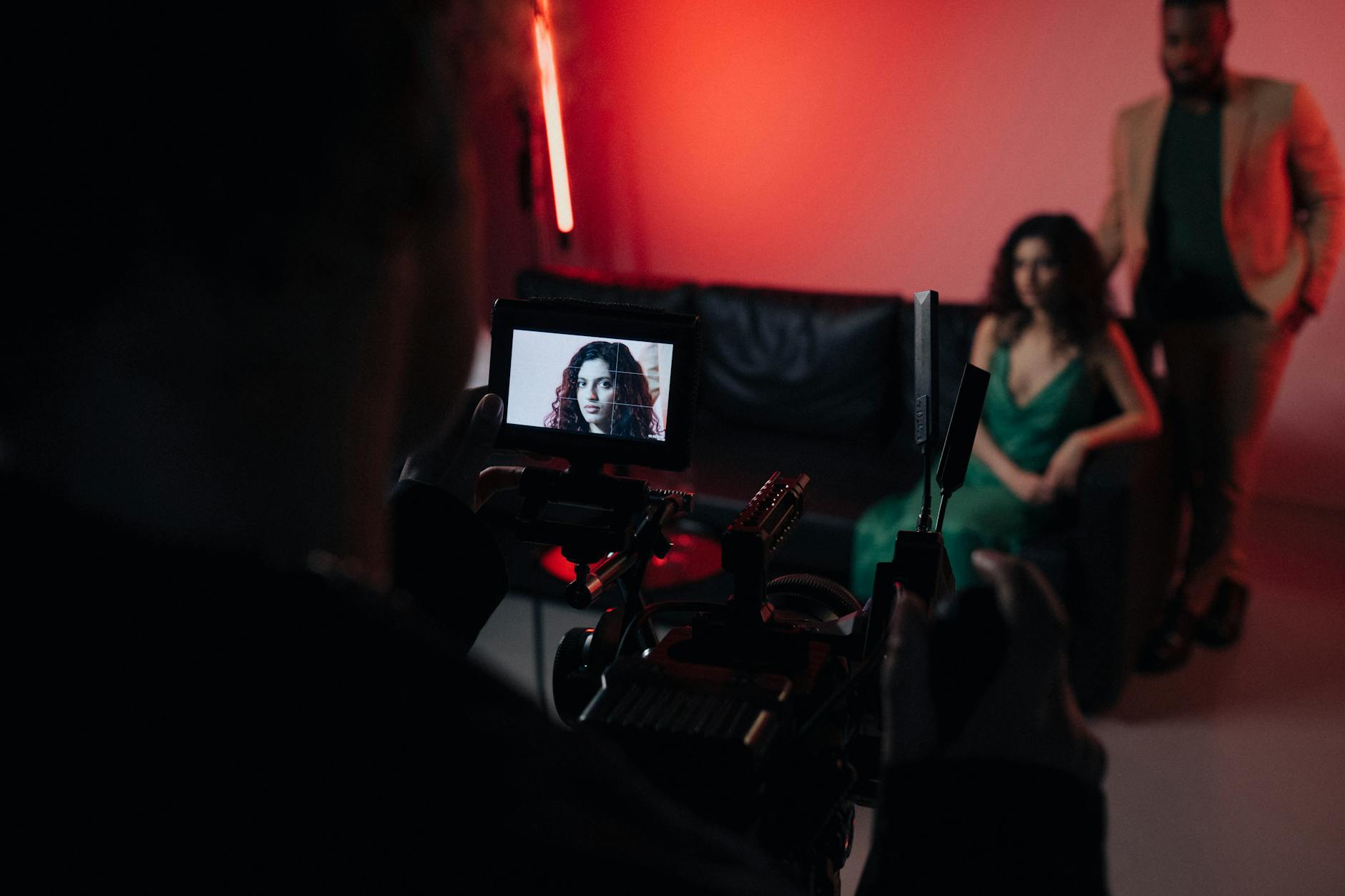
Furthermore, selecting a partner with advanced technical capabilities—such as 4K resolution recording, versatile lighting setups, and professional-grade audio equipment—can significantly influence the overall quality of your video interviews. Their familiarity with latest trends in video production, including drone footage or multi-camera setups, can add dynamic elements and a polished look to your project.
Consider also their post-production resources and turn-around time. An experienced Miami provider will have skilled editors, motion graphic artists, and sound engineers who can enhance raw footage into a compelling final product. Efficient project management and timely delivery are essential, especially for projects with strict schedules or launch deadlines.
Lastly, partnerships that prioritize client satisfaction often provide comprehensive packages that include pre-production planning, technical setup, on-site production, and post-production editing. Such integrated services streamline the process, reduce complications, and ensure seamless execution from concept to completion. In the competitive landscape of video interviews production, working with a trusted Miami partner can elevate the quality of your content, amplify your message, and achieve your engagement goals more effectively.
Ensuring Content Authenticity and Proper Record-Keeping
Maintaining accurate and detailed documentation throughout the video interviews production process is vital. This includes securing signed release forms from all participants, which confirm their consent to appear in the footage and to how the content will be used. Proper record-keeping not only facilitates smooth post-production workflows but also demonstrates a commitment to ethical standards.
It’s equally important to keep meticulous logs of interview schedules, footage collections, and editing notes. This systematic approach ensures that every stage of production remains transparent and organized, reducing the risk of errors or miscommunication. Digital asset management systems can streamline access and storage of raw footage, project files, and final edits, making the process more efficient and adaptable for future revisions.
Implementing Version Control and Quality Control Measures
Version control is a key component in professional video interviews production. By systematically managing different edits, revisions, and iterations of the footage, production teams can track changes easily, revert to previous versions if necessary, and maintain consistency throughout the editing process.
Rigorous quality control measures should be embedded at each stage — from raw footage review to color grading, sound mixing, and final output. This involves establishing clear standards and checklists to ensure that the footage meets technical specifications and aligns with the project's creative vision. Regular reviews and feedback sessions with stakeholders or clients help catch issues early, saving time and resources down the line.
Exporting and Archiving Final Files
Once editing is complete, exporting the final video interviews requires attention to detail. Selecting optimal formats and codecs based on the intended distribution channels ensures high-quality playback across various platforms. For online streaming, commonly used formats include MP4 with H.264 compression, which balances quality and file size effectively.
Archiving is equally important, providing a secure backup of the project files and final videos. Well-organized storage solutions, whether digital or physical, facilitate easy retrieval for future repurposing, updates, or revisions. Metadata—such as project details, participants' information, and usage rights—should be included to streamline asset management.
- Properly labeled files and folders for easy navigation.
- Use of cloud storage solutions for secure, remote access.
- Regular backups to guard against data loss.
Legal Considerations and Best Practices
When producing professional video interviews, adhering to established legal practices is essential to safeguarding the integrity of the content and respecting the rights of all parties involved. This includes obtaining clear, documented consent from interviewees prior to filming, ensuring they understand how their likeness, statements, and personal information will be used across various platforms. Such consent should be comprehensive, covering all intended uses, and signed before production begins.
It is equally important to draft detailed releases that specify the scope of usage, duration, and distribution channels, minimizing potential misunderstandings or disputes later. These legal agreements serve to clarify expectations and secure the rights needed to utilize the footage lawfully and ethically.
During the planning stage, consider the location and backdrop to minimize the risk of unintentionally capturing copyrighted or proprietary material that could complicate distribution. Visual elements such as logos, trademarks, or branded items should be vetted to prevent infringement issues. When integrating proprietary content or third-party media—like images, music, or video clips—proper licensing agreements must be secured to avoid legal complications.
For interviews conducted remotely, verify the authenticity of the participants and establish protocols to prevent impersonation or misrepresentation. Recordings should include proper metadata that details the date, location, and participants, which can be crucial in resolving any disputes that may arise regarding authenticity or rights.
Managing privacy preferences is another vital aspect. Interviews often involve sensitive or confidential information; thus, it's crucial to handle such content with care and in accordance with best practices for data protection. Secure storage solutions and restricted access controls should be implemented to prevent unauthorized use or leakage of the raw footage and final files.
Additionally, incorporating clear attribution and usage rights within the video metadata and accompanying documentation ensures that all parties understand and agree on the terms of use. This transparency helps foster trust and maintains professional standards throughout the production process.
Consistently updating your knowledge about evolving regulations and industry standards related to media production further helps in maintaining compliant and ethical workflows. Engaging with legal or compliance experts periodically can provide insights into best practices for safeguarding content rights and ensuring responsible distribution of your video interviews.
Implementing Effective Content Distribution and Optimization Strategies
Once your video interviews are finalized through meticulous editing and enhancements, the next critical step involves strategic dissemination and optimization to maximize their impact and reach. This phase demands a nuanced understanding of various distribution channels, audience engagement tactics, and SEO techniques that elevate the visibility and accessibility of your content.
Leveraging Multiple Distribution Channels
To effectively share your video interviews, utilize a combination of platforms tailored to your target demographic. These include:
- Official Website Integration: Embedding videos directly on your website ensures direct audience engagement and helps in boosting site dwell time.
- Video Hosting Platforms: Uploading to reputable channels like YouTube or Vimeo enhances discoverability while providing tools for analytics and audience insights.
- Social Media Distribution: Sharing clips or snippets via platforms such as LinkedIn, Facebook, Twitter, or Instagram increases exposure and facilitates broader sharing among networks.
- Email Campaigns: Incorporating videos into newsletters ensures direct communication with your established subscriber base, encouraging engagement and sharing.
- Industry-Specific Forums and Online Communities: Posting your content within relevant circles can attract targeted viewers interested in the subject matter of your interviews.
SEO Optimization for Video Content
Ensuring your video interviews are discoverable requires careful optimization. Focus on:
- Keyword-Rich Titles and Descriptions: Craft compelling titles and descriptions incorporating relevant keywords such as "video interviews production" to improve search rankings.
- Transcripts and Closed Captions: Including accurate transcripts and captions enhances accessibility and provides additional keyword-rich text that search engines can index.
- Rich Metadata: Utilize comprehensive metadata, including tags, category labels, and engaging thumbnails, to improve contextual relevance.
- Structured Data Markup: Implement schema markup to help search engines understand the content and context of your videos, facilitating rich snippets in search results.
Engagement and Performance Monitoring
Track key metrics such as view count, engagement rate, and audience retention to understand content performance. Use these insights to refine future production and distribution strategies, ensuring your videos consistently reach and resonate with the intended audience.
Legal Considerations and Best Practices
Ensuring that your video interview production adheres to recommended industry standards involves implementing a series of best practices designed to protect your content and uphold professional integrity. Central to these practices is establishing clear agreements with all participants involved in the production process. These agreements should comprehensively outline the scope of the project, rights to the footage, confidentiality clauses, and consent provisions. Such documentation minimizes misunderstandings and ensures that everyone involved is aligned on the objectives and usage rights of the final product.
Obtaining explicit consent from interviewees is paramount. This involves providing a detailed overview of how the footage will be used, distributed, and archived, allowing interviewees to make informed decisions about participating. Recording consent in written form or through signed release forms is a standard procedure that corroborates this agreement and provides legal protection for your organization.
Managing intellectual property rights is another critical aspect. It is advisable to clearly specify ownership rights of the footage, editing, and derivative content in contractual agreements. This clarity helps prevent disputes and ensures that the produced content aligns with your intended use, whether for promotional purposes, educational content, or corporate branding.
Adhering to ethical standards also means respecting privacy and cultural sensitivities. This includes being transparent about the purpose of the interview and ensuring that content does not infringe upon personal or cultural boundaries. Sensitive topics should be approached with additional care, and participants should be given the opportunity to review and approve content prior to finalization.
Implementing Content Security Measures
To further safeguard your video content, consider employing security measures such as watermarking, password-protected access, and encrypted storage solutions. These steps help prevent unauthorized distribution or reproduction of your interviews. Additionally, maintaining an organized archive of stored footage with detailed metadata can streamline access control and facilitate future editing or repurposing efforts.
Monitoring adherence to these practices during post-production ensures that the final content aligns with organizational standards and industry best practices. Regular audits and reviews of content rights, participant agreements, and security protocols contribute to a robust and responsible production process that upholds your organization's reputation and stakeholder trust.