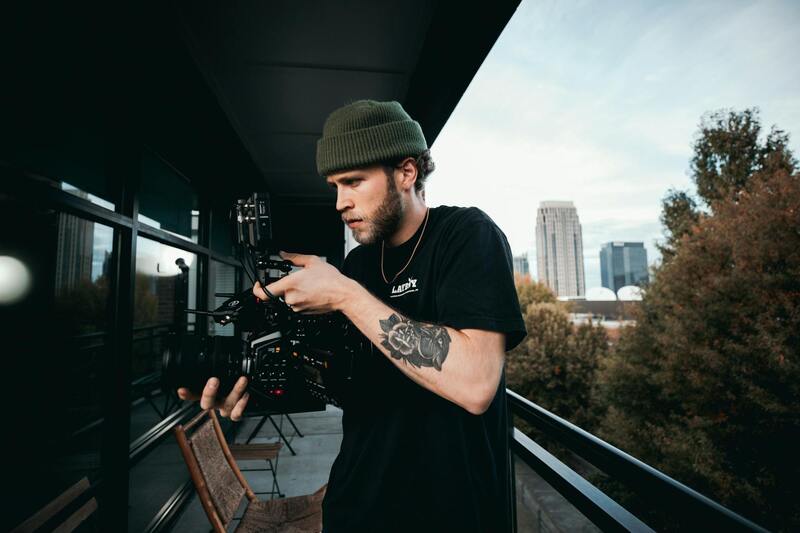
Understanding Video Testimonials in Business Marketing
Video testimonials have become a vital component of modern business marketing strategies, especially for companies seeking to enhance their credibility and foster trust with their target audience. In the competitive landscape of Miami's local market, businesses can leverage authentic, well-produced testimonial videos to differentiate themselves and establish a strong connection with potential clients. These videos serve as powerful social proof, showcasing real customer experiences that resonate with viewers and build confidence in the brand’s offerings.
By capturing genuine stories from satisfied customers, a well-crafted testimonial video acts as a personal endorsement, highlighting the value and quality of a business’s products or services. Such content not only elevates the business's reputation but also humanizes the brand, making it more relatable and approachable. In an era where consumers rely heavily on online reviews and peer recommendations, video testimonials fulfill a crucial role in influencing purchasing decisions and enhancing overall brand perception.
For Miami businesses, understanding the significance of video testimonials involves recognizing their impact across various marketing channels. From social media platforms to website landing pages, these videos can be strategically utilized to increase engagement, improve conversion rates, and foster long-term customer loyalty. When designed with professionalism and authenticity, testimonial videos become a cornerstone of a comprehensive digital marketing approach, reinforcing the business’s commitment to customer satisfaction and transparency.
Moreover, video testimonials are valuable assets that, when produced effectively, can be reused and repurposed across multiple marketing campaigns. Their dynamic nature allows businesses to share stories relevant to specific audiences, seasons, or product launches, creating a versatile content library that supports sustained brand growth. As Miami’s local market continues to evolve, the importance of compelling, high-quality testimonial videos remains at the forefront of impactful marketing practices.
Choosing the Right Location and Setting in Miami
Selecting an appropriate location is a critical component of producing impactful video testimonials in Miami. The setting not only influences the visual quality of the footage but also reinforces the story and brand message conveyed by the client. The vibrant backdrop of Miami, with its iconic beaches, bustling cityscapes, and picturesque outdoor spaces, offers a diverse array of options that can be tailored to match the tone and identity of each testimonial.
For businesses aiming to highlight a luxurious or upscale image, upscale hotels, stylish outdoor cafes, or upscale local landmarks can serve as compelling settings. Conversely, small-scale local businesses or service providers may opt for more authentic environments such as their storefronts or community centers to evoke trust and familiarity.
When choosing a location, consider lighting conditions, noise levels, and visual distractions that could detract from the clarity and professionalism of the final product. Early scouting visits are recommended to assess these factors and ensure the chosen setting aligns with the desired aesthetic.
Additionally, leveraging well-known Miami landmarks can add instant recognition and context to the testimonial, fostering a connection with both local and broader audiences. The key is to balance aesthetic appeal with functional practicality, ensuring the location enhances the narrative without compromising technical quality.
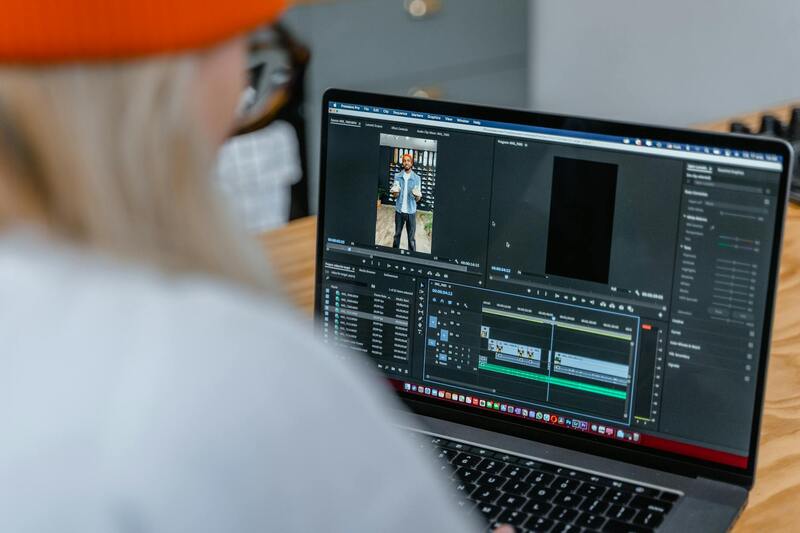
Legal Considerations and Permissions in Testimonial Production
Securing proper permissions is an essential aspect of producing credible and authoritative video testimonials. This process involves obtaining explicit consent from all individuals appearing in the videos, ensuring they understand the purpose of the footage and how it will be used. Clear, written authorization forms should outline the scope of the testimonial, including distribution channels, duration, and any modifications that might be made. Maintaining thorough records of these permissions safeguards against potential disputes and reinforces the integrity of the content.
In addition to participant consent, it's important to verify property rights if filming occurs on private premises or in publicly accessible spaces. Obtaining permission from property owners or relevant authorities helps prevent filming interruptions or future legal complications. This process involves submitting necessary applications or permits, particularly when filming in high-traffic areas or locations with filming restrictions. Respecting local regulations and community standards not only facilitates smooth production but also demonstrates professionalism and adherence to best practices.
When filming in locations with identifiable landmarks or recognizable private property, consideration should be given to rights related to images of these assets. While capturing general scenic views is typically acceptable, close-ups or branding elements may require additional permissions, especially if they feature proprietary symbols or trademarks. Consulting with legal counsel or experienced production specialists can help clarify these nuances and ensure compliance with regional and industry-specific guidelines.
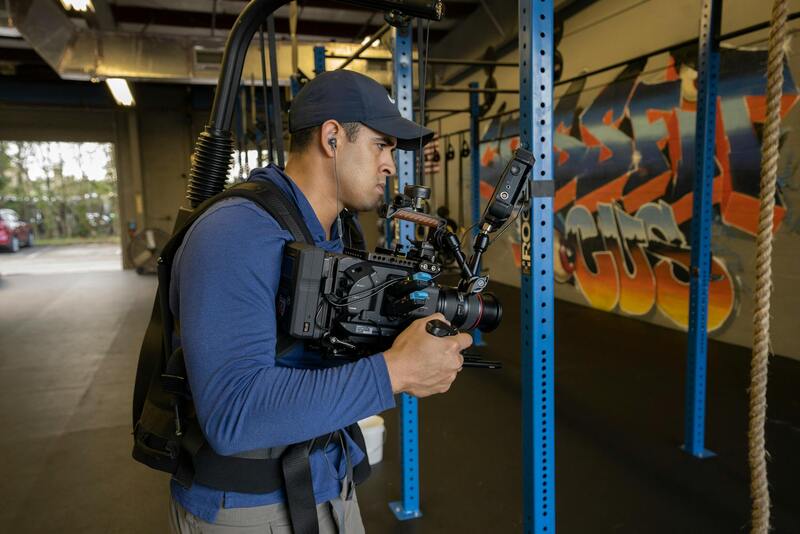
Another vital component is respecting individuals' rights related to their privacy and personal data. When collecting testimonials, especially through interviews or personal stories, it’s advisable to be transparent about how the footage will be used and to provide options for participants to review their statements before release. This approach fosters trust and demonstrates respect for the individuals involved.
To streamline this process, many companies work with experienced video production teams familiar with local requirements and industry standards. These professionals assist in navigating the complexities of permissions, ensuring all legal and formal necessities are addressed systematically. This proactive approach minimizes delays and enhances the credibility of the final testimonial videos, ultimately supporting a professional brand image and robust marketing strategy.
Implementing Effective Filming Techniques and Equipment
High-quality video testimonials hinge significantly on meticulous videography techniques that enhance authenticity and viewer engagement. Utilizing professional-grade equipment, such as high-resolution cameras, stabilized gimbals, sufficient lighting setups, and professional microphones, is fundamental to capturing clear, compelling stories. In Miami’s dynamic environments, natural lighting can be harnessed effectively, but supplemental lighting ensures consistent illumination, especially in indoor or shaded outdoor settings. Additionally, employing multiple camera angles during filming allows for dynamic editing options that focus on facial expressions and important gestures, fostering a more intimate connection with viewers.

Conducting Engaging Customer Interviews
To elicit compelling and genuine testimonials, interview techniques should prioritize creating a comfortable atmosphere for participants. Framing open-ended questions encourages detailed and emotional responses, providing a richer narrative. Establishing rapport beforehand reduces nervousness, making interviewees more natural on camera. Filming in quiet, well-lit environments minimizes background noise and distractions, ensuring clear audio and visuals. Using lavalier microphones or directional shotgun mics captures crisp sound, which is crucial for conveying the sincerity of customer stories. During editing, incorporating natural pauses and emphasizing key emotional moments amplifies the testimonial’s impact.
Achieving Visual and Audio Cohesion
Consistency in visual and audio quality is essential for maintaining professionalism and viewer trust. Utilizing color grading techniques can enhance the mood and reinforce brand identity, tailoring the look to match the testimonial’s tone. Simultaneously, synchronizing audio levels prevents abrupt volume changes and ensures spoken words are easily intelligible. Incorporating B-roll footage—such as scenes of the business environment, product usage, or community interactions—adds context and visual interest. Proper editing transitions and background music subtly support storytelling without overshadowing the interviewee’s voice. These elements collectively contribute to a polished testimonial that resonates authentically with viewers.
Handling Multiple Testimonials in a Cohesive Campaign
When managing several testimonial videos, maintaining a consistent style and messaging helps reinforce brand identity and campaign objectives. Developing a standardized format—including intros, outros, and visual branding—creates a cohesive viewer experience. Organizing testimonials thematically or by demographic allows targeted messaging for specific audience segments. Additionally, integrating testimonials into broader marketing channels—such as social media, websites, and email campaigns—maximizes exposure and engagement. Careful attention to continuity ensures that each testimonial aligns with overall marketing strategies and provides a seamless narrative flow, ultimately strengthening the campaign’s impact.
Legal Considerations and Permissions in Testimonial Production
To ensure a smooth testimonial production process, securing appropriate permissions is a critical step that involves clear, documented consent from all participants. This process not only respects individuals’ rights but also safeguards the brand against potential disputes or misunderstandings that could impact the campaign’s credibility.
Before filming begins, it is advisable to provide participants with a comprehensive release form. This document should specify how their testimonial will be used, the channels through which it will be distributed, and the duration for which the rights are granted. Such a release typically covers consent for the use of their likeness, voice, and personal statements in various formats and mediums, including digital and print.
When dealing with business representatives or organizations, obtaining written authorization from authorized personnel is equally important. These agreements affirm that the organization permits the testimonial to feature their products or services and allows the filmmaker to use branding elements appropriately.
It is also essential to inform participants about their rights concerning the testimonial content. For instance, they should understand that they can review and request edits to ensure their statements are accurately represented. Transparency during this process fosters trust and encourages authentic, comfortable testimonies.
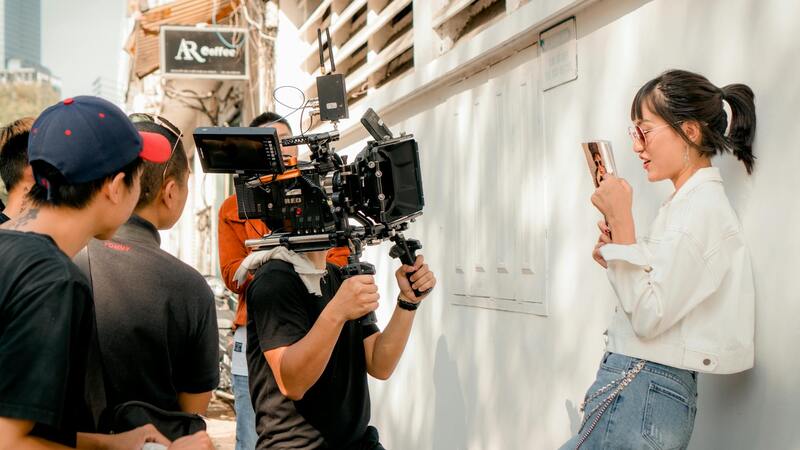
In some cases, especially with sensitive topics or delicate business questions, additional approvals may be necessary. This could include internal reviews or legal oversight to verify that the content complies with brand guidelines and does not inadvertently disclose confidential information.
Adhering to proper permissions protocols minimizes the risk of later disputes and reinforces the professionalism of the testimonial campaign. It ensures that all marketing efforts are based on mutually agreed-upon terms, allowing for a confident presentation of authentic customer experiences that resonate with viewers and uphold the integrity of the brand.
Legal Considerations and Permissions in Testimonial Production
Ensuring proper permissions and consent is a crucial step in producing authentic and effective video testimonials. This involves securing clear, written releases from all participants, granting the right to use their statements, likeness, and image across various marketing channels. When working with business clients or individual contributors in Miami, it is vital to have documented approval that specifies the scope and duration of use, the formats in which the content will be deployed, and any restrictions or conditions associated with the testimonial.
Proper documentation not only protects the production team but also maintains transparency with the participants, fostering trust and ensuring they are comfortable with how their stories are shared. This process can include signed release forms, which should detail the rights granted and any limitations or specific consent requirements. For example, if a testimonial includes sensitive product information or customer data, additional clauses may be necessary to address confidentiality and privacy concerns.
Moreover, compliance with local regulations and industry standards in Miami involves understanding specific statutes related to media production, consumer rights, and advertising disclosures. While explicit legal terms are not emphasized here, adhering to these guidelines helps avoid potential issues stemming from misunderstandings or unintentional misrepresentations. Proper adherence to these protocols reflects a professional approach, ensuring all testimonial content aligns with your brand’s standards and regulatory expectations.
Additionally, certain contexts may require internal reviews or stakeholder approvals—especially when the testimonial involves proprietary information or sensitive business topics. Such reviews help verify content accuracy and appropriateness before distribution. This diligence not only upholds the integrity of the message but also enhances the credibility and trustworthiness of the final testimonial video.
Overall, implementing thorough permission procedures and maintaining transparency throughout the process uphold the professionalism of your testimonial campaign. It ensures that your marketing efforts are built on authentic, consensual stories, creating a solid foundation for compelling narratives that resonate with your target audience in Miami and beyond.
Legal Considerations and Permissions in Testimonial Production
Ensuring the proper handling of permissions and rights is a fundamental aspect of producing effective video testimonials. Clear, documented consent from participants guarantees that their likeness, voice, and personal stories are utilized appropriately across various distribution channels. This involves drafting comprehensive release forms that outline the scope of usage, duration, and platforms where the testimonial may be showcased.
In addition, some testimonials may include references to proprietary information, trademarks, or confidential business practices. Securing explicit permissions in these cases helps prevent potential disputes and maintains the integrity of your messaging. For corporate clients, internal approvals—such as review by legal or compliance teams—are often required to verify that the testimonial content aligns with branding guidelines and regulatory standards.
It's crucial to manage the lifecycle of permissions diligently, from initial outreach through final editing and distribution. This process includes verifying identities, documenting consents, and clarifying any conditions attached to the testimonial's use. Doing so not only safeguards the production but also builds trust with participants, reinforcing the authenticity of their endorsement.
Maintaining transparent communication with participants about how their stories will be used contributes to ethical and professional testimonial campaigns. This transparency fosters positive relationships and encourages genuine, heartfelt endorsements that resonate more effectively with your target audience. Ultimately, a meticulous approach to permissions and rights management enhances your brand's credibility and ensures that your testimonial content upholds high standards of integrity throughout the production process.
Ensuring Proper Usage and Distribution of Video Testimonials
After producing a compelling testimonial video in Miami, the next phase involves strategic utilization to maximize its impact. Distributing the testimonial across suitable channels ensures the content reaches the intended audience effectively and enhances overall brand visibility. This requires a well-thought-out distribution plan aligned with your marketing goals.
Strategic Placement and Channel Selection
Identify the platforms where your target audience is most active. This could include your company website, social media platforms such as Facebook, Instagram, LinkedIn, or YouTube. Each channel offers unique advantages and caters to different segments of your market. For instance, LinkedIn can be particularly effective for B2B testimonials, emphasizing professionalism and credibility, while Instagram may be ideal for visual storytelling and brief testimonials.

Integrating Testimonials into Broader Marketing Strategies
Embedding videos in email campaigns, landing pages, or product pages enhances their visibility and impact. Testimonials placed strategically within your sales funnels or customer journey can build trust and influence purchasing decisions. Additionally, repurposing testimonial content into shorter clips or snippets allows for broader sharing and repeated exposure across different platforms, increasing the overall reach.
Leveraging Paid Promotions for Greater Reach
Investing in targeted advertising campaigns can significantly extend the reach of your testimonial videos. Precise audience targeting based on demographics, interests, and behaviors ensures that your content reaches potential clients or partners who are most likely to benefit from your offerings. This approach amplifies the testimonial's credibility and helps convert viewers into loyal customers.
Monitoring Engagement and Feedback
Tracking metrics such as views, shares, comments, and click-through rates provides insight into how well your testimonial content resonates with viewers. Analyzing engagement helps refine future content strategies and identify which platforms or formats perform best. Additionally, collecting direct feedback from viewers and clients can offer qualitative insights into the testimonial’s effectiveness and perceived authenticity.
Upholding Ethical Distribution Practices
When sharing testimonial videos, ensure consistency with the permissions granted during the production phase. Respect the restrictions or guidelines provided by participants, especially regarding specific usage contexts or geographic limitations. Maintaining this ethical approach not only safeguards your brand’s reputation but also sustains authentic relationships with your clients and endorsers.
Archiving and Updating Testimonial Content
Properly archiving testimonial videos for future use facilitates ongoing marketing efforts. Creating a repository of approved testimonials allows quick access for new campaigns or targeted outreach. As your business evolves, consider updating or refreshing testimonials to reflect current performance and client experiences, ensuring your promotional content remains relevant and compelling.