Understanding Testimonials Video Production
Testimonials video production is a specialized form of visual storytelling that captures authentic client experiences and endorsements. Such videos serve as powerful tools for businesses to showcase genuine customer satisfaction, which helps to establish credibility and foster trust with prospective clients. Unlike traditional advertising, testimonials rely on the voices of real individuals who openly share their positive interactions with a company or service. When effectively produced, these videos can dramatically influence purchasing decisions by providing relatable and credible evidence of a business’s value.
In Miami's competitive market, where consumers have a multitude of options, testimonials videos stand out by presenting authentic customer stories that resonate with viewers. This form of video content leverages emotional connection and social proof, making it an indispensable element of comprehensive marketing strategies. High-quality testimonials convey professionalism, reliability, and a customer-centric approach, all of which are essential for developing a trustworthy brand image.
The process of creating testimonials videos involves a deliberate planning phase, understanding the target audience, identifying satisfied clients willing to share their experiences, and conducting interviews that highlight specific benefits and outcomes. The importance of these videos is rooted in their ability to bridge the gap between potential customers’ doubts and the reassurance gained through genuine customer narratives. As more businesses recognize the impact of visual storytelling, testimonials videos have become an integral part of effective marketing campaigns in Miami.
From small startups to established enterprises, businesses across various industries leverage testimonials to reinforce their reputation. These videos are particularly effective on digital platforms such as websites, social media, and email campaigns, where visual content generates higher engagement levels. By investing in professionally produced testimonials videos, companies ensure their stories are compelling, polished, and aligned with their branding, ultimately boosting conversions and customer trust.
Planning and Pre-Production for Testimonials Videos
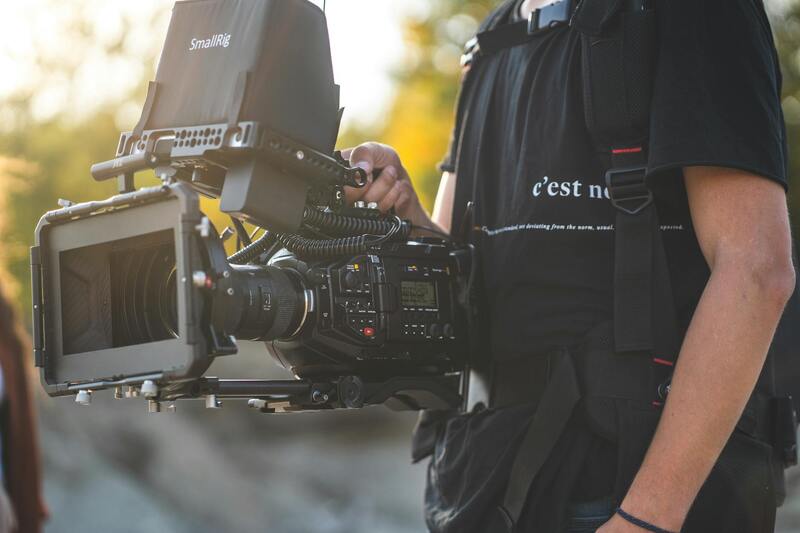
Effective testimonials video production initiates with meticulous planning, which lays the foundation for authentic and impactful storytelling. The pre-production phase involves several key steps to ensure the final product resonates with the target audience and aligns with brand objectives. Identifying suitable clients who genuinely appreciate the brand and have compelling stories is critical. These individuals should be approachable and articulate, capable of conveying their experiences convincingly on camera.
Developing a clear interview guide helps streamline the recording process, focusing on specific questions that highlight the client's journey, results, and feelings about the product or service. It’s essential to craft questions that encourage detailed responses, addressing both emotional and factual aspects of their experience. This preparation ensures the testimonial is comprehensive and relatable.
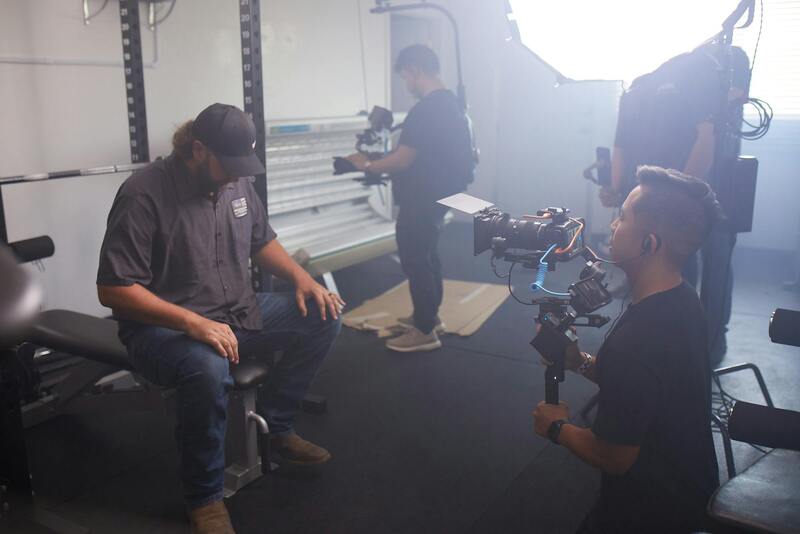
Logistical details such as choosing a suitable filming location, scheduling sessions at convenient times, and arranging necessary equipment also form part of the pre-production process. Ensuring the environment is well-lit, quiet, and free of distractions helps produce clear and professional footage. Additionally, discussing branding guidelines with clients ensures their testimonials remain consistent with the company's messaging and visual identity.
Production Techniques for Effective Testimonials
During the filming stage, the goal is to capture genuine reactions and stories naturally. Employing professional videography techniques enhances the overall quality and authenticity of the testimonials. Proper framing, lighting, and sound are crucial. Close-up shots of the interviewee's face help convey emotion, while wider shots can establish context or showcase environment.
Using multiple angles during filming provides visual variety, making the final edit more engaging. Interviewers should maintain a friendly, conversational tone to help clients feel comfortable and open up sincerely. Incorporating B-roll footage, such as the client using the product or interacting with staff, can add visual interest and reinforce the message.

The director or videographer must be attentive to details like background clutter, background noise, and natural lighting conditions. These elements impact the clarity and professionalism of the video. Effective interview techniques involve active listening and prompting follow-up questions to uncover deeper insights. Ensuring that the interview sounds natural and unscripted adds to the authenticity of the testimony.
Post-Production and Editing Best Practices
Post-production transforms raw footage into a polished, compelling testimonial story. The editing process involves selecting the most impactful clips, trimming unnecessary content, and arranging segments to tell a coherent narrative. Incorporating visual cues such as text overlays, company branding, and lower thirds enhances professionalism and brand consistency.
Audio editing is equally important. Clear, balanced sound ensures viewers can easily understand the testimonial without distractions. Adjusting color grading and correcting any visual imperfections helps maintain a high-quality aesthetic aligned with your brand style.
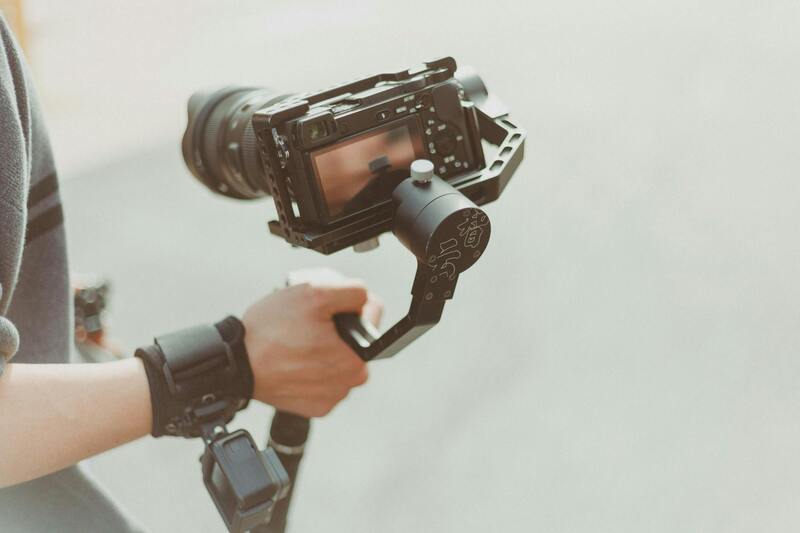
Furthermore, incorporating subtle background music can evoke the right emotional tone, provided it doesn’t overpower the client’s voice. Closed captions increase accessibility and engagement across diverse audiences. Each edit should aim to create an emotionally resonant and visually appealing narrative that authentically represents the client's experience.
Effective Storytelling Through Structured Interview Techniques
Once the preliminary planning and technical setup are secured, the core of testimonial video production hinges on eliciting genuine stories from your clients. Skilled interview techniques involve asking open-ended questions that encourage clients to share their experiences comprehensively. It’s essential to foster a comfortable environment, allowing interviewees to speak candidly about their journey, challenges, and the positive outcomes resulting from your service or product.
Utilizing a conversational tone during interviews helps achieve an unscripted feel, which resonates authenticity to viewers. Prompts such as, "Can you describe the challenge you faced before working with us?" or "How did our solution impact your daily operations?" draw out detailed responses that highlight specific benefits and emotional touches.
Preparation is equally vital. Review client histories and previous interactions to craft targeted questions that align with your storytelling goals. Coaching clients on what to emphasize ensures their stories hit key points without sounding rehearsed. Additionally, incorporating visual cues like relevant B-roll footage or product displays during the interview can provide contextual support, enriching the visual narrative of the testimonial.
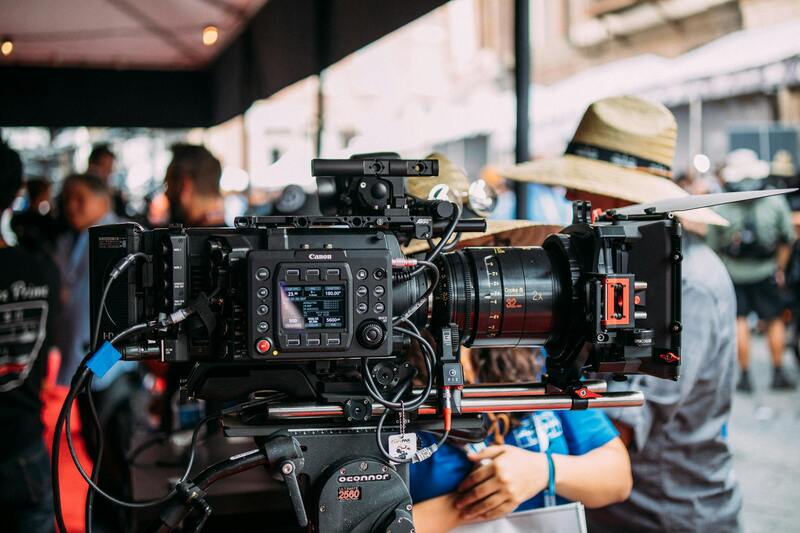
When conducting these sessions, maintain a relaxed demeanor, allowing clients to open up naturally. Active listening enables interviewers to pick up on compelling anecdotes and guide the conversation toward meaningful themes. This approach ensures the final footage reflects the client's genuine voice and experiences, which are critical for creating relatable and trustworthy testimonial videos.
Incorporating Visual and Audio Elements to Elevate Testimonial Quality
The visual presentation plays a significant role in reinforcing the testimonial’s message. Strategic use of lighting, framing, and background setting enhances the overall professional appearance of the video. Shooting interviews in well-lit environments with minimal background clutter helps maintain focus on the client’s expressions and words. Multiple camera angles can add dynamism during editing, keeping the viewer engaged.
Audio clarity is paramount. Employing high-quality microphones and capturing clean sound without background noise ensures the testimonial remains understandable and impactful. Techniques such as using windshields for outdoor shoots or soundproofing indoor spaces help suppress extraneous sounds that could distract viewers.
Enhancing the footage with visual cues and branding reinforces company identity, making the testimonial more memorable. Incorporating consistent color grading that aligns with your brand palette creates a cohesive look. Subtle graphics such as lower thirds introducing the client or text overlays highlighting key points provide clarity and emphasize important statements. These elements blend seamlessly into the narrative, elevating the overall production quality.
Enhancing Testimonials with Subtle Emotional and Informational Cues
To deepen viewer connection, consider the emotive power of background music subtly layered beneath the client's voice. The music should complement the testimonial's tone — uplifting for success stories or softer for heartfelt reflections — without overpowering the speaker. This emotional touch guides audience perception, making the story more relatable.
Closed captions serve dual purposes: increasing accessibility for viewers with hearing impairments and enabling content consumption in sound-off environments like social media feeds. Well-crafted captions also aid comprehension, especially when viewers are watching in noisy settings or multiple languages.
Effective testimonial videos are not just about recording a client’s words but also about the strategic use of visual and auditory cues to craft a narrative that is both authentic and persuasive. These techniques, employed during production and post-production, culminate in powerful testimonials that confidently showcase your brand’s value through the voices of satisfied clients.
Utilizing Official and Proven Methods for Distribution
Once a testimonials video has been meticulously produced and polished during post-production, the next critical step involves strategic distribution. Leveraging official channels ensures that the content reaches the intended audience effectively while maintaining brand integrity. Social media platforms such as Facebook, Instagram, LinkedIn, and YouTube serve as primary outlets for sharing testimonials, each offering unique advantages in audience targeting and engagement. Customizing the video format and aspect ratio for each platform maximizes visibility and viewer interaction.
Embedding testimonials on your official website provides a seamless experience for visitors, reinforcing credibility and trust. Incorporating these videos into dedicated testimonial or case study pages allows for contextual storytelling, guiding potential clients through relatable success stories that resonate with their needs.
Partnering with industry-specific online directories or review aggregators can amplify the reach of your testimonials. These platforms often have a targeted audience seeking services or products like yours, making them an ideal avenue for authentic content dissemination.
Implementing email marketing campaigns with embedded testimonial videos can personalize engagement and foster trust. Sharing success stories through newsletters or targeted emails encourages prospective clients to visualize their own positive experiences and facilitates lead nurturing.
Utilizing official press releases or media outreach can further enhance visibility, especially for significant client milestones or high-profile collaborations. These methods also lend a formal tone that underscores the authenticity and importance of the testimonials.
Aligning Content with Audience Preferences and Search Strategies
To maximize the impact of testimonials, optimizing metadata such as titles, descriptions, and tags with relevant keywords related to your industry and services is essential. This practice improves visibility in search engine results, driving organic traffic to your testimonials content.
Creating playlists or dedicated video series on platforms like YouTube not only consolidates related testimonial stories but also increases session duration and user engagement. Consistent branding and messaging across all distribution channels reinforce your authority and professionalism.
Understanding Testimonials Video Production
Creating impactful testimonials videos involves a meticulous process that ensures each story authentically resonates with viewers. This begins with in-depth planning, where key objectives are clearly defined—whether aimed at building trust, demonstrating product effectiveness, or showcasing customer satisfaction. Selecting the right participants is crucial; individuals who genuinely represent your target audience and can articulate their experiences convincingly enhance the credibility of your message.
During the pre-production phase, it’s vital to craft comprehensive scripts or outline points that will guide interviewees. This doesn't mean scripting their responses but rather framing questions that elicit detailed, heartfelt stories. Location scouting should prioritize environments familiar or meaningful to the participants, providing a natural backdrop that reinforces authenticity. Securing necessary permissions and understanding logistical details are equally important steps to avoid interruptions during filming.
Effective testimonials production also demands attention to technical aspects. Lighting should be soft and flattering, ensuring the interviewee’s expressions are clearly visible. Sound quality must be prioritized—using quality microphones and minimizing ambient noise guarantees clarity. Visual framing should be tight and professional, focusing on facial expressions and body language, which are powerful communicators of sincerity and emotion.
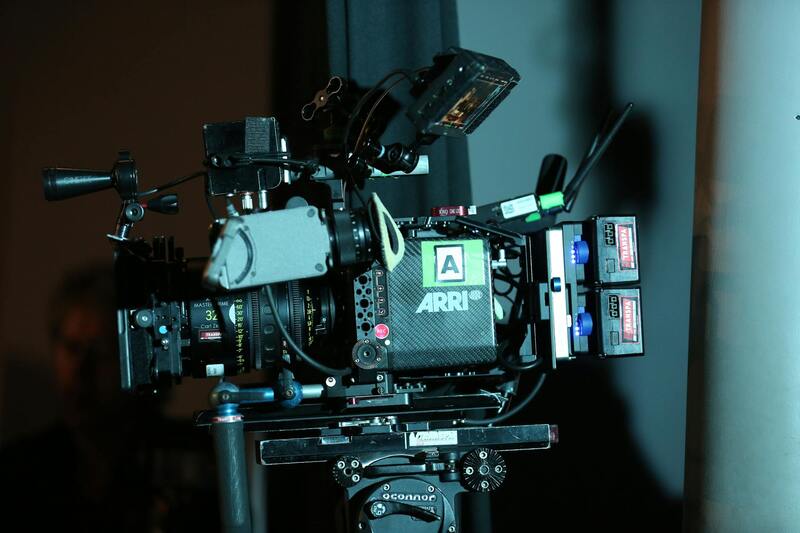
Coordination with a skilled videographer ensures the use of appropriate equipment and techniques, such as multiple camera angles or B-roll footage, to add visual interest and context. When executed with precision, testimonials become compelling narratives that positively influence viewers' perceptions of your brand.
The challenge in testimonial video production lies in balancing authenticity and professionalism. It’s important to foster a relaxed environment that encourages genuine storytelling while maintaining visual and audio quality standards. This synergy results in content that feels both heartfelt and polished, ultimately strengthening your brand message.
Rigorous post-production work is essential to refine the raw footage. Color correction, audio editing, and integrating branding elements help unify the visual identity and reinforce brand recognition. Adding subtitles ensures accessibility, allowing viewers to engage with the content even in silent viewing scenarios. Background music, chosen carefully to match the tone of the story, can heighten emotional connection and viewer investment.
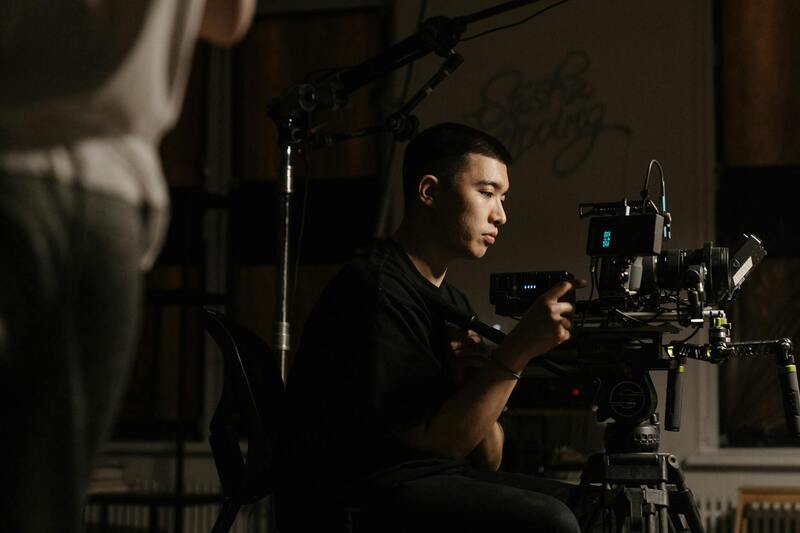
Throughout the production process, maintaining a focus on authenticity, technical quality, and audience relevance guarantees that the final testimonial videos serve as powerful tools for brand credibility and growth. Only through meticulous attention to each phase of creation can testimonials truly capture the genuine voices of satisfied customers and deliver impactful messaging.
Understanding Testimonials Video Production
Creating impactful testimonials videos requires a comprehensive approach that balances authenticity with polished presentation. This process begins with understanding the core objectives of the testimonial—whether to build trust, demonstrate product effectiveness, or showcase customer satisfaction—and then tailoring the production accordingly. The journey from conceptualization to final delivery involves meticulous planning, capturing genuine stories, and employing technical expertise to craft content that resonates with viewers.
Key Elements of Testimonials Video Production
- Authentic Storytelling: The heart of a successful testimonial lies in genuine customer stories. Interview techniques and environment setups are designed to evoke sincere reactions and insights without scripting or leading the interviewees artificially.
- Visual and Audio Quality: Clear visuals and crisp audio are essential. Proper lighting setups, stable camera shots, and quality microphones ensure that the testimonial appears professional and trustworthy.
- Brand Alignment: Incorporating branding elements subtly within the testimonial—such as logos, color schemes, or background settings—helps reinforce brand identity without overshadowing the testimonial content.
- Legal and Ethical Standards: Securing clear permissions and adhering to ethical interview practices ensure that all testimonials are legitimate and respectful of customer privacy, fostering trust and credibility.
Pre-Production Planning
Thorough planning sets the stage for a smooth production process. This includes selecting suitable interviewees, developing interview questions that prompt meaningful responses, and scouting locations that complement the brand's aesthetic. Planning also involves scheduling shoots to accommodate customer availability and logistical considerations such as necessary equipment setup and crew coordination.
Technical Setup and Execution
During the shoot, attention to detail is crucial. Camera angles are chosen to highlight authentic expressions and reactions, while lighting is manipulated to create a warm, inviting atmosphere. Multiple takes and variations may be recorded to provide editing options, ensuring the final testimonial captures the essence of the customer’s experience.
Capturing Genuine Customer Stories
The success of a testimonials video hinges on the customer’s willingness to share honest insights. Techniques such as asking open-ended questions and creating a relaxed environment encourage natural responses. A skilled interviewer guides the conversation gently, allowing the customer to express their thoughts freely while ensuring the story aligns with the brand’s messaging goals.
Post-Production and Editing Best Practices
Once filming is complete, the editing phase refines raw footage into a compelling narrative. Color grading enhances visual consistency, while audio editing ensures clarity and balance. Incorporating branding elements subtly within the video maintains visual cohesion. Adding subtitles increases accessibility, and background music can heighten emotional engagement. The editing process also involves cutting extraneous material and emphasizing impactful moments that reinforce key messages.
By meticulously managing each stage of testimonial video production— from planning through post-production—businesses can generate high-quality content that authentically showcases customer satisfaction. Such content not only boosts credibility but also fosters a deeper emotional connection with prospective clients, making testimonials a vital element of comprehensive marketing strategies in Miami and beyond.
Understanding Testimonials Video Production
Testimonials video production involves a structured approach to capturing authentic customer stories that resonate with target audiences. It is a multifaceted process that encompasses pre-production planning, professional filming techniques, precise editing, and strategic distribution. Creating compelling testimonials requires attention to detail at each phase to ensure the final product genuinely reflects the customer’s experience while aligning with brand messaging. High-quality production values—such as clear audio, well-composed visuals, and engaging storytelling—are essential to establish credibility and foster emotional connections with viewers.
Key Components of Testimonials Video Production
- Pre-Production Planning: Identifying suitable customers, developing interview questions, and setting clear objectives for the video.
- Filming: Employing professional techniques such as proper lighting, stable camera work, and high-quality audio equipment to capture authentic responses.
- Post-Production Editing: Refining footage, adding branding elements, inserting subtitles for accessibility, and incorporating background music to enhance storytelling.
Importance of Authenticity and Clarity
Authenticity plays a fundamental role in testimonial videos, as genuine stories foster trust and credibility. Viewers are more likely to be influenced by heartfelt testimonials that reflect real customer experiences. Ensuring clarity in both visual and audio components is crucial; poor quality can undermine the message and diminish the video’s effectiveness. Skilled production teams focus on capturing natural expressions and candid insights, avoiding overly rehearsed responses that may appear staged.
Legal and Ethical Considerations
Obtain explicit consent from customers before filming and using their stories in promotional content. Clear communication about the purpose and usage of the video builds trust and ensures compliance with privacy standards. Respect for the interviewee's comfort and boundaries contributes to more genuine testimonials. All visual and verbal content should accurately represent the customer’s opinions and avoid misleading interpretations. Proper permissions must be documented for legal peace of mind and professionalism in testimonial video production.
Implementing Proven Distribution Techniques for Testimonials Videos
After producing high-quality testimonials, the next essential step is ensuring the videos reach the target audience effectively. Distribution strategies centered around leveraging multiple channels can significantly enhance visibility and engagement. One of the most impactful methods involves integrating testimonials into your website platform. Prominently featuring videos on landing pages, product pages, and dedicated testimonial sections not only amplifies their reach but also reinforces trust directly where prospective customers are making decisions.
Social media channels serve as powerful vehicles for distributing testimonials. Sharing videos across platforms like Facebook, Instagram, LinkedIn, and Twitter allows for targeted outreach, fostering community engagement and expanding brand reach. Utilizing platform-specific features such as Stories, Reels, or Video Posts can increase organic visibility. Authentic, relatable testimonials often resonate better on social media, encouraging shares and discussions that can organically boost credibility.
Embedding testimonials into email marketing campaigns further enhances their impact. Incorporating short clips or links within newsletters personalized to potential clients can drive traffic to your site and increase conversions. Additionally, integrating testimonials into paid advertising campaigns—such as Google Ads or social media ads—can improve ad relevance and build trust with users who are considering your services.
Beyond digital platforms, consider real-world distribution channels like presentations at industry events or inclusion in printed marketing materials. While digital remains dominant, face-to-face events or trade shows provide opportunities for live testimonials or video displays that captivate audiences and foster instant connection.
To maximize effectiveness, it's crucial to optimize each testimonial for its specific platform and audience. Use compelling headlines, incorporate relevant keywords, and ensure videos are formatted correctly for different channels. Consistent branding and clear calls-to-action encourage viewers to take the next step, whether it’s contacting your sales team or exploring your website further.
Employing analytics tools assists in tracking how testimonial videos perform across channels, providing insights into viewer engagement, watch time, and conversion rates. Using this data allows for refining distribution strategies over time, ensuring each testimonial reaches its full potential in influencing prospective clients and shaping your brand reputation.