Preparation and Planning for Interview Filming
Embarking on a successful interview filming session requires meticulous preparation and strategic planning. The first step is to define clear objectives for the interview, establishing what message or information the final footage should convey. This clarity guides decisions throughout the process, from choosing the location to formulating questions that elicit meaningful responses.
Choosing an appropriate location is fundamental to creating an environment conducive to candid conversation. Factors such as background aesthetics, ambient noise levels, and lighting conditions must be carefully considered. A well-chosen setting not only enhances visual appeal but also minimizes distractions, allowing the interviewee to feel comfortable and engaged.
Preliminary research about the interviewee is equally vital. Understanding their background, expertise, and context helps in crafting targeted questions that resonate with their experiences. Preparing a structured list of questions ensures the flow of the interview remains coherent and focused. However, flexibility should be maintained to allow organic conversation that can reveal unexpected insights.
Scheduling the interview at a mutually convenient time and confirming all participants' availability prevents disruptions. Additionally, obtaining any necessary permissions or releases beforehand ensures compliance with venue policies and protects all parties involved. As part of the planning process, creating a shot list or storyboard helps visualize the final product, ensuring all necessary angles and shots are captured efficiently.
Finally, developing a detailed production timeline minimizes unforeseen delays, ensuring that each aspect of the filming process is executed smoothly. By investing time in thorough preparation, filmmakers can create a professional and engaging interview experience that highlights credibility and expertise, reinforcing viewer trust and engagement.
Choosing the Right Equipment for Interview Filming
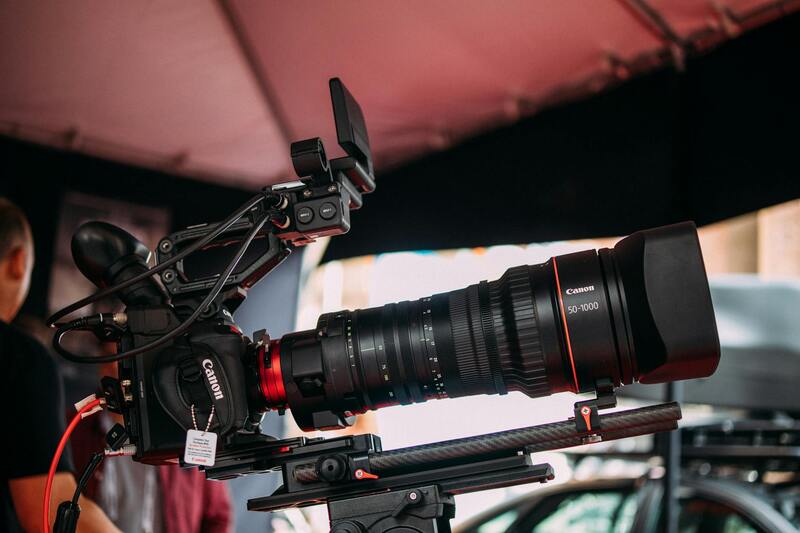
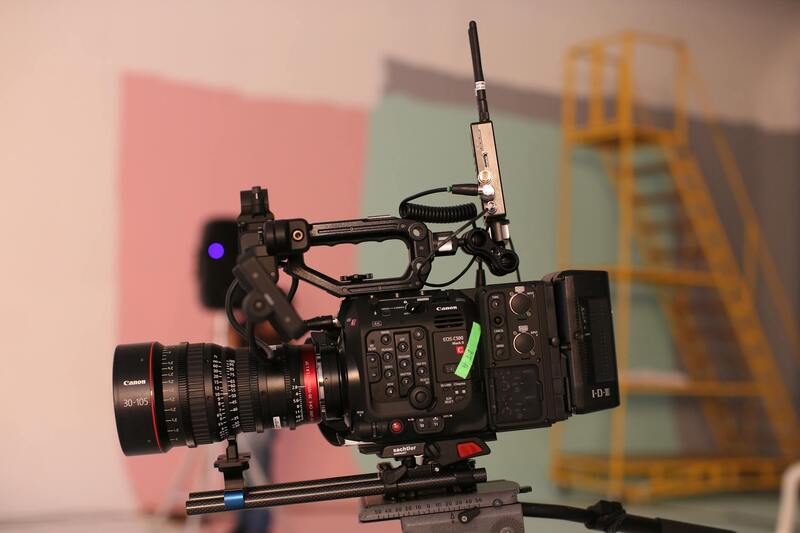
Securing the appropriate equipment is fundamental to capturing professional-quality interview footage that effectively communicates the interviewee’s message and maintains viewer engagement. The selection of gear should be aligned with the specific needs of the shoot, considering factors such as venue size, lighting conditions, and desired aesthetic. A high-resolution camera capable of recording in at least 1080p HD is standard, with 4K options providing even greater detail for versatile editing options. Lenses should be selected based on the framing style; a prime lens with a wide aperture (e.g., f/1.8 or f/2.8) can offer a pleasing background blur (bokeh) that isolates the subject effectively.
Lighting equipment must be versatile, portable, and capable of creating soft, uniform illumination. LED panel lights are popular for their adjustable brightness and color temperature, which should be matched to ambient lighting to prevent unnatural color casts. Additionally, reflectors and diffusers help control light spill and soften shadows, contributing to a polished look.
Microphones are perhaps the most critical component for audio clarity and quality. Lavalier (lapel) microphones are ideal for interviews, offering close-mic ratio that captures speech clearly while remaining unobtrusive. Shotgun microphones are useful for capturing dialogue from a distance or in dynamic environments. The use of wireless microphone systems provides freedom of movement and flexibility during filming.
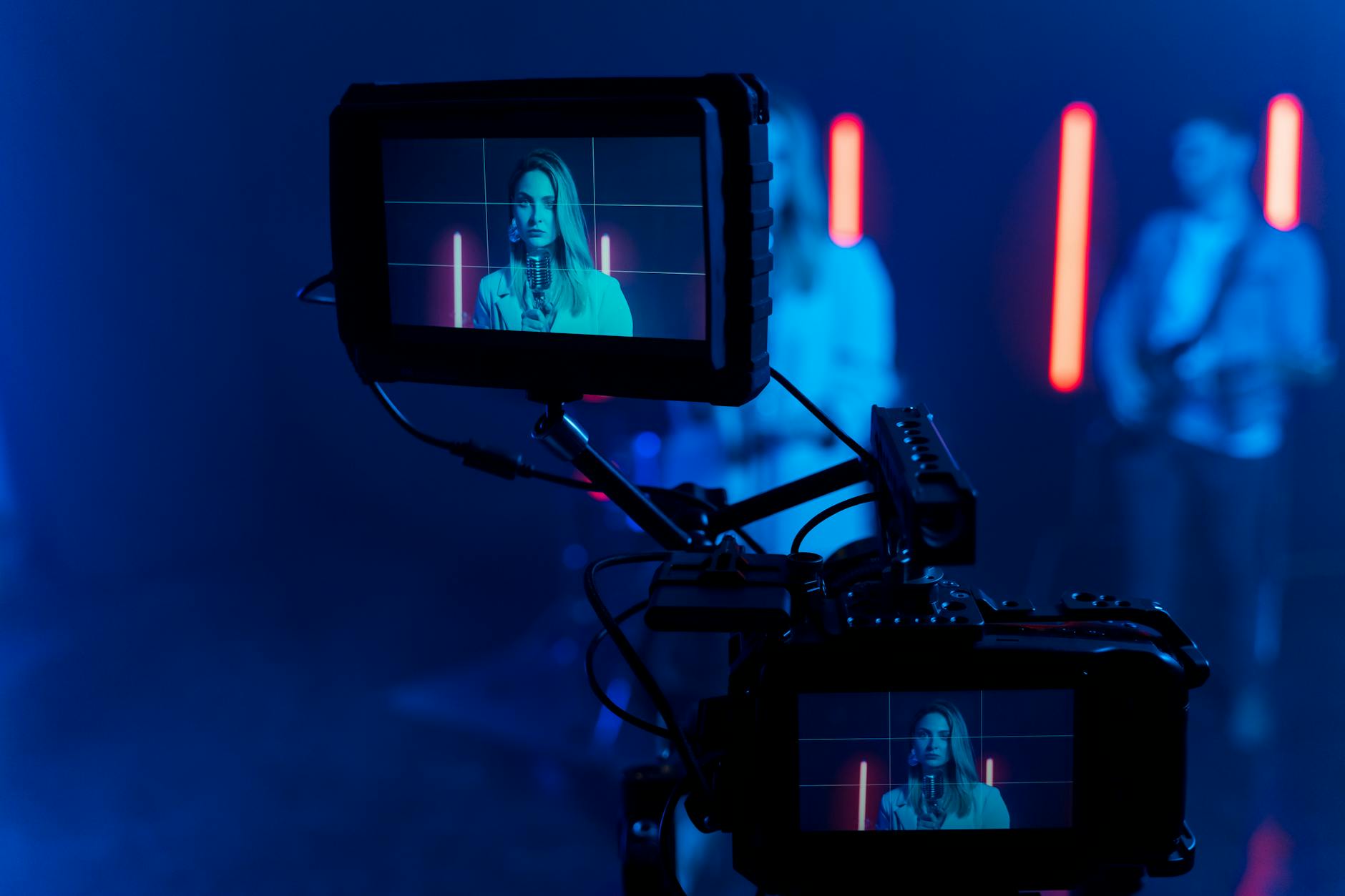
Accessories such as tripods, stabilizers, and monitor screens are indispensable for maintaining steady shots and monitoring footage in real-time. External audio recorders can further enhance sound quality, especially in challenging environments. Ensuring that all equipment is compatible and functions seamlessly together is key to minimizing technical disruptions during the shoot.
The investment in quality gear not only improves the visual and auditory experience but also reflects professionalism, which can significantly influence the perceived credibility of the interview content. Regular maintenance and proper handling of equipment prevent technical setbacks and uphold the integrity of the recorded material.
Preparation and Planning for Interview Filming
Developing a comprehensive plan is fundamental to the success of any interview filming project. Begin by defining the objectives of the interview — whether it’s to inform, inspire, or provide expert insight — as this guides every subsequent decision. Selecting a suitable location is paramount; it should be quiet, free from distractions, and acoustically treated to minimize echo and background noise. If shooting indoors, consider potential issues such as ambient light, electrical power sources, and space constraints. When filming outdoors, be prepared for changing weather conditions, ambient distractions, and background traffic that could complicate sound and visuals.
Creating a detailed shot list and storyboard will facilitate a smooth filming process. A shot list ensures that no essential footage is overlooked, while a storyboard visualizes the framing, camera angles, and sequence, streamlining the production workflow. Scheduling the session to maximize natural light, particularly during golden hour, can considerably enhance visual quality. Confirming all necessary permits and permissions for filming at the chosen location ensures a smooth, interruption-free shoot.
Preparing backup plans is equally important. This includes having extra batteries, memory cards, and alternative locations or setups in case of unexpected issues. Conducting a reconnaissance visit to the location prior to the shoot allows for assessing potential challenges and finalizing equipment placement and lighting arrangements. Communicating with all involved personnel, including interviewees and crew members, helps align expectations and roles, ensuring everyone is aware of the schedule, requirements, and safety protocols.
By meticulously organizing these preliminary steps, filmmakers set a robust foundation for capturing compelling interview content that is both visually appealing and listeners' easy to follow.
Choosing the Right Equipment for Interview Filming
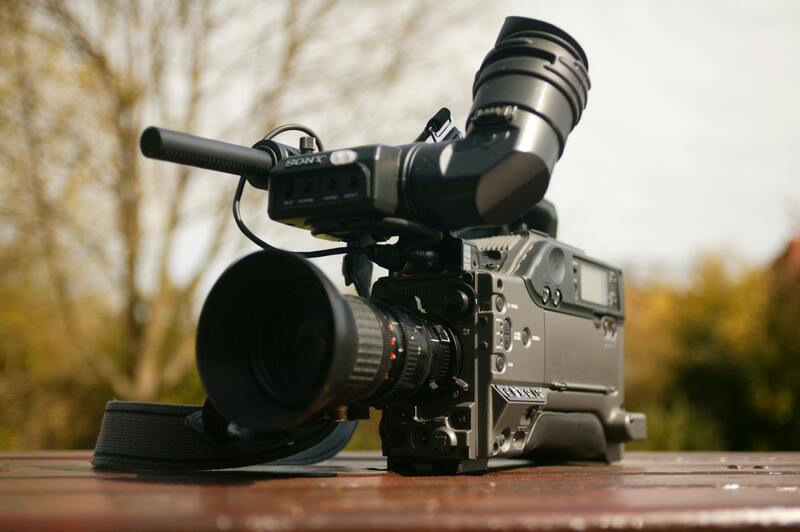
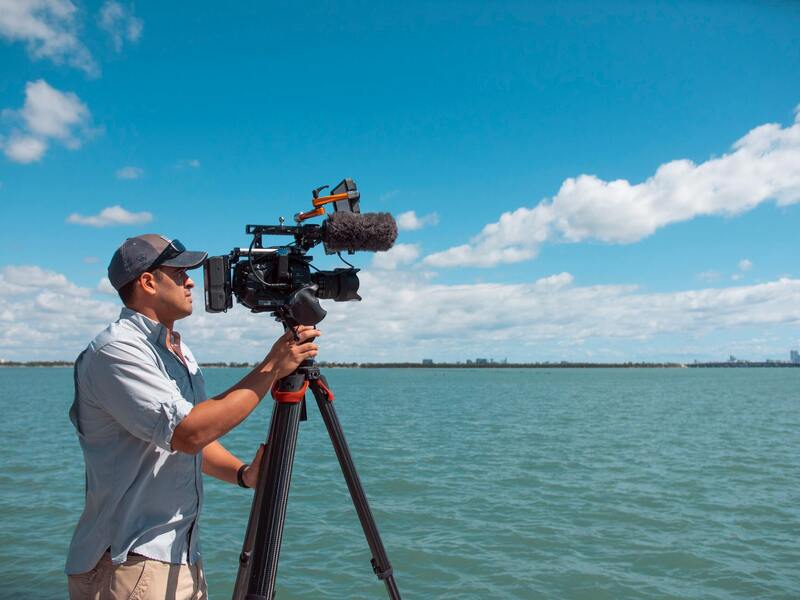
Selecting appropriate equipment is critical in achieving professional-quality interview footage. High-definition cameras capable of capturing sharp images with accurate color reproduction are fundamental. Consider models that perform well in varying lighting conditions and allow manual adjustments for focus, aperture, and shutter speed. For mobility and dynamic shooting environments, lightweight and versatile cameras facilitate flexibility without compromising image quality.
Lighting equipment should be versatile enough to adapt to different environments. Portable LED panels and softboxes provide balanced, diffused illumination that flatters the interview subject and reduces harsh shadows. When shooting in low-light settings, high-sensitivity cameras paired with supplemental lighting ensure clarity. Modulating key, fill, and backlighting creates depth, dimension, and visual interest, drawing viewers into the conversation.
Audio quality often makes or breaks an interview. Prioritize using lavalier microphones to capture clear speech from the subject. Wireless systems enhance freedom of movement, while shotgun microphones mounted on boom poles or booms can capture dialogue from a distance. External audio recorders should be employed to ensure pristine sound, particularly in challenging acoustic environments. Properly test all audio equipment before the shoot, checking levels and minimizing potential interference.
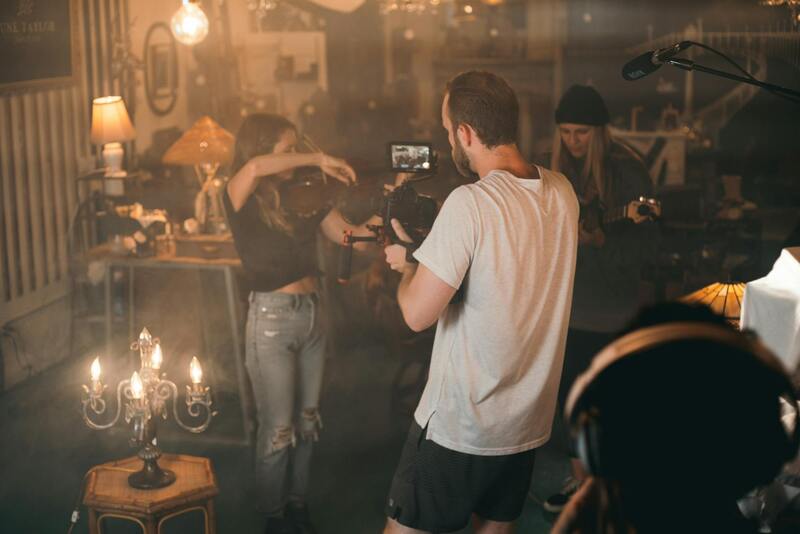
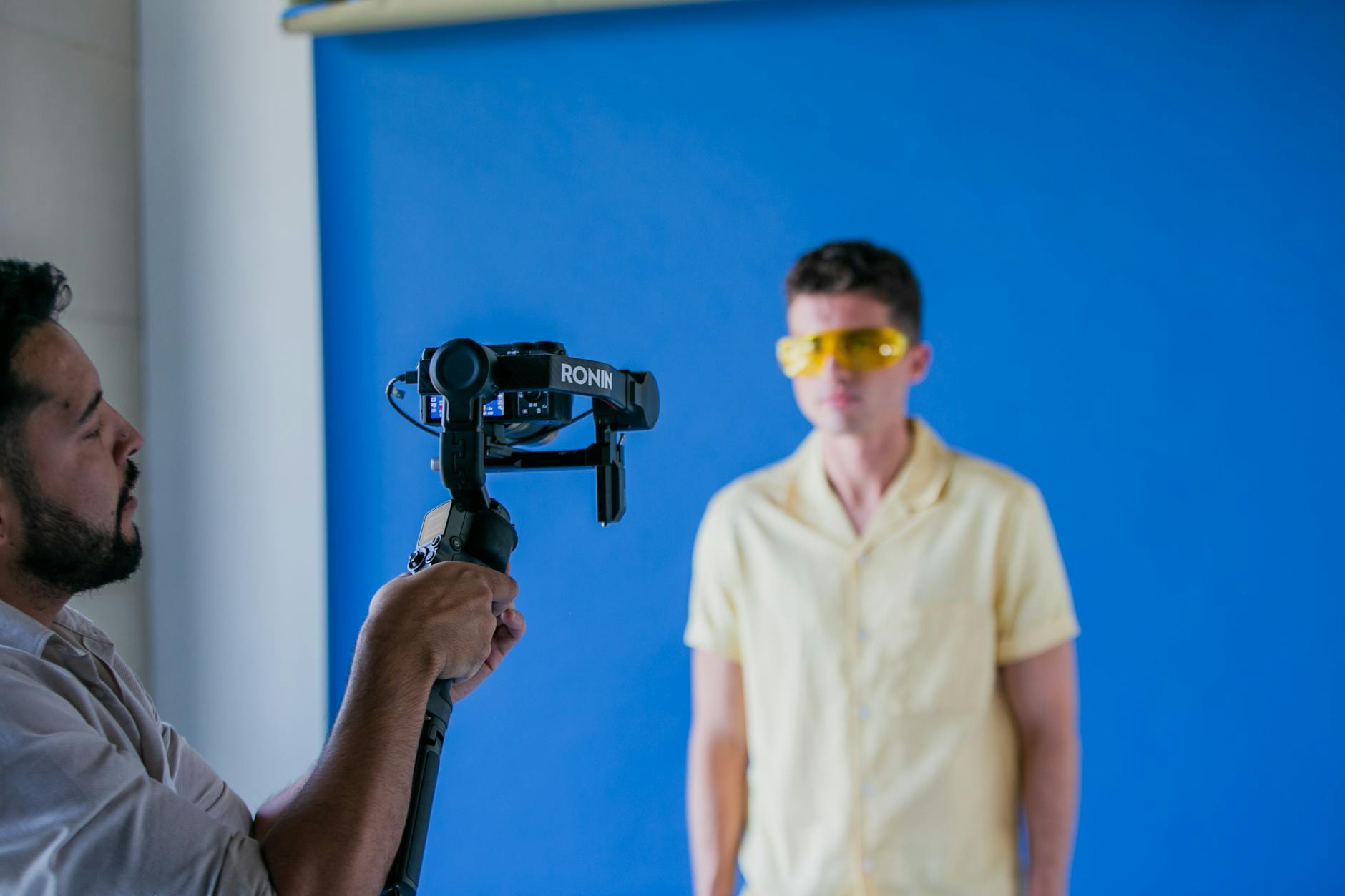
Additional accessories such as sturdy tripods, wireless monitoring devices, and stabilization rigs contribute to stable, well-framed shots. Selecting compatible gear that seamlessly works together reduces technical hiccups and streamlines the production process. Regular maintenance, including cleaning lenses and checking cables, prolongs equipment lifespan and preserves optimal functionality. Investing in quality gear and ensuring proper setup translates directly into polished, professional interview recordings that meet high production standards.
The proper choice and integration of equipment not only improve production values but also reinforce the credibility and professionalism of the interview content. Paying attention to detail during this phase ensures that visuals and sound complement each other, creating a cohesive, engaging viewing experience for audiences.
Preparation and Planning for Interview Filming
Effective interview filming begins long before the camera starts rolling. It is crucial to develop a comprehensive plan that covers all aspects of the shoot, including location scouting, scheduling, and obtaining necessary permissions. Conducting a site visit allows you to assess lighting conditions, background elements, and potential sound issues, ensuring the environment enhances the overall quality of the recording. Creating a shot list and a detailed storyboard helps visualize the framing and camera angles, facilitating smoother execution on the day of filming. Clear communication with the interviewee beforehand sets expectations, discusses the topics to be covered, and clarifies logistical details, which reduces nervousness and fosters a relaxed atmosphere during the session.
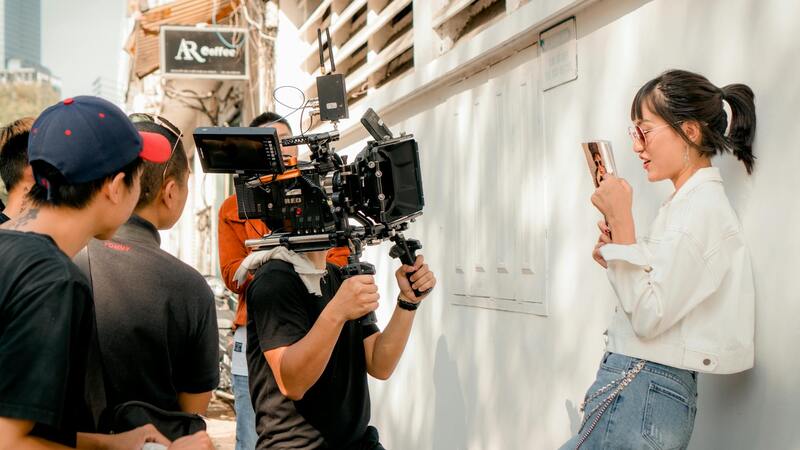
In addition, preparing backup equipment is a vital step to avoid disruptions. This includes extra batteries, memory cards, microphones, and cables. Testing all gear beforehand ensures compatibility and functionality, minimizing technical interruptions during filming. Developing a contingency plan for unforeseen circumstances, such as weather changes or technical failures, helps maintain professionalism and keeps the project on track. Detailed planning also involves considering the framing and composition—that is, how to position both the interviewer and interviewee within the shot to create a visually engaging and balanced scene. Taking time to draft questions designed to elicit insightful responses helps create a narrative flow that resonates with viewers and enhances the interview's overall impact.
Having a clear understanding of the story or message behind the interview guides the entire production process. Integrating this context into your planning ensures that each shot and question aligns with the larger goal, resulting in content that is both engaging and authentic. Precise preparation lays the groundwork for capturing high-quality visuals and audio, ultimately producing a polished interview that reflects professionalism and attention to detail.
Choosing the Right Equipment for Interview Filming
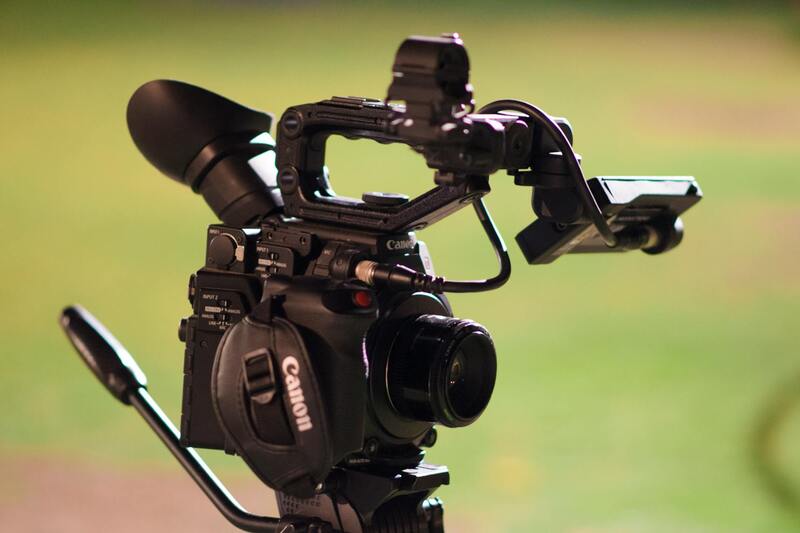
Selecting appropriate gear is fundamental to capturing professional-grade interview footage. High-definition cameras with manual control capabilities offer the flexibility to adapt to varying lighting and environmental conditions. Mirrorless and digital single-lens reflex (DSLR) cameras are popular options due to their compact size, excellent image quality, and interchangeable lenses, allowing for versatile framing and focus options.
- Tripods provide stability, reducing shaky footage and maintaining consistent framing throughout the shoot.
- External microphones, such as lapel (lavaliere) mics, enhance audio clarity by directly capturing the speaker's voice.
- Wireless audio transmitters and receivers facilitate freedom of movement, enabling dynamic shot compositions without cumbersome cables.
- Lighting kits, including key, fill, and backlights, help illuminate the subject evenly and eliminate unwanted shadows.
- Reflectors and diffusers assist in controlling natural light, especially in outdoor locations or rooms with uneven lighting.
Investing in quality equipment ensures that visual and auditory components are crisp and clear, reinforcing the credibility of the content. Compatibility between gear pieces, such as microphone connectors and camera inputs, is essential for a seamless workflow. Regular maintenance, such as cleaning camera lenses and checking cables, prolongs equipment lifespan and guarantees optimal performance during recording sessions.
Effective Techniques for Filming Interview Content
Utilizing Multiple Camera Angles for Engagement
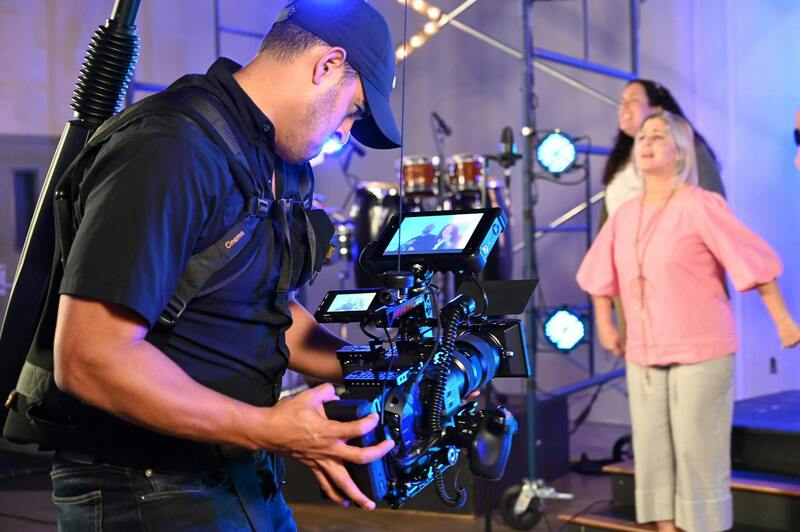
Integrating multiple camera angles during interview filming significantly elevates the visual appeal of the final content. By employing primary shots of the interviewee, cutaways to relevant objects or environments, and reaction shots of the interviewer, creators can craft a dynamic viewing experience. It is crucial to plan these angles in advance, considering the story’s flow and the emotional tone of the discussion. Properly synchronized camera setups enable seamless editing and ensure that transitions appear natural, maintaining viewer interest throughout the video.
Maintaining Consistent Visual Style and Framing
Consistency in visual elements, including framing, color grading, and background details, reinforces the professional quality of the interview. Framing the subject should adhere to principles such as the rule of thirds, ensuring the interviewee is comfortably positioned within the shot. If multiple takes are necessary, maintaining consistent camera settings and lighting conditions minimizes discrepancies during post-production. Clean backgrounds, free from clutter or distractions, focus audience attention solely on the speaker, heightening the interview's impact.
Effective Use of B-Roll Footage
B-roll plays a vital role in storytelling by providing context and visual interest. Incorporating footage of relevant locations, products, or activities surrounding the interview topic enriches the narrative and prevents monotony. When shooting B-roll, aim for smooth camera movements and appropriate framing, ensuring it complements the main interview footage. Properly integrated B-roll can guide viewers through the story, highlighting critical points and enhancing overall engagement.
Optimizing Audio Quality During Filming
Sound quality remains a cornerstone of compelling interview content. Employing multiple microphones, including lapel mics, shotgun mics, and portable recorders, guarantees clear and natural audio. Positioning microphones as close as possible to the speaker without infringing on the shot minimizes background noise and echoes. Additionally, monitoring audio levels in real-time during recording helps prevent clipping or inaudible segments. Using windshields in outdoor settings safeguards against environmental noise, ensuring the audio remains pristine.
Incorporating Visual Enhancements
Subtle visual enhancements during filming, such as adding visual cues or graphics, can clarify complex topics or emphasize key points. For example, during a technical interview, overlays of diagrams or data summaries can make explanations easier to grasp. Controlled camera movements, like slow pans or zoom-ins, help direct viewer attention without overwhelming the scene. These techniques contribute to a polished presentation that maintains consistency and professionalism throughout the filming process.
Preparation and Planning for Interview Filming
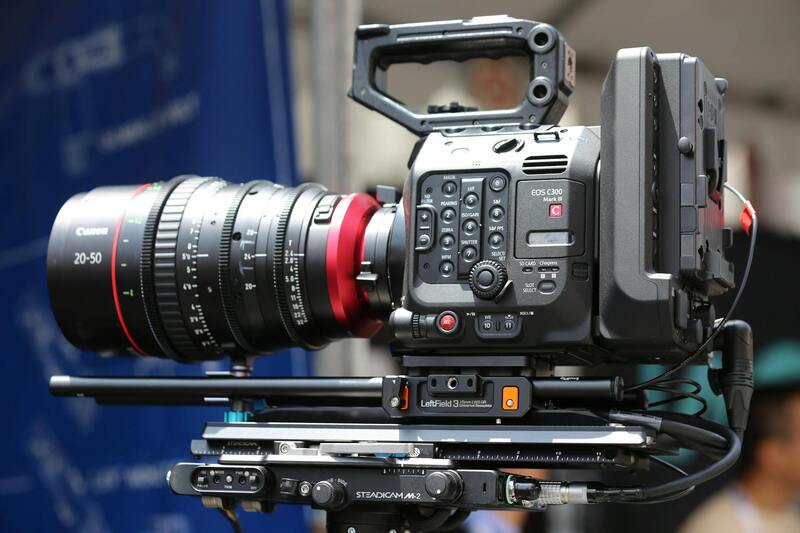
Executing a successful interview begins long before the camera starts rolling. It is essential to conduct thorough preparation and meticulous planning to achieve an engaging and professional final product. Begin by defining the core objectives of the interview, including key messages and desired outcomes. Develop a comprehensive shot list that details the framing, angles, and specific moments that need capturing, which helps streamline the filming process.
Prior to the shoot, research the interviewee to understand their background, expertise, and speaking style. This knowledge enables the interviewer to craft relevant questions that elicit insightful responses. Draft an outline of topics to ensure a logical flow during the session, making it easier for the interviewee to navigate their thoughts. Flexibility should also be built into the plan, allowing room for organic conversations or unexpected insights.
Scheduling is another critical component. Choose a date and time that suits both the interviewer and interviewee, considering timezone differences if applicable. Confirm the location and logistical arrangements in advance—whether indoors or outdoors—to address potential challenges like noise, lighting variability, or interruptions. It is advantageous to conduct a walkthrough of the setting beforehand, identifying optimal camera positions, lighting spots, and background elements to create a visually appealing environment that complements the subject.
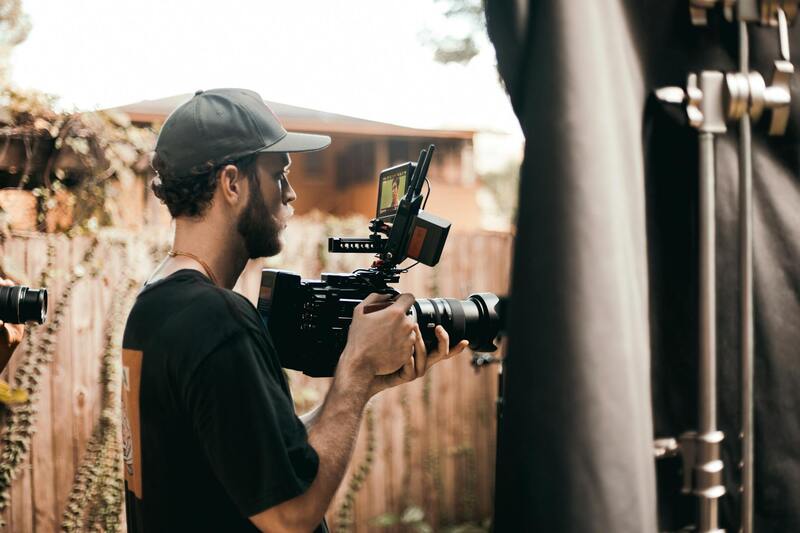
Develop a contingency plan for equipment failures or unexpected disruptions. This involves preparing backup devices, extra batteries, memory cards, and verifying that all gear functions correctly. Clear communication with the interviewee regarding expectations, on-camera conduct, and technical procedures also mitigates potential issues during the session.
Choosing the Right Equipment for Interview Filming
Using the appropriate gear is fundamental to capturing professional-grade interview footage. The core equipment includes high-definition cameras capable of recording at least 1080p resolution for clarity. Many professionals prefer DSLR or mirrorless cameras, which offer excellent image quality and versatility. For additional angles or dynamic shots, investing in a multi-camera setup enhances visual interest, offering different perspectives that can be seamlessly integrated during editing.
Audio quality is equally crucial. Employing lavalier microphones or shotgun mics ensures clear and consistent sound capture. Wireless lavalier mics are especially beneficial for interviews requiring freedom of movement, while shotgun mics mounted on boom poles or camera rigs provide directional audio pick-up. Portable audio recorders can serve as supplementary backups or for capturing ambient sounds.
Lighting equipment significantly influences the visual appeal of the interview. Softbox lights, LED panels, or ring lights help achieve even, flattering illumination that reduces unflattering shadows and highlights the subject effectively. For outdoor shoots, reflectors and diffusers assist in managing natural light, preventing overexposure or harsh shadows.
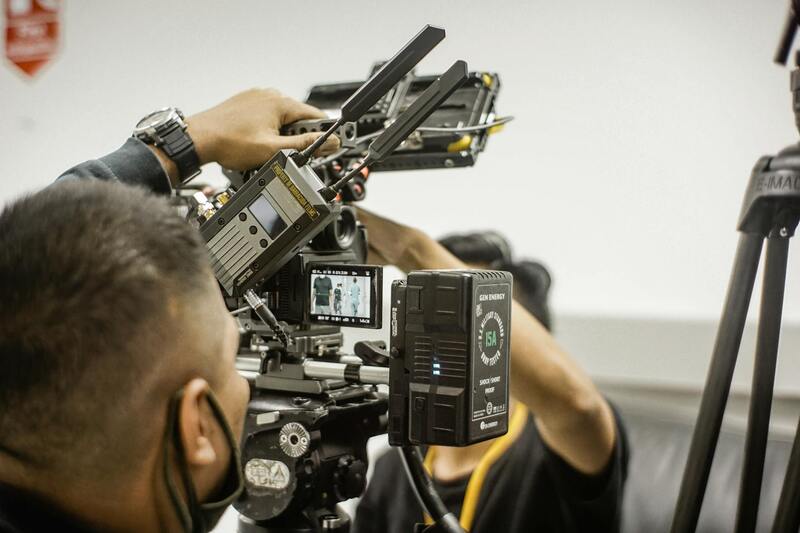
Choosing reliable gear aligned with the specific needs and environment of each shoot is essential. Testing and calibration of all equipment beforehand ensure optimal performance, ultimately contributing to a seamless and professional interview filming experience.
Preparation and Planning for Interview Filming
Thorough preparation is vital to capturing impactful interview footage. Begin by defining the purpose of the interview and identifying key messages. This clarity helps in structuring questions that elicit relevant and engaging responses. Conducting pre-interview research about the interviewee ensures that the interviewer can formulate informed questions, creating a more dynamic conversation. Scheduling the shoot at a time that aligns with the interviewee's availability and optimal lighting conditions is essential for smooth execution.
Creating a detailed shot list and storyboard guides the filming process, minimizing disruptions and ensuring all necessary footage is obtained. Discuss logistical details with the interviewee, including wardrobe suggestions, recent topics of interest, and any specific preferences. Preparing backup plans for potential issues such as equipment failure or environmental disruptions guarantees continuity and reduces delays. Securing necessary permits or permissions for shooting locations guarantees compliance with regulations and enables access to the chosen environment.
Choosing the Right Equipment for Interview Filming
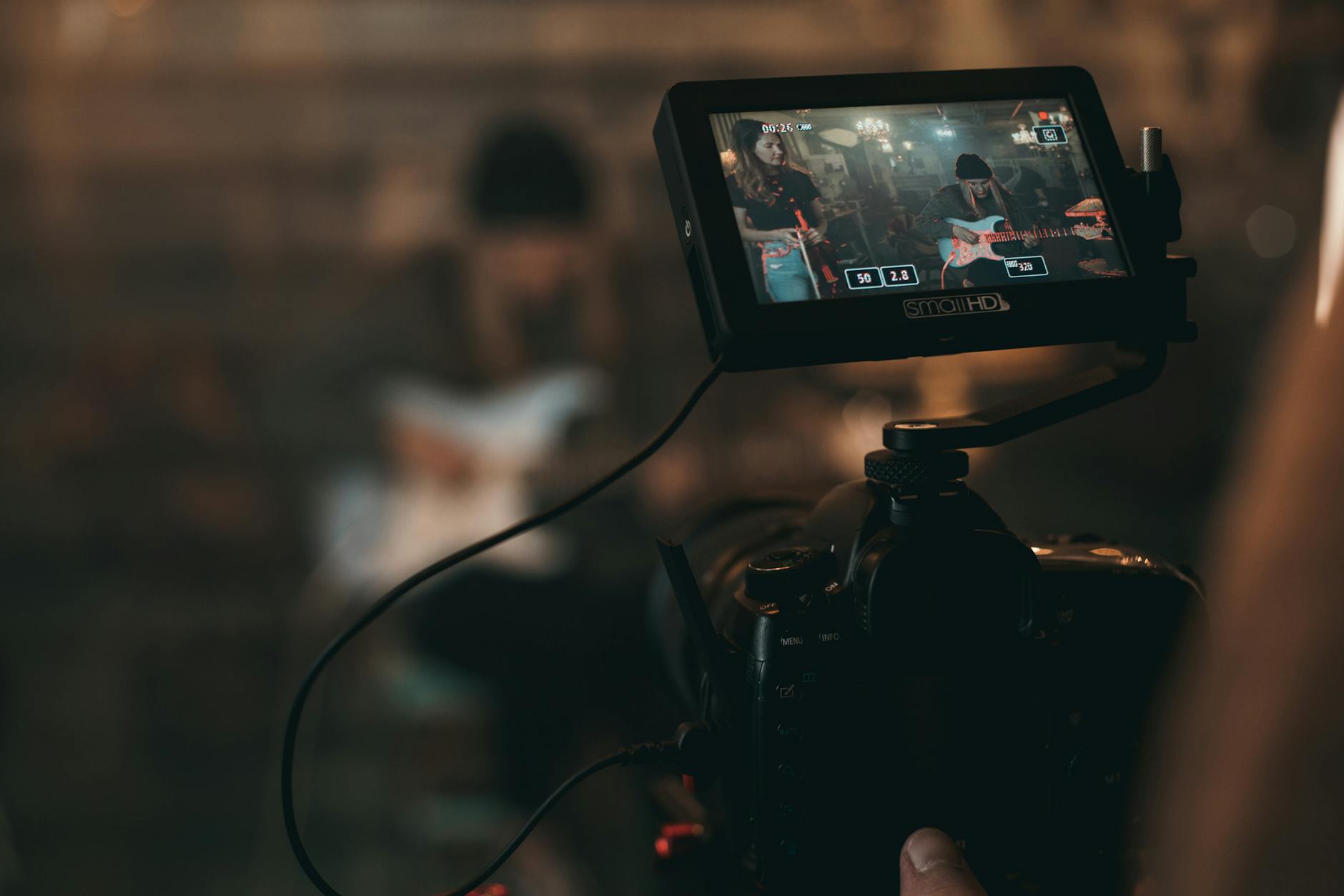
Selecting appropriate equipment forms the backbone of high-quality interview footage. High-definition cameras capable of recording at least 1080p resolution ensure visual clarity, preserving detail and professionalism. DSLR and mirrorless cameras are favored for their versatility and excellent image quality, enabling smooth focus transitions and controlled depth of field. For multi-angle shots, utilizing additional cameras expands visual storytelling capacity and provides options during editing.
For audio, employing lavalier microphones or shotgun mics ensures crisp sound reproduction. Wireless lavalier systems allow the subject to move freely without compromising audio quality, while shotgun microphones mounted on boom poles can effectively capture directional sound from the subject and reduce background noise. Portable recorders act as reliable backups, ensuring that no audio is lost due to technical glitches. Regular maintenance and calibration of all gear prevent technical issues during recording.
Setting Up the Shooting Environment
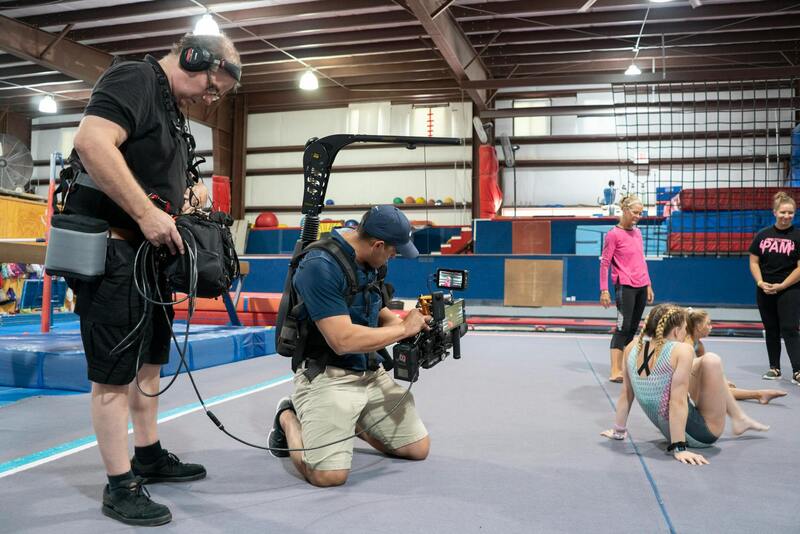
The environment where the filming occurs impacts the overall production quality. Choose a quiet, controlled space free from extraneous noises and interruptions. The background should be uncluttered or intentionally styled to support the message, avoiding visual distractions. Consider the acoustics of the space; sound-absorbing materials can minimize echo and enhance clarity. Arrange the space to facilitate comfortable movement and camera positioning, ensuring the interviewer and interviewee feel at ease.
Position furniture and equipment thoughtfully, with the subject sitting or standing in a well-lit area that complements the framing. If indoors, eliminate or diffuse harsh artificial lighting; for outdoor shoots, plan around natural light conditions, permitting the use of reflectors and diffusers to manage shadows and highlights effectively. Ensuring a stable and level surface for equipment setup reduces vibrations and accidental shifts during recording.
Interview Technique and Conducting the Session
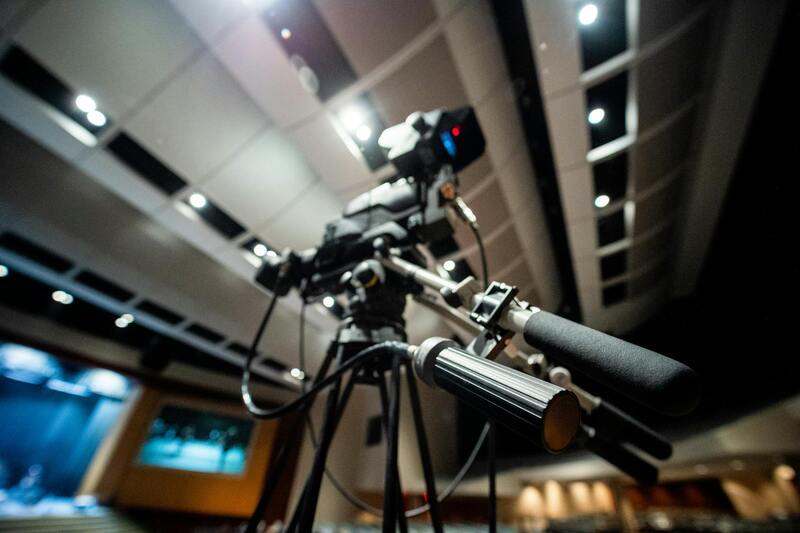
Effective interview technique involves active listening and a relaxed demeanor, encouraging authentic responses. Establish rapport with the interviewee through casual conversation before starting the formal recording, helping them feel comfortable and natural on camera. Use open-ended questions to prompt detailed answers, allowing the subject to share insights fully. Maintain eye contact and use body language to convey engagement, creating an inviting atmosphere.
During the session, avoid interrupting the interviewee unnecessarily and allow pauses for thoughtful responses. Keep prompts consistent and neutral to prevent influencing answers. Use a mix of close-up shots to capture expressions and wider angles to establish context. Incorporate natural breaks and ask follow-up questions based on the interviewee’s responses to deepen the content. Managing timing and flow is crucial to produce a cohesive and engaging final product.
Lighting Strategies for Interview Filming
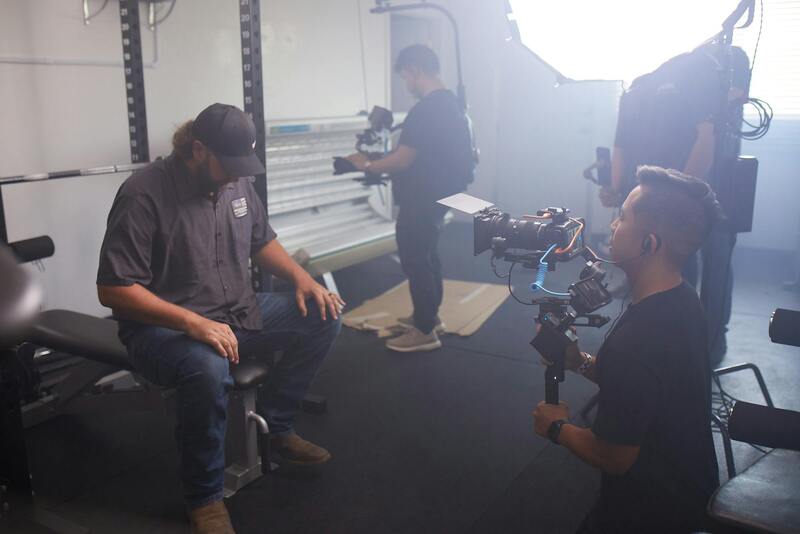
Good lighting transforms the visual quality of interview videos, emphasizing the subject and reducing unflattering shadows. Soft, even lighting is desirable; for indoor shoots, softbox lights or LED panels provide gentle illumination that flatters the face while minimizing harsh shadows. Position lights at appropriate angles—typically at 45 degrees to the subject—to create depth and dimension. Ring lights can be used to deliver uniform lighting on the face, particularly in close-up shots.
For outdoor sessions, natural light is a primary resource. Reflectors can bounce sunlight onto the subject to fill shadows, while diffusers soften direct sunlight, preventing overexposure. Monitoring weather conditions and the position of the sun enables planners to time shoots for optimal lighting. When controlling existing light sources, adjusting camera settings like white balance and exposure compensates for varying conditions, ensuring consistent quality throughout the session.
Final Steps: Distributing and Sharing Your Interview Videos
Once your interview footage has been thoroughly edited and finalized, the subsequent phase involves strategic distribution and sharing to ensure your content reaches the intended audience effectively. Proper dissemination of interview videos not only increases visibility but also enhances engagement and professional reputation within your niche or industry.
Optimizing Videos for Different Platforms
Each online platform has unique specifications and audience expectations. Tailoring your videos accordingly maximizes their impact.
- YouTube: Create a compelling thumbnail, craft a detailed title incorporating primary keywords, and write an informative description with relevant tags. Include timestamps for easy navigation, and embed relevant links or calls to action.
- Social Media: For platforms like Instagram, Facebook, or LinkedIn, consider shorter clips or teaser trailers that highlight key moments. Use captions or subtitles, as many users view videos without sound, and incorporate engaging captions to encourage interaction.
- Company Website: Embed the full interview within a dedicated page or blog post. Add context with an introductory paragraph, key highlights, and links to related content or contact information.
Sharing Strategies to Maximize Reach
Effective sharing extends beyond simply uploading videos. It involves targeted distribution and active promotion.
- Leverage Social Networks: Share across relevant social media platforms with descriptive captions, hashtags, and tagging key individuals or brands.
- Email Campaigns: Incorporate video links into newsletters or targeted email blasts aimed at your subscriber base or industry contacts.
- Collaborations and Cross-Promotions: Partner with industry influencers, peers, or organizations to promote your interview content. Mutual sharing can significantly broaden reach.
- Embed in Blog Posts and Articles: Using SEO-optimized blog content that includes your interview videos can drive organic traffic and establish authority.
Measuring Impact and Engagement
Monitoring how your interview videos perform provides insight into audience preferences and helps refine future content strategies.
- Track view counts, watch time, and audience retention metrics across platforms.
- Analyze engagement rates, including likes, comments, shares, and click-throughs.
- Gather qualitative feedback through comments or direct outreach to understand viewer impressions and suggestions for improvement.
Additional Considerations
When distributing videos, ensure all content aligns with your brand voice and messaging. Maintain consistency in branding elements such as logos, color schemes, and messaging tone to establish a recognizable and professional presence. Furthermore, securing appropriate permissions and rights for all included media—such as visuals, music, or third-party content—is fundamental to sustaining credibility and avoiding issues related to content use.