Understanding the Benefits of Video Testimonials
In the highly competitive market of Miami, establishing credibility and fostering consumer trust are essential for business growth. Video testimonials have emerged as a powerful tool to achieve these objectives. They offer authentic insights from satisfied customers, providing prospective clients with relatable and persuasive evidence of a company’s value. Unlike written reviews, video testimonials encapsulate genuine emotions, tone of voice, and facial expressions, making the message more impactful and memorable.
For Miami-based companies, leveraging this form of social proof can dramatically influence purchasing decisions. They showcase real experiences from local customers, creating a sense of community and relatability. Moreover, video content is highly engaging and more likely to be shared across social platforms, expanding brand reach organically. Including video testimonials on your website can boost conversion rates by reassuring potential clients and lowering hesitation through transparent, honest narratives.
Additionally, professional video testimonials enhance your brand’s perceived authority and expertise. When consumers see real people endorsing your services or products, it humanizes your brand and fosters a deeper connection. This trust is crucial in Miami’s diverse and vibrant marketplace, where consumers are increasingly seeking authenticity. Video testimonials, when executed correctly, serve as genuine endorsements that can set your business apart from competitors and reinforce your reputation as a trustworthy provider.

Furthermore, incorporating professional video testimonials into your digital marketing strategy allows for targeted messaging. They can be tailored to specific demographics or customer segments, making your marketing efforts more personalized and effective. As Miami continues to grow as a hub of commerce, tourism, and cultural diversity, these personalized endorsements help forge stronger local connections and drive engagement.
To harness the full potential of video testimonials, businesses should prioritize quality production and authentic storytelling. A compelling testimonial highlights genuine customer experiences, addresses common concerns, and demonstrates real-world applications of the product or service. When well-produced, these videos serve as a continuous stream of persuasive content that builds and maintains consumer confidence over time.
Ultimately, integrating professional video testimonials into your marketing arsenal offers a strategic advantage in Miami’s dynamic marketplace. They enhance credibility, foster trust, and influence consumer behavior—all essential components for sustained growth in today’s competitive environment.
Key Elements of Effective Video Testimonials
Creating a compelling video testimonial involves several core components that ensure the message resonates with viewers and effectively enhances your brand’s credibility. Authentic storytelling stands at the forefront, allowing clients to share their genuine experiences with sincerity and detail. When viewers sense honesty, they form a stronger emotional connection, which increases trust in your offerings.
Clear messaging is essential to communicate the specific benefits and positive outcomes achieved through your service. The testimonial should address the challenge faced, the solution provided, and the results gained, all conveyed in a manner that is easy to understand. This logical progression helps potential customers relate to the story and see the value in your offerings.
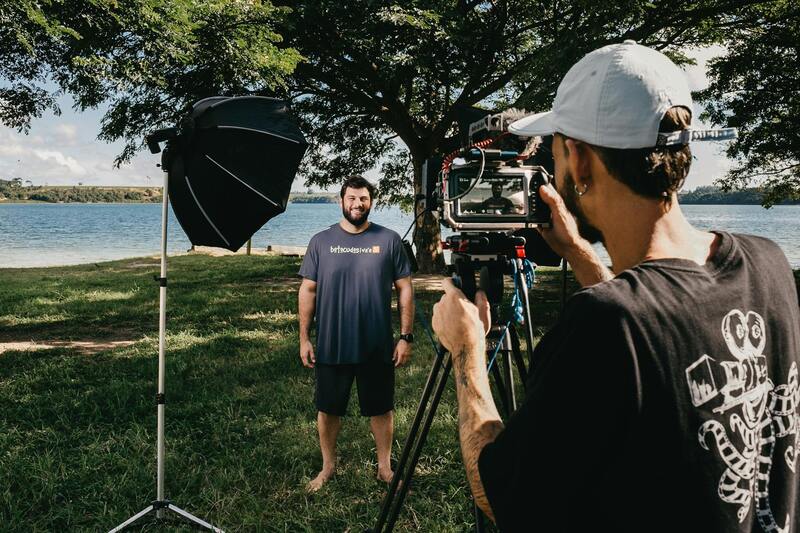
High visual quality plays a pivotal role in maintaining viewers’ attention and reinforcing the professionalism of your brand. Well-lit settings, steady camera work, and good sound quality all contribute to a polished final product. Utilizing professional equipment and techniques ensures that the testimonial looks refined and credible, making a favorable impression.
Moreover, selecting the right interviewee is critical. Clients who are relatable and enthusiastic about their positive experience can effectively influence viewers’ perception of your service. Authenticity is paramount; overly scripted or rehearsed testimonials may undermine trust.

Incorporating a mix of close-up shots, real-life interactions, and environmental context helps to craft a dynamic and engaging narrative. Consistency in branding elements such as logos, color schemes, and call-to-actions further solidifies the professional appearance of the testimonial.
Working with a Video Testimonial Service Provider
When selecting a professional agency to produce your video testimonials, it is crucial to focus on their experience and portfolio. An agency with a proven track record of creating compelling testimonial videos will understand the nuances of storytelling and visual presentation that resonate with your target audience. Look for providers that have worked with clients in Miami, as local expertise often translates into a deeper understanding of regional preferences and cultural nuances, ensuring your content feels authentic and relatable.
Furthermore, assess their familiarity with industry standards and their ability to utilize professional equipment, including high-quality cameras, lighting, and sound systems. This investment in technology guarantees a polished final product that reflects well on your brand. It’s also beneficial to review their past work to evaluate their style, creativity, and adherence to client objectives.
Clear communication and understanding of your business goals are essential components when working with a testimonial service provider. A reliable agency will collaborate closely with you, guiding you through the process from concept development to post-production, ensuring your testimonial aligns with your overall marketing strategy. Since Miami has a vibrant and diverse community, your testimonial provider should be adept at capturing stories that highlight authentic client experiences, fostering trust and credibility.

Steps to Creating a Successful Video Testimonial
Developing an impactful video testimonial involves several key steps designed to maximize authenticity and engagement. Begin with identifying clients who have genuinely benefited from your services and whose stories can inspire potential customers. Authenticity remains a cornerstone; selected clients should feel comfortable sharing their experiences openly.
Next, prepare a set of open-ended questions that prompt detailed responses. These questions should focus on the challenge faced, the solution you provided, and the positive results achieved. Allowing clients to speak naturally about their journey helps create relatable content that resonates with viewers.
Pre-production planning involves selecting appropriate locations that reflect the context of the client’s experience. The environment should be visually appealing but not distracting, maintaining a focus on the client’s story. During filming, utilize professional lighting and audio equipment to ensure clarity and visual appeal.
Post-production editing is where the storytelling comes together. Incorporate branding elements such as logos and color schemes subtly, and include call-to-actions that guide viewers towards the next step. Adding subtitles can improve accessibility and reach a broader audience.
Finally, disseminate the video through multiple digital channels, tailoring the format and length to optimize viewer engagement on soziale media, your website, and email campaigns. Consistent monitoring and updating of testimonial content keep your marketing efforts fresh and relevant.
Legal and Ethical Aspects of Testimonial Videos
When incorporating video testimonials into your marketing strategy, adherence to ethical standards and proper documentation are essential to maintain transparency and trust with your audience. It is crucial to obtain explicit consent from clients before filming and publishing their testimonials. Consent should be documented in writing, outlining how the testimonial will be used across various platforms and media channels.
Clear communication about the scope of the testimonial can prevent misunderstandings. Clients should be aware of the specific products or services referenced, the duration of the campaign, and how their likeness and words will be presented. This transparency reinforces a professional relationship built on mutual respect.
Maintaining honesty in testimonials not only upholds reputation but also aligns with responsible marketing practices. Testimonials must accurately reflect the client's experience without fabricating or exaggerating results. Editing should preserve the authenticity of the client’s message; any modifications that could alter the perceived experience should be disclosed to the client beforehand.
Respecting client privacy is another critical aspect. Sensitive information should be omitted unless explicitly authorized, and clients should have the option to review and approve the final video before publication. This step validates the accuracy of the content and reassures clients of your commitment to transparency.
Additionally, it's important to operate within intellectual property guidelines, giving proper attribution and obtaining necessary rights for any music, images, or additional content integrated into the testimonial video. Utilizing official and legitimate methods in video testimonial production solidifies your reputation as a responsible business and reinforces consumer confidence in your offerings.
Legal and Ethical Aspects of Testimonial Videos
Creating impactful and trustworthy video testimonials necessitates adherence to established practices that uphold transparency and respect for all parties involved. Securing explicit consent from clients before filming or publishing their testimonials is a fundamental step. This approval ensures clients are fully aware of how their likeness, words, and personal experiences will be used across different marketing channels. Written consent forms, detailed and clear about the scope and intent of the testimonial, serve as crucial documentation that protect both the business and the client.
Accurate representation is equally vital. Testimonials must authentically reflect the customer’s genuine experience without embellishments or misstatements. This honesty sustains credibility and nurtures trust among prospective clients. When editing testimonial videos, care should be taken to preserve the original context and tone of the client’s message. Any significant modifications or selective editing should be transparently communicated to the client, ideally with their approval, prior to publication.
Compliance with advertising standards and regulations is essential to maintain professionalism. This involves including appropriate disclosures when certain incentives or compensation exist—such as discounts or gifts—in exchange for testimonials. Clear labeling that indicates it is a sponsored endorsement helps prevent misunderstandings and aligns with honest marketing practices. Notably, testimonials should not contain false claims or exaggerated results that could mislead consumers.

Respecting client privacy enhances the ethical foundation of testimonial videos. Sensitive information must be omitted unless explicitly authorized, and clients should retain the right to review the final product before its public release. This approval process ensures accuracy and reassures clients of their control over how their personal data is shared.
Furthermore, when integrating additional content such as music or images into testimonial videos, appropriate rights and licenses must be secured. Proper attribution and licensing not only uphold intellectual property rights but also reinforce a responsible approach to content creation.

Legal and Ethical Aspects of Testimonial Videos
Producing testimonial videos involves adhering to a set of established professional standards that promote honesty, transparency, and respect for individual rights. When creating and distributing testimonial content, it is essential to obtain clear consent from clients or customers, ensuring they are fully aware of how their testimonies will be used and distributed across various marketing channels. This consent process should be documented carefully, ideally in written form, to validate that the individual agrees to the specific scope of the testimonial's use.
Transparency is a core element in maintaining credibility. Any form of compensation or incentive offered in exchange for a testimonial must be disclosed explicitly within the content. These disclosures can take the form of captions, overlays, or verbal statements that make clear if the testimonial is sponsored or incentivized. This practice helps maintain trust with the audience and aligns with responsible marketing standards.
It is equally important to avoid any embellishments or exaggerated claims within testimonial videos. Testimonials should reflect genuine experiences without distortion or misrepresentation of the customer’s responses or results. Authenticity enhances the effectiveness of the testimonial and fortifies the credibility of the brand.

Respect for privacy must be a priority when producing testimonial videos. Personal and sensitive information should never be included without explicit authorization. Clients should review the final video before it is published, giving them the opportunity to request edits or to withdraw consent if they feel uncomfortable with the content. This review process minimizes misunderstandings and ensures that the testimonial aligns with the client’s comfort level and expectations.
In addition, licensing and rights management are vital components of producing testimonial content. Any third-party content such as music, images, or footage incorporated into the video must be properly licensed. Clear attribution and license documentation prevent intellectual property disputes and demonstrate responsible content management.
By following these established practices, businesses can create testimonial videos that not only resonate with their target audience but also uphold high standards of integrity and professionalism. This approach fosters long-term trust and enhances the overall reputation of the brand, demonstrating a commitment to ethical marketing that benefits all parties involved.
Choosing the Right Platform for Publishing Testimonials
After creating compelling video testimonials, selecting appropriate channels for distribution is essential to maximize their impact. Companies should prioritize platforms that are most frequented by their target demographic, including their official websites, social media channels, and email campaigns.
Embedding testimonial videos directly on product pages or landing pages can significantly increase user engagement and help guide visitors toward desired actions. Utilizing social media platforms such as Instagram, Facebook, and LinkedIn provides opportunities to reach diverse audiences, encouraging shares and comments that amplify credibility.
Furthermore, integrating testimonials into email marketing campaigns can foster trust and reinforce brand messaging. Videos in newsletters have higher open and click-through rates compared to static content, making them an effective tool for nurturing leads and boosting conversions.

Tracking and Analyzing Performance Metrics
To evaluate the success of video testimonials, systematic tracking of key performance indicators is necessary. Metrics such as view counts, watch duration, engagement rates, and social shares provide insights into how audiences are interacting with the content.
Conversion metrics, including click-through rates and completed sales or inquiries, help establish the tangible impact of testimonials on business goals. Implementing analytics tools allows marketers to segment audience responses, identify which testimonials resonate most, and refine their overall testimonial strategy accordingly.
Regular performance reviews enable continuous improvement, ensuring testimonial videos not only stay relevant but also contribute meaningfully to lead nurturing and customer acquisition efforts.
Legal and Ethical Considerations in Distribution
When promoting testimonial videos, adherence to ethical standards remains paramount. Permission for distribution should be explicitly obtained, and clients should be informed about where and how their testimonials will be shared. Respecting privacy rights and ensuring consent safeguards the integrity of the testimonial process.
Additionally, all content should accurately reflect the client's experience without exaggeration or misrepresentation. Misleading portrayals can damage brand reputation and erode trust over time. Maintaining transparency and authenticity throughout the dissemination process reinforces credibility and upholds professional standards.

Legal and Ethical Aspects of Testimonial Videos
When incorporating testimonial videos into your marketing strategy, maintaining ethical transparency and respecting customer rights are crucial. Securing explicit consent from clients prior to recording and using their testimonials ensures clarity and trust in the process. Clients should be fully informed about how their videos will be utilized, whether for online marketing, social media, or other promotional channels.
It is also essential to accurately represent the client’s experience without exaggeration or misstatement. Authentic depictions reinforce credibility and foster long-term trust with your audience. Misleading portrayals or exaggerations, even if unintentional, can undermine your brand’s reputation and damage customer relationships.
Respect for privacy rights involves safeguarding any personal or sensitive information shared during the testimonial process. Obtain explicit permission before featuring any identifying details, such as names, locations, or personal stories. When showcasing testimonials, consider anonymizing certain details if the client prefers privacy, without compromising the authenticity of their feedback.
Transparency extends beyond consent. Clear communication about the intent, scope, and distribution of testimonial content assures clients that their involvement is voluntary and valued. This open dialogue not only cultivates trust but also encourages future participation and positive relationships.

Best Practices for Ethical Testimonial Distribution
- Explicit Permissions: Always obtain written consent through signed releases before sharing testimonial videos publicly.
- Accurate Representation: Ensure testimonials depict genuine experiences without embellishment or omissions.
- Respect Privacy: Protect sensitive information and honor client preferences regarding the visibility of their identities.
- Transparent Usage: Clearly communicate how testimonial content will be used and where it will be published.
- Maintain Integrity: Avoid editing testimonials in a way that could alter their original meaning or impact.
Adherence to these principles not only aligns with ethical standards but also safeguards your brand against potential disputes and fosters ongoing customer trust.
Creating a Culture of Authenticity
Encouraging genuine feedback and fostering an environment where clients feel comfortable sharing their honest experiences contributes to a repository of impactful testimonial content. When clients perceive transparency and respect throughout the process, they are more likely to provide candid insights that resonate with prospective customers.
Additionally, documenting the consent process and maintaining detailed records of client permissions can streamline the management of testimonial content. These practices facilitate responsible dissemination and help address any inquiries or disputes regarding testimonial use.