Understanding Testimonial Videography
Testimonial videography has become an essential component of modern marketing strategies, especially for local businesses and service providers seeking to build trust and credibility within their communities. This specialized form of video production involves capturing authentic feedback from satisfied clients or customers, sharing their personal experiences with a brand, product, or service. The visual and auditory elements of testimonial videos create an emotional connection that written reviews often lack, making them highly effective in persuading prospective clients to choose a particular business.
Producers of testimonial videos focus on authentic storytelling, showcasing real individuals who can genuinely endorse a business. These videos often include interviews, candid moments, and natural expressions that convey sincerity and transparency. The visual aspect allows viewers to see facial expressions, gestures, and tone of voice, adding layers of authenticity to the message. As a result, testimonial videography fosters increased engagement and enhances a brand’s reputation for reliability and customer satisfaction.
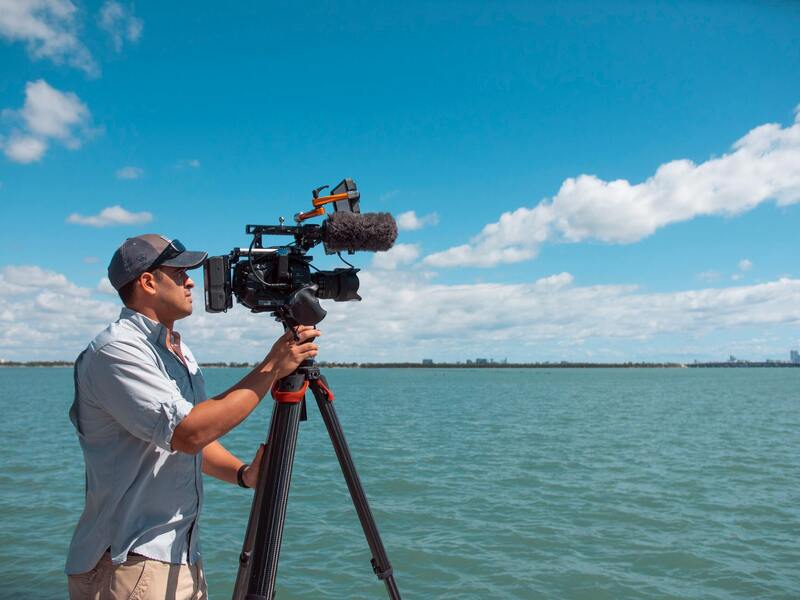
The significance of testimonial videos lies in their ability to influence purchasing decisions. Potential clients tend to trust peer recommendations more than traditional advertising, and videos bring these endorsements to life. For local businesses, this form of marketing is particularly impactful because it reflects real interactions within the community, emphasizing a business’s commitment to quality and customer care. By leveraging testimonial videography, businesses can demonstrate social proof and differentiate themselves in competitive markets.
In essence, testimonial videography is an effective means of storytelling that transforms satisfied clients into brand advocates. Its strategic use in marketing campaigns ensures a compelling presentation of authentic experiences, ultimately driving customer engagement and fostering long-term loyalty.

Key Elements of Effective Testimonial Videos
Creating impactful testimonial videography begins with understanding the essential components that make these videos resonate with viewers. Authenticity is at the core, which requires the selection of participants who genuinely share their experiences. Proper preparation, including guiding interview questions that encourage honest storytelling without scripting, ensures the content feels natural and relatable.
Lighting and sound quality significantly influence the perceived professionalism of the final product. Conducting filming in well-lit environments and using high-quality microphones captures clear visuals and audio, emphasizing sincerity in each testimonial. Additionally, framing shots to focus on facial expressions and gestures enhances emotional connection, allowing viewers to truly grasp the authentic sentiments expressed.
Storytelling should be prioritized, weaving each client's journey into a cohesive narrative that highlights specific benefits and personal victories. Incorporating before-and-after scenarios or illustrating problem-solving scenarios can underscore the value of the product or service. To maximize engagement, inclusion of relatable settings and candid moments creates a genuine atmosphere that audiences trust.

The length of testimonial videos is also a crucial consideration. While keeping the content concise ensures viewers remain engaged, enough detail should be included to convey authenticity and depth. Typically, durations between 60 to 90 seconds are effective for social media sharing, but in-depth case studies may extend longer for website use.
Incorporating branding elements subtly within the footage—such as logos or color schemes—reinforces brand recognition without overshadowing the client’s story. Furthermore, a strong call-to-action at the culmination of the video guides viewers toward desired responses, whether it’s contacting the business, signing up for services, or engaging with community platforms.

Post-production editing should focus on maintaining the natural flow of stories while refining visual and audio quality. Color correction, sound balancing, and trim edits help achieve a professional look that boosts credibility. Additionally, integrating subtitles and captions ensures accessibility and comprehension in diverse viewing contexts, increasing reach to wider audiences.
Overall, the success of testimonial videography hinges on meticulous attention to these key elements, ensuring each video serves as a compelling and trustworthy endorsement of your brand or service. When executed with precision, these videos can markedly influence customer perceptions and support your marketing goals effectively.
Understanding Testimonial Videography
Testimonial videography involves capturing genuine stories from clients or customers that highlight their experiences with a product or service. This approach leverages personal narratives to build credibility and foster trust with prospective clients. Unlike traditional advertising methods, testimonial videos focus on real-world interactions, making the content more relatable and impactful. The choice of interview settings, camera angles, and lighting play crucial roles in ensuring the authenticity of the story is maintained while delivering a polished visual presentation. Meticulous planning ensures that each testimonial captures the core message, resonates emotionally, and aligns with the brand's identity. Strategically tailored questions guide the interviewees to share detailed insights, emphasizing specific benefits or memorable moments that underscore the value of the offering. Such videos often include close-ups of the interviewee for emotional engagement and broader shots to contextualize the environment, all contributing to a comprehensive storytelling experience.
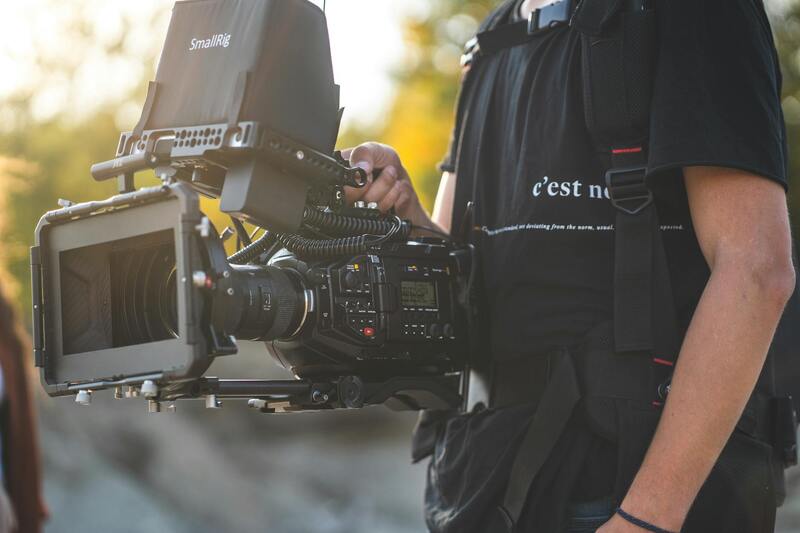
Effective testimonial videography extends beyond mere recording; it encompasses an understanding of narrative structures, technical quality, and audience psychology. The selection of interview locations—whether onsite at the client’s venue or a neutral setting—affects the perceived authenticity. Proper sound recording, unobtrusive lighting, and thoughtful shot composition create a professional atmosphere that enhances credibility without overshadowing the genuine sentiments expressed. Planning also involves determining the optimal duration of the video, with concise formats suitable for social media and longer versions ideal for detailed websites. The process requires coordination, script refinement, and technical checks prior to filming to minimize discrepancies and maximize the impact of each testimonial. When executed with attention to detail, testimonial videography becomes a powerful tool, transforming heartfelt client experiences into persuasive visual narratives that drive engagement and conversion.
Filming Techniques for Testimonial Content
Achieving compelling testimonial videos requires an emphasis on careful filming techniques that highlight authenticity and emotional resonance. Proper framing, lighting, and sound are essential to ensure that the interviewees' messages are delivered clearly and powerfully. A professional videographer will utilize techniques such as close-up shots during emotional moments to foster viewer connection, alongside wider shots that establish context and environment. Consistent eye-line editing helps create a natural conversational flow, making the interviewees feel comfortable and open. Employing multiple camera angles—such as a primary shot complemented by cutaways to the client’s hands, products, or relevant details—adds visual interest and depth. It’s critical to maintain steady camera movements, avoiding jittery footage that can distract viewers. Additionally, lighting setups must be optimized to eliminate shadows and color inconsistencies, creating a polished final product that maintains focus on the testimonial subject. Sound quality is equally pivotal; using lapel or shotgun microphones can significantly improve audio clarity, ensuring the client’s story is heard without background noise interference. These technical considerations, combined with a relaxed interview atmosphere, help extract genuine insights while maintaining a professional appearance, resulting in testimonial videos that are both authentic and engaging.
Post-Production and Editing Tips
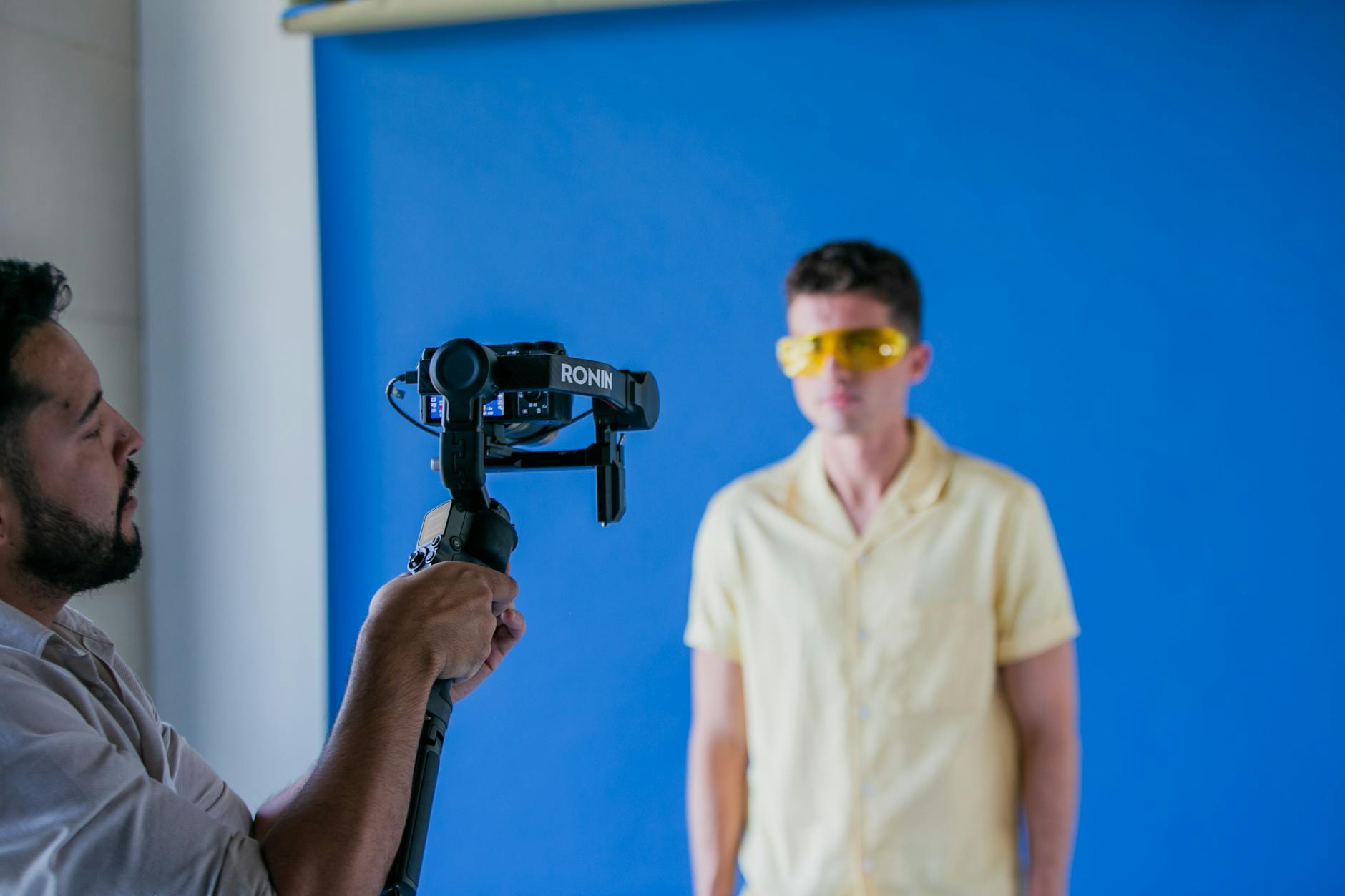
Post-production is where raw footage transforms into a compelling testimonial story. Skilled editing involves more than cutting scenes; it requires a thoughtful approach to storytelling, pacing, and visual consistency. The first step is reviewing all footage and selecting the strongest clips that authentically represent the client’s message. Editors should pay attention to natural transitions that maintain the narrative flow and avoid overly long segments that could dilute impact. Incorporating background music—carefully selected to evoke the appropriate emotion—can significantly enhance the storytelling without overpowering the interviewee’s voice. Color grading helps achieve visual harmony and a professional look, ensuring all shots are consistent with the brand’s aesthetic. Text overlays, such as the client’s name, title, or key testimonial points, can emphasize critical messages and reinforce authenticity. Subtitles are also recommended to improve accessibility and enable viewing in sound-off environments, like social media feeds. Throughout the editing process, maintaining a focus on clarity, emotional resonance, and authenticity ensures that testimonial videos bolster trust and influence purchasing decisions effectively.
Filming Techniques for Testimonial Content
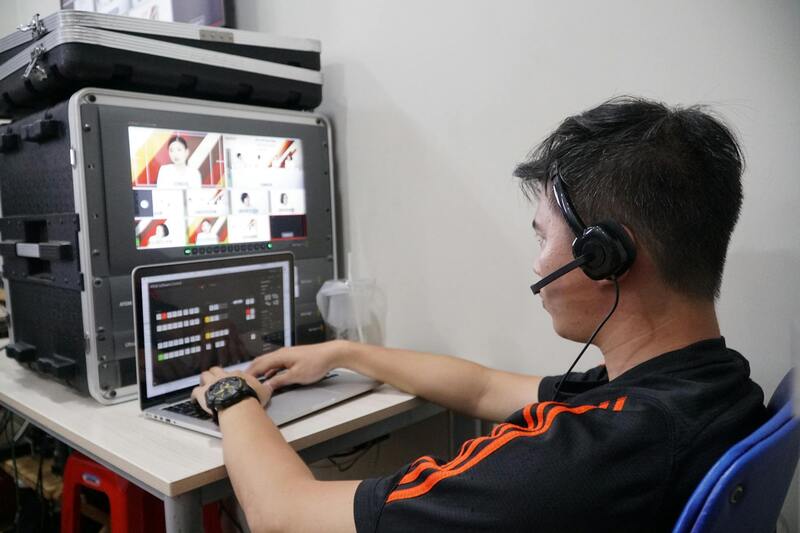
Executives aiming to produce impactful testimonial videos must prioritize technical excellence during the filming process. Camera angles significantly influence the viewer's perception; a straightforward, eye-level shot fosters connection and authenticity, while dynamic angles can add visual interest when used judiciously. It is crucial to maintain a steady shot, utilizing professional-grade stabilizers or tripods to prevent distracting shakiness, which detracts from the credibility of the message. Close-up shots of the client’s face allow for capturing subtle facial expressions, conveying genuine emotions that resonate with viewers. Mid and wide shots help establish the setting, providing context and emphasizing the environment in which the client operates.

Lighting plays a pivotal role in enhancing the authenticity and clarity of testimonial videos. Soft, diffused lighting minimizes shadows on the client’s face, highlighting expressions without harsh contrasts. Natural light is ideal but supplementary softbox lighting helps maintain consistency, especially in controlled environments like studios or indoor settings. It’s important to avoid overly bright or uneven lighting, which can detract from the client’s message. Sound quality is equally critical; utilizing lavalier microphones or boom mics ensures clear, crisp audio free of background noise. Proper microphone placement close to the interviewee’s mouth captures subtle nuances and facilitates comprehension.

Interview setup should be meticulously planned to foster a natural, conversational atmosphere. Ensure the client feels comfortable with the environment, which may involve arranging seating or positioning the camera at a slight angle to avoid intimidating straight-on shots. Framing should adhere to principles of composition, such as rule of thirds, to create balanced and engaging visuals. Reduce background distractions by choosing a clean, uncluttered space. Encourage clients to share genuine stories rather than scripted responses, emphasizing sincerity over perfection. Finally, provide ample time for multiple takes if needed, capturing variations that can be edited later for the most compelling presentation.
Post-Production and Editing Tips
Effective editing is essential to maximize the impact of testimonial videography, transforming raw footage into compelling narratives that resonate with viewers. The editing process begins with a careful review of all clips, selecting those that best capture authentic emotions and clear messaging. Incorporation of branding elements, such as logo animations or color schemes consistent with your brand identity, helps reinforce recognition and authority throughout the video.
Subtitles are a crucial addition, particularly for audiences who may watch videos without sound or in noisy environments. They also enhance accessibility, ensuring that your message reaches a broader demographic. When adding subtitles, accuracy is paramount to preserve the integrity of the interviewee’s words, enabling viewers to connect more deeply with their stories.
Emotional storytelling cues should be subtly integrated in the editing process. This includes emphasizing moments of genuine expression, adjusting the pacing to build a compelling narrative, and incorporating music or sound effects that complement the tone of the testimonial. The goal is to evoke trust and authenticity, allowing prospective clients to relate to real experiences shared by past clients.
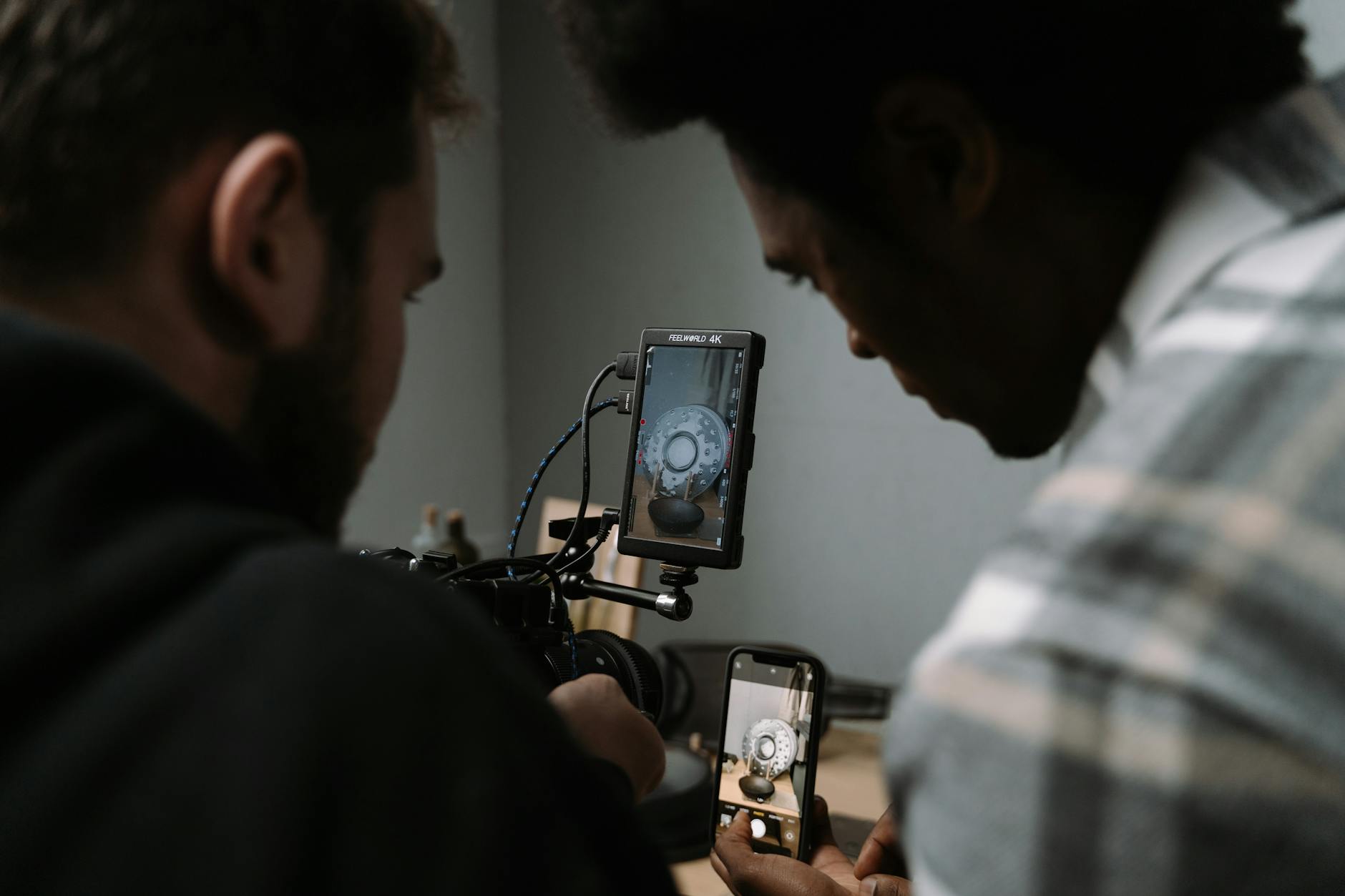
Transition effects should be used sparingly to maintain a professional appearance. Simple cuts and fades often suffice, ensuring that the focus remains on the interviewees' stories rather than distracting visuals. Consistency in color grading can also improve the overall cohesion of the video, creating a polished, seamless viewing experience. The final product should be optimized for various platforms, whether for social media, your website, or digital advertisements, ensuring quality and clarity across all formats.
Post-Production and Editing Tips
Effective testimonial videography relies heavily on meticulous editing that preserves authenticity while enhancing visual engagement. Begin by reviewing all footage to identify the most compelling segments that highlight genuine client experiences. Subtle and seamless transitions, such as simple cuts or fades, help maintain a professional appearance and keep the viewer focused on the interviewee’s story.
Color grading plays a vital role in ensuring visual consistency across the testimonial. Applying a uniform color palette aligns with your brand identity, reinforcing recognition and emotional resonance. Additionally, integrating appropriate subtitles not only broadens accessibility but also ensures your message remains clear even in silent autoplay scenarios common on social media platforms.
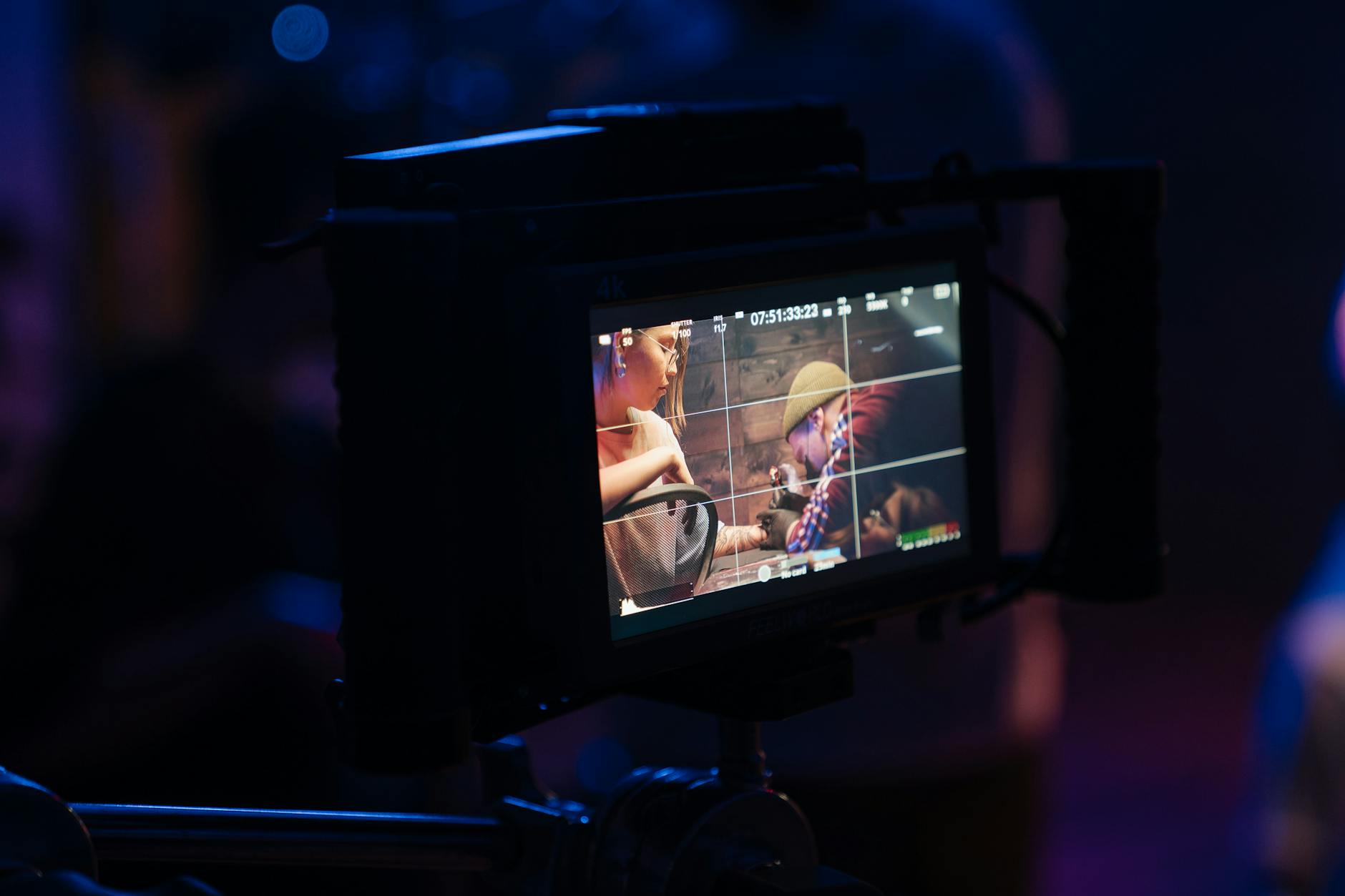
Emotional storytelling hinges on pacing and sound. During editing, emphasize sincere expressions and key moments that evoke trust. Adjust pacing to build a compelling narrative arc, blending moments of vulnerability with uplifting segments. Incorporate background music or sound effects judiciously to enhance emotional impact without overpowering the spoken words.
Careful sound balancing ensures clarity of dialogue while adding to the overall mood. Consider incorporating natural sounds captured during filming to lend an organic feel, further connecting the viewer with the testimonial.
Finally, optimize your finished video for multiple platforms. Ensure high resolution for desktop displays and ensure the file size is suitable for fast loading on social media and mobile devices. Proper formatting and compression preserve video quality across various channels, maximising reach and engagement.

Implementing Testimonials Effectively in Your Marketing Strategy
Integrating testimonial videos into your marketing campaigns demands a strategic approach to maximize their influence and authenticity. When properly executed, these videos can significantly elevate your brand’s credibility and foster a stronger connection with your audience. To achieve this, consider a structured deployment plan that aligns with your overall marketing objectives and channels.
Strategic Placement and Timing
Distributing your testimonial videos at strategic points in the customer journey enhances their impact. For instance, featuring these videos on landing pages, product pages, or during the checkout process can reassure potential clients and reduce hesitation. Additionally, timing the release of testimonial content to coincide with product launches, promotional events, or seasonal campaigns can amplify their relevance and engagement.
Leveraging Multiple Platforms
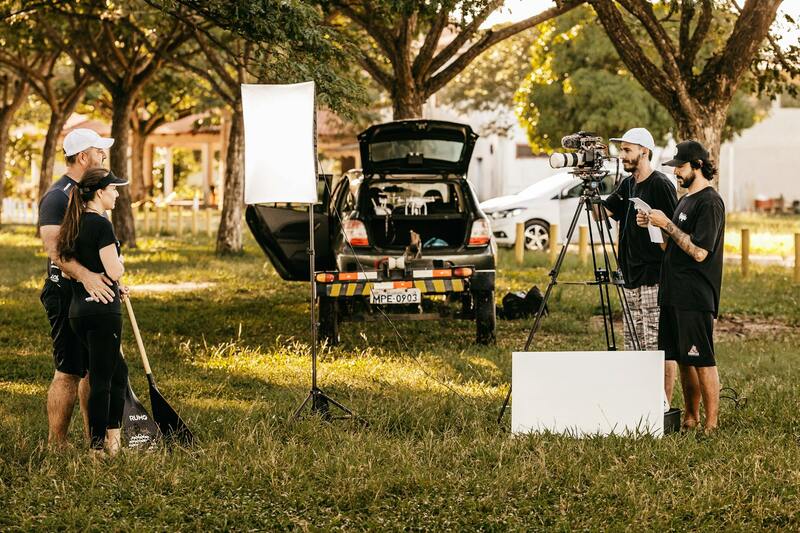
To reach diverse audience segments, distribute testimonial videos across various digital platforms such as your website, social media channels, email campaigns, and online advertising. Each platform offers unique advantages—social media enables sharing and interaction, while email campaigns allow targeted outreach. Optimize videos for each platform's specifications, ensuring they load quickly and display properly to maintain viewer engagement.
Measuring Effectiveness and Gathering Feedback
Tracking performance metrics is essential to understanding the impact of testimonial videos. Key indicators include viewer engagement, conversion rates, and user interaction metrics. Collecting feedback through surveys or direct responses also provides insights into how the testimonials influence perceptions and decision-making. This data informs future video content, allowing continuous refinement and improved results.
Integrating Testimonials with Broader Content Strategy
Embedding testimonial videos within a comprehensive content marketing framework enhances their credibility. Pairing videos with blog articles, case studies, or FAQs creates an interconnected narrative that sustains viewer interest and builds trust. Additionally, repurposing testimonial content into shorter clips or quotes for social media amplifies their reach and reinforces your message across channels.
Maintaining Authenticity and Ethical Standards
Authentic representation remains vital to the effectiveness of testimonial videos. Ensure that all participants provide honest accounts aligned with genuine experiences. Transparency about the context of testimonials, such as noting sponsorship or partnership details when relevant, helps maintain trust. Respect privacy and obtain proper consent from all interviewees to uphold ethical standards and foster long-term credibility.
Utilizing Testimonials to Build Brand Loyalty
Regularly updating your testimonial content showcases ongoing customer satisfaction and evolving success stories. Highlighting diverse customer experiences, including different service tiers or product categories, broadens appeal. Encouraging current clients to share their stories not only sustains engagement but also inspires new customers to choose your brand based on trusted peer recommendations.