Updated: October 22, 2026
Why the reception is the hardest part of the day to photograph
A Miami wedding reception usually happens in the dark. The ceremony may be at golden hour on a terrace or in a bright church, but by the time the couple makes their grand entrance, the ballroom lights are down, the uplighting is purple or amber, the DJ has turned on moving lights and the dance floor is full. The photographs couples treasure most (the first dance, the parents' dance, the toasts, grandmother on the dance floor at midnight) are all taken in light that a phone camera turns into grainy mush.
This guide explains how wedding reception photography works in low light: when a photographer uses flash and when not, how ballroom uplighting affects skin tones and dress colors, how the first dance is covered, and what couples can do with their planner and venue to make the evening photograph well. It applies to hotel ballrooms on Miami Beach, banquet halls in Hialeah and Doral, and outdoor tented receptions in Coral Gables or Homestead.
Flash or no flash
Couples often ask whether their photographer will use flash during the reception. The honest answer for most indoor receptions is yes, used with care. Modern cameras handle high ISO well, and some moments look best in available light. But a reception lit only by colored uplights and candles leaves faces in shadow and skin in strange colors. Flash, used properly, fixes that.
How flash is used well
- Bounced flash. The flash is pointed at a white wall or ceiling, so the light falls softly on people from above or the side. It looks natural and barely registers with guests.
- Off-camera flash. One or two small flashes on stands at the edges of the dance floor, triggered wirelessly. This gives depth and a defined, glowing look to the first dance. An assistant often moves them during the night.
- Dragging the shutter. A slower shutter combined with flash keeps the warm ambient light of the room in the background while freezing the couple in the foreground.
- No flash at all. During some ceremonies and speeches, the photographer works only with available light so the moment is not interrupted.
Ballrooms with dark or very high ceilings, mirrored walls or colored ceiling panels change the plan. A good photographer looks at the room in advance or asks the venue for photos of a past event set up the same way. More on the difference between lighting approaches is in our article on natural light or studio lighting for a photo session.
Uplighting, LED walls and the color problem
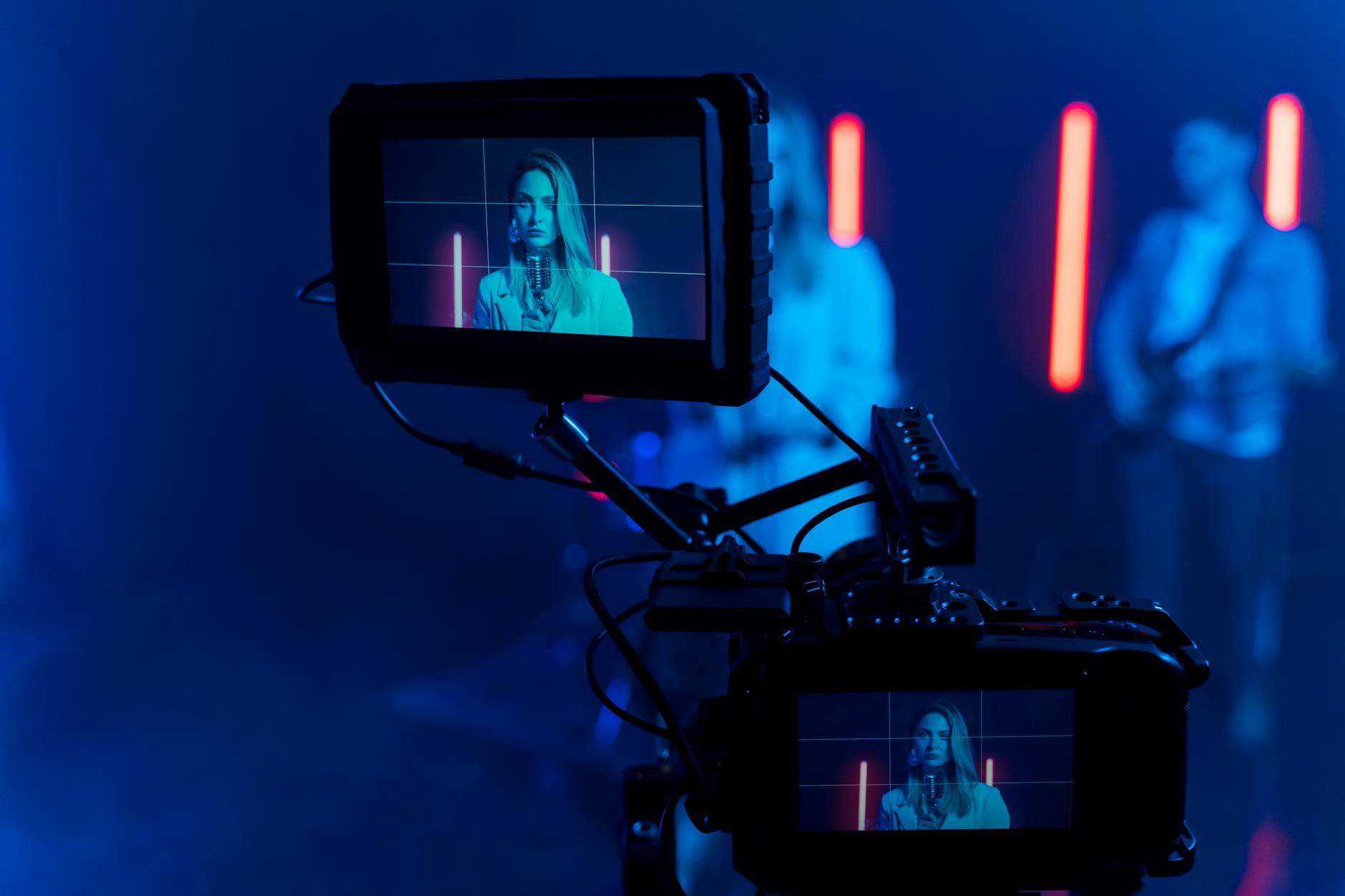
Uplighting is everywhere at Miami receptions, and it makes rooms look dramatic. It is also the most common reason reception photos look odd. Strong colored light on faces turns skin purple, blue or green, and a white dress takes on the color of whatever light is closest.
| Lighting choice | Effect in photos | What to ask for |
|---|---|---|
| Warm amber or soft white uplighting | Flattering, easy to work with | A good default for the dance floor area |
| Deep blue, purple or red | Dramatic walls, but unflattering on skin | Keep strong colors on walls, not near the head table or dance floor |
| Pin spots on tables | Lovely detail shots of centerpieces | No changes needed, works well |
| DJ moving lights and lasers | Fun party atmosphere, unpredictable on faces | Ask the DJ to hold them for the first dance and toasts |
| LED video walls | Can show flicker or banding in photos at some shutter speeds | Let the photographer know in advance |
A quick conversation between the photographer, the planner and the lighting company before the day avoids most of this. A neutral wash of light over the dance floor during the first dance costs nothing and makes a big difference.
Photographing the first dance
The first dance lasts three or four minutes, and the couple usually wants a few frames that feel cinematic and a few that show the room around them. A second photographer makes this much easier, because one can stay close with a short lens while the other shoots wide from a raised position or the far side of the floor.
- Tell the photographer if you are doing a choreographed dance with a lift, dip or spin, and when it happens in the song.
- Light fog or cold spark machines look great in photos when they are placed behind the couple, not in front of the camera.
- Ask guests to stay off the dance floor until the DJ invites them, so there is a clear background.
- Parents' dances and anniversary dances usually follow right after, so the photographer stays in place.
Toasts, speeches and reactions
For toasts, the photographer usually works from two angles: one on the person speaking and one on the couple's reaction. The reaction shots are often the best photos of the evening. Speakers should stand where there is decent light, ideally near the head table and not in a dark corner by the bar. Our guide to family group photos at Miami events explains how to slot formal group shots in around the speeches without losing dancing time.
Cake cutting, sparklers and the send-off
The cake cutting is a short moment, often lit by a single pin spot, and it photographs well when the table sits away from a busy background. Sparkler exits, where the venue permits them, need some planning: the photographer will want guests lined up close together, sparklers lit at the same time, and the couple walking slowly. Many Miami venues restrict open flames or sparklers, so check with the venue first, and plan an alternative such as bubbles or confetti if needed.
How long reception coverage should last
Many packages cover a set number of hours, and couples have to decide where to end. The key reception events (entrance, first dance, toasts, parents' dances and cake) are often finished within the first two hours. After that, open dancing produces fun candid photos, but they begin to look similar. Some couples keep the photographer until a planned send-off; others finish once the dance floor is full. A well-built timeline helps decide, and our wedding photography planning guide covers how to structure the whole day.
What you should see in your gallery
- Room and detail shots before guests enter, while the uplighting and centerpieces are untouched.
- The entrance, first dance and parents' dances from at least two angles.
- Toasts with reactions from the couple and guests.
- Candid dancing, including older relatives and children.
- Edited images where skin looks natural even under colored light.
Color correction of reception images is part of the editing work, and it is one reason galleries take a few weeks to arrive. Our article on galleries, retouching and prints explains what happens in that time.
Wedding reception photography with our Miami team
We photograph weddings and receptions across Miami-Dade and Broward, in ballrooms, banquet halls, rooftops and outdoor tents. We scout or research the room ahead of time, talk to your planner and lighting company about the dance floor, bring off-camera flash and a second photographer when the reception needs one, and edit every image so skin tones look right even after a night of colored uplighting.
If you are planning your wedding and want reception photos that hold up in low light, send your date, venue and lighting plans through our contact page. You can read more about our team and our approach on the about page. The first question we will ask is what color your uplighting is going to be.